Hey beautiful friends & enemies~
I know, I know… I’m fashionably late. Almost a year, to be exact. But my trip to Japan last year was so incredible that I can’t resist the chance to document it here. So, let’s just pretend I’ve just returned from an epic adventure in Japan, shall we? Haha!
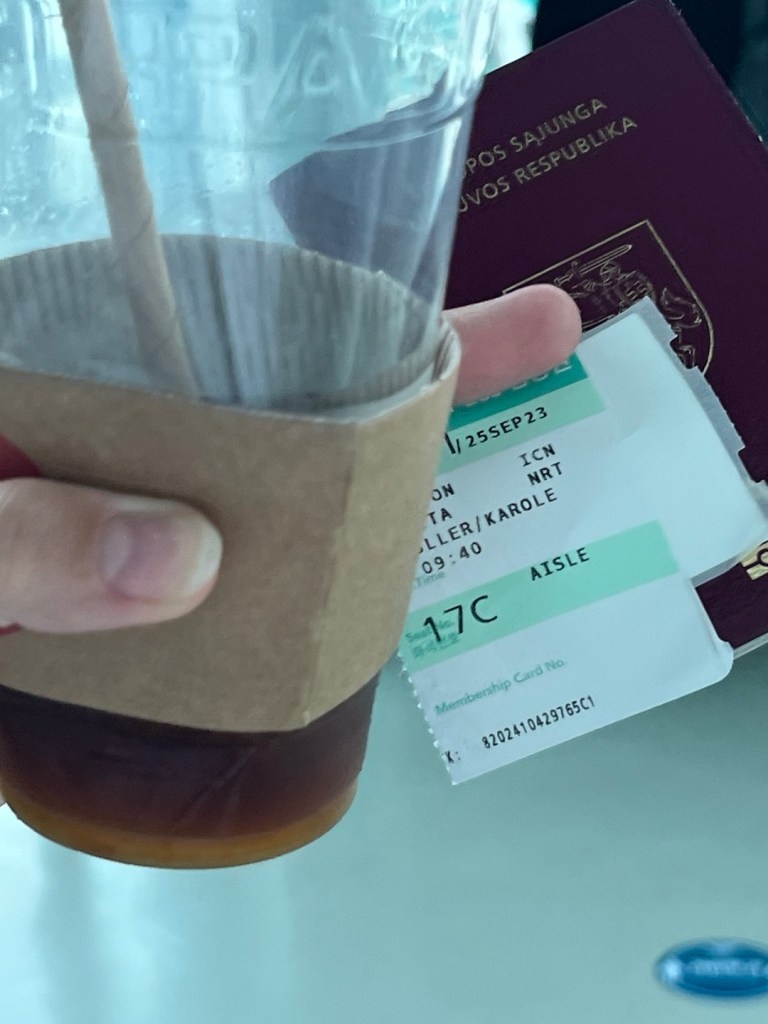
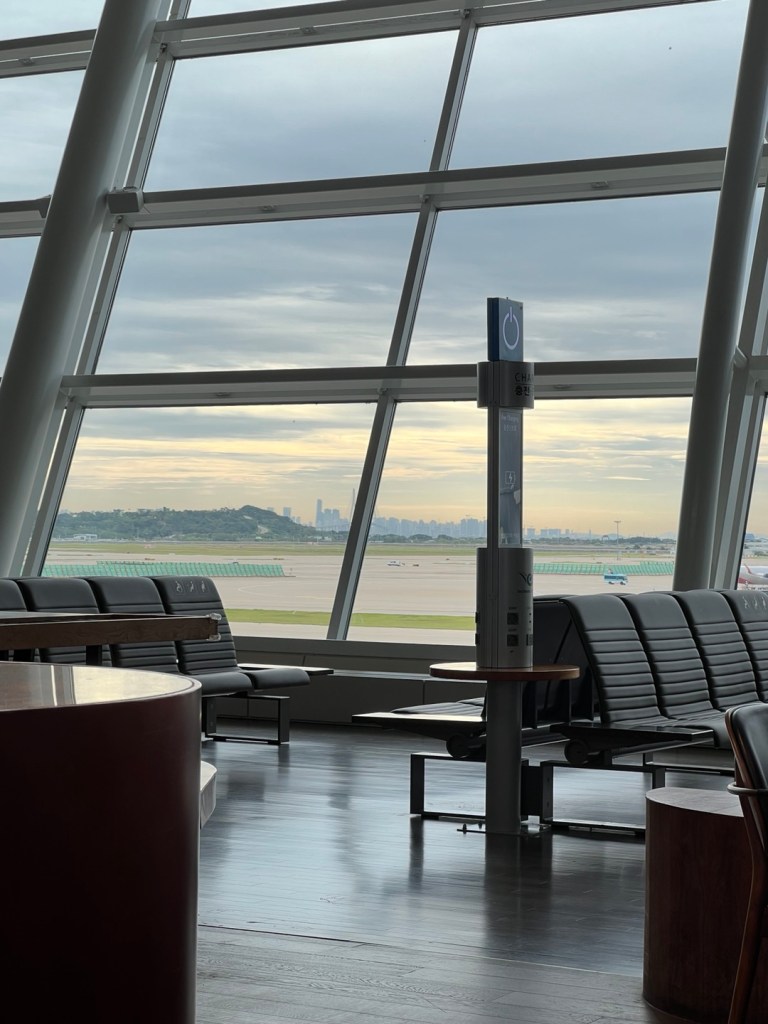
I went to Tokyo last September for couple of days (from the 25th to 30th) and it was my second trip in general to Japan. I stayed most of the time in Tokyo and for the last night went to visit a friend in Fujisawa which is near the sea and faces the Sagami Bay of the Pacific Ocean.
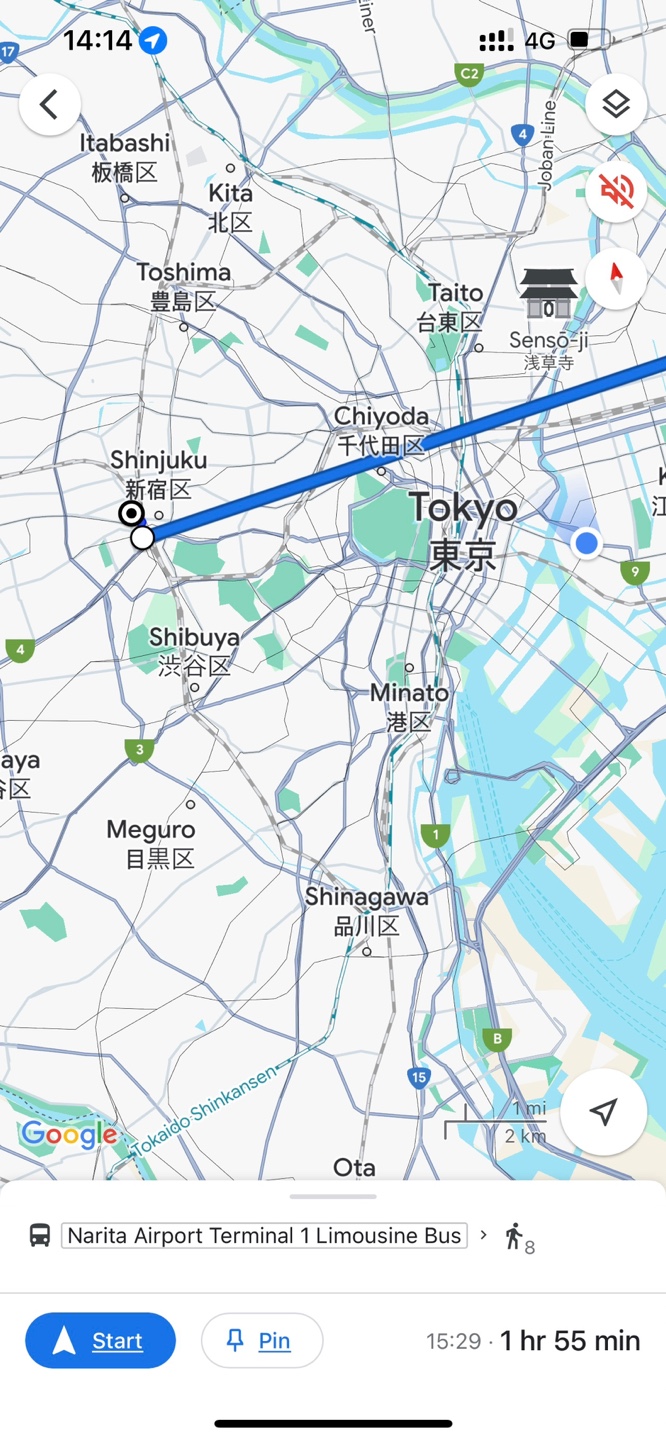
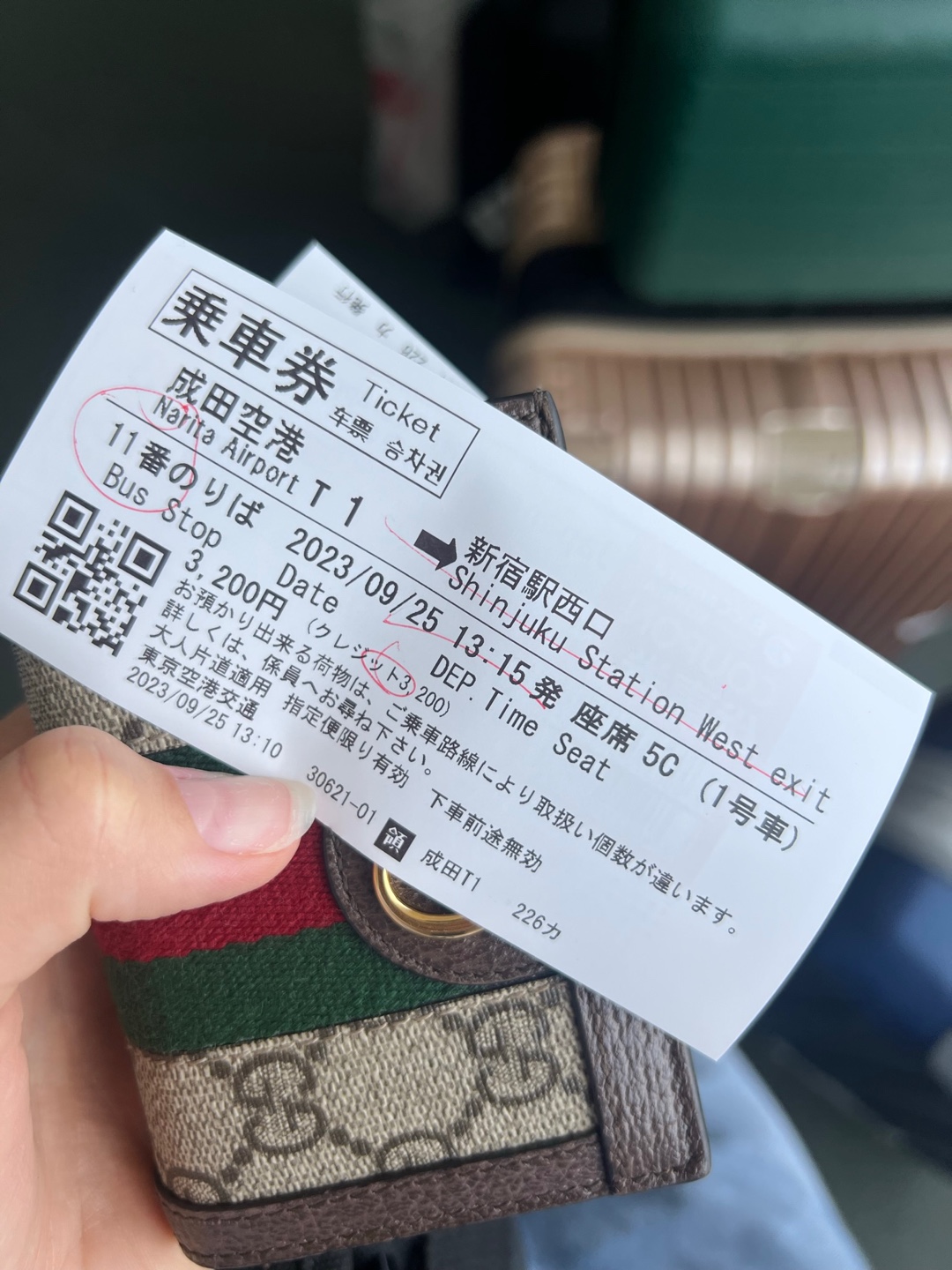
I have to admit, despite being an avid traveler, big cities and their transportation systems can really freak me out. I’m not a fan of buses—I get bus sick easily—and the thought of navigating metros stresses me out even more. So, as my trip to Tokyo approached, I found myself inundating my PhD supervisor (who was in Japan for a research visit) with a barrage of questions. Yes, I asked the same question about fifty times, and I’m genuinely sorry for that! My most persistent query? How on earth to get from the airport to my hotel. Well I have to admit it was quite easy in the end and I arrived at my destination without once getting lost (surprisingly lol).
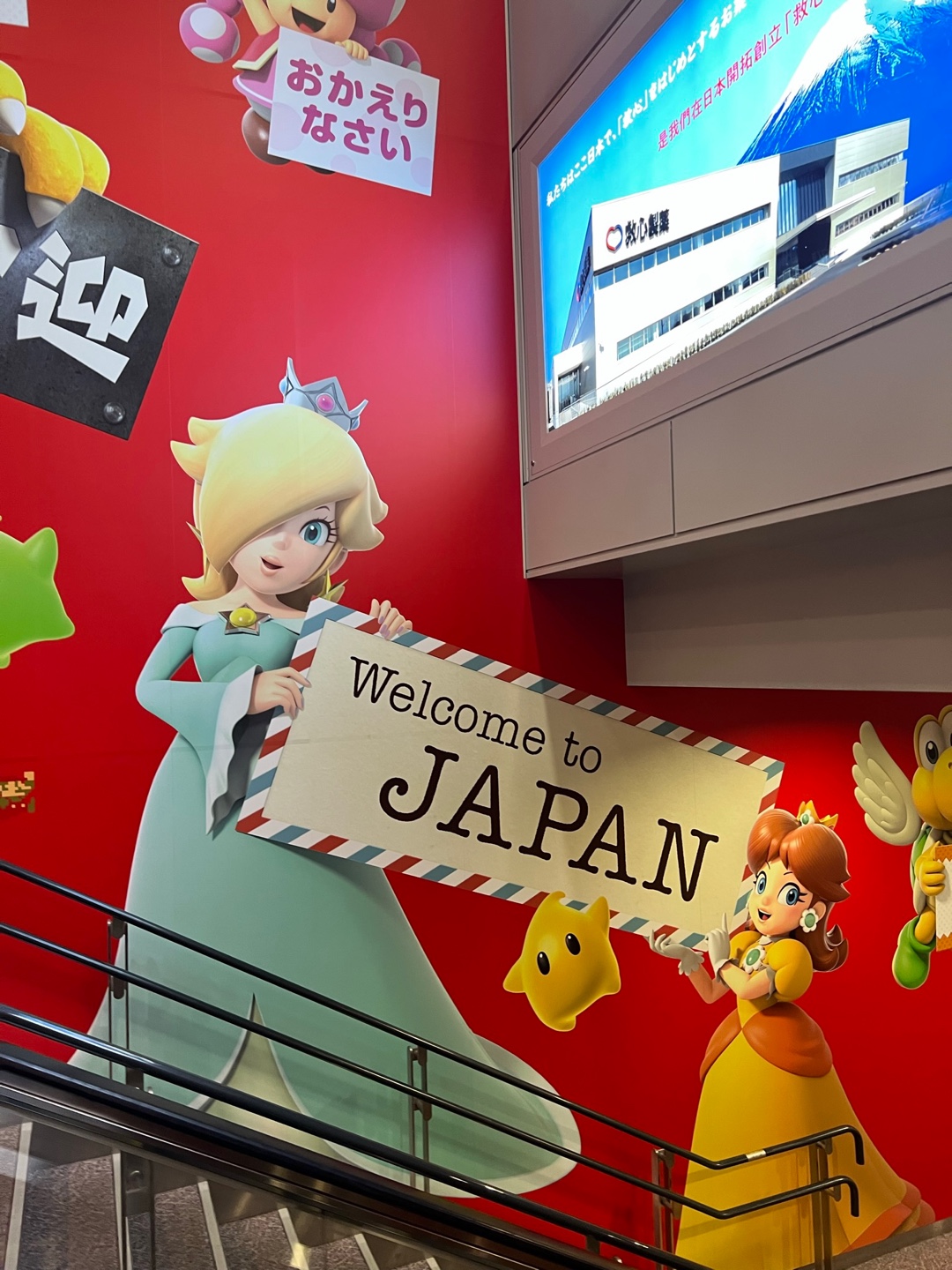
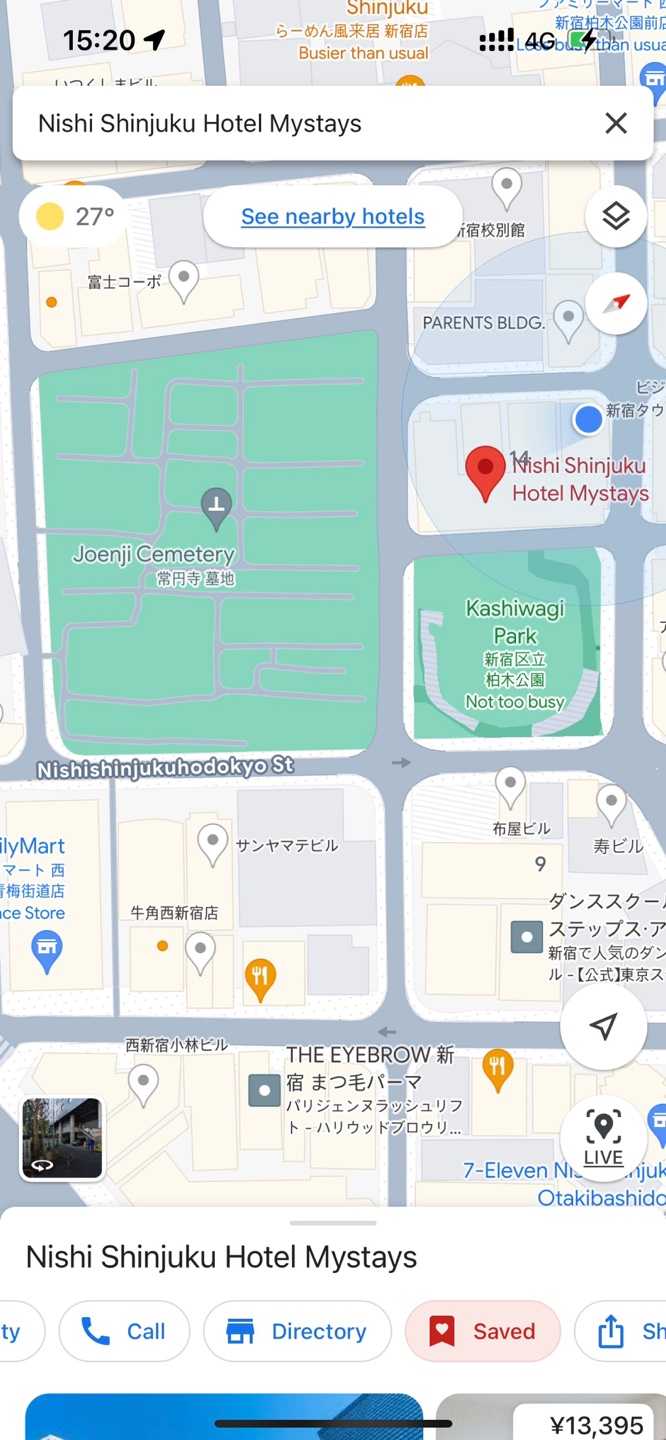
For my stay, I aimed for comfort without breaking the bank and found a great spot: MyStays Nishi Shinjuku in Shinjuku. The price was surprisingly low, partly because a crematorium was across the street. Every time I saw smoke drifting past my window, I knew another person had passed on. It was a rather eerie reminder of the cycle of life and death, but despite my ghostly neighbors (just kidding), I genuinely enjoyed my stay! By the way unlike in Korea, where bathtubs are less common and pricier, most Japanese hotels (I was told) include them, making it a nice feature despite some being on the smaller side. The hotel had super friendly staff and an excellent location. Nearby, there were plenty of small bars, and major tourist attractions were within walking distance. For those farther out, the metro was just a 7-minute walk away.
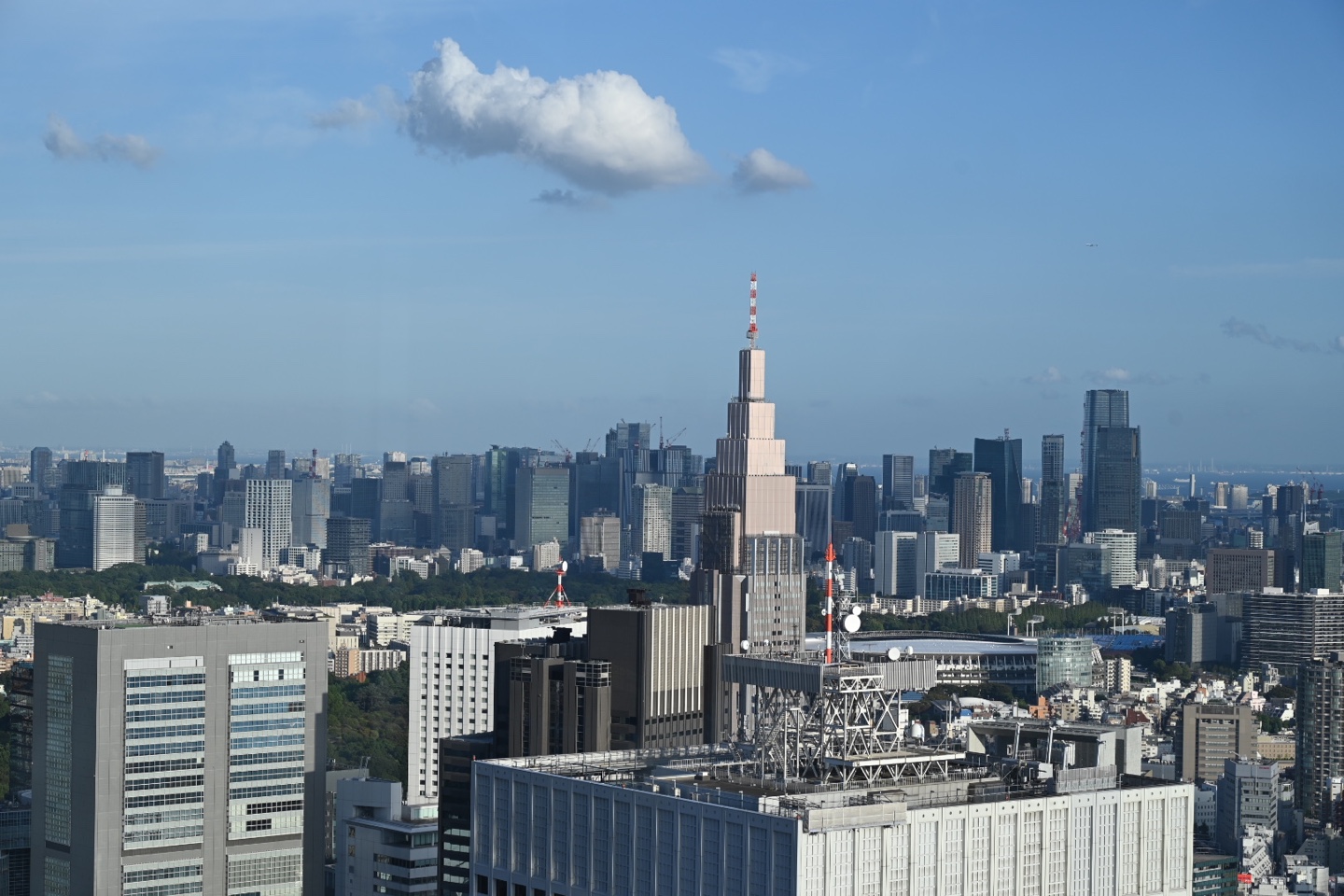
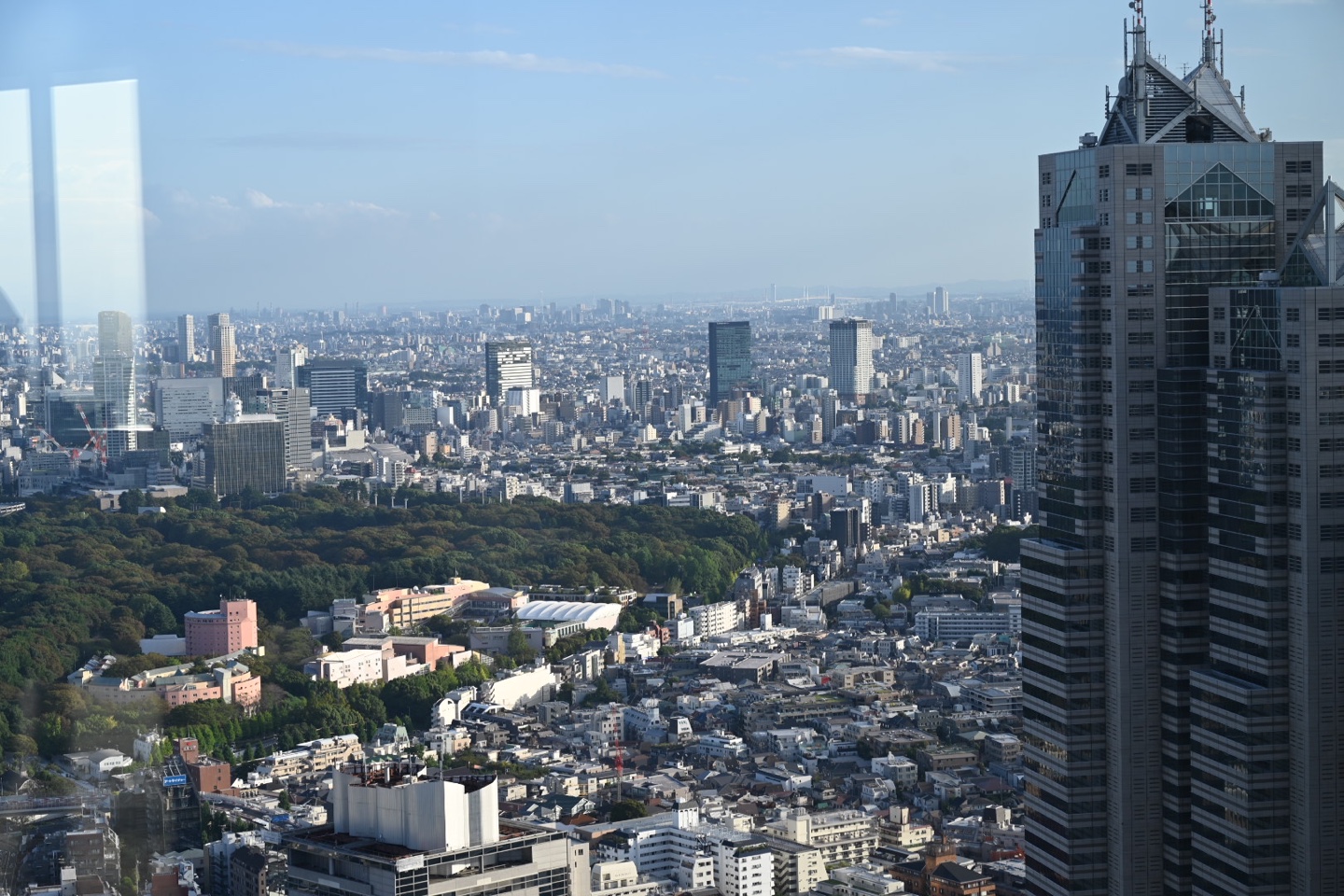
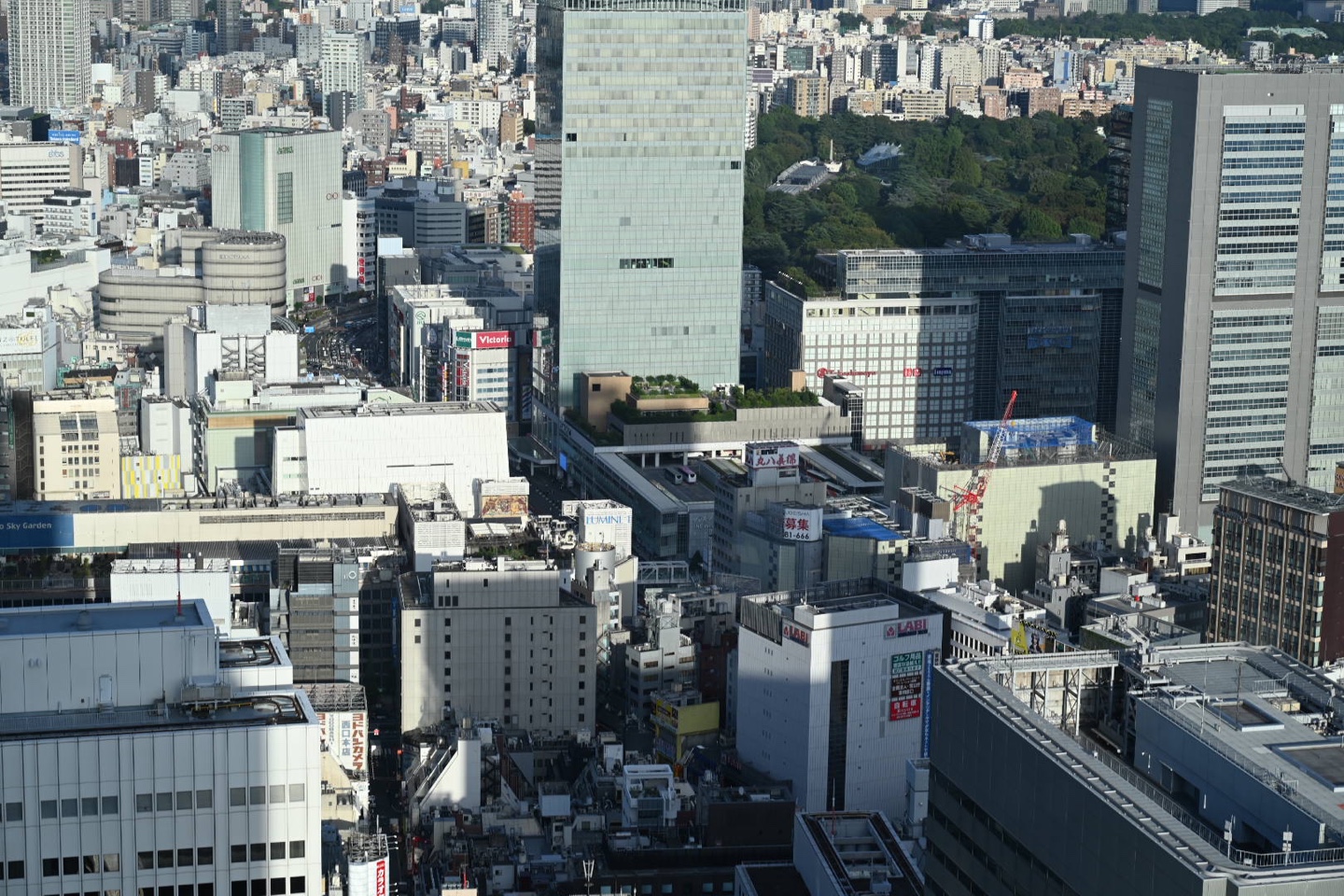
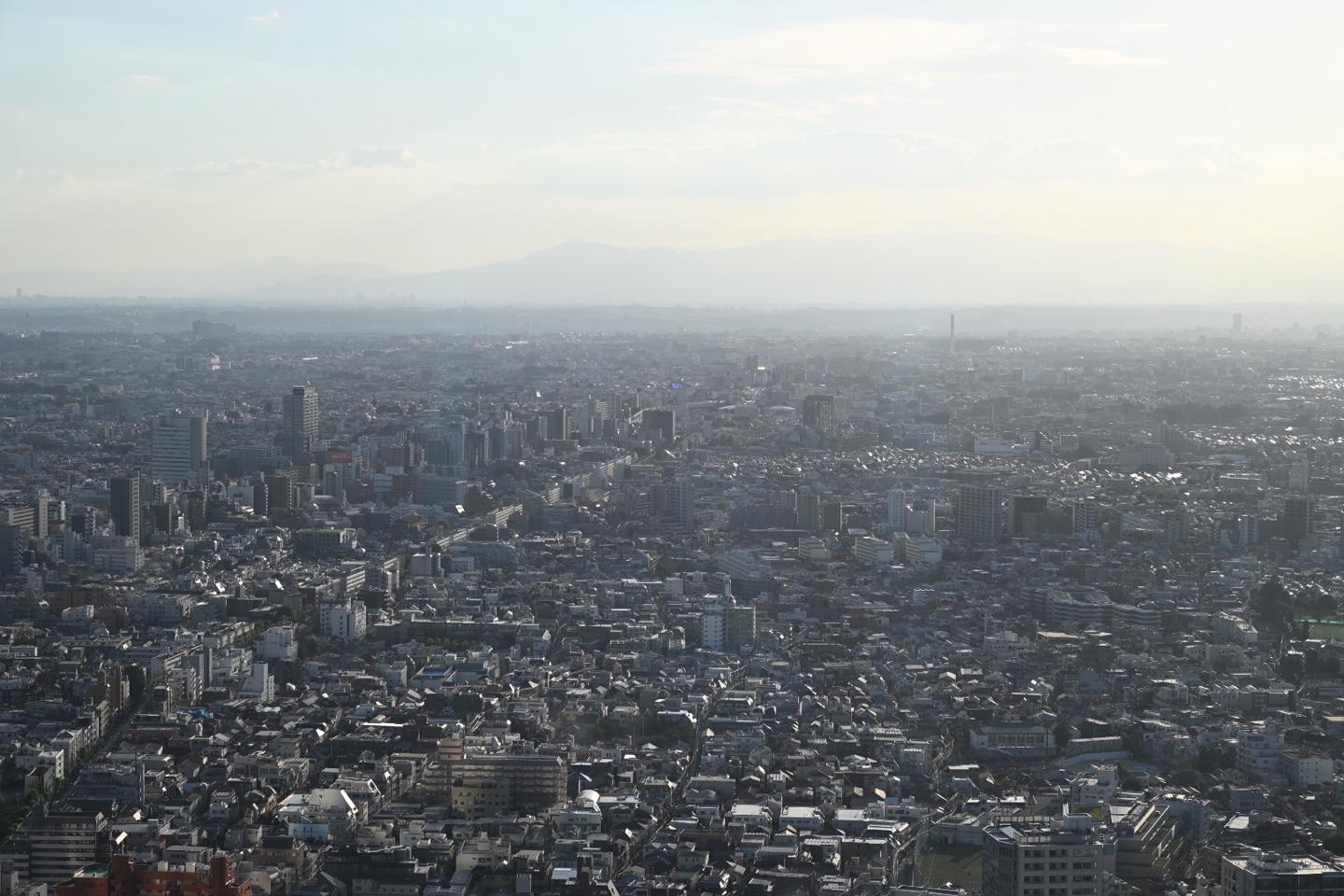
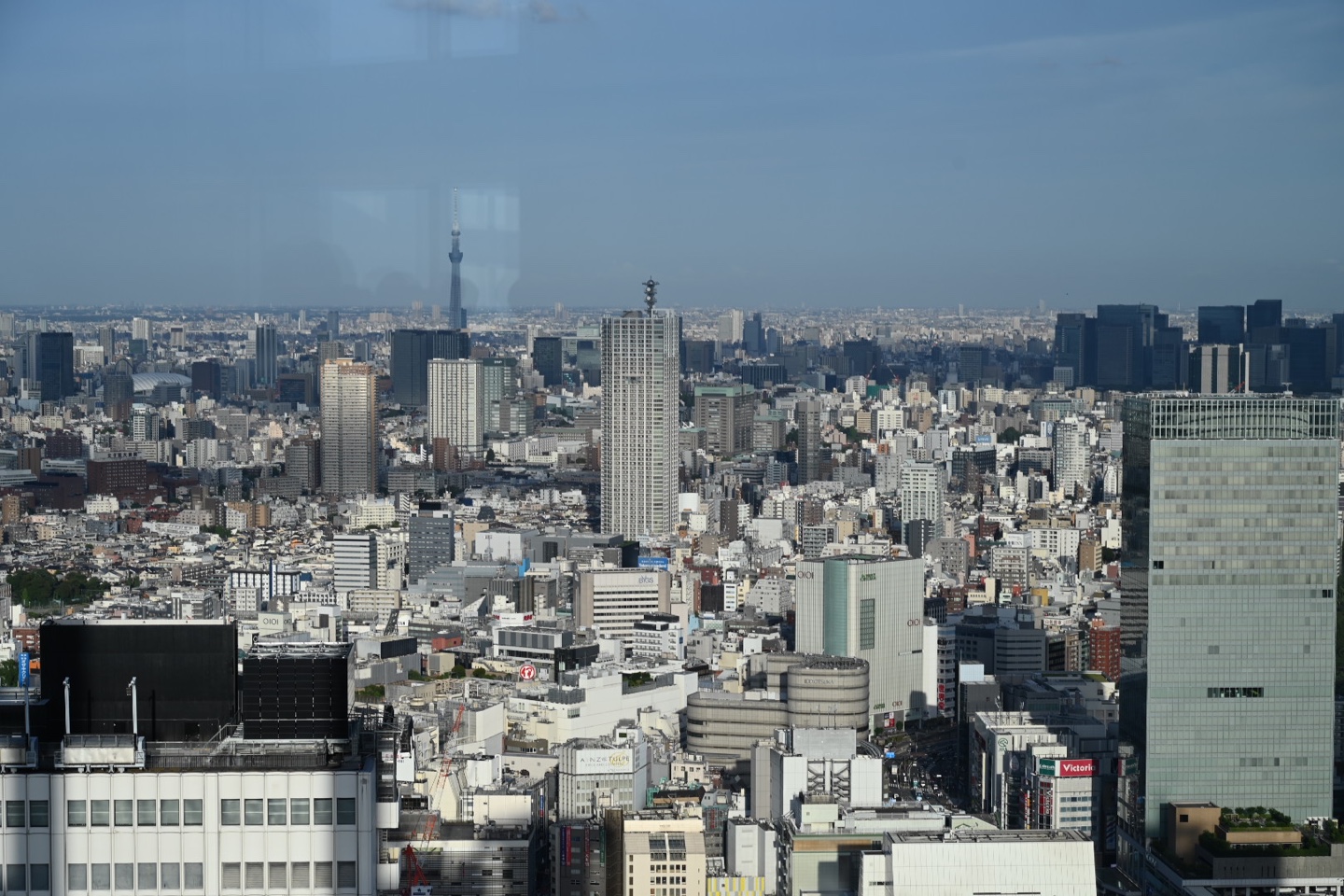
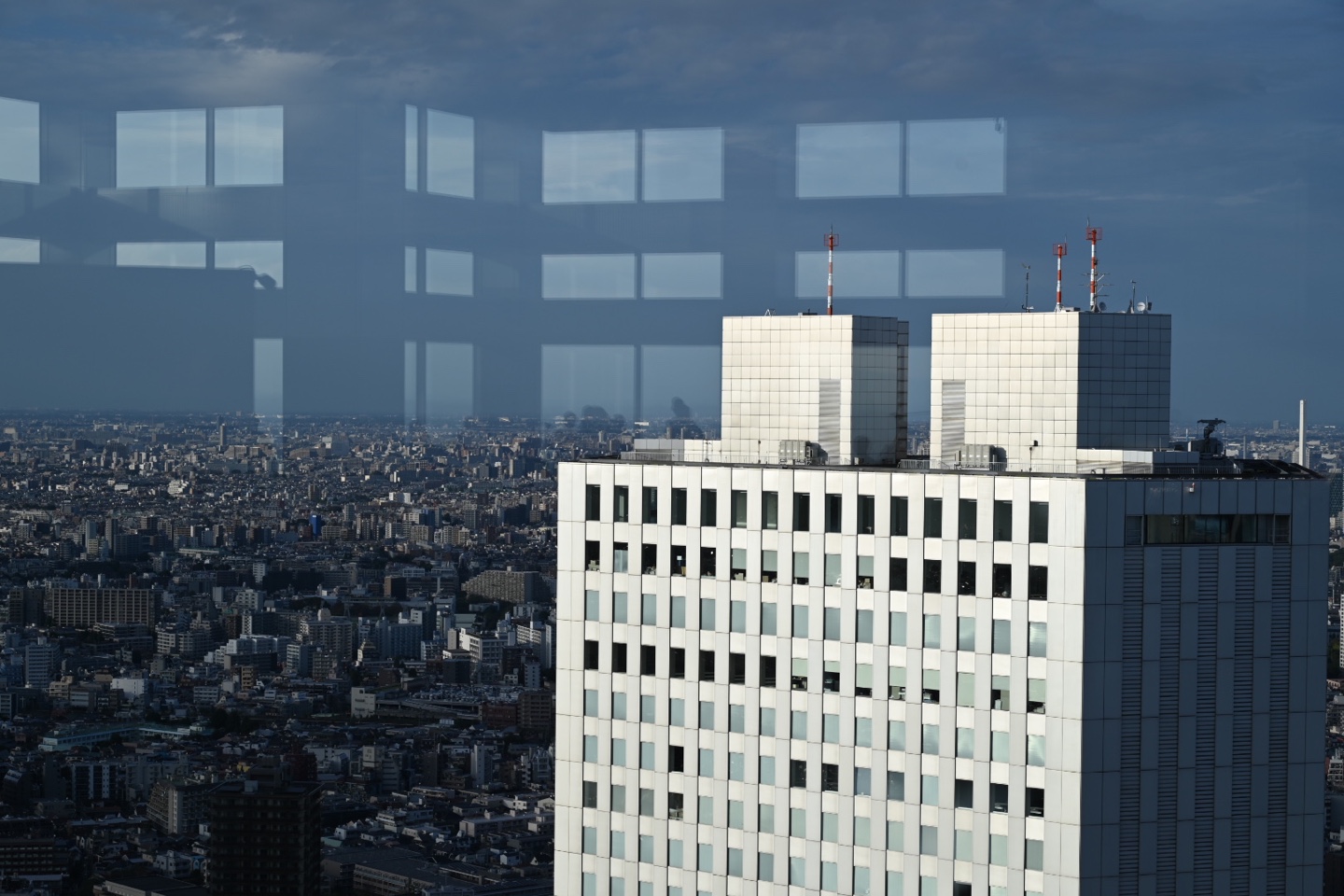
After unpacking, I set out to explore the neighborhood. Later, I met up with LD, who shared a fantastic tip for seeing the city from above without paying an entrance fee. Instead of visiting the famous Sky Tree etc., we went to the Tokyo Metropolitan Government Building Observatories, which offers just as beautiful a view but is free to the public. It was pretty amazing to see the gigantic city which even from above seemed to be never ending.
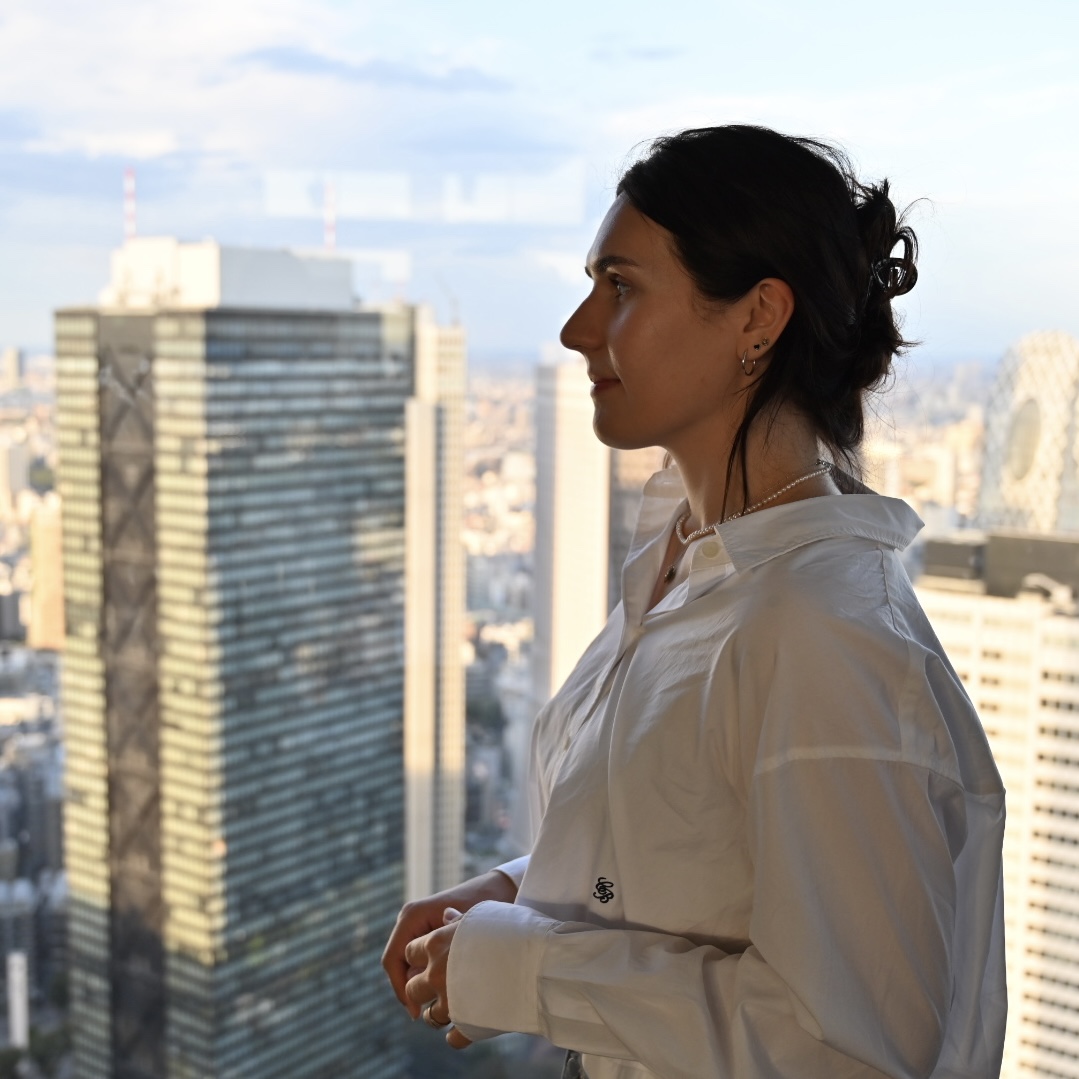
Afterwards I continued to explore the vibrant city.
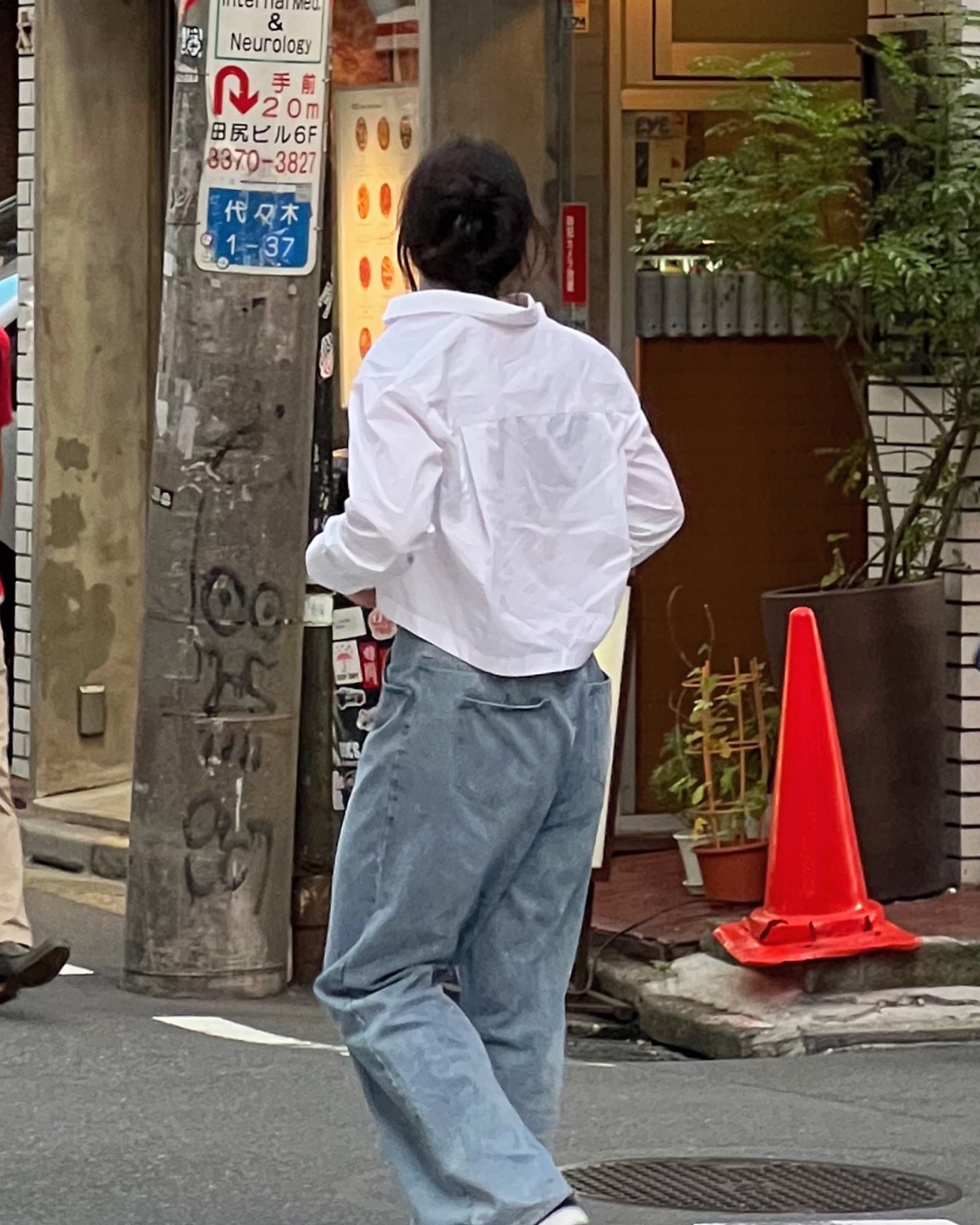
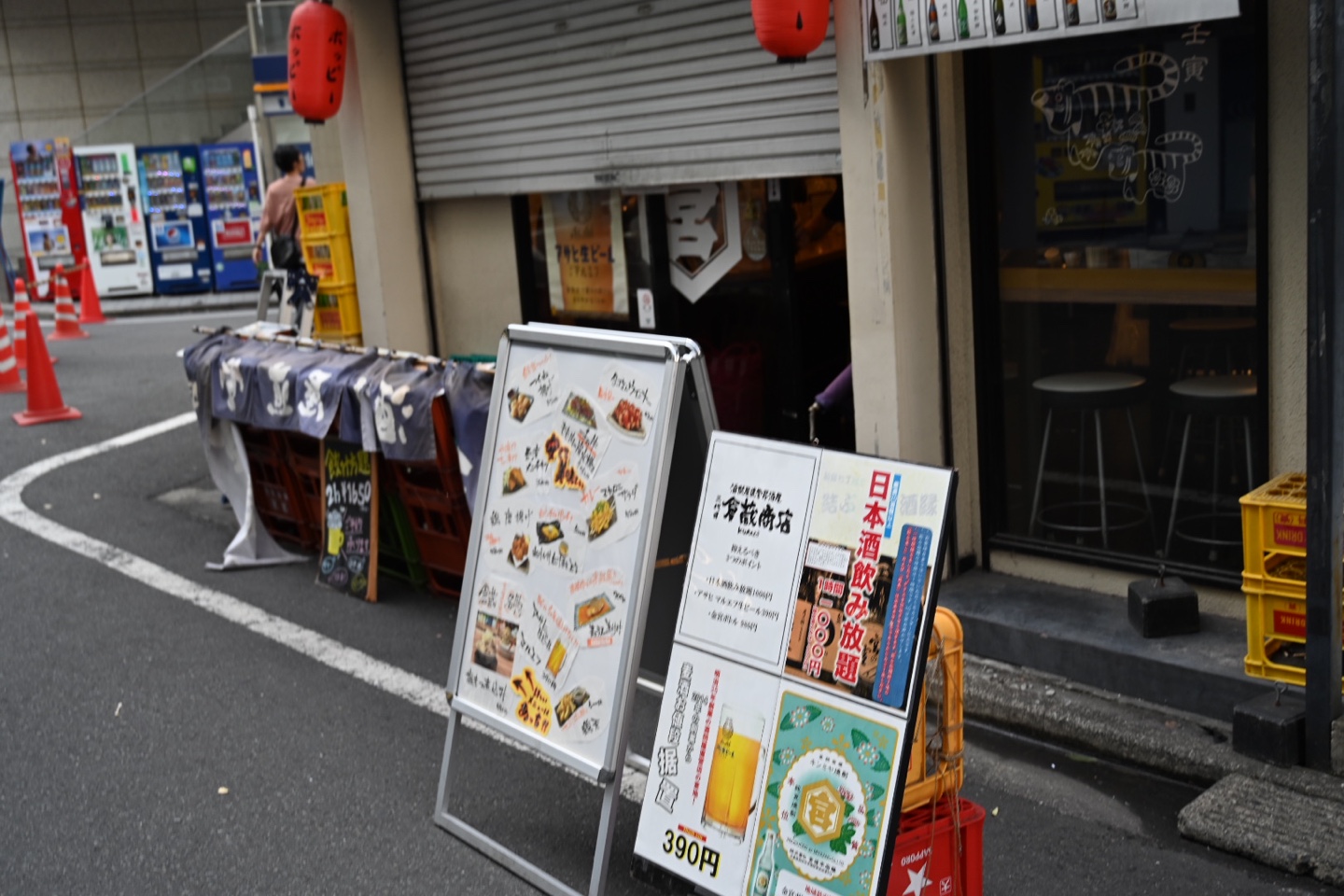
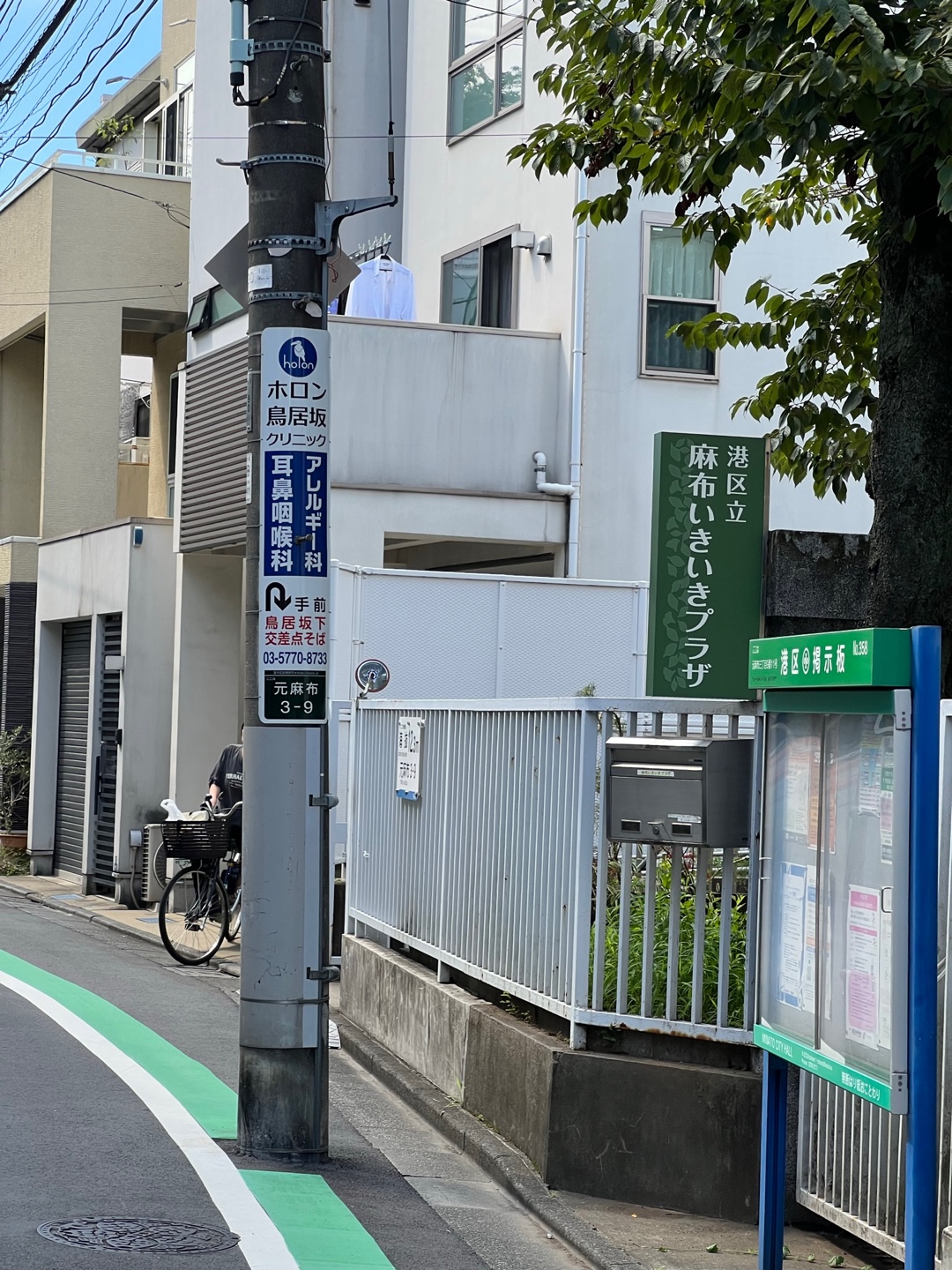
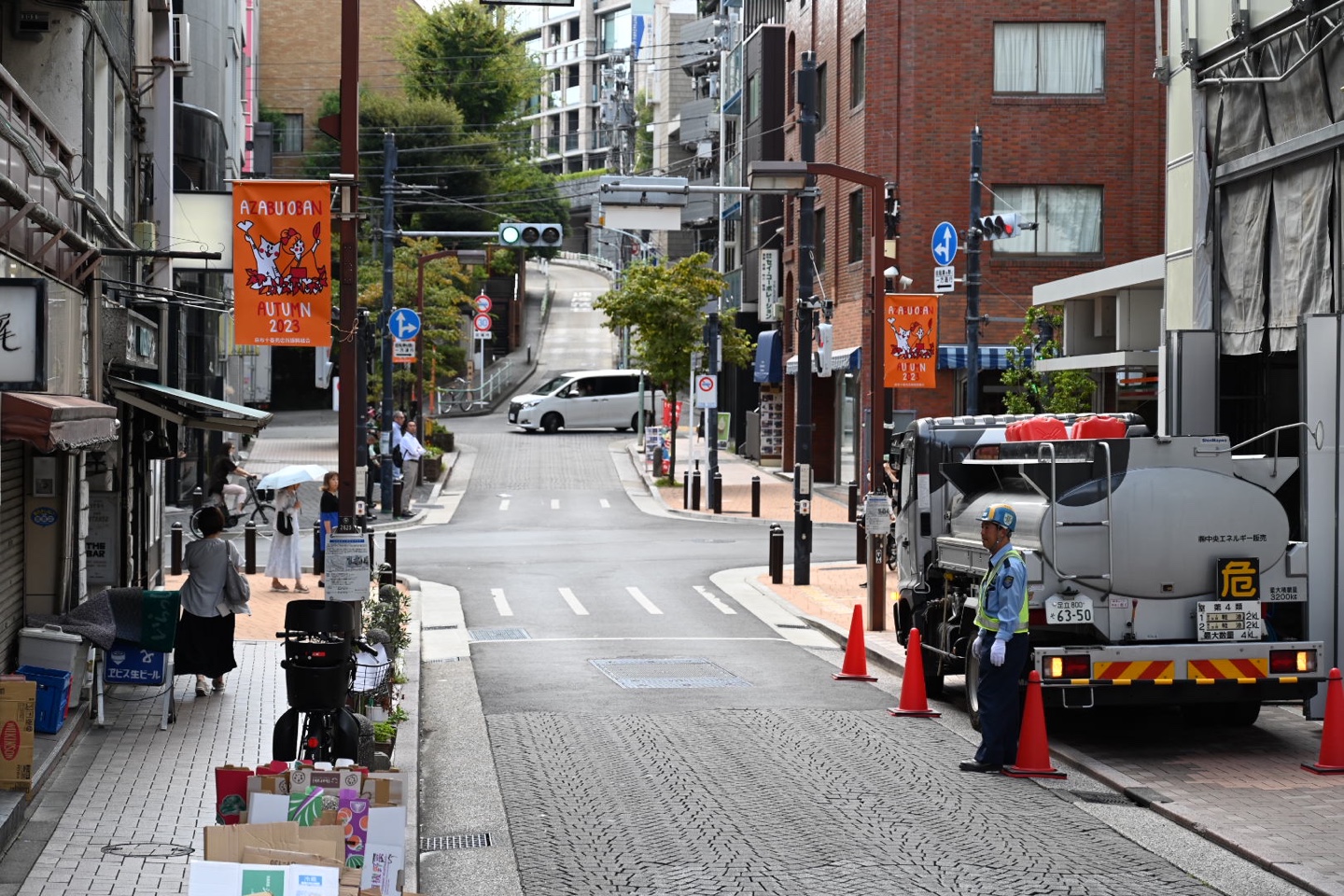
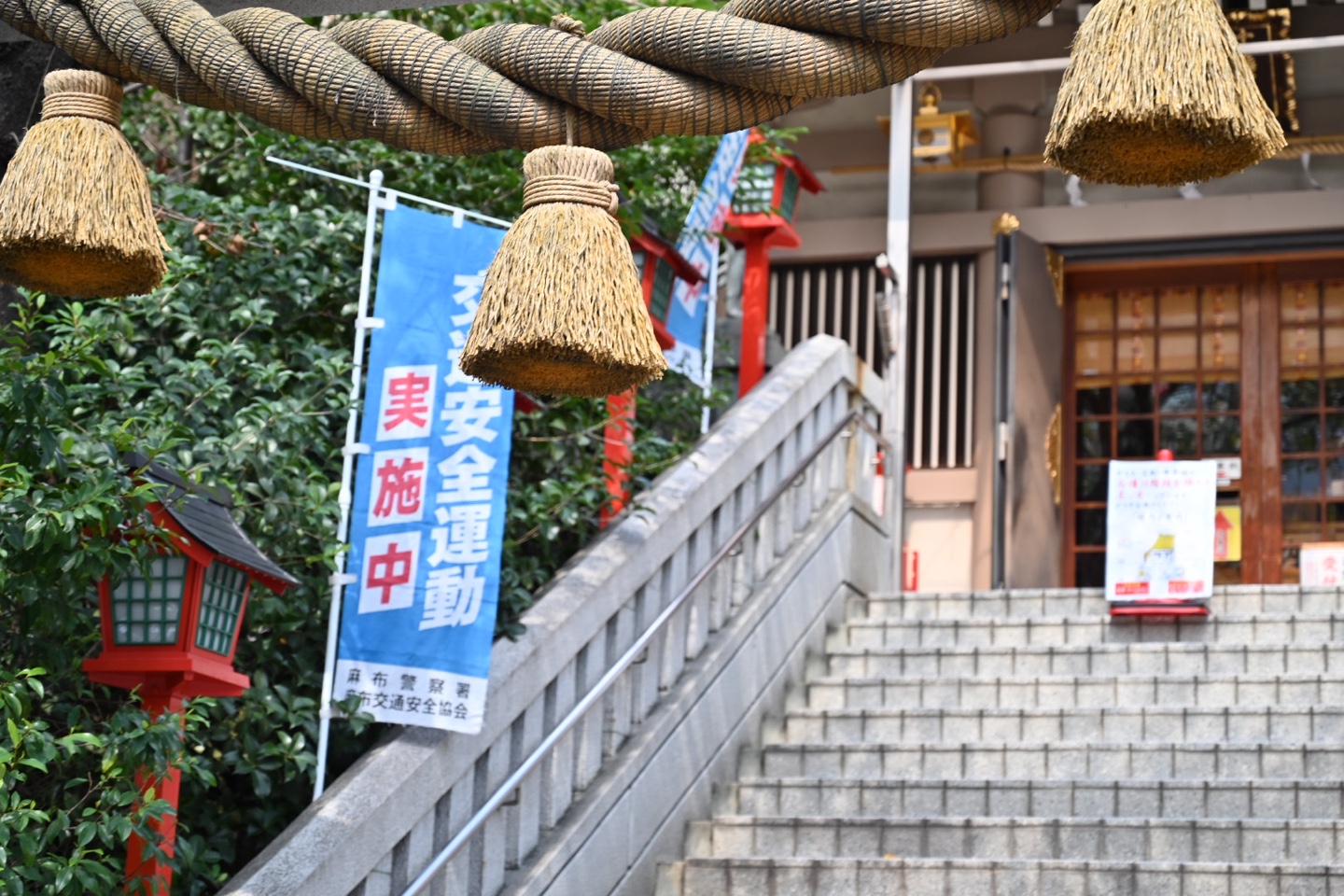
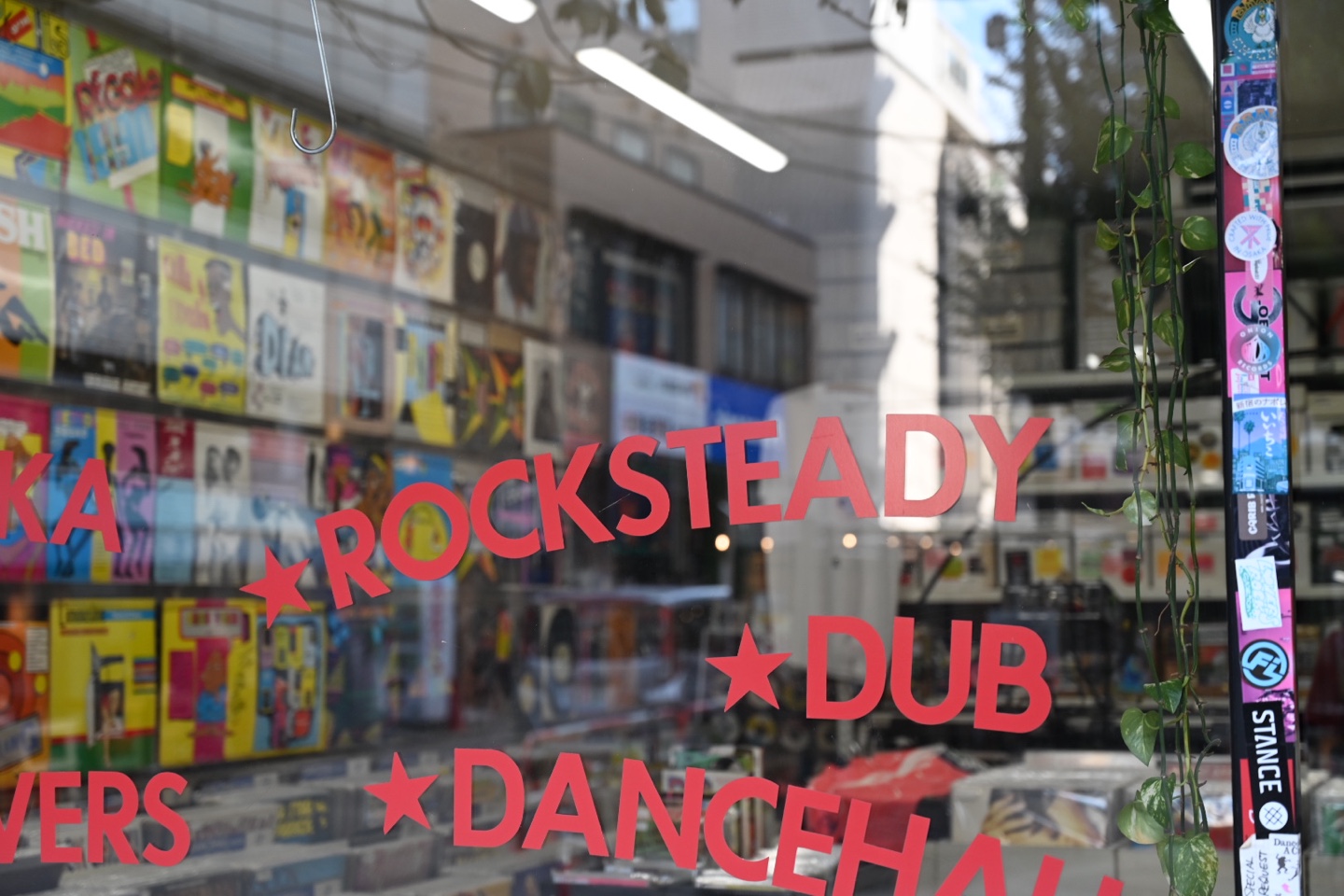
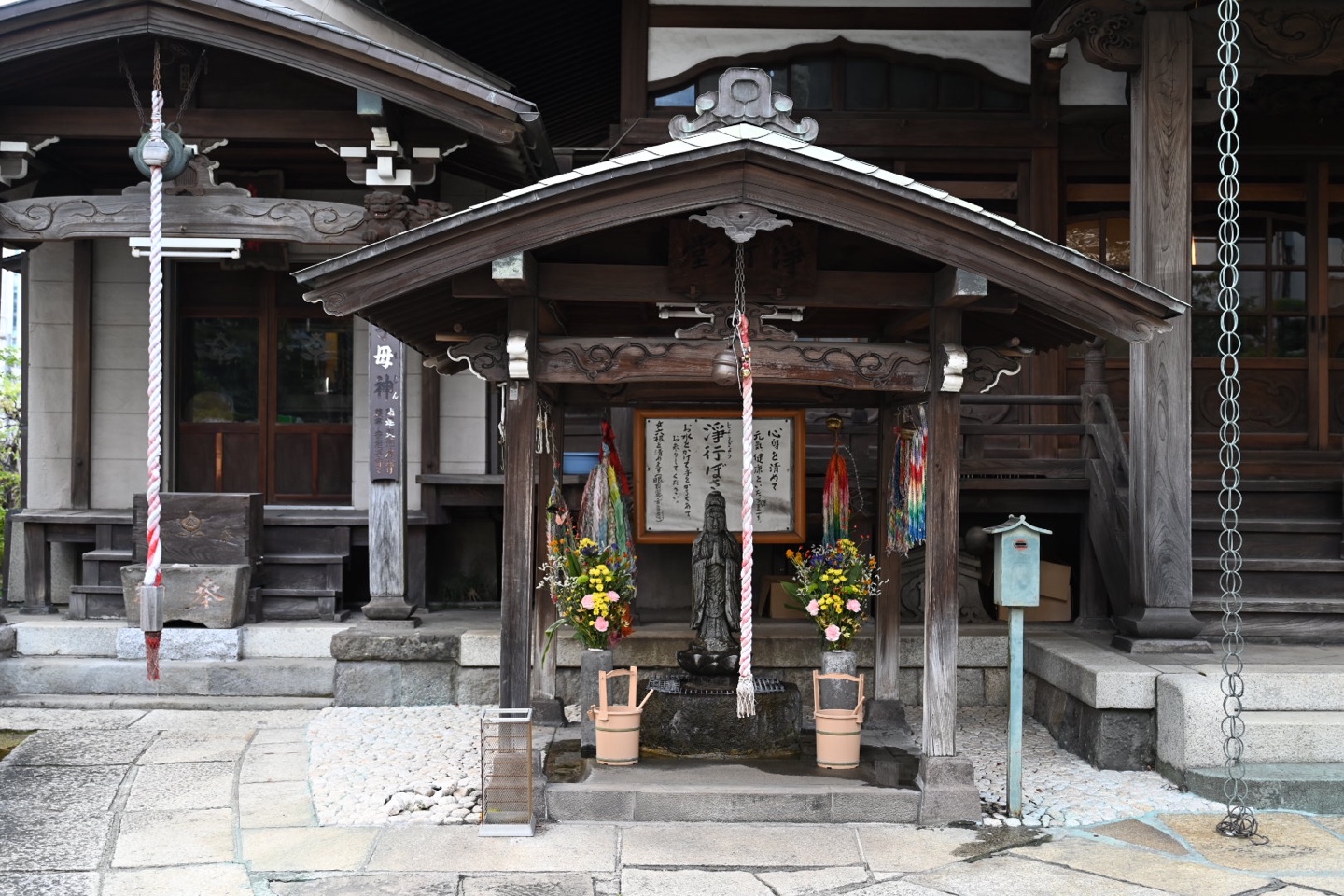
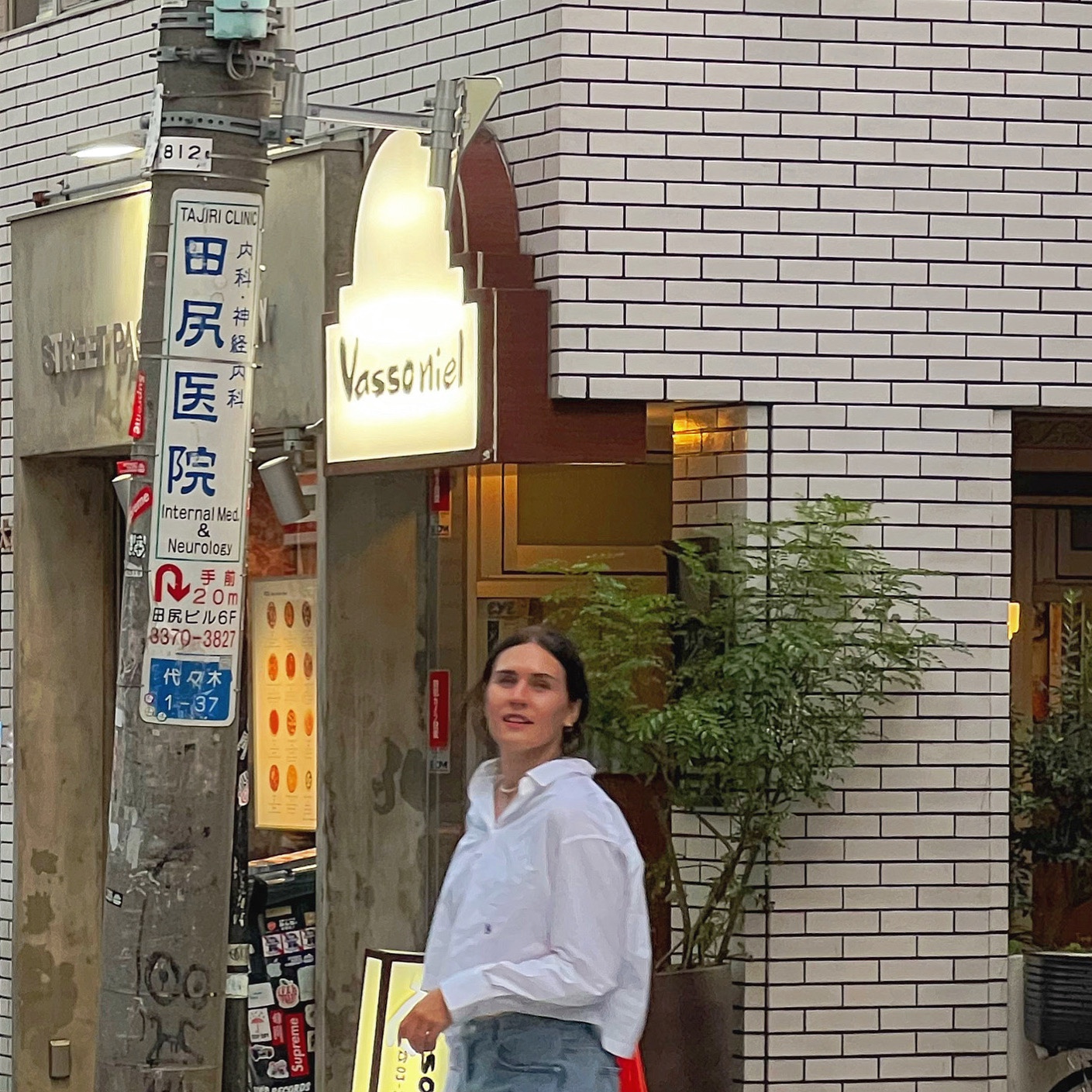
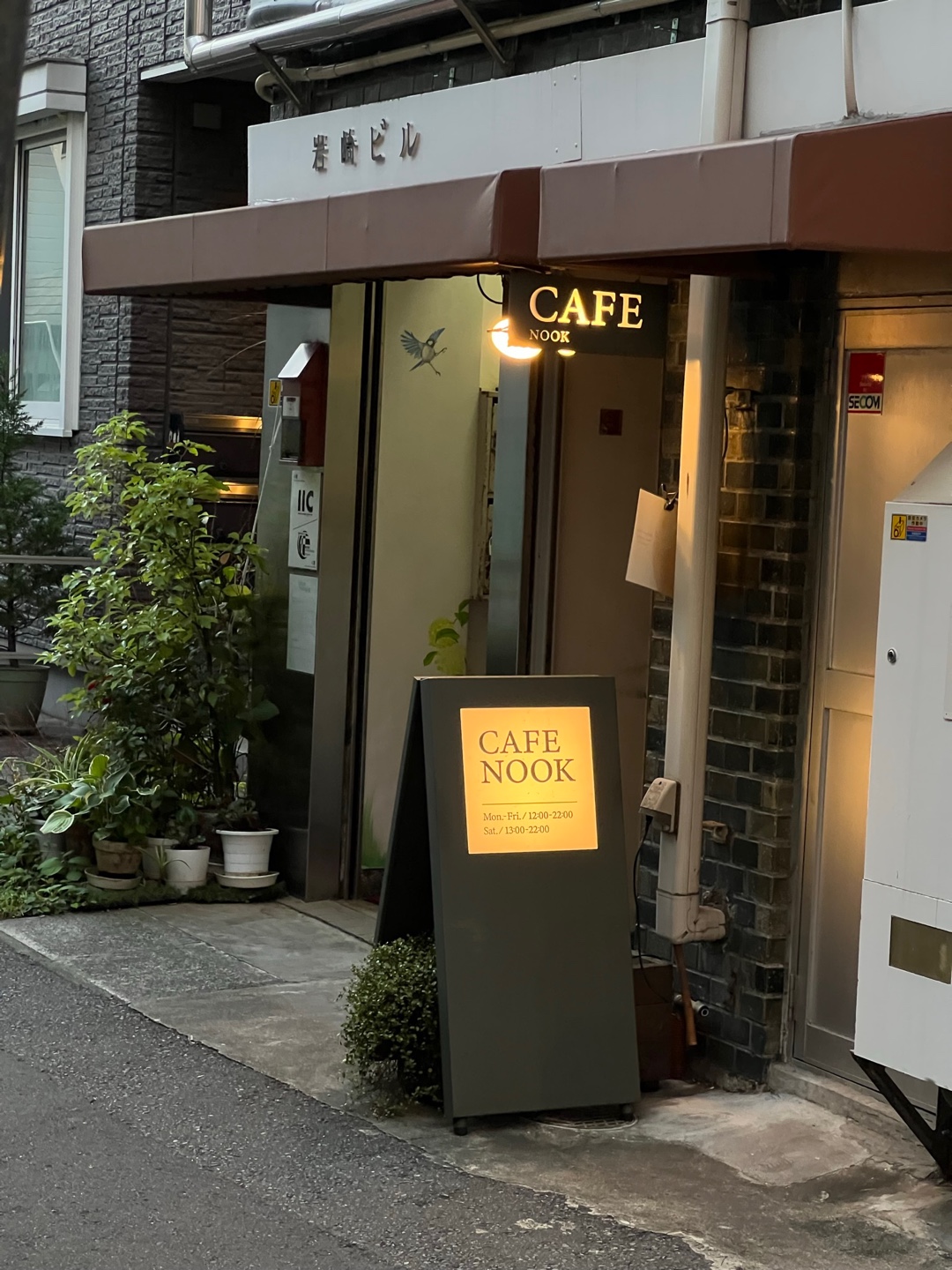
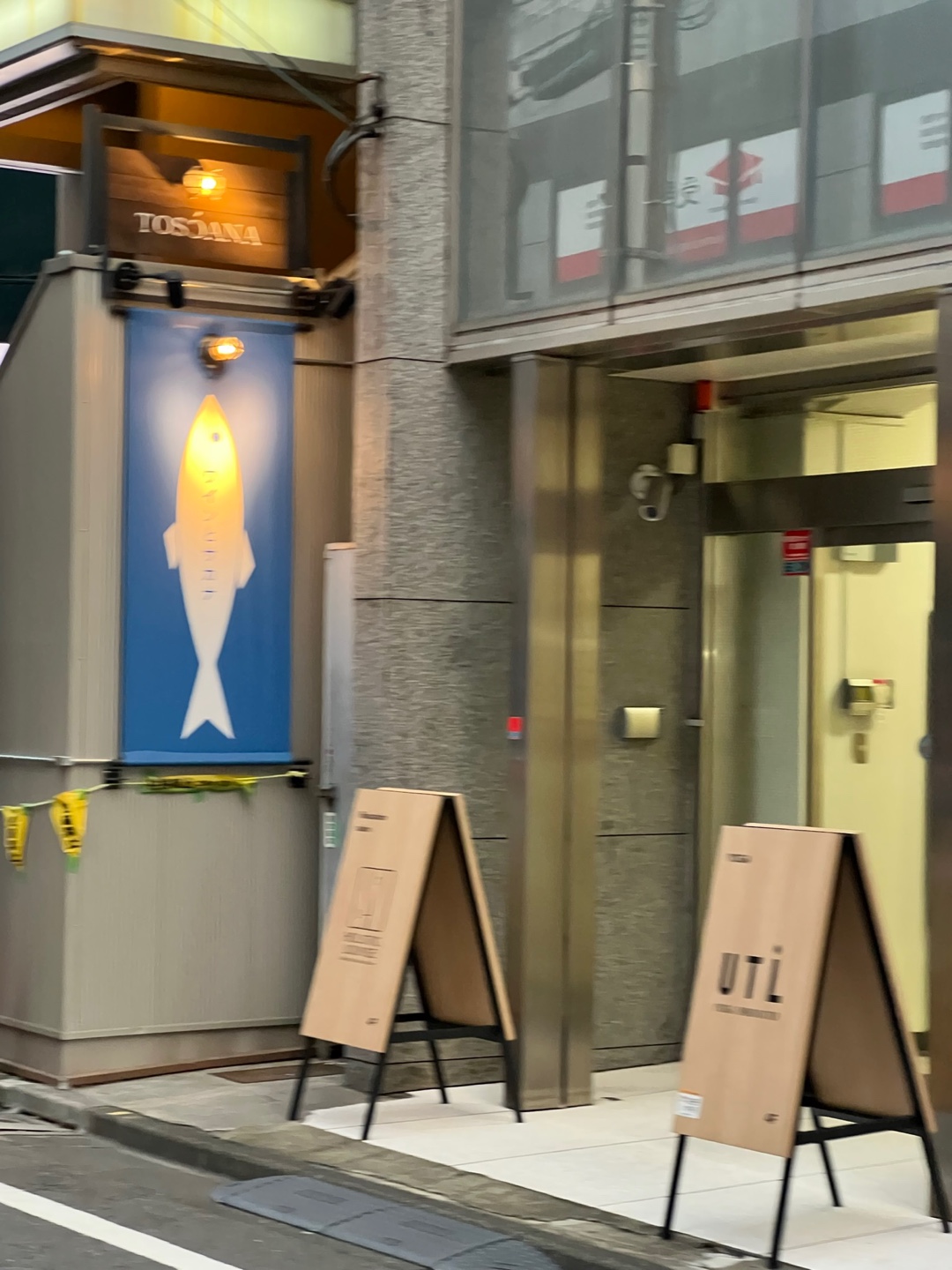
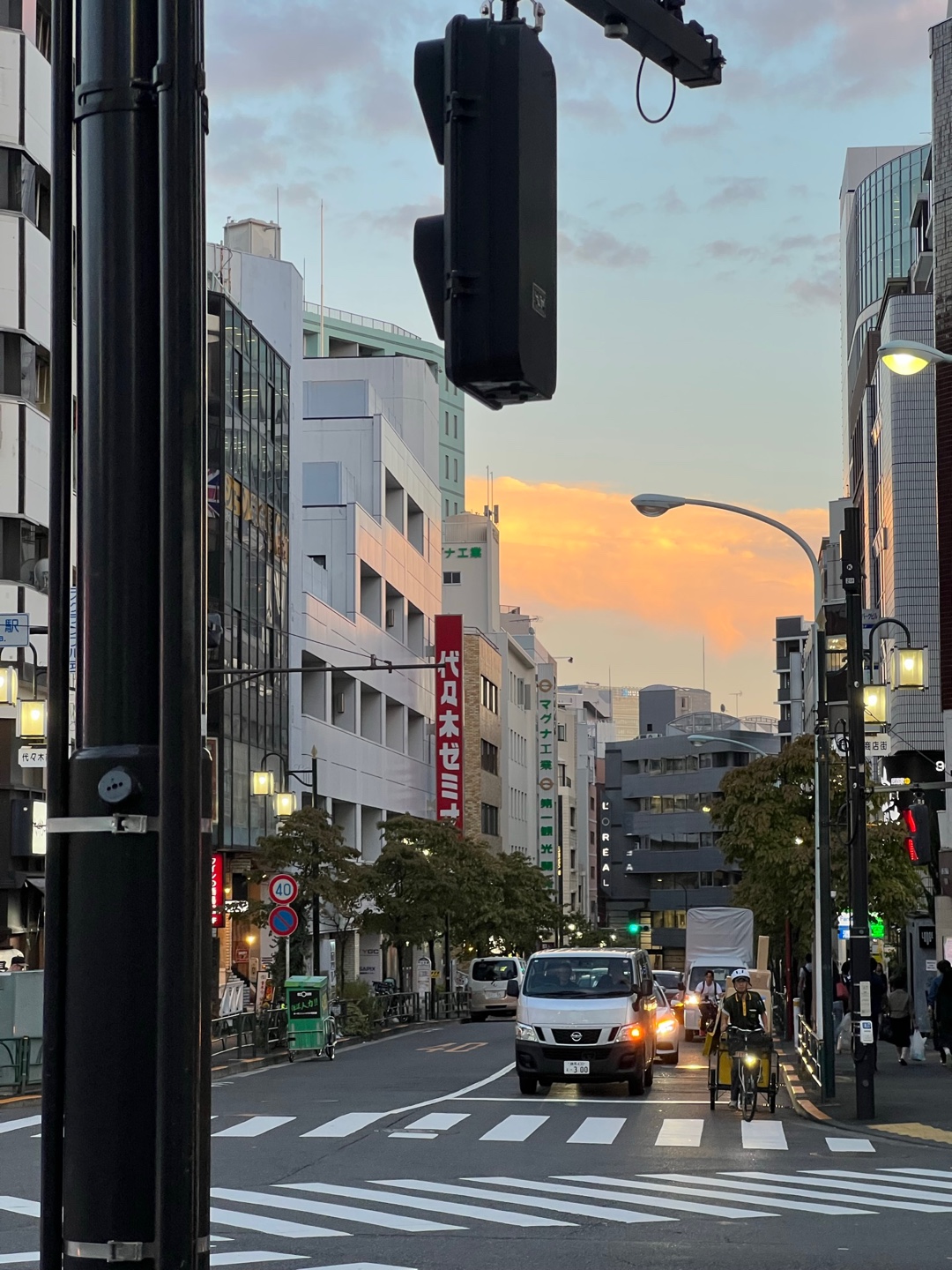
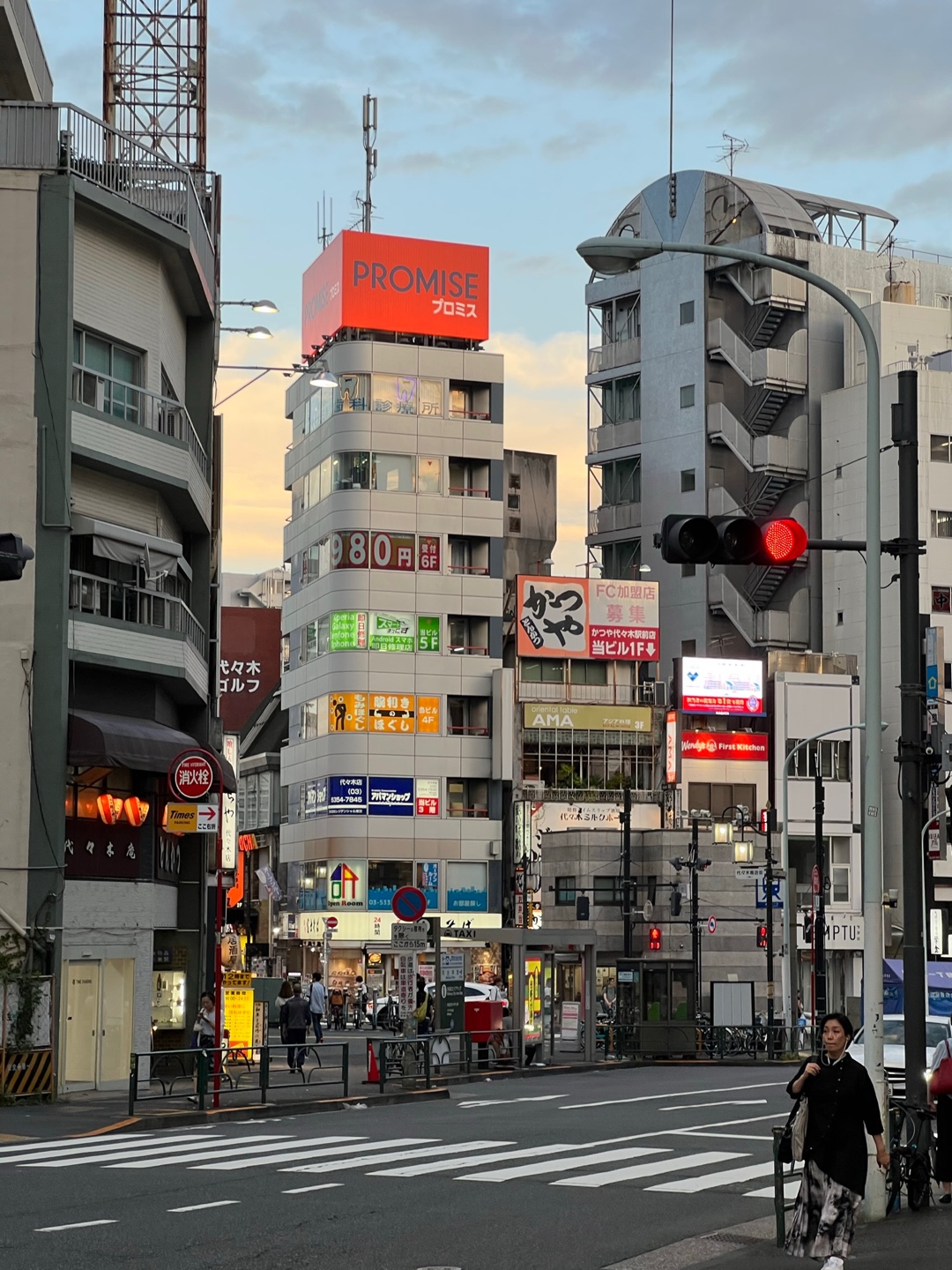
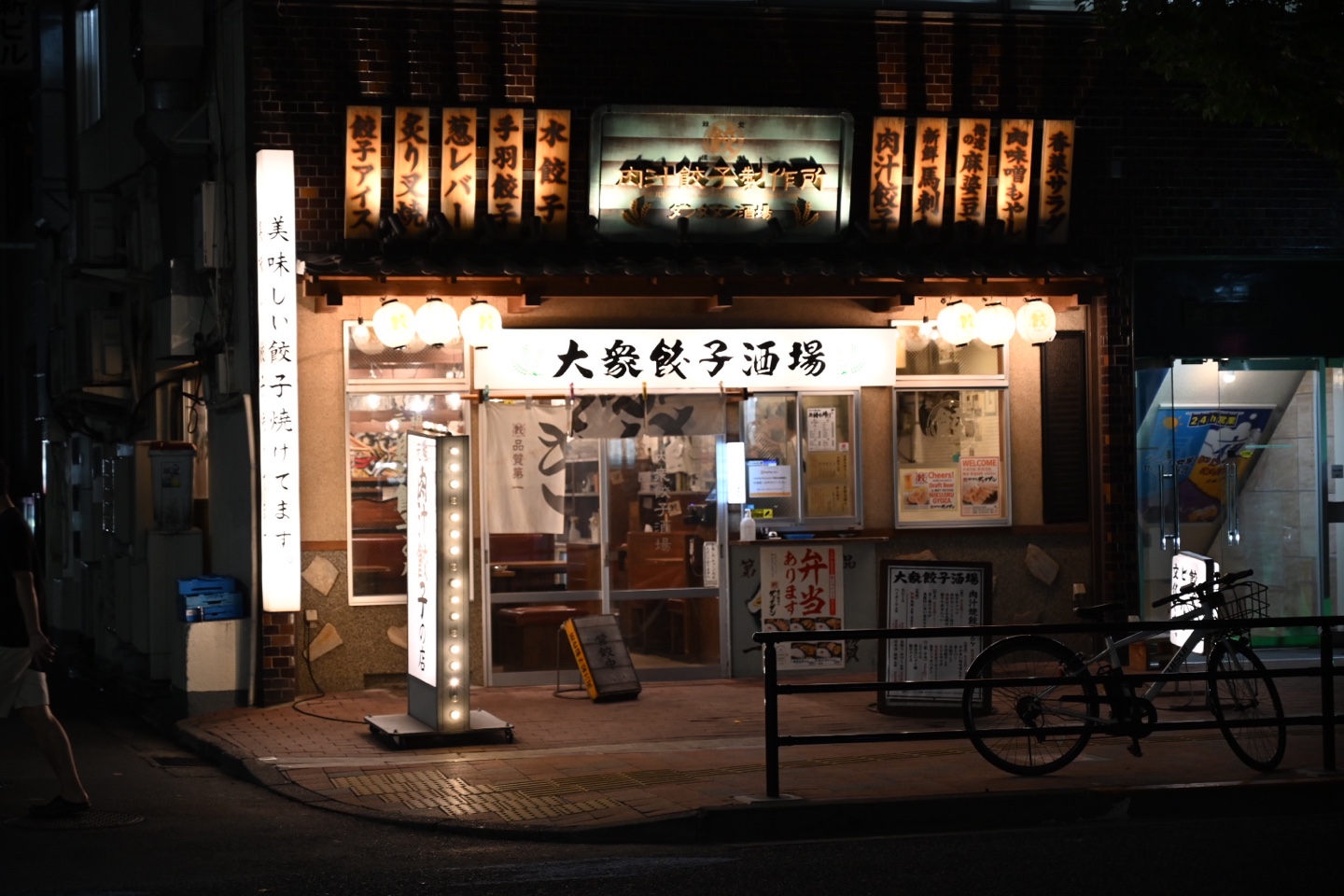
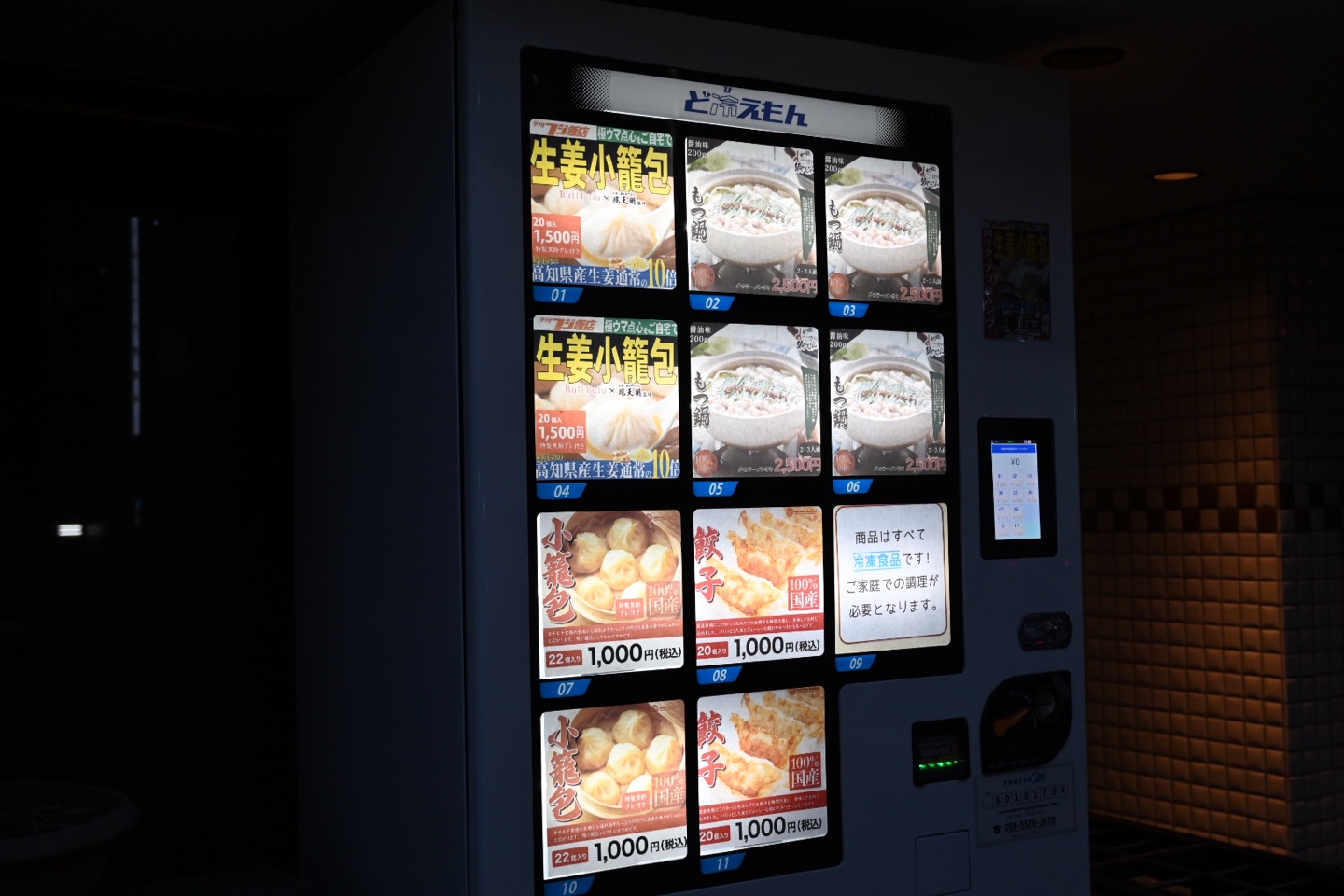
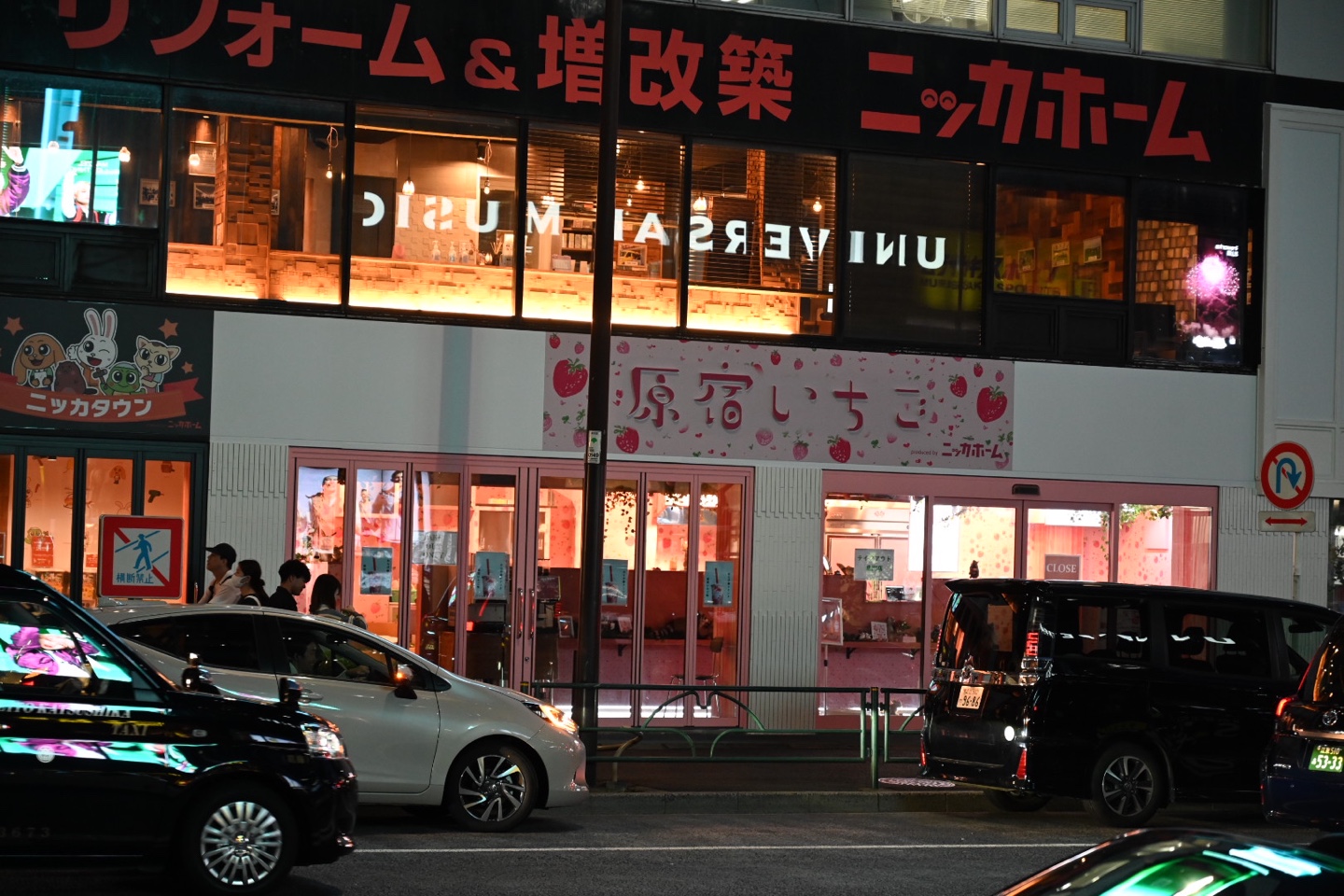
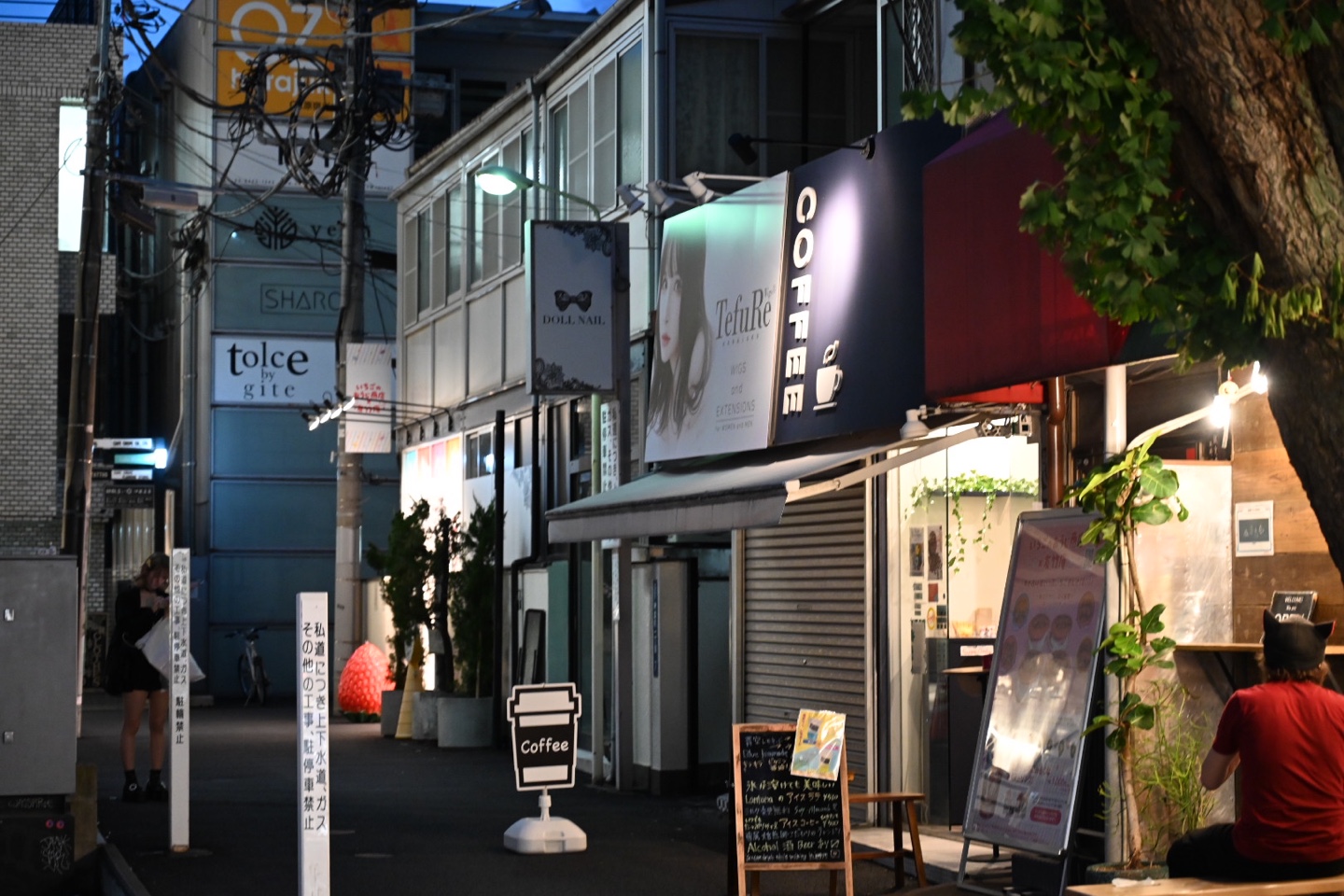
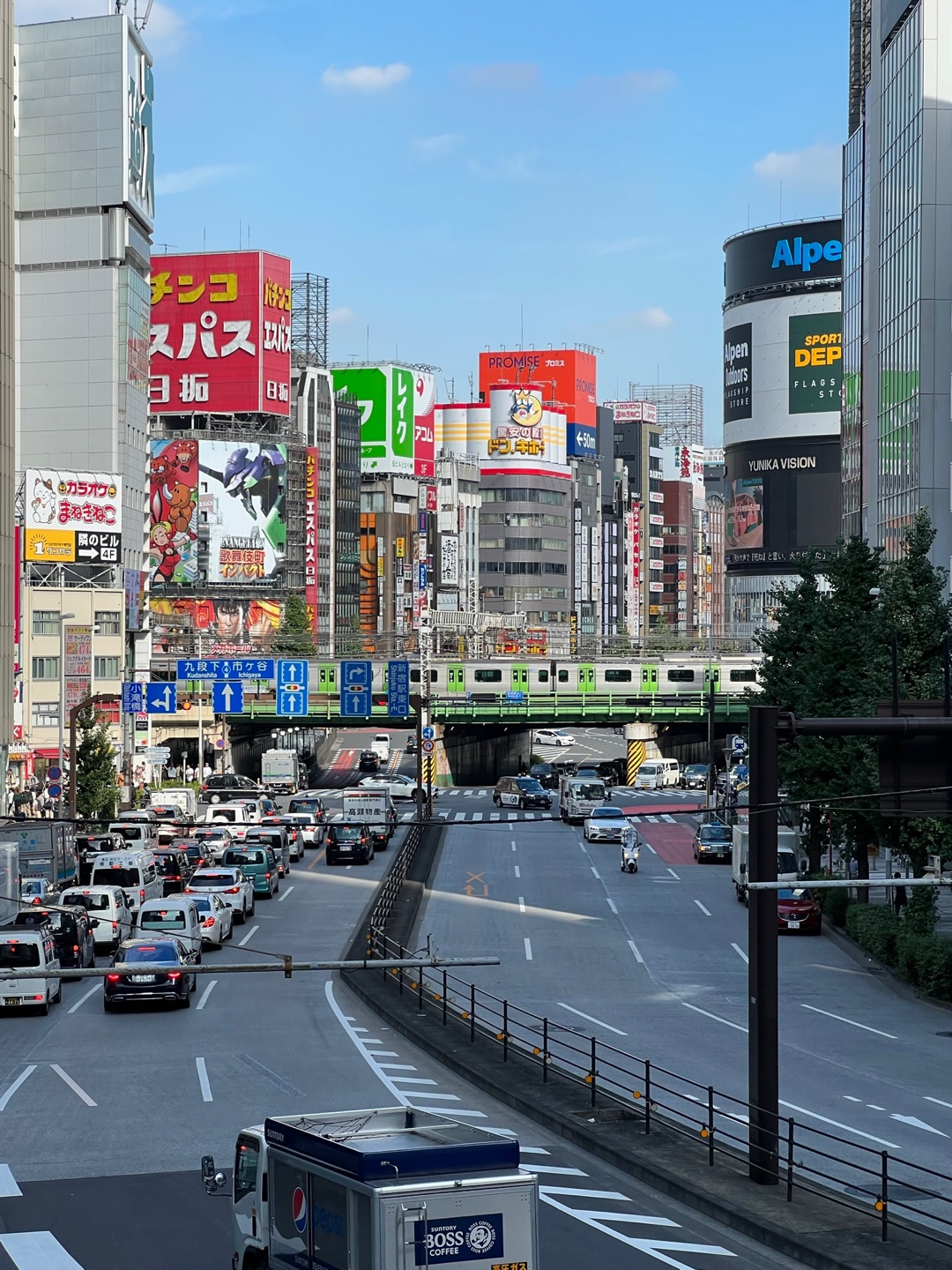
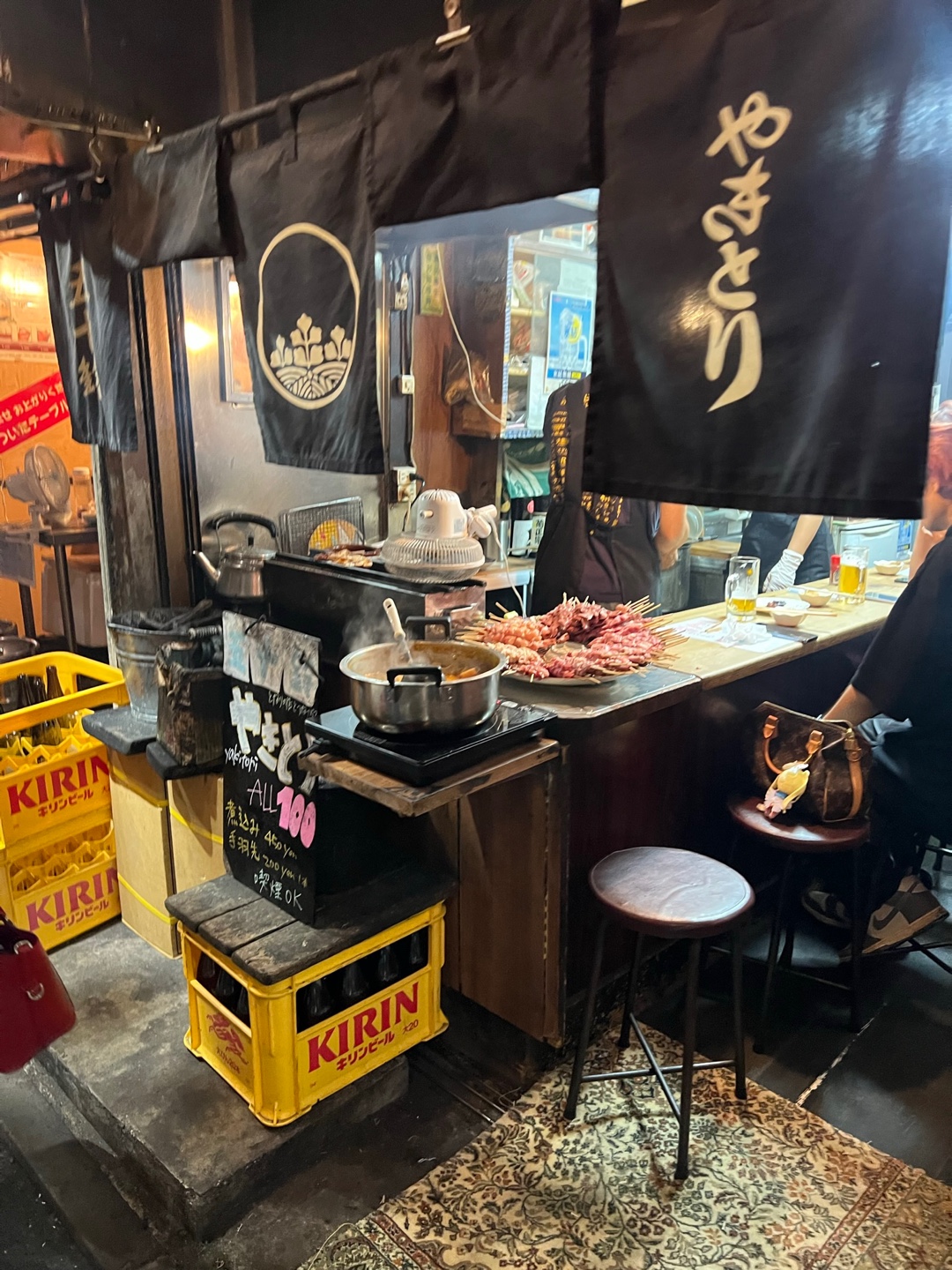
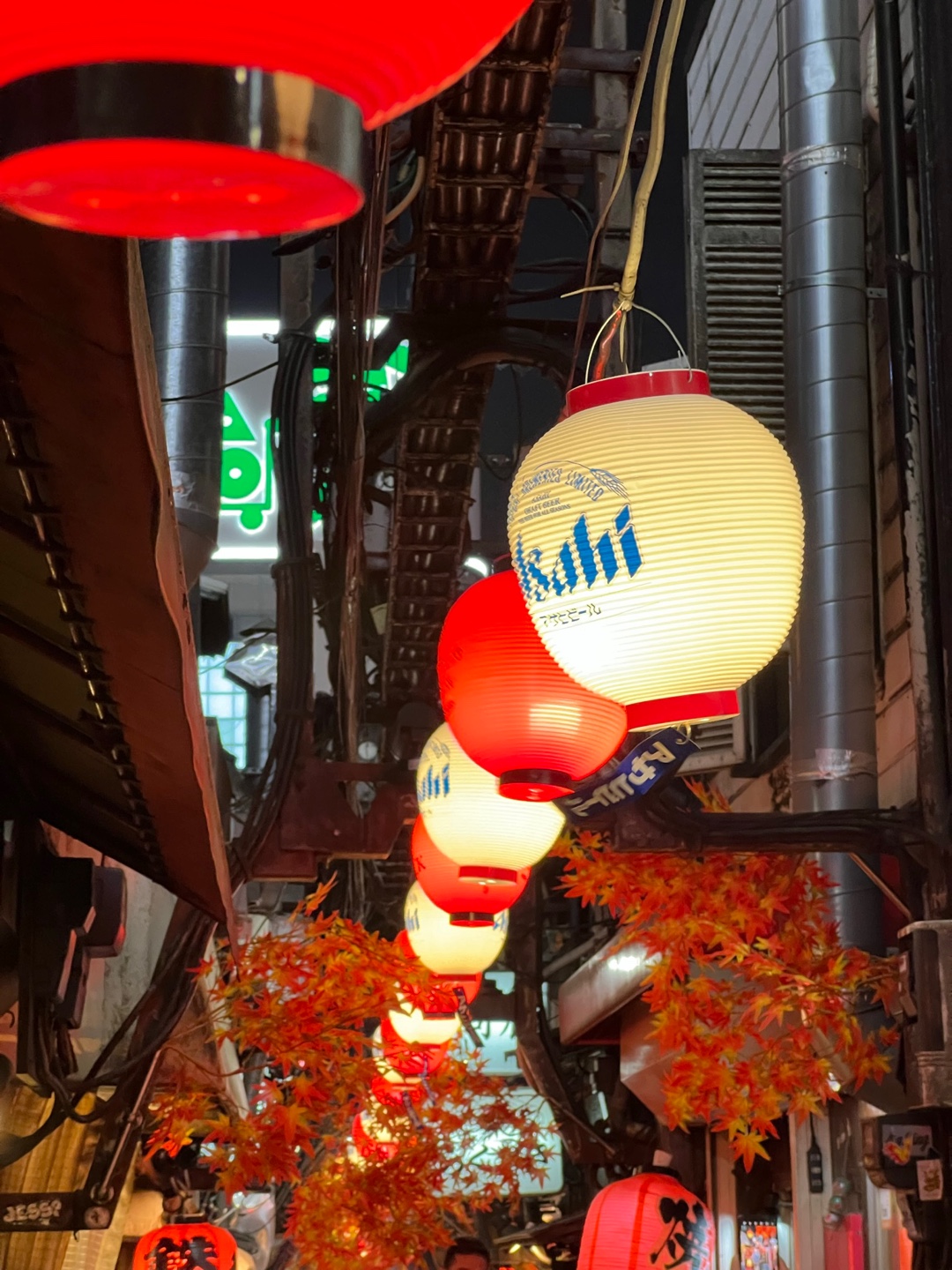
Another highlights was a nighttime stroll through the vibrant streets of Shinjuku. The energy of this area is infectious, with neon lights and bustling crowds creating an electrifying atmosphere.
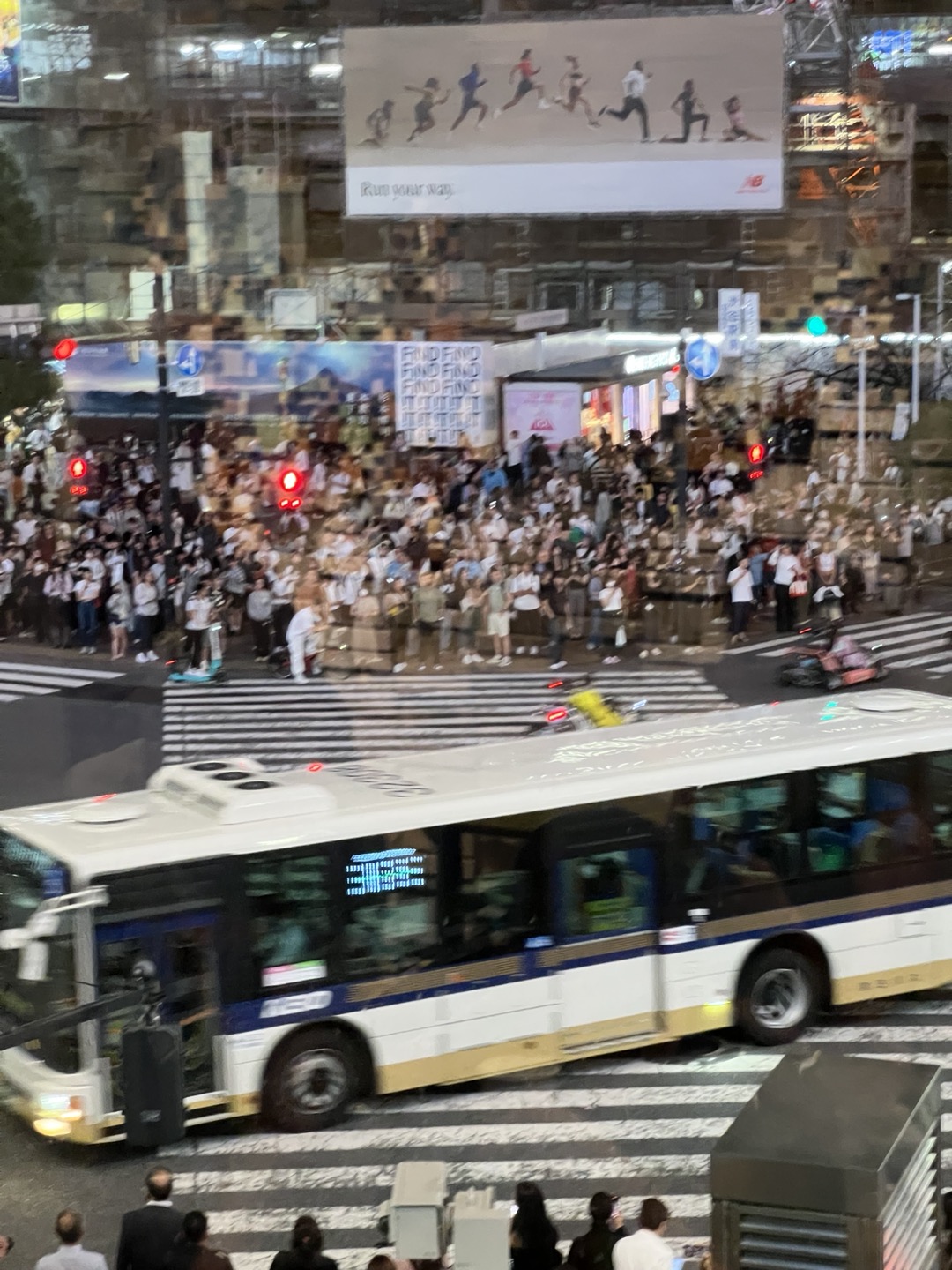
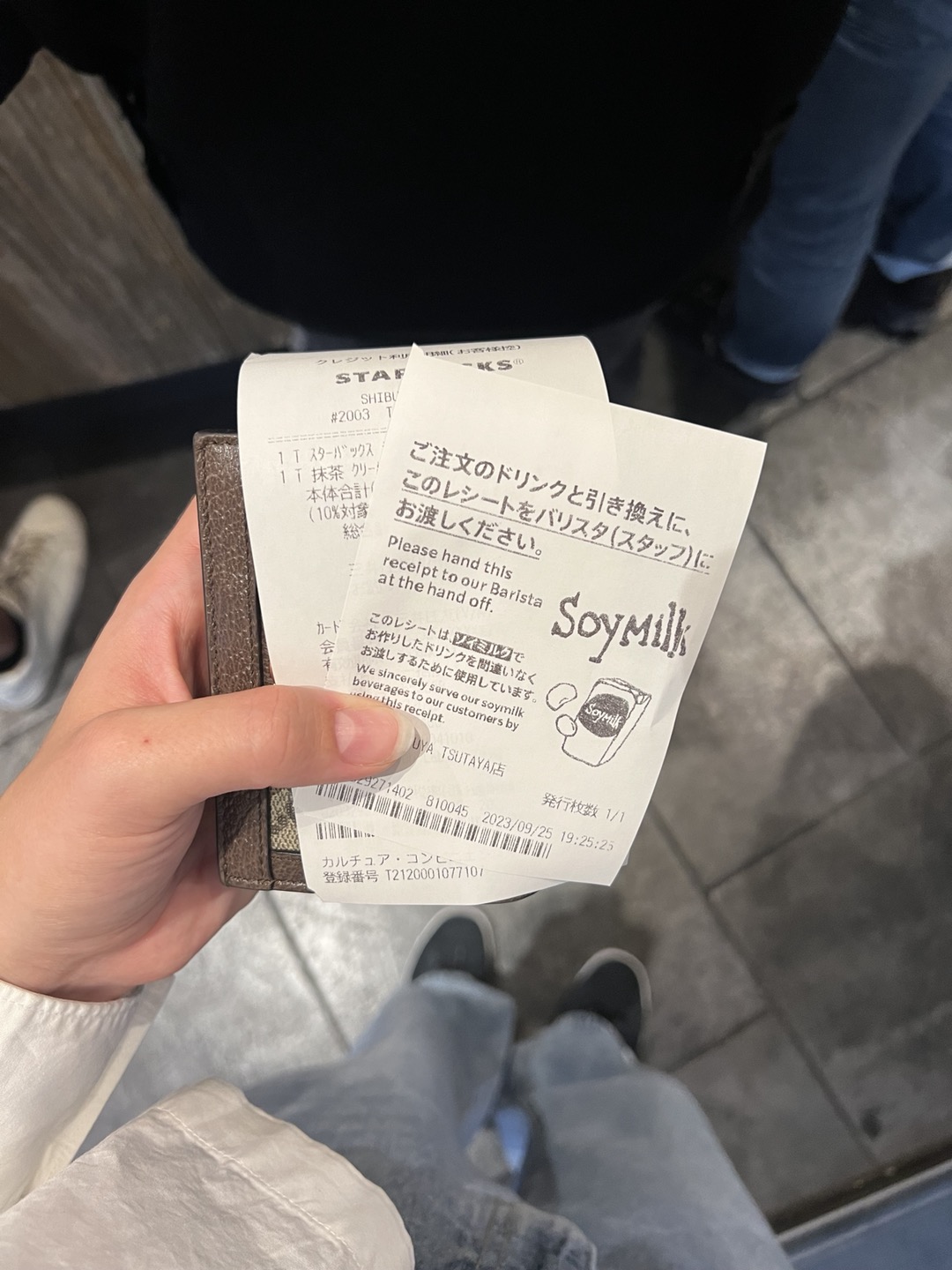
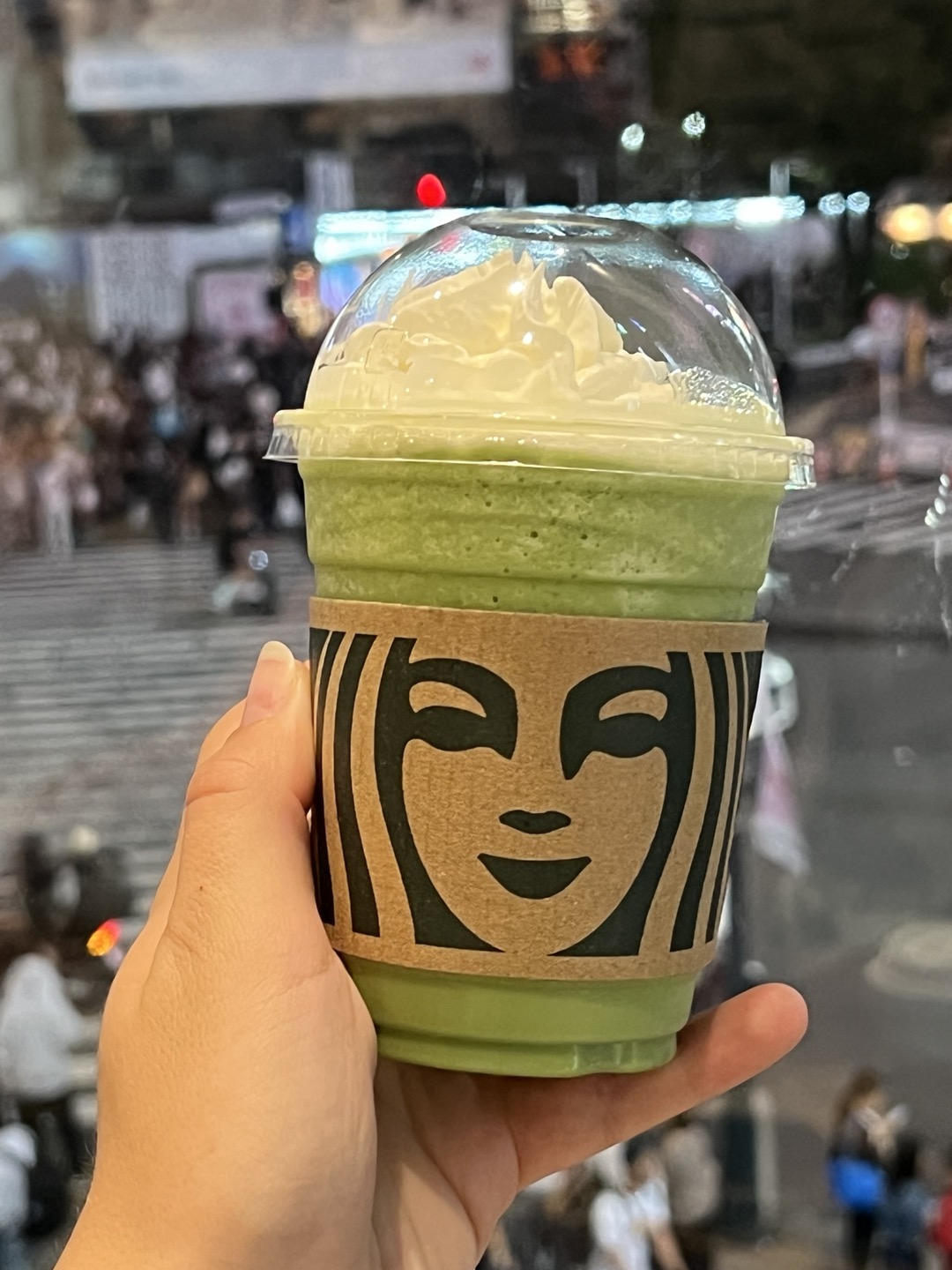
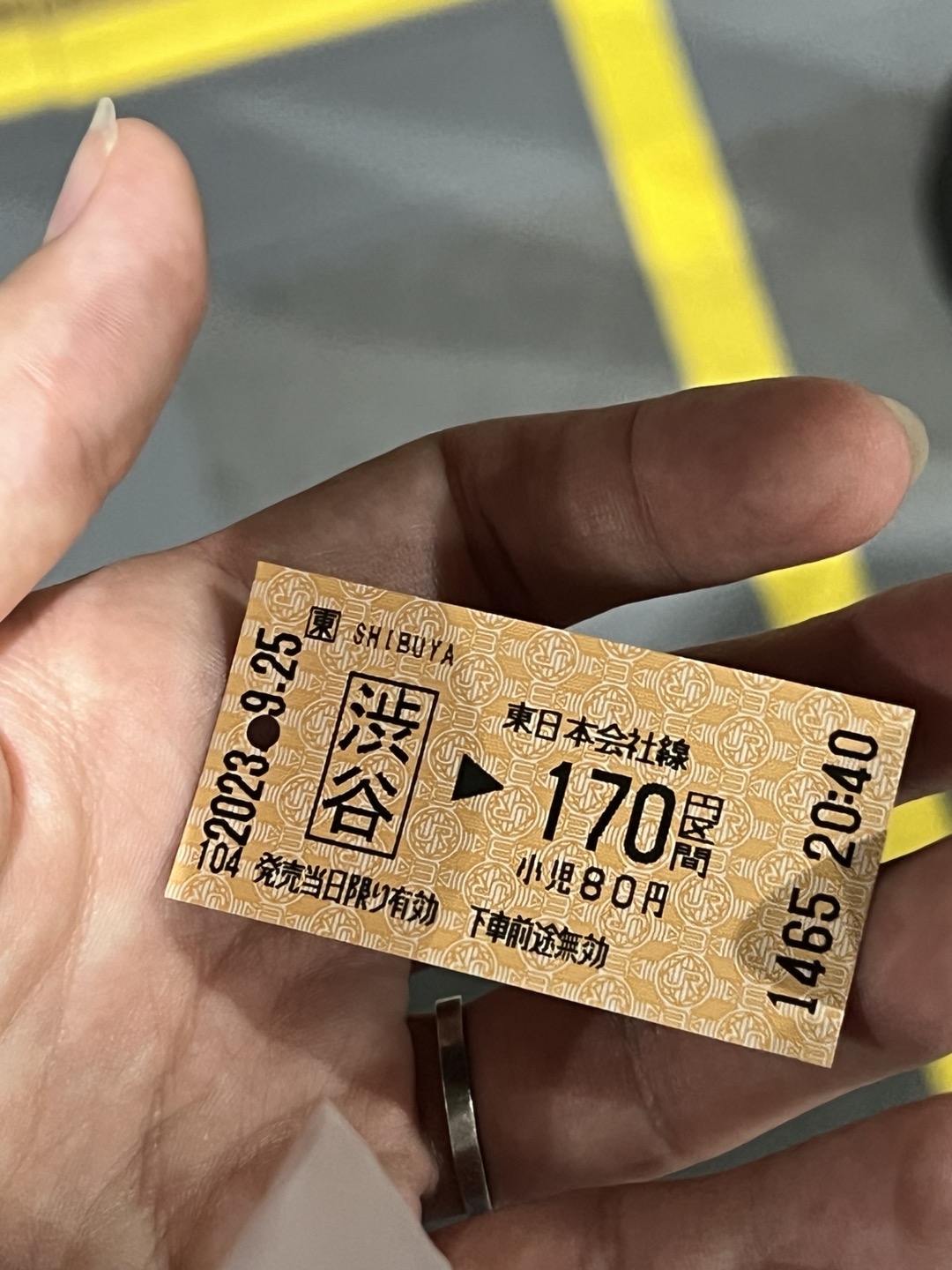
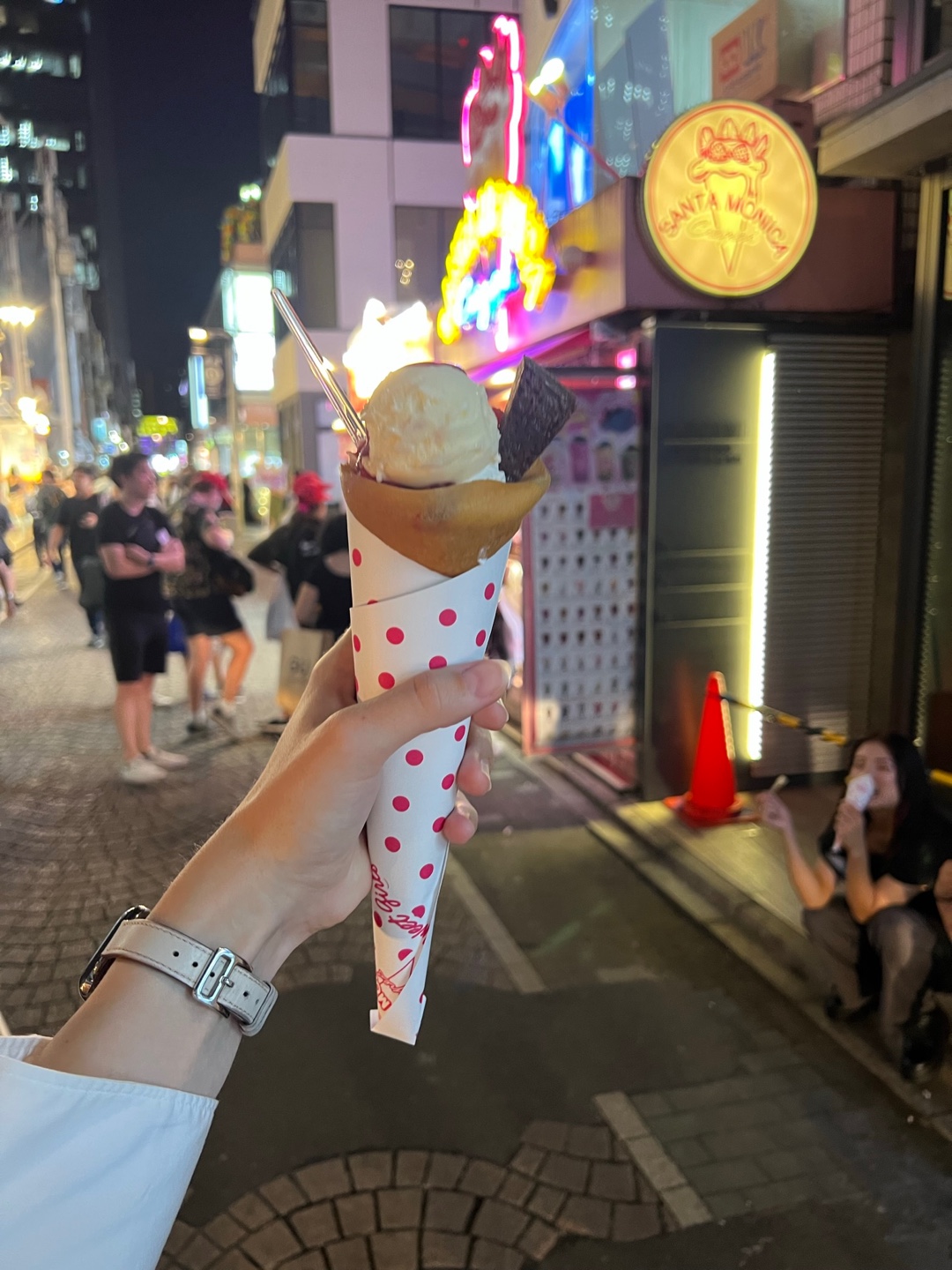
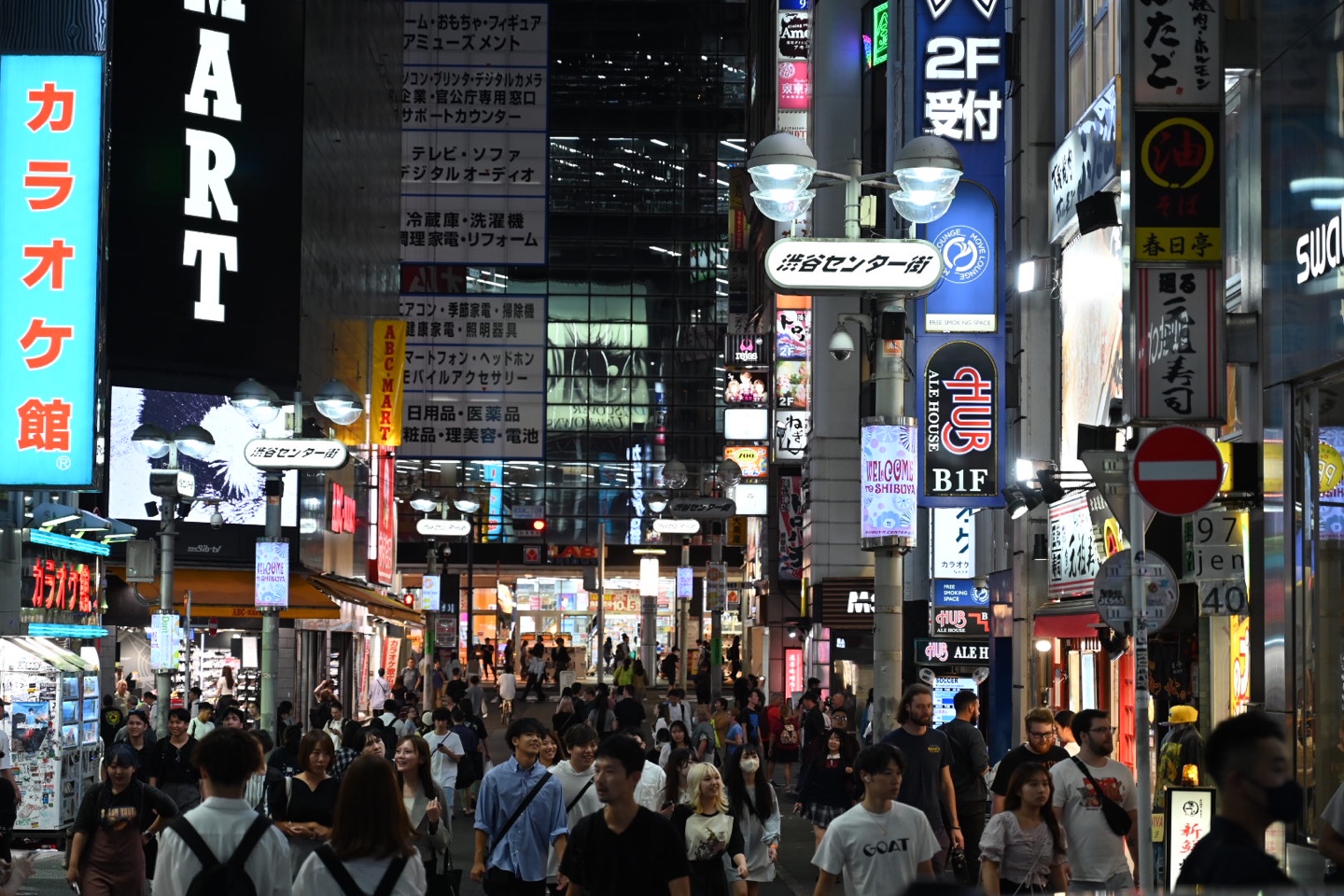
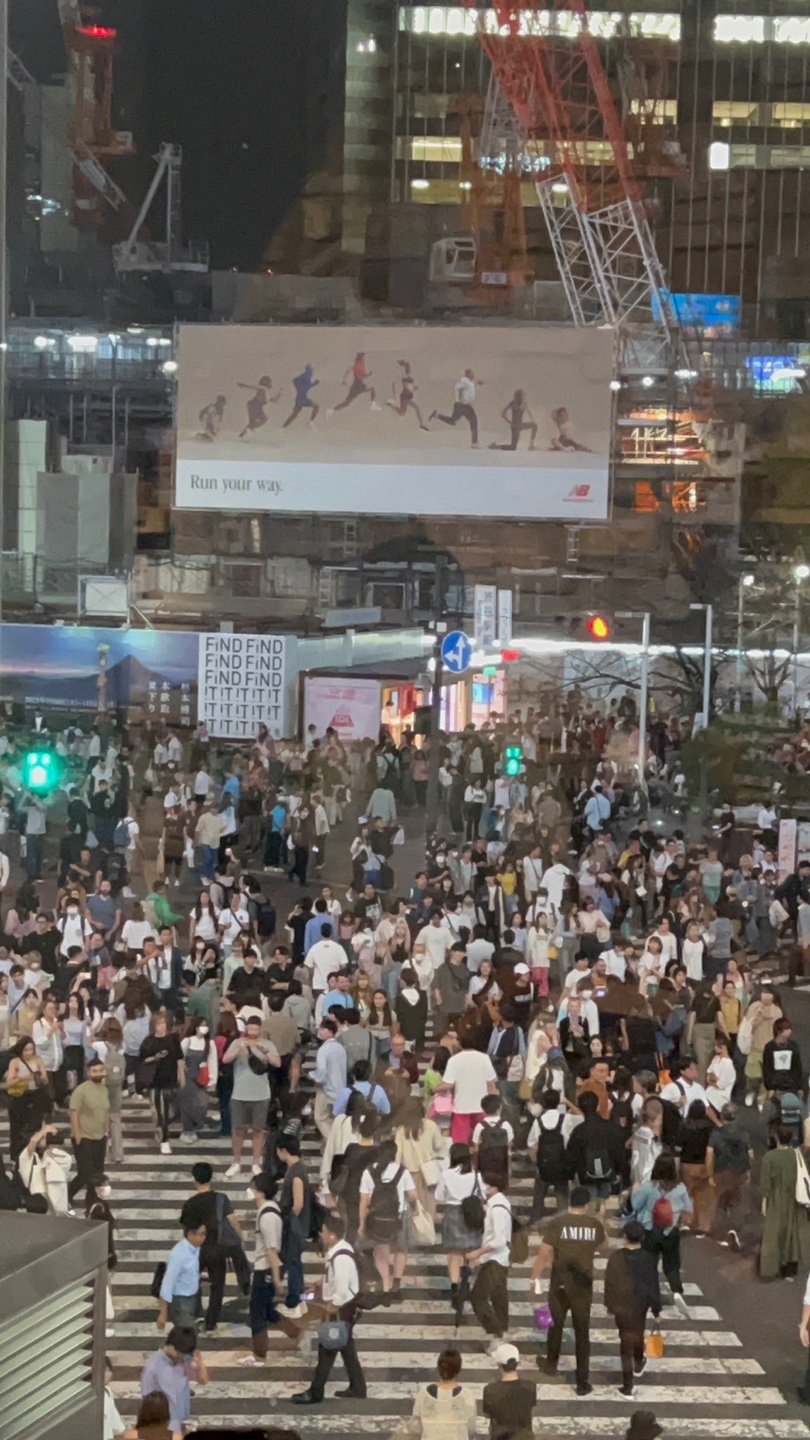
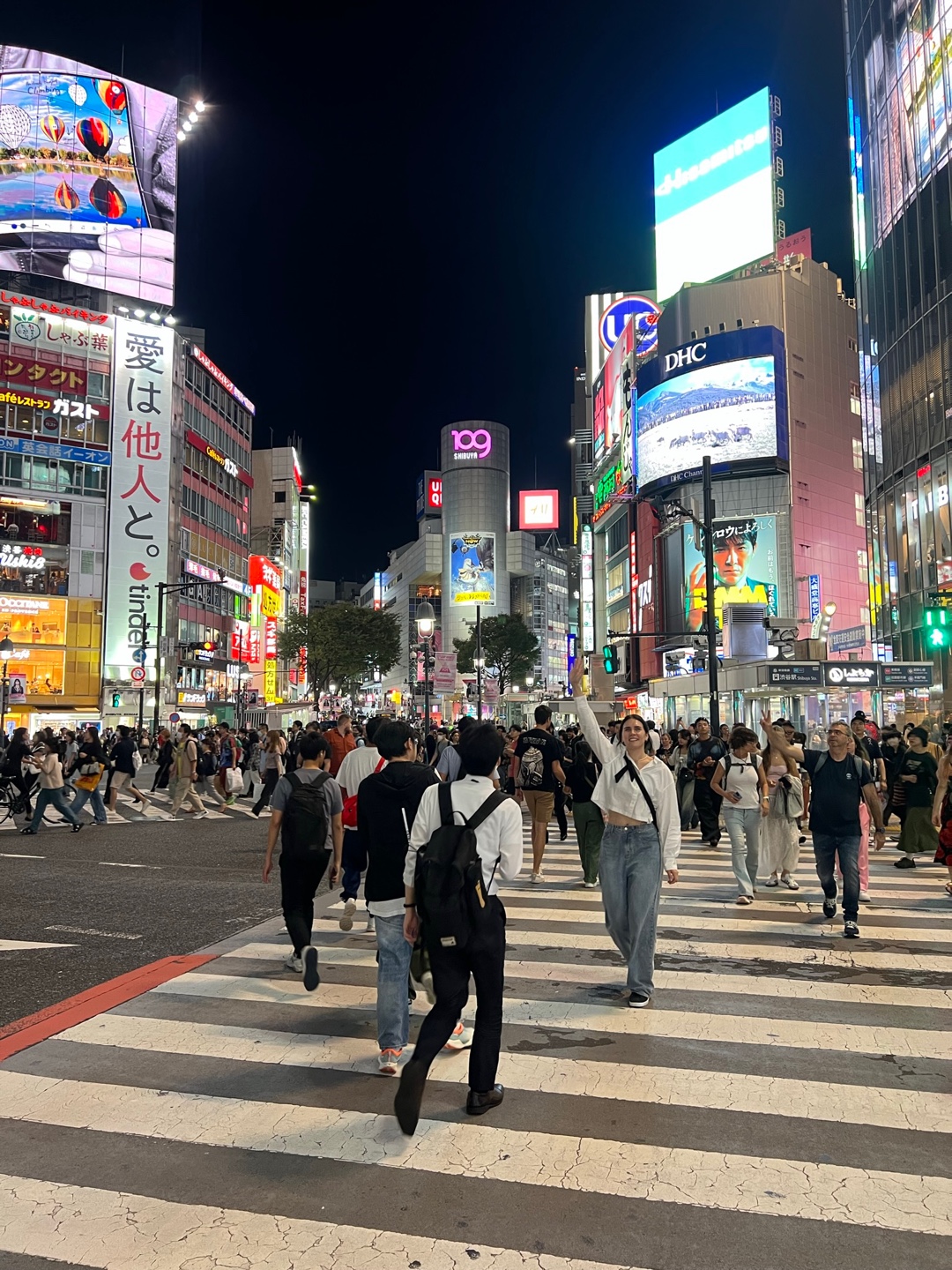
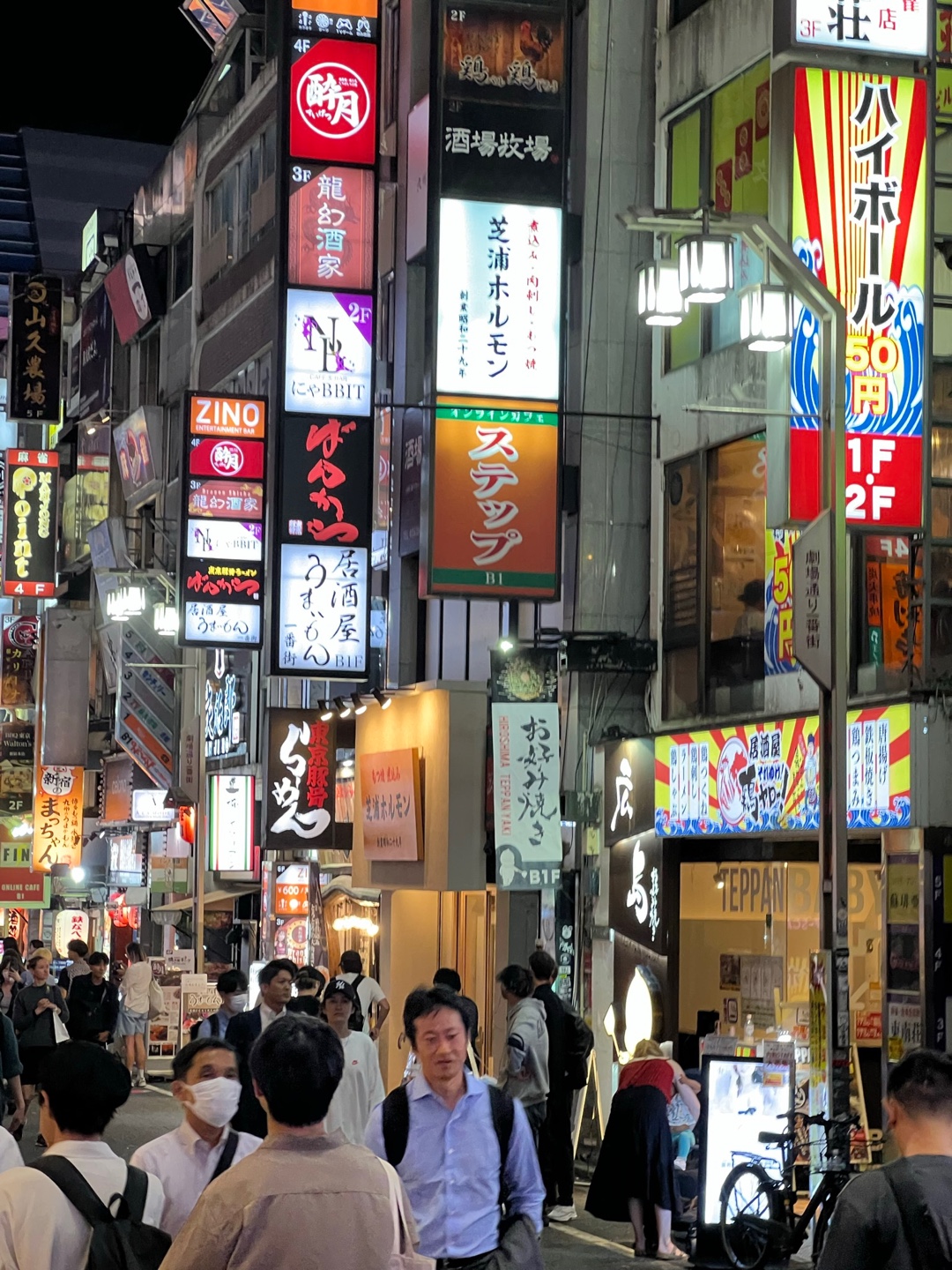
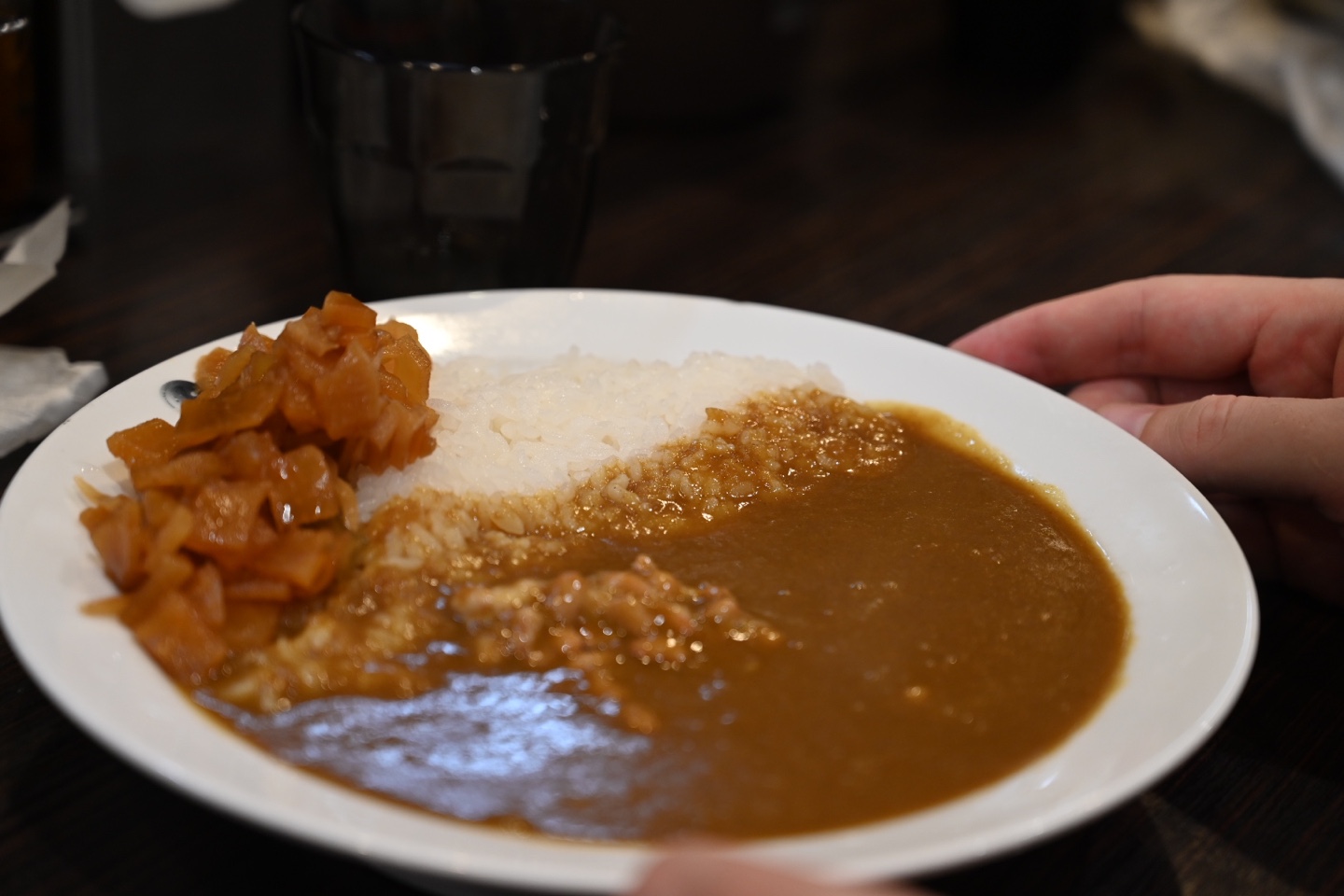
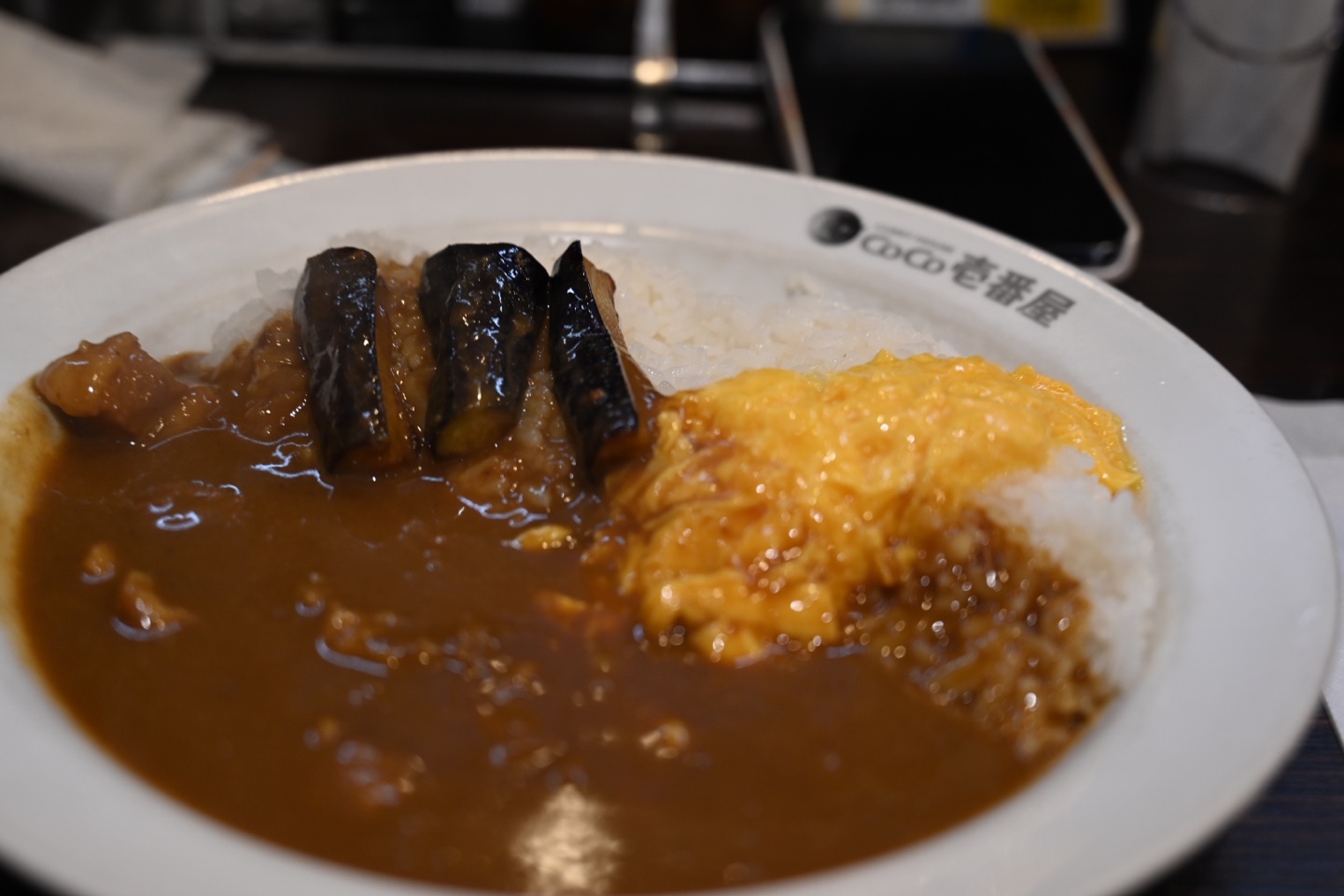
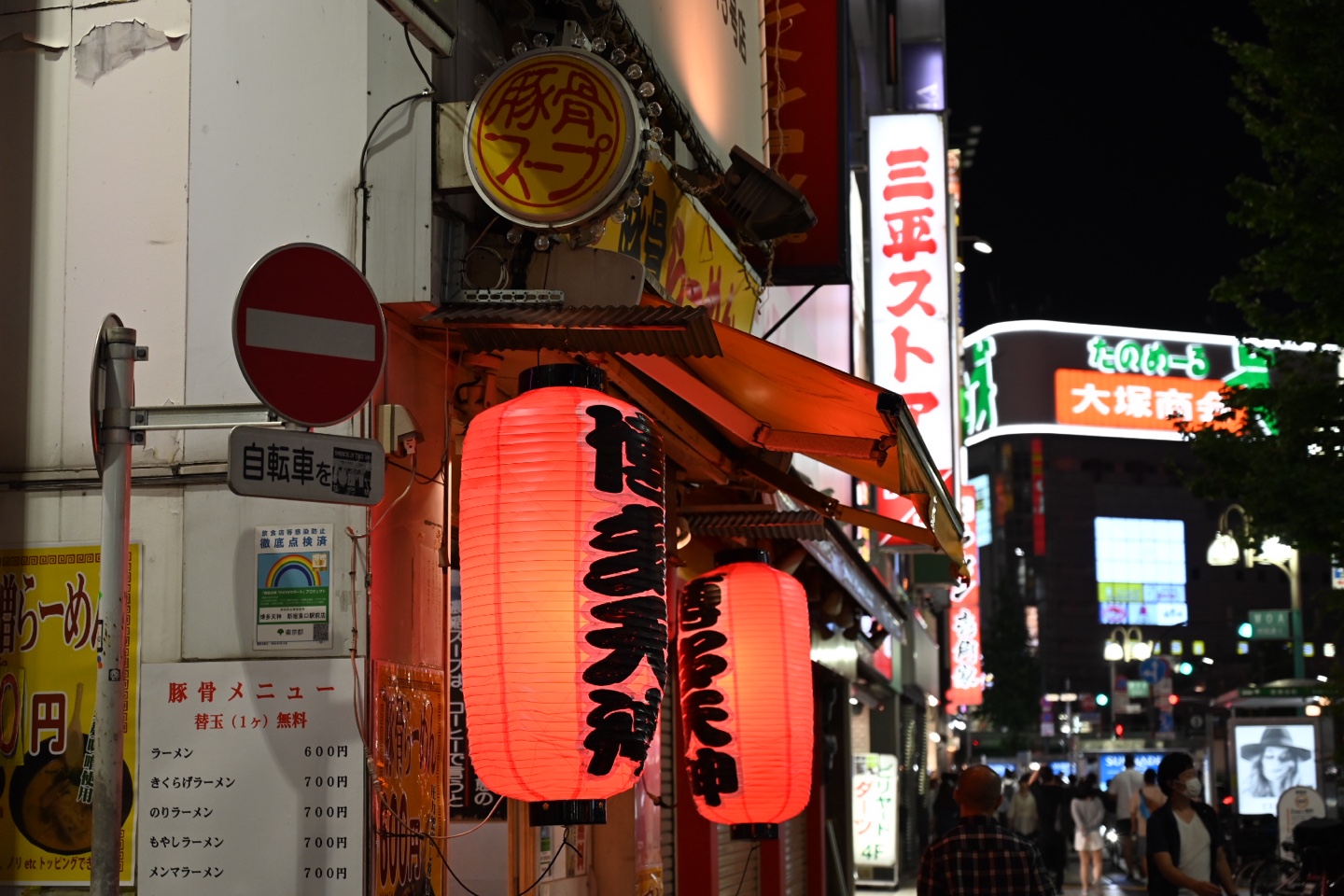
Eventually the day ended and a new day started.
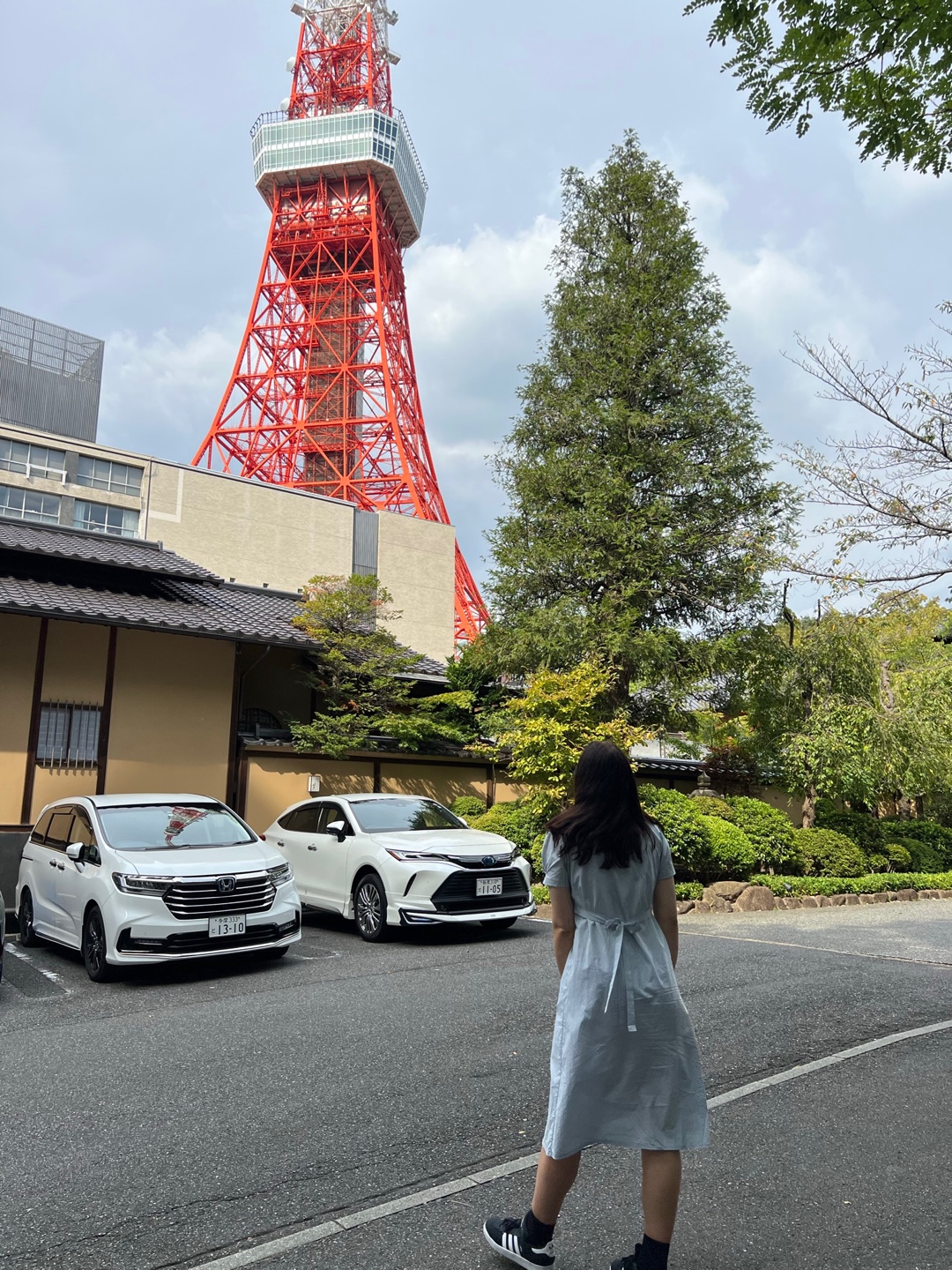
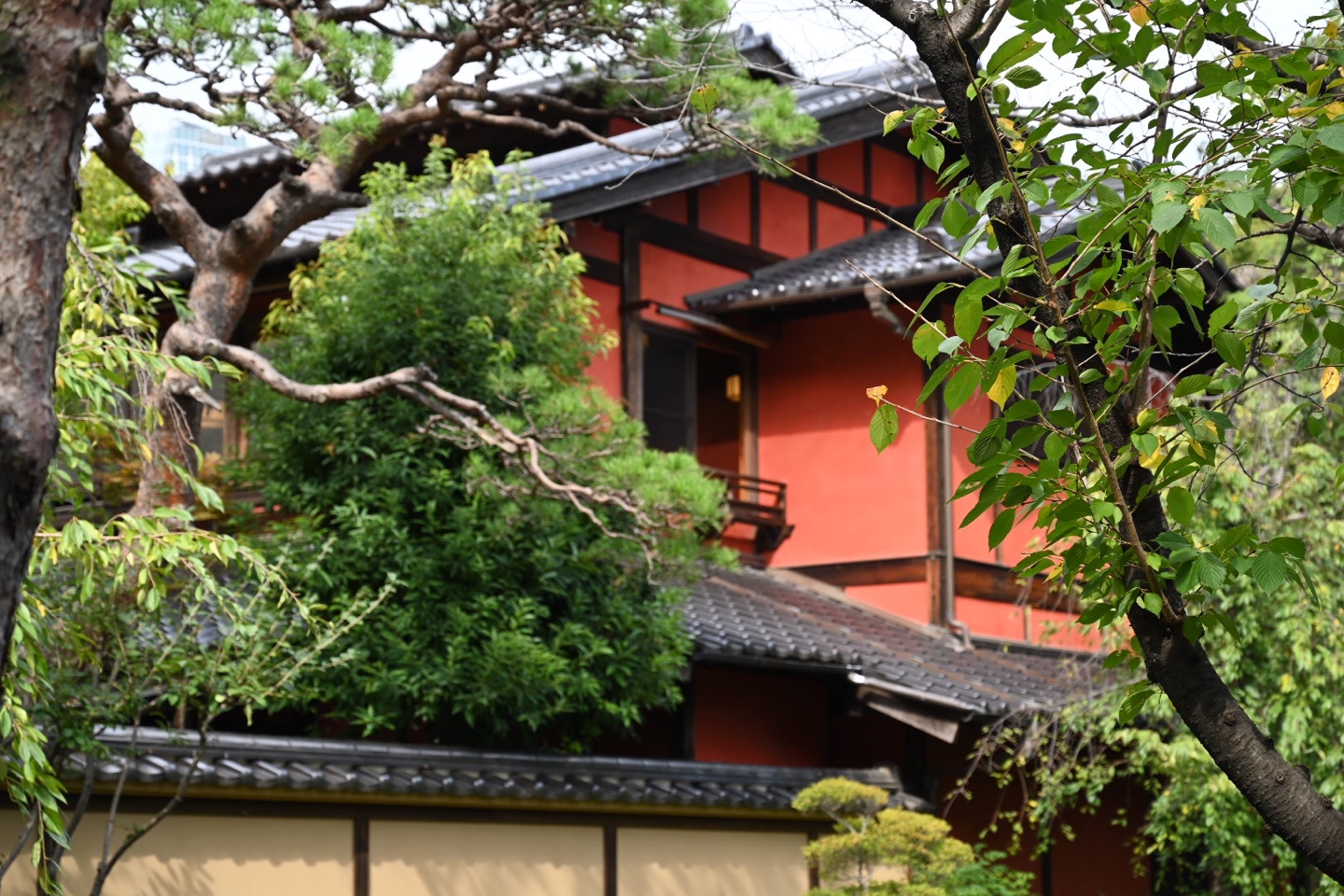
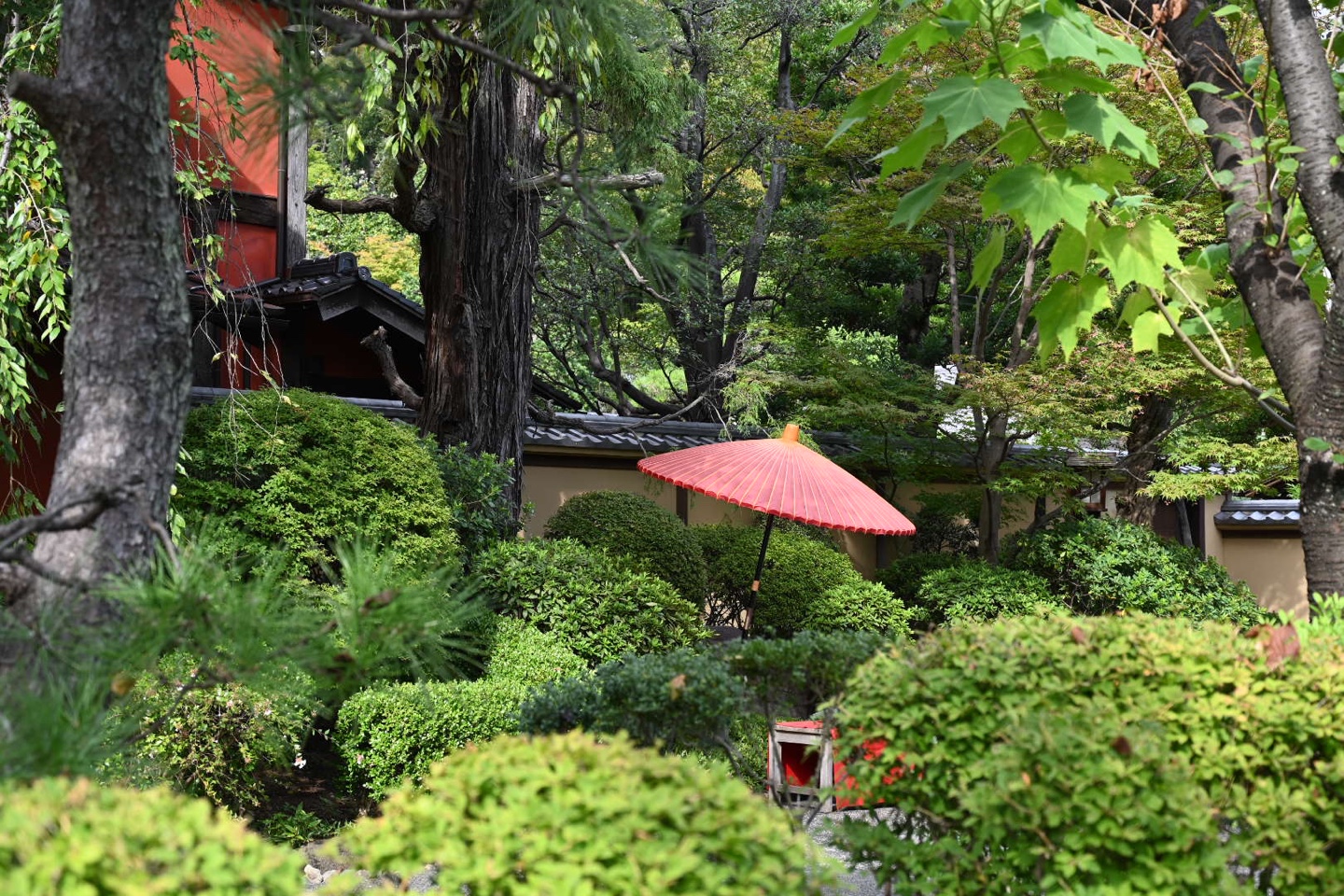
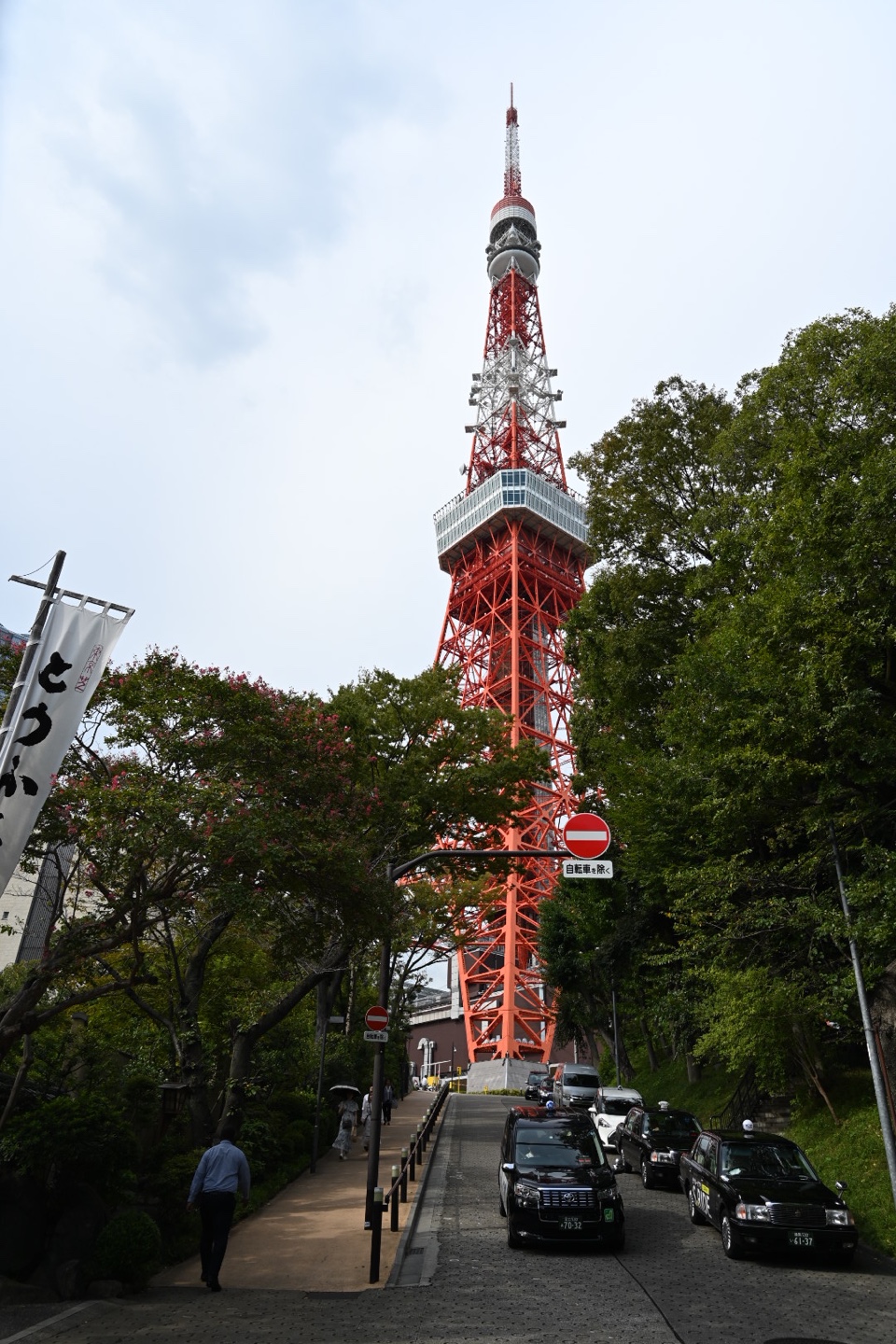
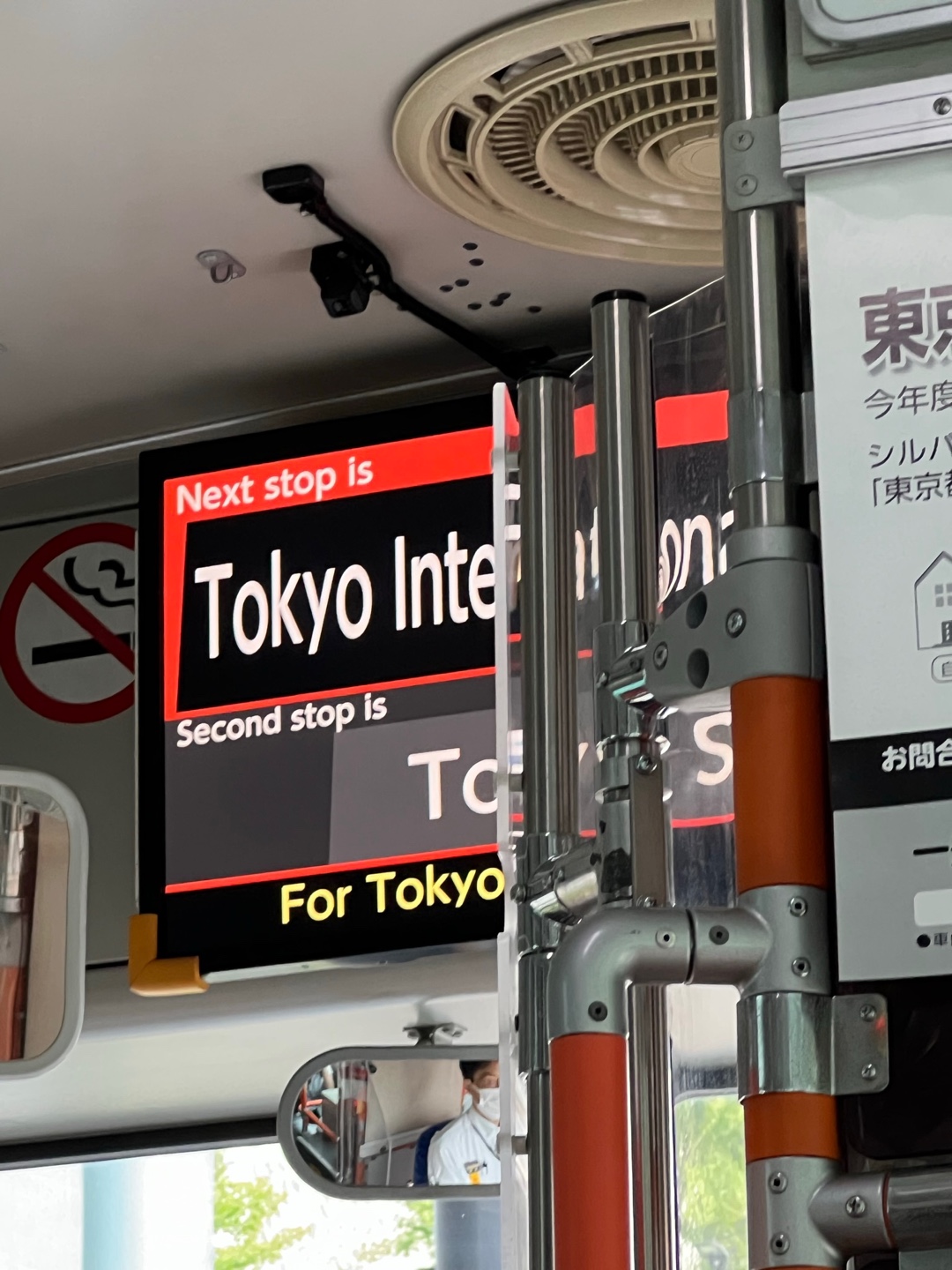
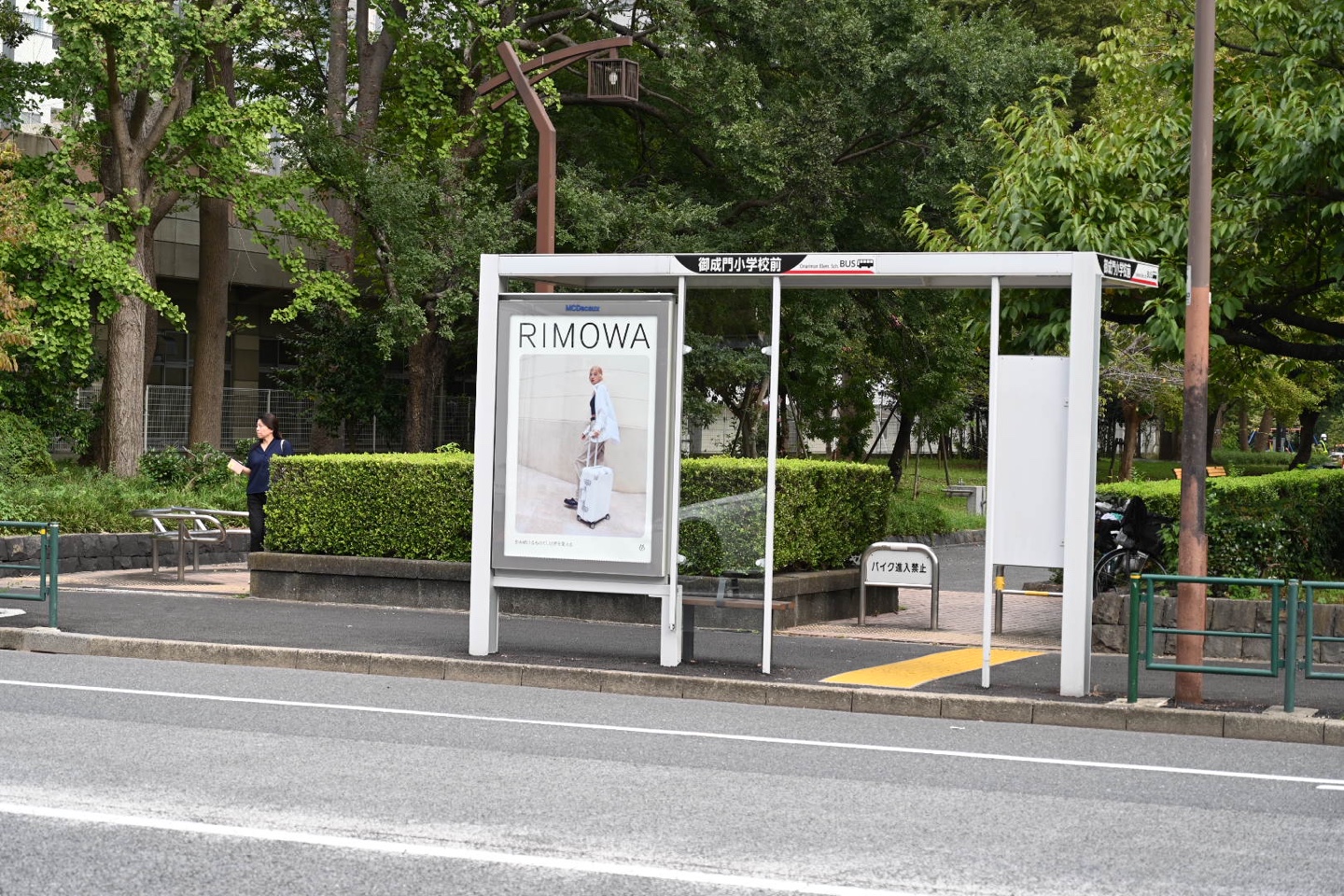
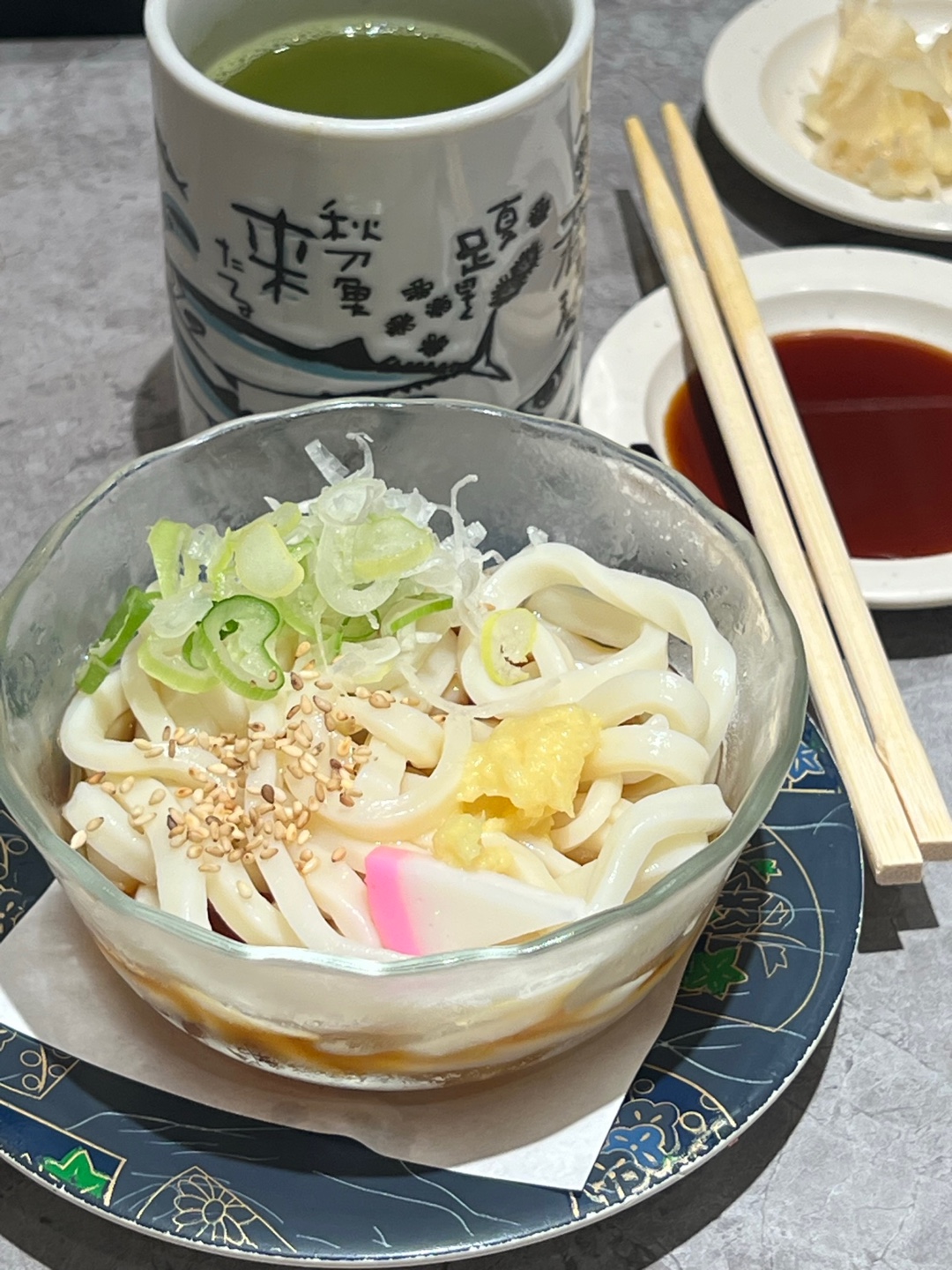
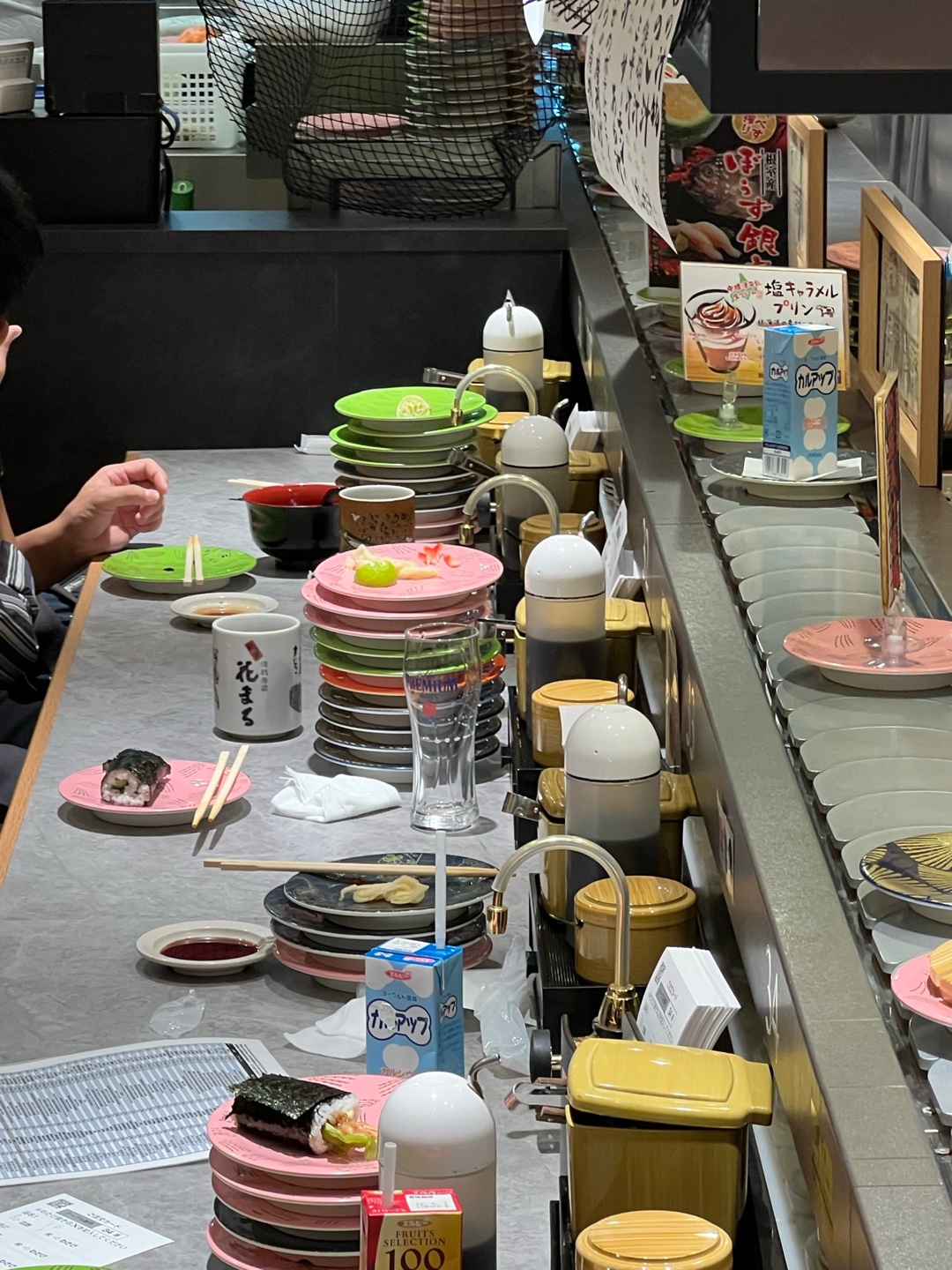
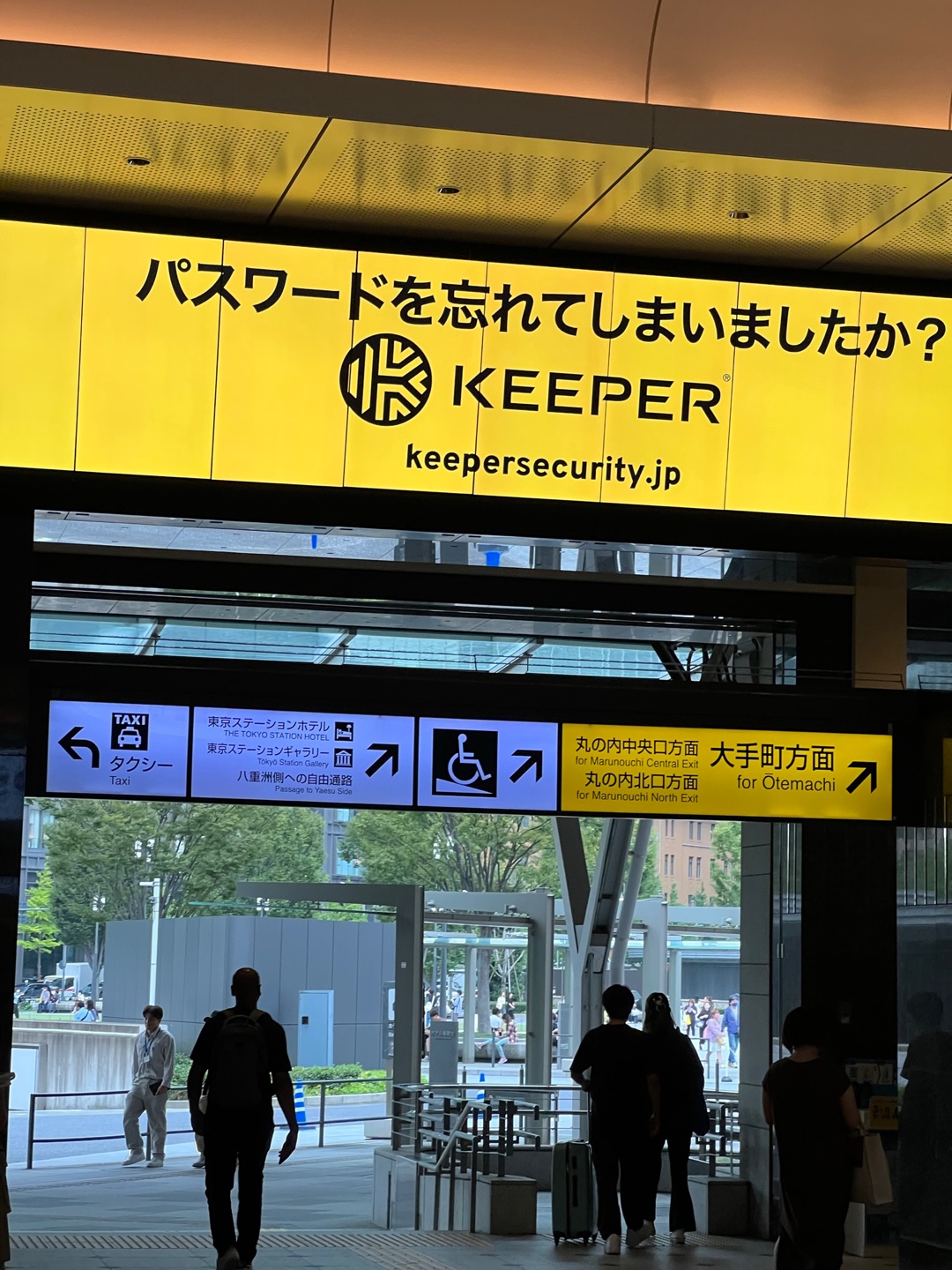
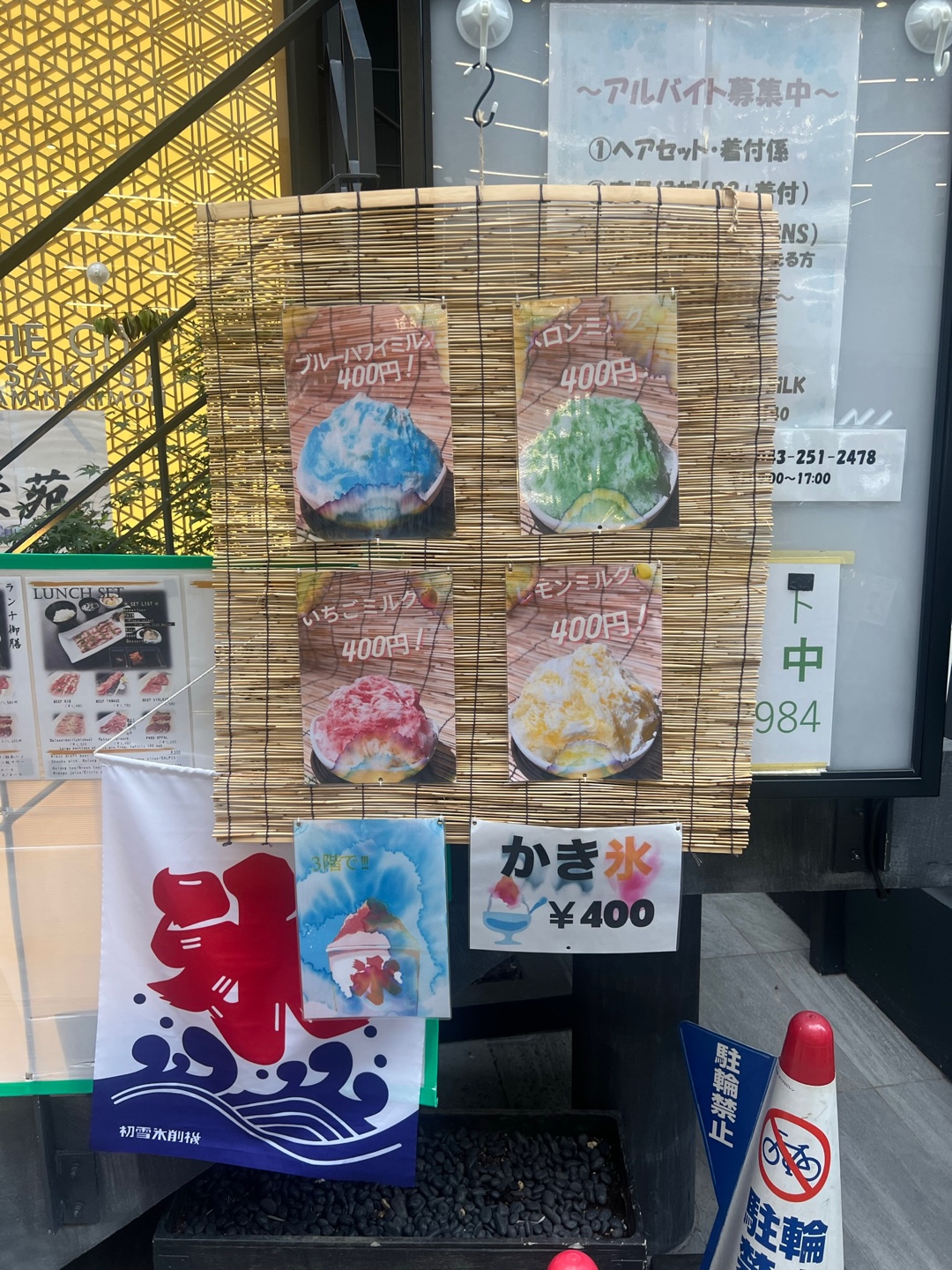
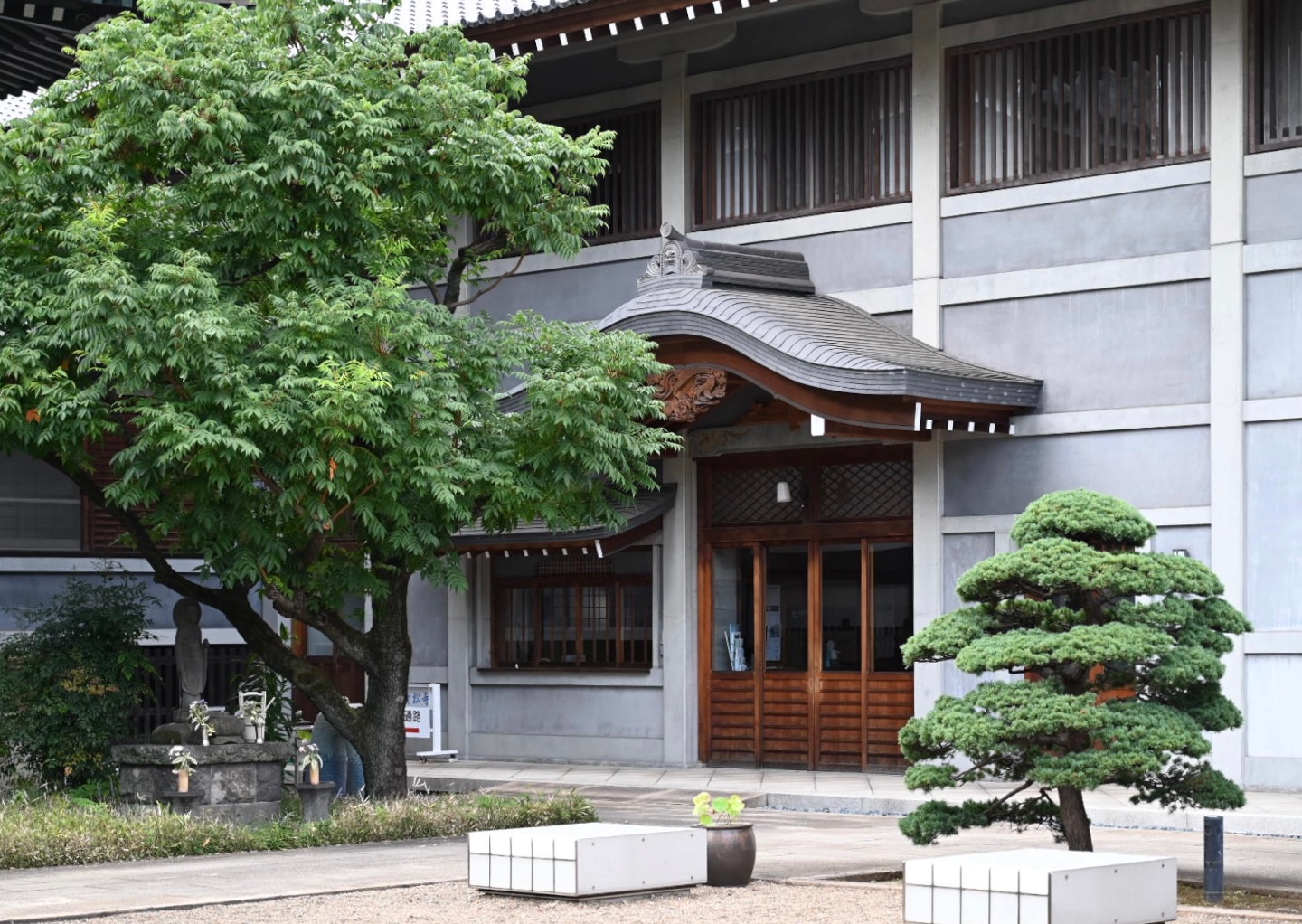
Another special moment was a visit to the Embassy of Lithuania in Japan. I had the pleasure of meeting the ambassador who is a former professor from the university where I currently work. We enjoyed a warm coffee and a delightful chat, catching up after quite some time.
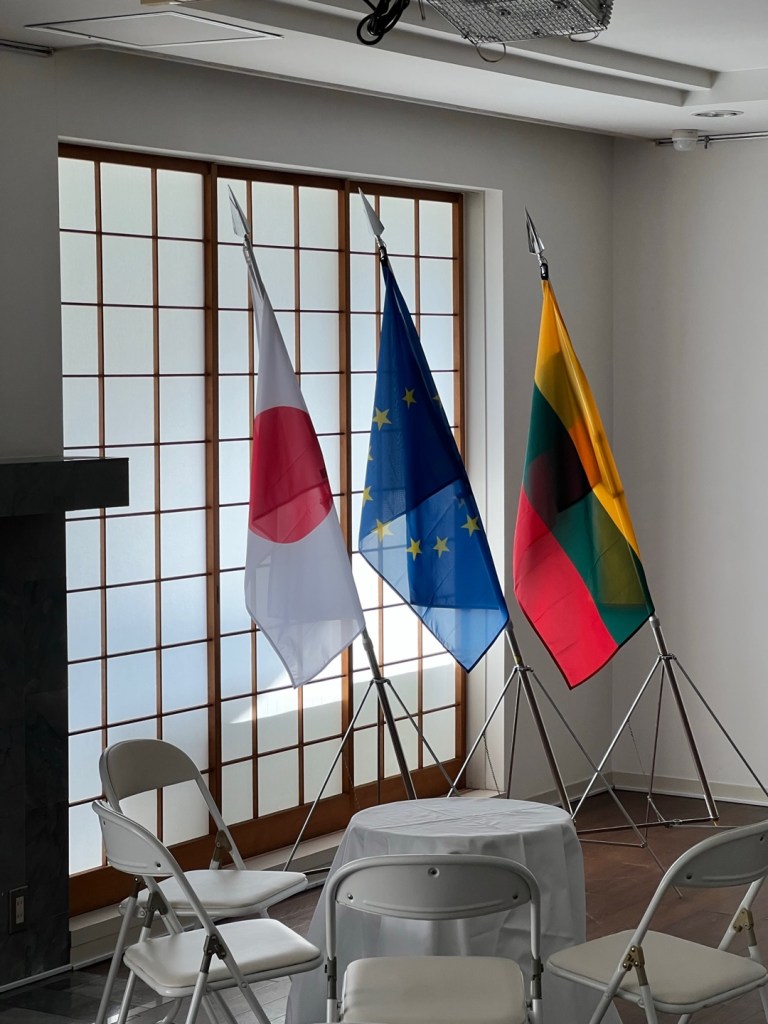
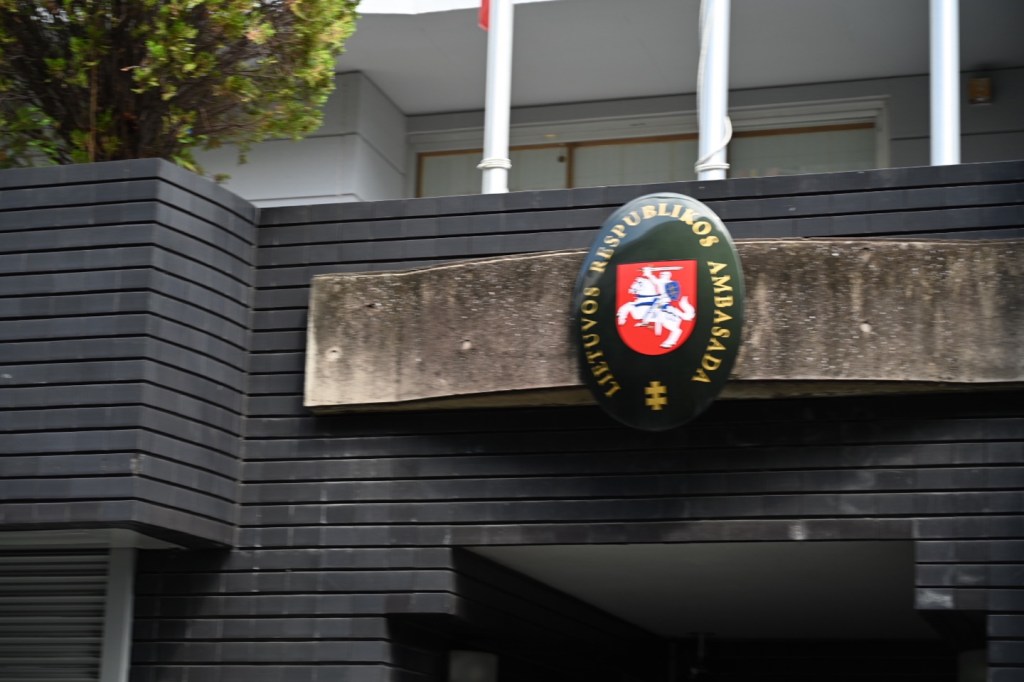
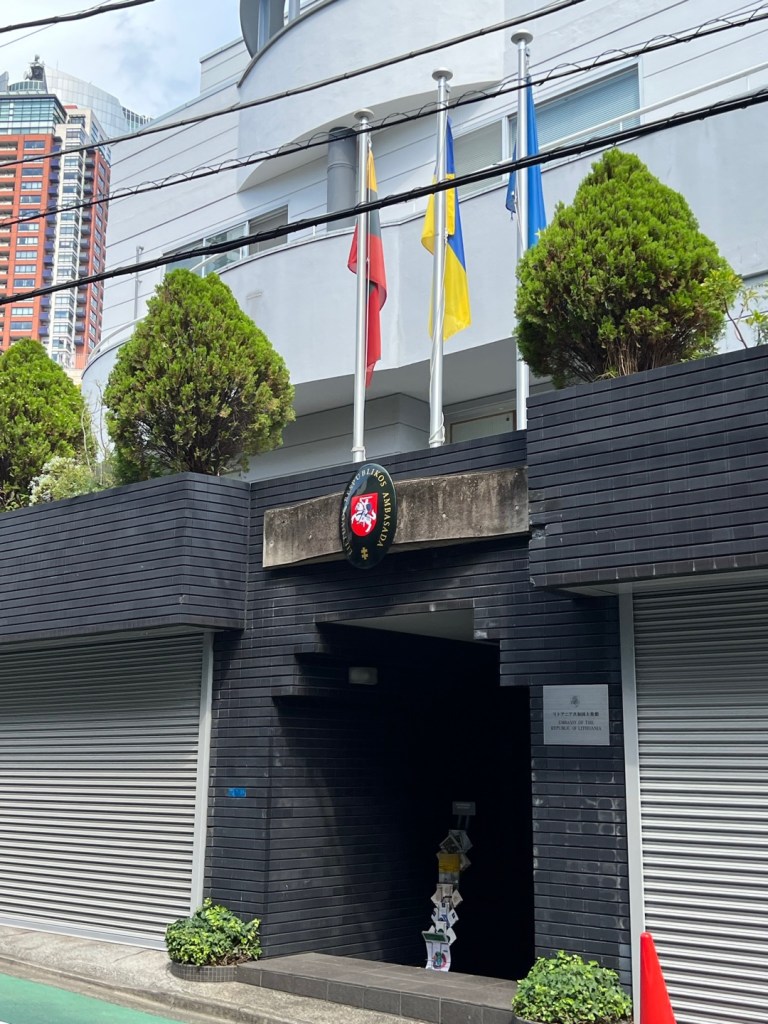
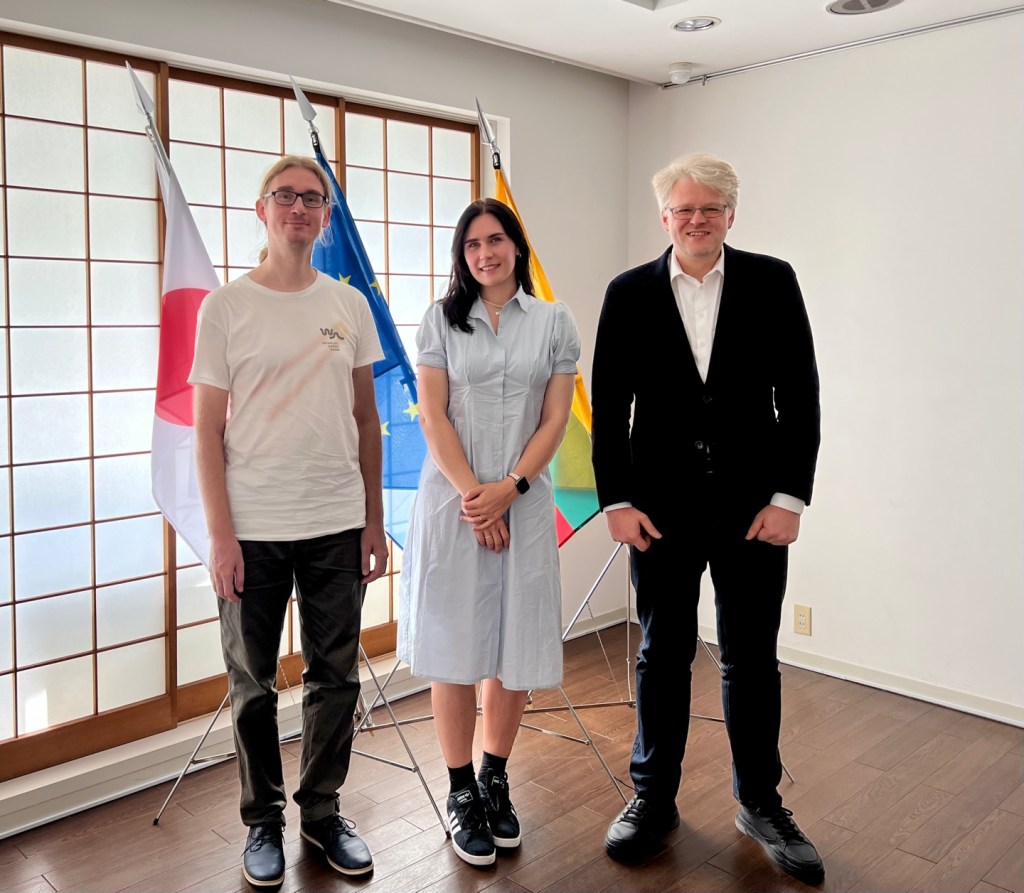
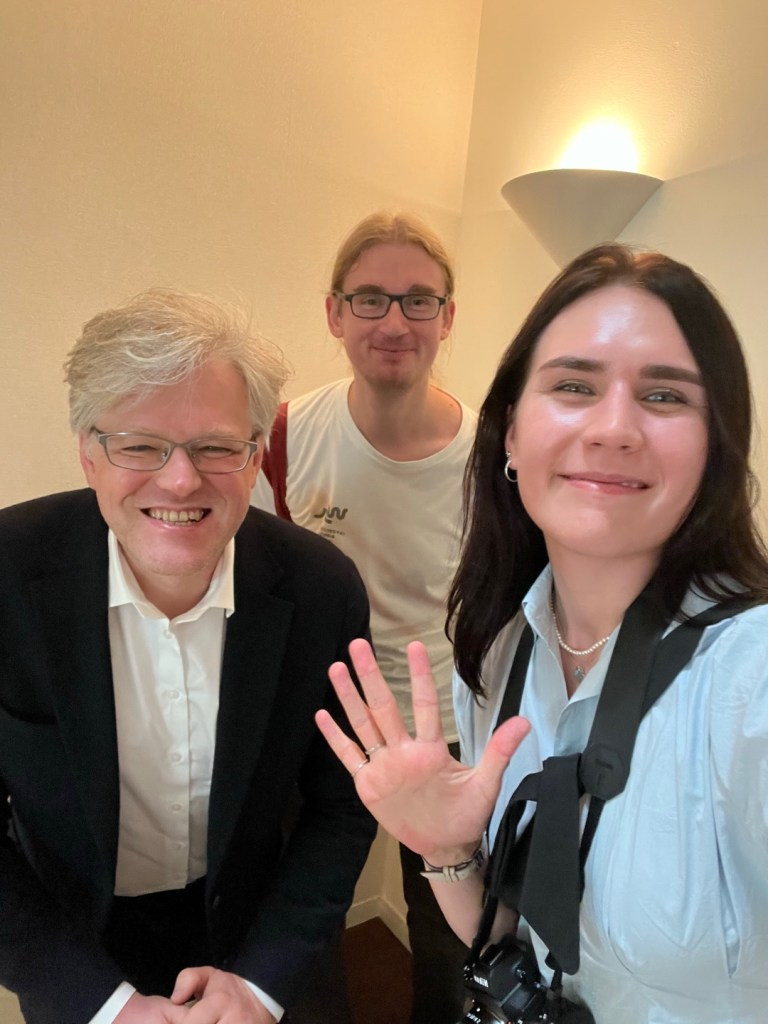
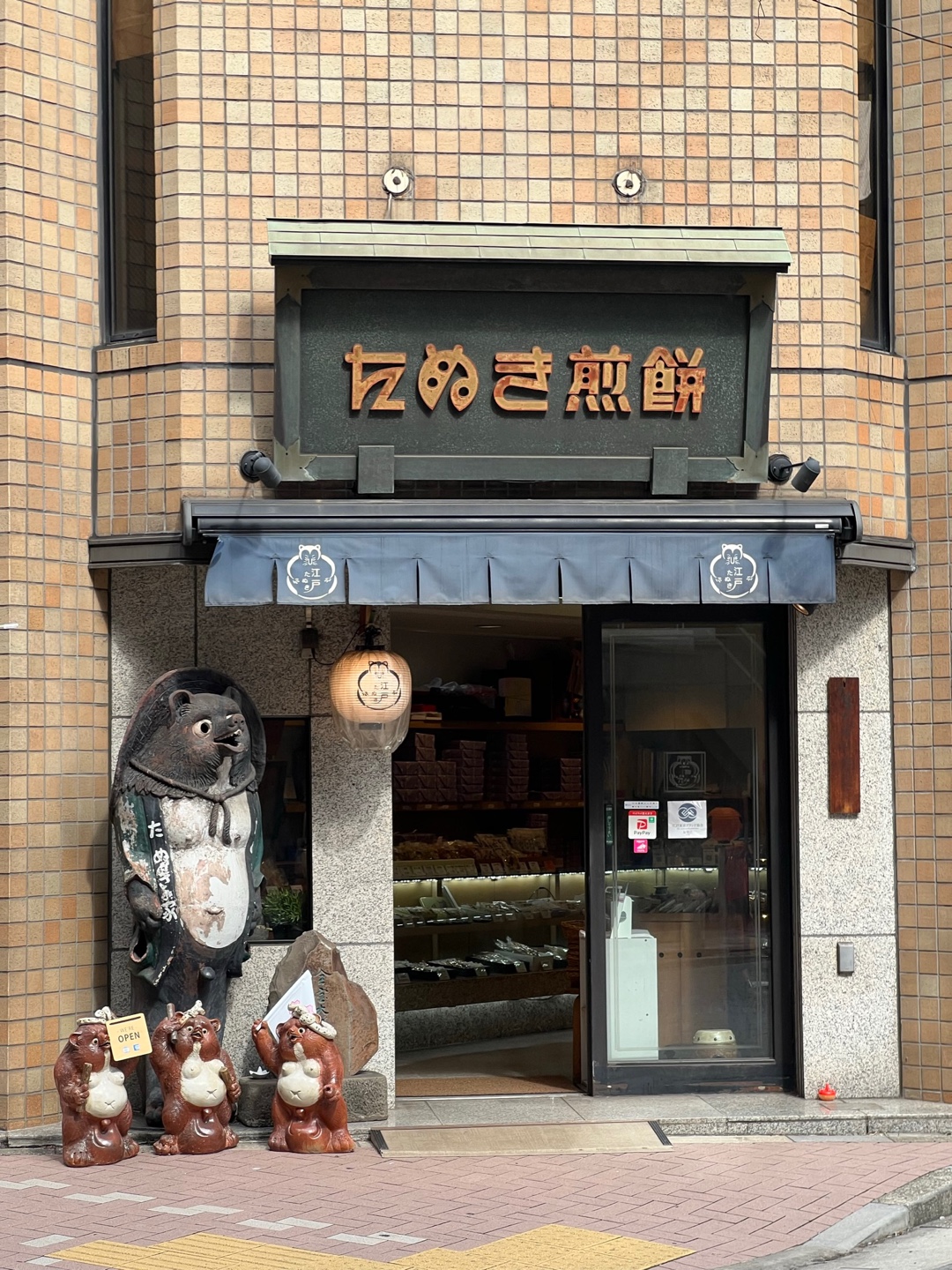
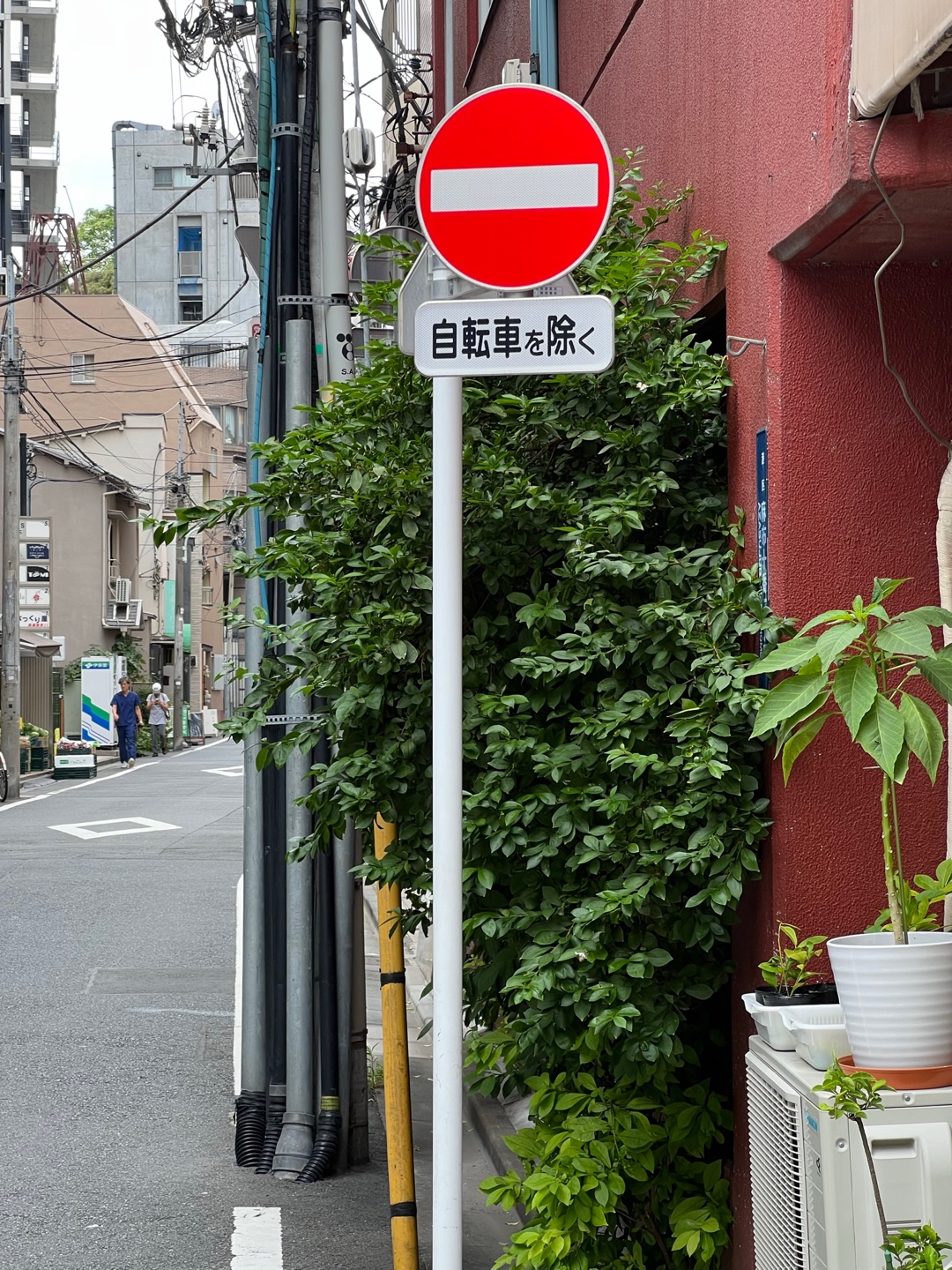
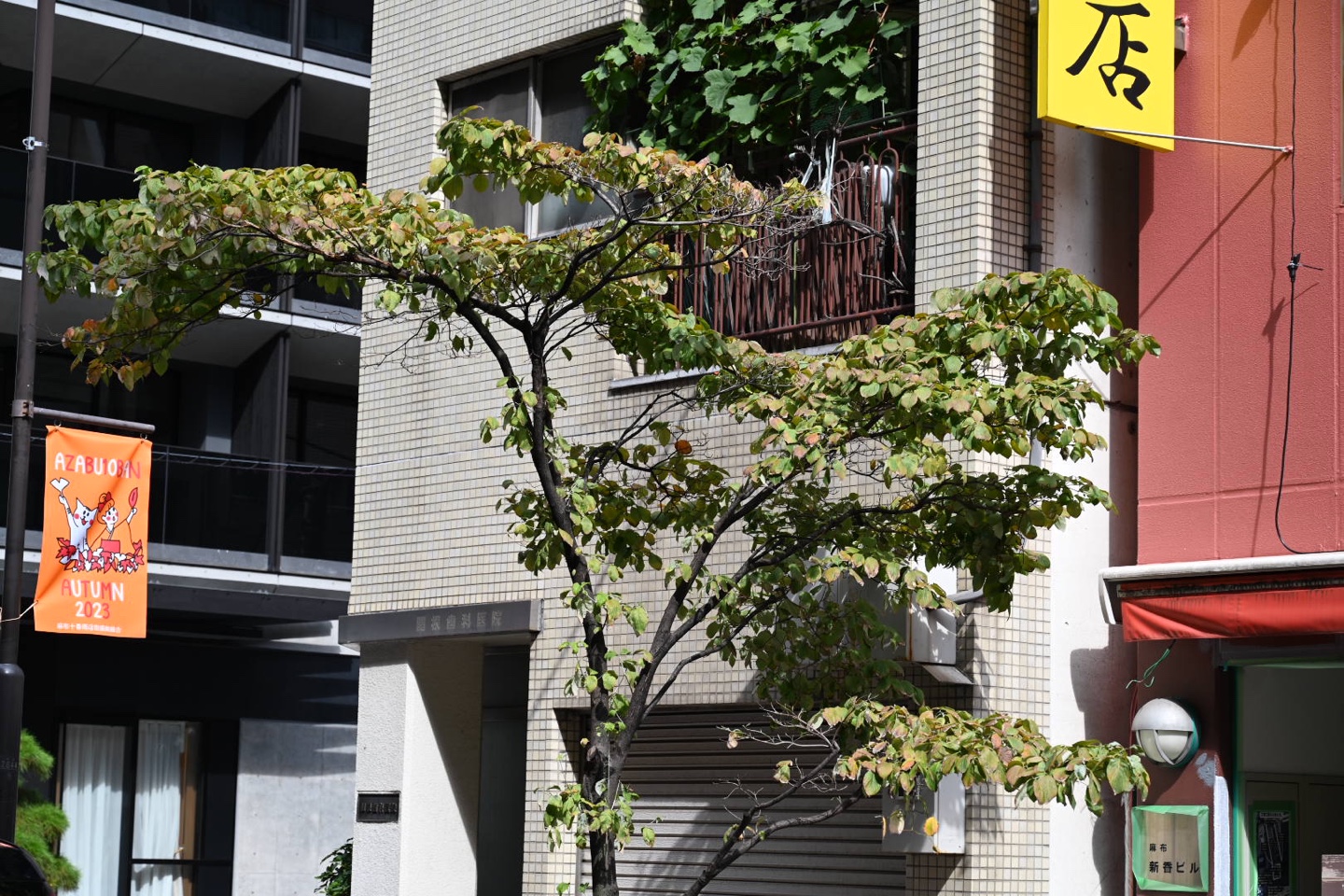
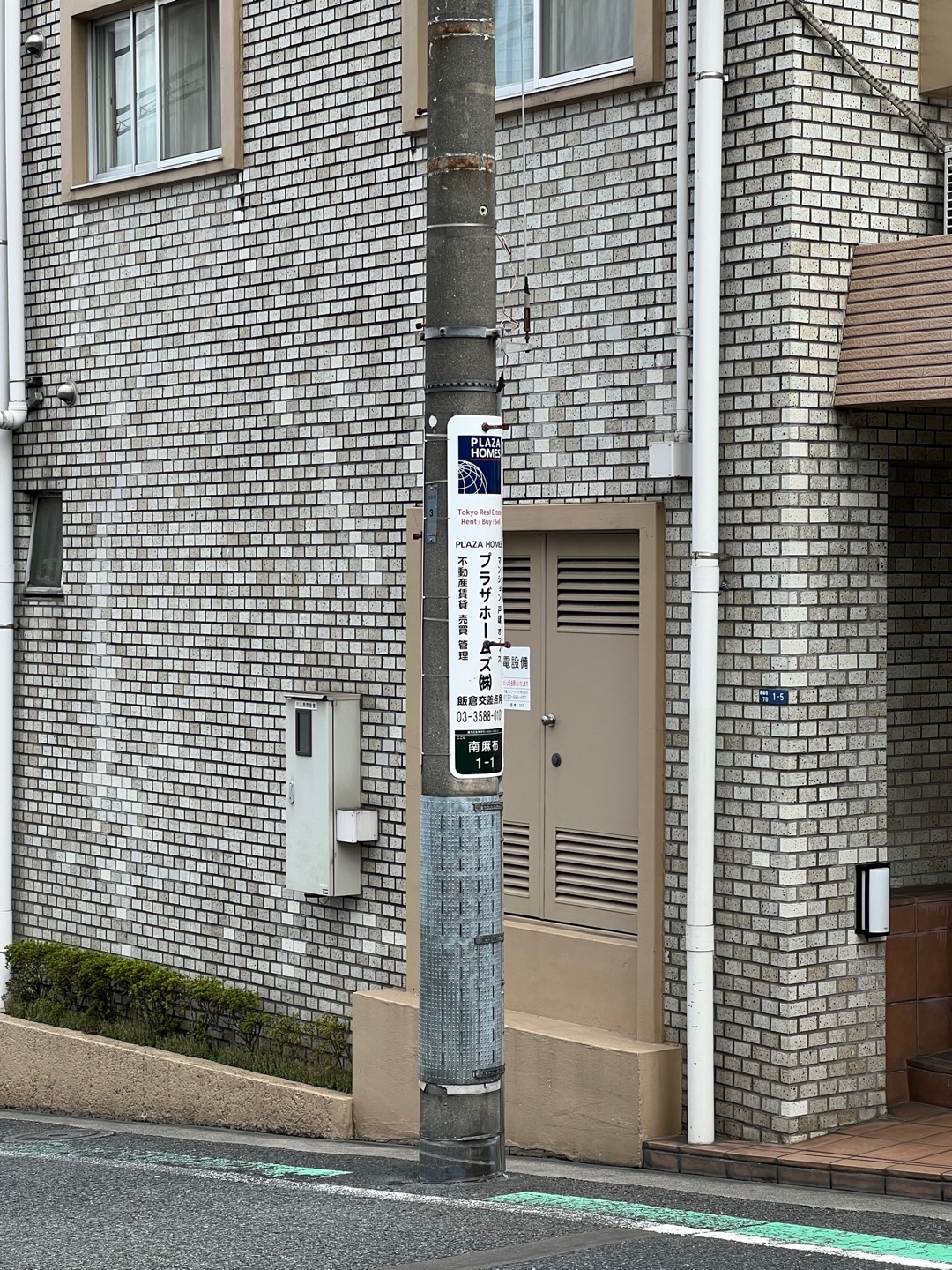
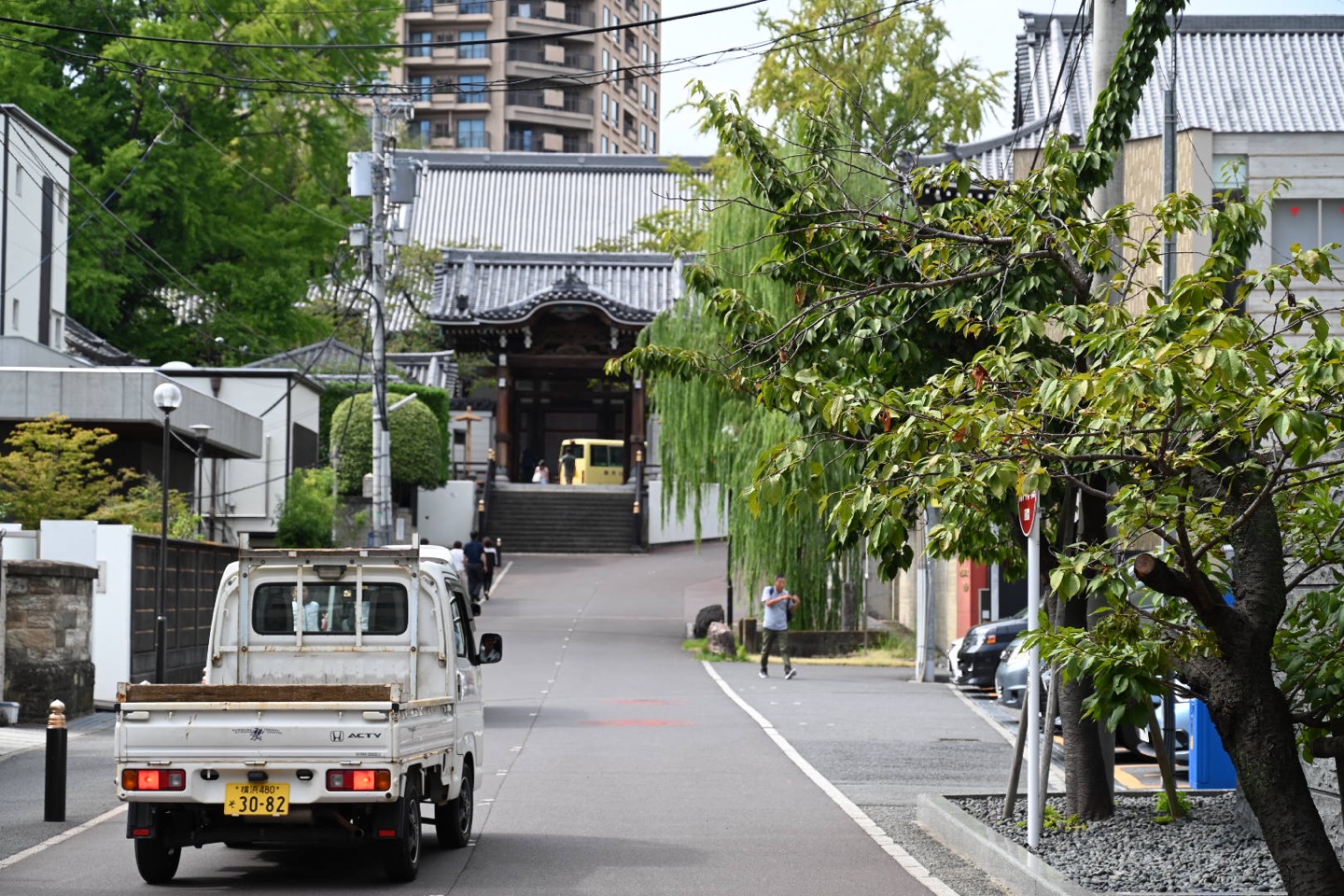
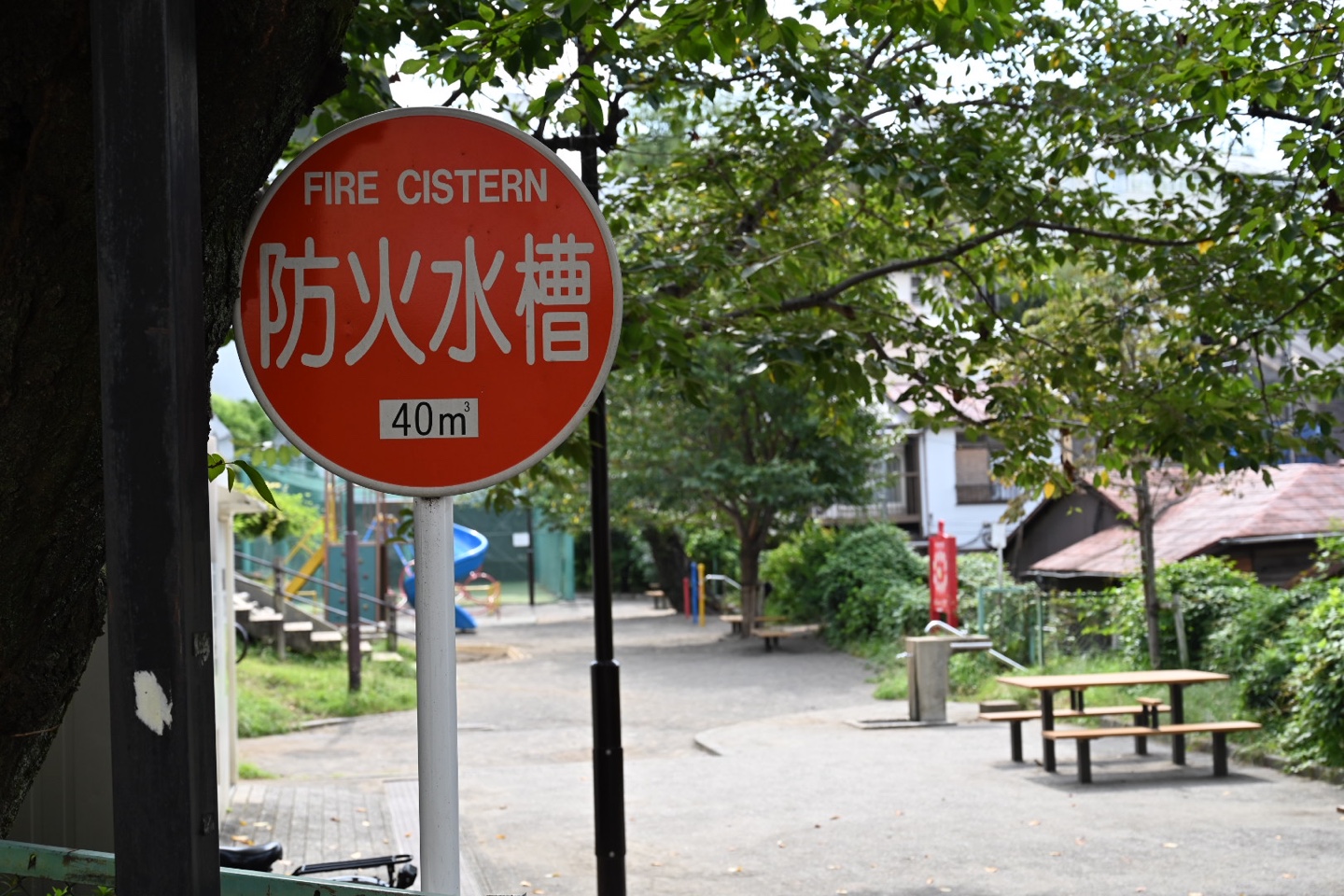
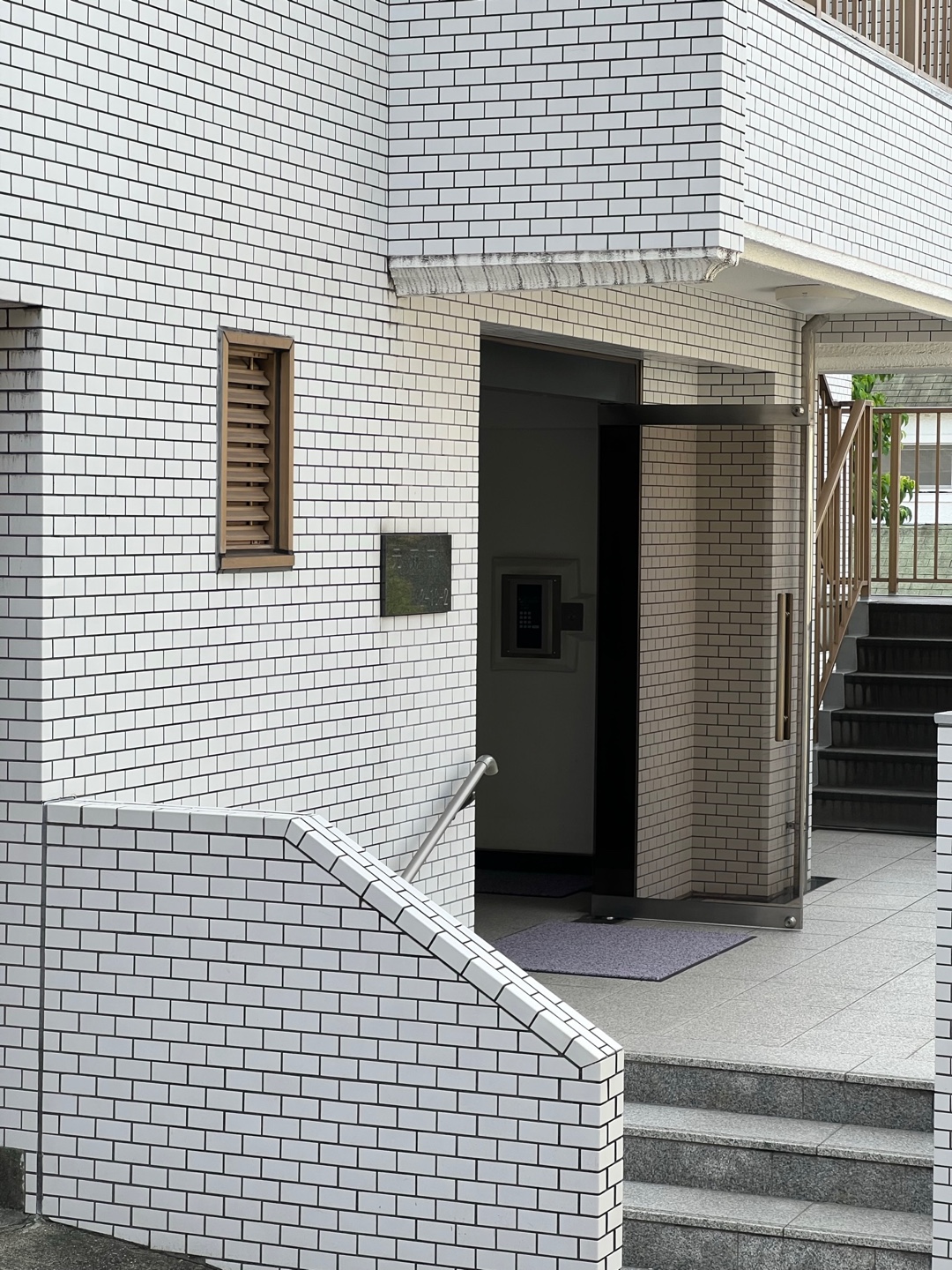
The embassy is located in the charming neighborhood of Azabu-Juban, Roppongi—a part of Tokyo I instantly fell in love with. The area’s architecture and aesthetics are simply adorable, offering a picturesque backdrop that’s hard to resist.
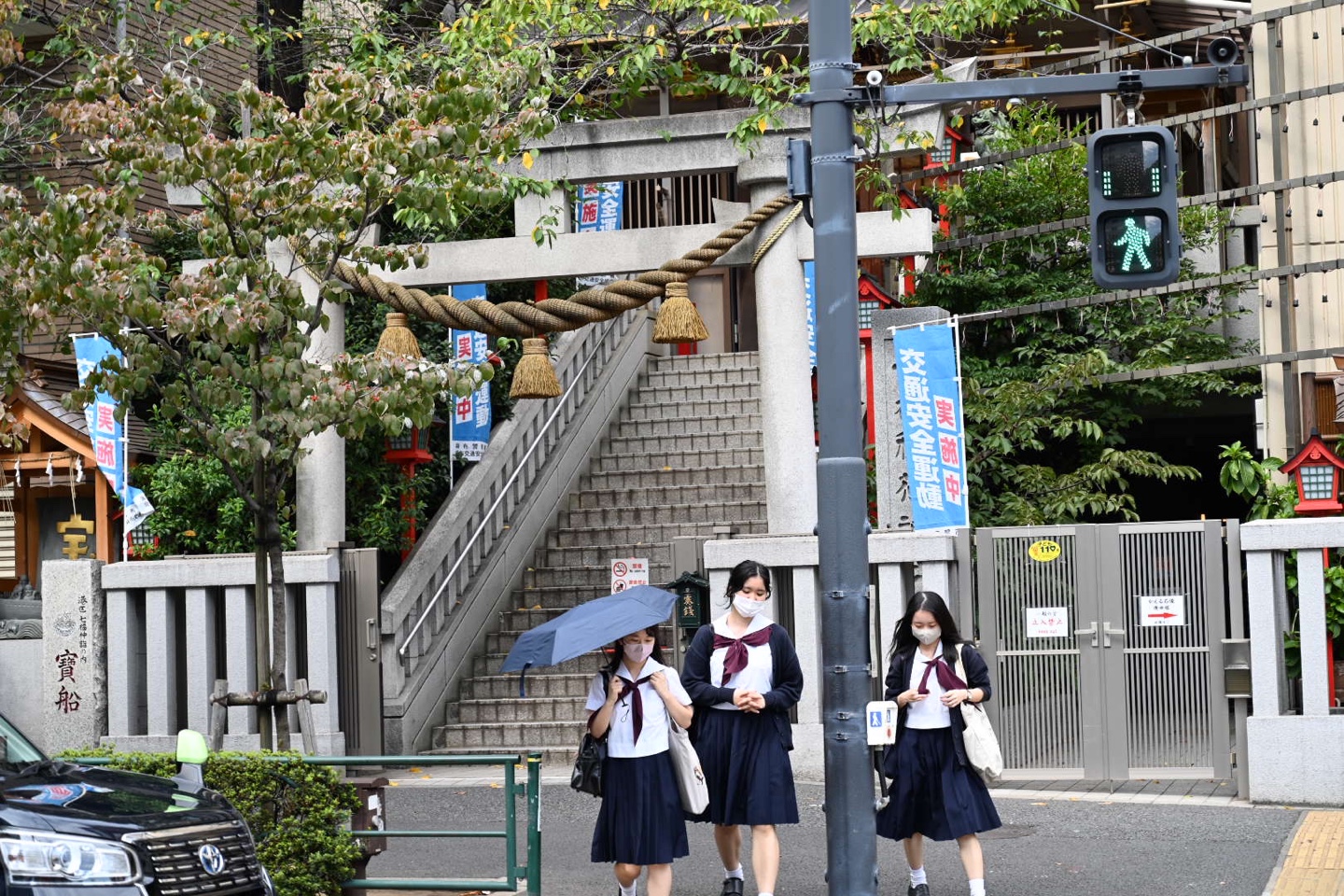
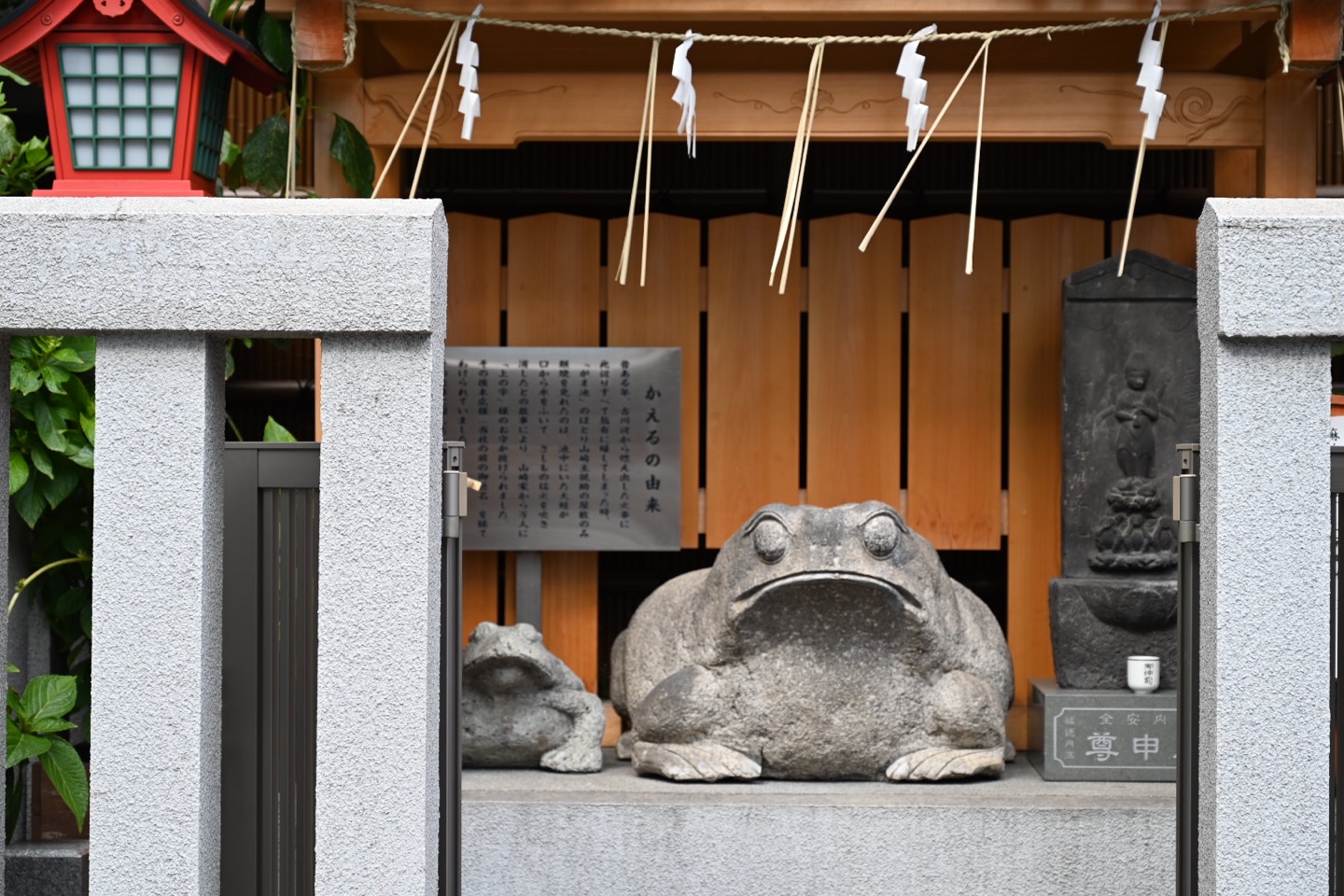
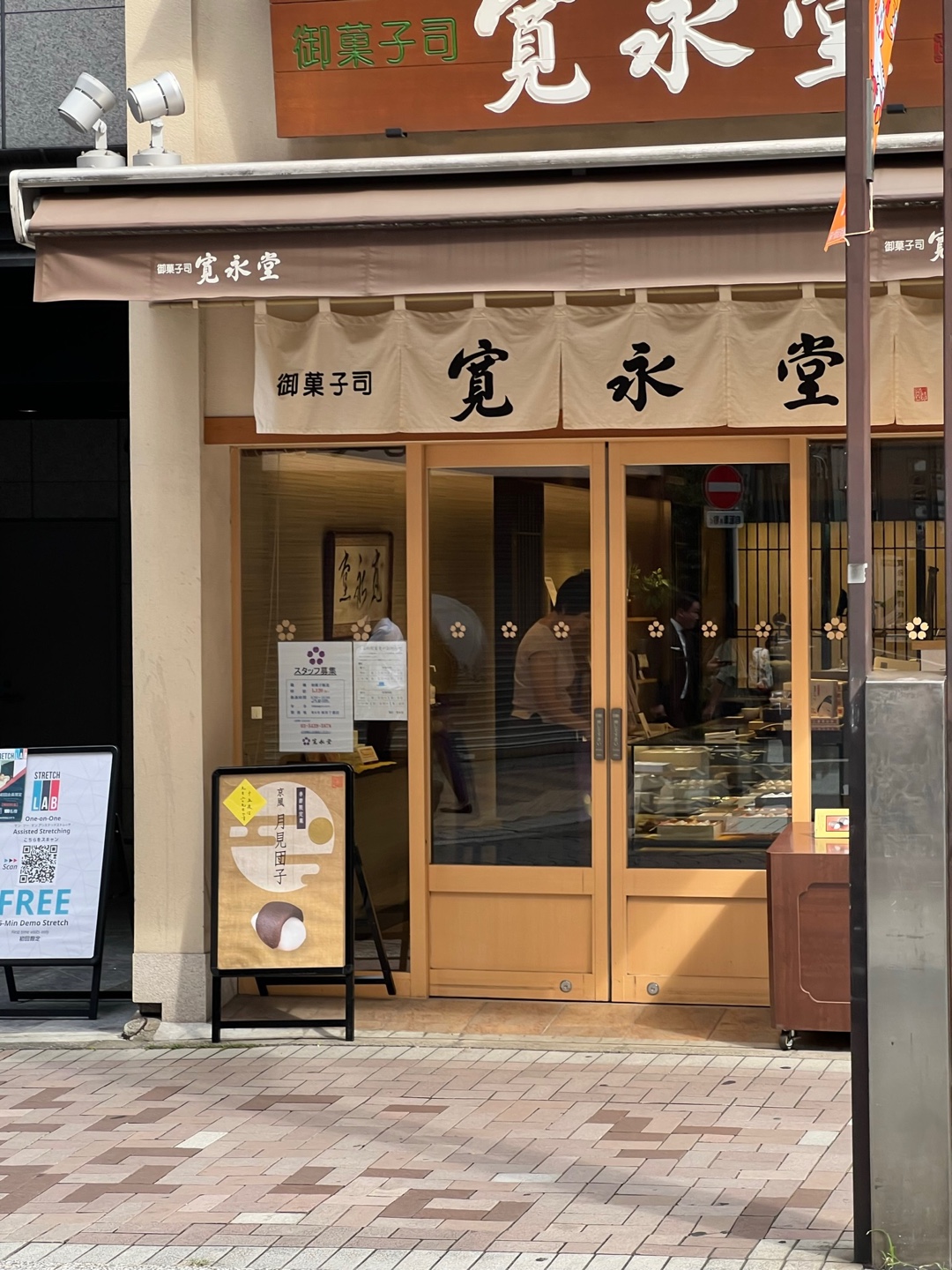
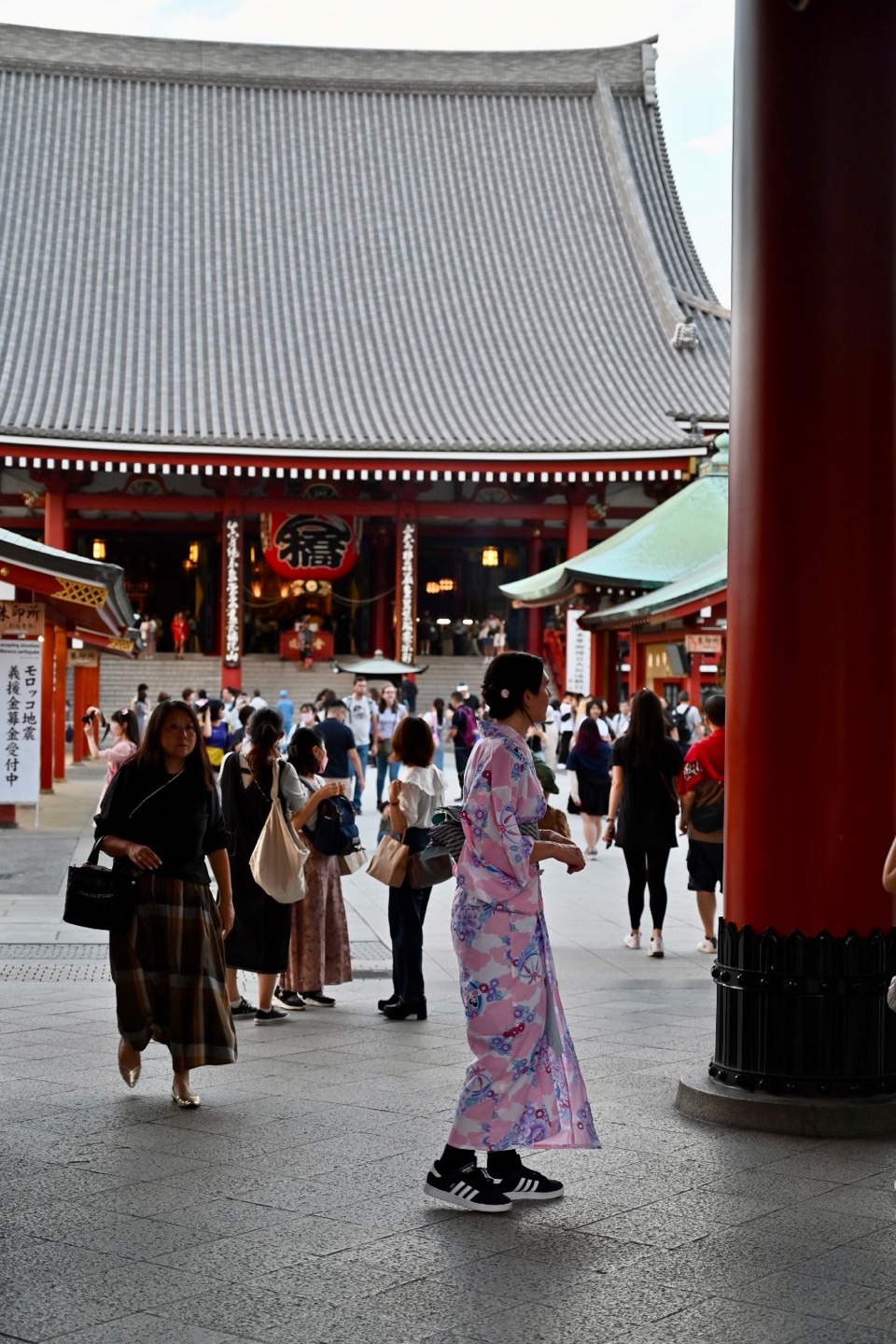
Then went off to explore Sensoji. Sensō-ji, also known as Asakusa Kannon Temple, is a historic and significant Buddhist temple located in Asakusa, Tokyo. As Tokyo’s oldest temple, it holds a special place in the city’s cultural and spiritual landscape. Dedicated to Kannon, the bodhisattva of compassion, Sensō-ji is renowned for its beautiful architecture and vibrant atmosphere. The temple complex features several key structures, including the grand main hall, a five-story pagoda, and impressive gates. The main hall, or Hondo, is the heart of Sensō-ji, where visitors come to pay their respects and seek blessings. Despite being the most widely visited religious site in the world, attracting over 30 million visitors annually, Sensō-ji maintains a serene and sacred ambiance.
Approaching Sensō-ji, visitors walk down Nakamise-dōri, a bustling street lined with shops selling traditional goods and souvenirs. This vibrant area adds to the temple’s charm, making it a popular destination for both worshippers and tourists. Adjacent to Sensō-ji, to the east, is the Asakusa Shrine, a Shinto shrine that complements the Buddhist temple, reflecting the harmonious coexistence of different religious traditions in Japan. Together, Sensō-ji and Asakusa Shrine offer a rich tapestry of Tokyo’s religious and cultural heritage.
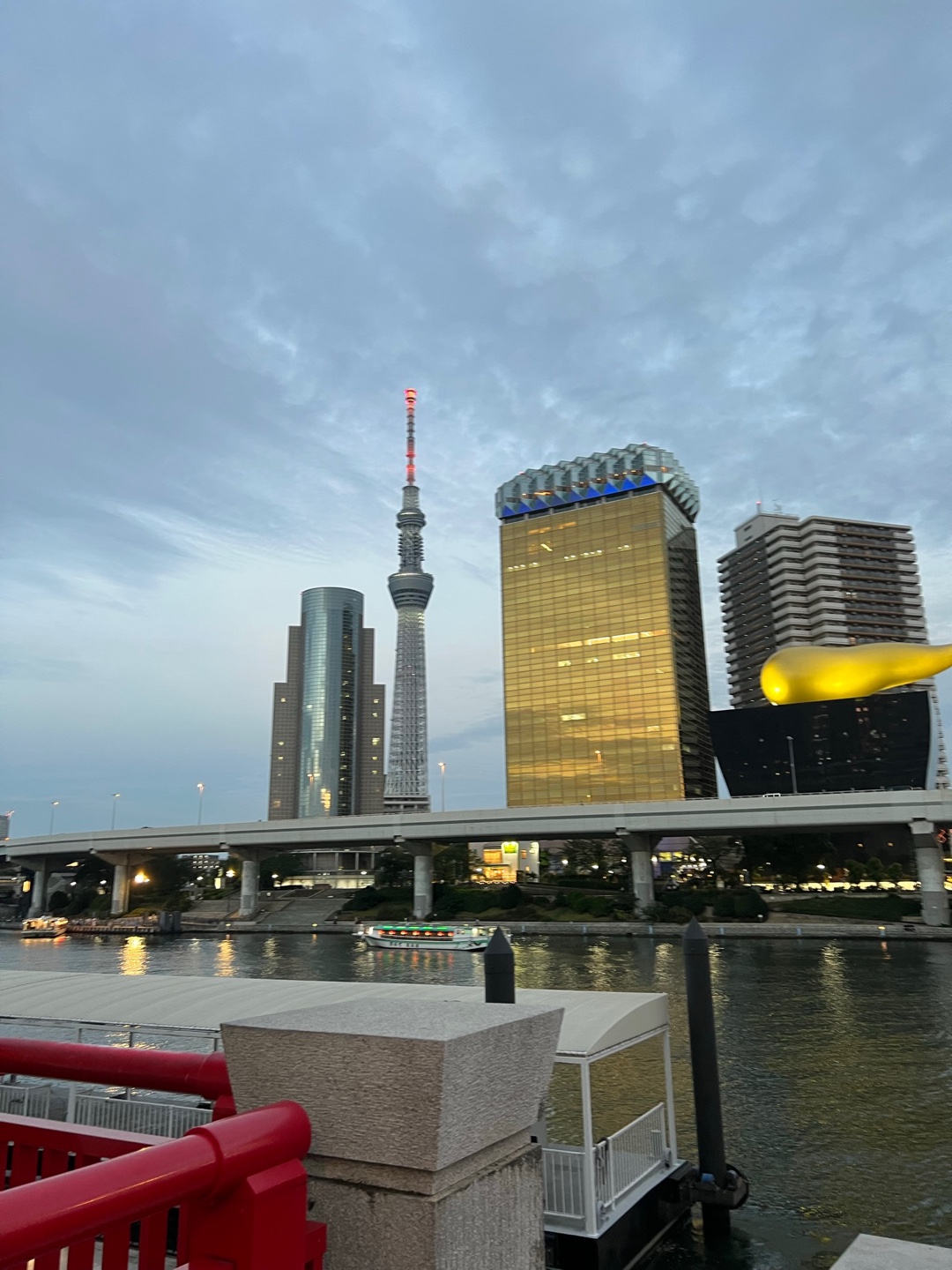
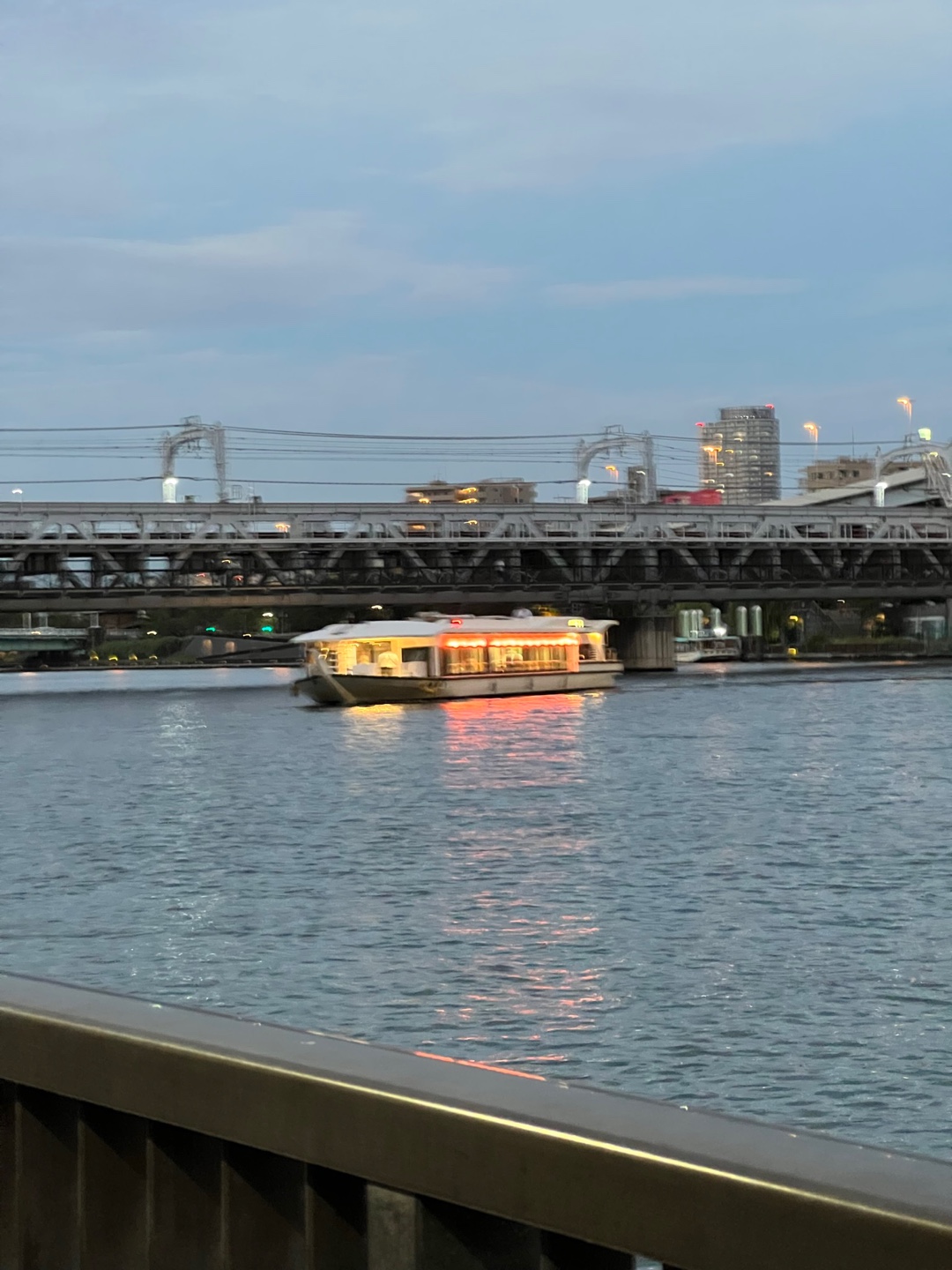
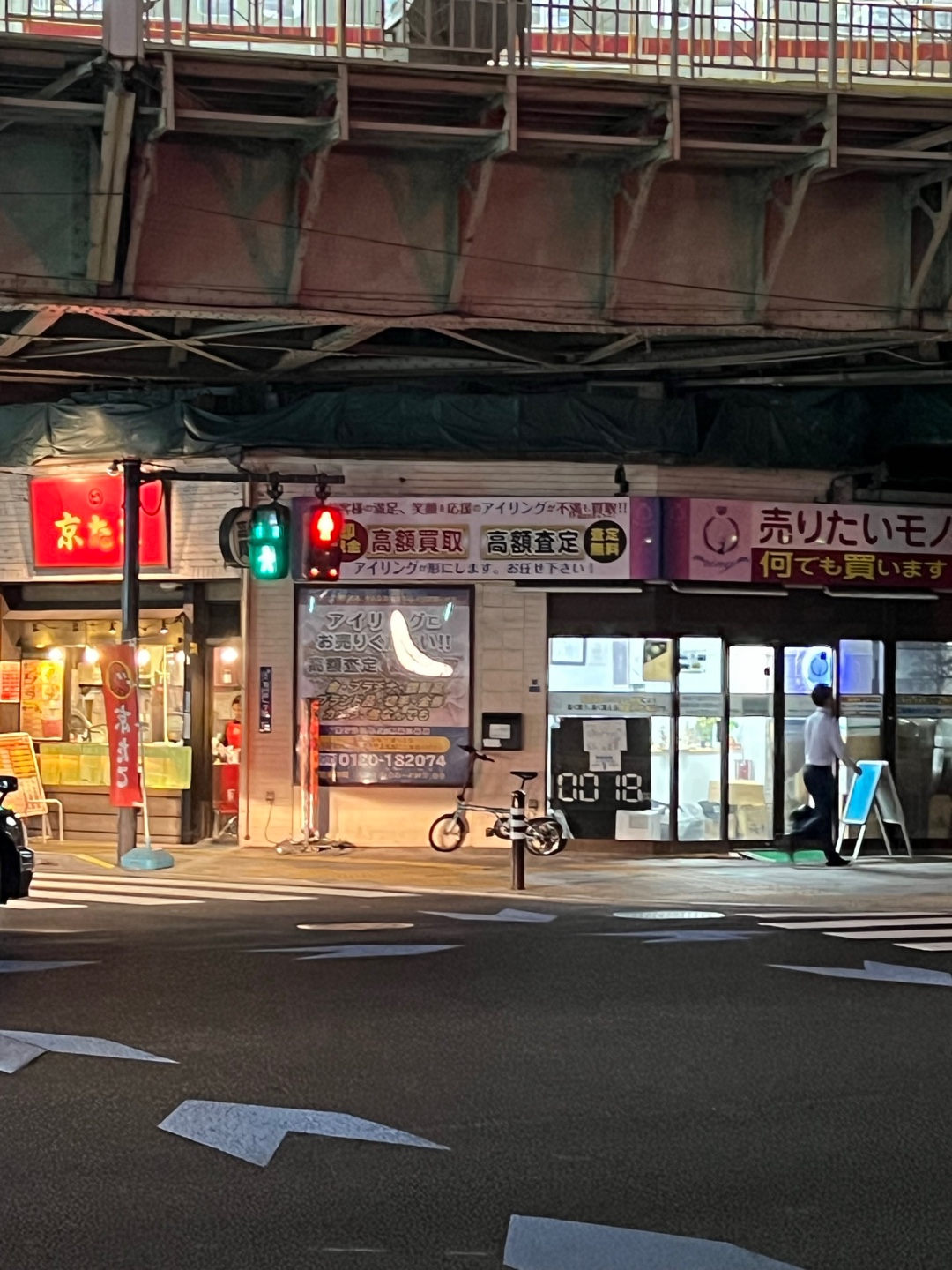
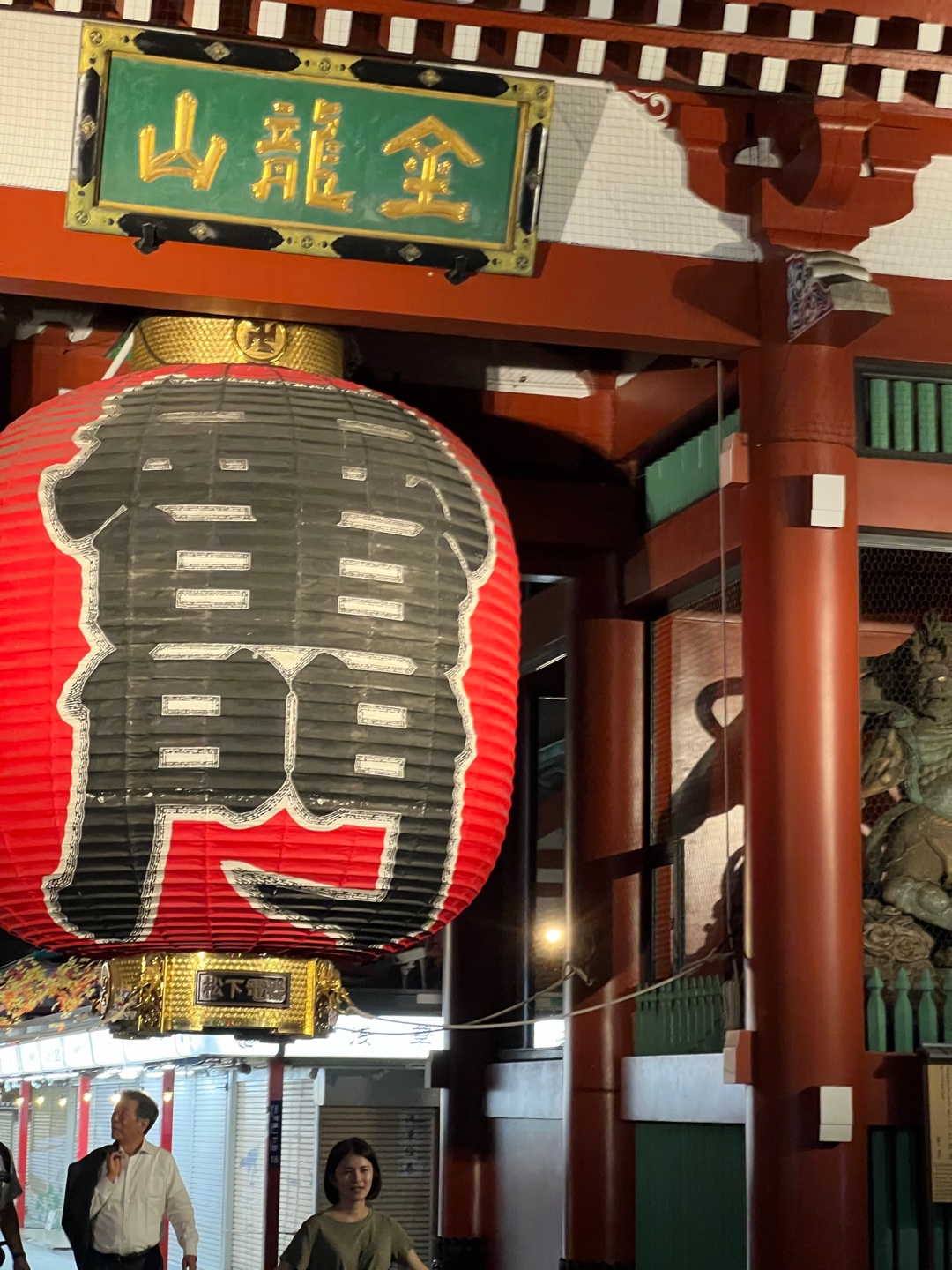
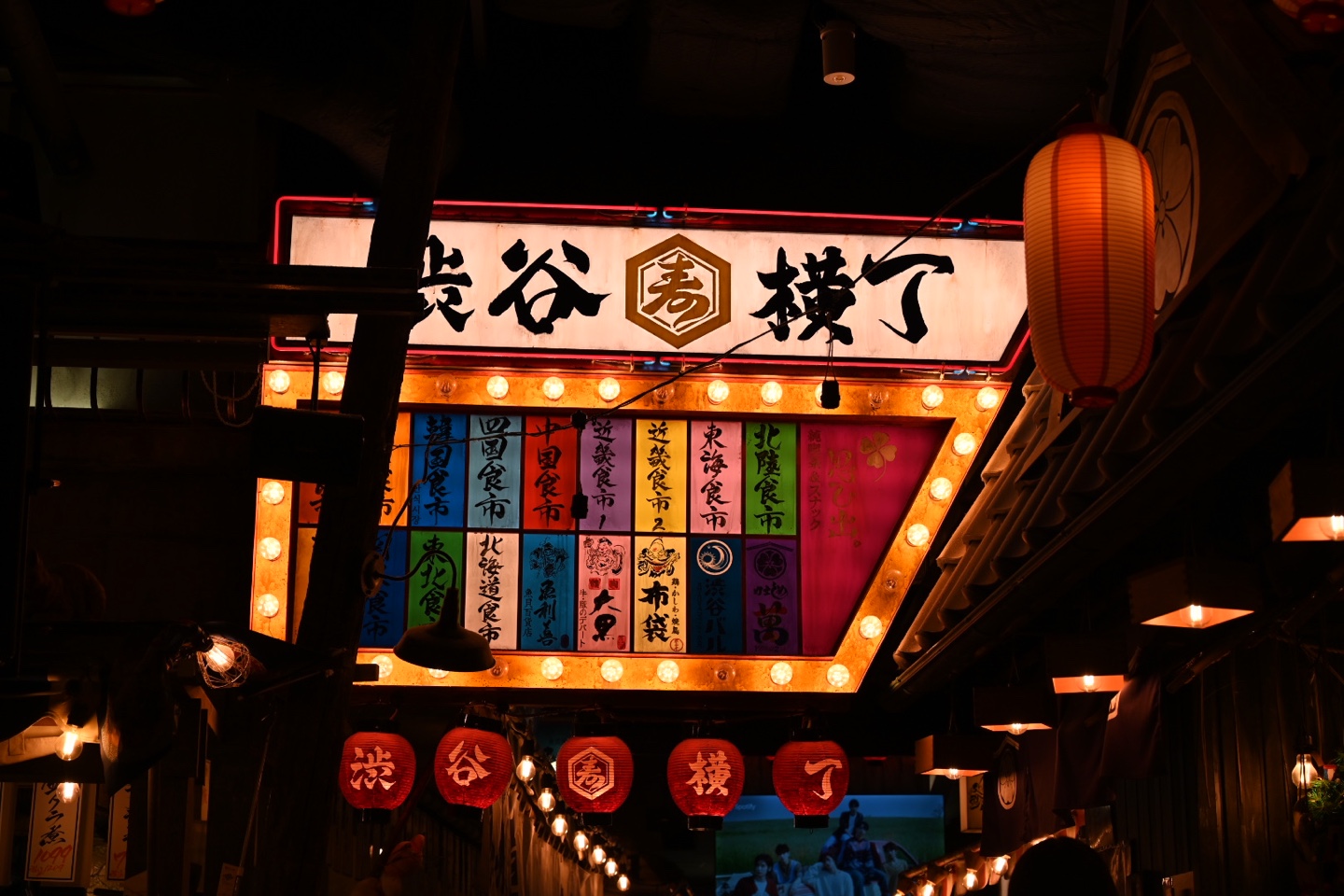
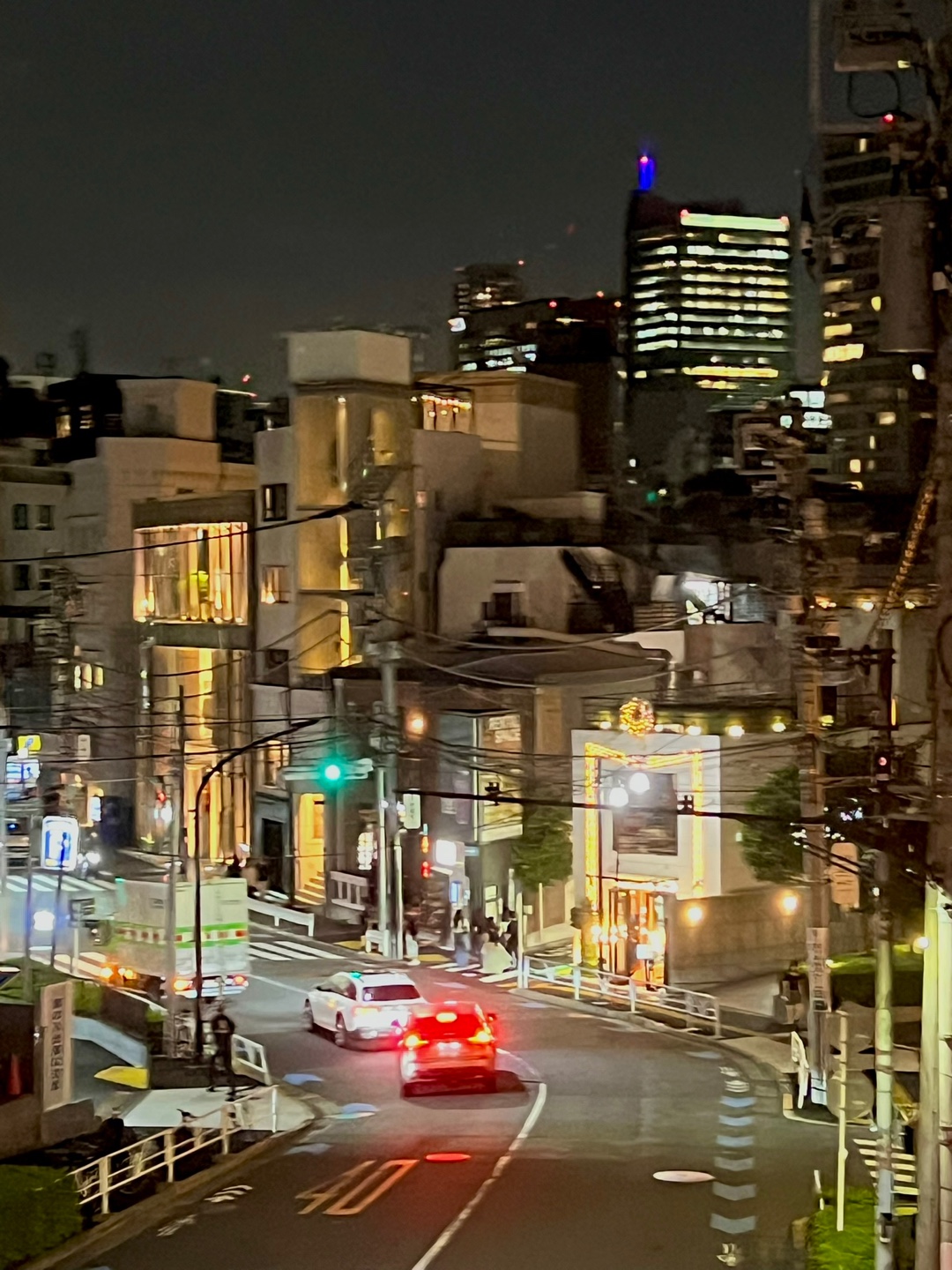
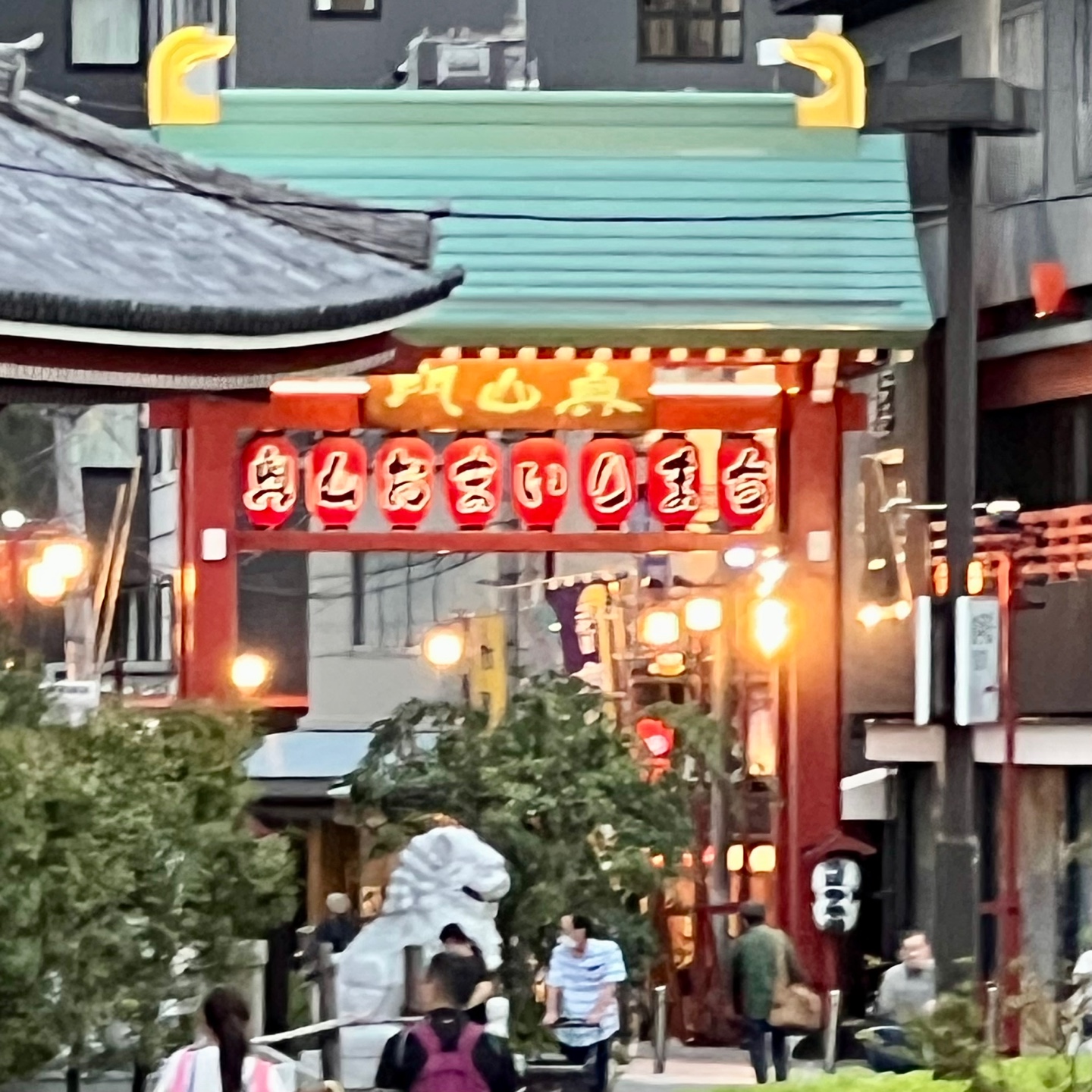
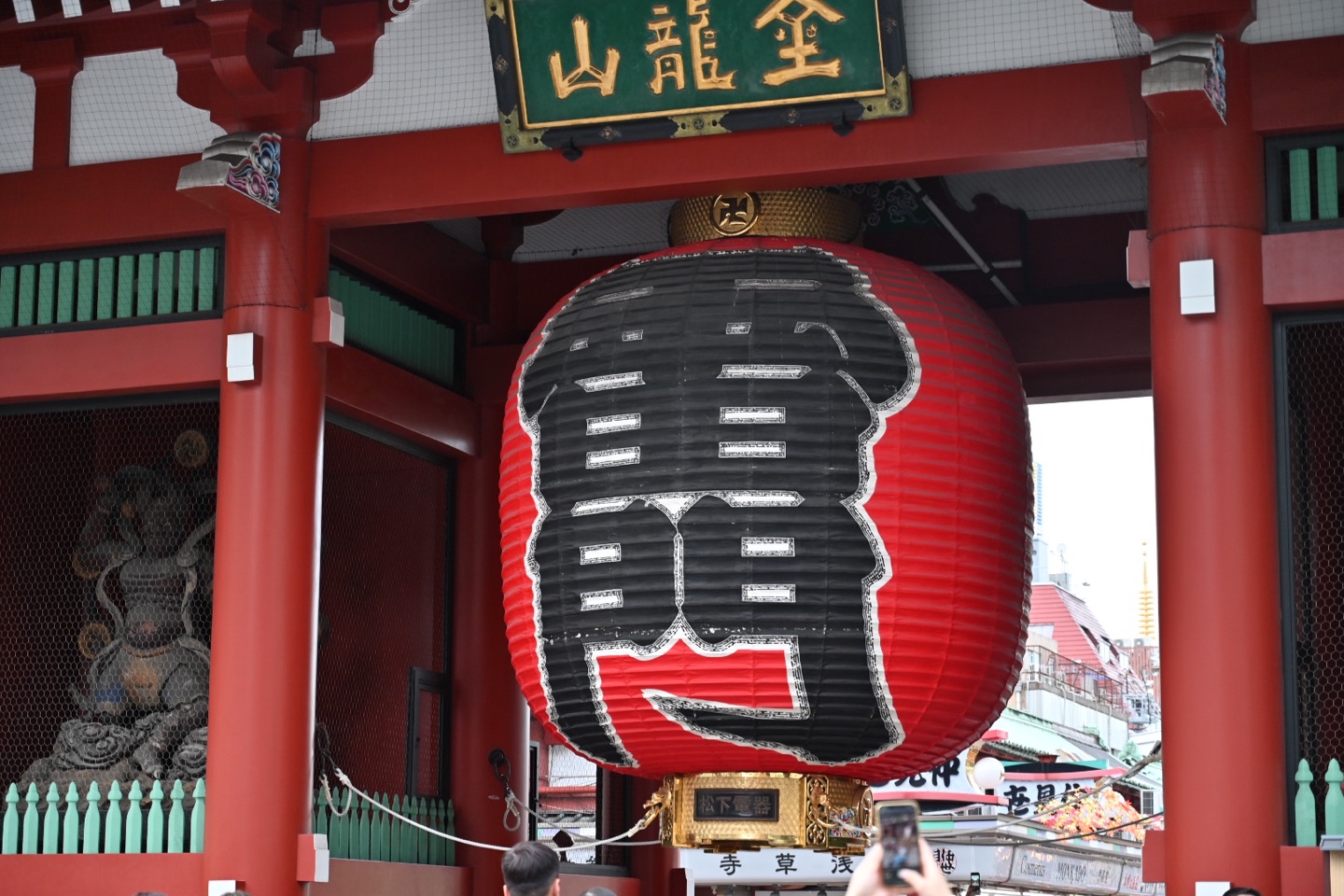
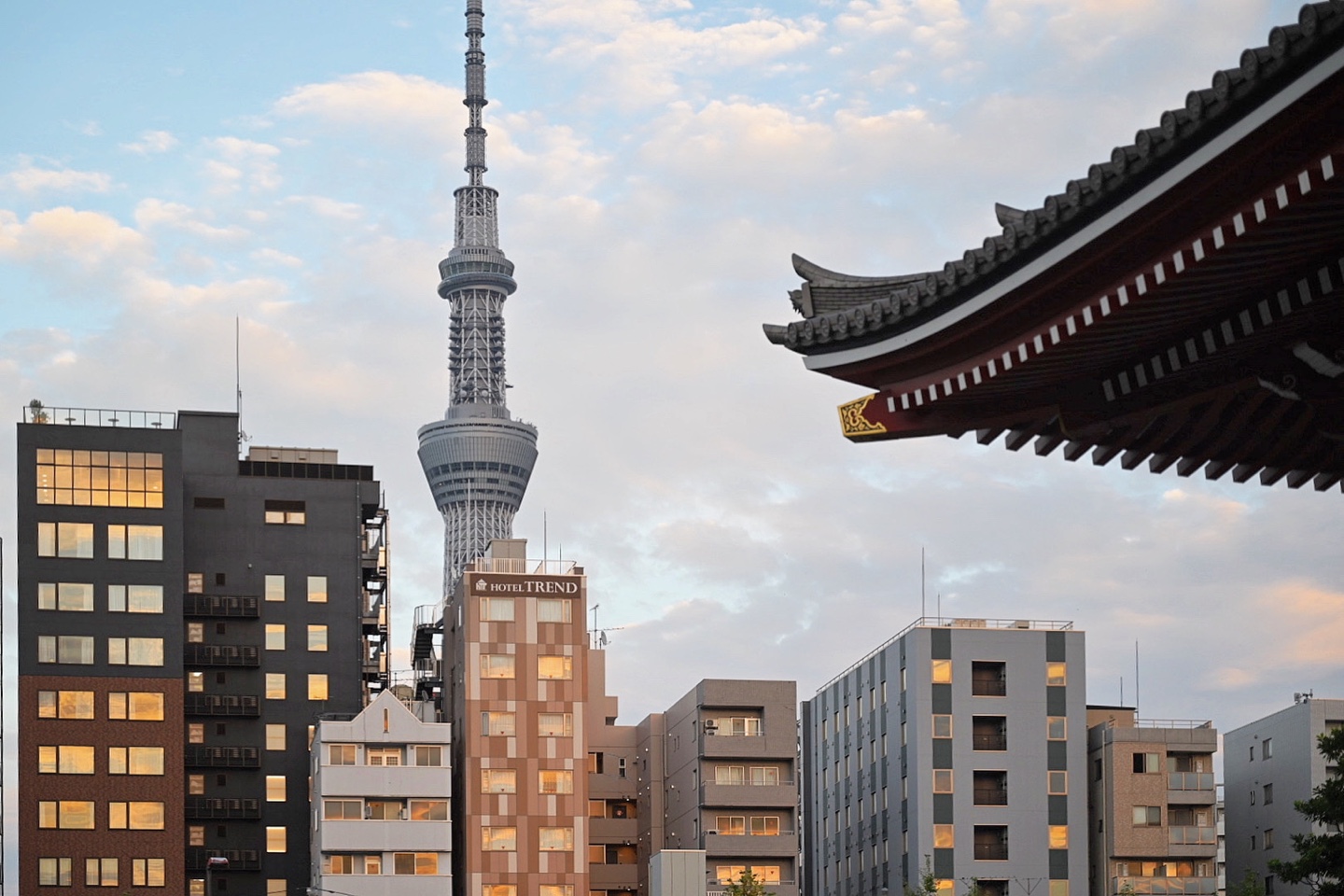
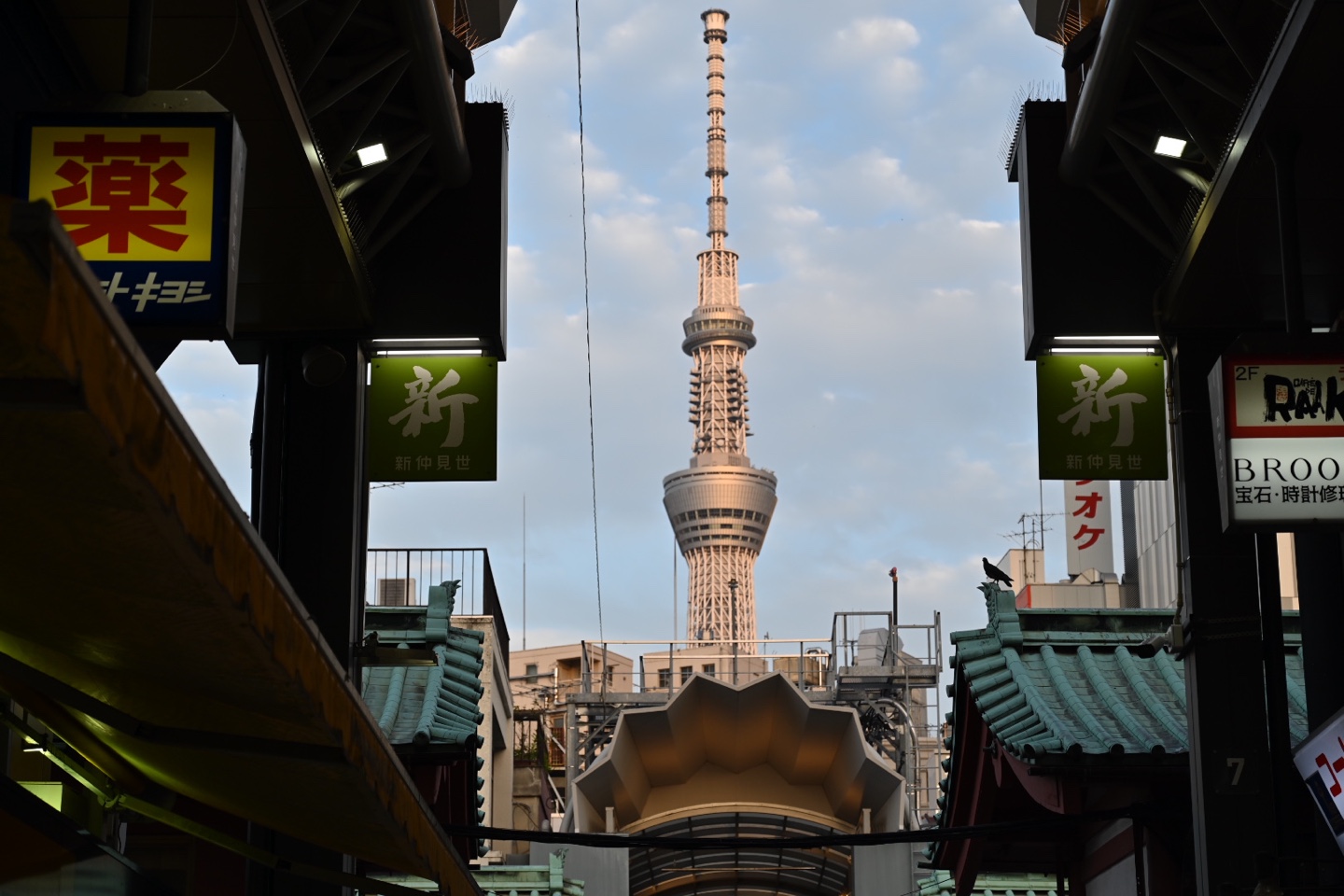
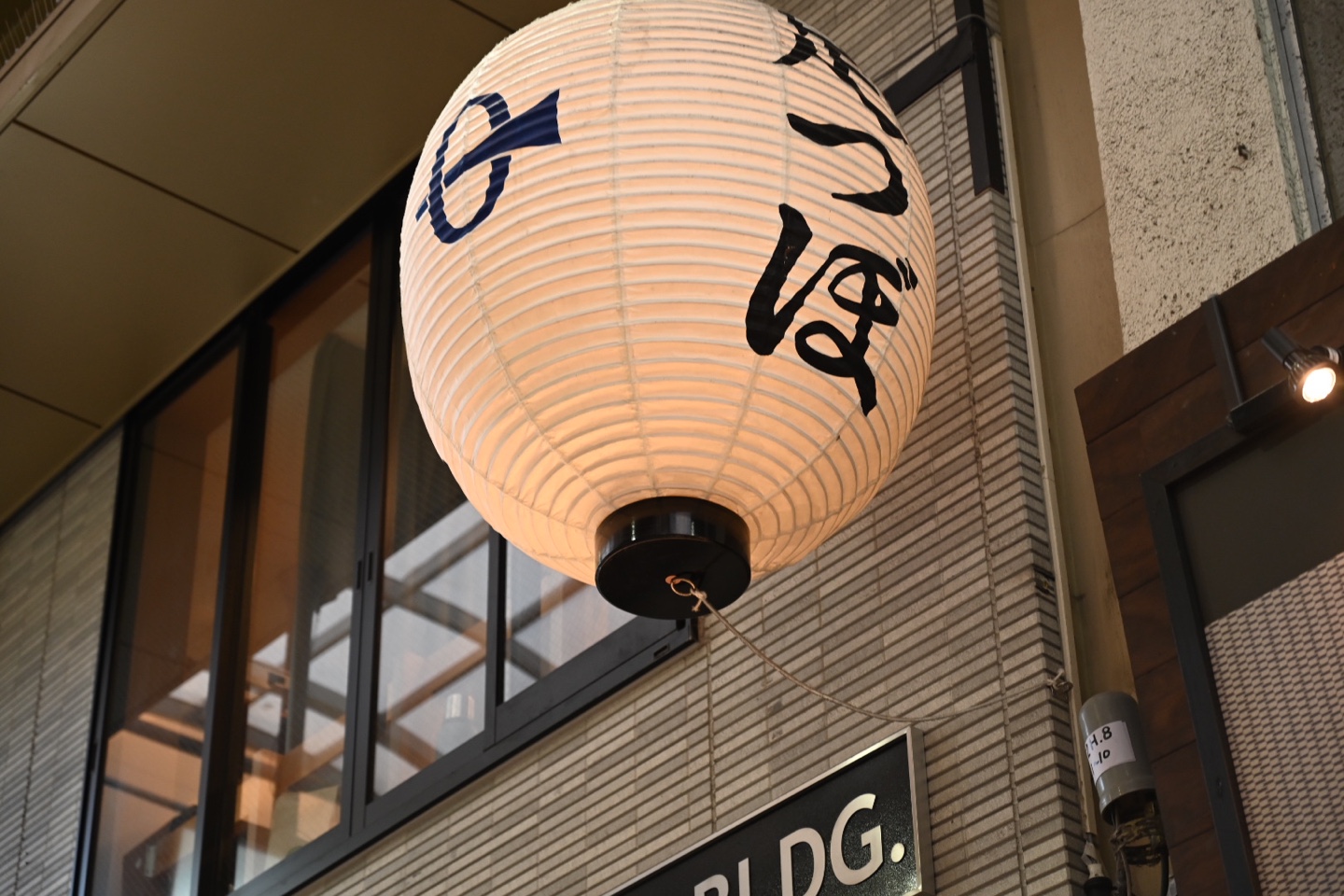
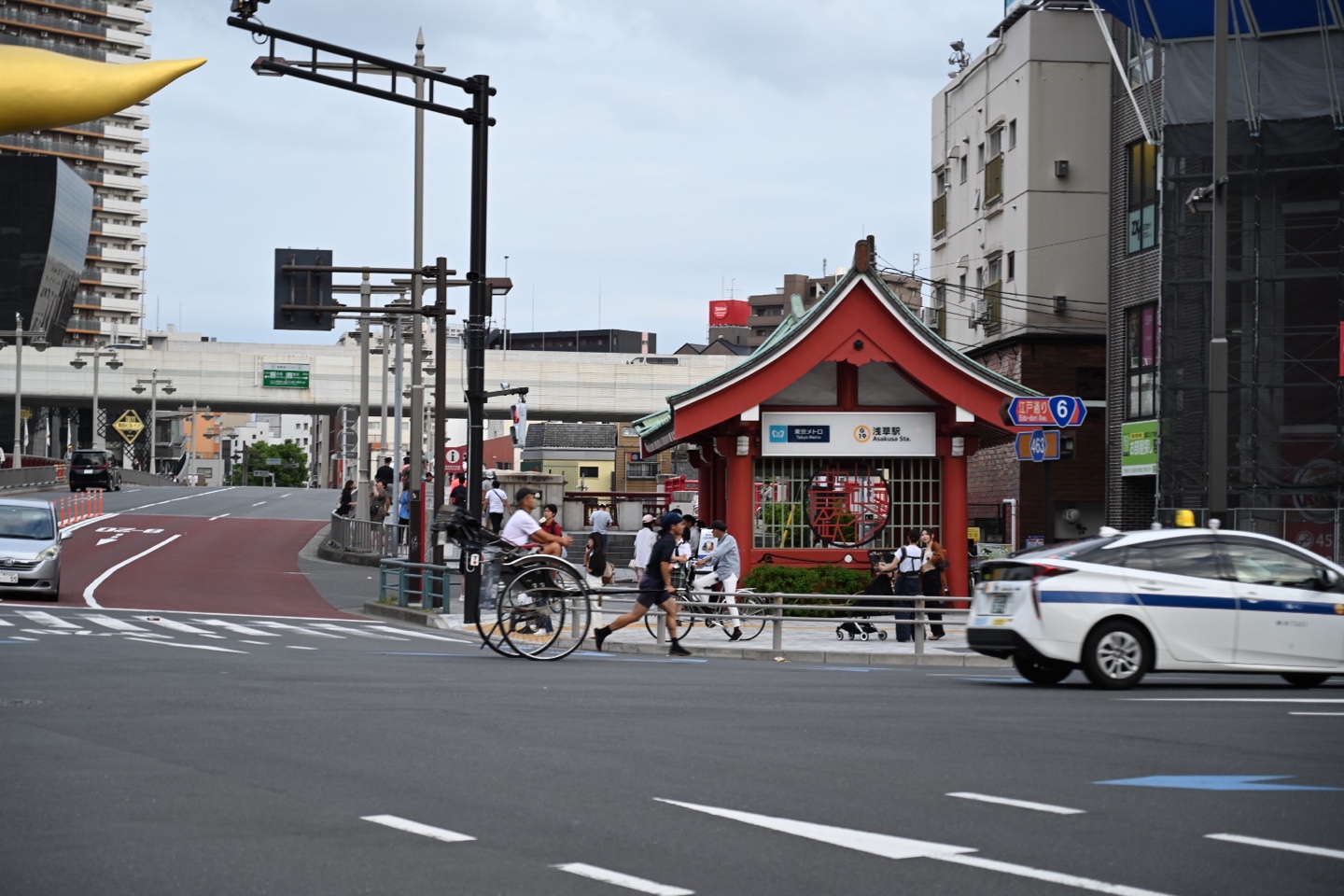
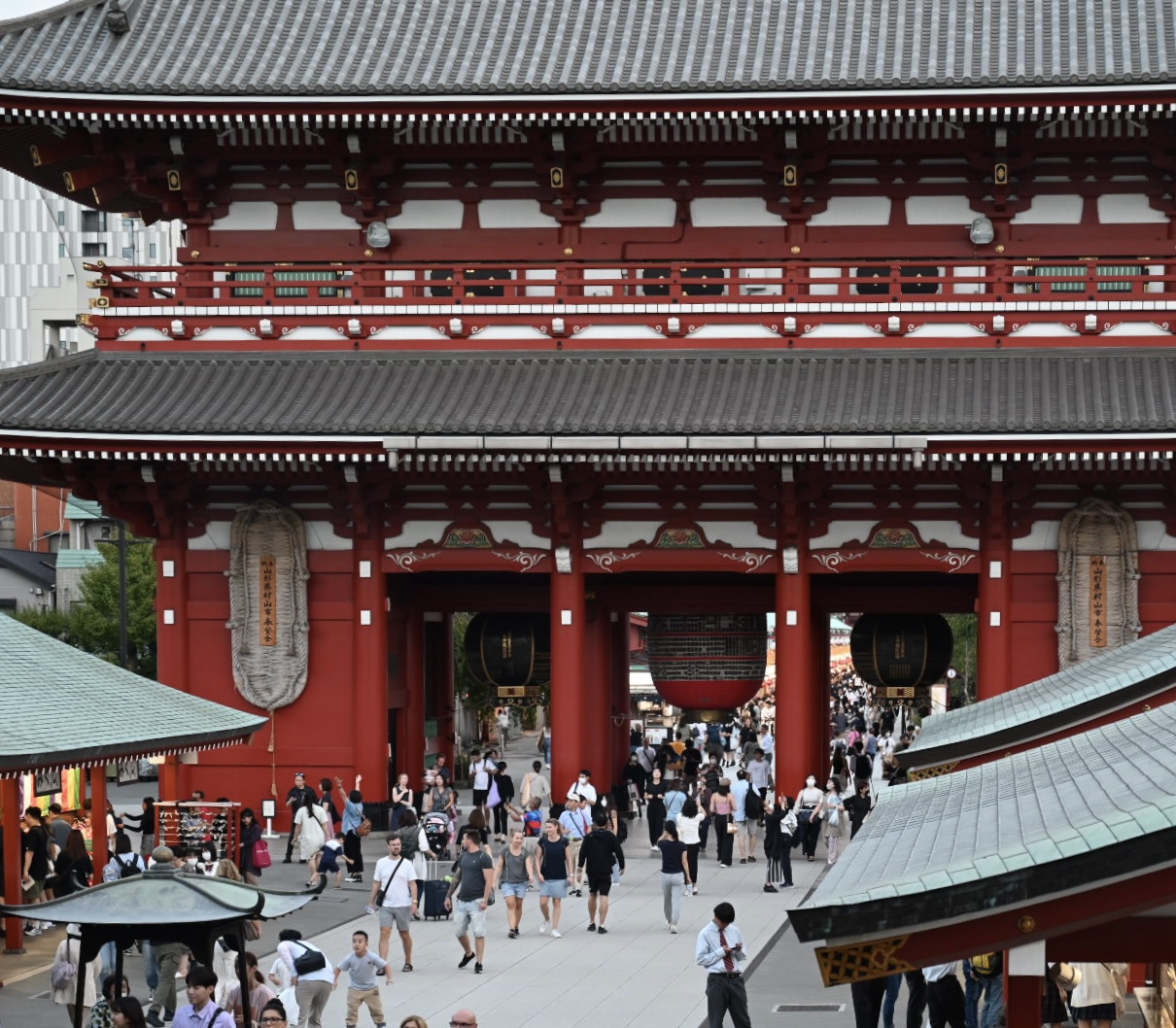
Sensō-ji has a resilient history. During World War II, the temple was destroyed in a devastating firebombing raid on March 10, 1945. However, it was rebuilt in the 1950s, and its spiritual and cultural significance has endured. Originally affiliated with the Tendai sect of Buddhism, the temple became independent after the war.
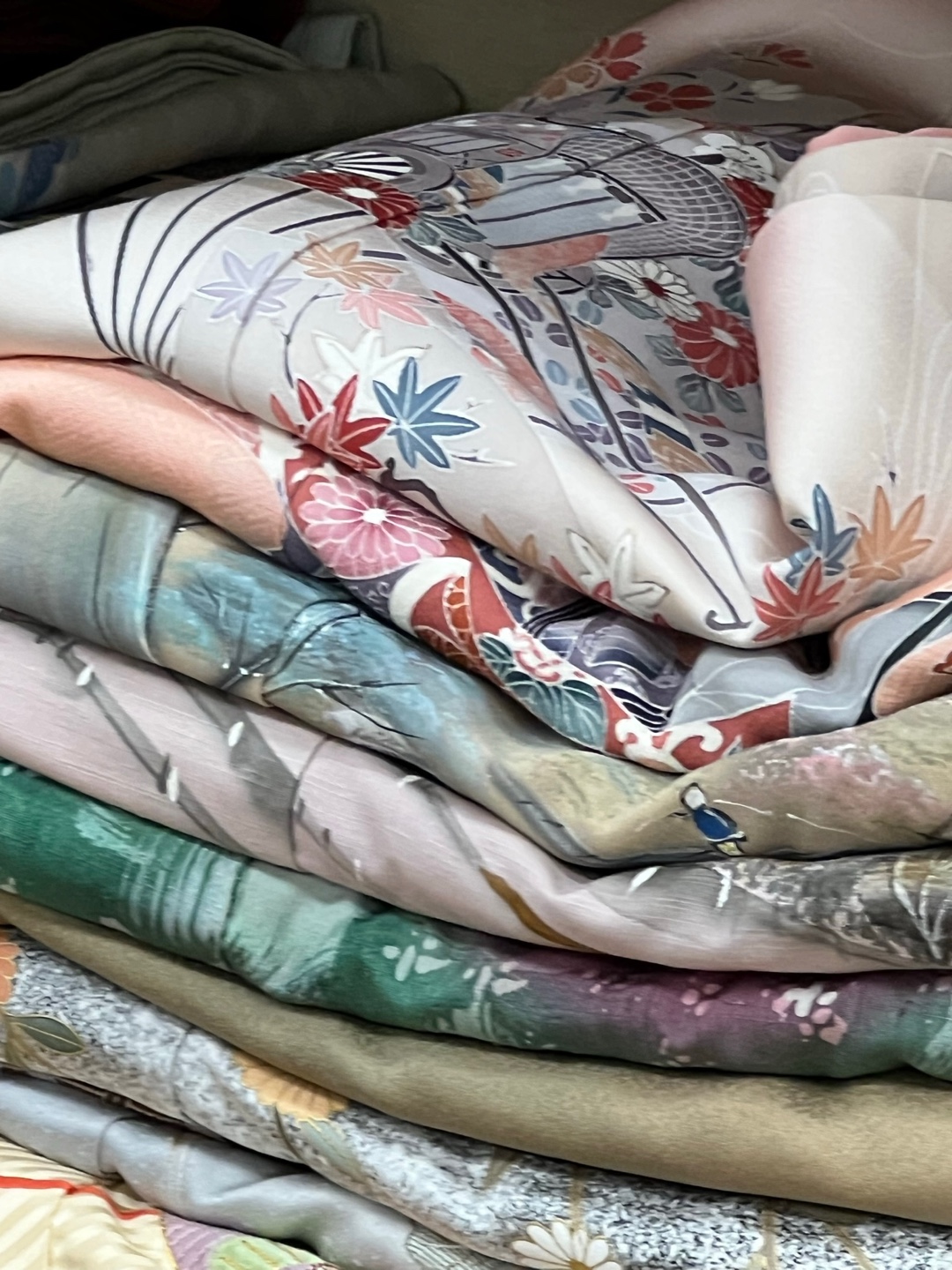
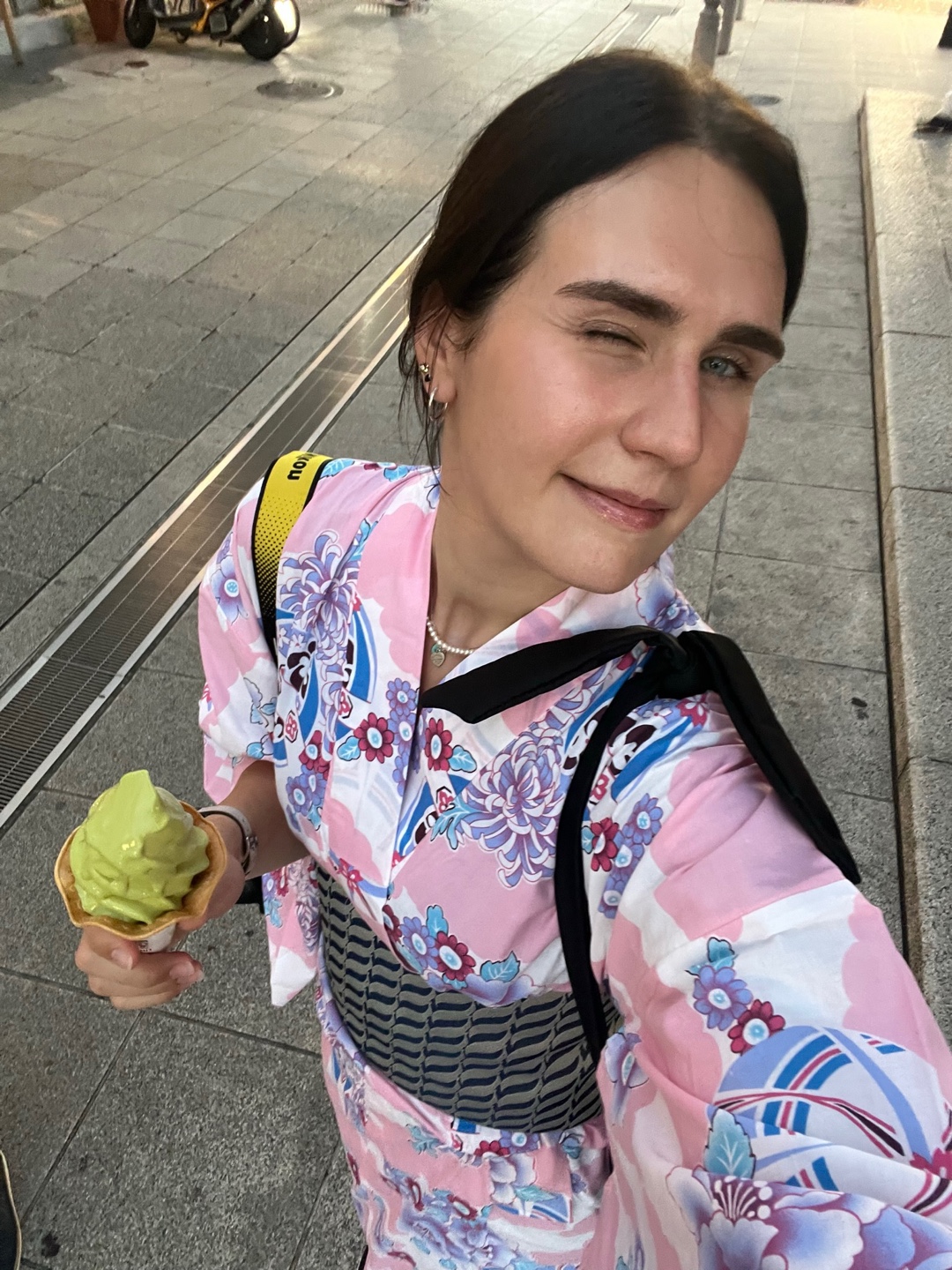
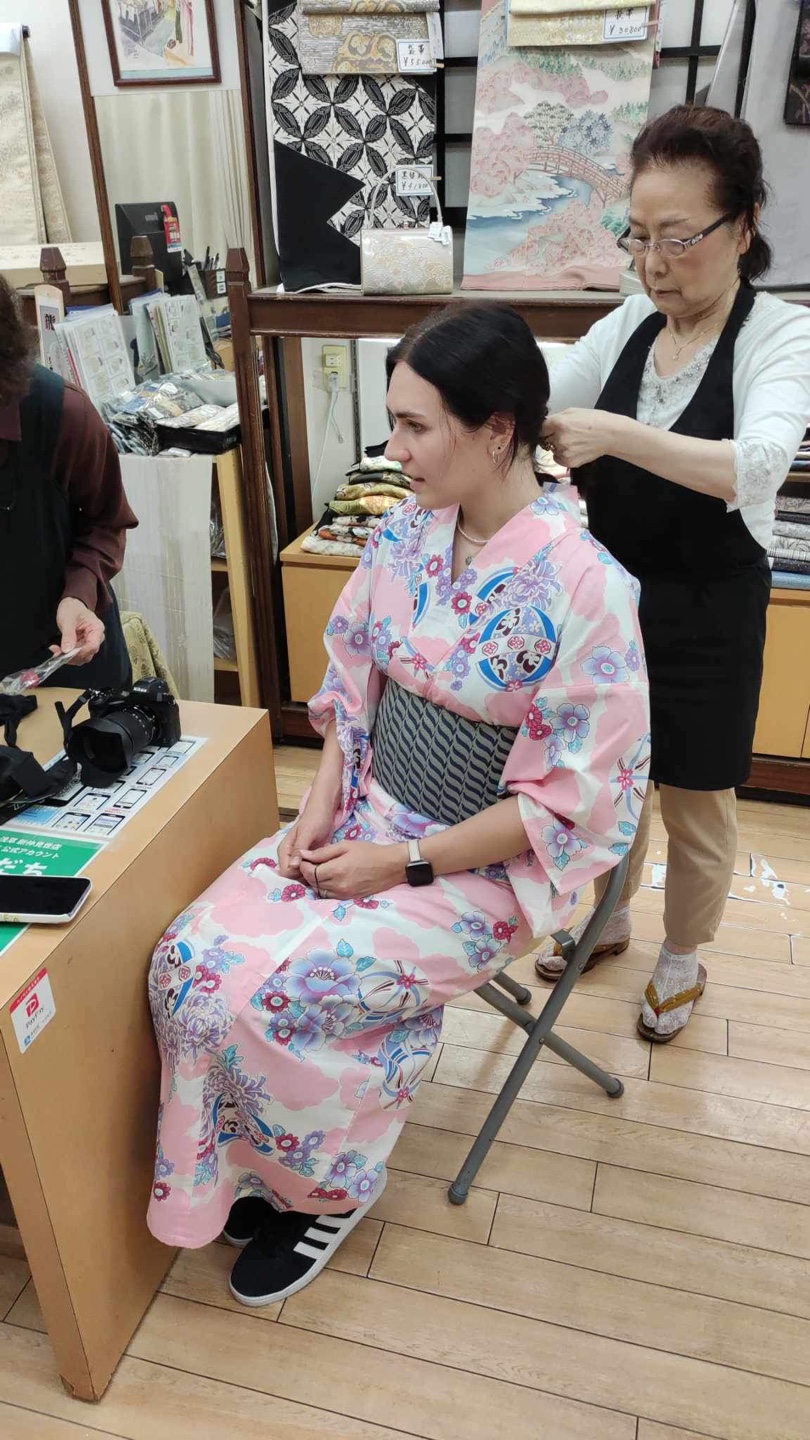
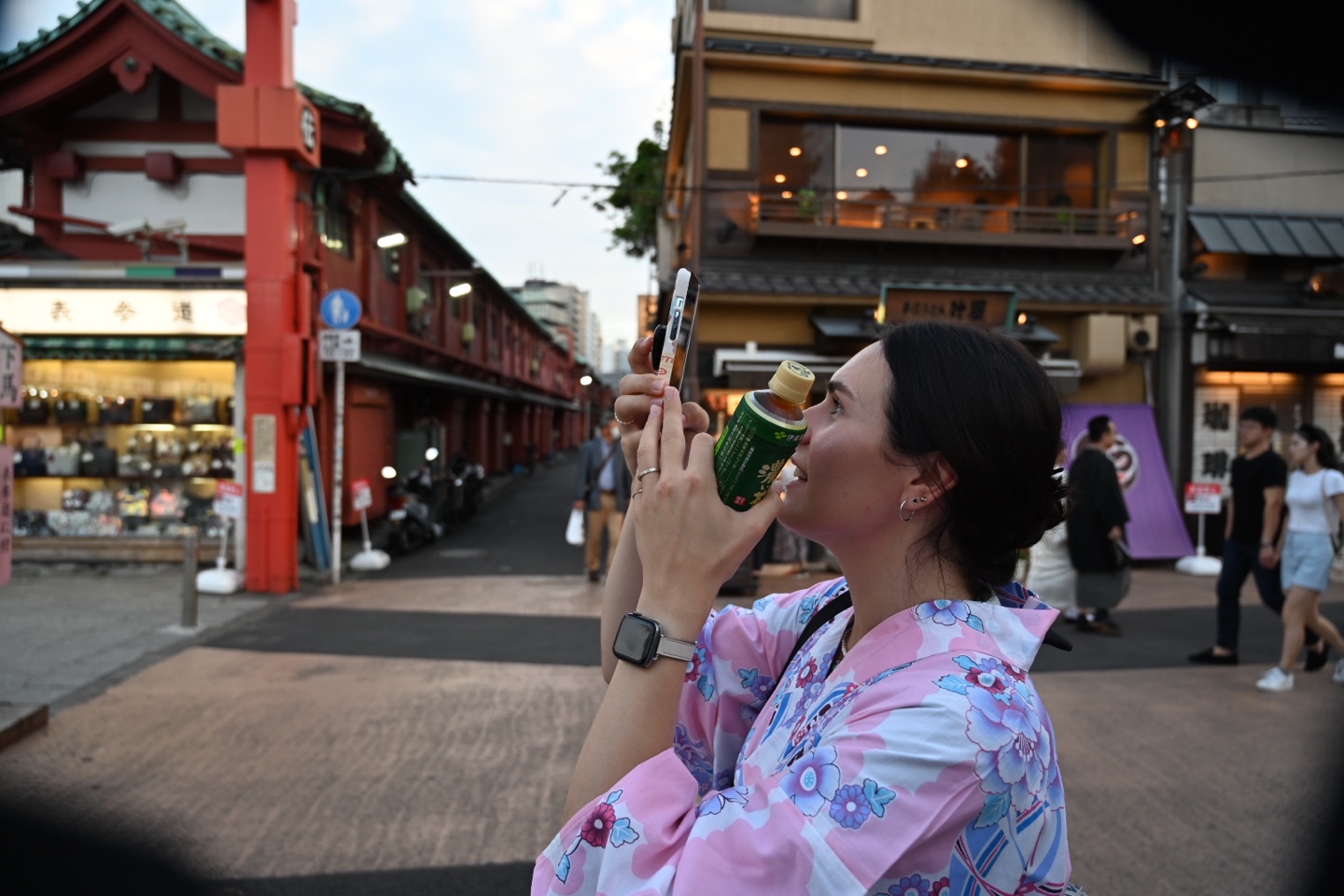
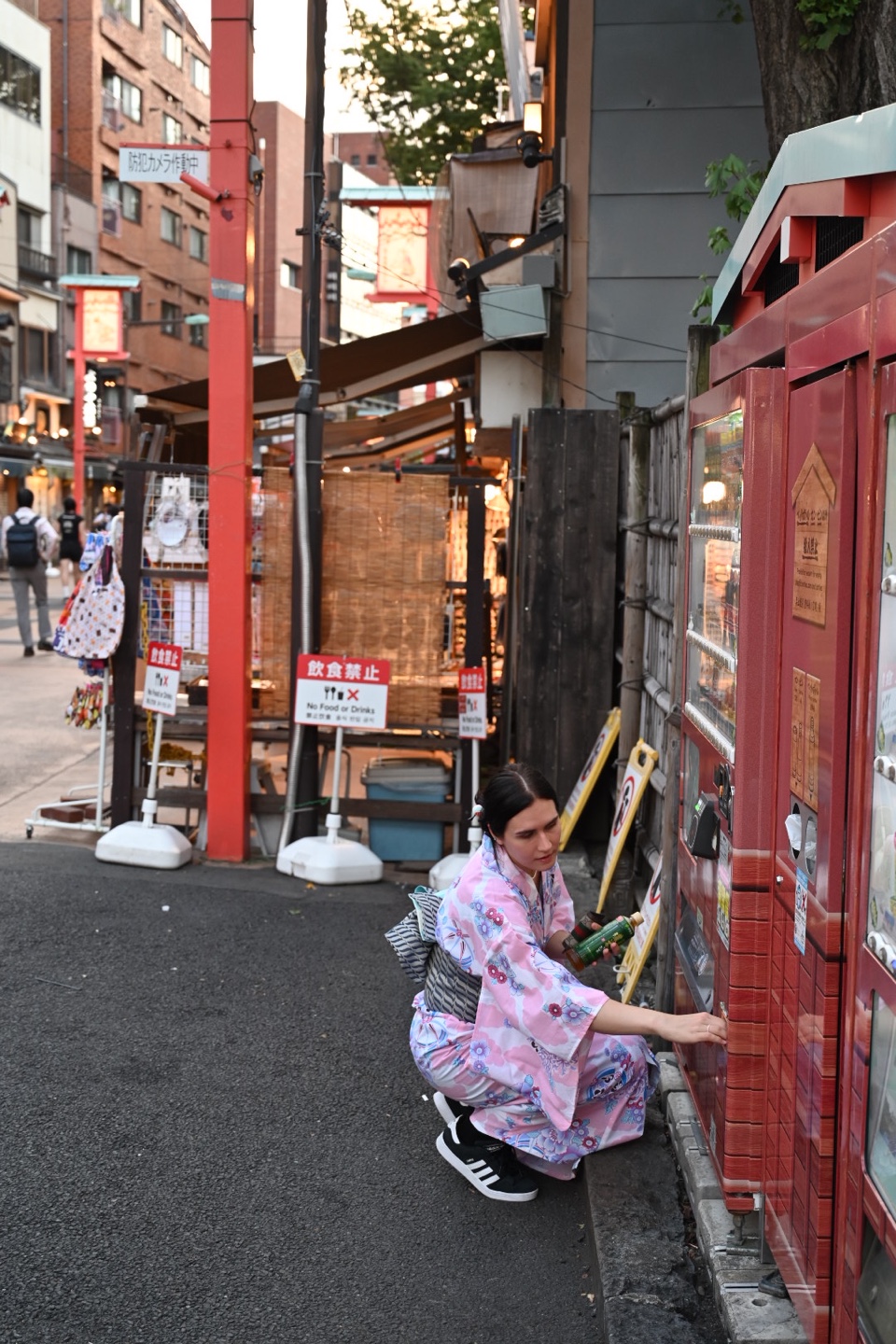
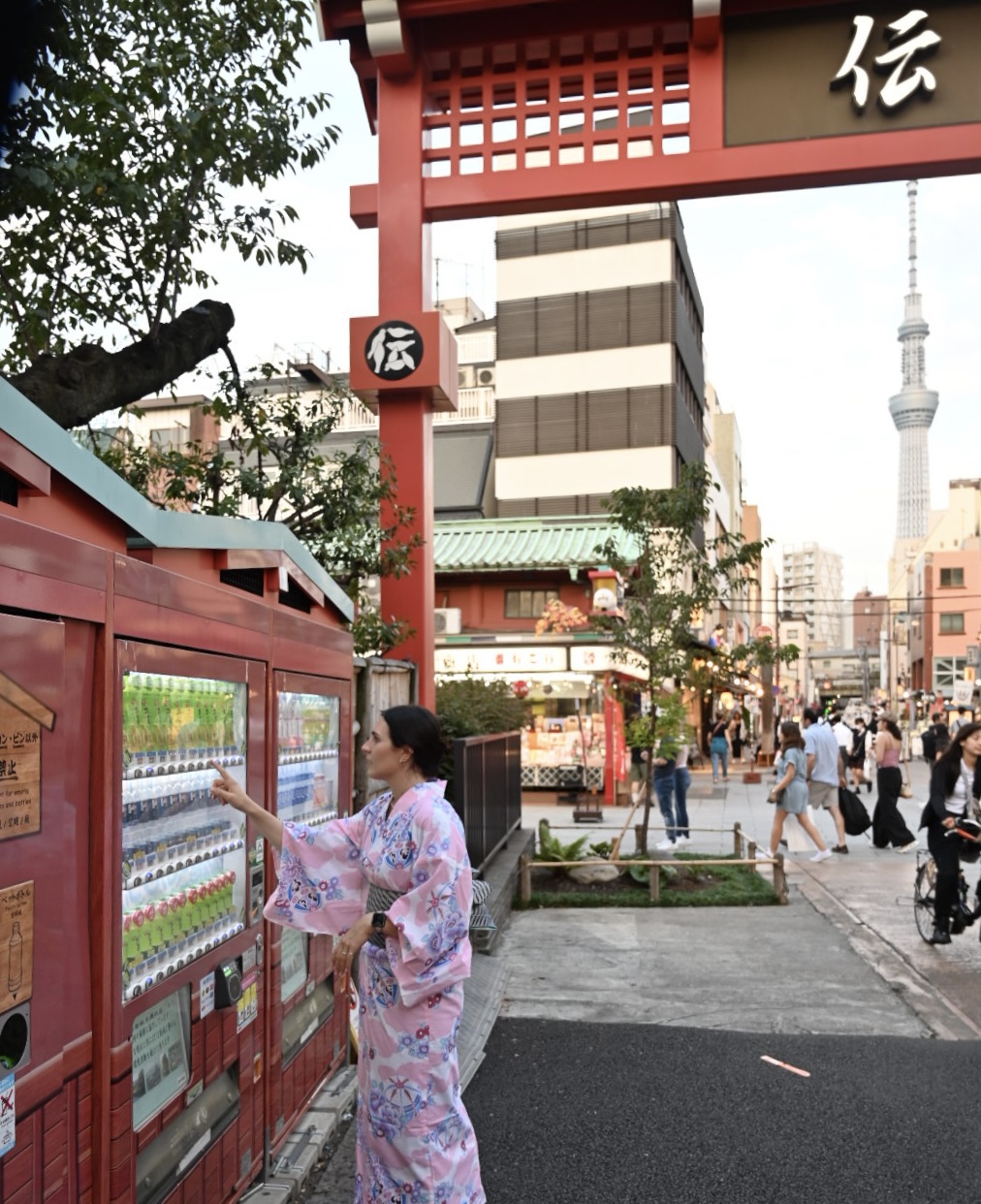
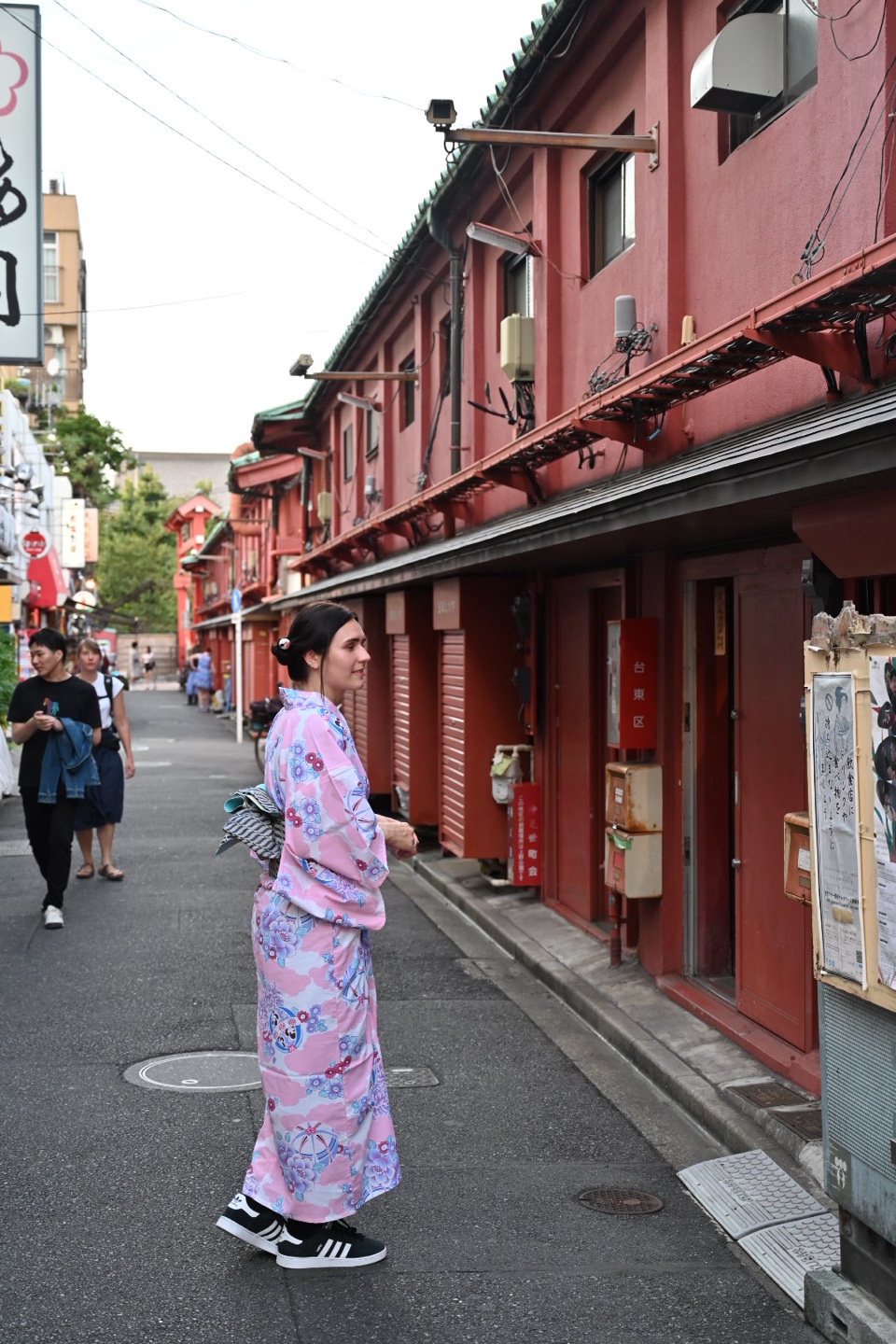
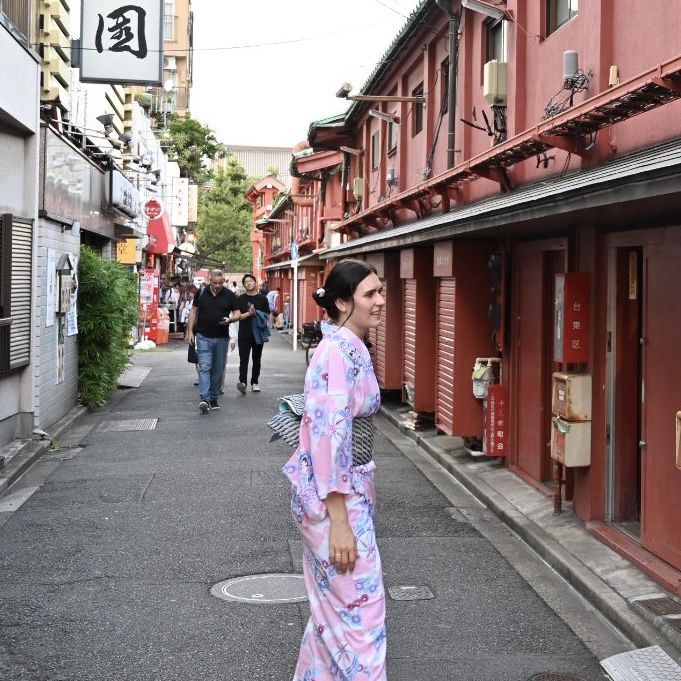
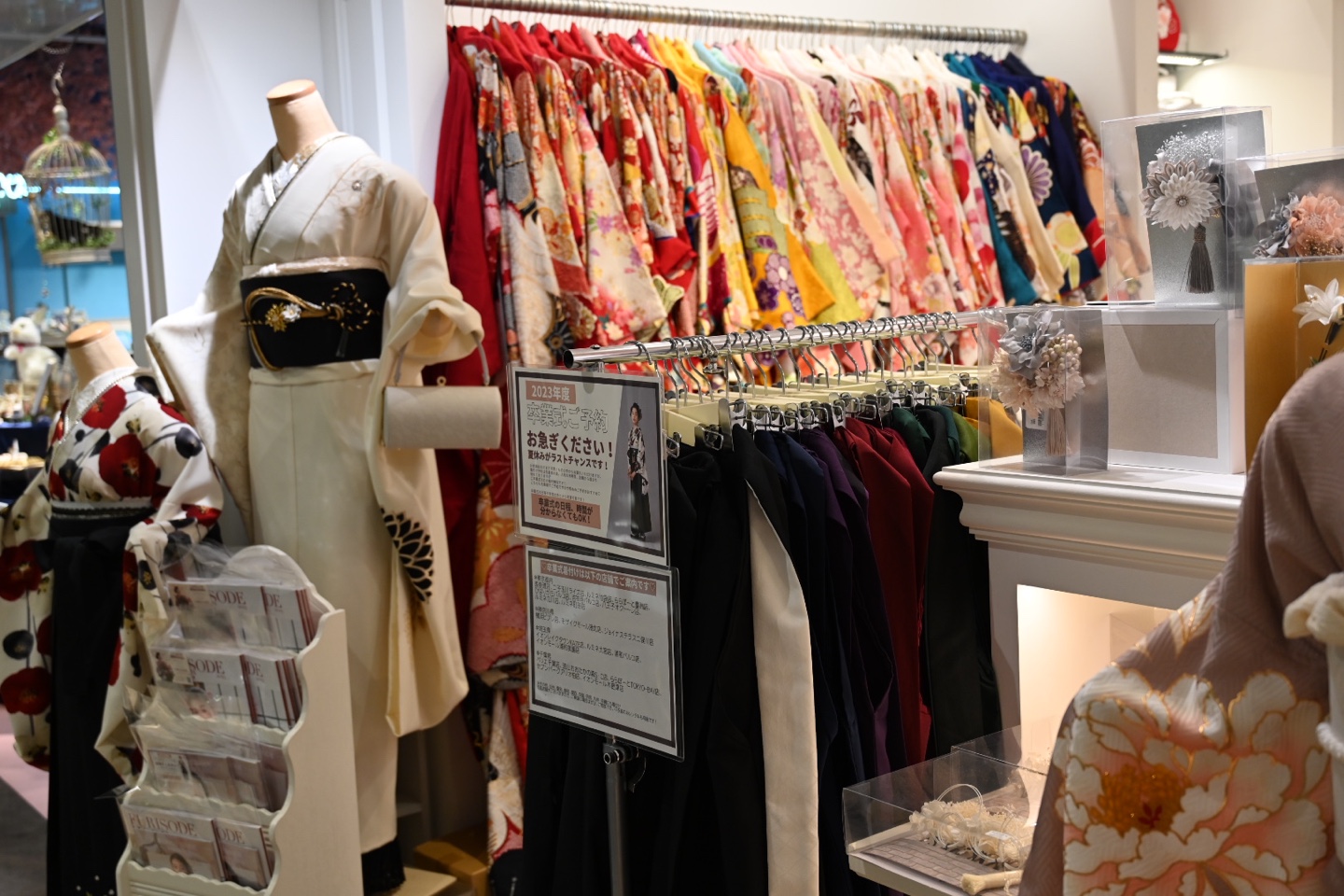
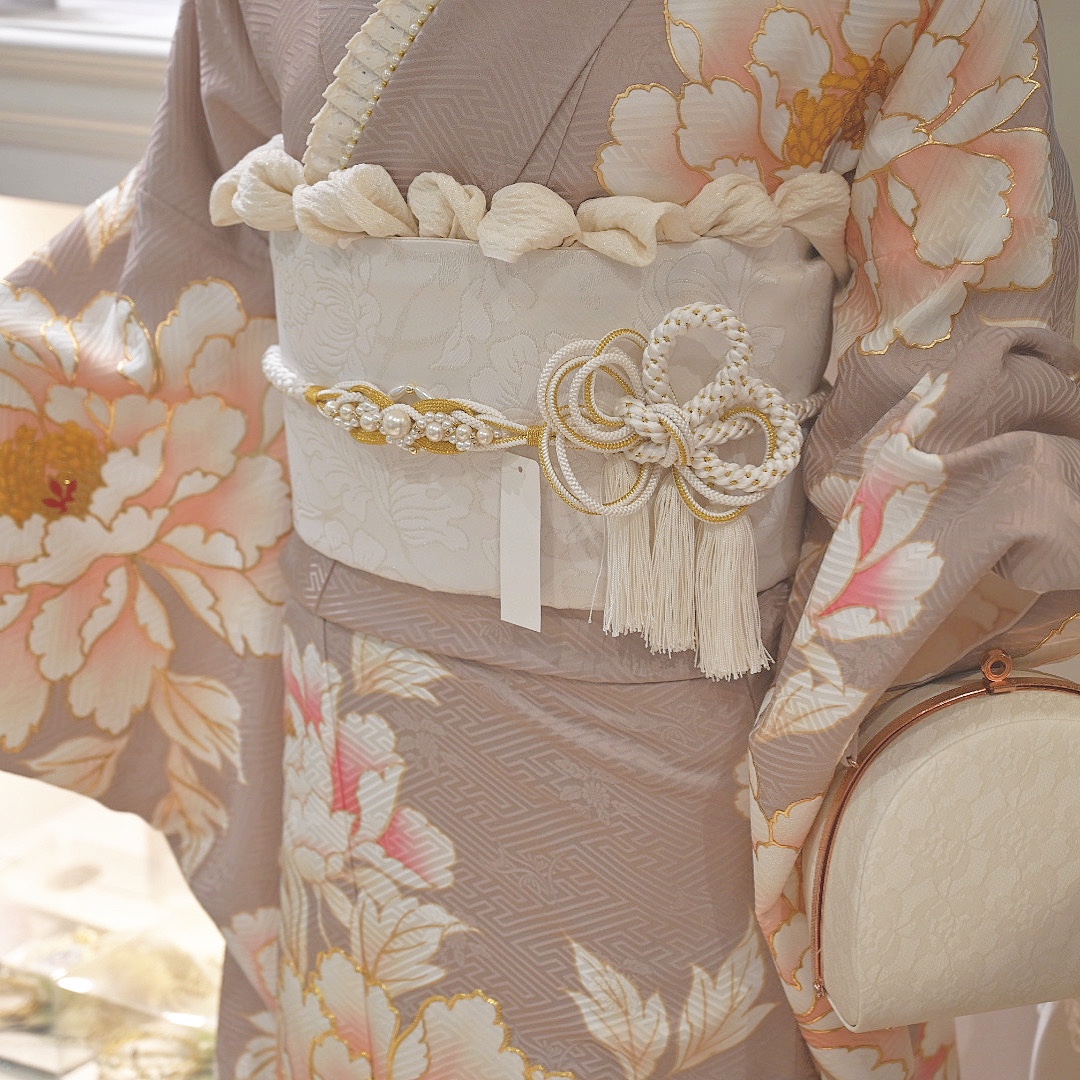
To cap off the evening, I treated myself to a beautiful pink Yukata. I couldn’t resist going full tourist and wearing it right away. With the help of the kind elderly lady working there, I managed to get dressed in this traditional garment and spent the evening strolling around in it. While I initially felt a bit shy wearing it, the enjoyment of the experience far outweighed any awkwardness. There’s something magical about embracing local culture and traditions firsthand.
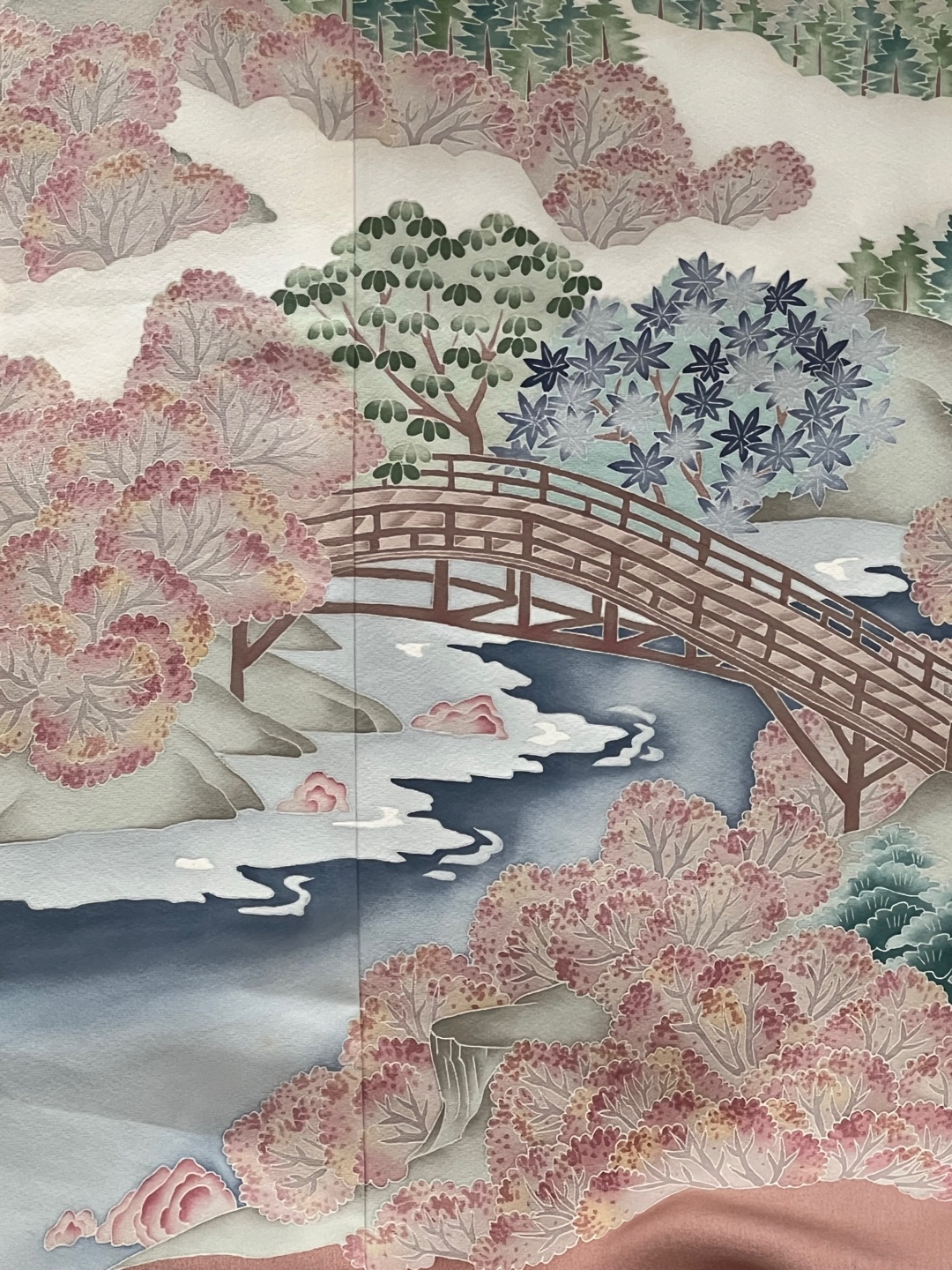
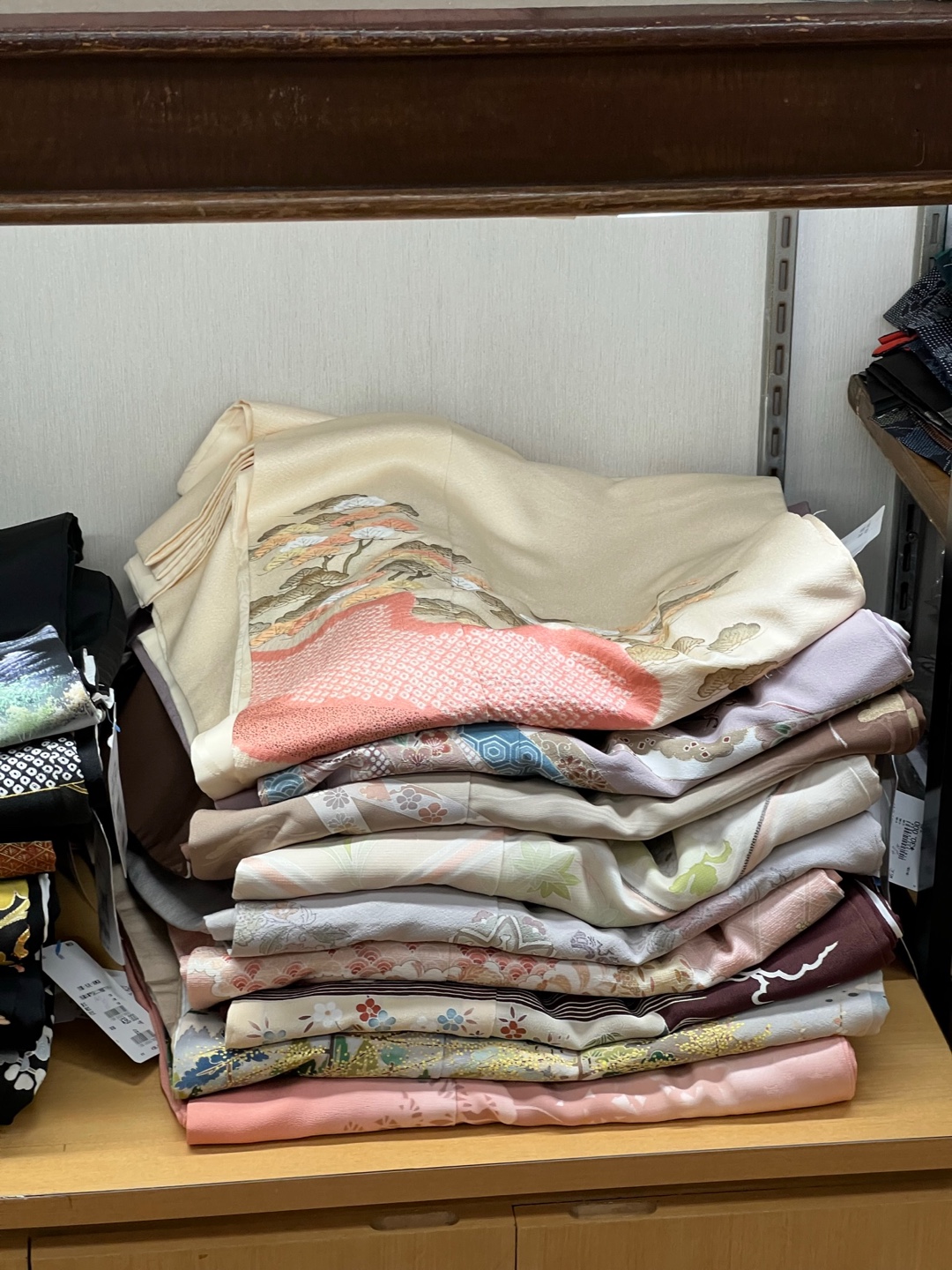
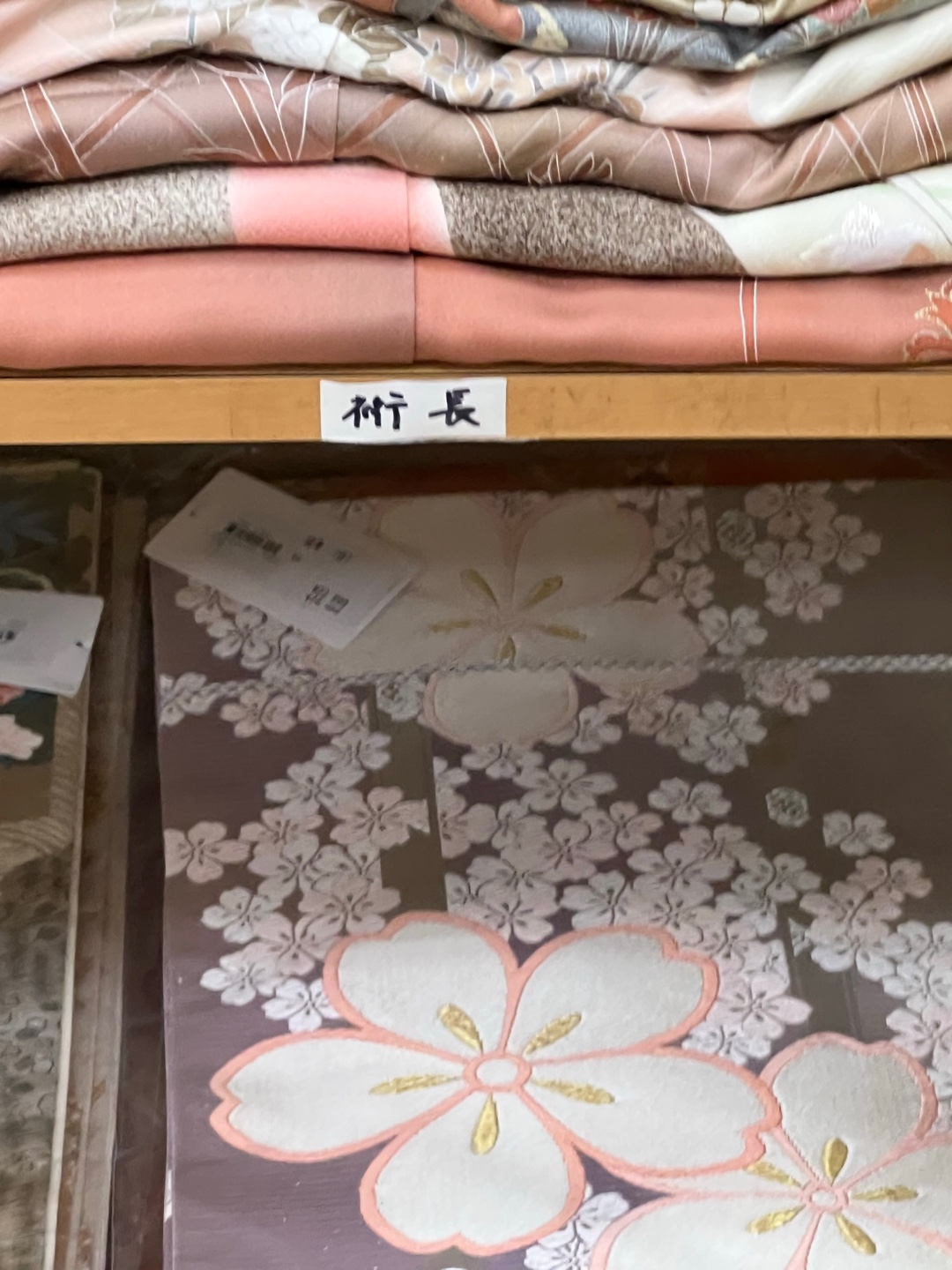
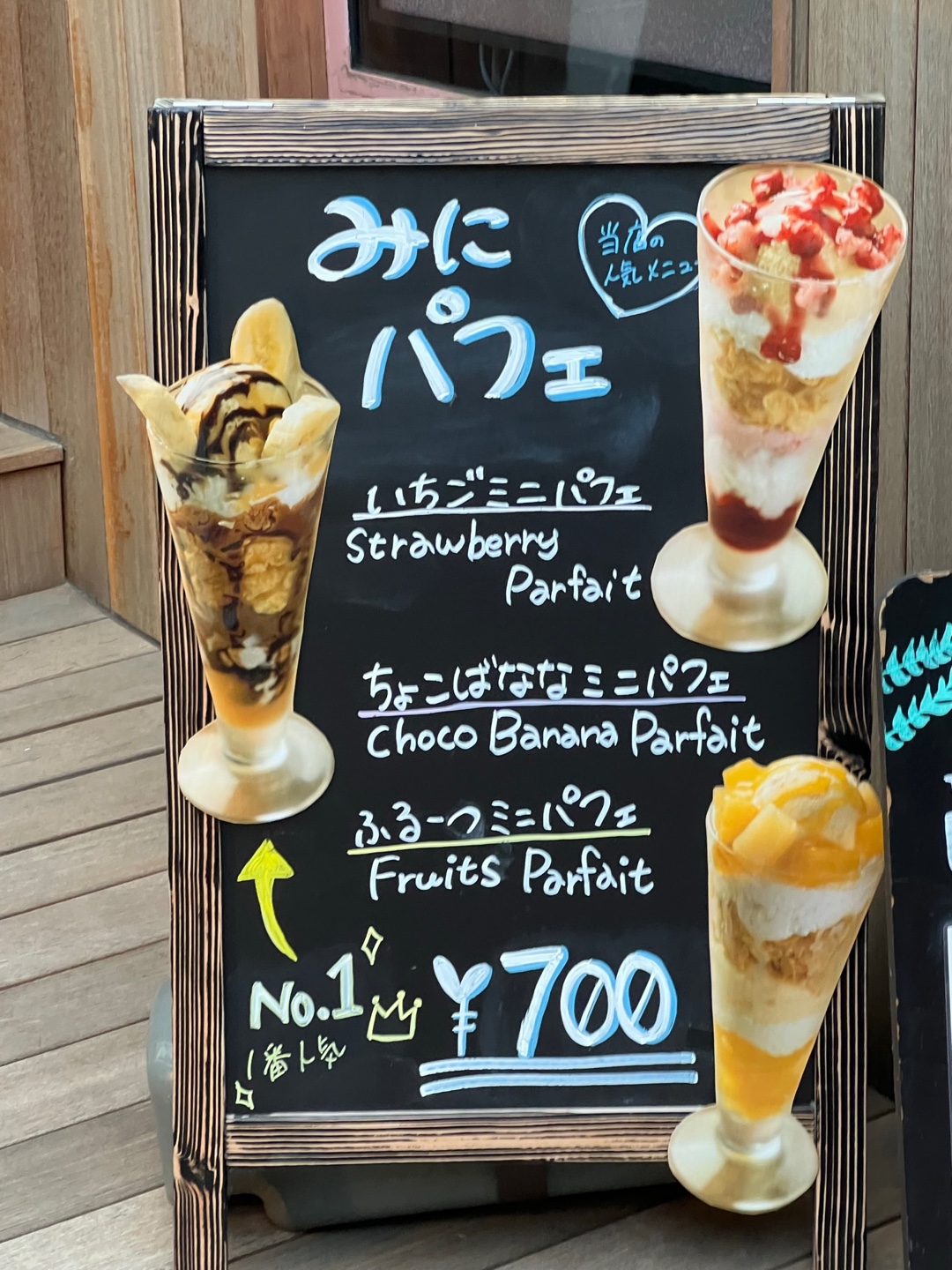
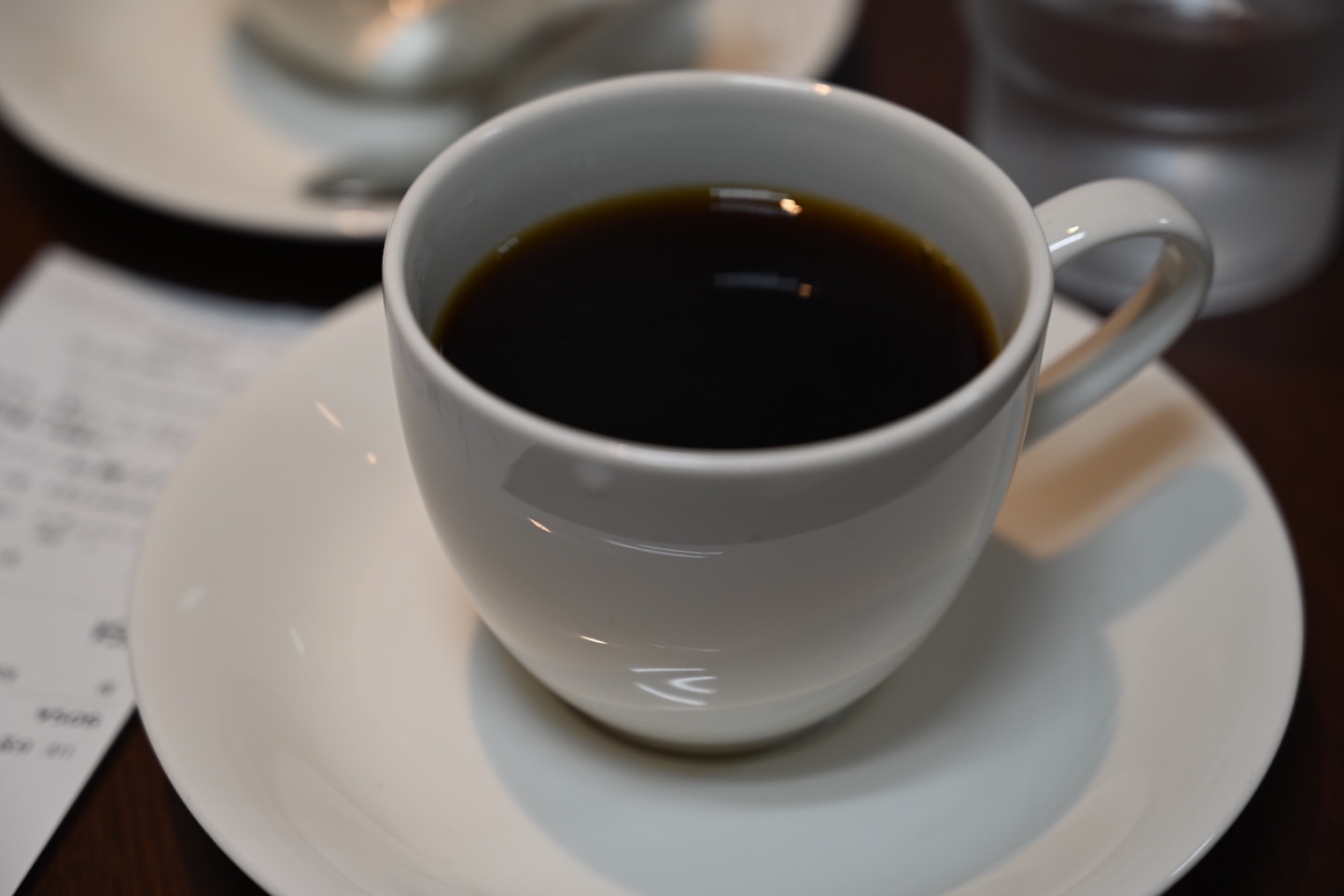
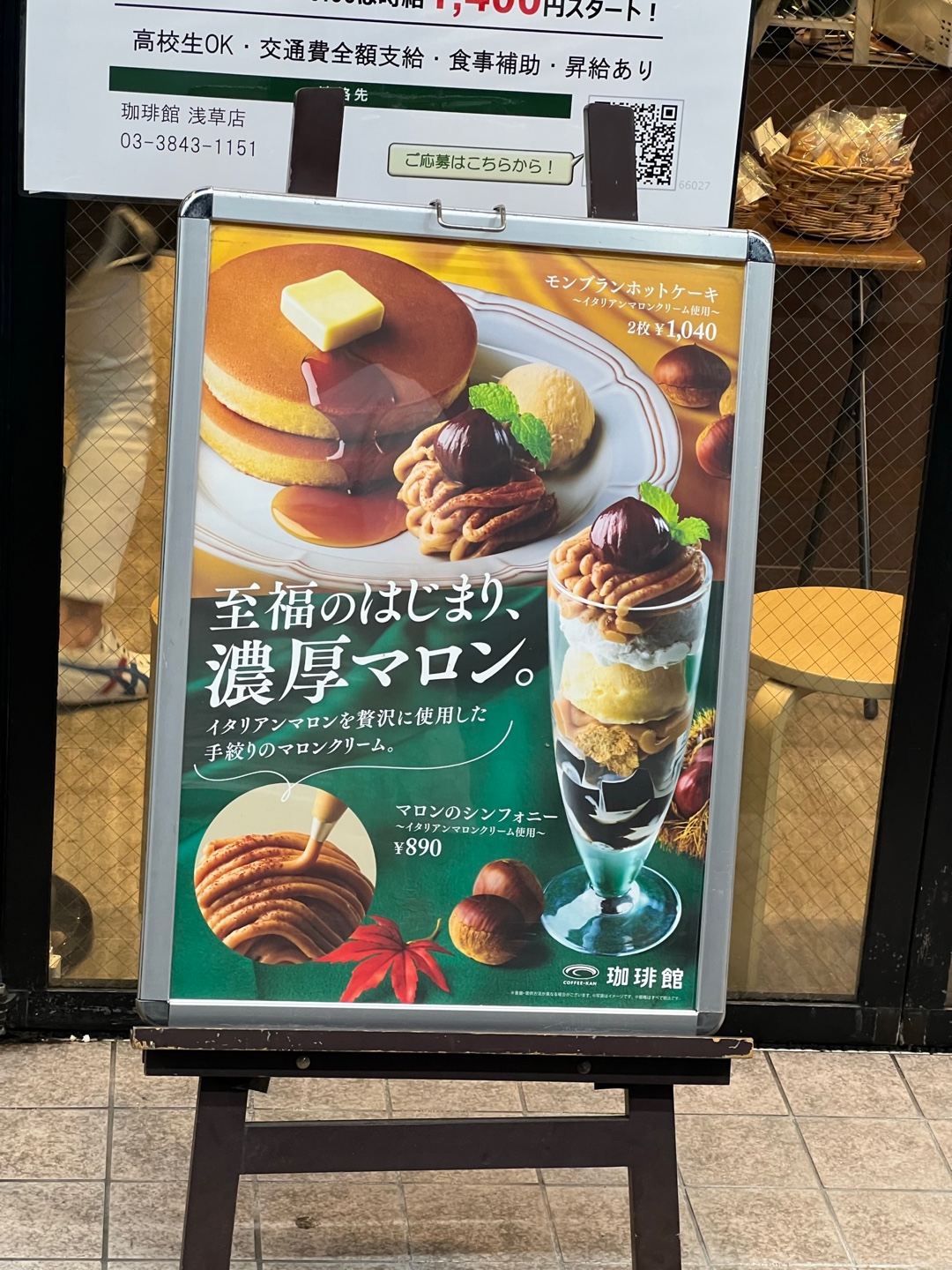
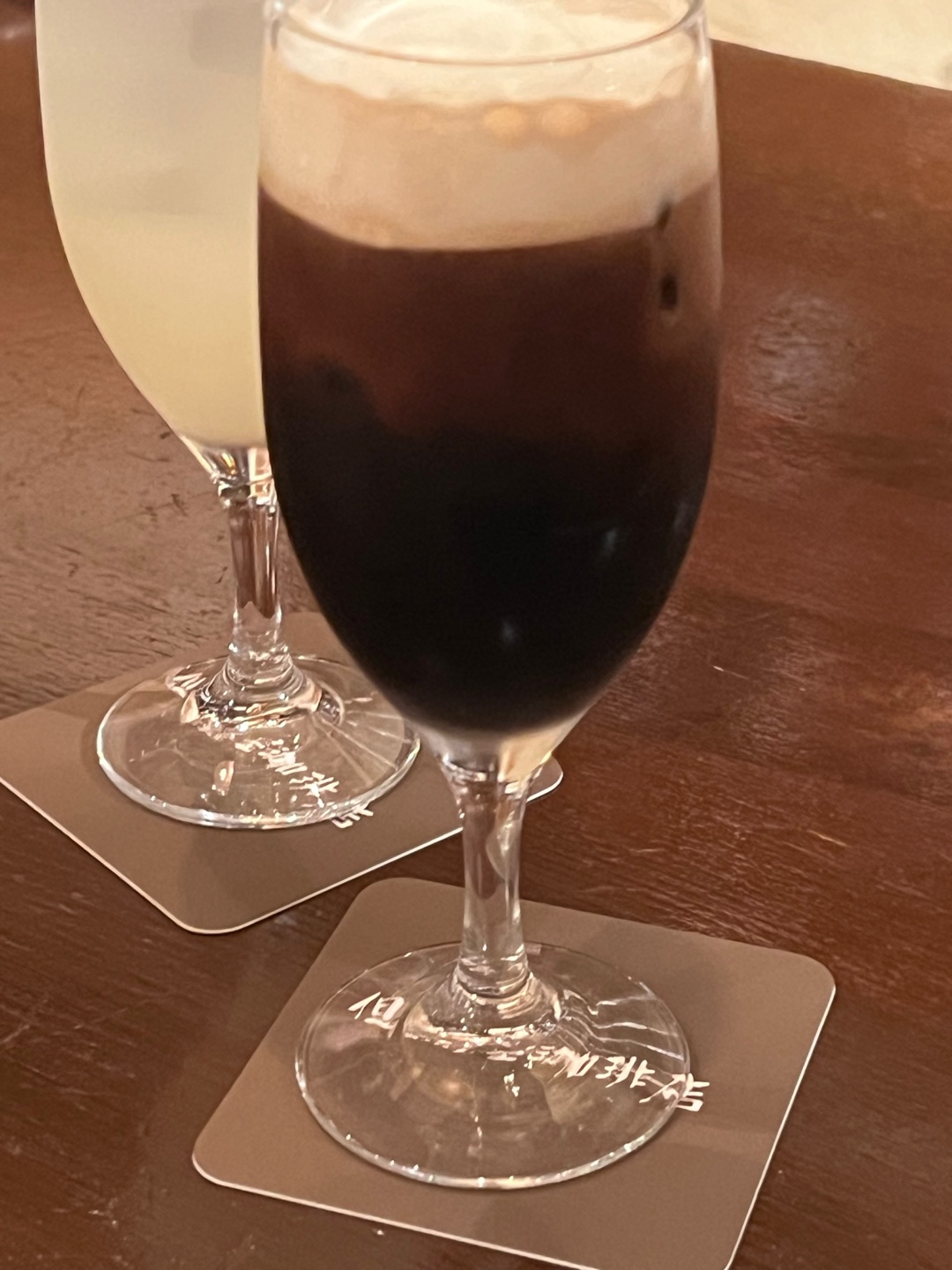
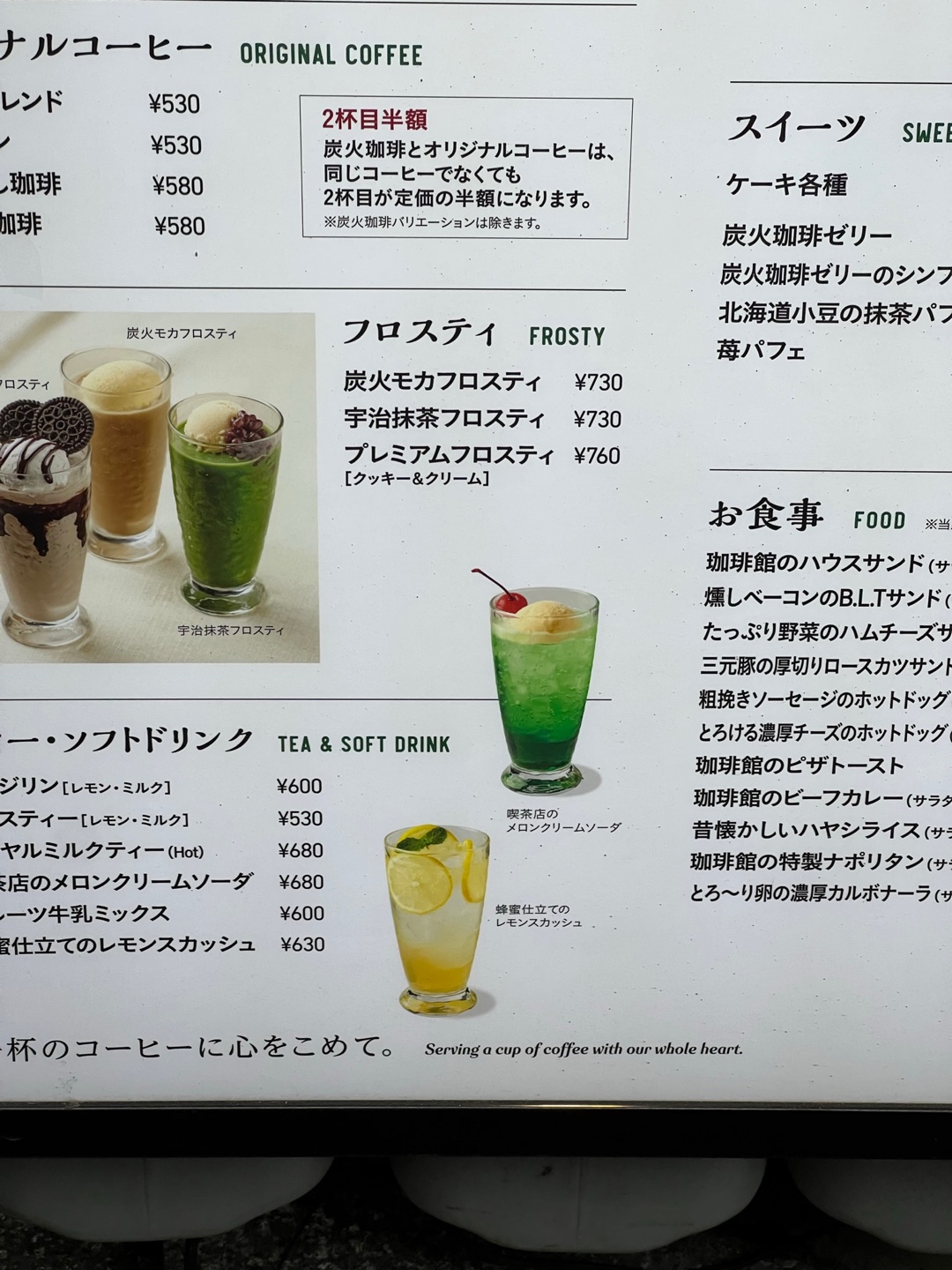
Tokyo continues to be a place of endless discovery and joy. From lively street scenes to heartfelt encounters and personal indulgences, each moment adds to the city’s enchanting tapestry. What more, I love the atmosphere of the coffee shops there. I had a very nice Irish coffee (like the strongest Irish coffee I had so far in my life lol) in a small local coffee shop. It was already night time and sadly all desserts were already sold out but the coffee was really nice.
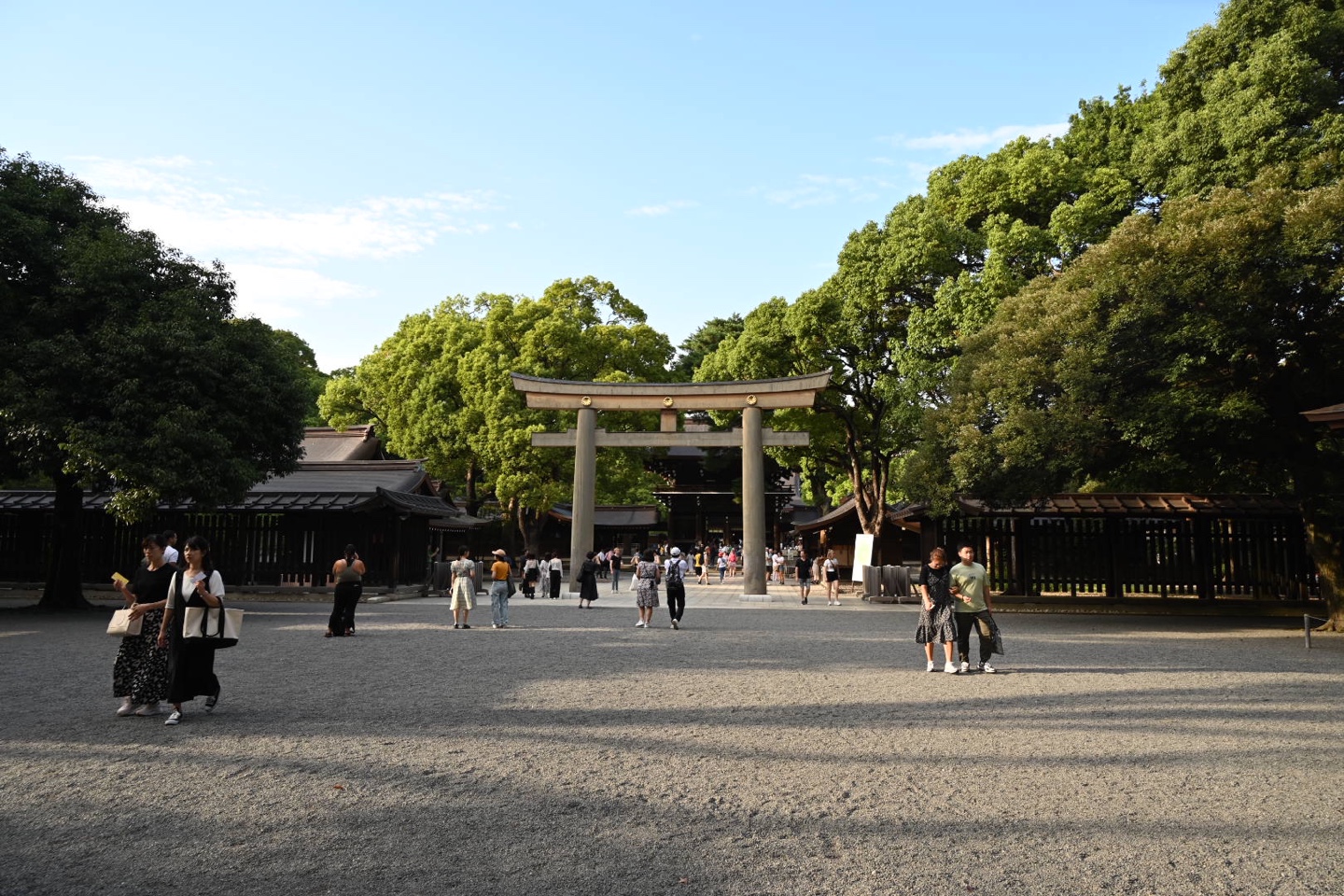
The next day I went to explore on my own for a bit. I have to admit, I was quite the animation enthusiast as a child. I loved the aesthetic, the mystical legends, and the magical yet sometimes eerie drawings, all beautifully brought to life. So, when I visited the super famous Meiji Shrine (Meiji Jingu) and took a stroll through the forest park, my inner child was absolutely thrilled. The Meiji Shrine (明治神宮, Meiji Jingū) is a Shinto shrine located in Shibuya, Tokyo. It honors Emperor Meiji and his wife, Empress Shōken. While the shrine is dedicated to their deified spirits, their actual graves are at Fushimi-momoyama, south of Kyoto. The tranquil grounds of Meiji Shrine offer a peaceful retreat in the heart of Tokyo.
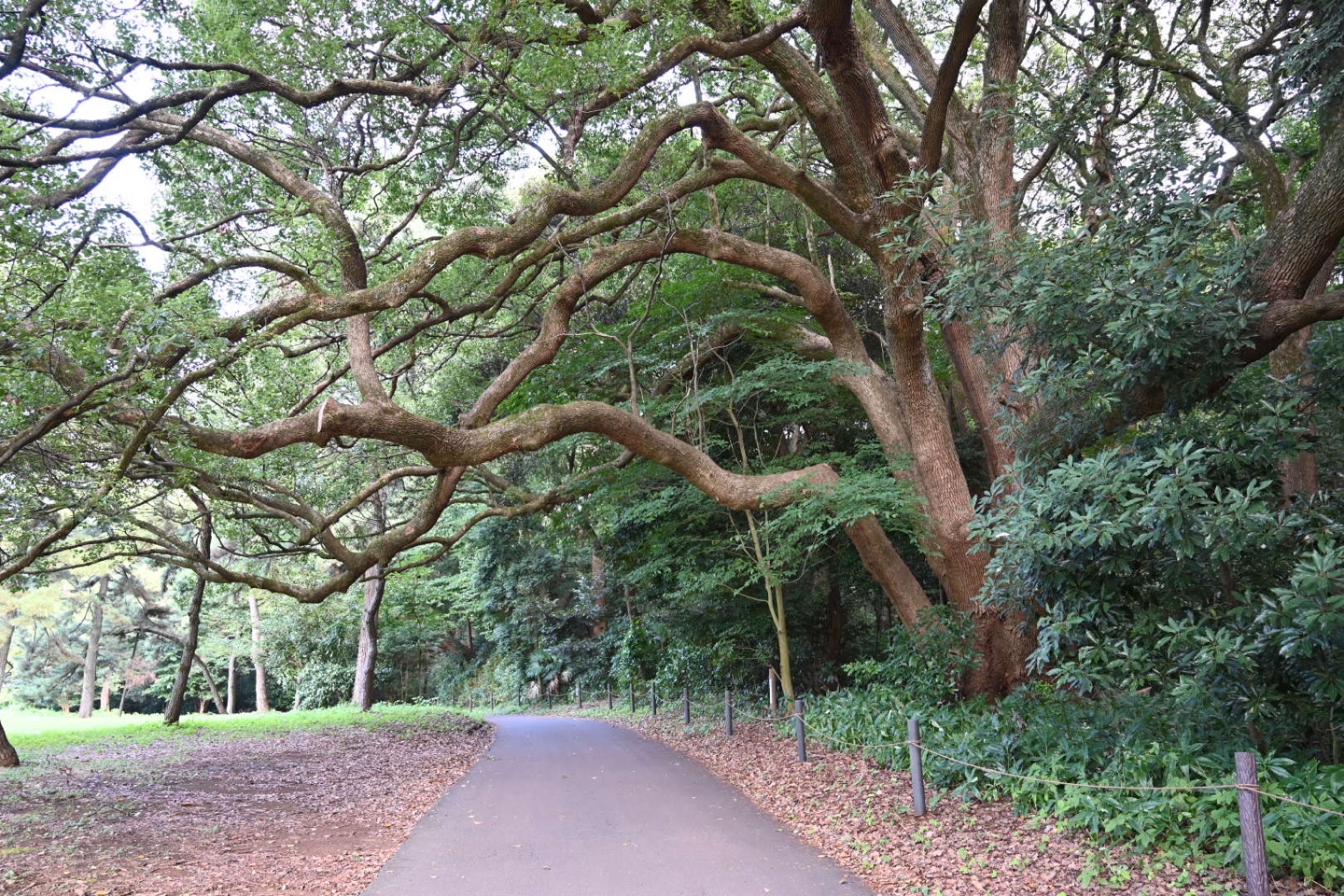
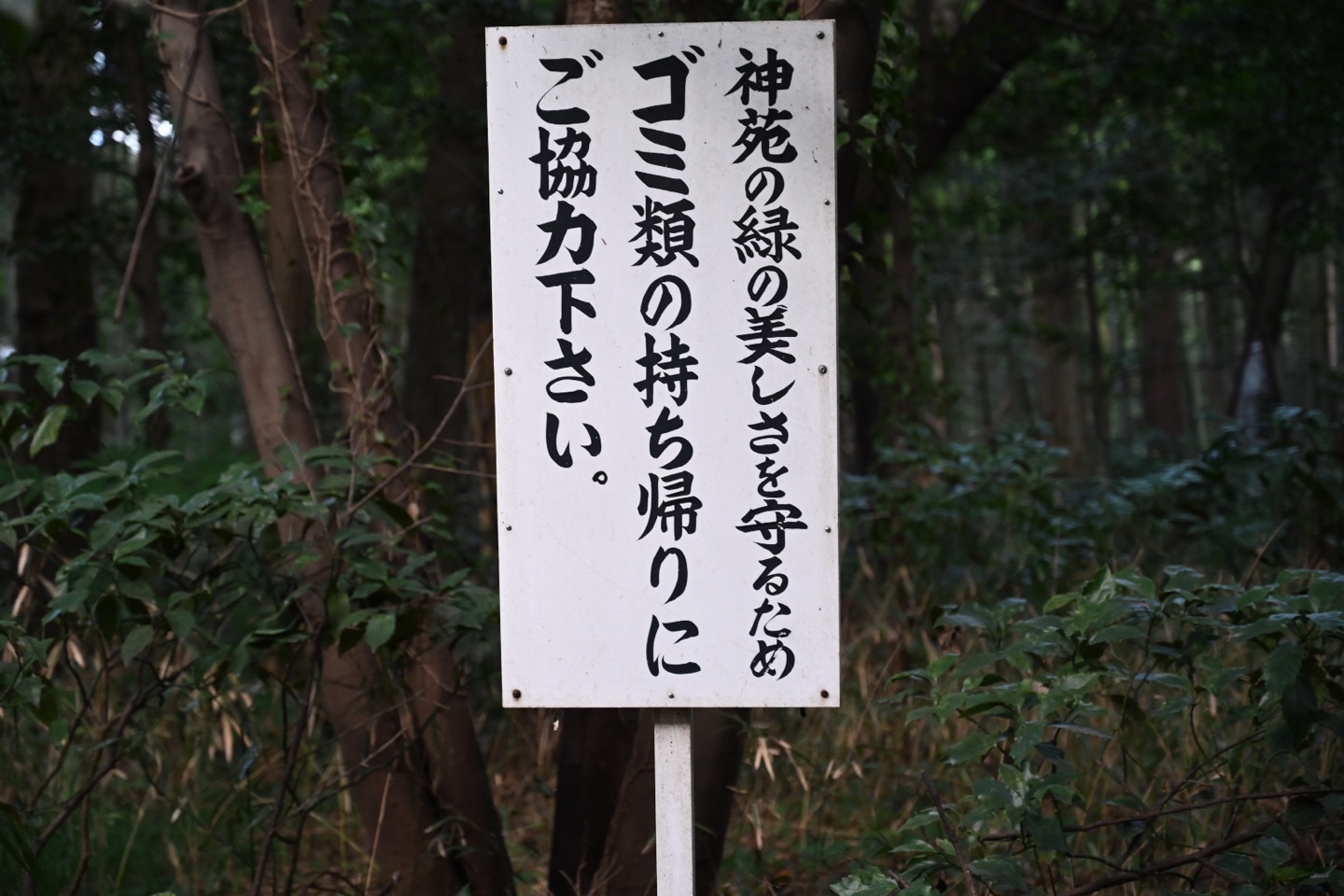
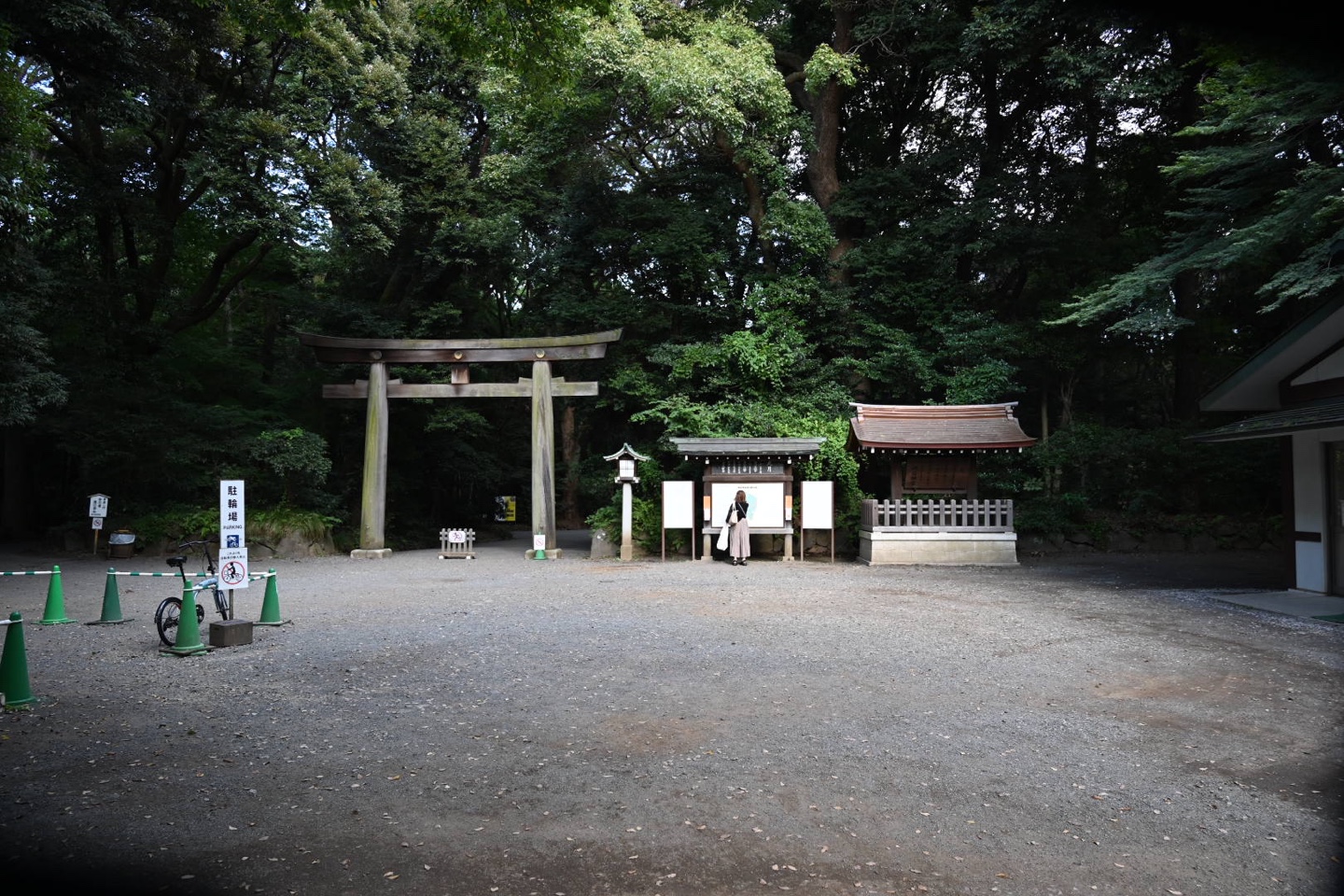
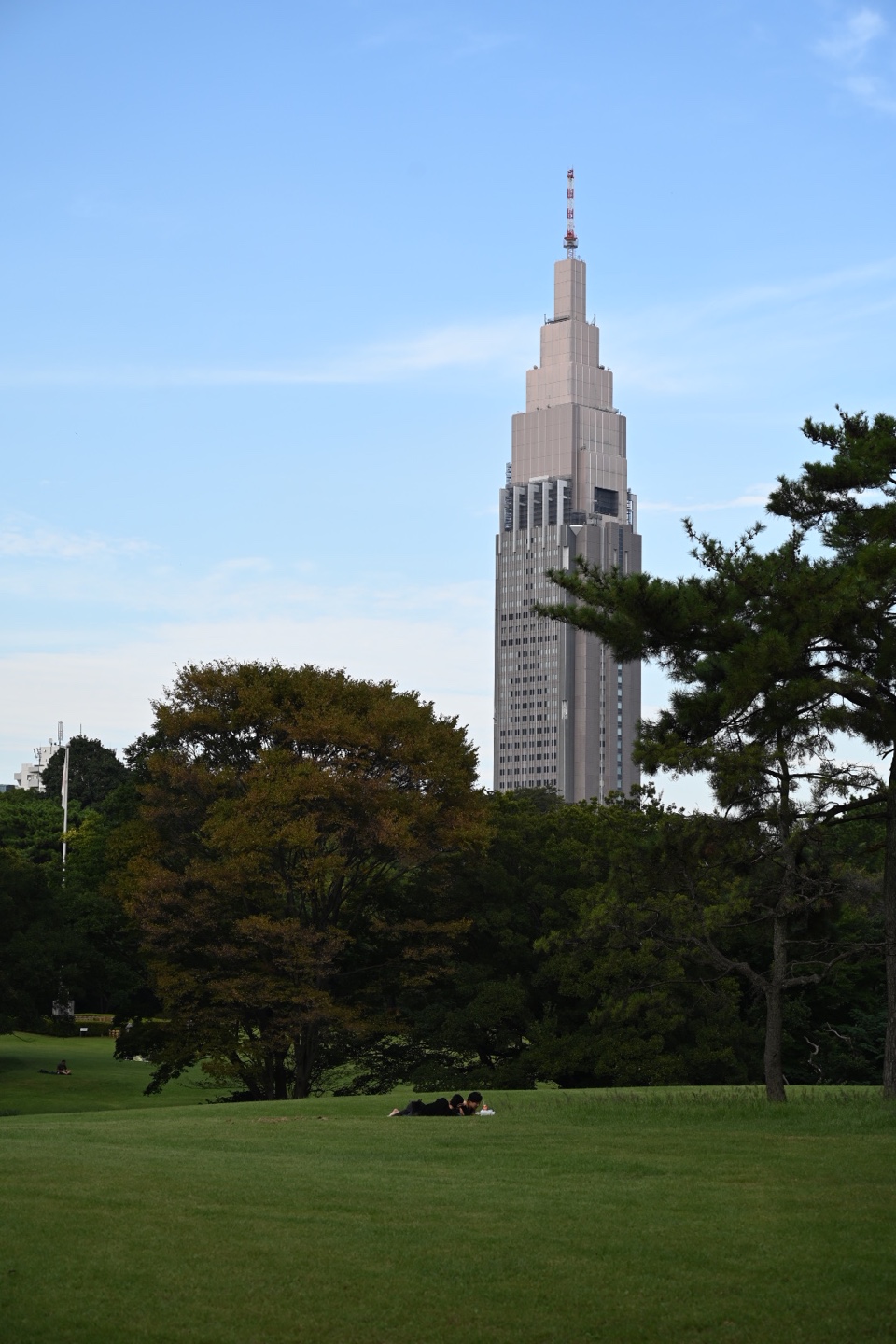
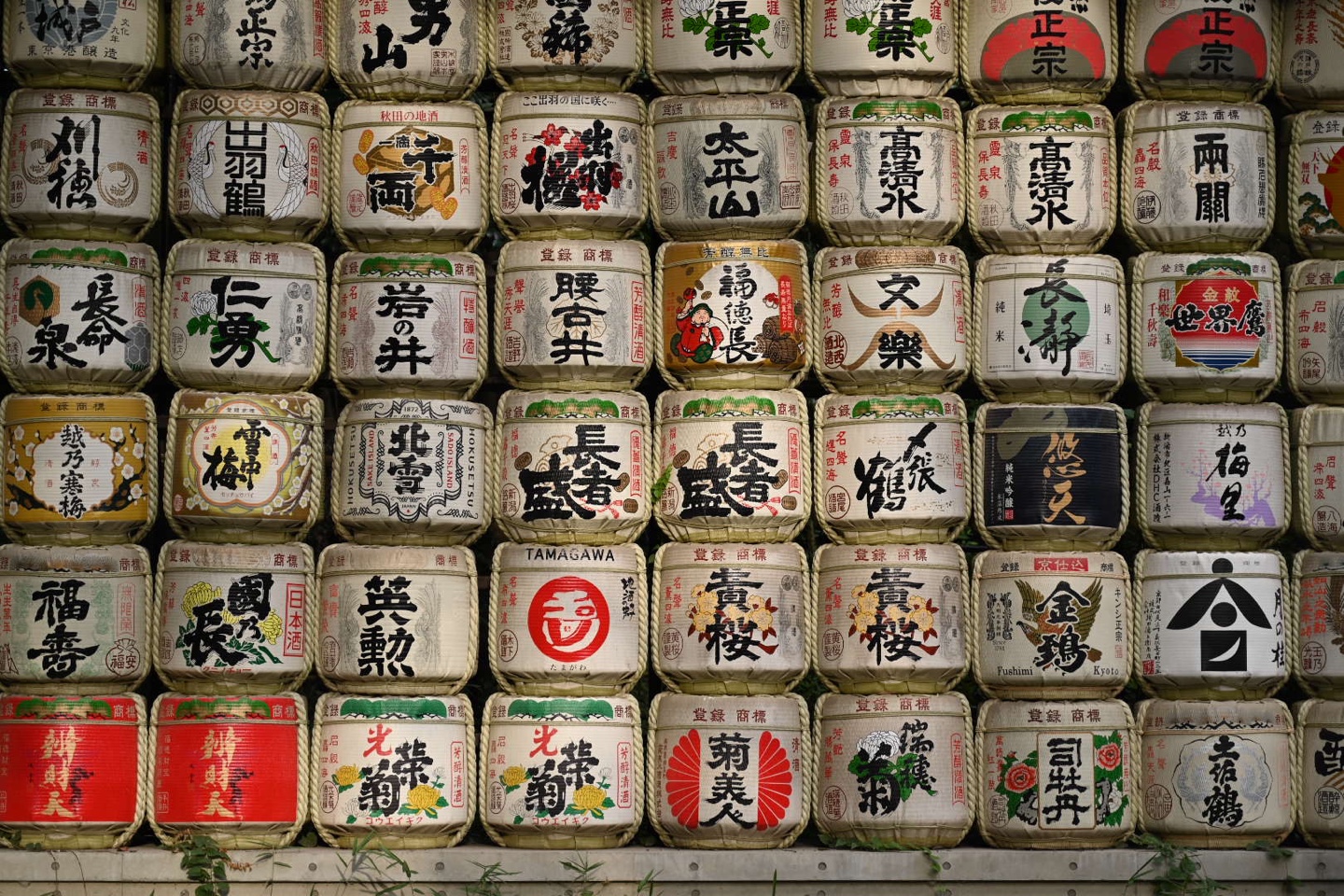
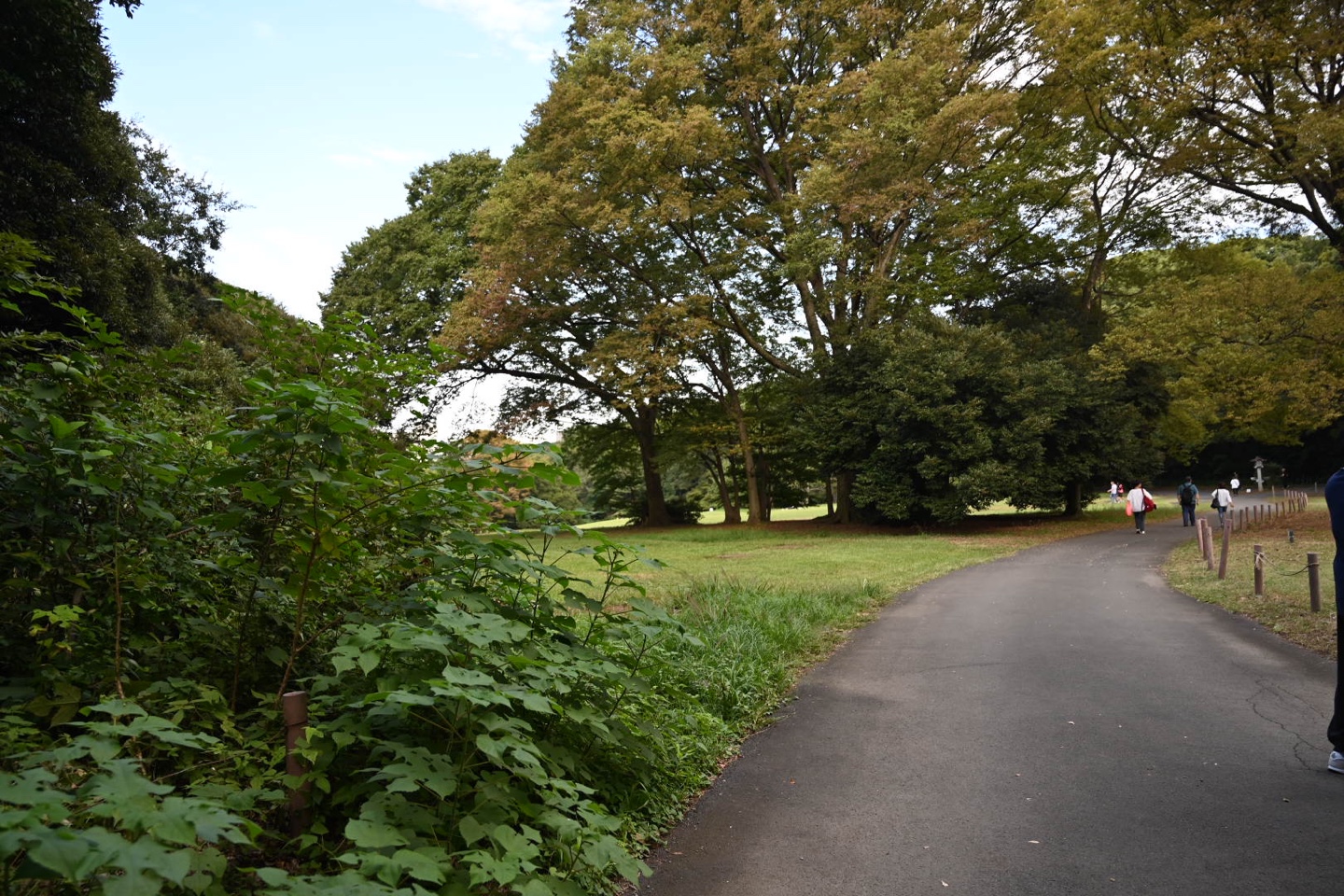
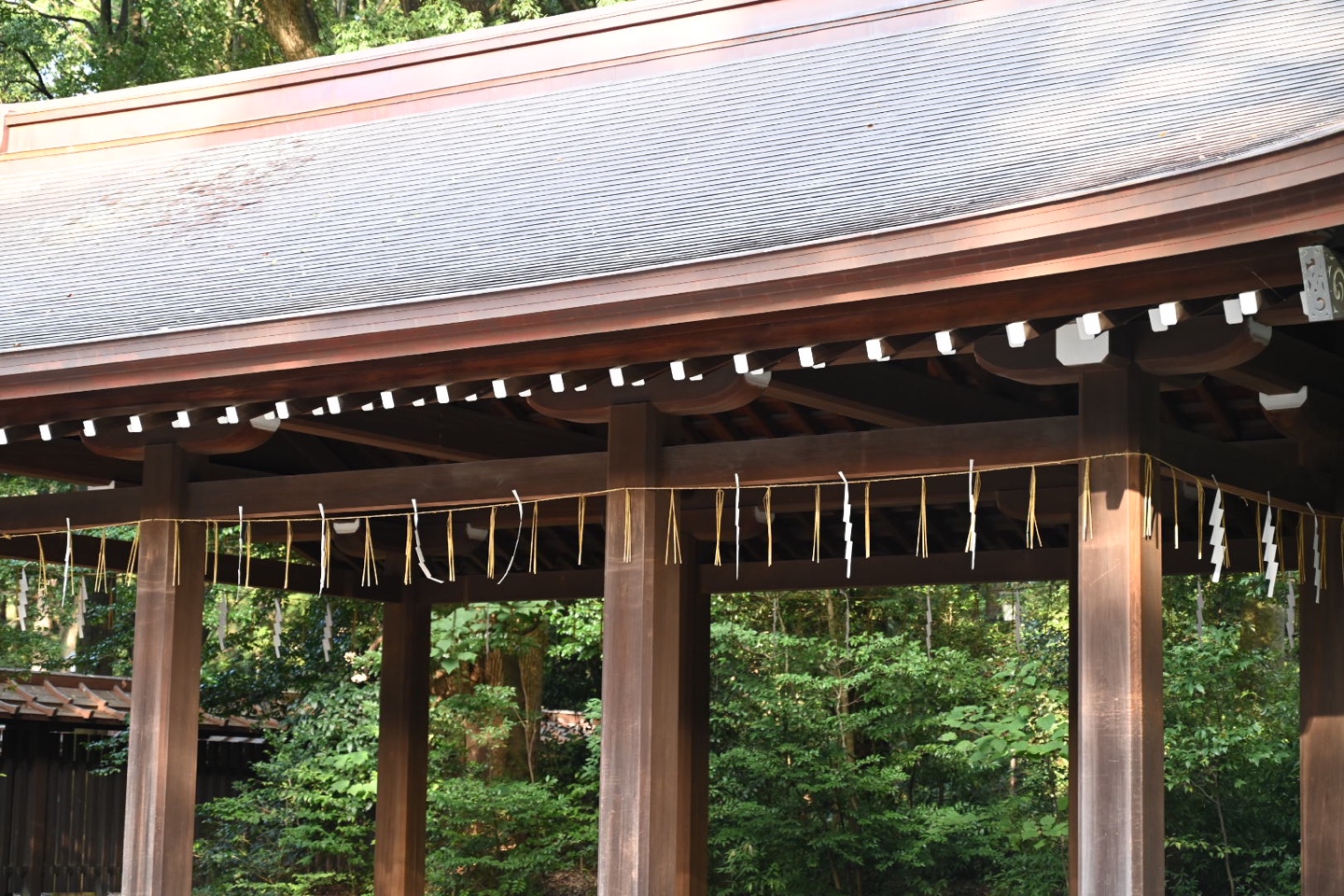
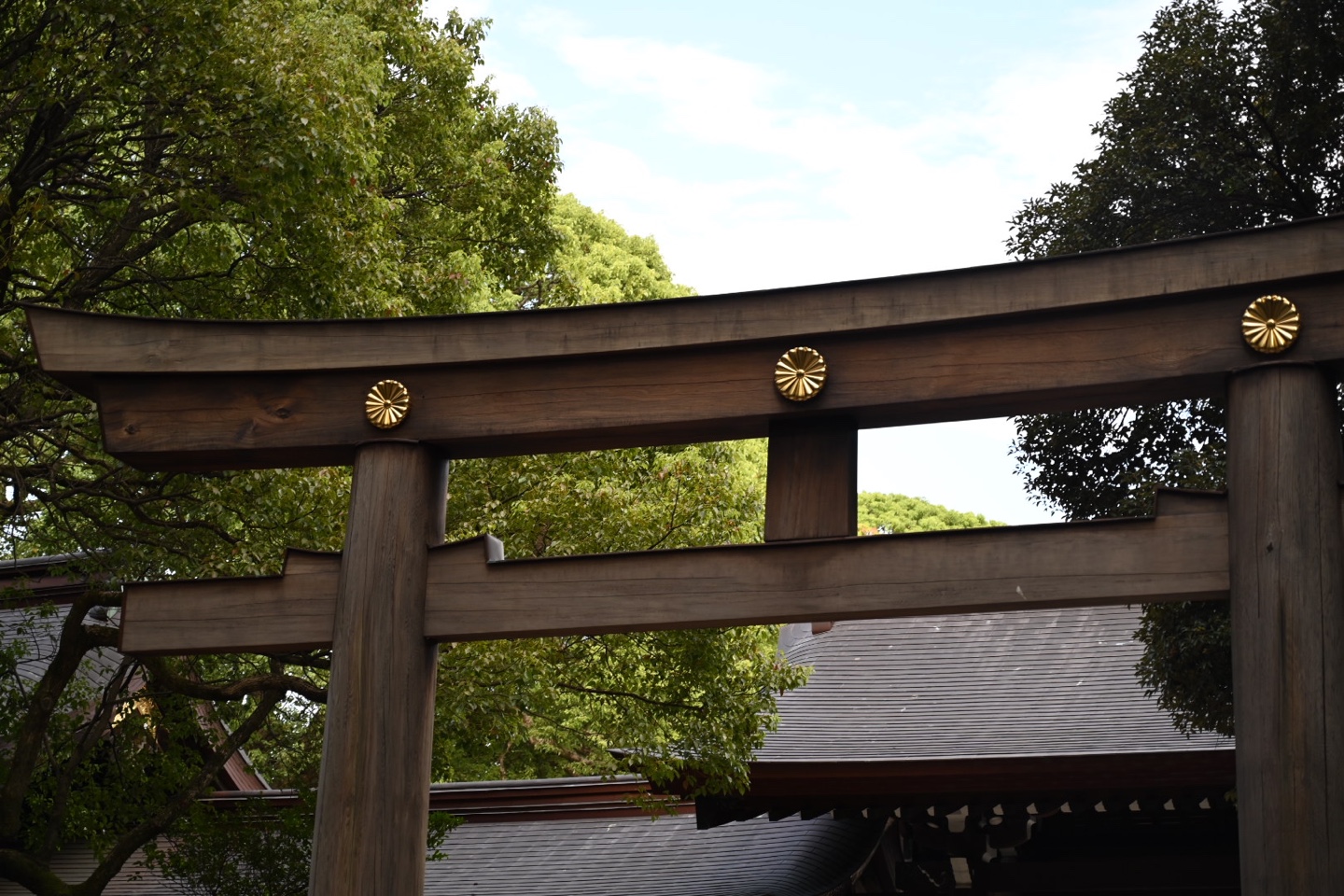
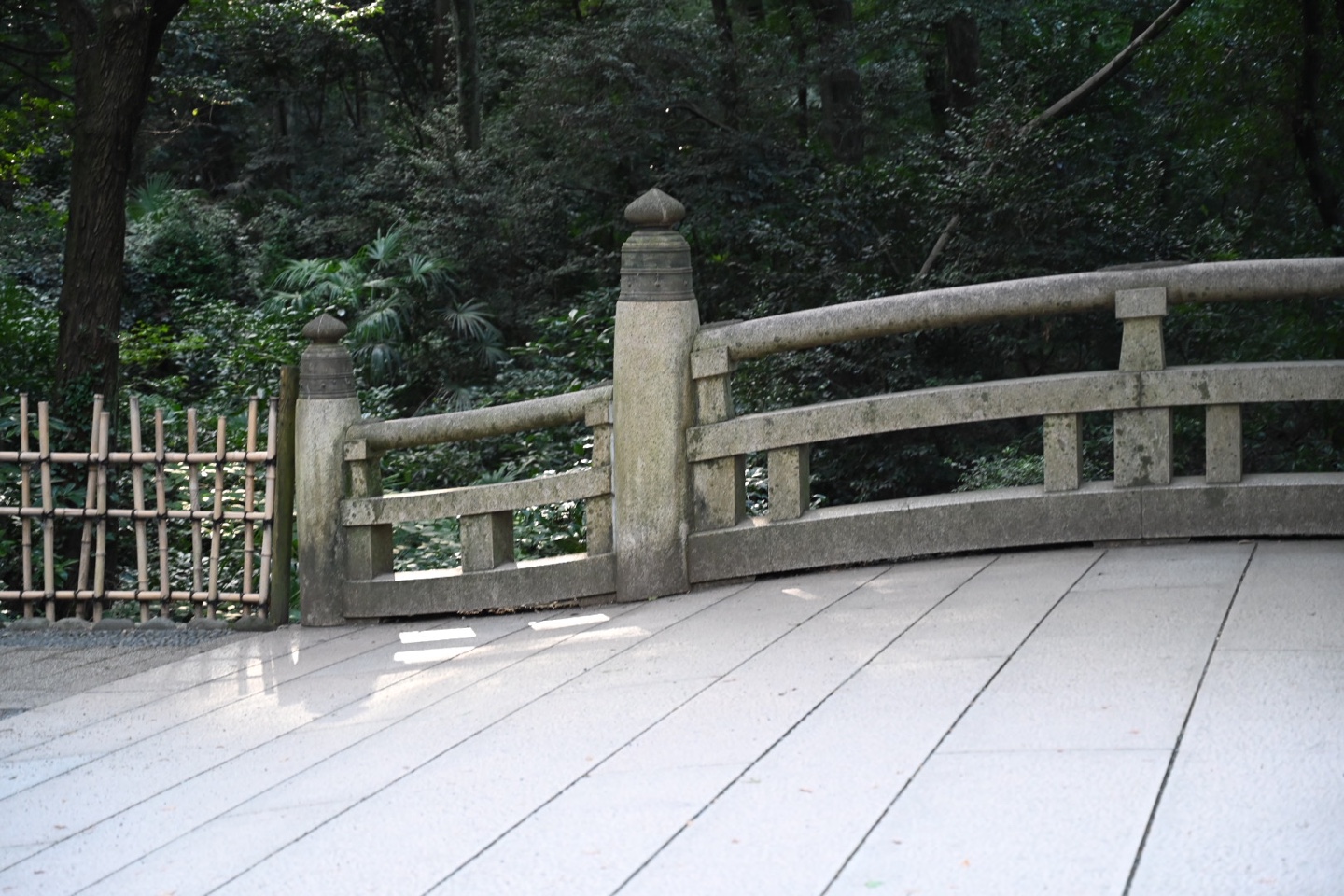
Despite battling allergies and crying my eyes out (which likely made passersby think I was going through a breakup or something, given all the sympathetic looks I received—hahaha), the experience was enchanting.
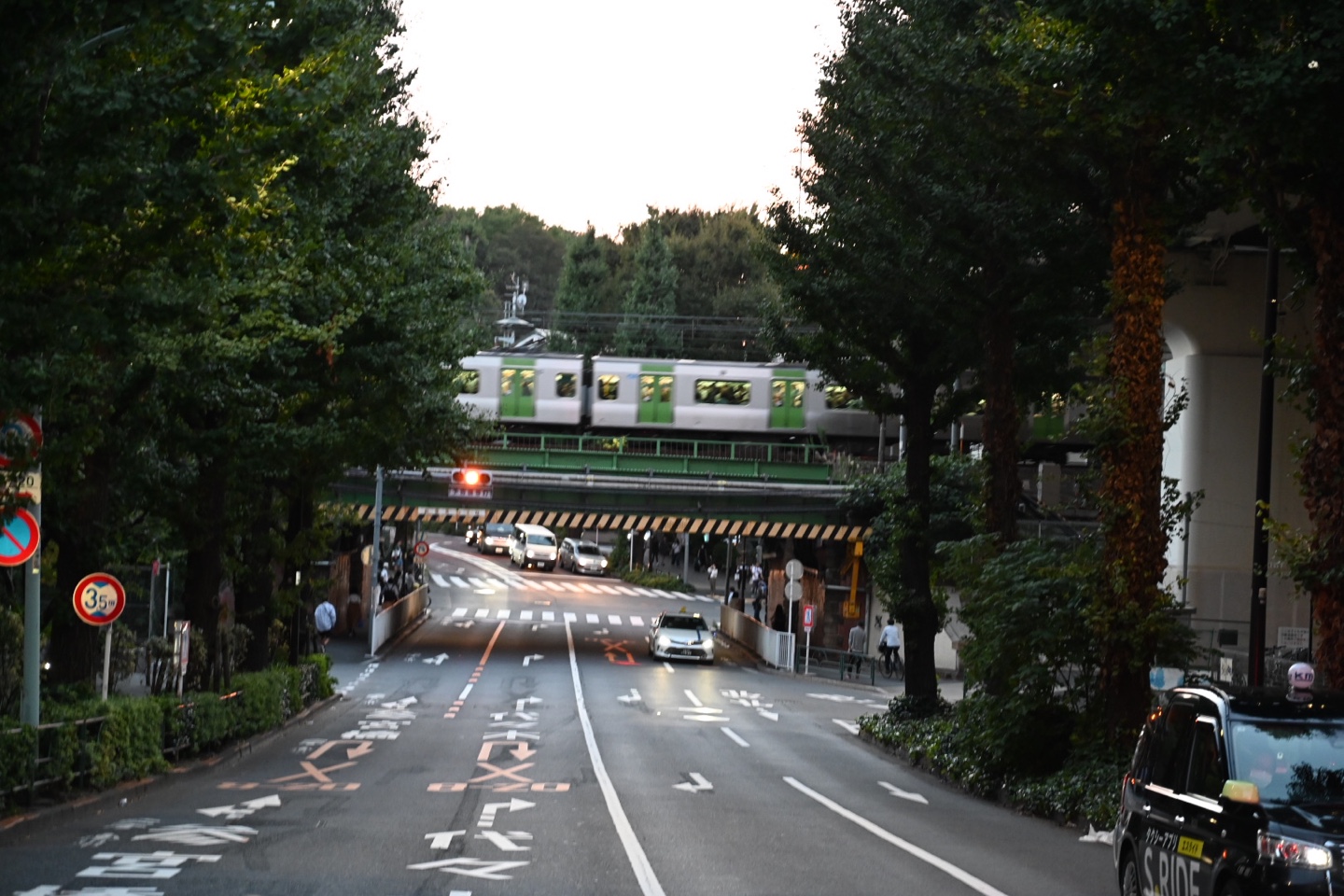
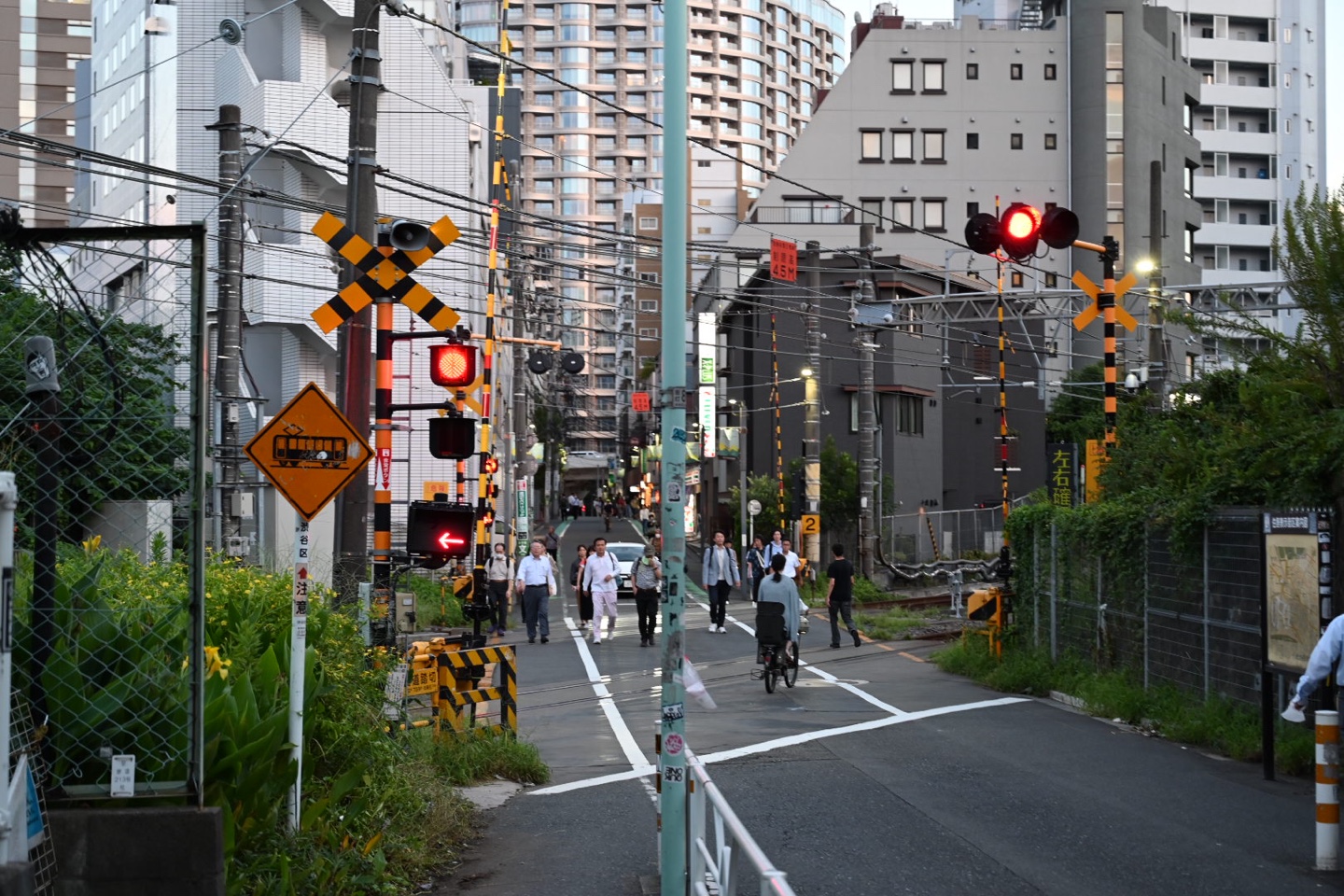
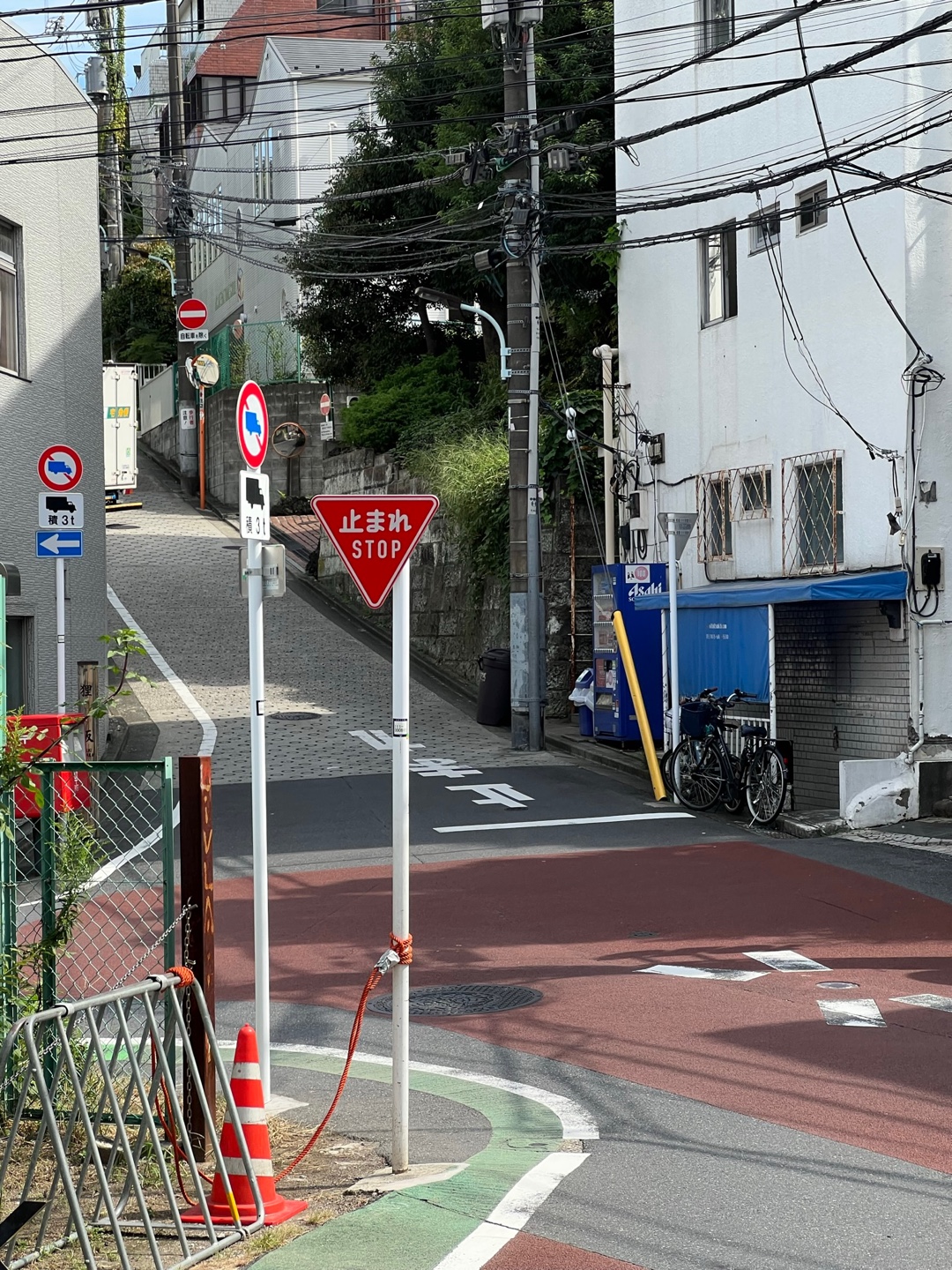
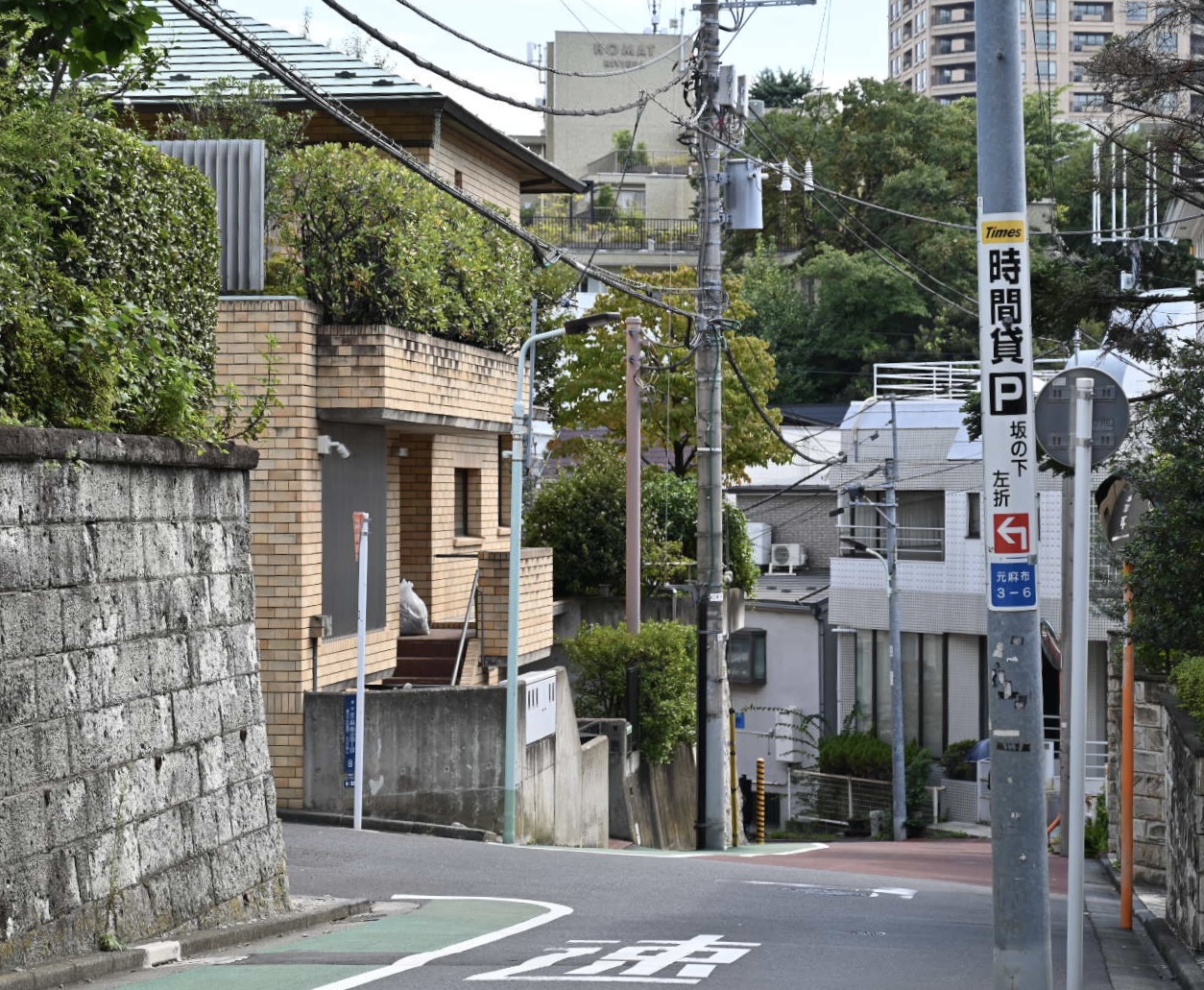
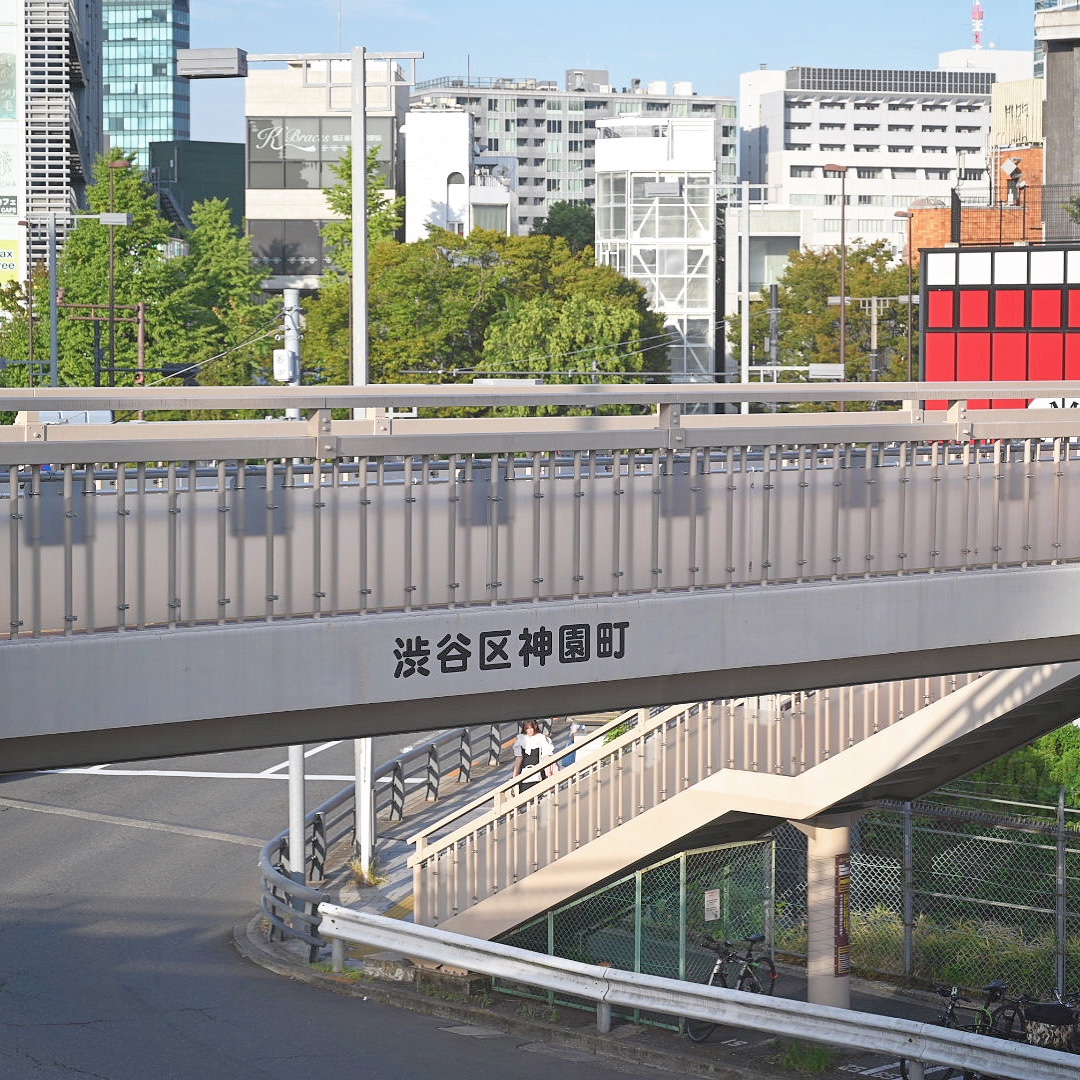
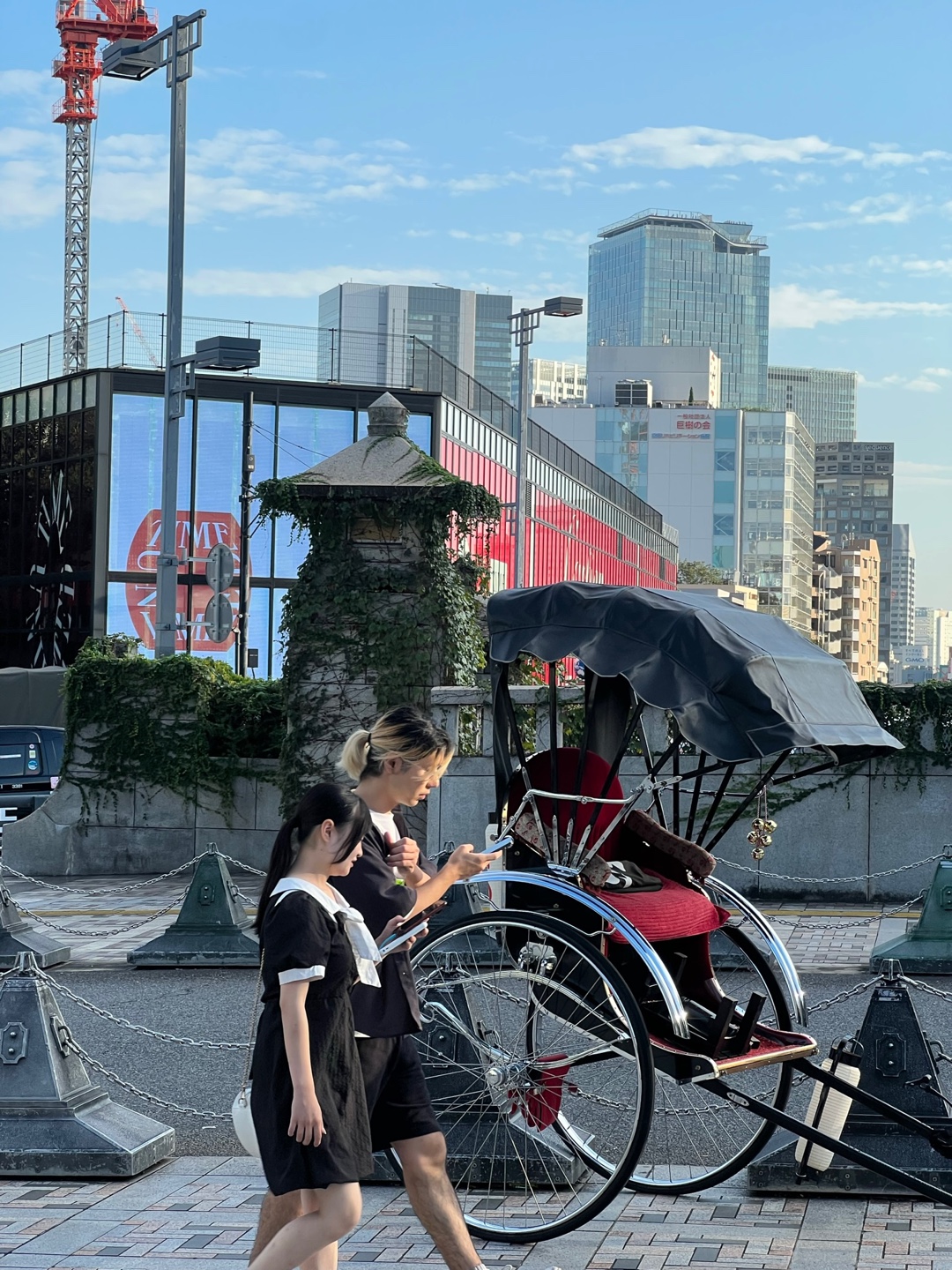
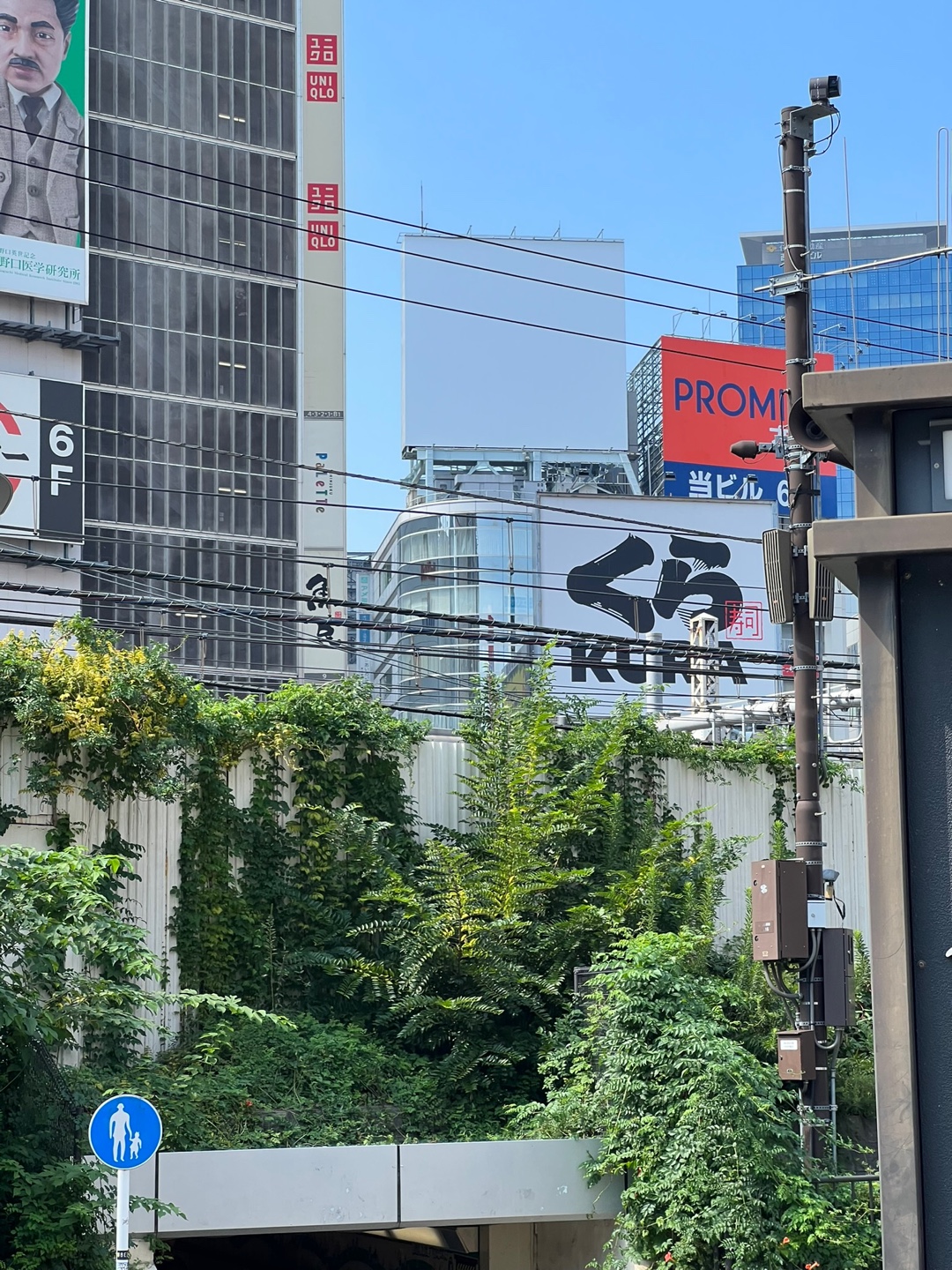
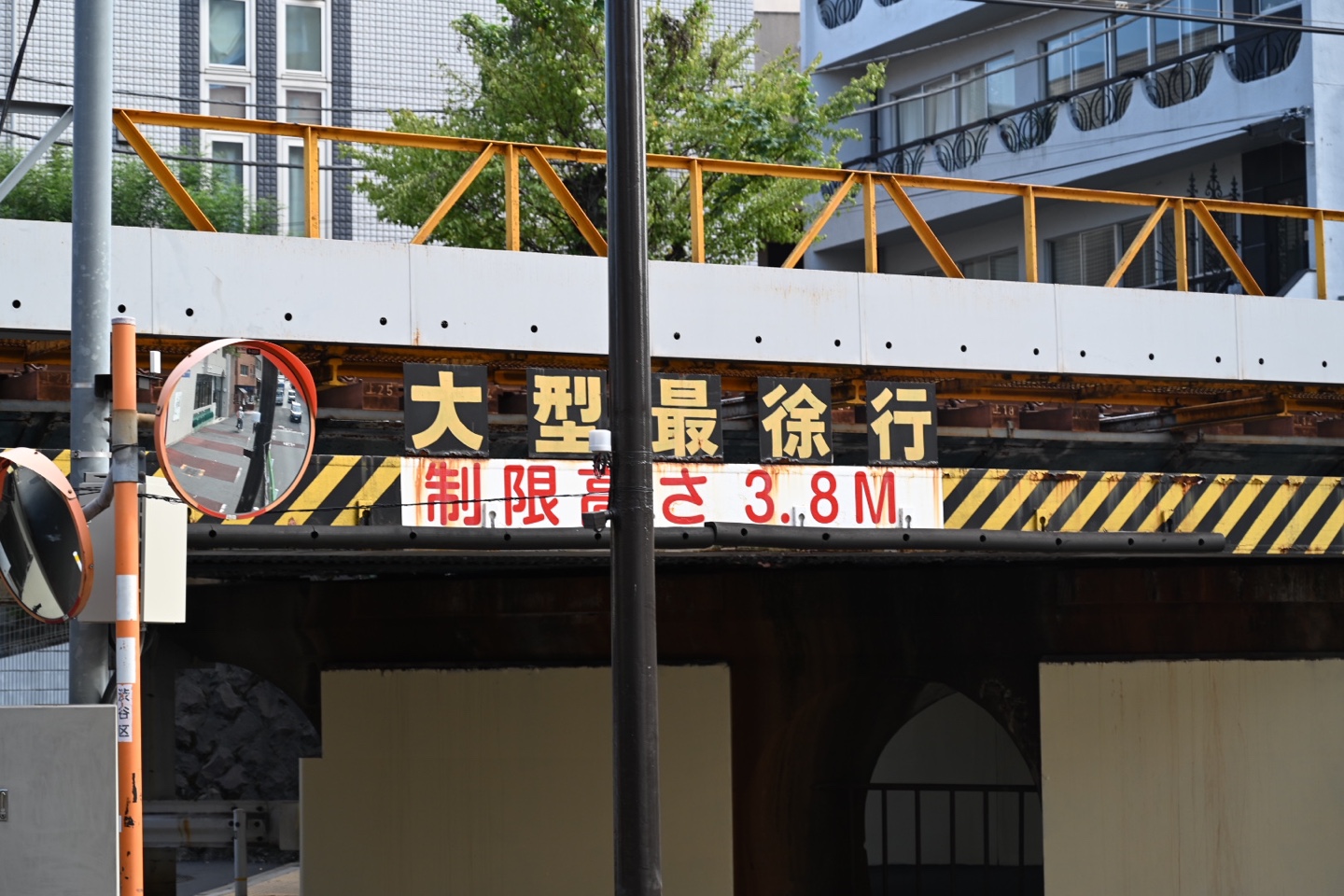
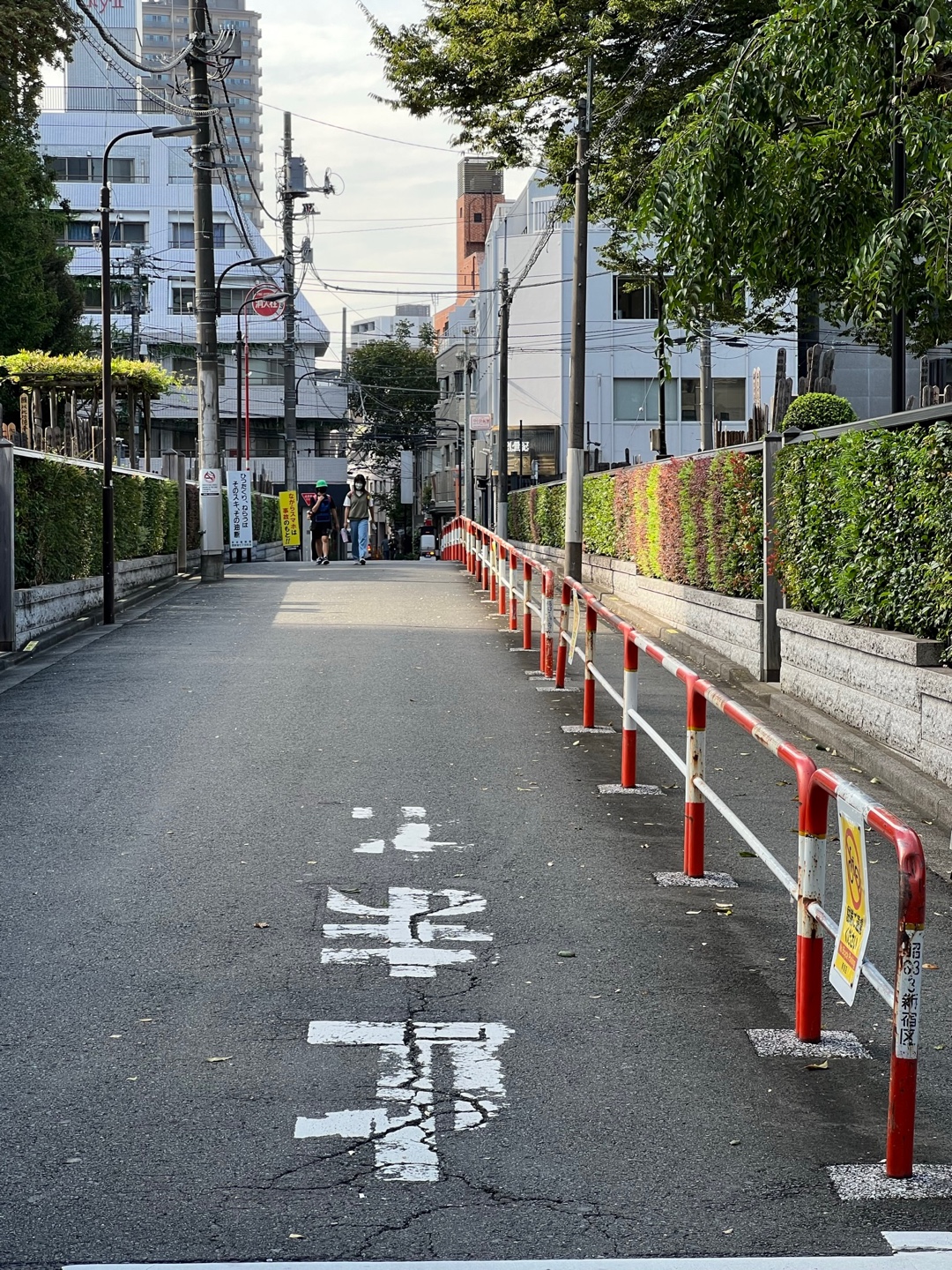
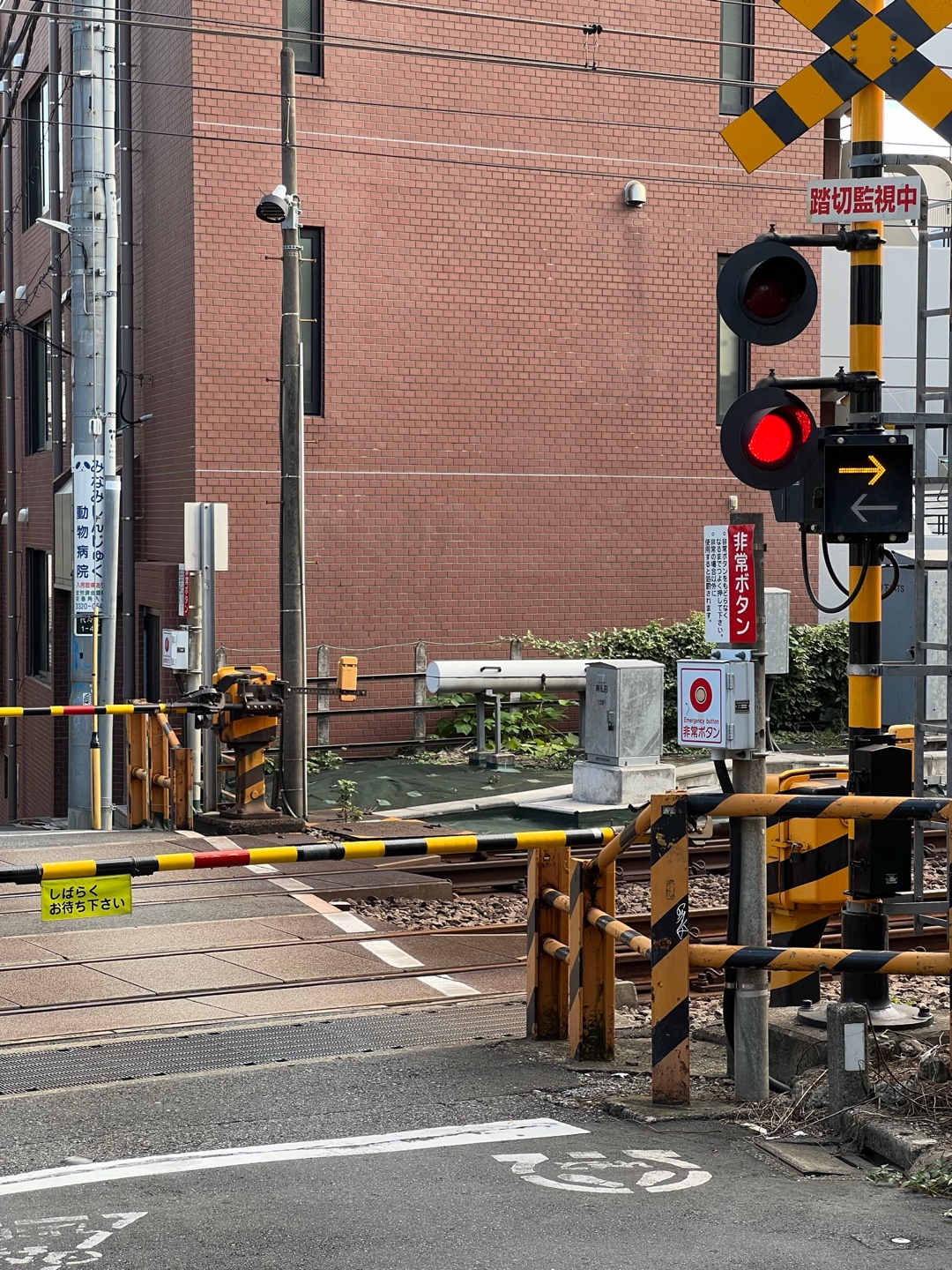
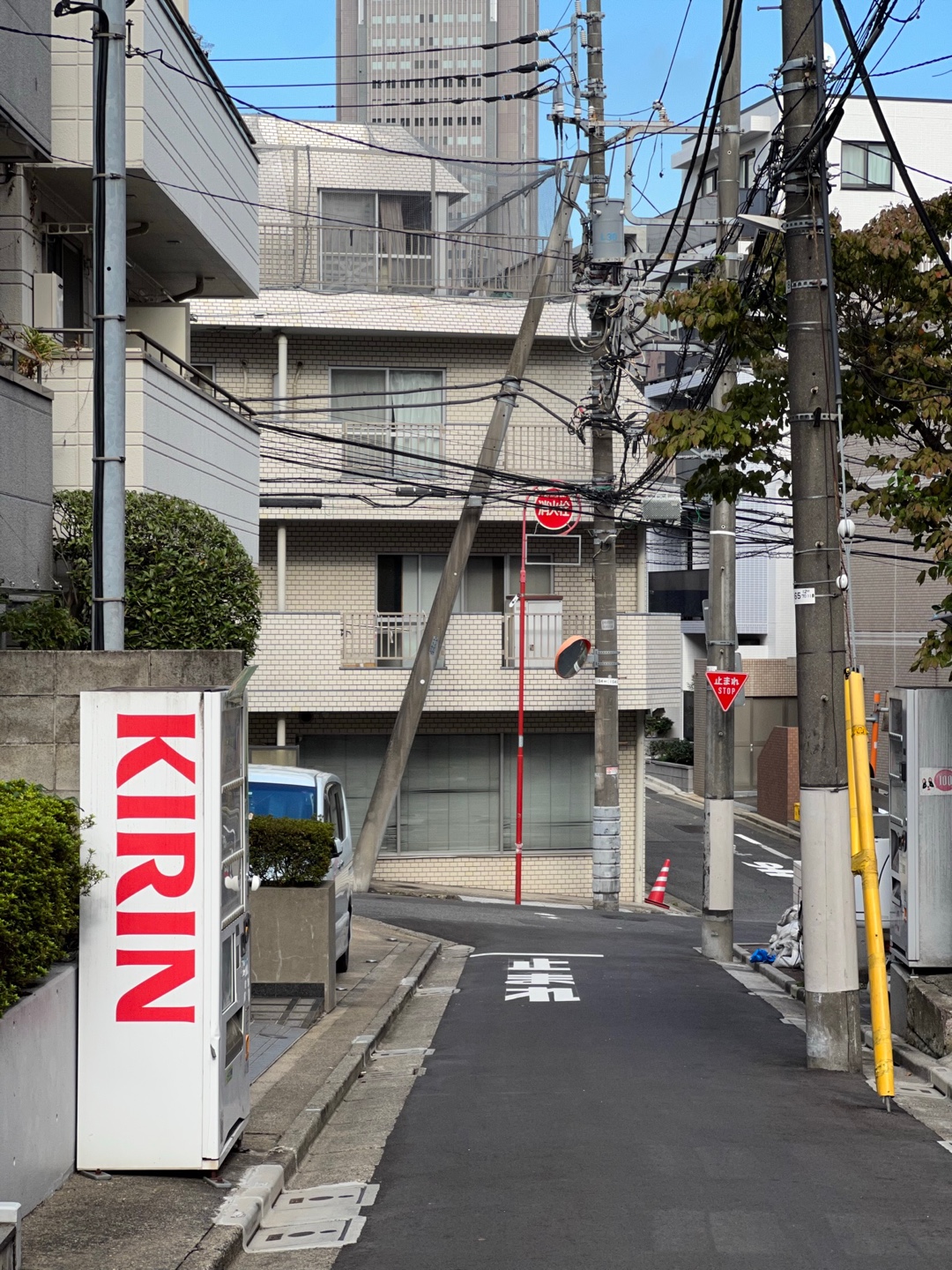
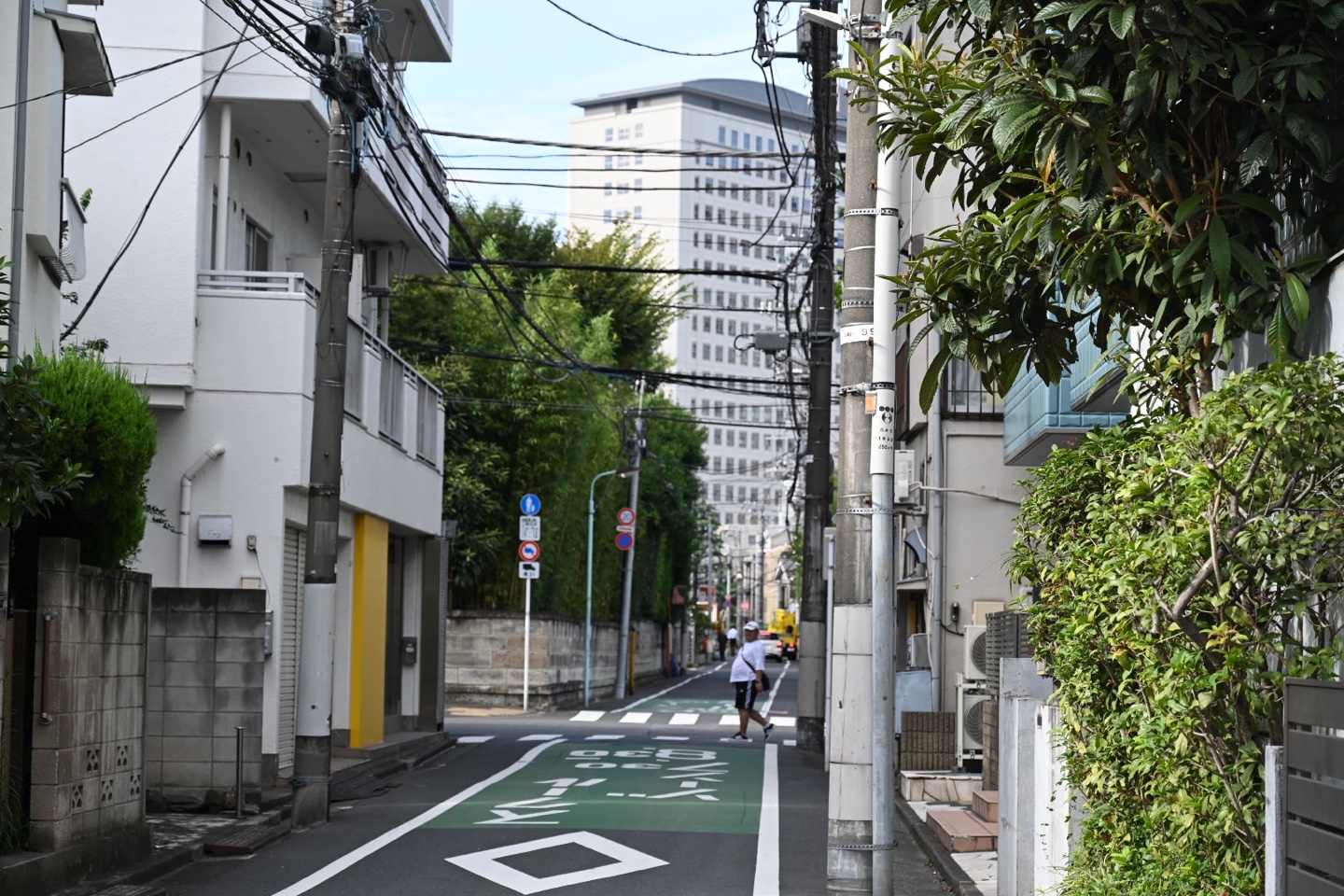
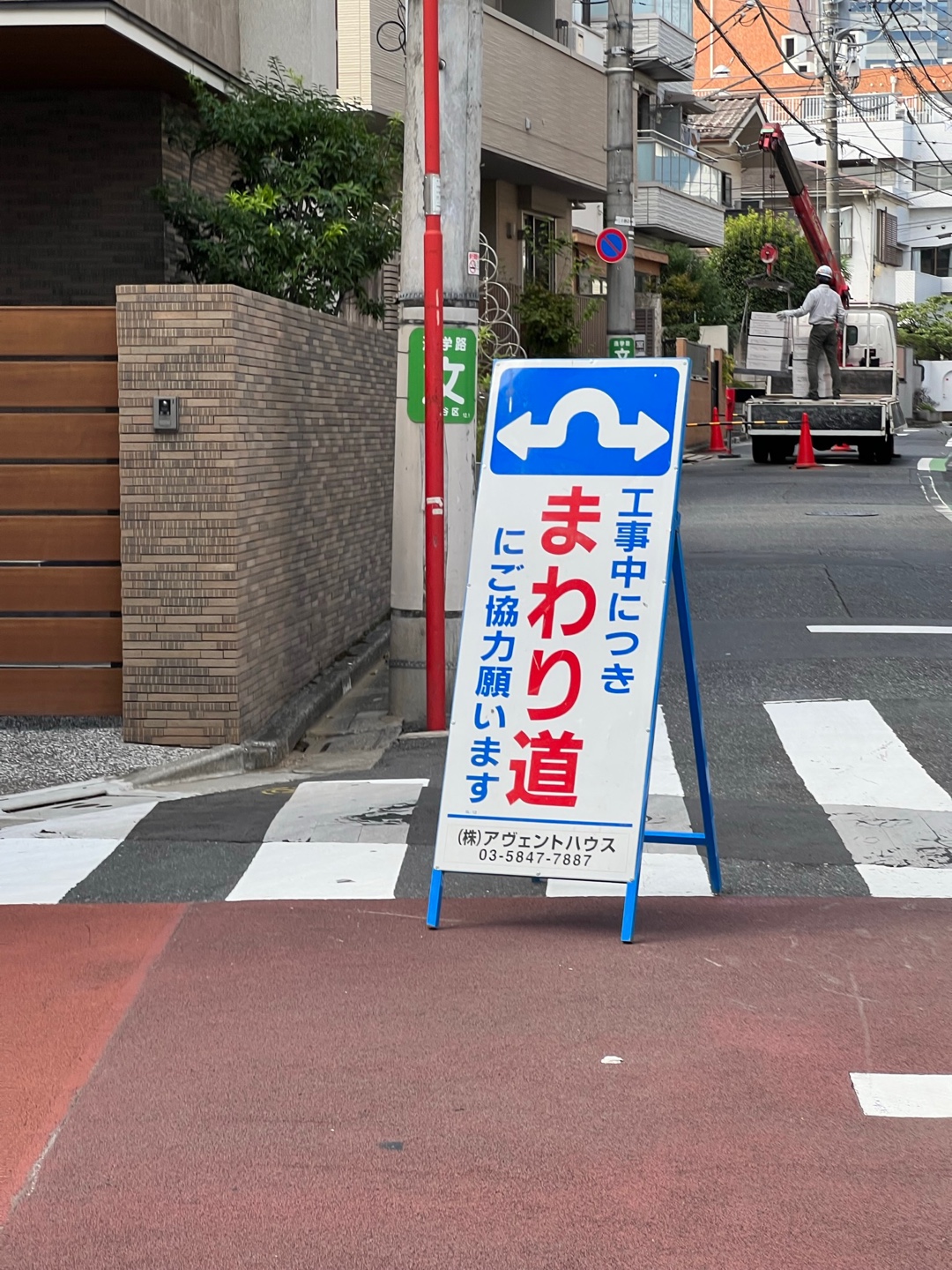
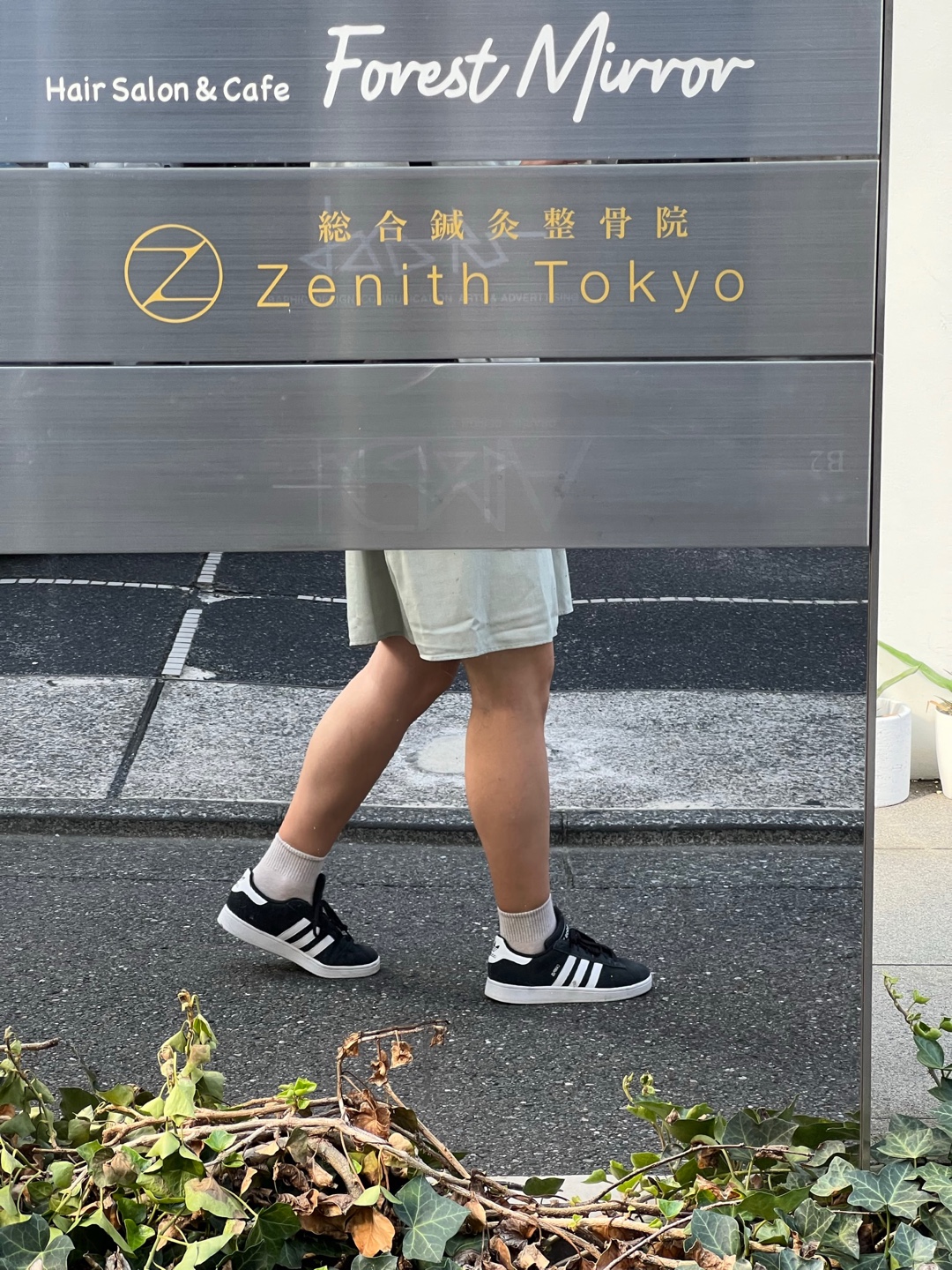
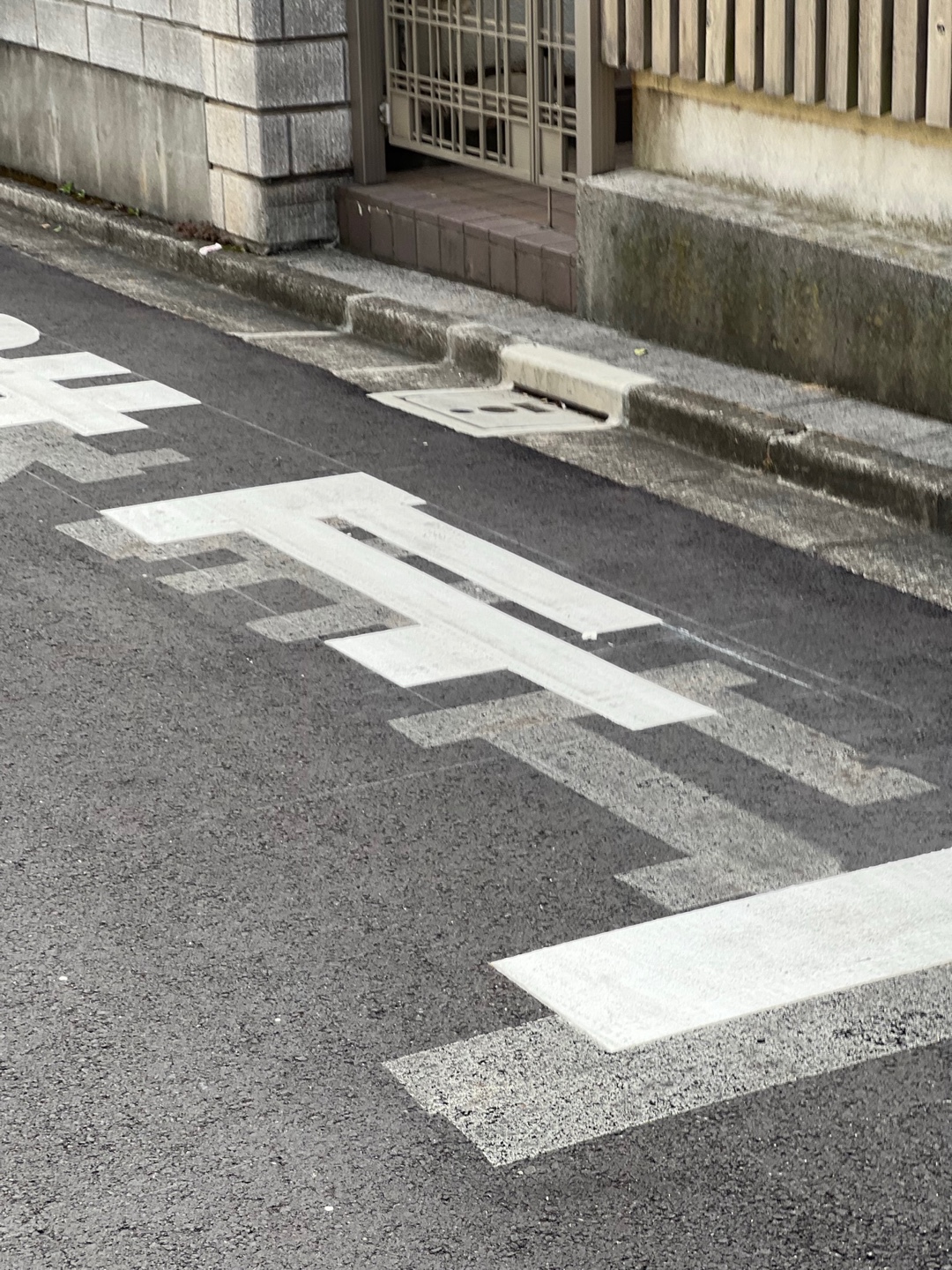
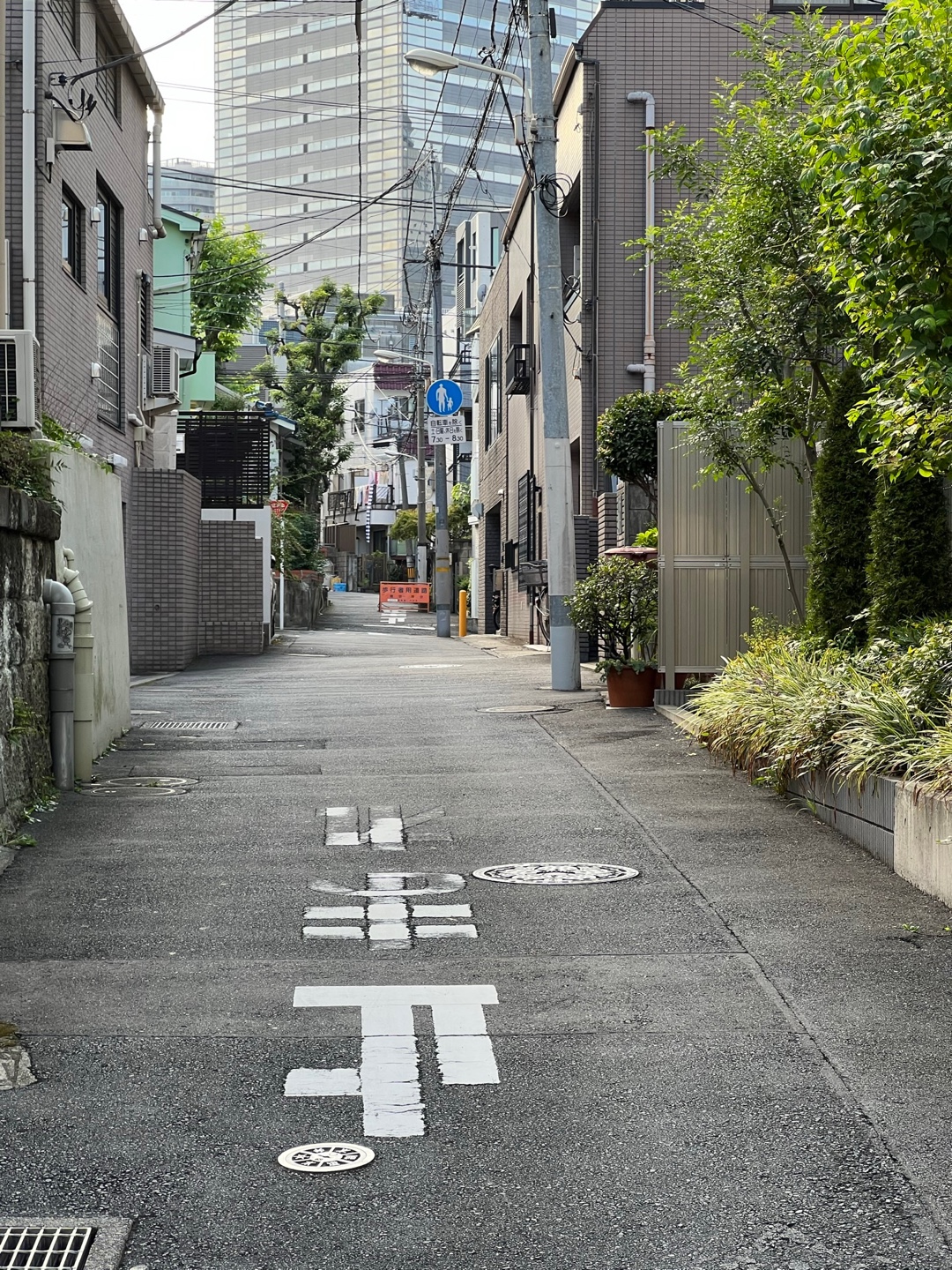
The walk to and from the shrine itself felt like an adventure. The charming small streets and the dreamy, romantic views of the passing trains were like something out of a storybook. It was a view I savored and will cherish for a long time.
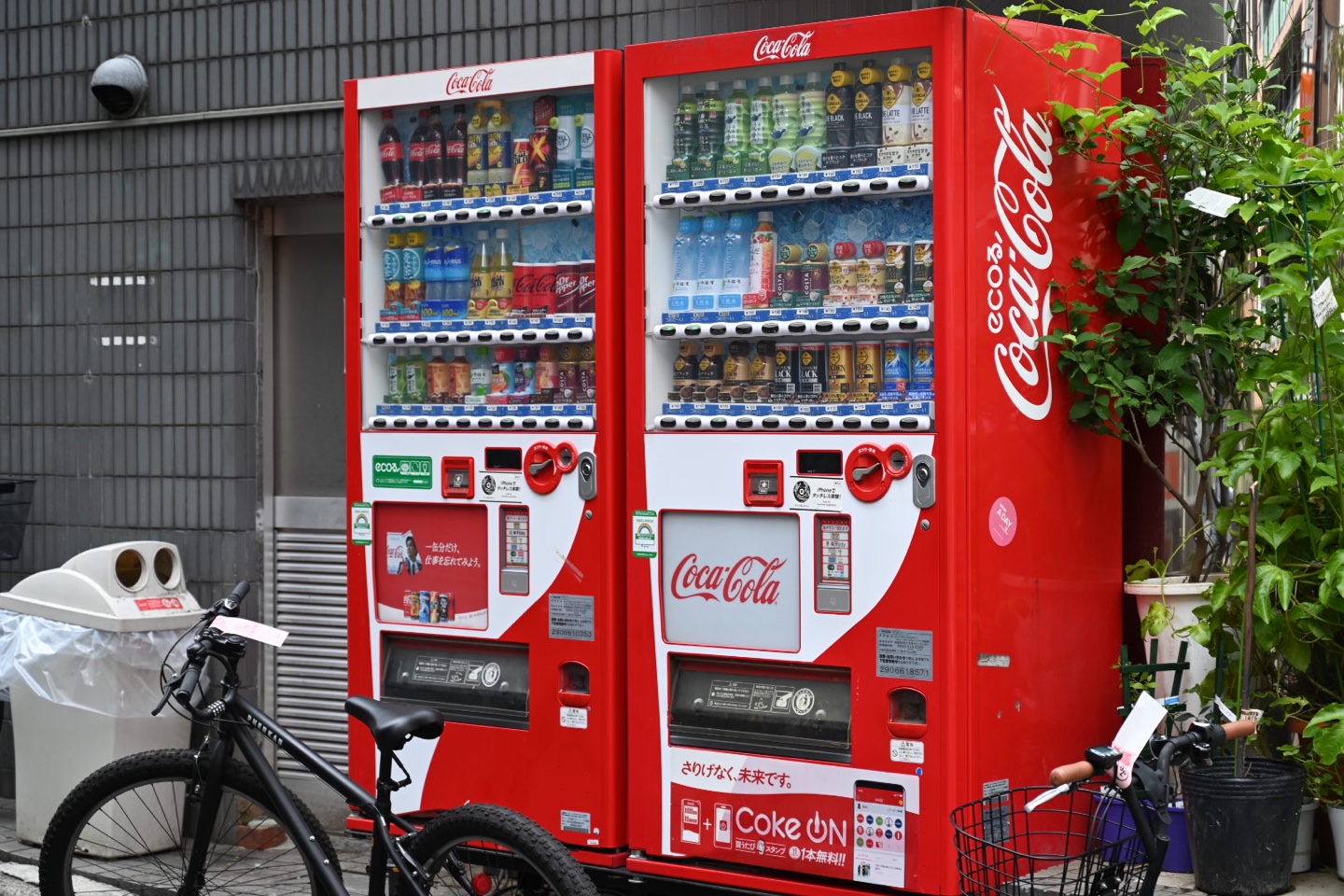
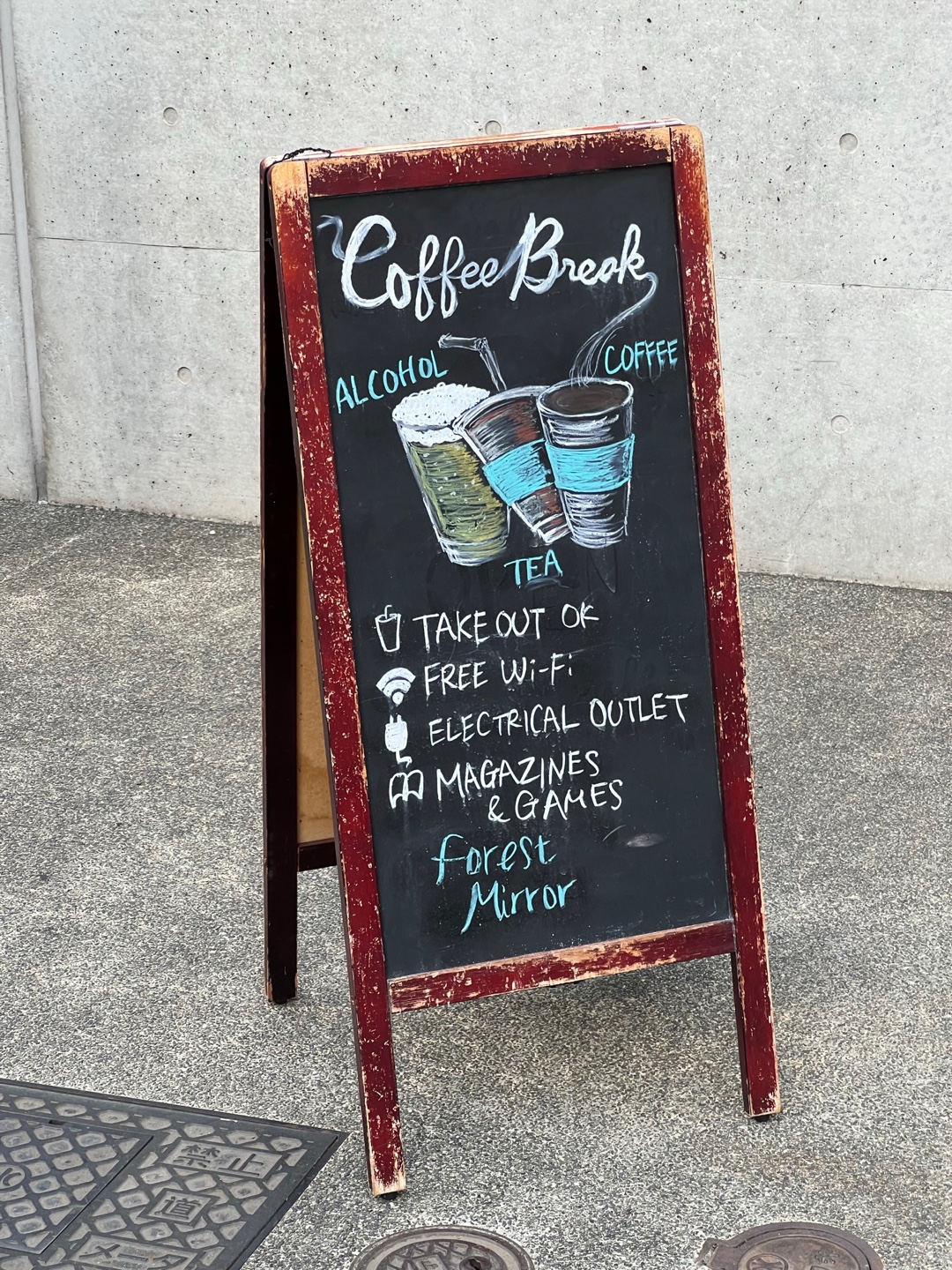
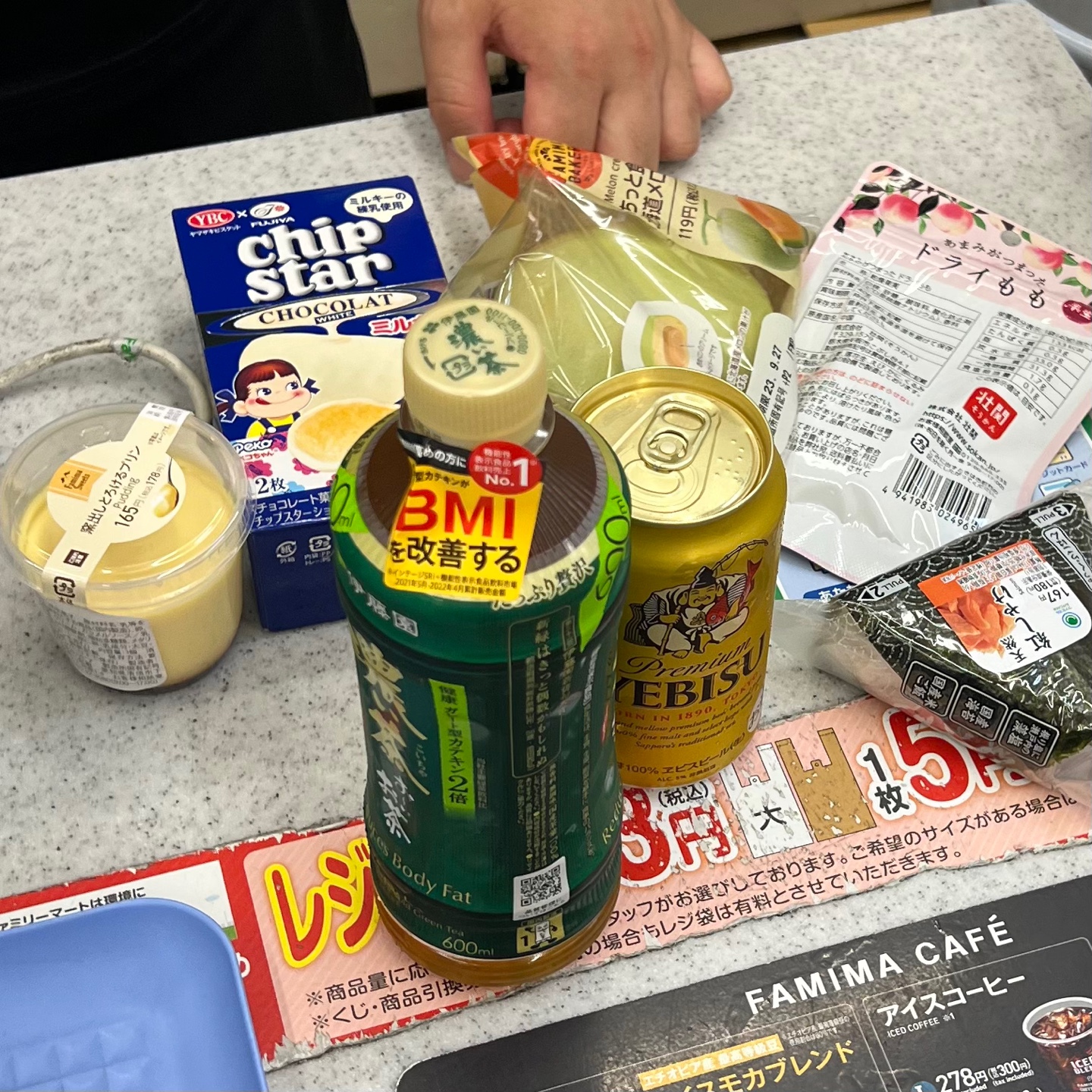
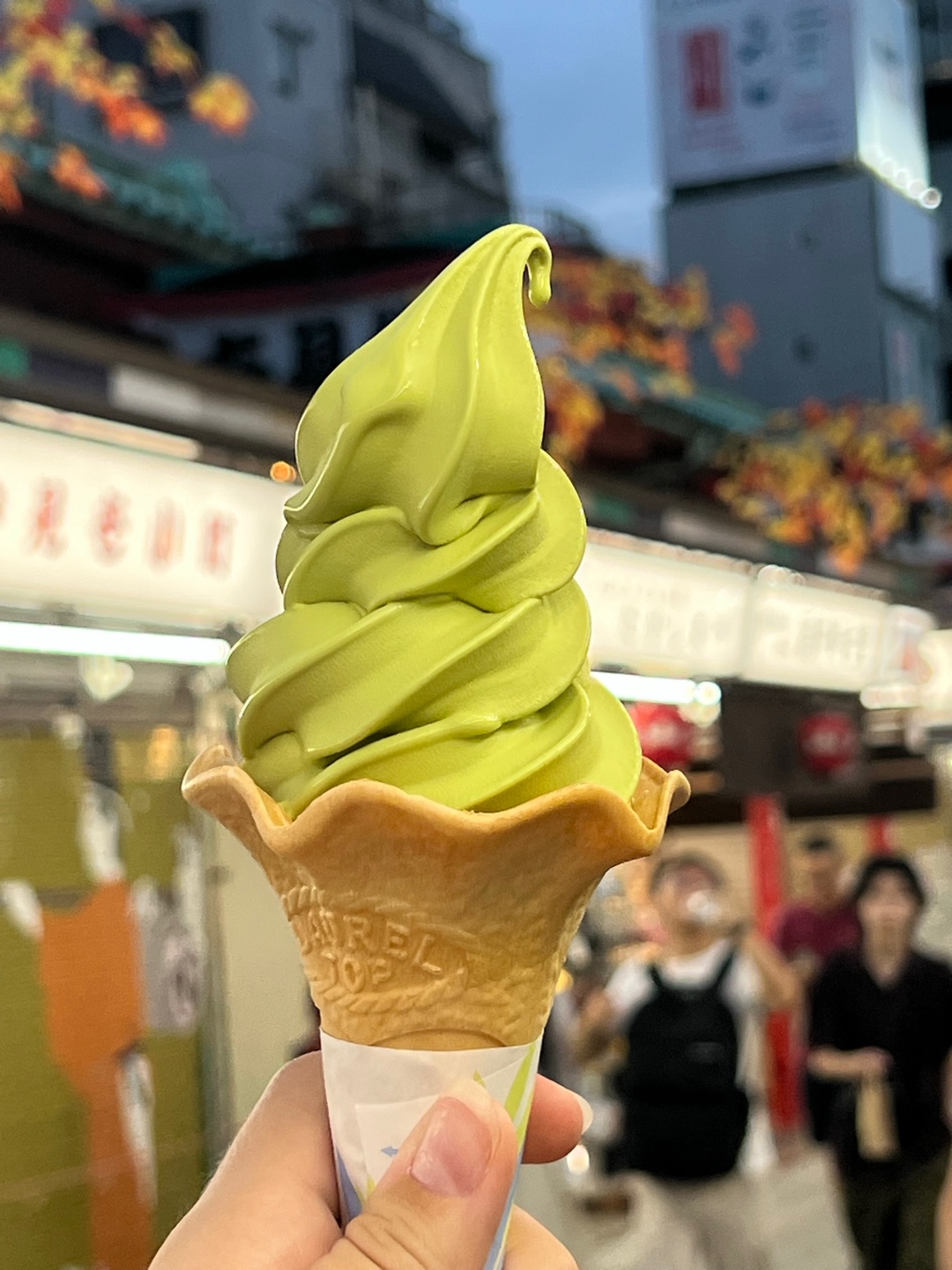
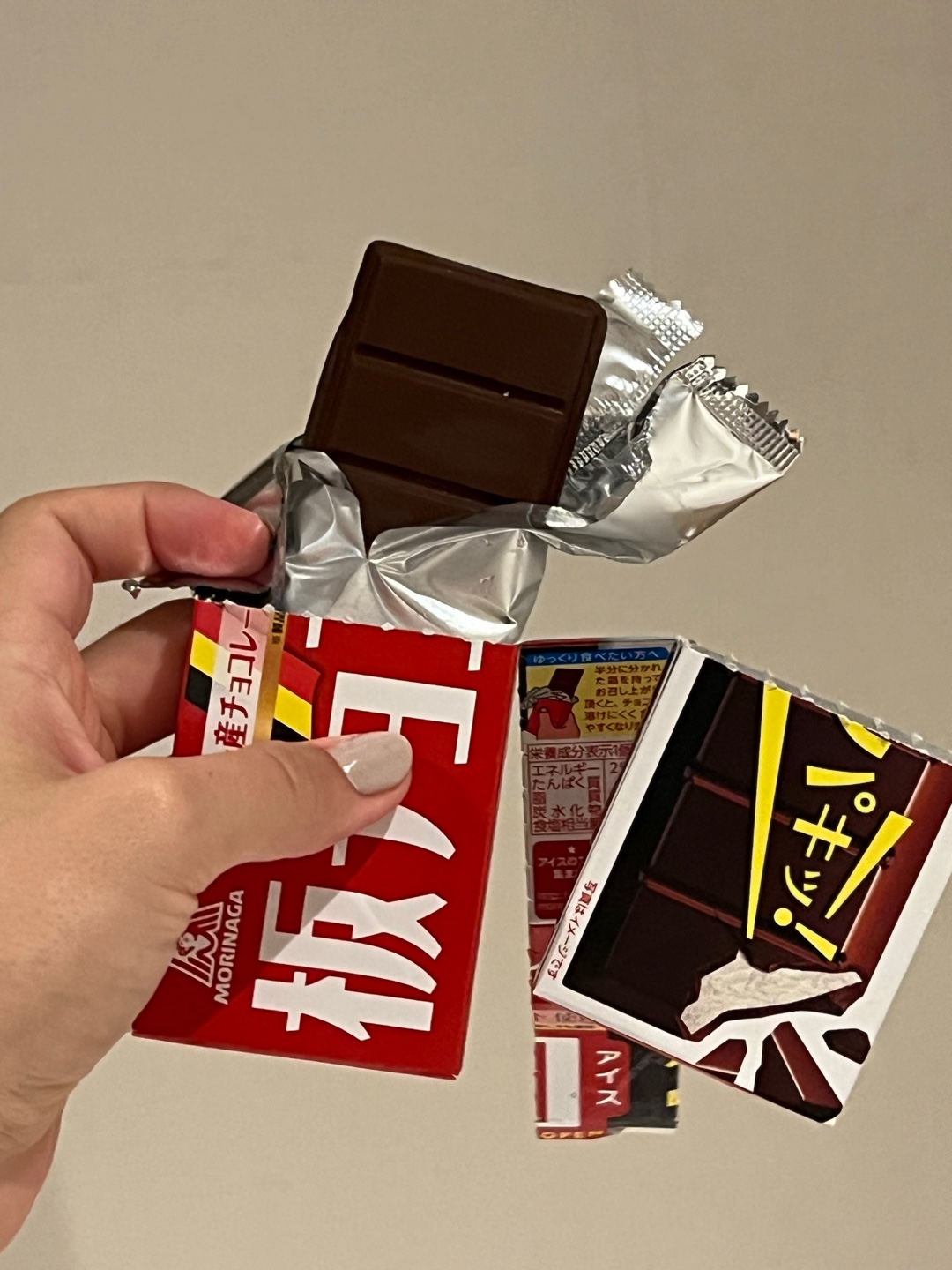
Eventually this day also came to an end… By the way I found my absolute favorite ice cream from a convenience store.
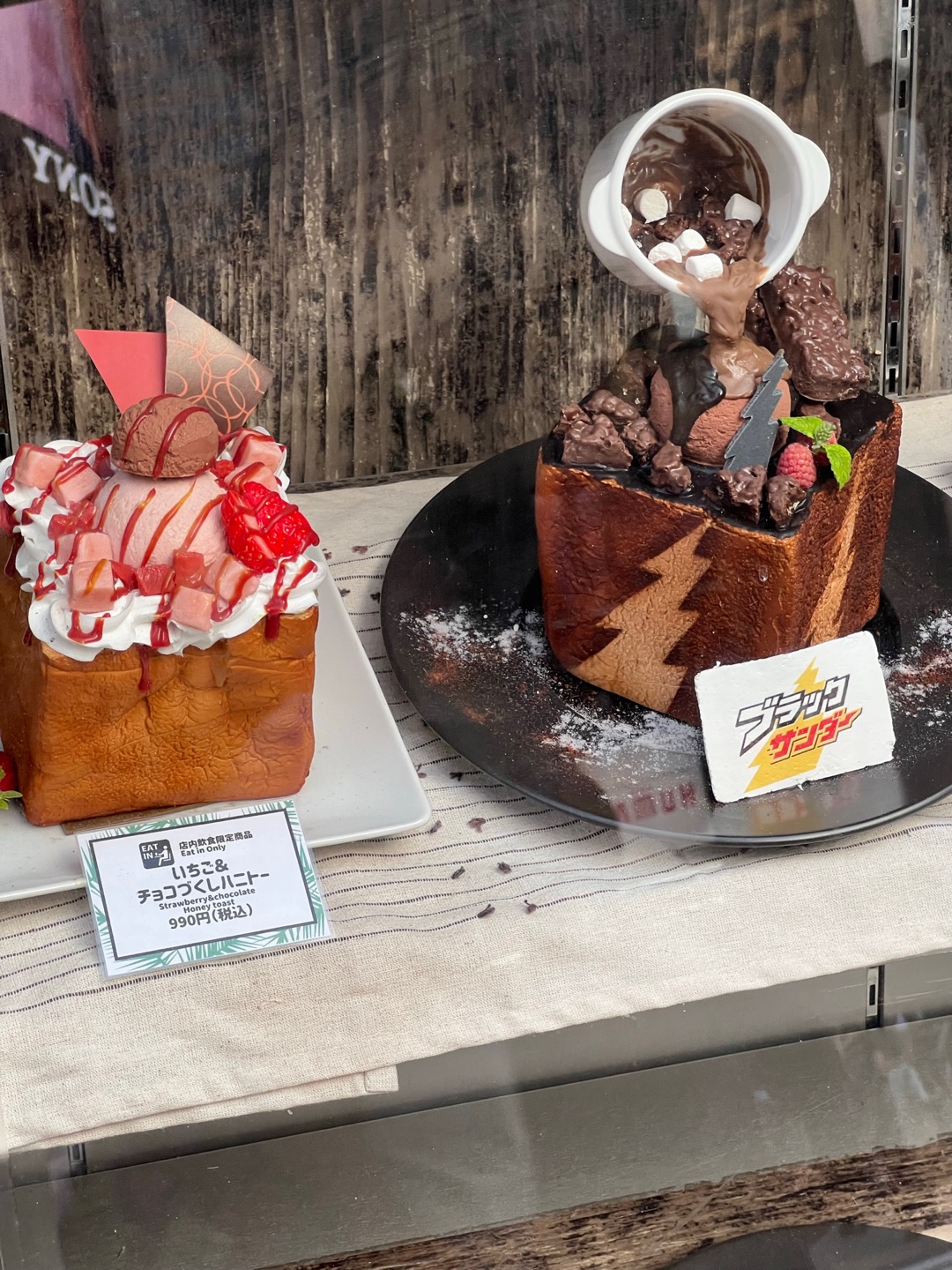
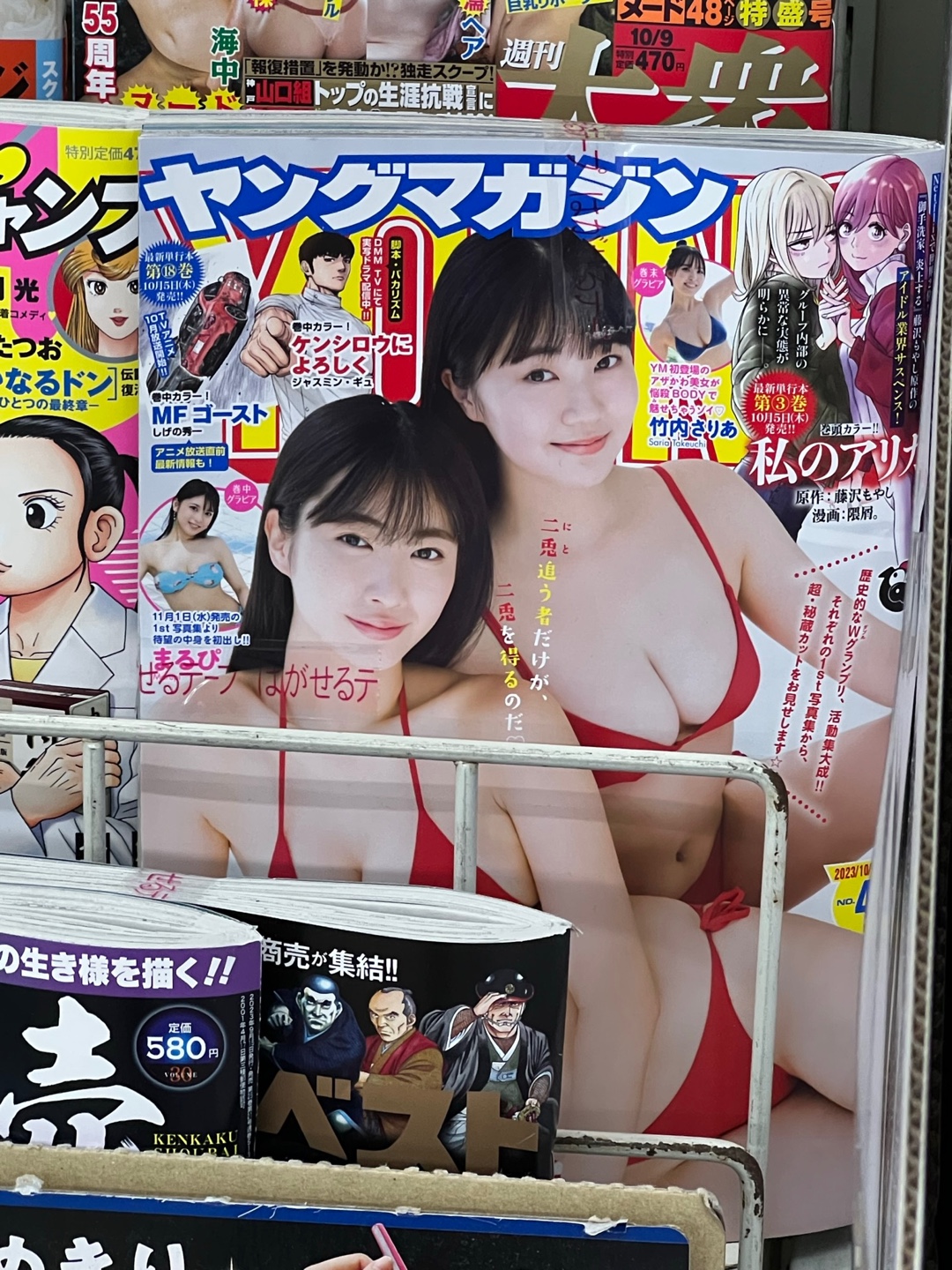
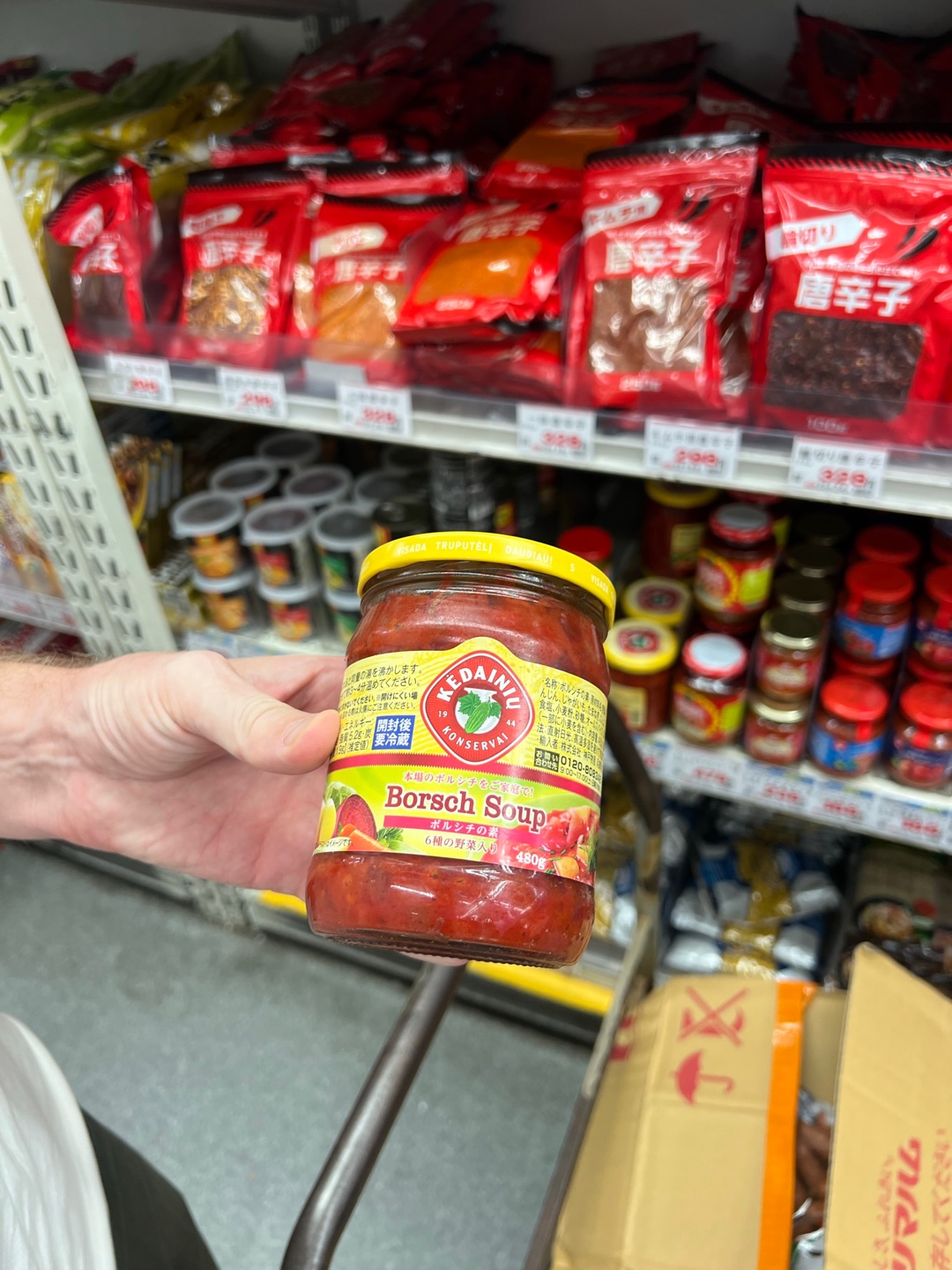
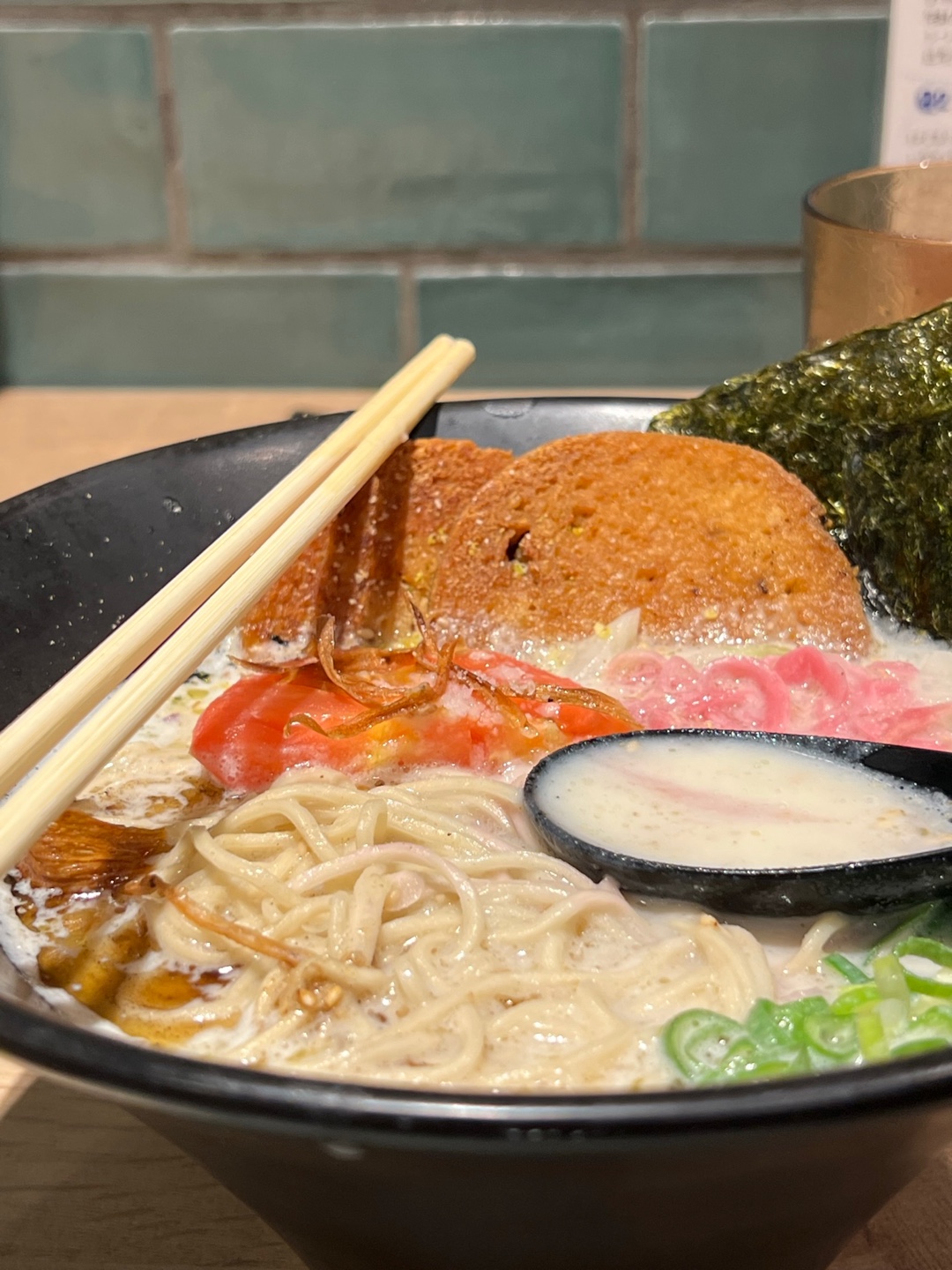
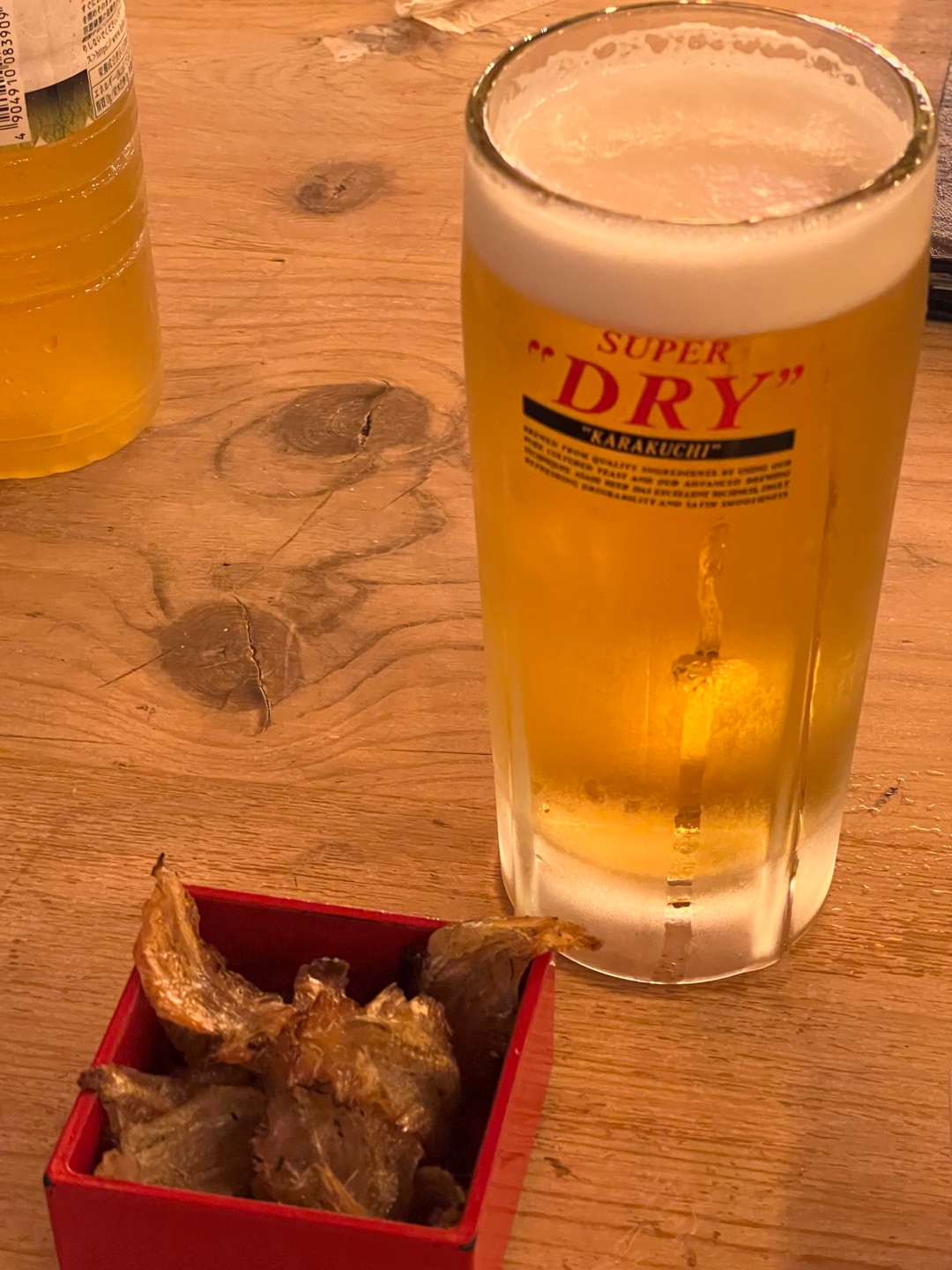
As my Tokyo adventure drew to a close, it was time to head to the coast and visit a dear friend who lives near the ocean. My lovely friend came all the way to pick me up, and we kicked off our reunion with a delicious lunch.
Afterward, we hopped on the train to her charming town. Thanks to her, I discovered that my Apple Watch actually supports Suica—a Japanese train card system. Although I wasn’t entirely sure how it worked at first, my friend explained it to me and seems it is quite simple to use. To use it on your Apple Watch:
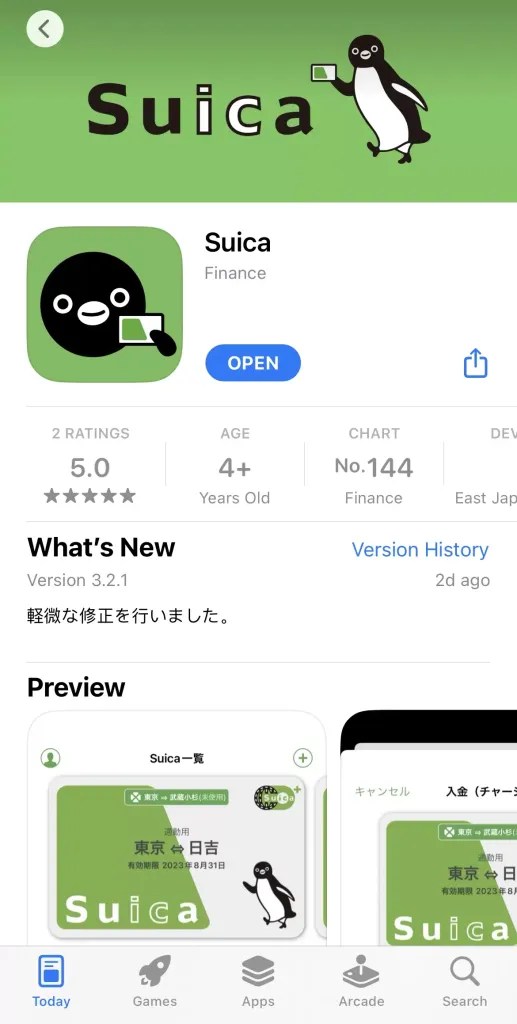
- Set Up Suica on iPhone:
- Open the Wallet app on your iPhone.
- Tap “+” to add a new card and select “Suica.”
- Follow prompts to create a new card or transfer an existing one.
- Add Suica to Apple Watch:
- Open the Watch app on your iPhone.
- Go to “My Watch” > “Wallet & Apple Pay.”
- Tap “Add Card” and select your Suica card.
- Using Suica on Apple Watch:
- Double-click the side button on your Apple Watch to display Suica.
- Hold your watch near the reader to pay or enter transit.
- Manage Suica:
- Use the Wallet app on your iPhone to check your balance and add funds.
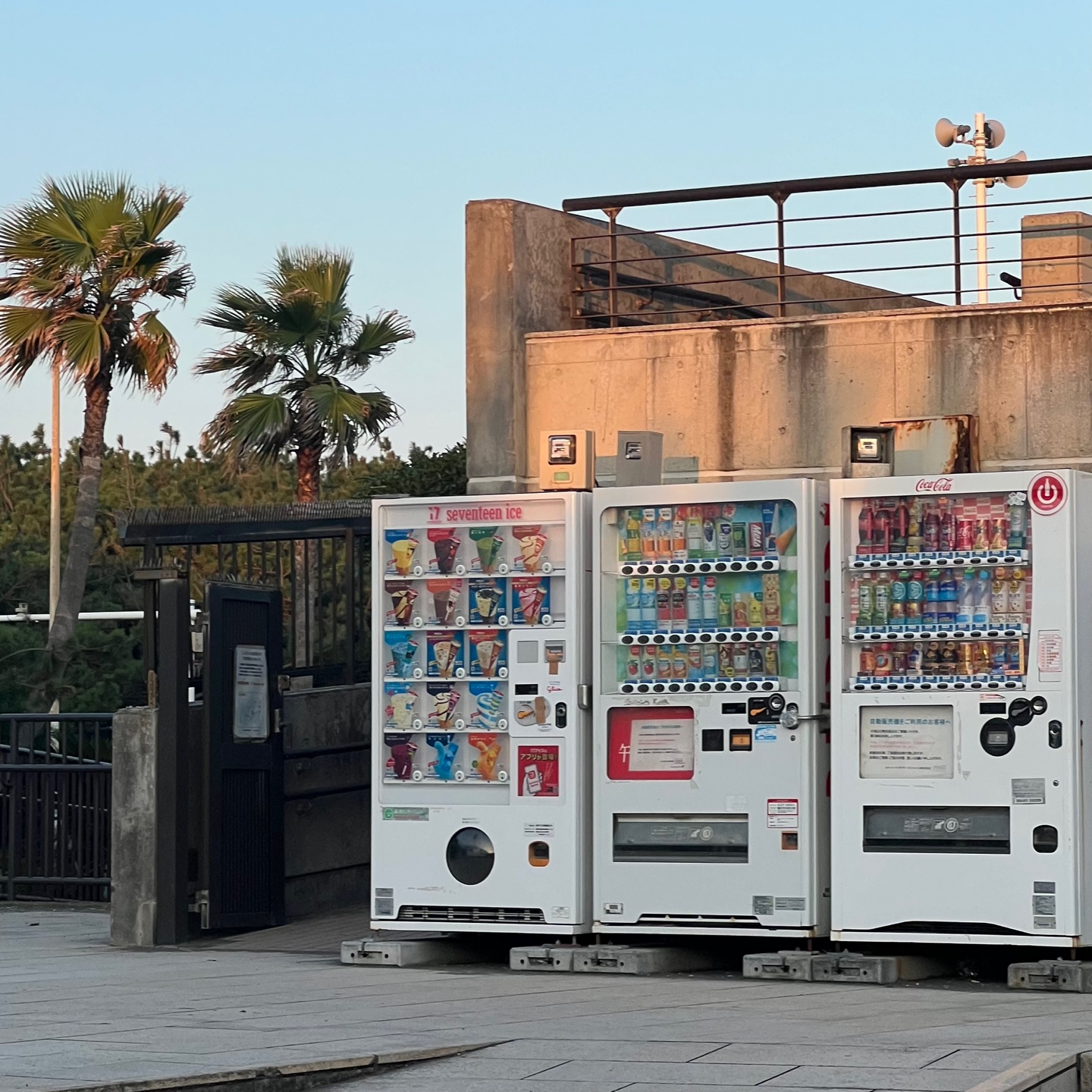
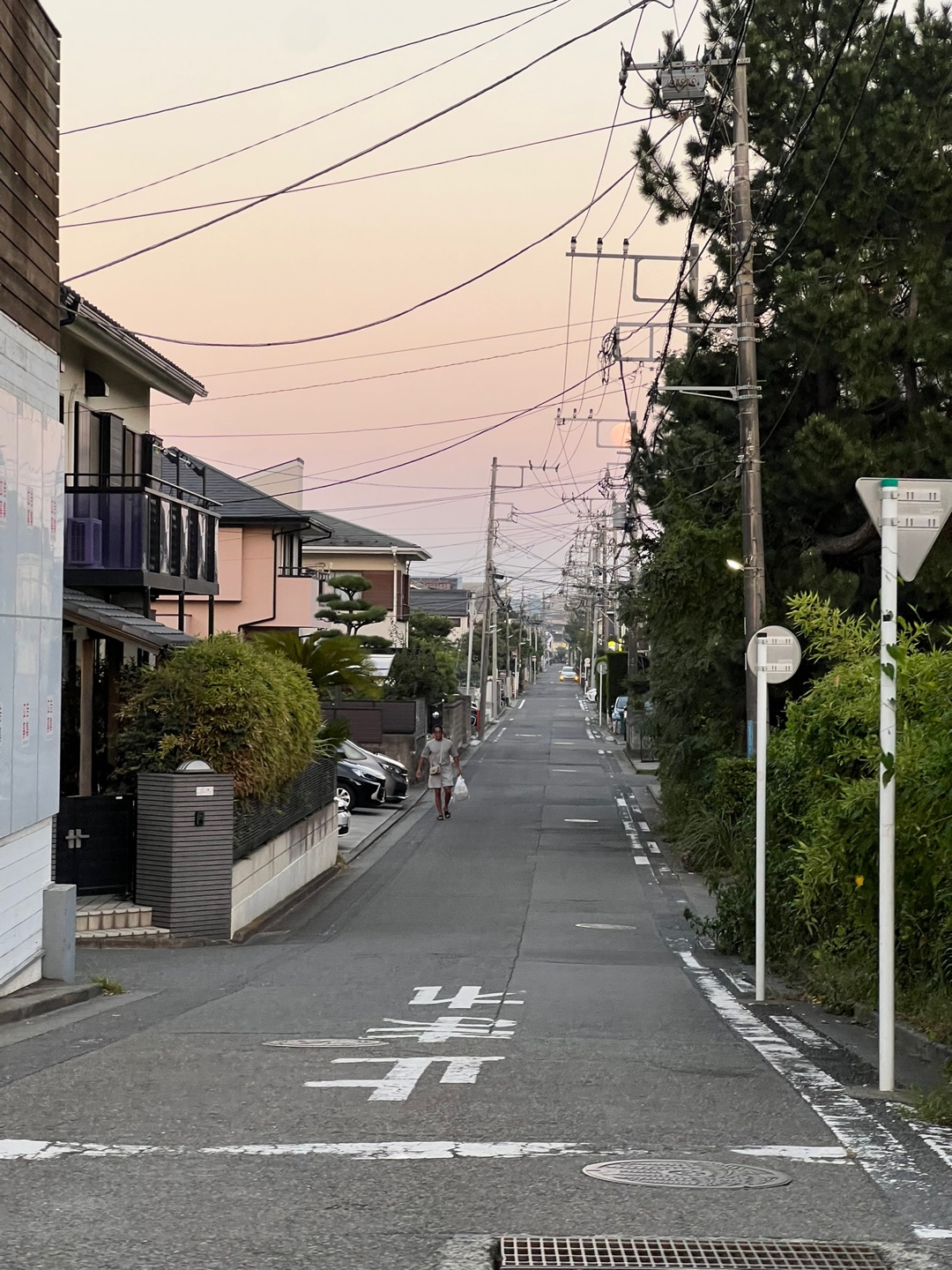
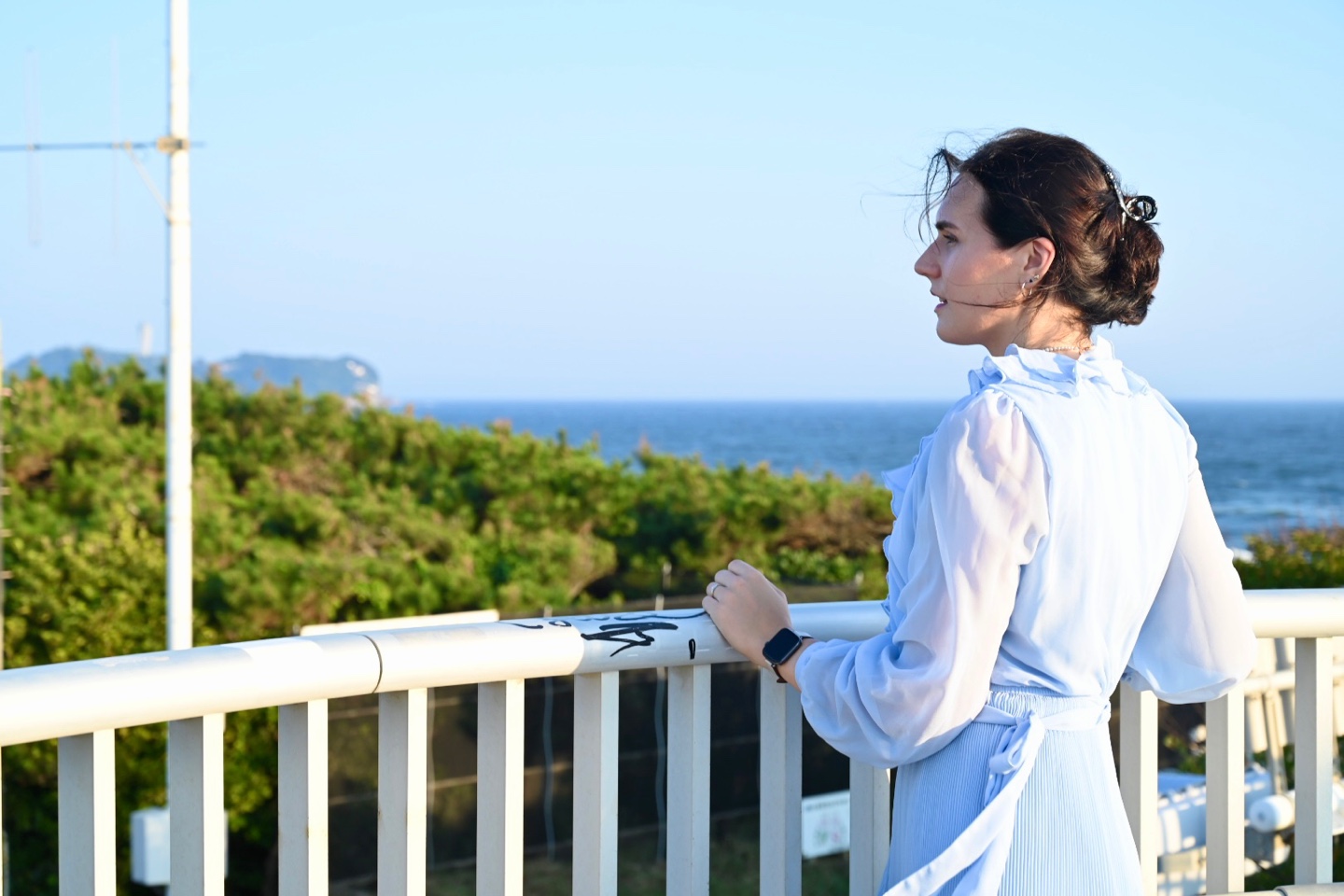
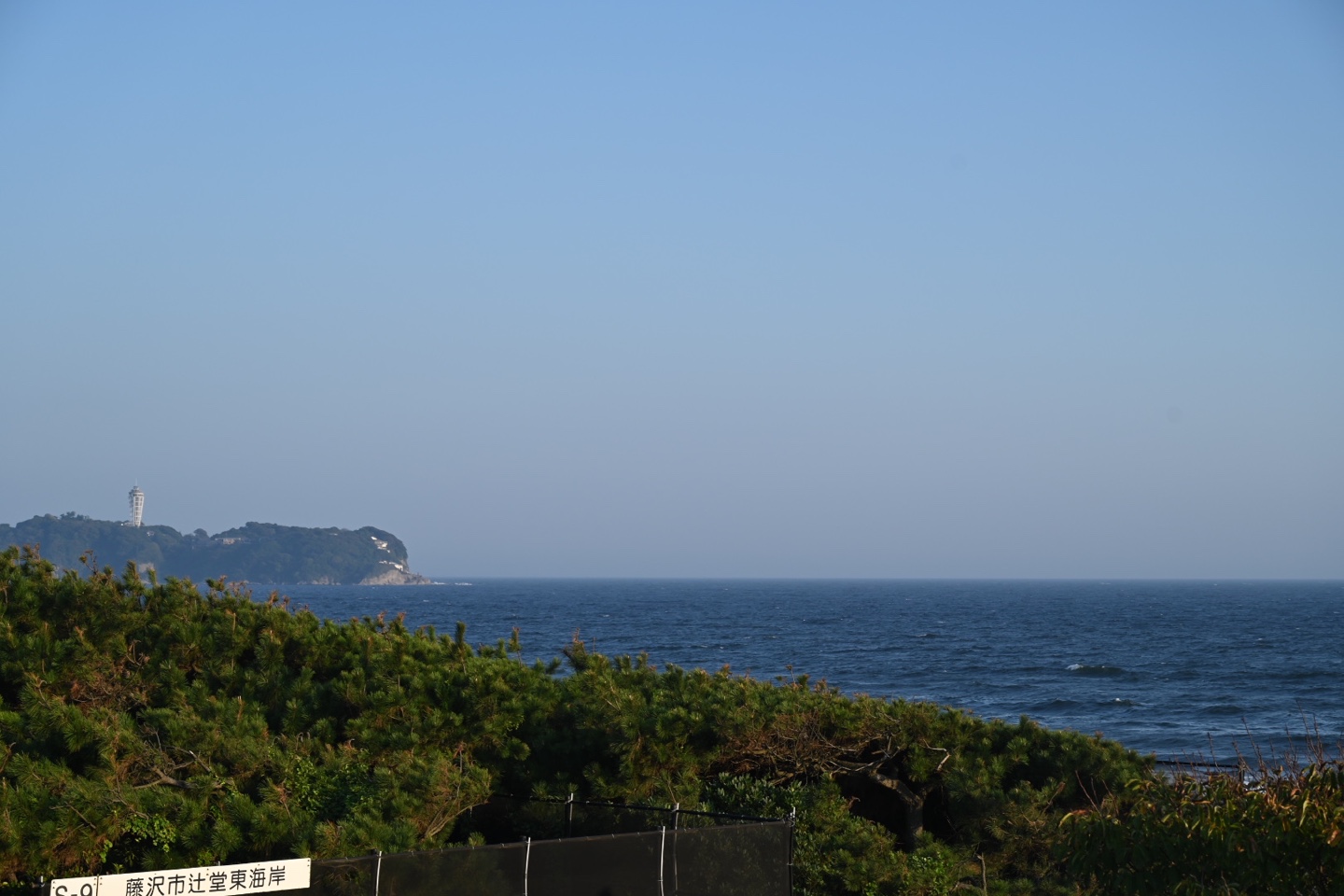
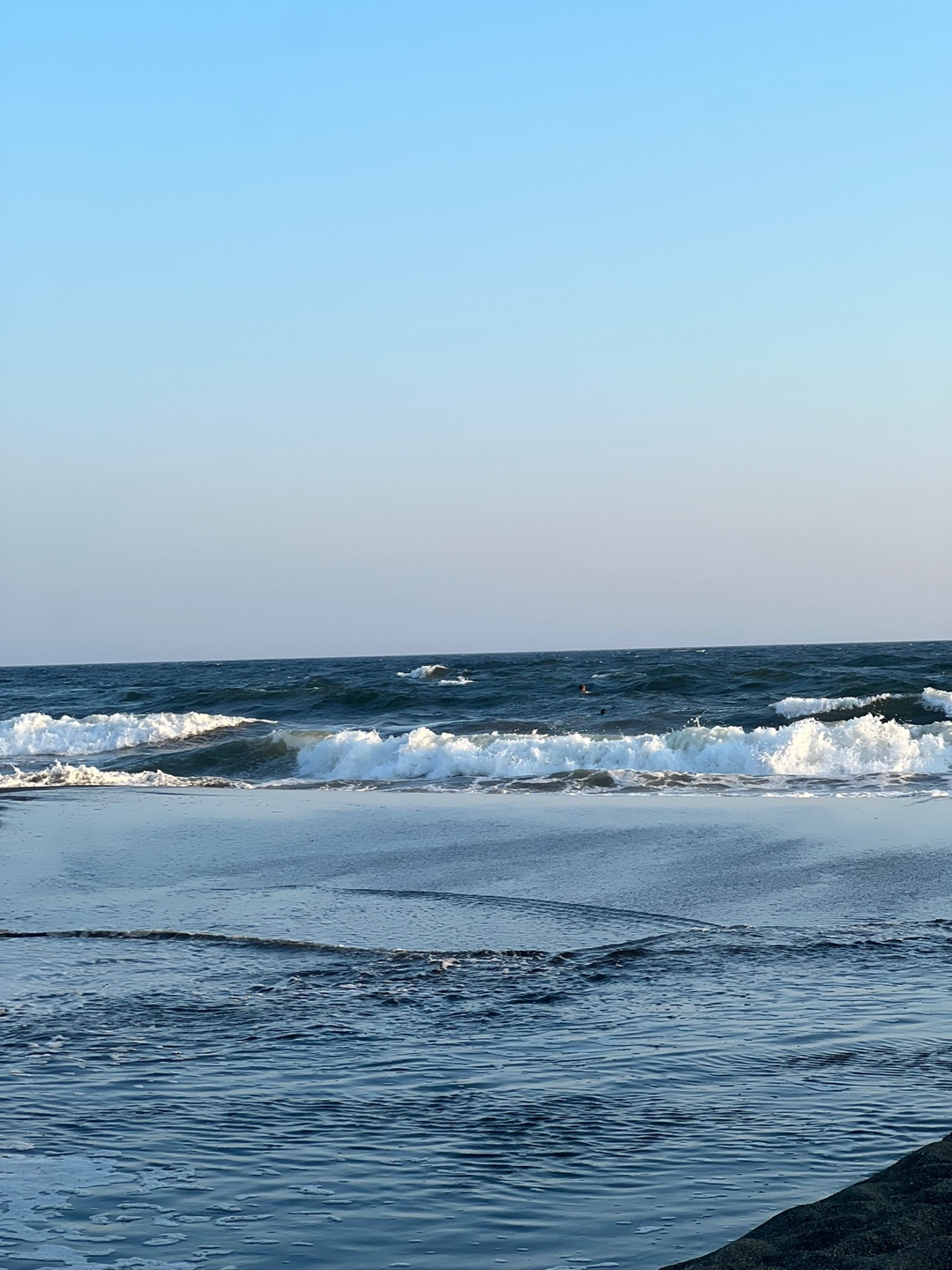
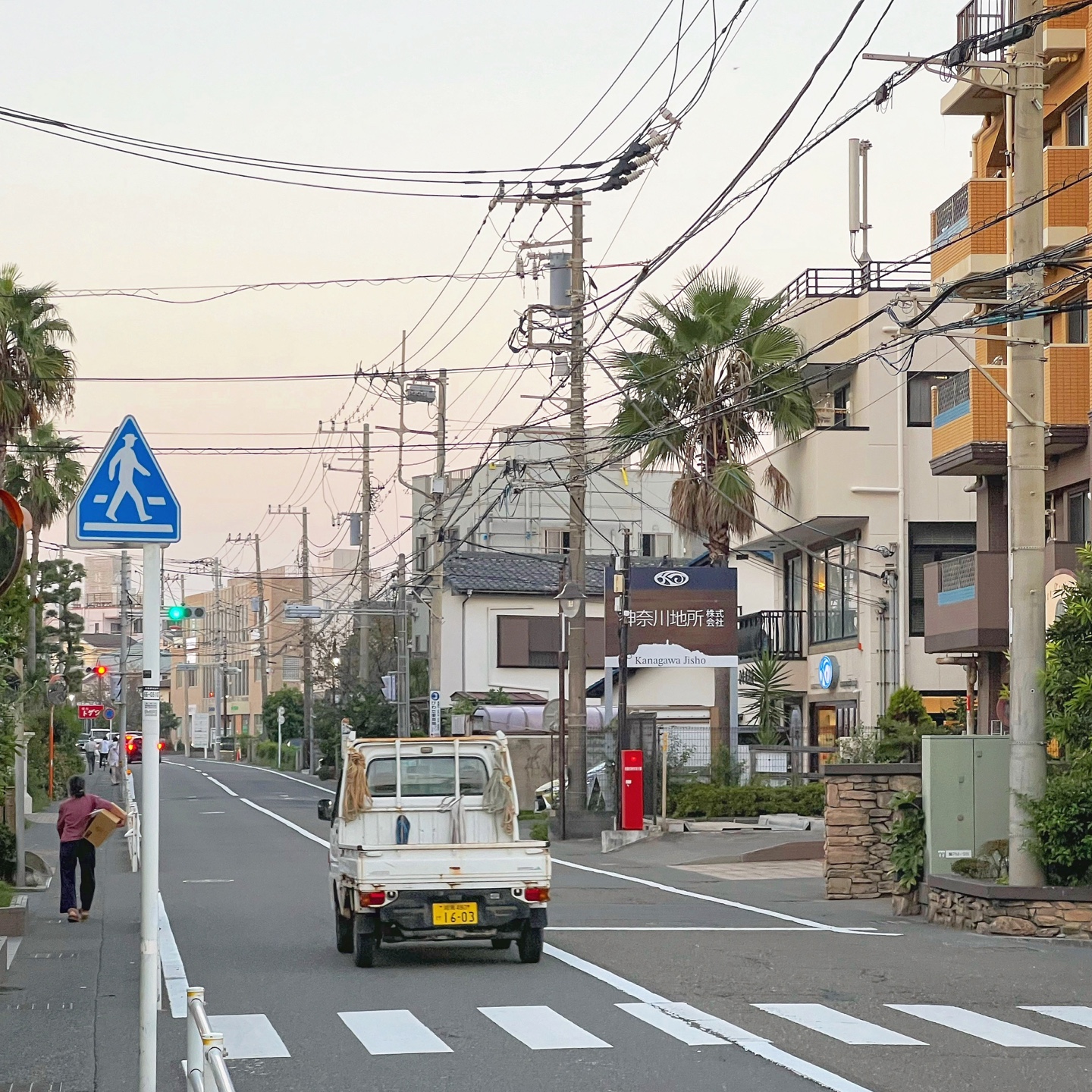
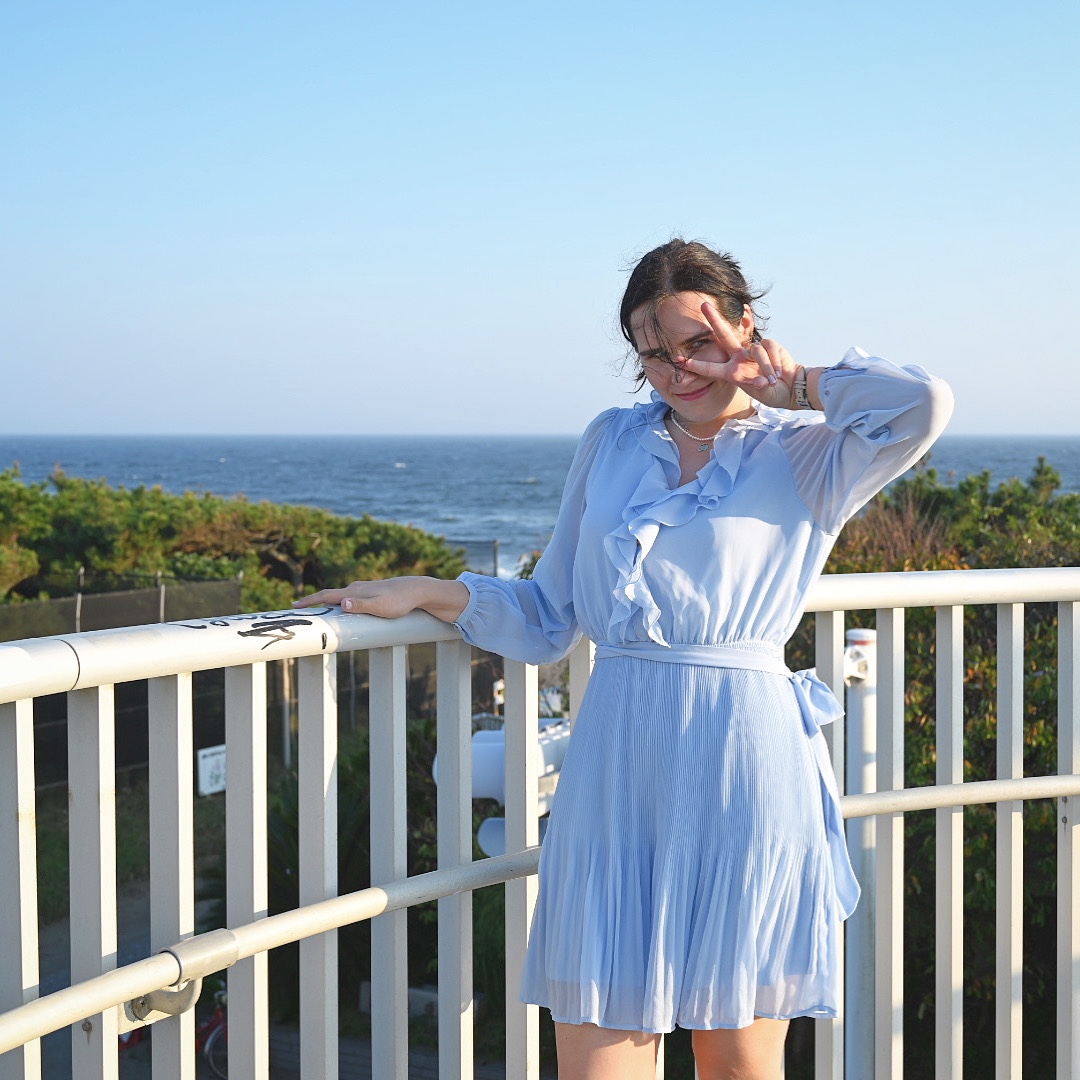
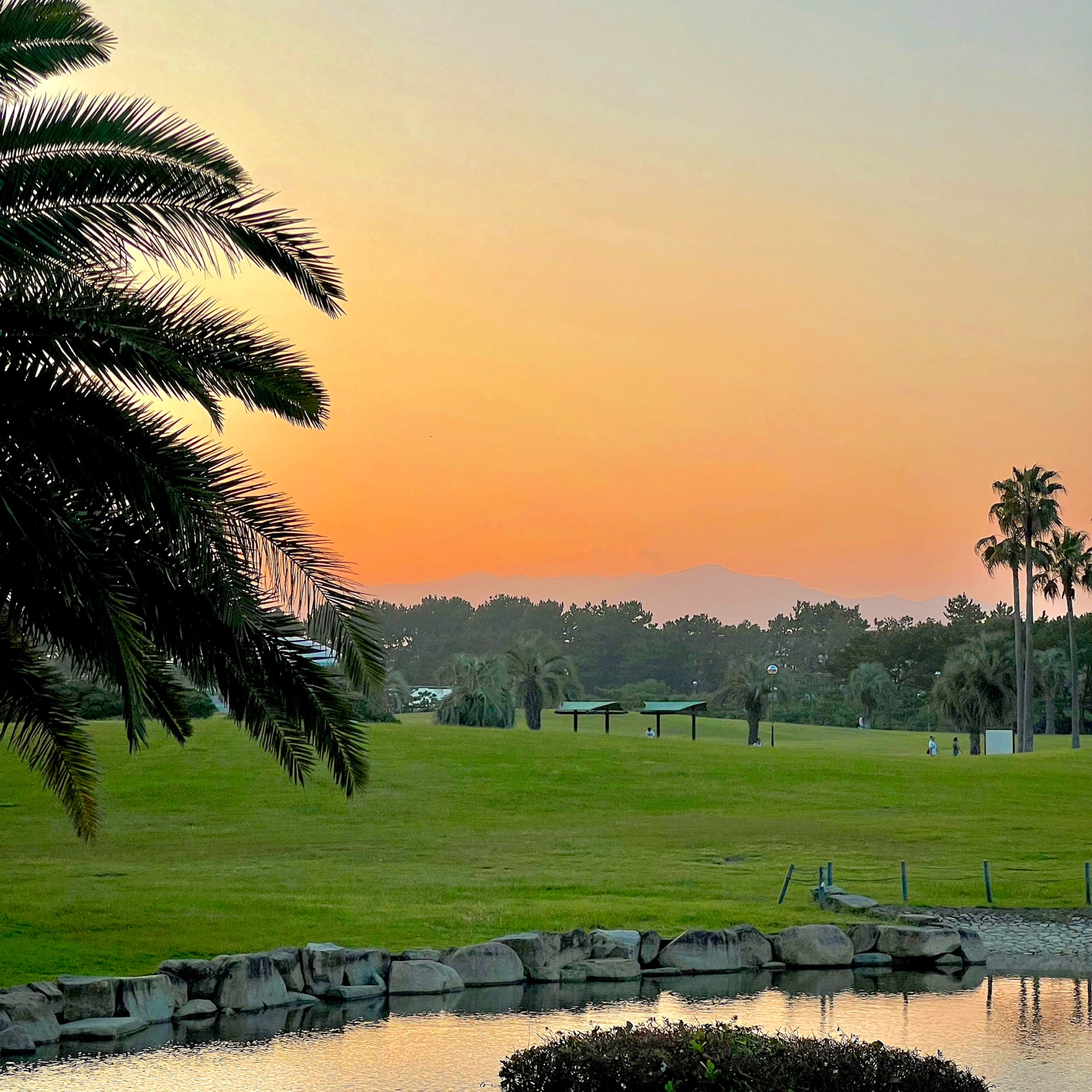
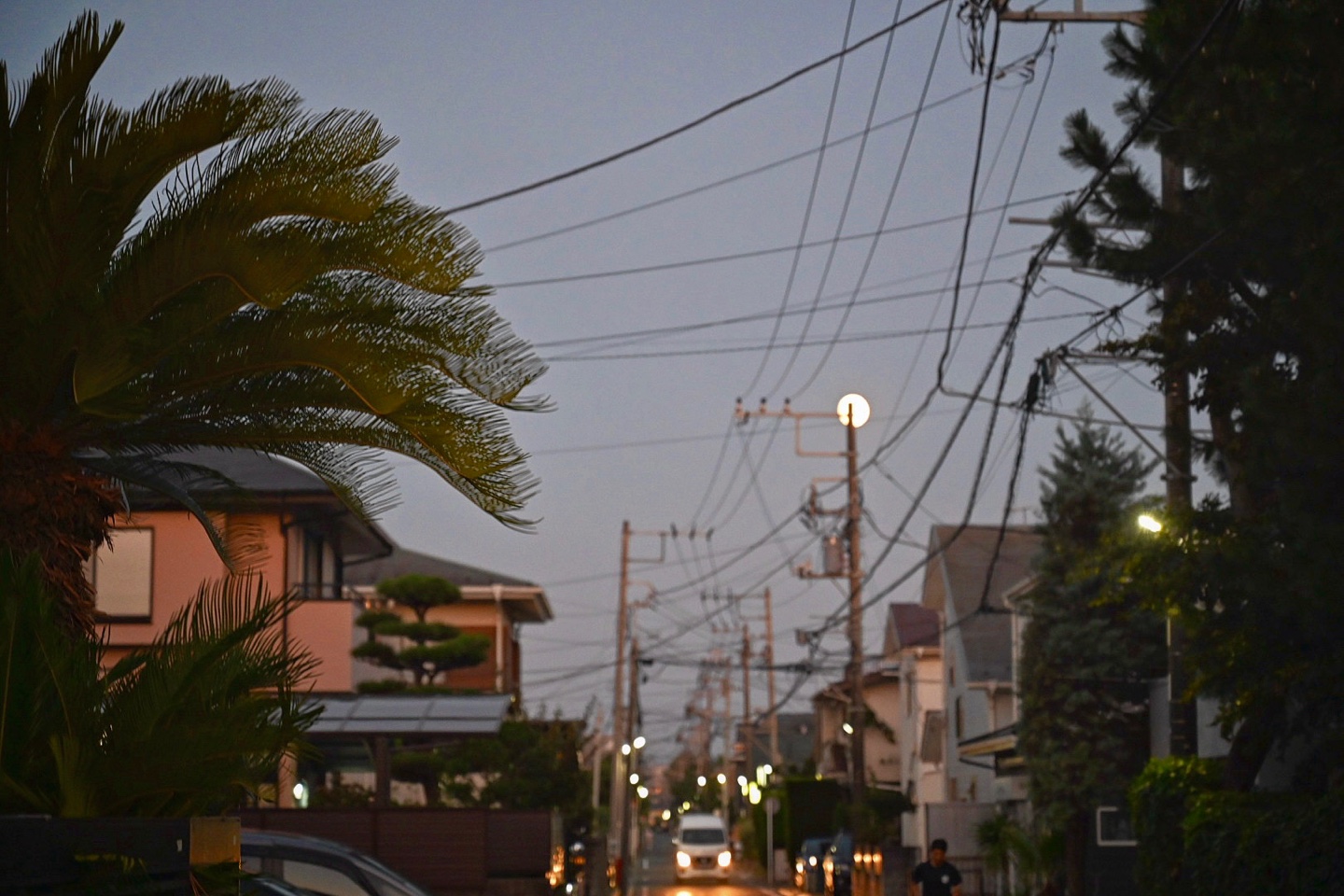
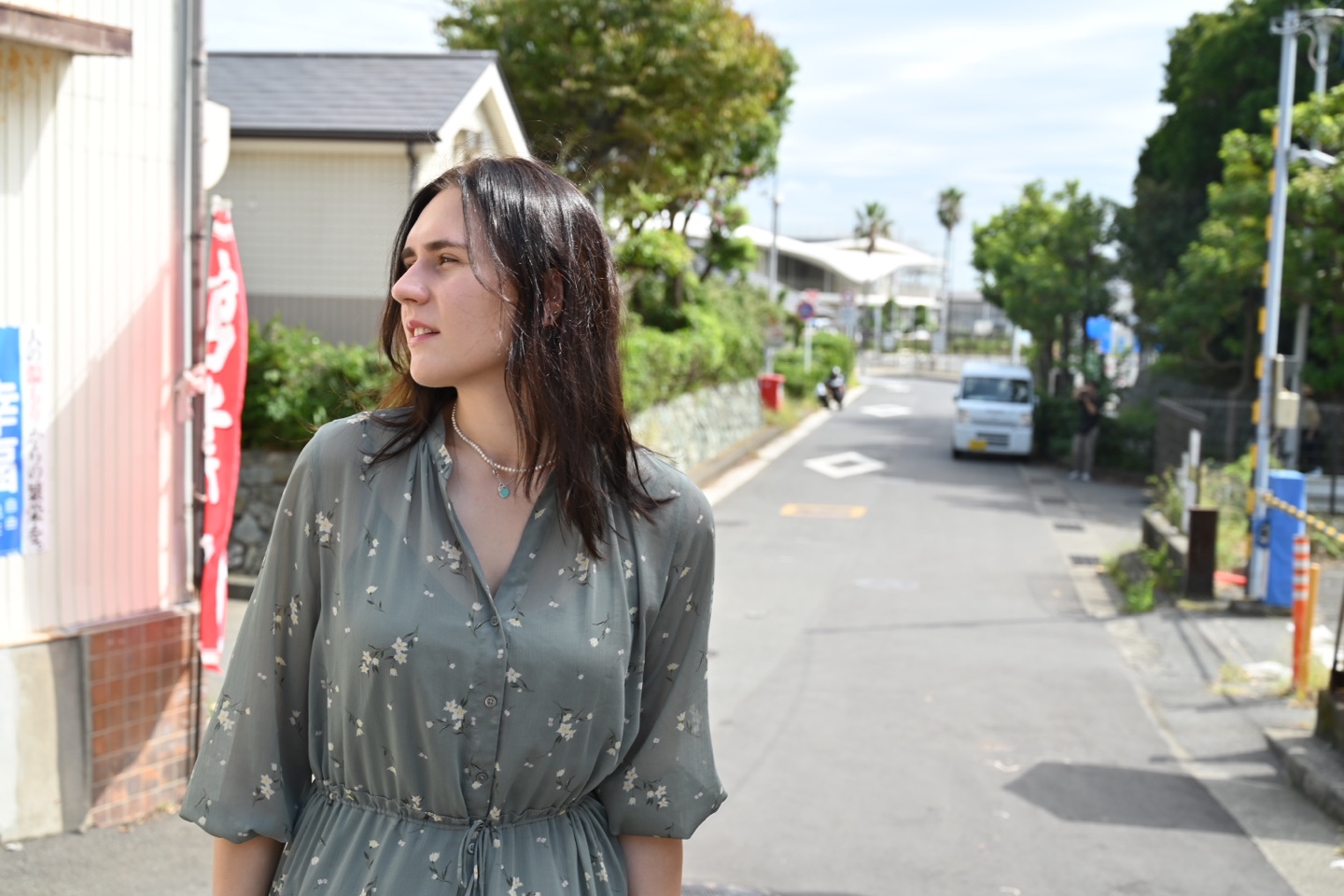
Once we arrived, we enjoyed a leisurely stroll through the town and had a delightful chat into the evening. It was the perfect way to unwind after the excitement of Tokyo.
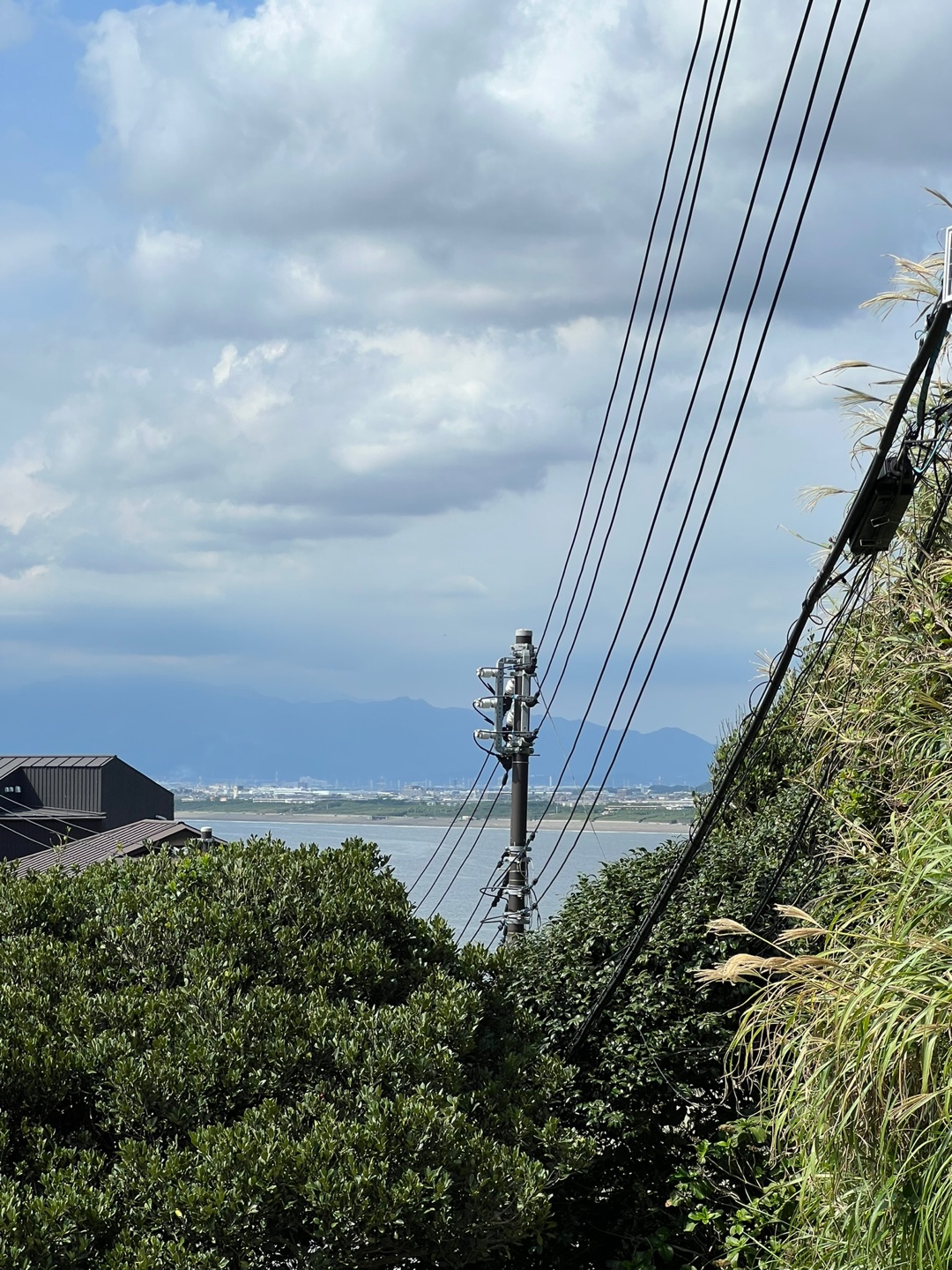
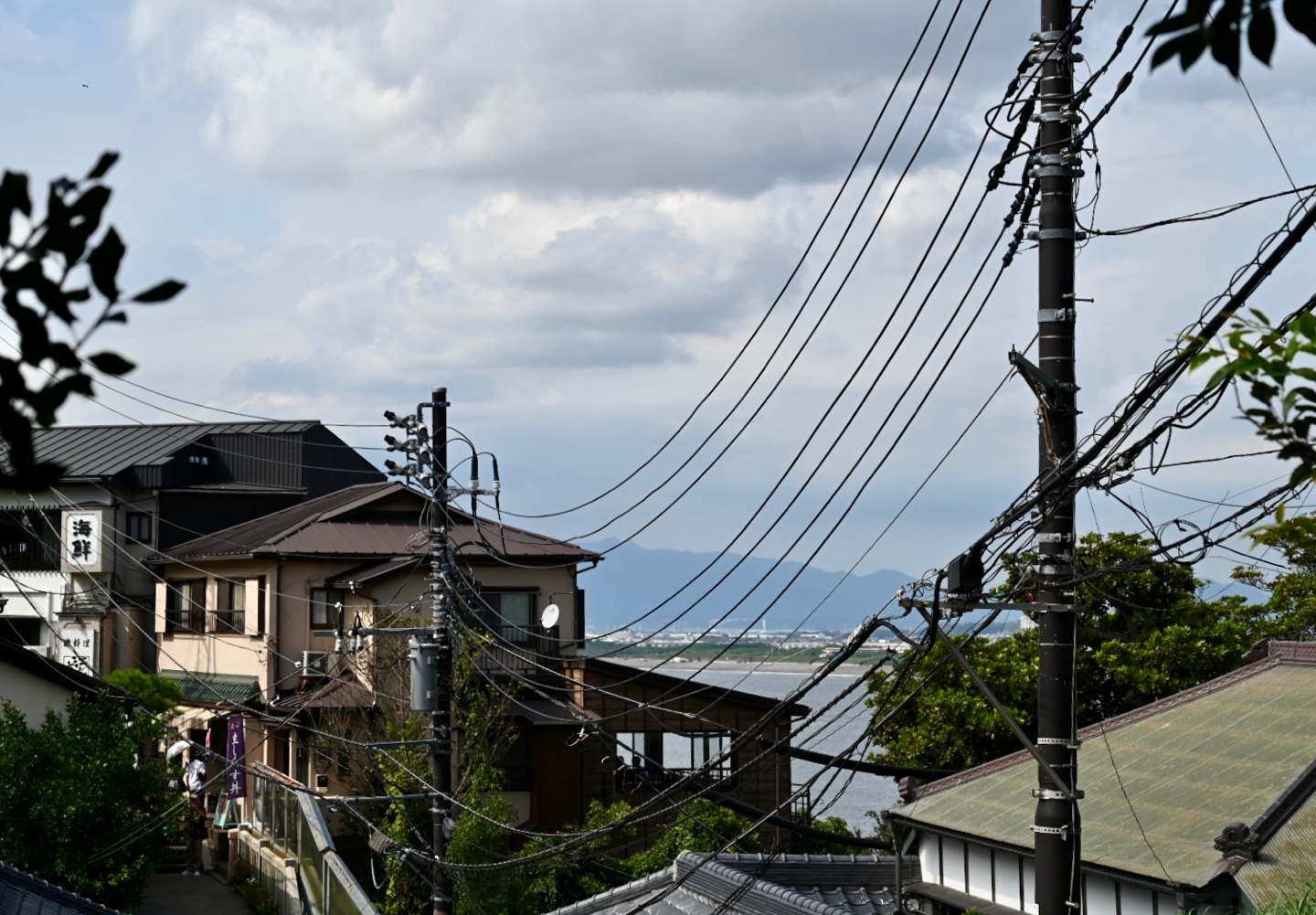
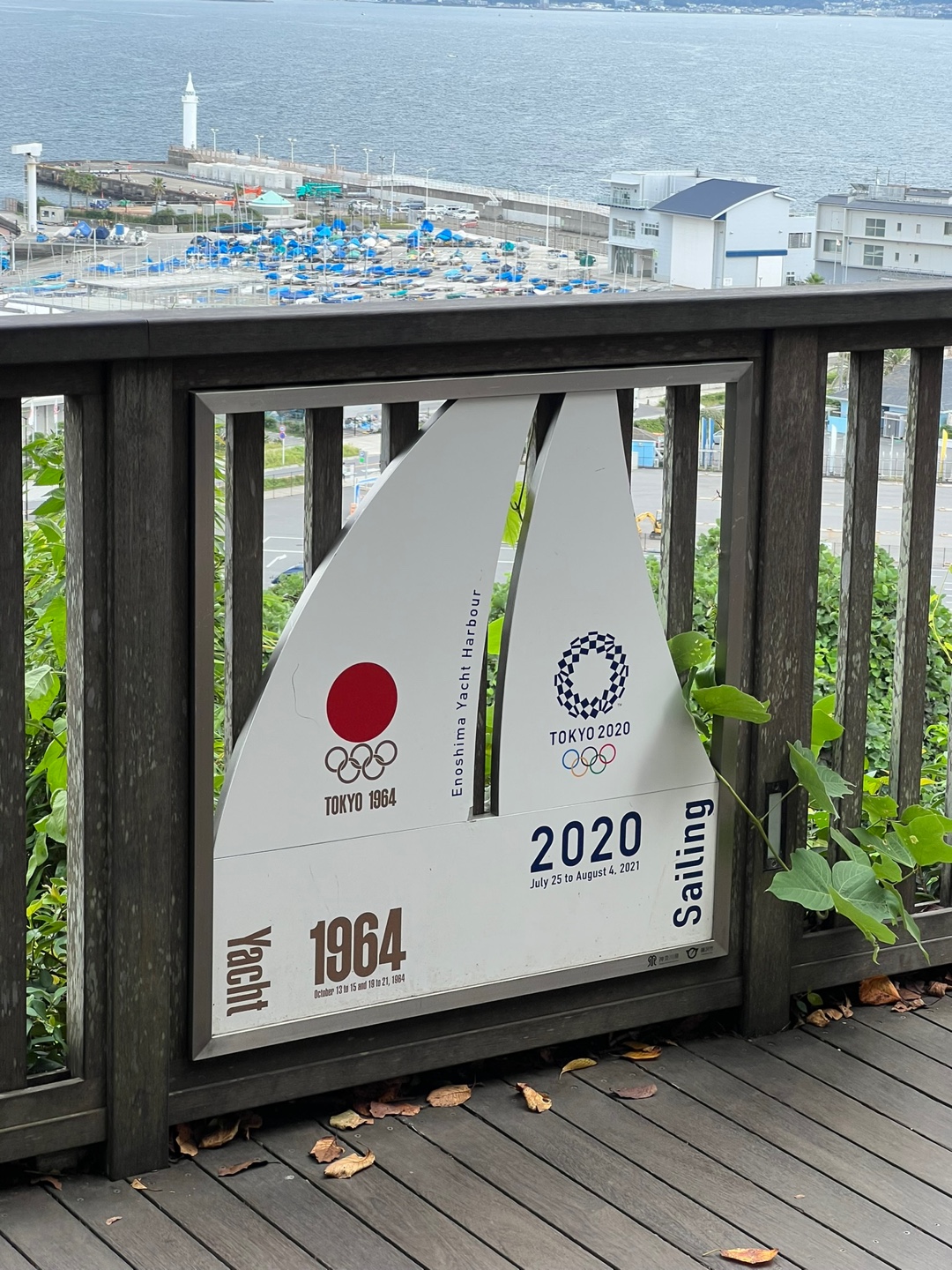
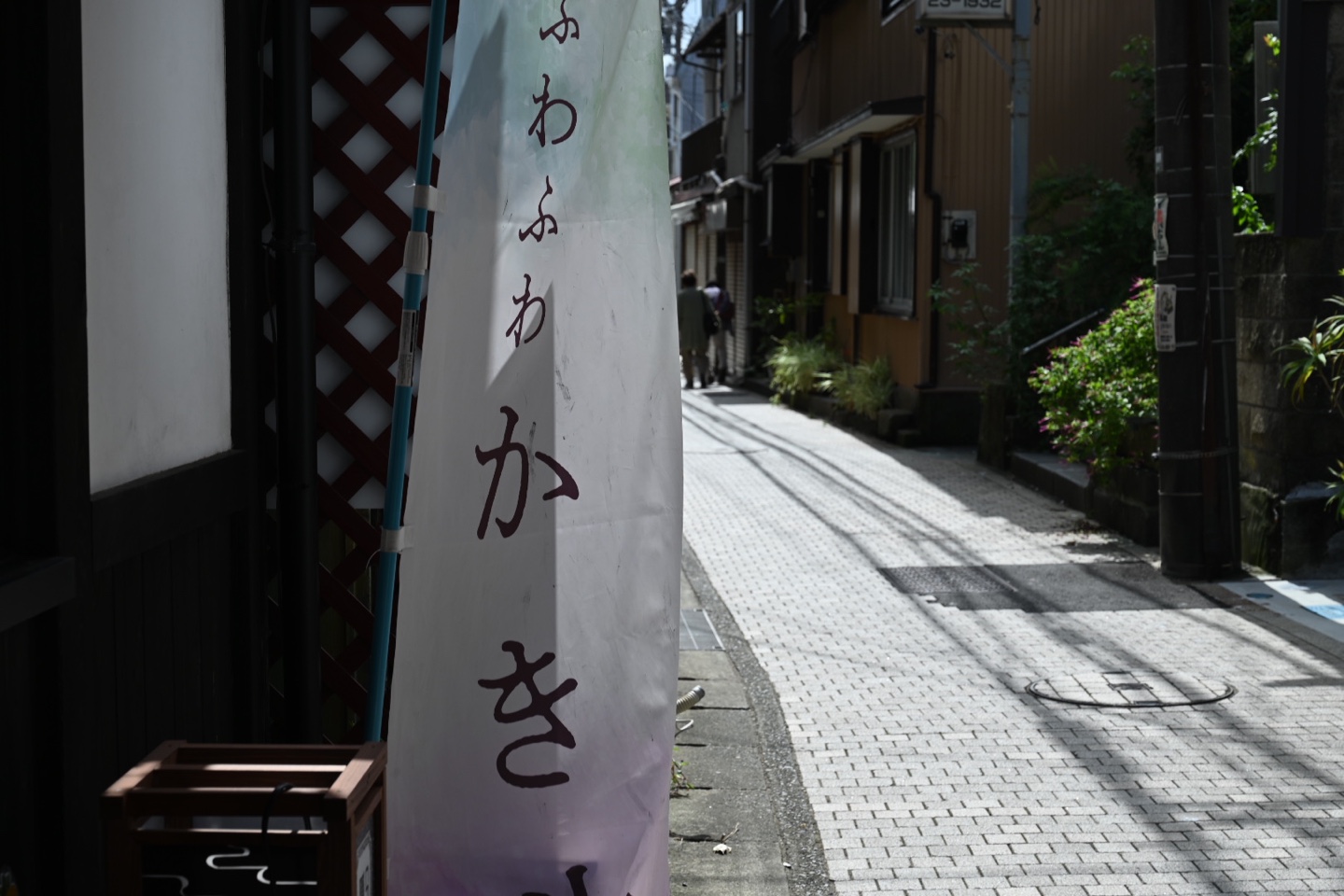
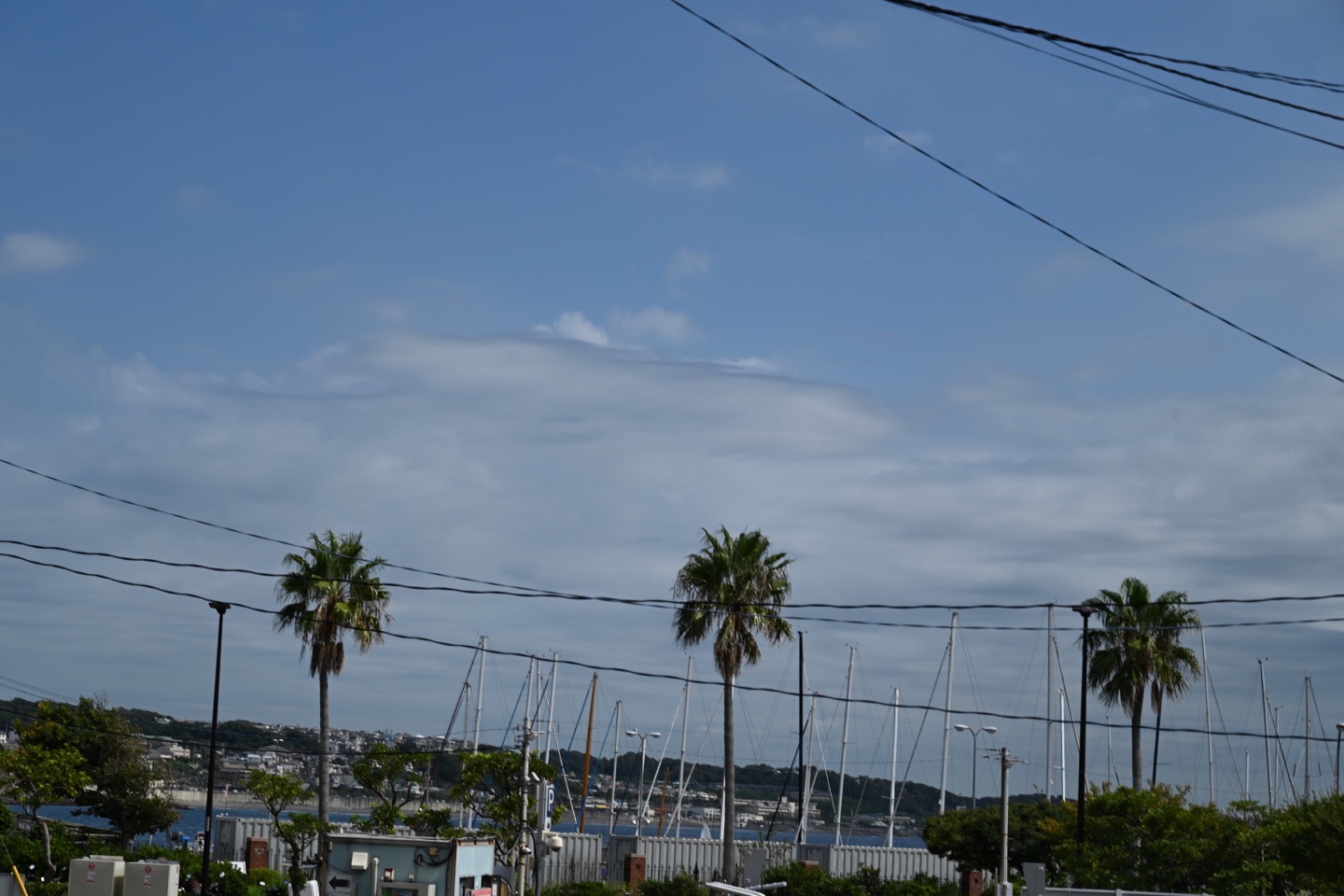
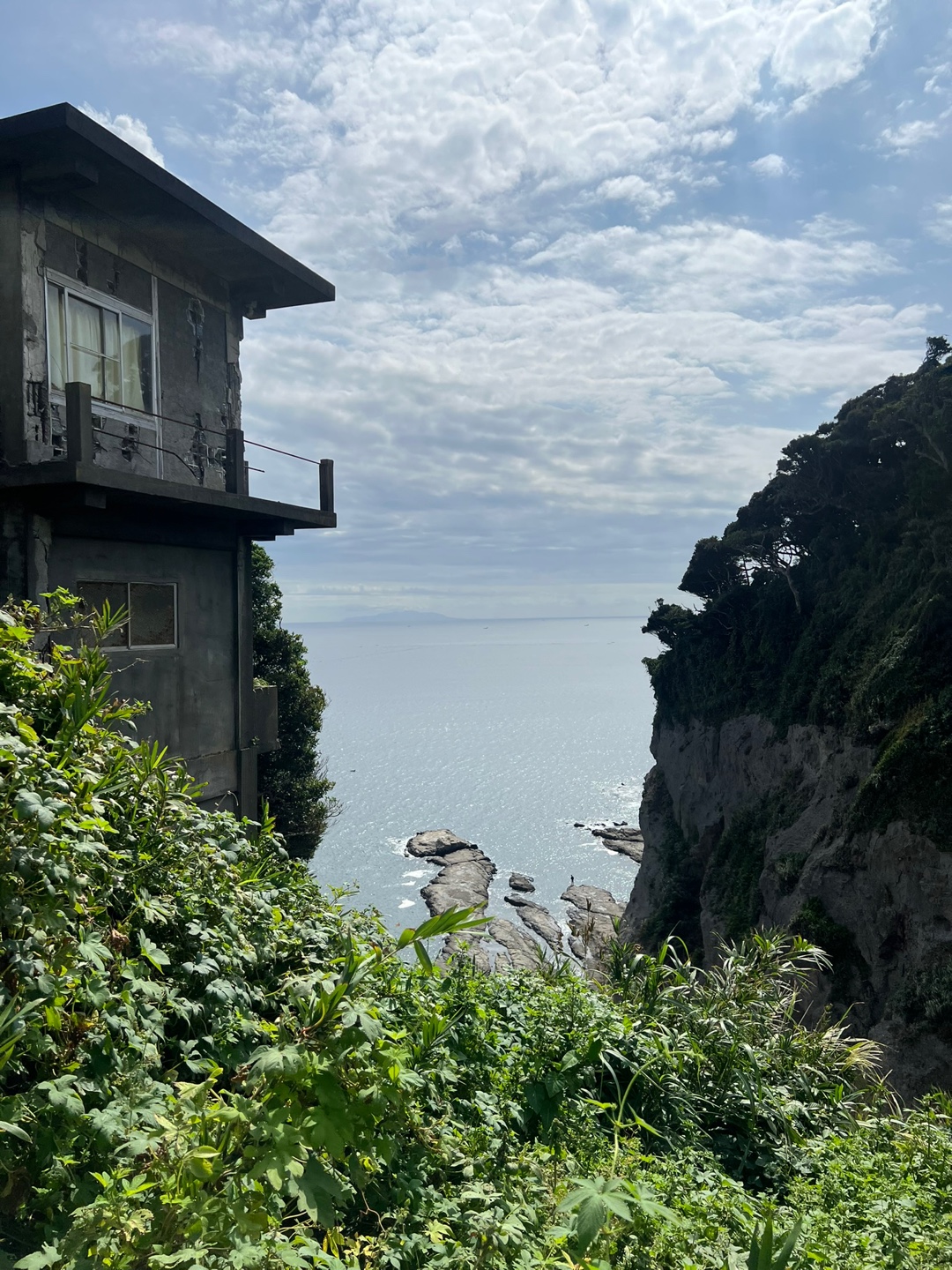
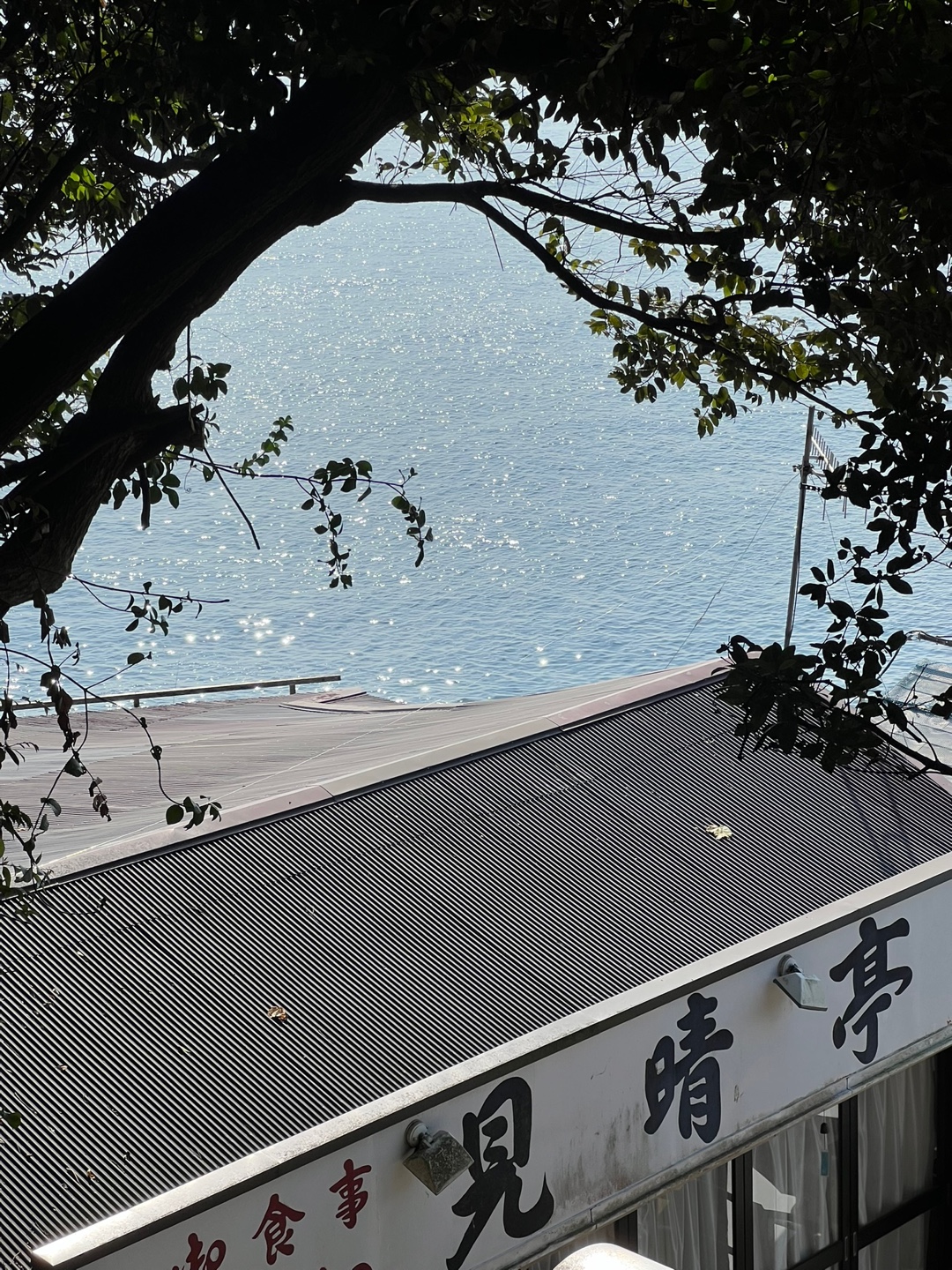
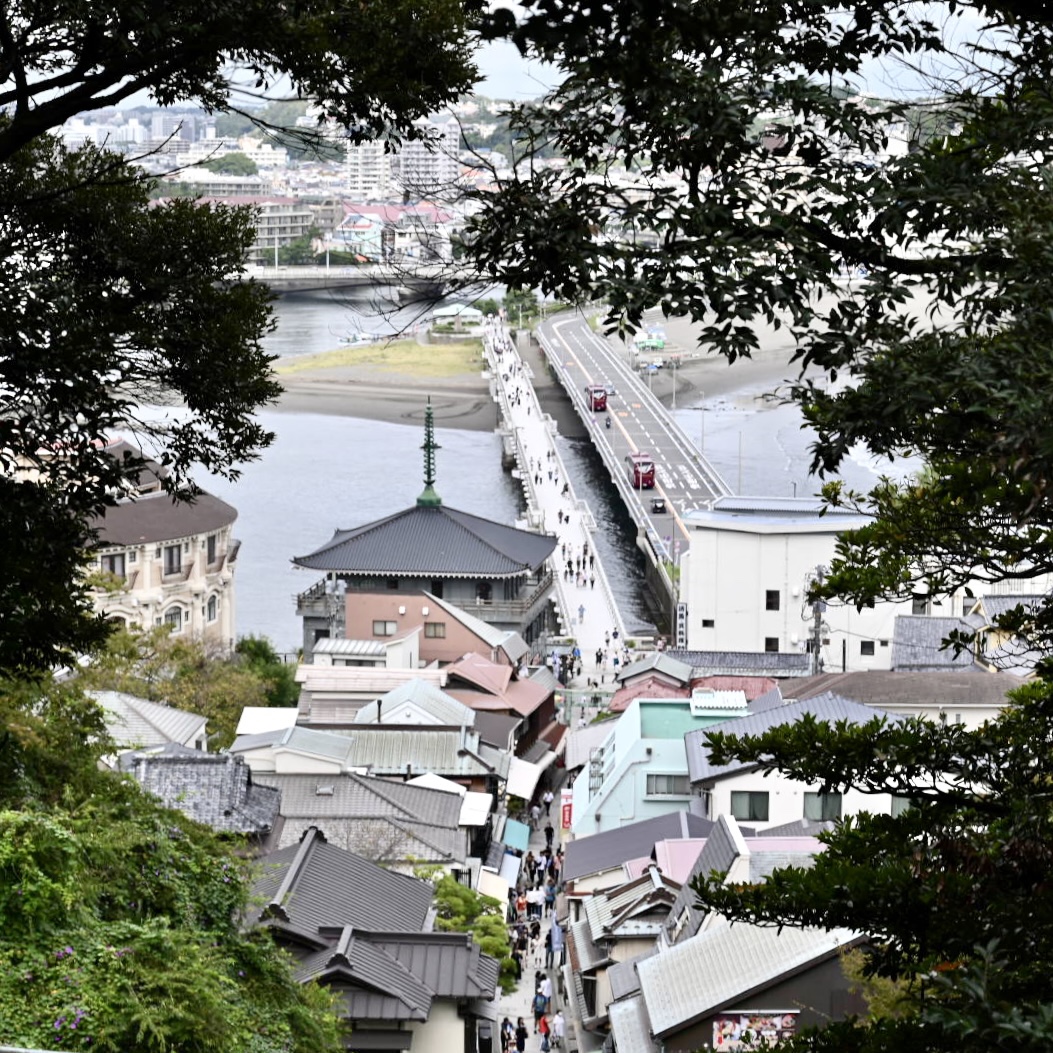
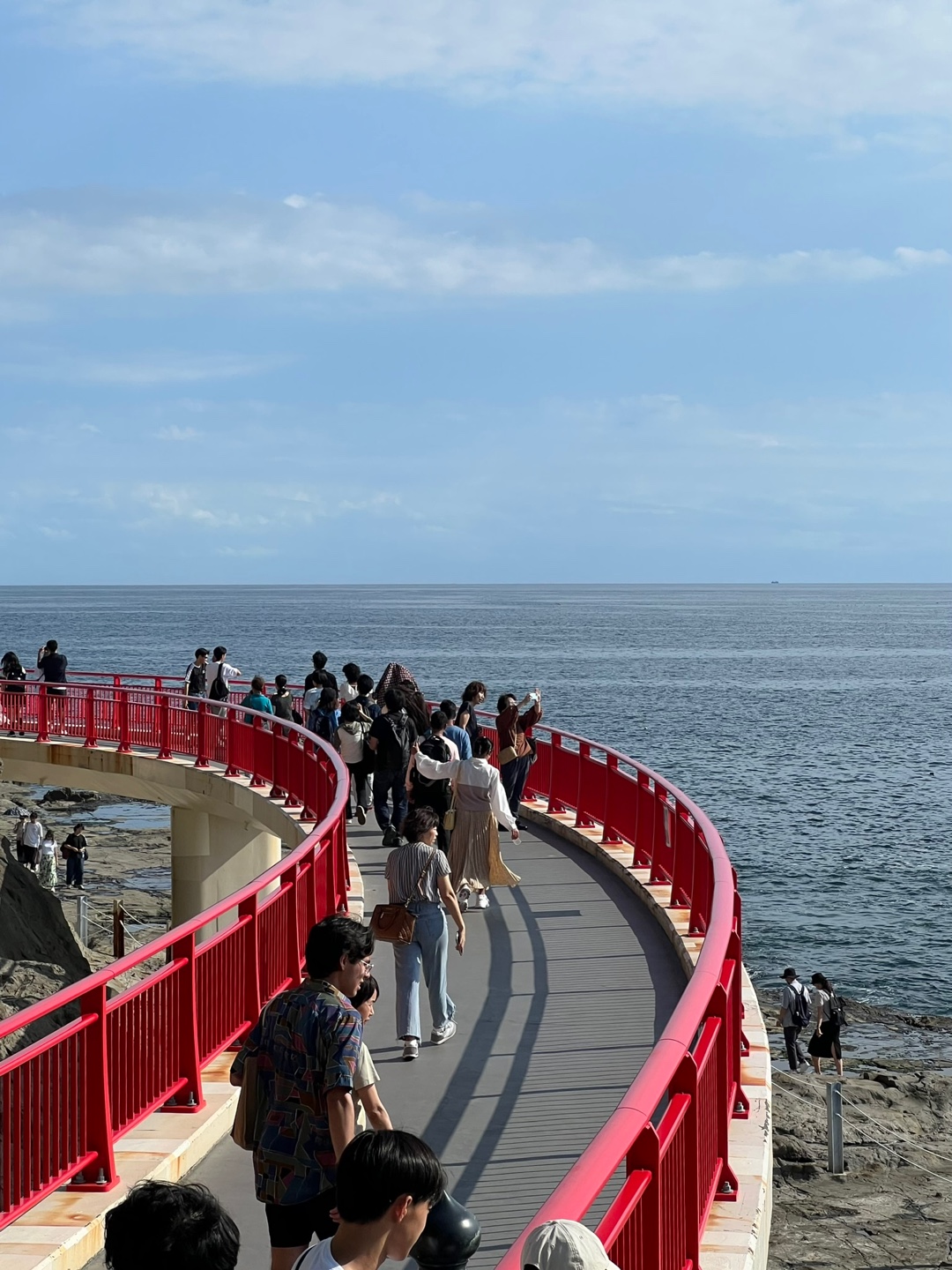
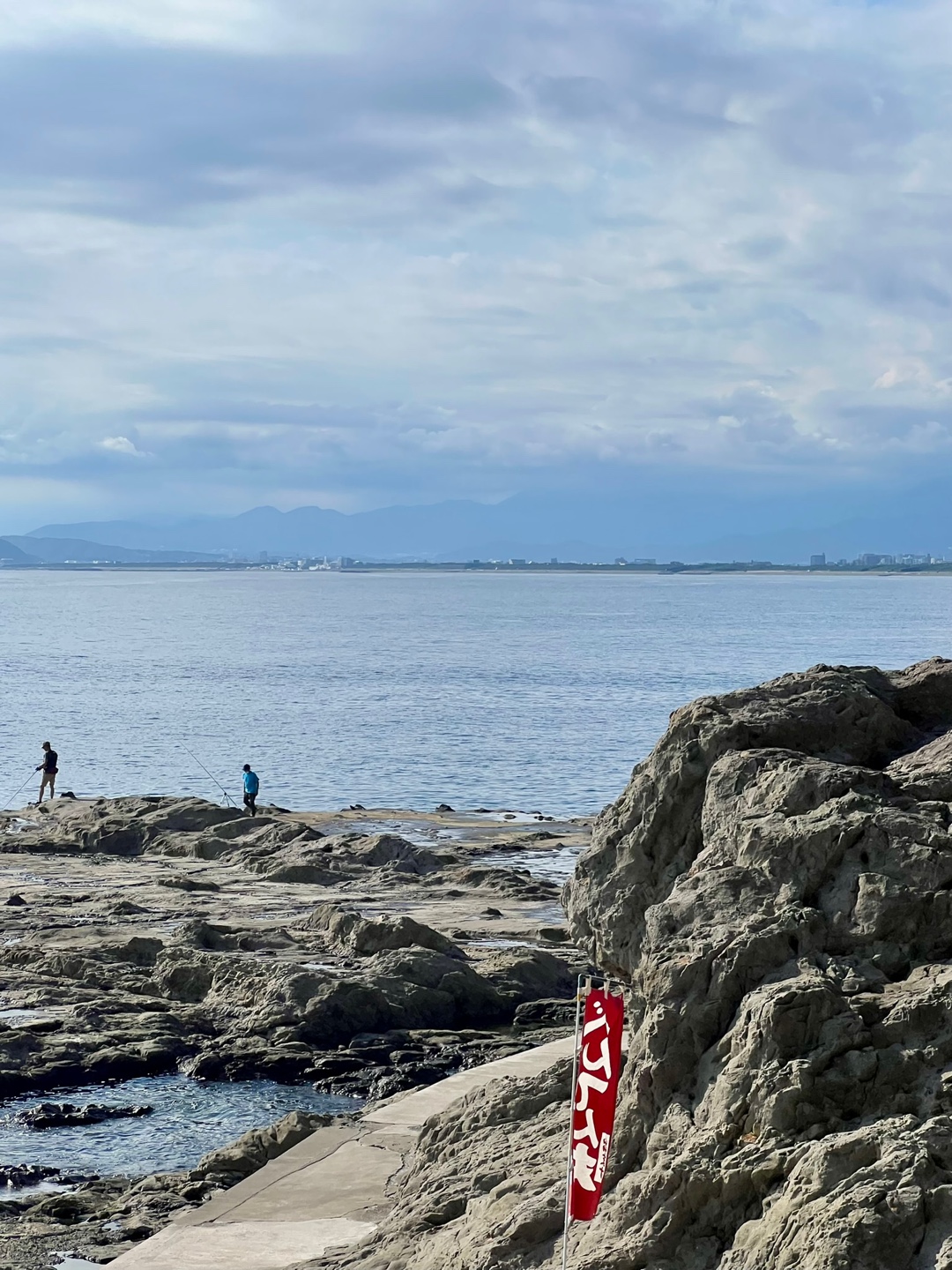
The next morning, we drove to a nearby island called Inoshima Island. Enoshima (江の島) is a picturesque offshore island located at the mouth of the Katase River, which flows into Sagami Bay in Kanagawa Prefecture, Japan. Measuring about 4 km in circumference, Enoshima is connected to the city of Fujisawa by a 389-meter bridge. Enoshima is one of the closest seaside destinations to Tokyo and Yokohama. The island and its surrounding coastline are popular for their resort-like atmosphere, attracting visitors looking to enjoy the sun, sea, and local attractions.
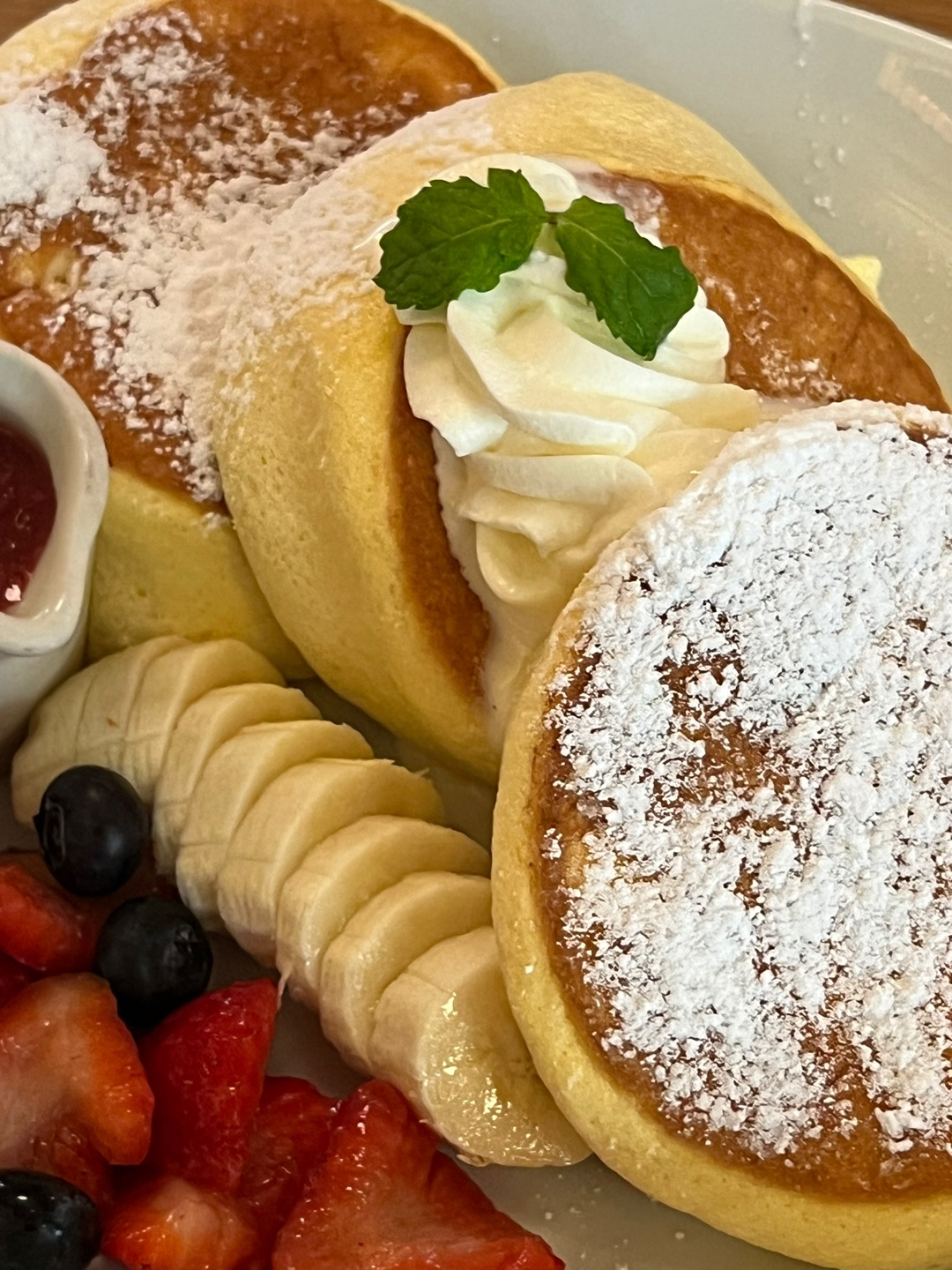
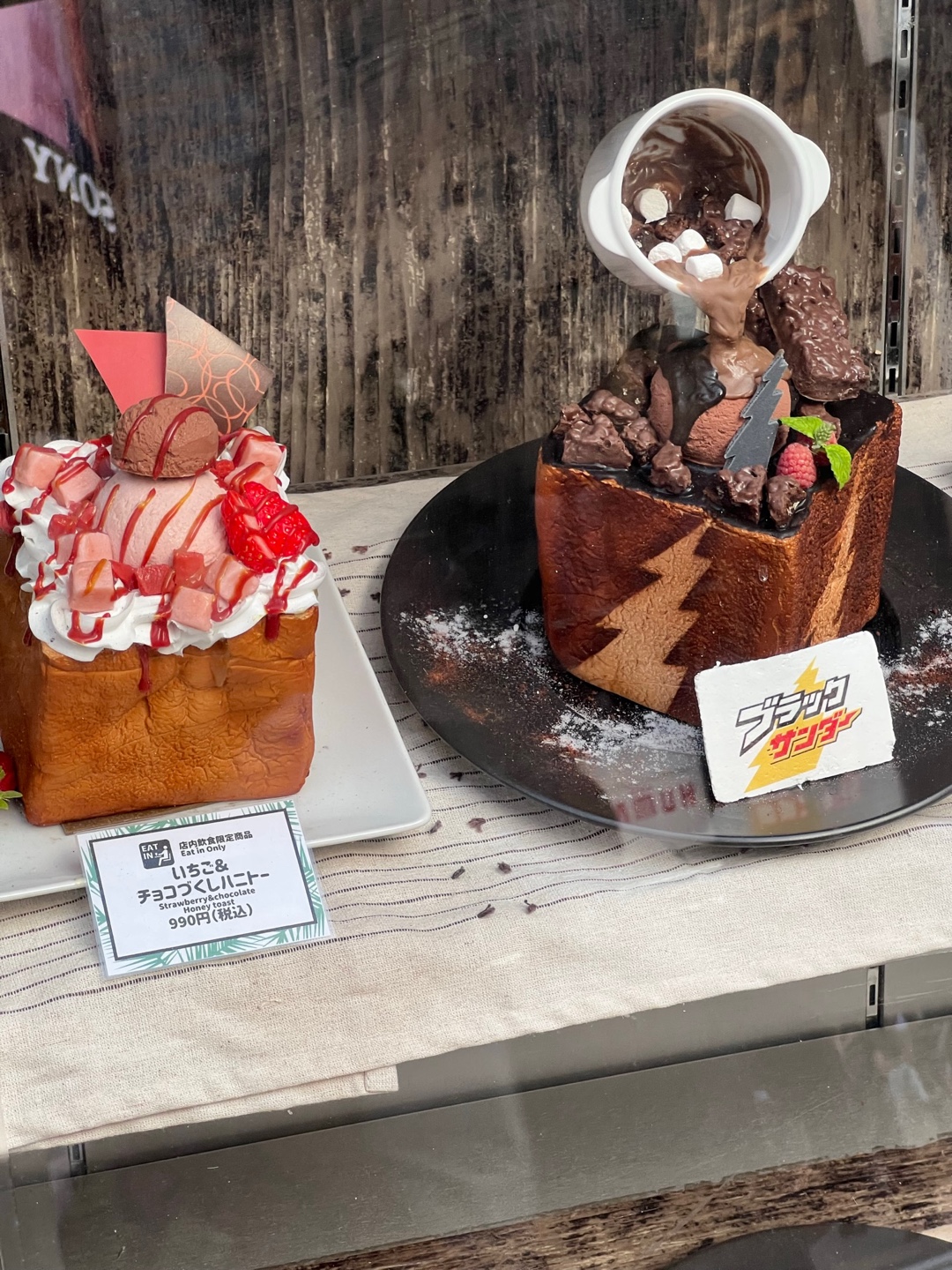
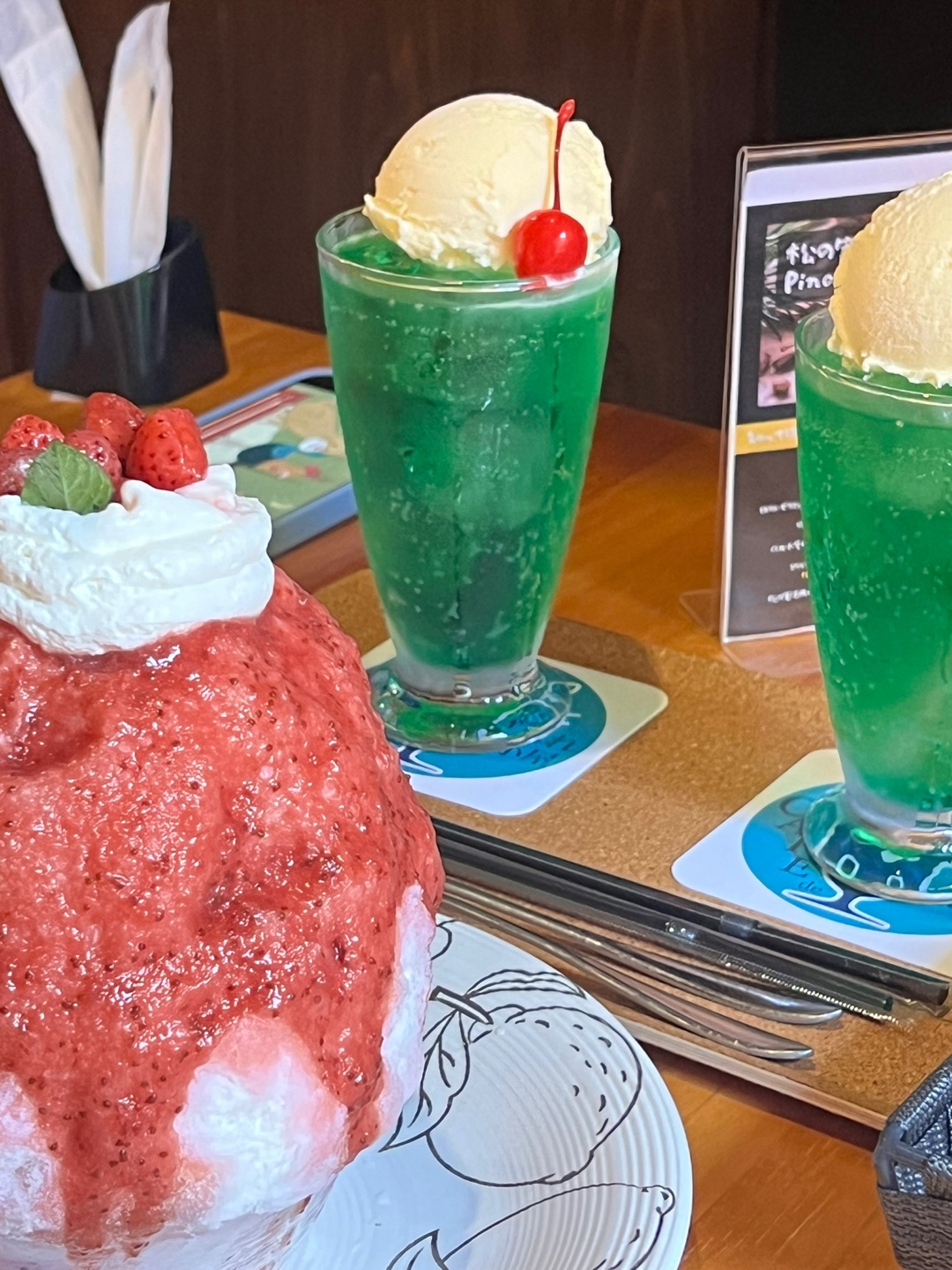
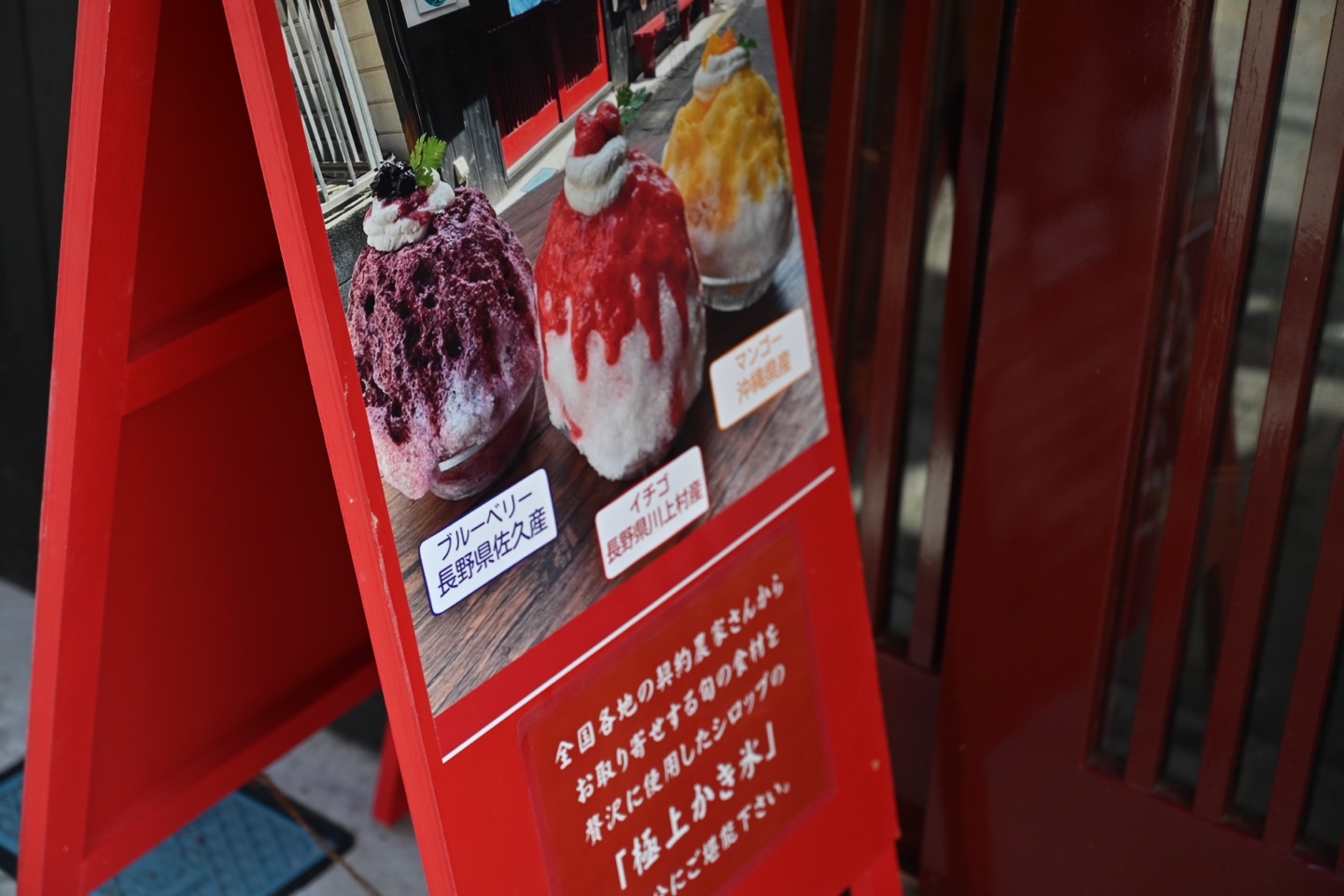
Our day on the island was filled with wonder. We hiked up to a shrine perched on a cliff, offering breathtaking views that felt nothing short of magical (yes, I know I keep using that word, but it truly fits). The island also had a quaint tourist area where we indulged in some refreshments and enjoyed a sweet dessert.
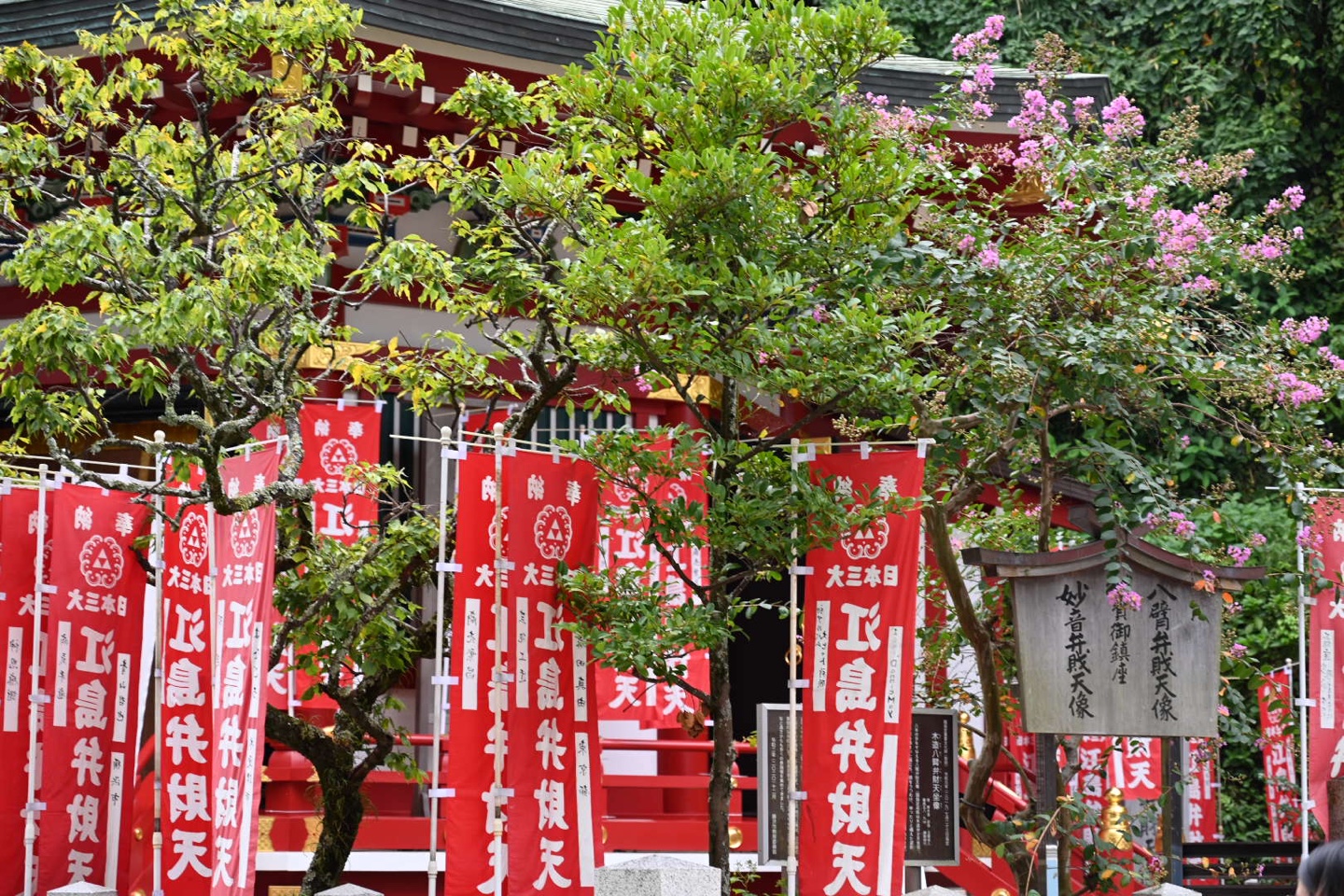
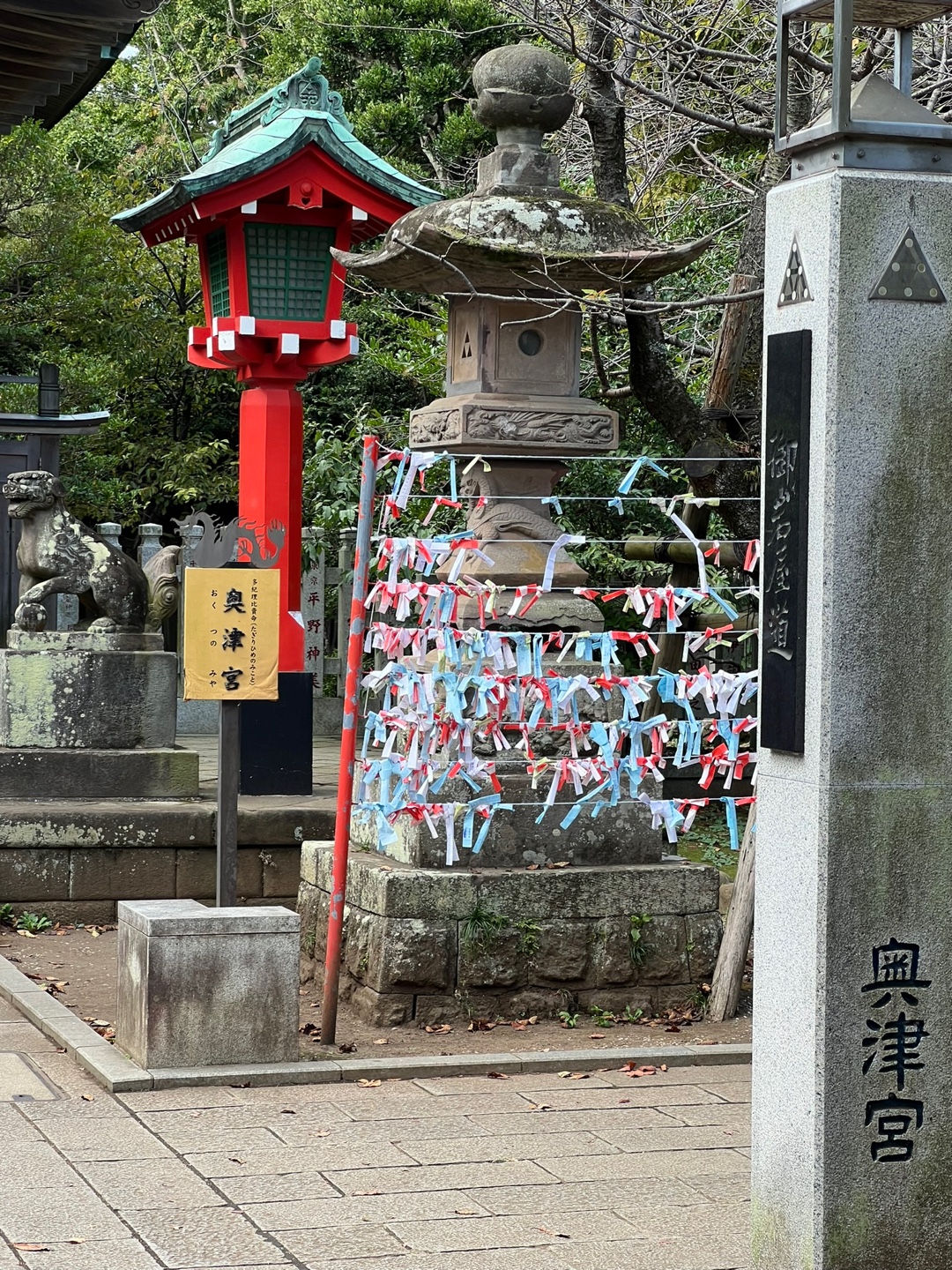
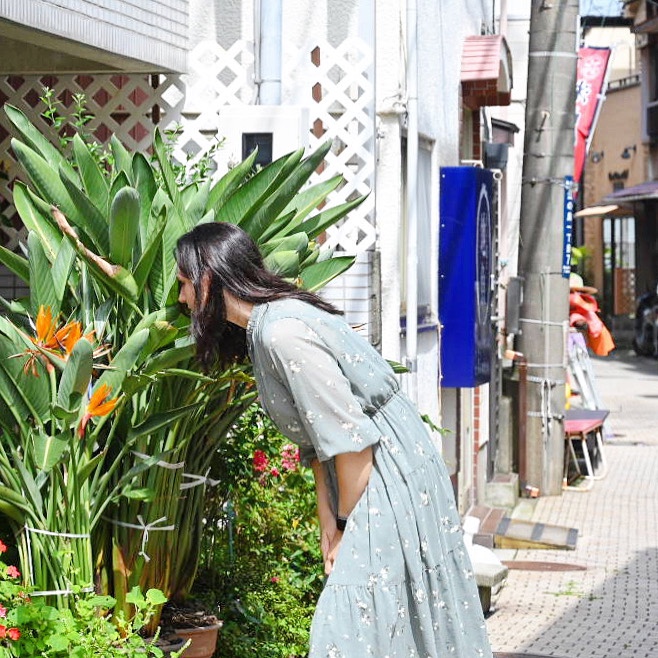
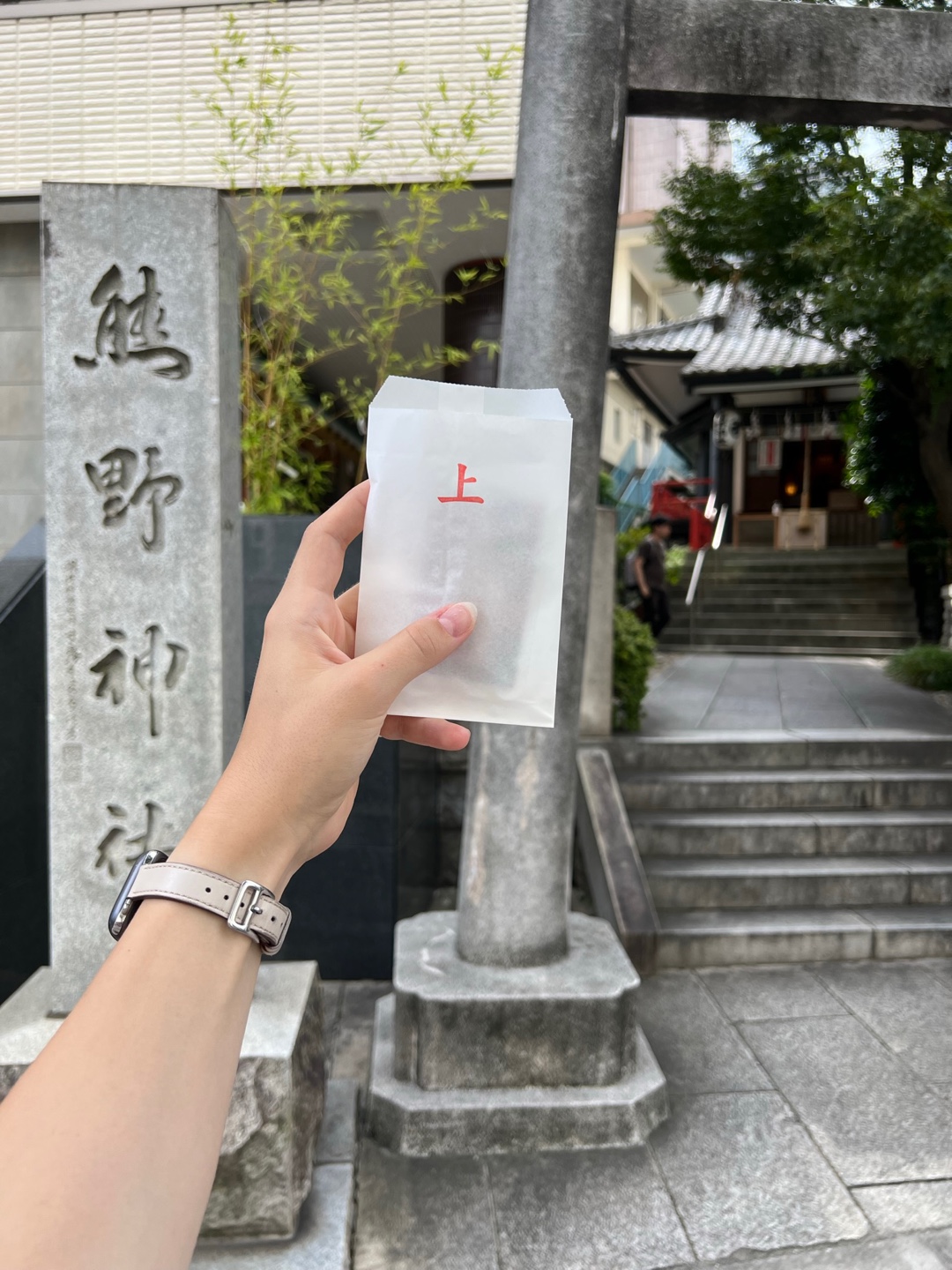
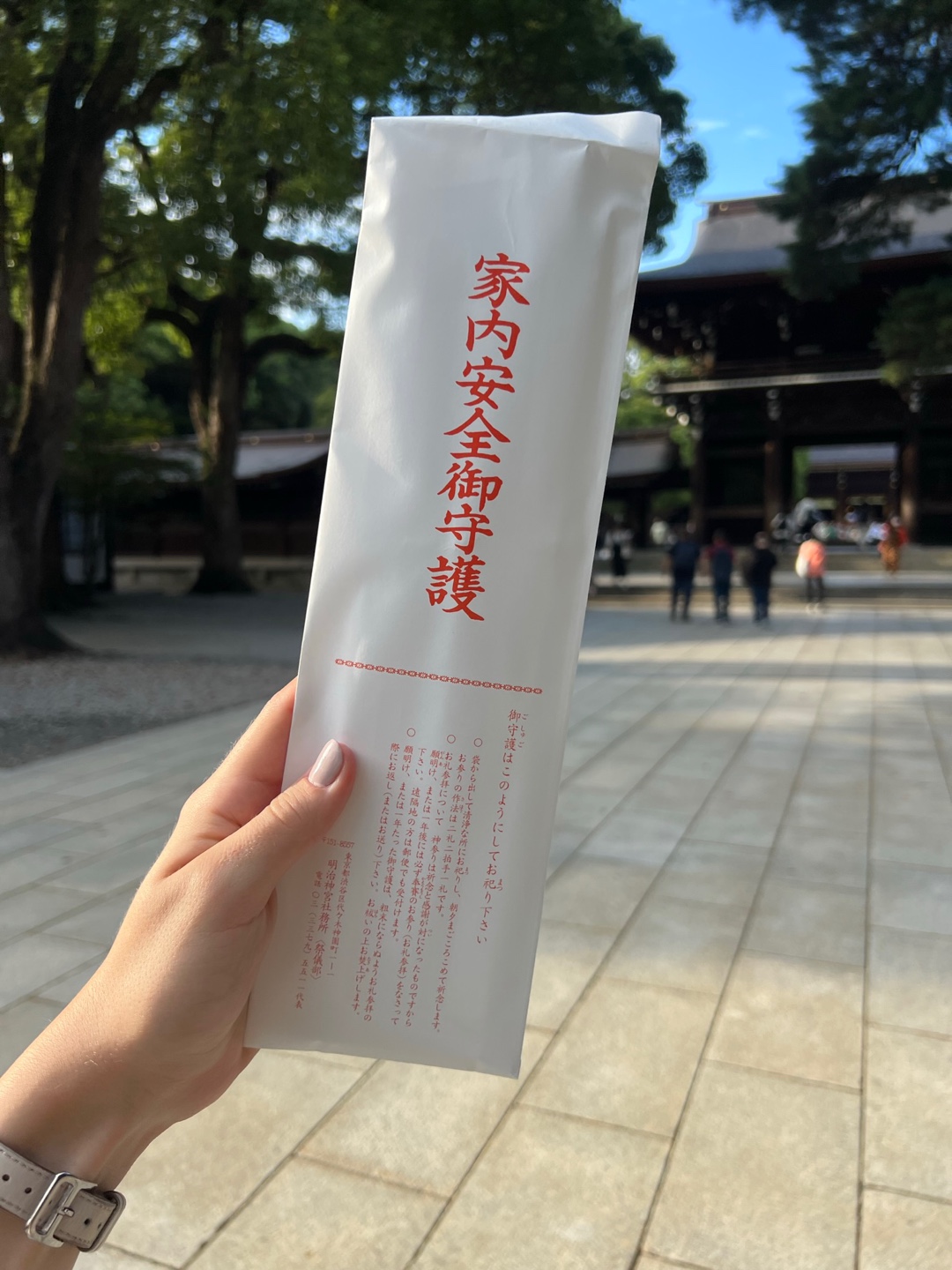
One of the highlights of the trip was picking a fortune at the shrine (or more like picking one in each shrine I went to or went by hahaah). Although I couldn’t read the fortune and even Google Translate struggled a bit, the experience itself was memorable. I still have the fortune slip tucked away in my collection box back home in Lithuania.
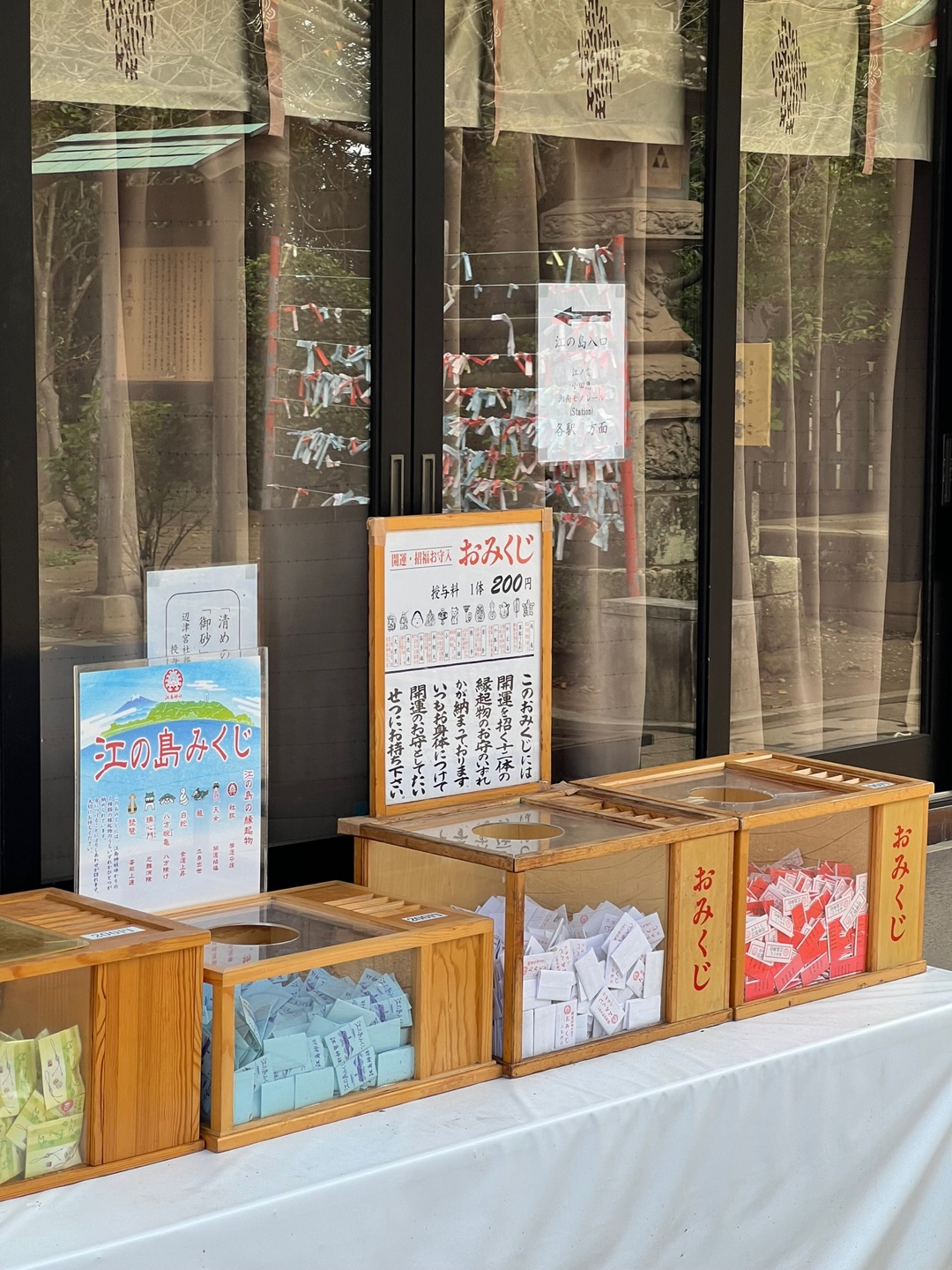
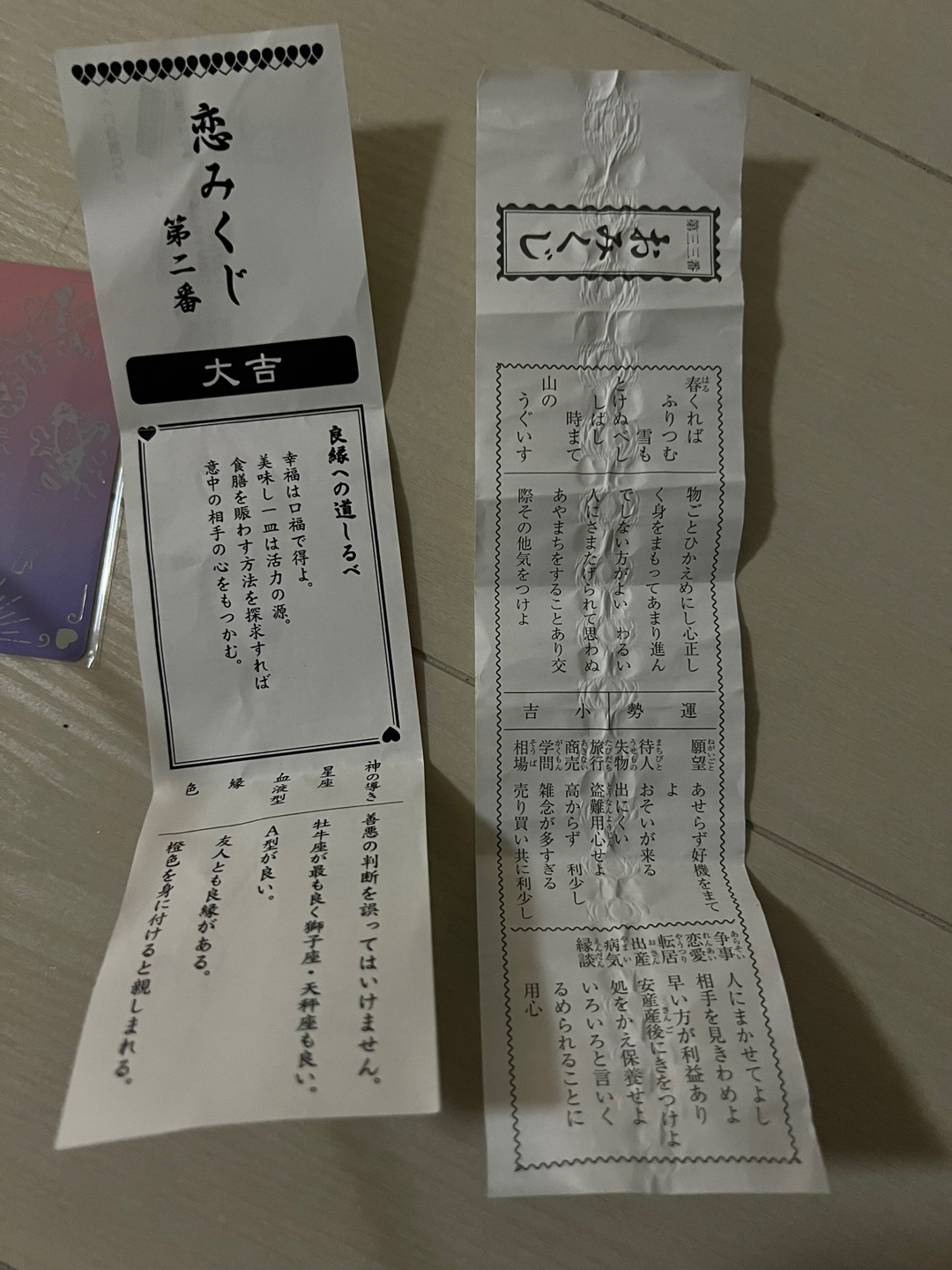
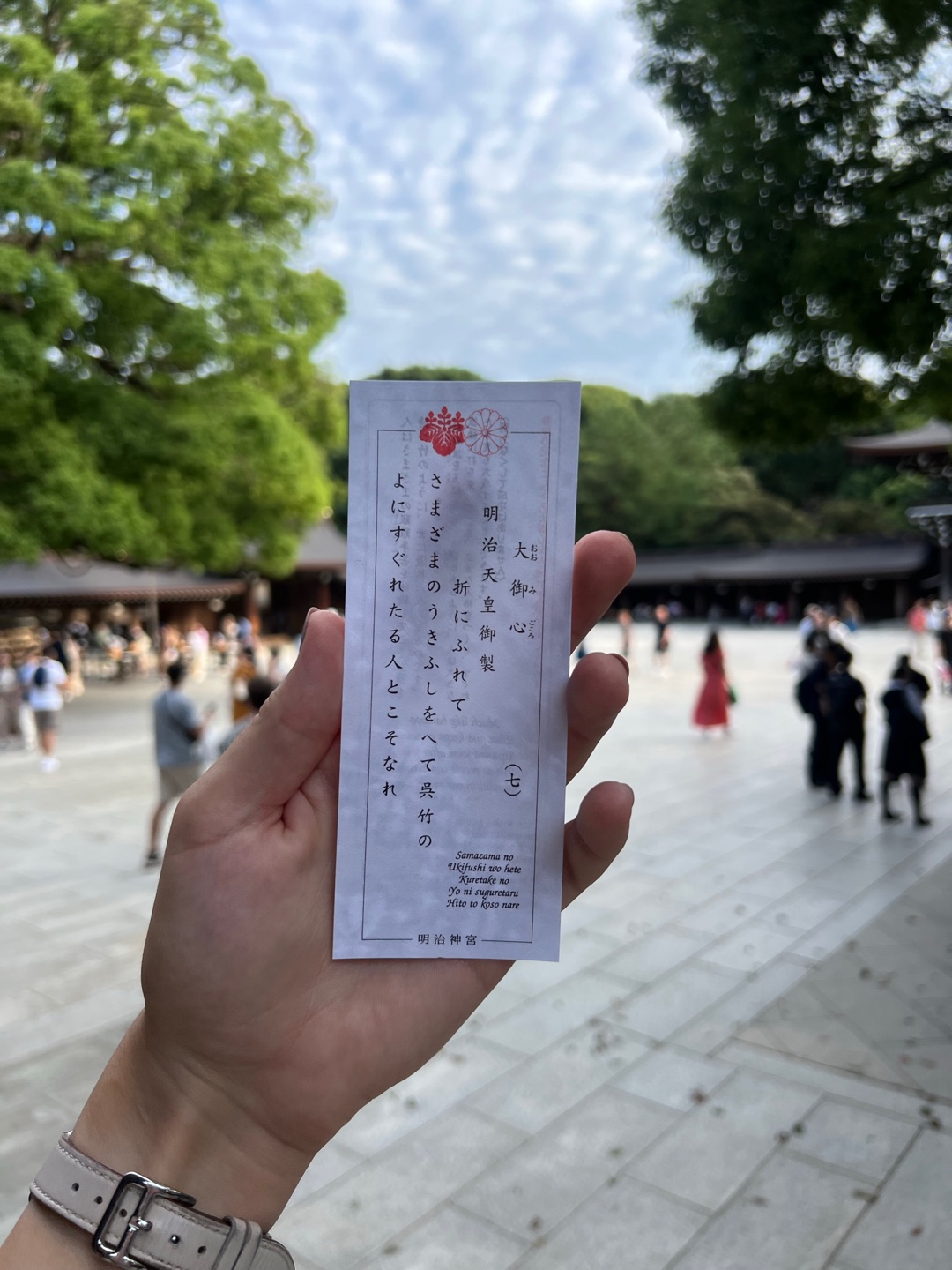
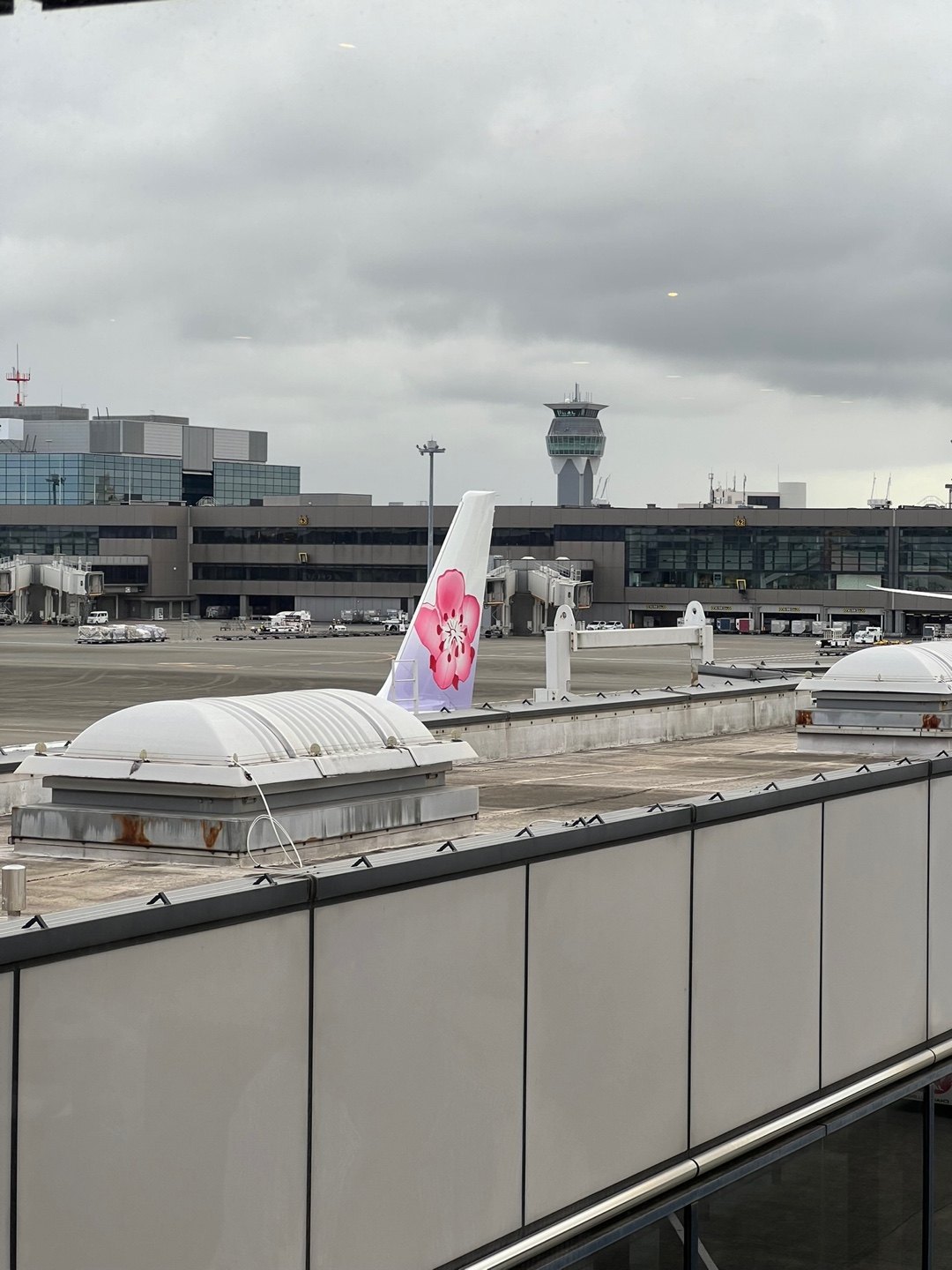
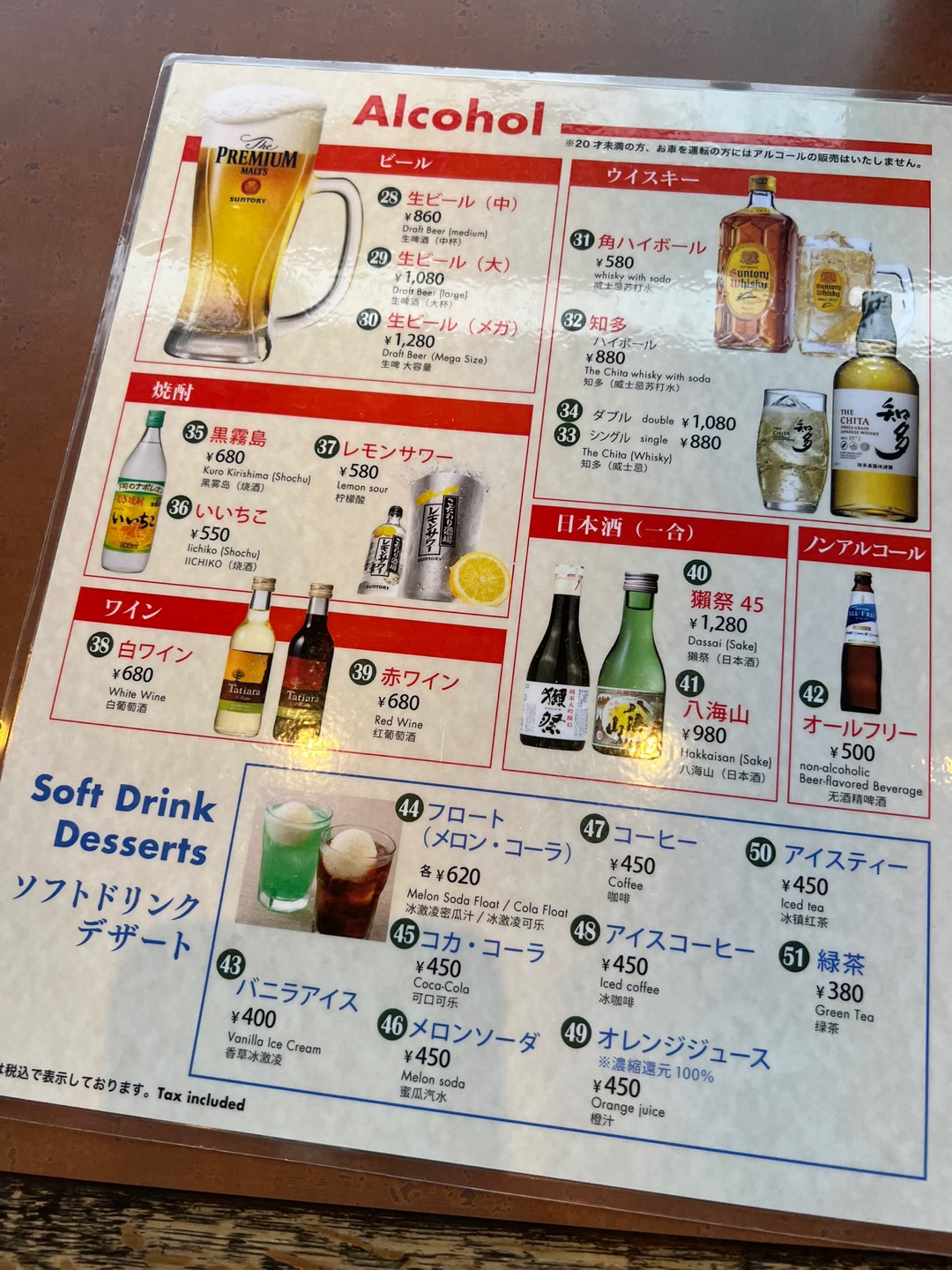
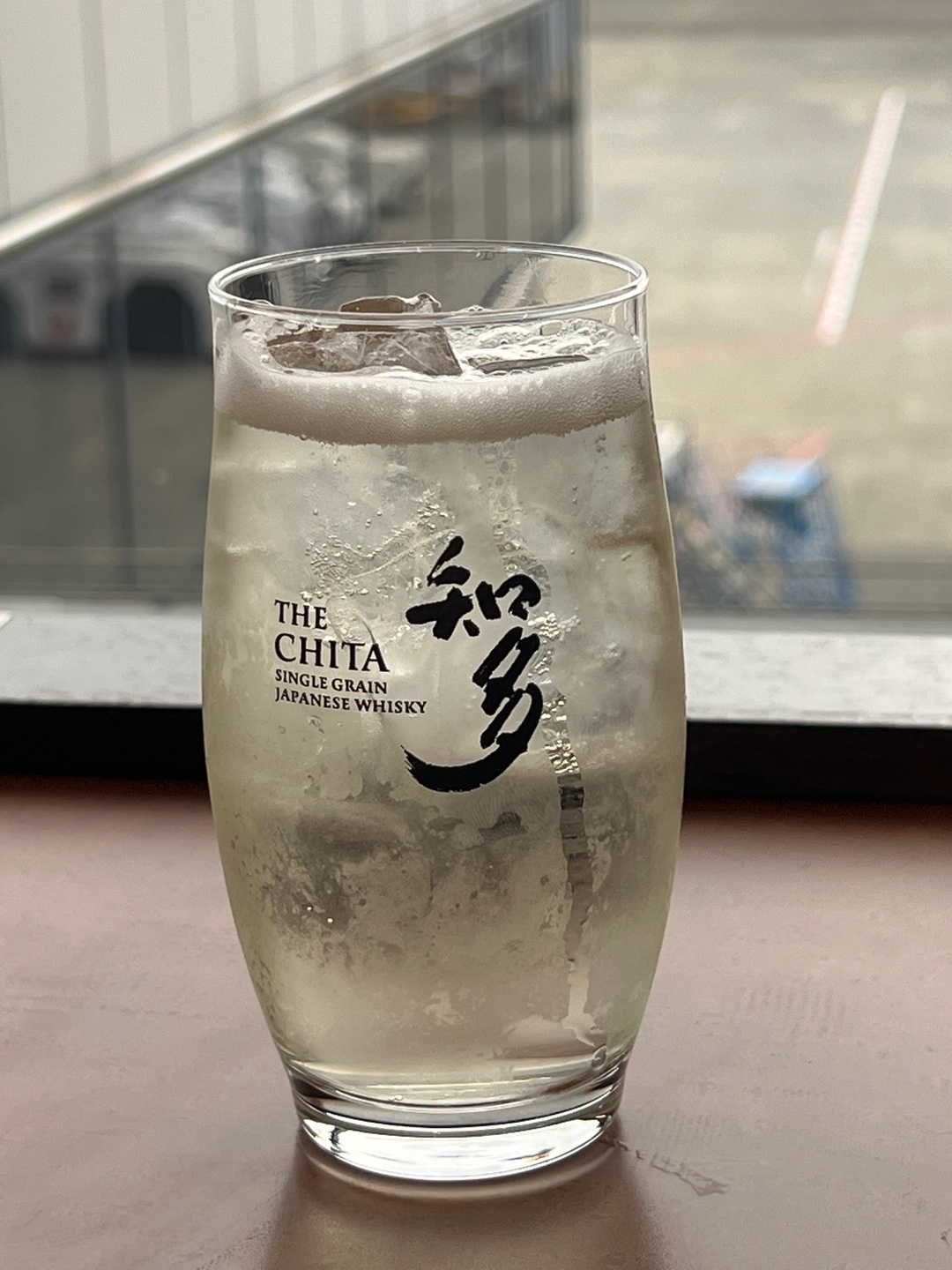
Eventually it was time to go back home to Seoul and even though (as always) fully panicked I was able to safely find my way to the airport. One last high ball and eventually boarded the plane back to reality.
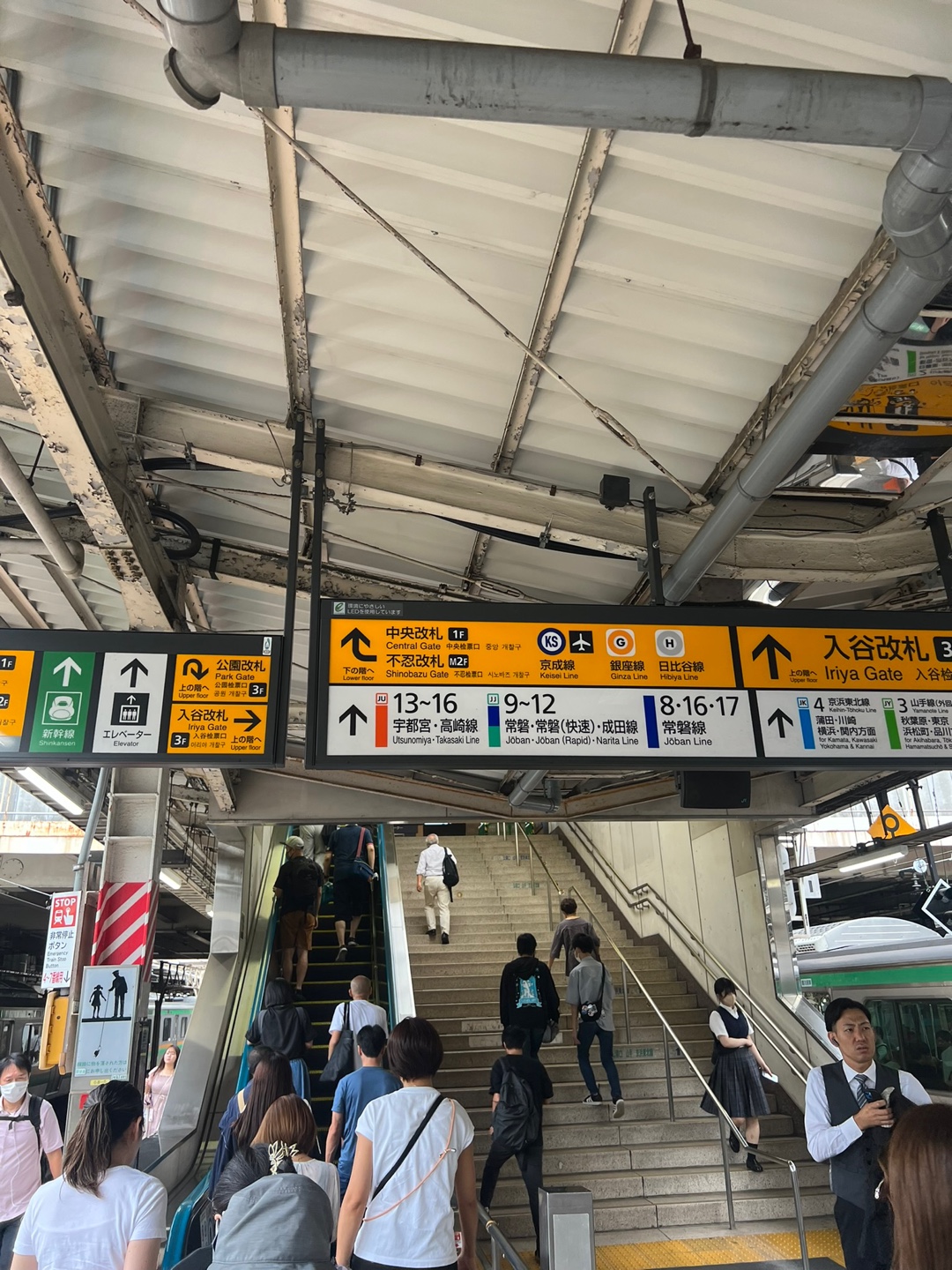
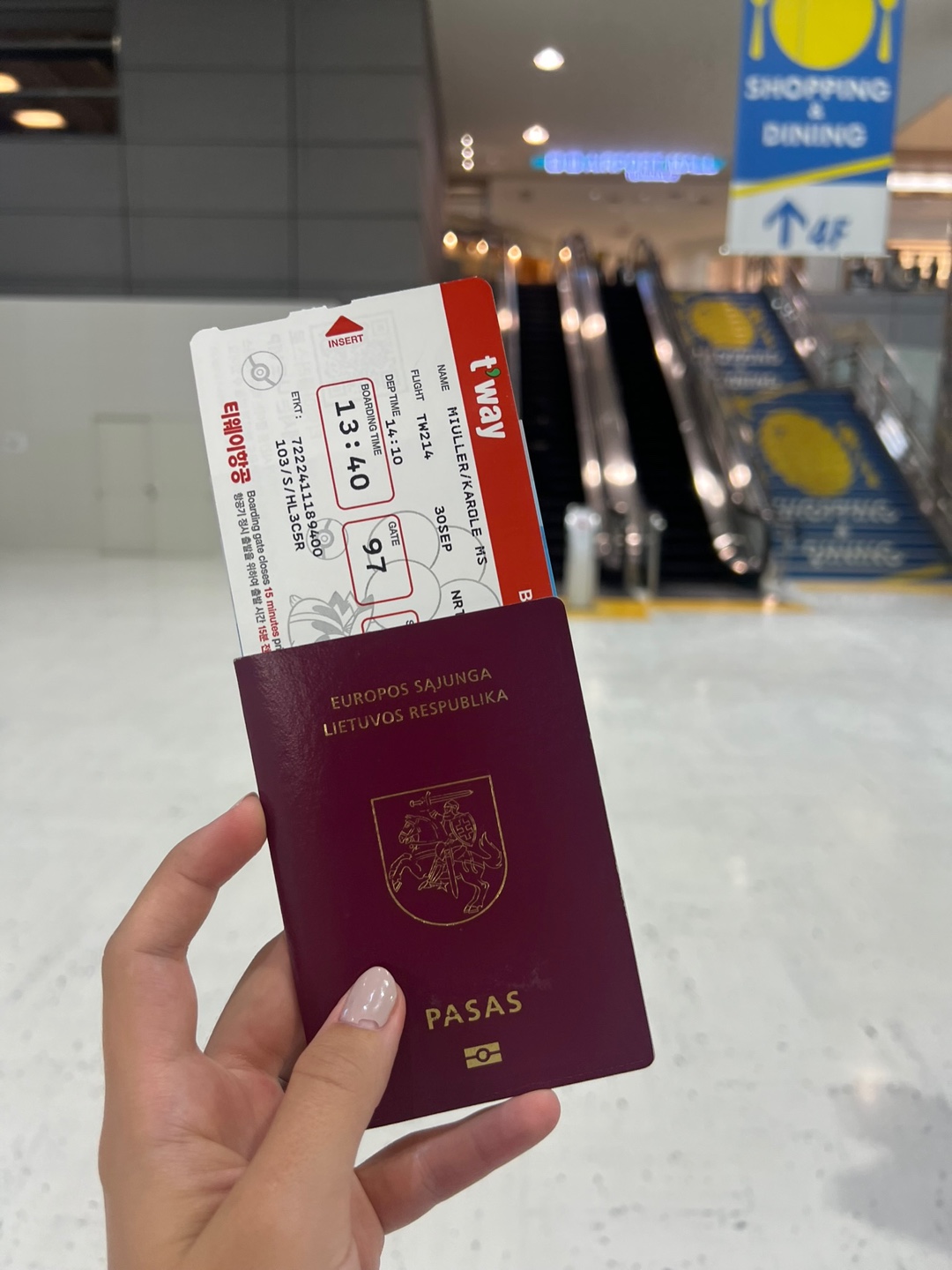
From the bustling streets of Tokyo to the serene beauty of the coast, this trip was a wonderful blend of excitement and relaxation. I’m grateful for the experiences and the chance to reconnect with old friends in such a beautiful setting.
Looking back, there are only two things I regret from my Tokyo trip. First, I didn’t have enough time to explore even more of this vibrant city. Second, I never mustered up the courage to visit one of those charming old bars I passed every time I headed back to my hotel. I was probably too shy or overthought the situation, trying to avoid any awkwardness. But I truly regret not stepping into a cocktail bar on my own while in Japan. For my next solo adventure, I’m determined to savor a drink at a local bar and embrace the experience fully. And honestly, I would love to return to Japan someday—there’s so much more to discover! I must admit the couple of days in Japan are definitely one of my favorite memories so far.
P.S. A huge thanks goes to LD, my amazing supervisor, who made the Tokyo experience amazing. LD was helping me navigate both the tourist hotspots and the local gems of Tokyo. I couldn’t have asked for better help and support throughout my trip!
And for now…
…stay tuned
Au revoir
– M
 Miseongii