As I mentioned in my last post, I have moved to Korea lately… And finding a place to live was not an easy journey.
To give a bit of background on how the Korean housing industry works, there are essentially two main aspects to consider: the type of housing and the payment method. This allows individuals to choose from various options based on how they prefer to pay for their living arrangements.
In South Korea, housing options for the average person generally fall into three categories based on the size of the living space:
- One-room (원룸): These compact studio apartments typically consist of a single large room that serves multiple purposes, often including a kitchenette and bathroom within the same space.
- Officetel (오피스텔): Known for their blend of “office” and “hotel,” officetels are studio apartments that may include small kitchen facilities and often have (but not necessarily) separate areas for sleeping and living, making them slightly larger than traditional one-room apartments.
- Apartments (아파트): Larger than one-room and officetel units, apartments in Korea usually feature multiple rooms, including separate bedrooms, a living room, kitchen, and sometimes additional amenities such as balconies or extra storage space.
Also, in Korea you use pyeong (평) which is equal to approximately 3.3058 square meters or about 35.58 square feet. It’s commonly used in South Korea to describe the size of rooms or apartments. For example, when looking at apartment listings or discussing the size of a room in Korea, you might hear measurements like “30 pyeong,” which would mean 30 times the size of one pyeong, or around 99.18 square meters
Among these options, apartments are typically the most expensive and sought-after due to their amenities and convenience. Studio apartments come next in terms of expense, while living spaces in villas—usually older in style and construction—are generally the most affordable option. (Other types of housing, such as share houses, goshiwons, and guest families, exist but will not be discussed here.)
Apartments, especially those in complexes, are favored for their added conveniences like private security, communal cleaning services, and nearby amenities such as convenience stores, study rooms, libraries, gyms, and sometimes childcare facilities. However, older apartment complexes may not offer as many modern amenities.
Studio apartments or officetels are typically smaller spaces often with high ceilings and loft-like features. Although they may not be in high-rise buildings like apartments, they tend to be modern and cleaner compared to equivalent spaces in older villa-style buildings.
Lastly, villa living spaces are often favored by students or individuals new to living alone due to their affordability. While some villas may be well-maintained or newly remodeled, many are older and less modern in design and interior, making them less luxurious compared to apartments.
It’s worth noting that while most people may not stay in villas for extended periods, there are individuals and families who prefer these quieter, less urban areas often found in regions with a more relaxed, small-town atmosphere.
I personally have only lived in a villa myself (in a one-room last year and two-room now) but have visited friends who live both in officetels and apartments.
Usually you can either rent or buy a home but in Korea there are more options for that. Buying is way too expensive so I will not talk about this option.. First thing to keep in mind, the deposits for housing in Korea are huge.. And when I say huge I mean HUGE. And the more deposit you pay desto cheaper your rent gets. Then there is this: pay a big amount at once and ‘pay no rent at all’ system as well.
For example let’s take a one-room (around 14 square meters) style place in a villa which includes a “kitchen” and also gets a small bathroom-toilet place as well. Of course the area in which you will choose to live has a big influence over the price as well. Let’s imagine this place is somewhere near a train station not too far from the main areas, still not in the expensive zone such as Gangnam or Haewha. You can pay 5k in deposit and pay 600 rent for a small one room place nevertheless if you pay 20k your rent will be 300 per month and if you pay 50k you will only pay 150 rent per month. If you use the second option you pay around 100k and pay no rent at all. The deposit will be given back to you after you move out. Of course stuff like internet, gas, water etc. are paid extra.
I will add pictures of the place I stayed at last year so that you have some imagination of what I am talking about. I used to live in Geondae, a 6 minute foot walk from line 2 and 7. This place was a 5k deposit and 600 rent plus utensils and the so-called maintenance coast. which added up to roughly 650-700 a month. In winter tho with heating costs it was more. My room was pretty small and had one single bed and a small dining area with a small kitchen-place.
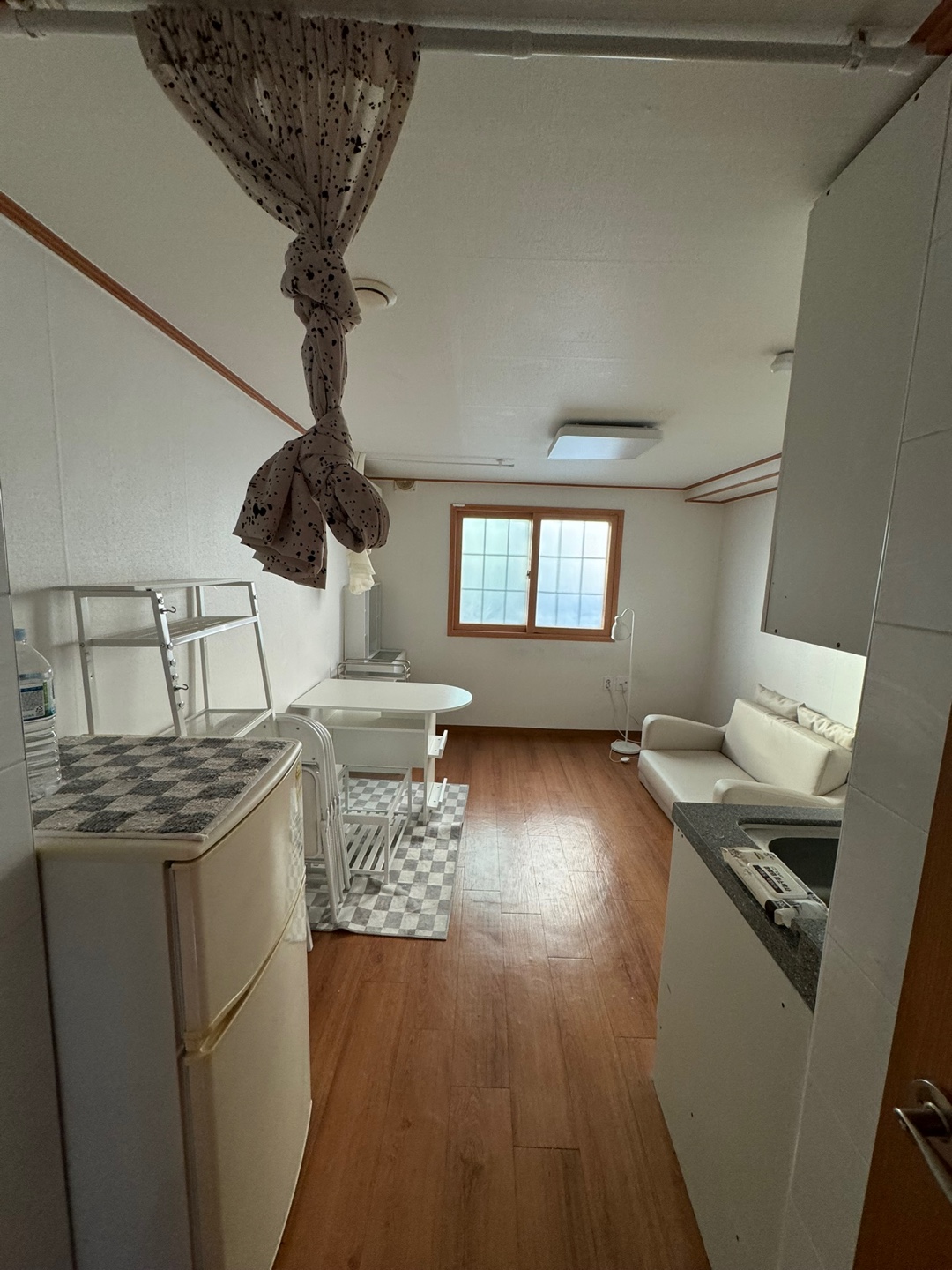
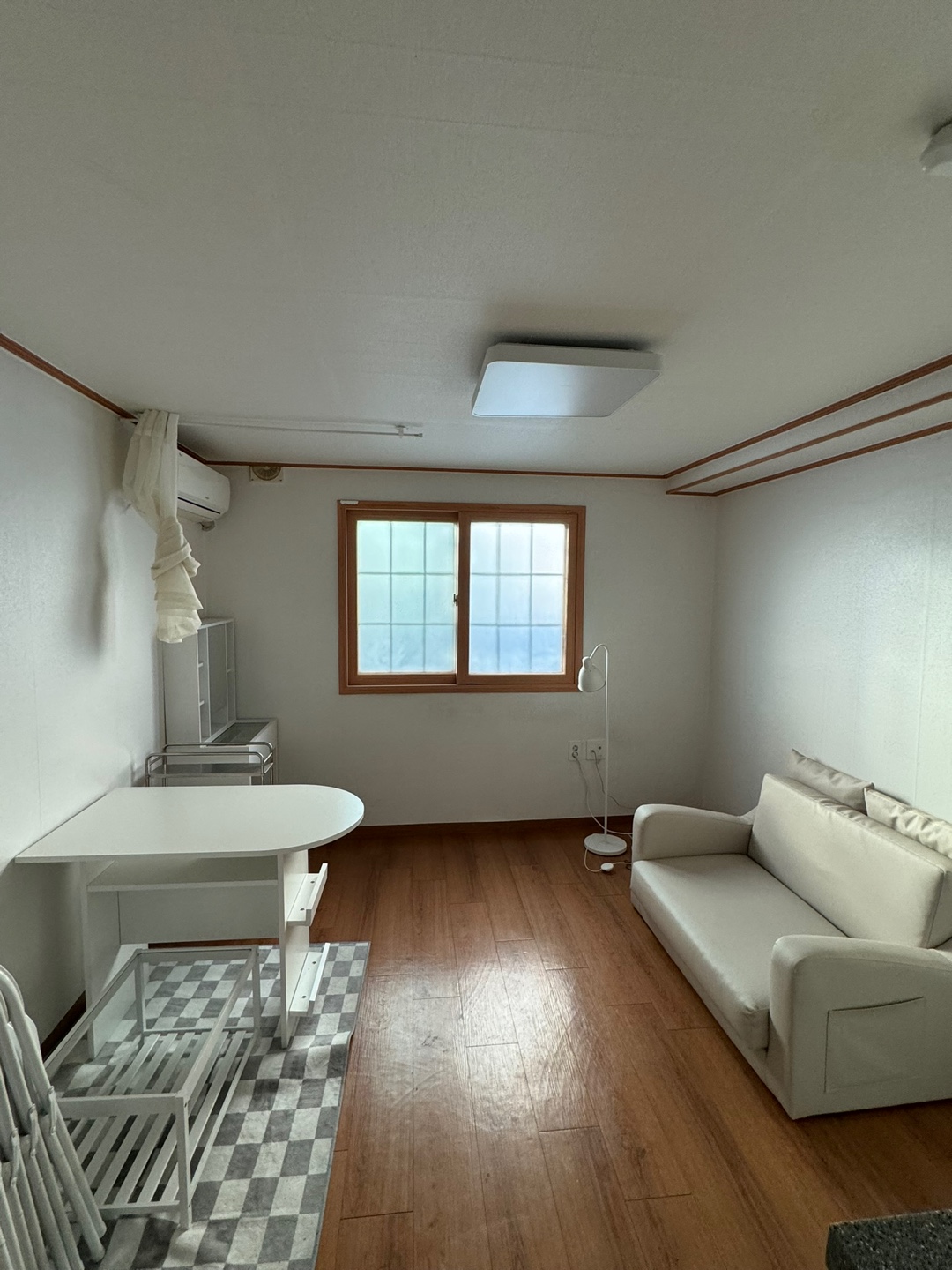
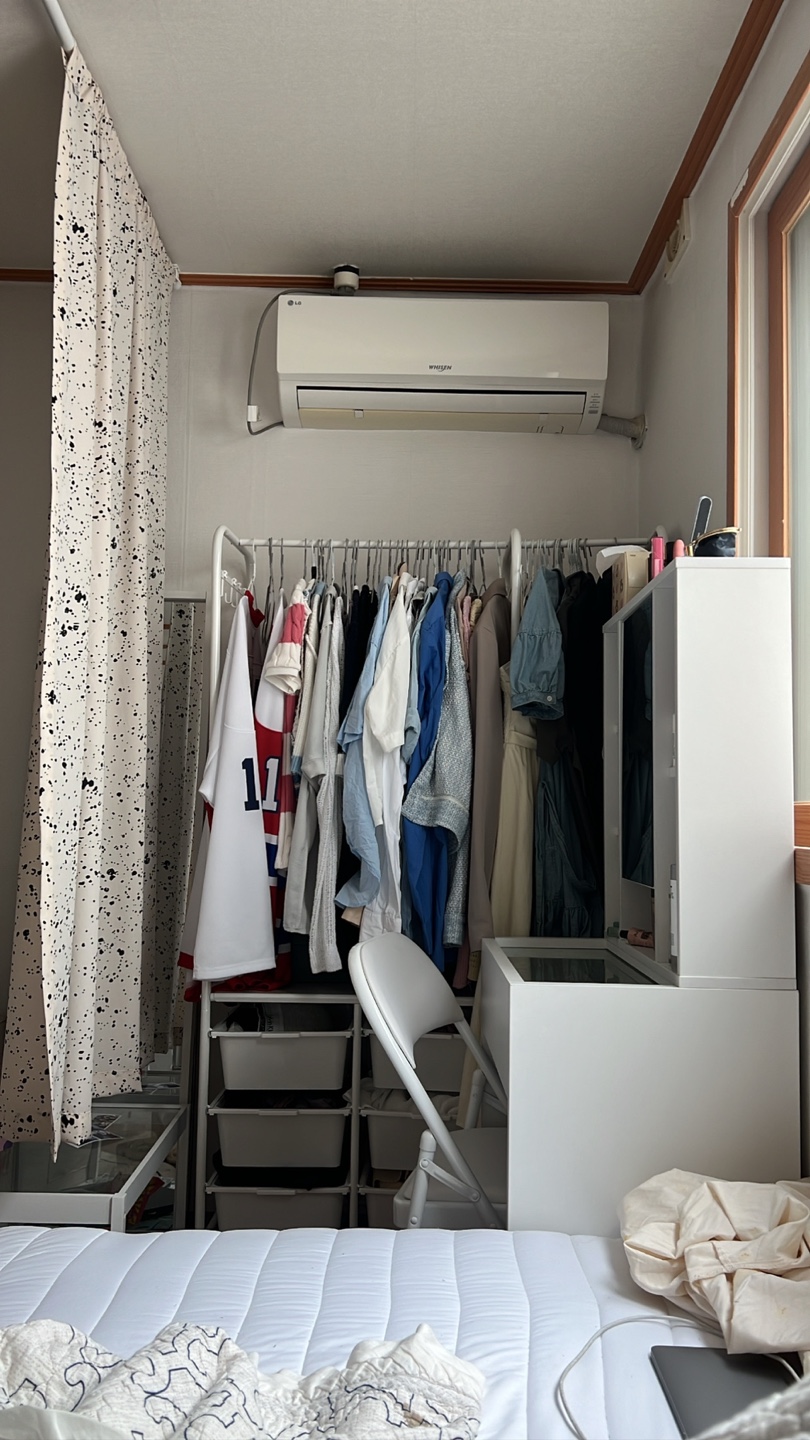
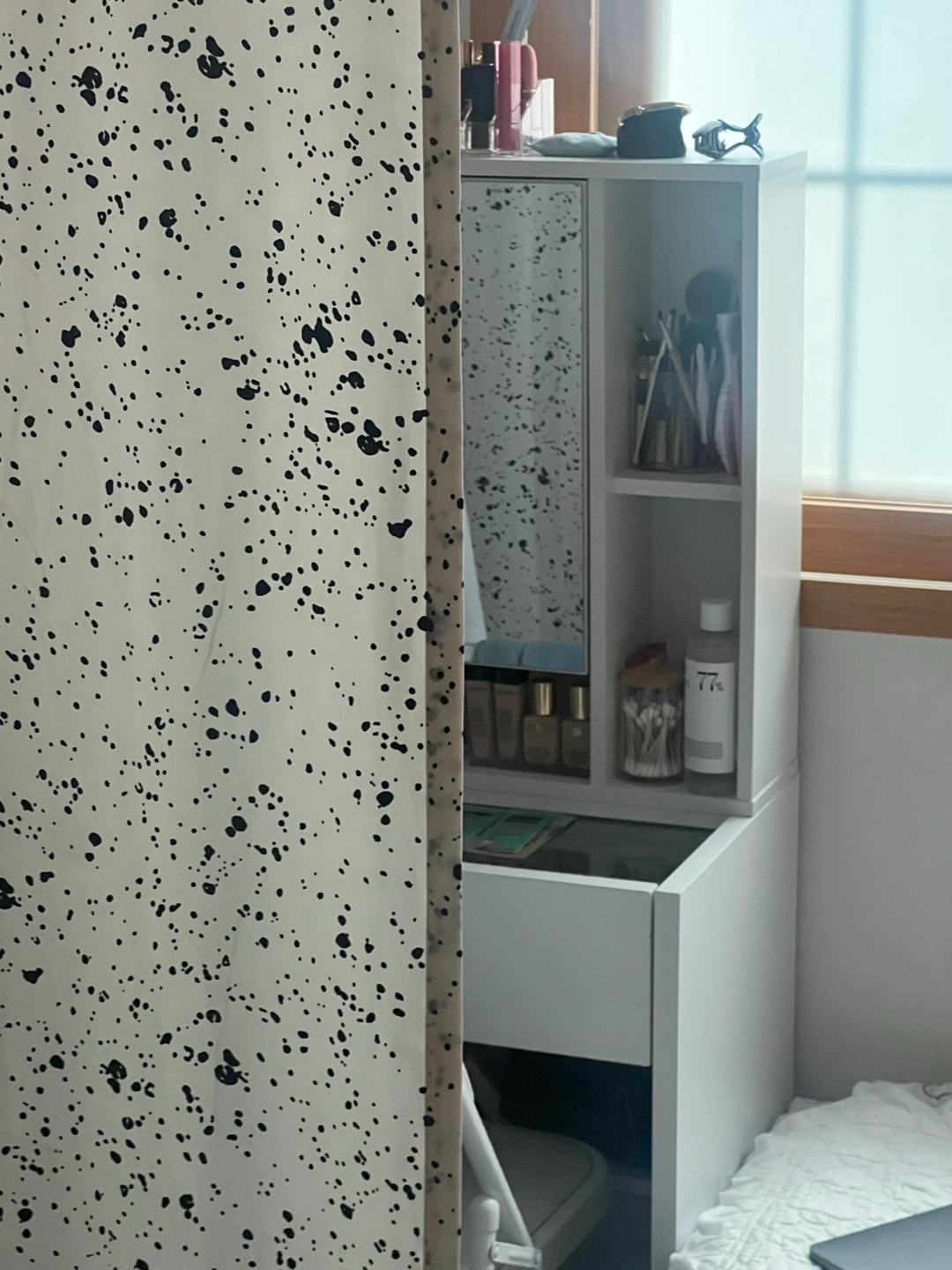
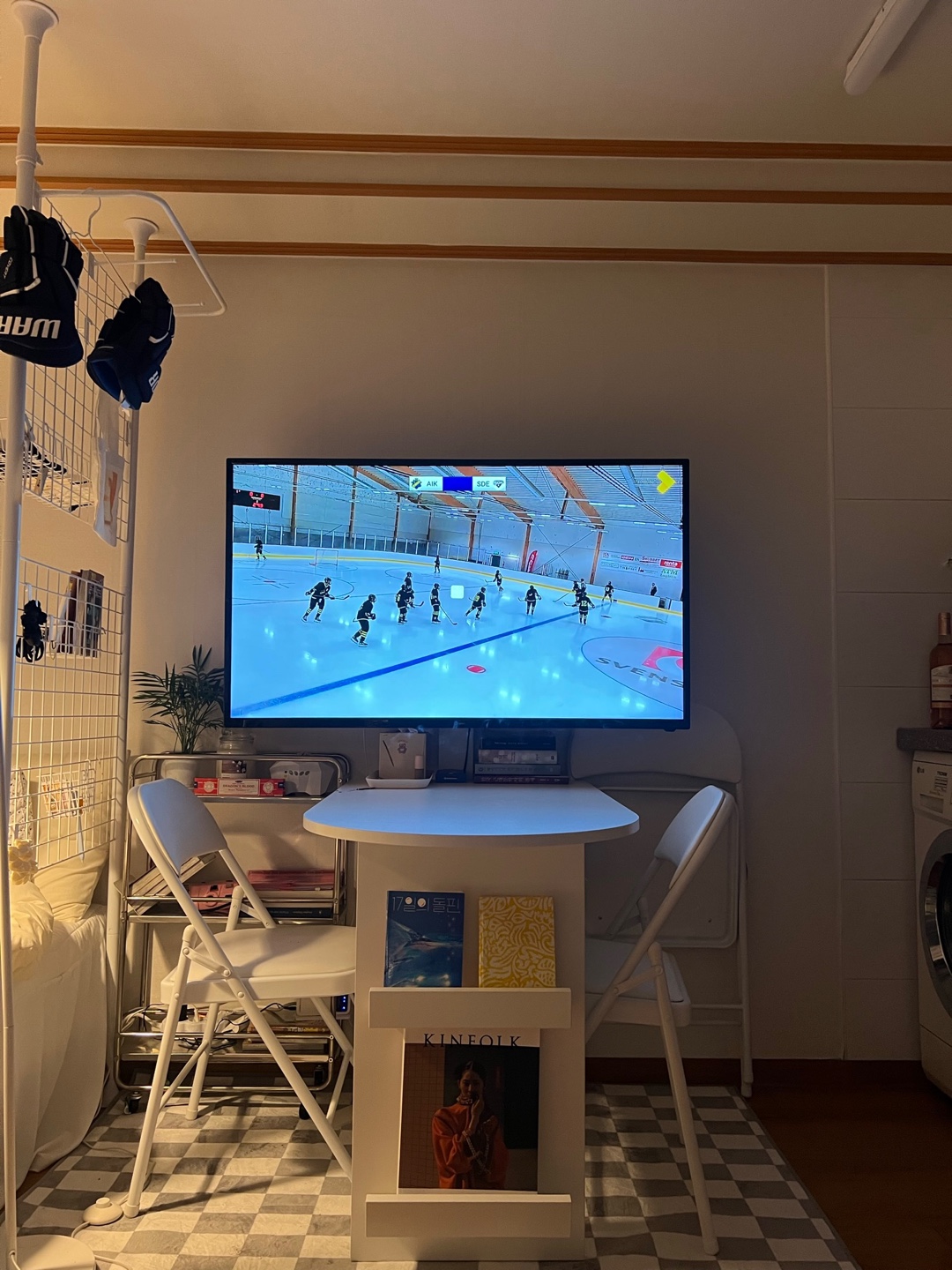
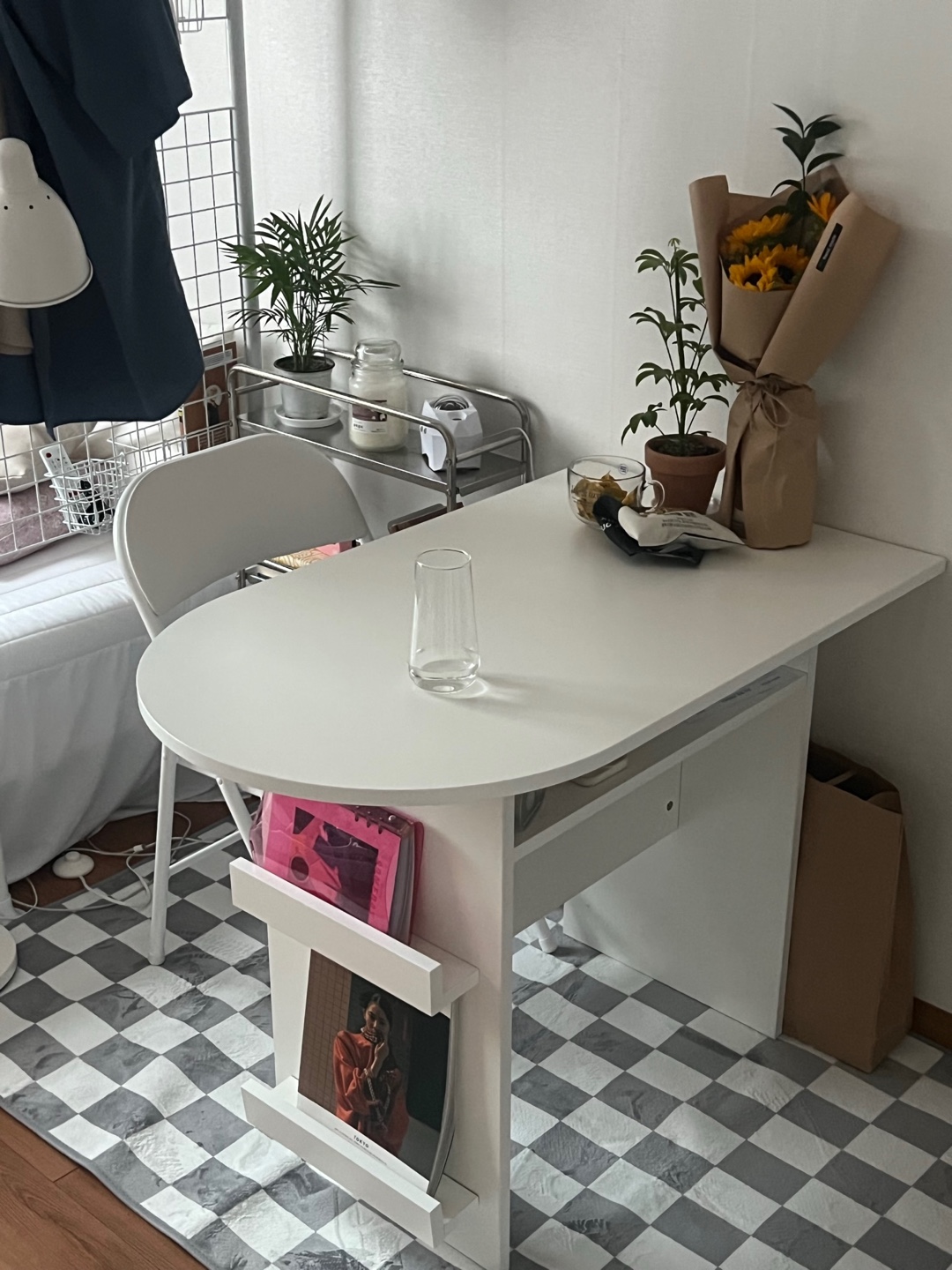
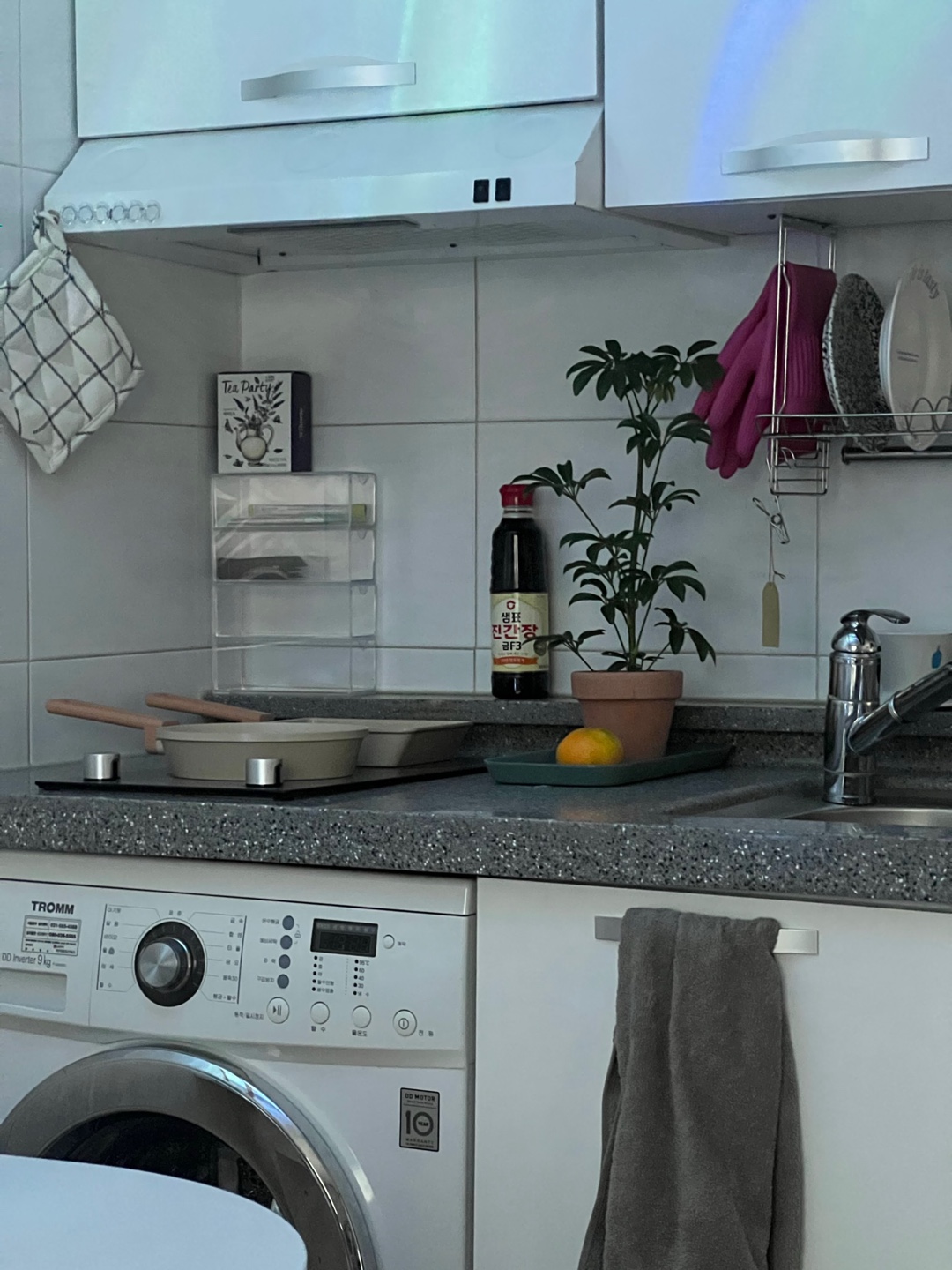
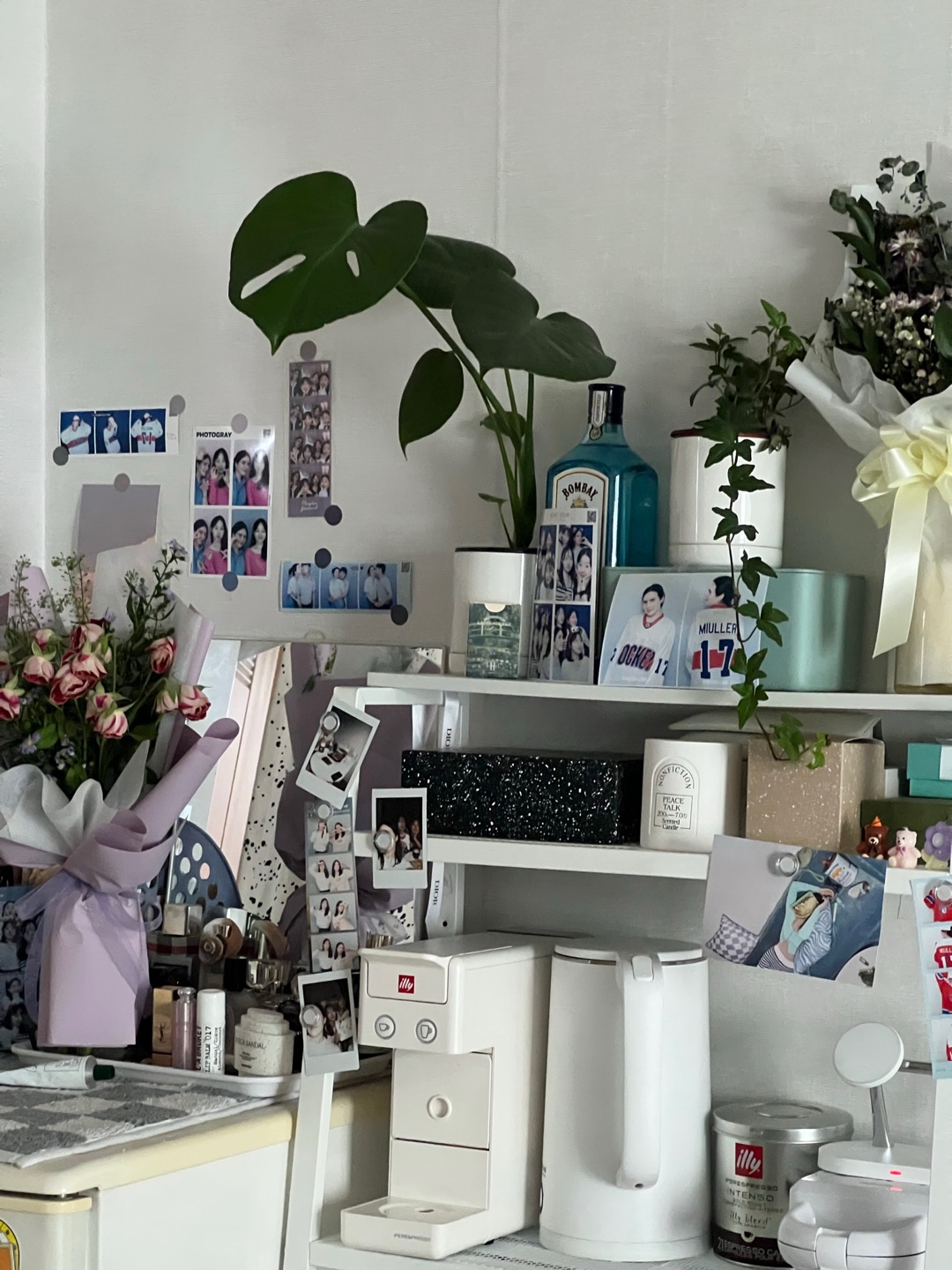
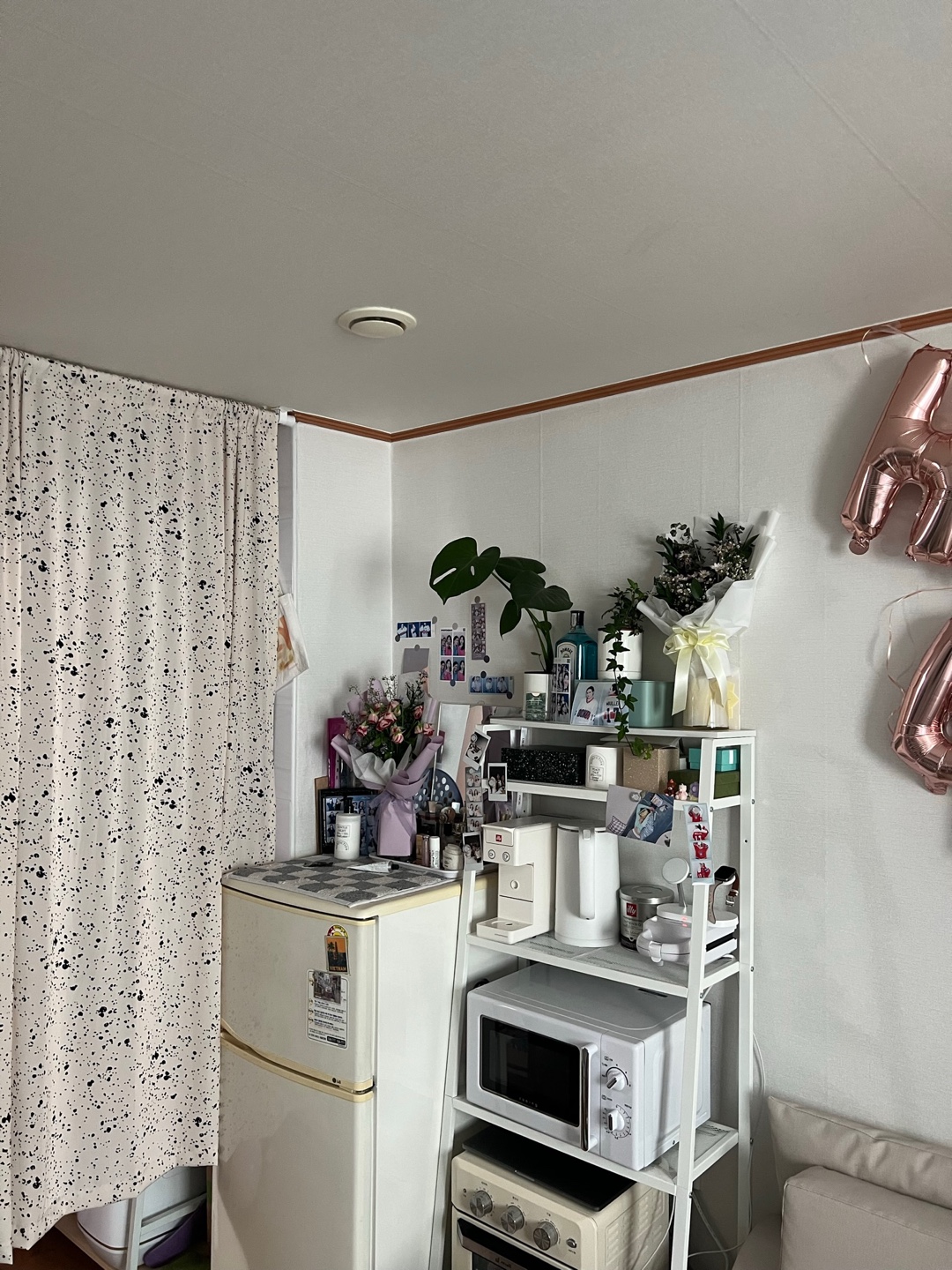
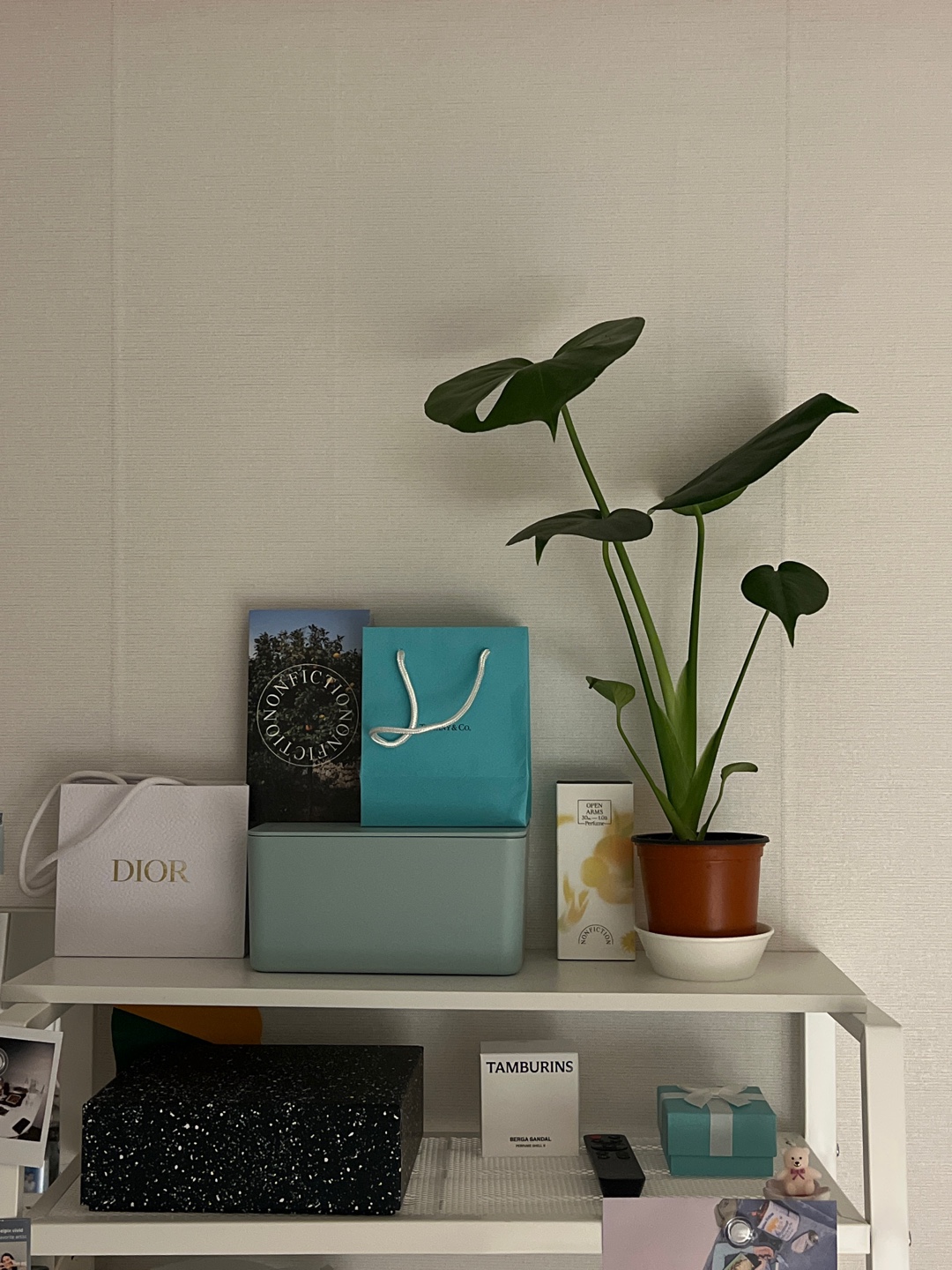
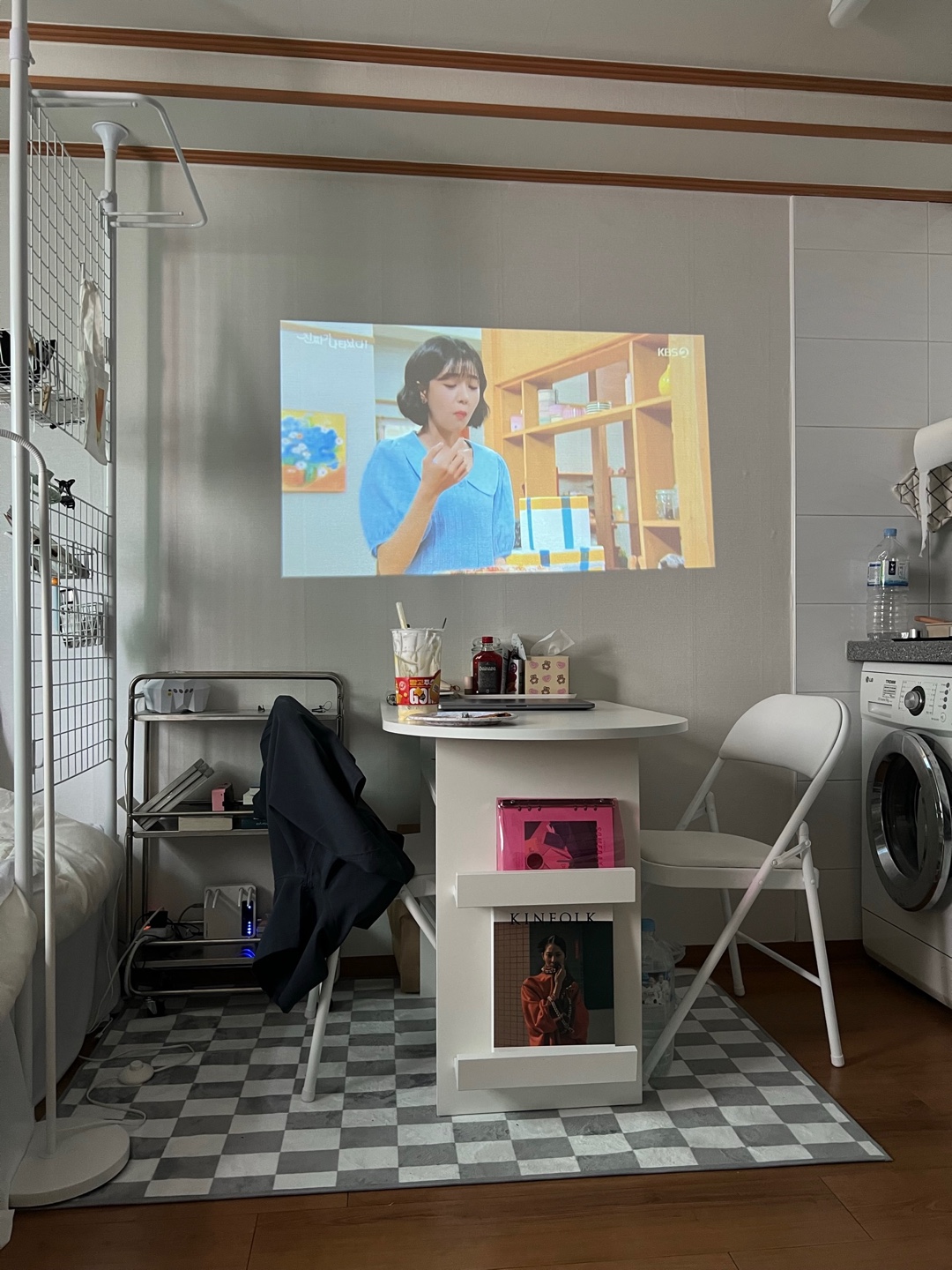
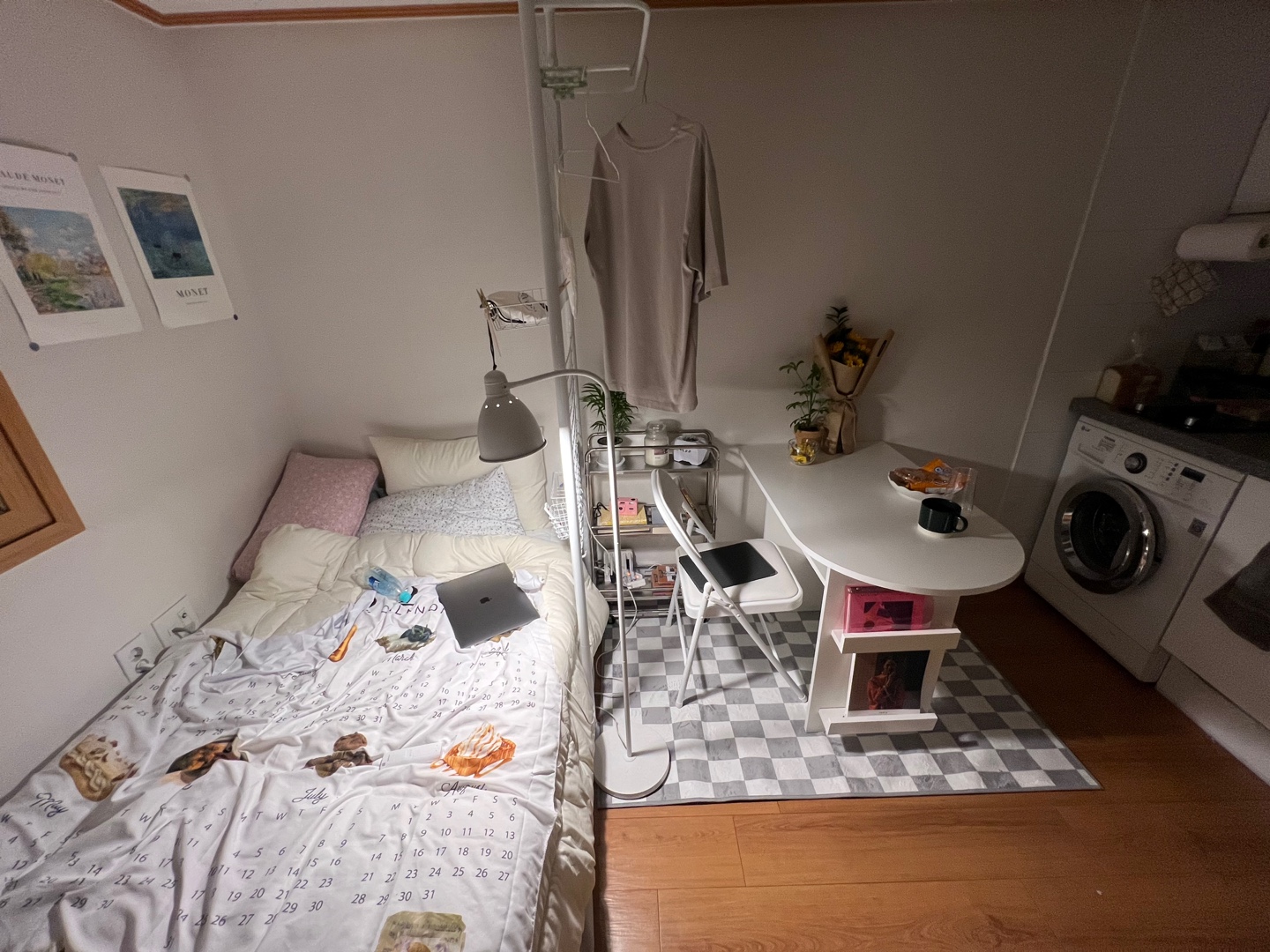
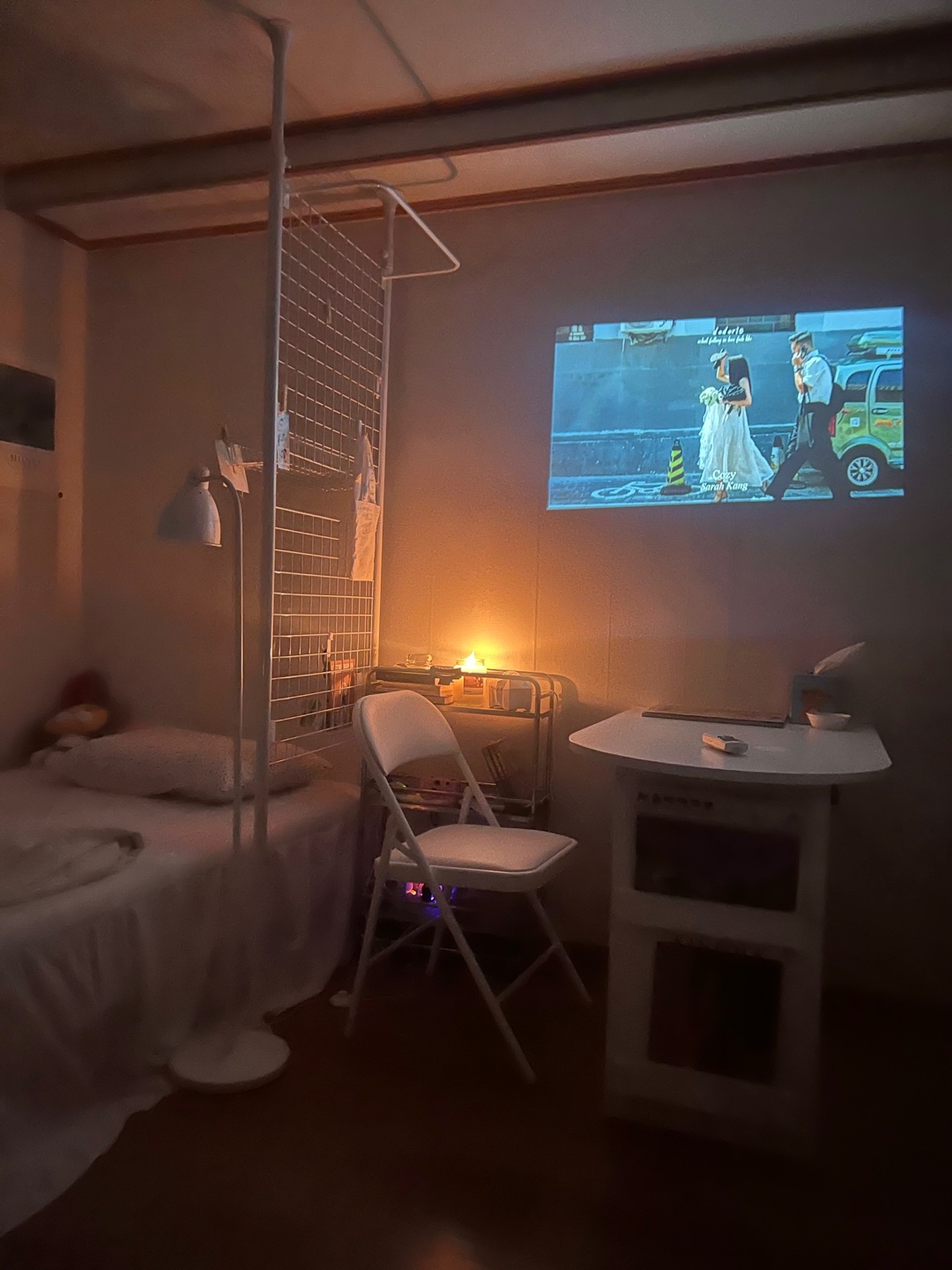
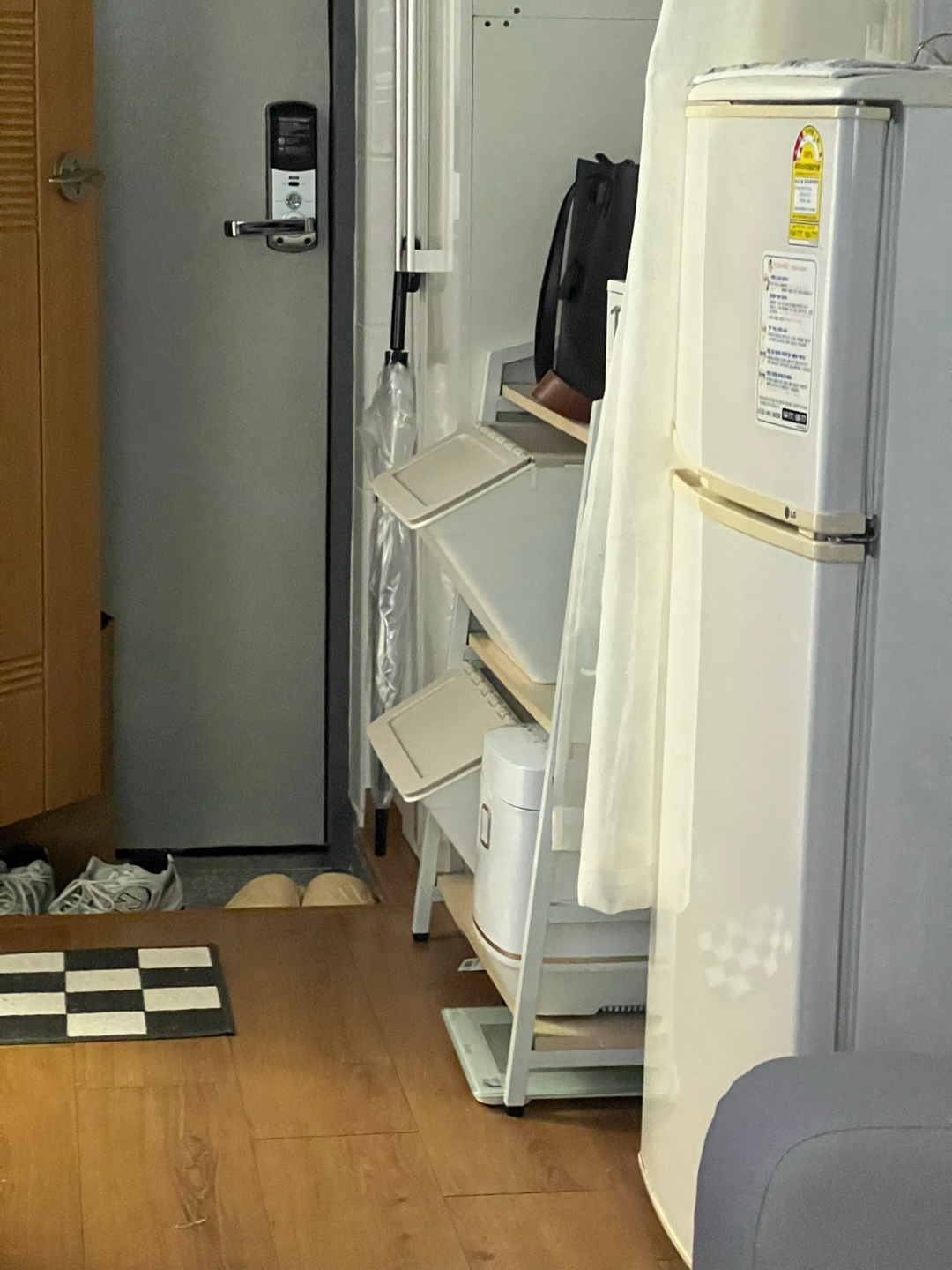
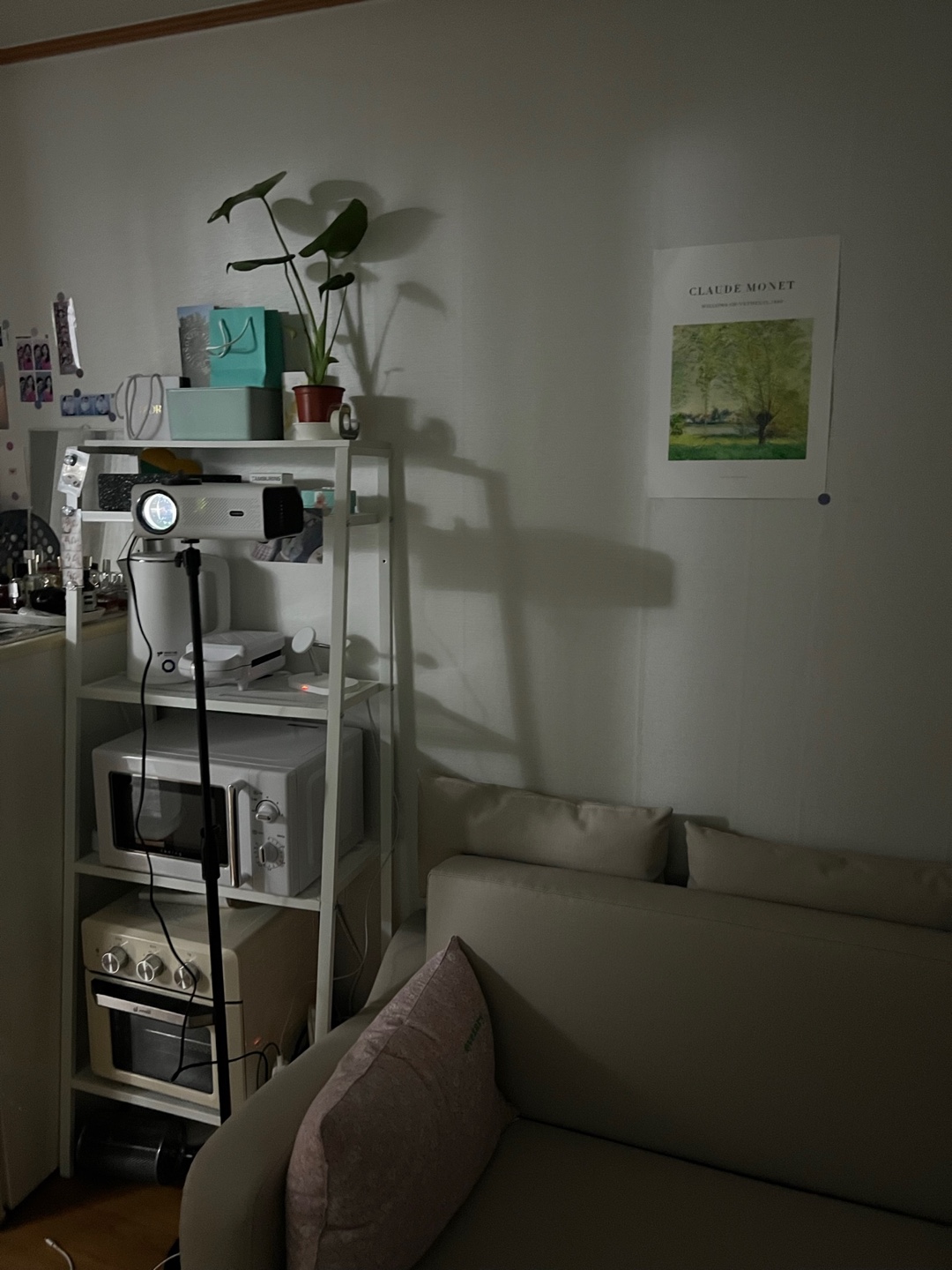
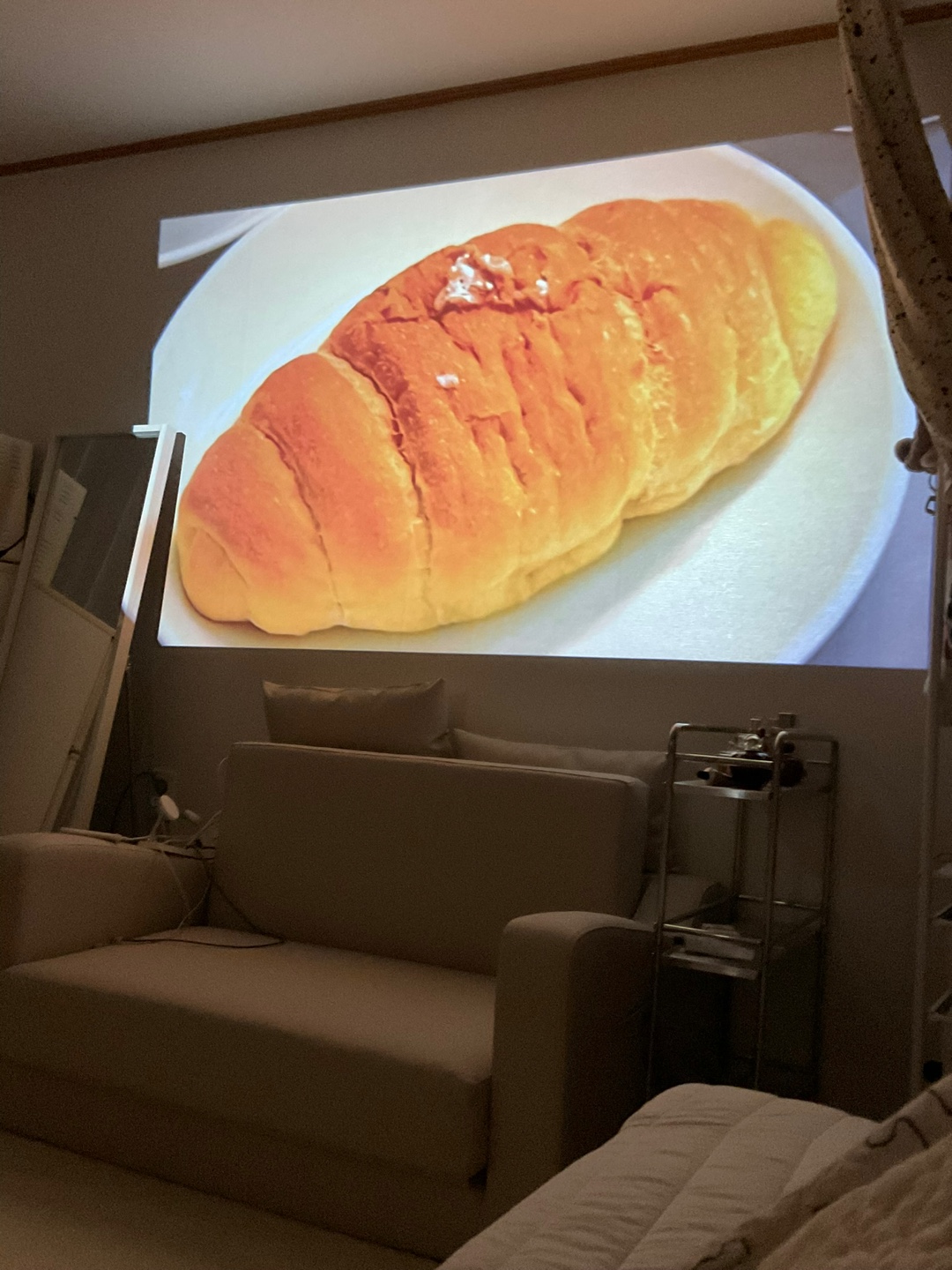
You can also see the transformation this place made through the time haha..
This said I will give a small insight into how the process of house-hunting went for me this year. I knew from the beginning that I could only afford rent-style living. The first crucial step was selecting the right area to live in. Economic factors played a significant role since rent prices vary widely depending on the neighborhood. This meant I had to look beyond the bustling city center and explore more affordable options further out. For me, proximity to a reliable metro line was non-negotiable. I preferred living within walking distance of the metro because I’m not a fan of buses—they tend to make me feel queasy. Especially with the rollercoaster-like rides in Korea.
Considering the need to go to Sogang University (accessible via lines 2 and 6) quickly and occasional volunteering at the Lithuanian Embassy (requiring lines 3, 5, and 1), finding a location with minimal transfers to both places was crucial. While my favorite parts of Seoul—Seongsu, Anguk, Mulle, Hanam—are ideal, they are beyond my budget. I aimed for a place larger than a one-room apartment, preferably with three rooms: one for work, one for sleeping, and one for hosting friends—a kitchen space was also essential.
In the end, three neighborhoods caught my attention: Bulgwan and Yeonshine (accessible via lines 6 and 3) in the northwest of Seoul, near its outskirts; Miya or Suyu (line 4); and Gunza (line 7), closer to the center but farther from both the University and Embassy. Despite their distance, Bulgwan and Yeonshine stood out as the most affordable options for apartments larger than 15 square meters, based on listings from mobile housing apps like Zigbang 직방. More than Bulgwan the area of Yeonshine seemed living-friendly so it was set. Yeonshine it should be. It took about two months of intensive research to identify a couple of suitable options through the app and then arrange viewings with a Budongsan 부동산 (housing broker company).
The photos on the app often differed significantly from the real apartments, adding to the stress of the process. After meeting with numerous brokers and visiting multiple apartments, I eventually settled on a decent-looking option that met my basic criteria, though the search was draining both physically and emotionally. The apartment I am living in right now actually is a bit uphill and it is quite tiresome to get home and I keep on contemplating every time I am going outside. But why did I choose this in the first place? Because the apartment that I visited before this one was literally on a mountain it was pretty cheap considering it having three rooms and a extra kitchen space and terrace, nevertheless climbing up to this place was literally hell (it was not even hot at that time) so visiting the place I live in right now seemed more than fine at that time haha
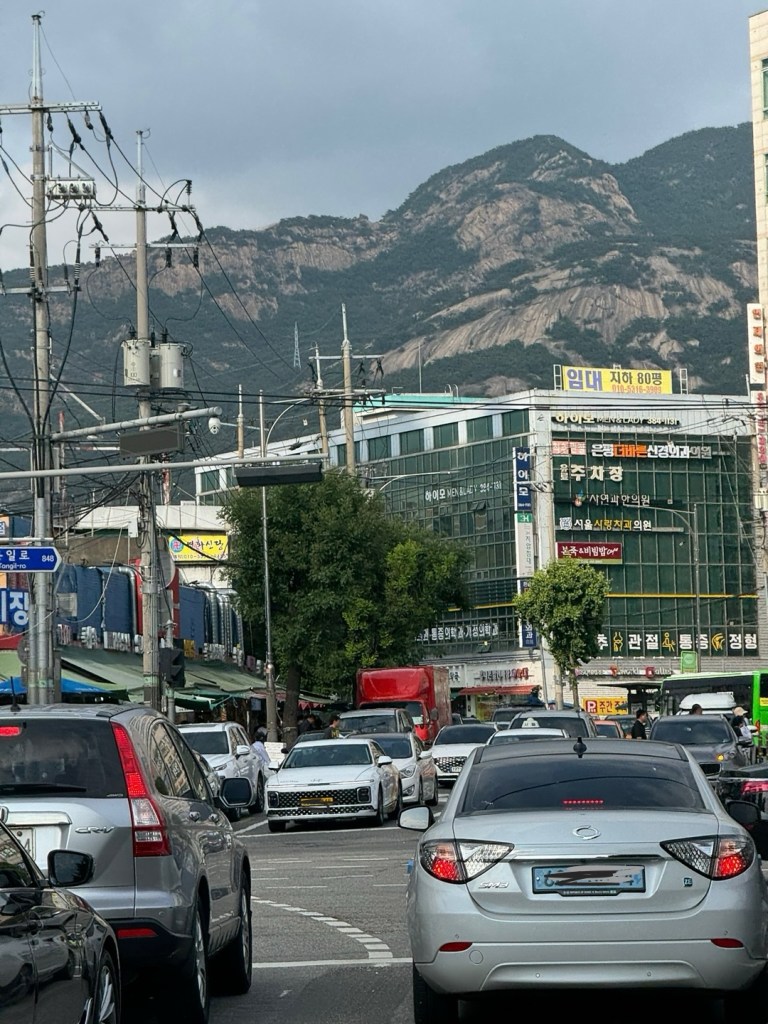
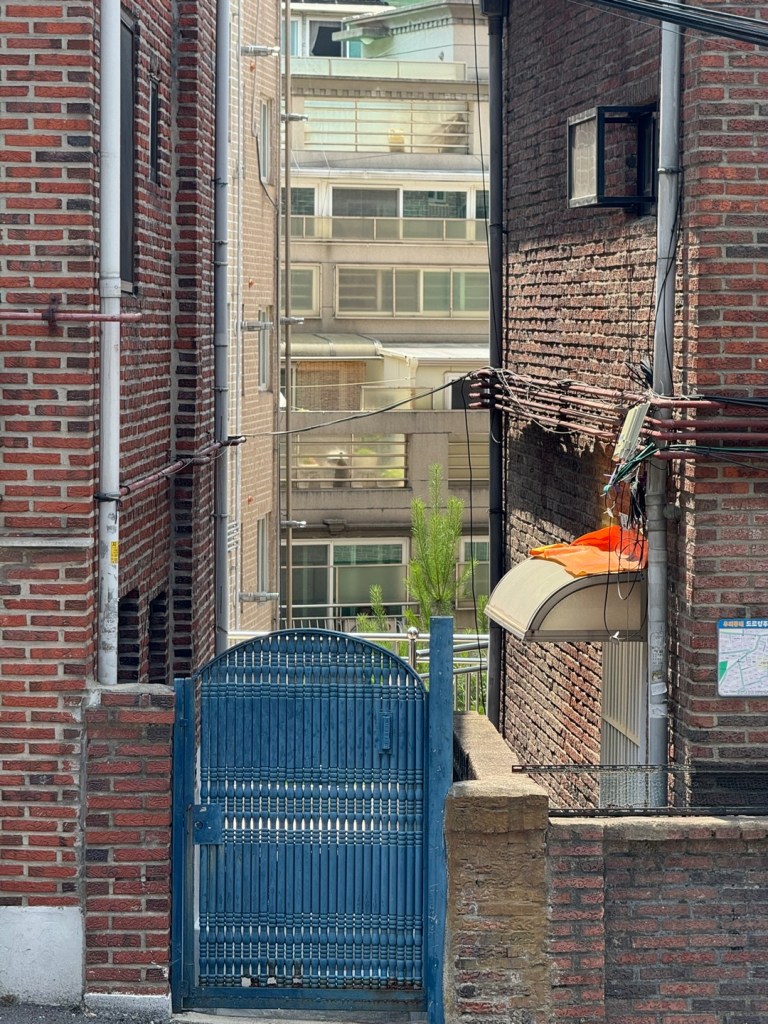
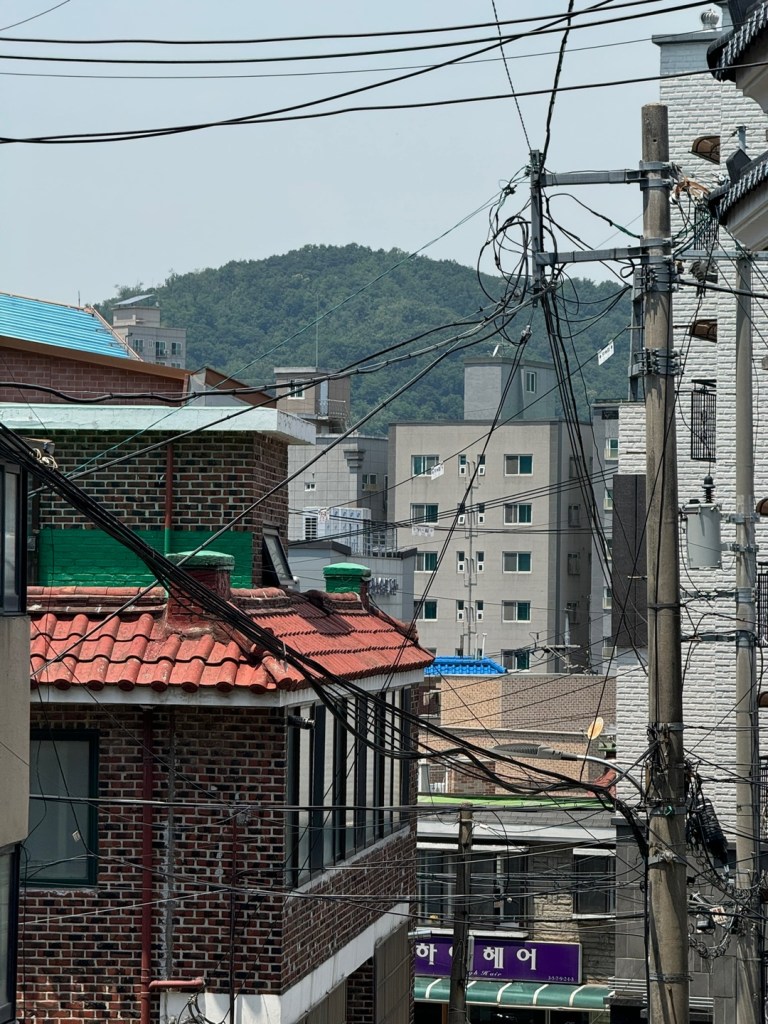
So… In the end, I signed a two-year lease since shorter options were scarce, especially in less central areas with fewer foreigners and exchange students. And so, I found myself settling into what I now consider home, at least for the foreseeable future.
I’ll delve into more details about the layout, decor, and overall feel of my new place in the next post, as this one has already become quite lengthy.
And for now…
…stay tuned
Au revoir
– M
 Miseongii