Hey beautiful friends & enemies~
Recently, I had the chance to hop over to Japan for the weekend with my mum! I had work to do in Seoul, so I figured—why not take her along and turn it into a little side adventure? It was her very first time in Japan (cue dramatic gasp!), while it was my third time visiting the country—but my first time exploring the Kyoto and Osaka area. Even more exciting, it was also the first time the two of us traveled this far just the two of us. And let me tell you… it was a whole vibe. Still, we definitely missed my lil sister, though—she couldn’t join us because of exams and her sports games. Don’t worry sis, next time you’re coming too!
Japan just has this magical energy that always makes me feel special. It’s hands down one of my favorite places to travel. We spent a couple of nights in Osaka and one in Kyoto.
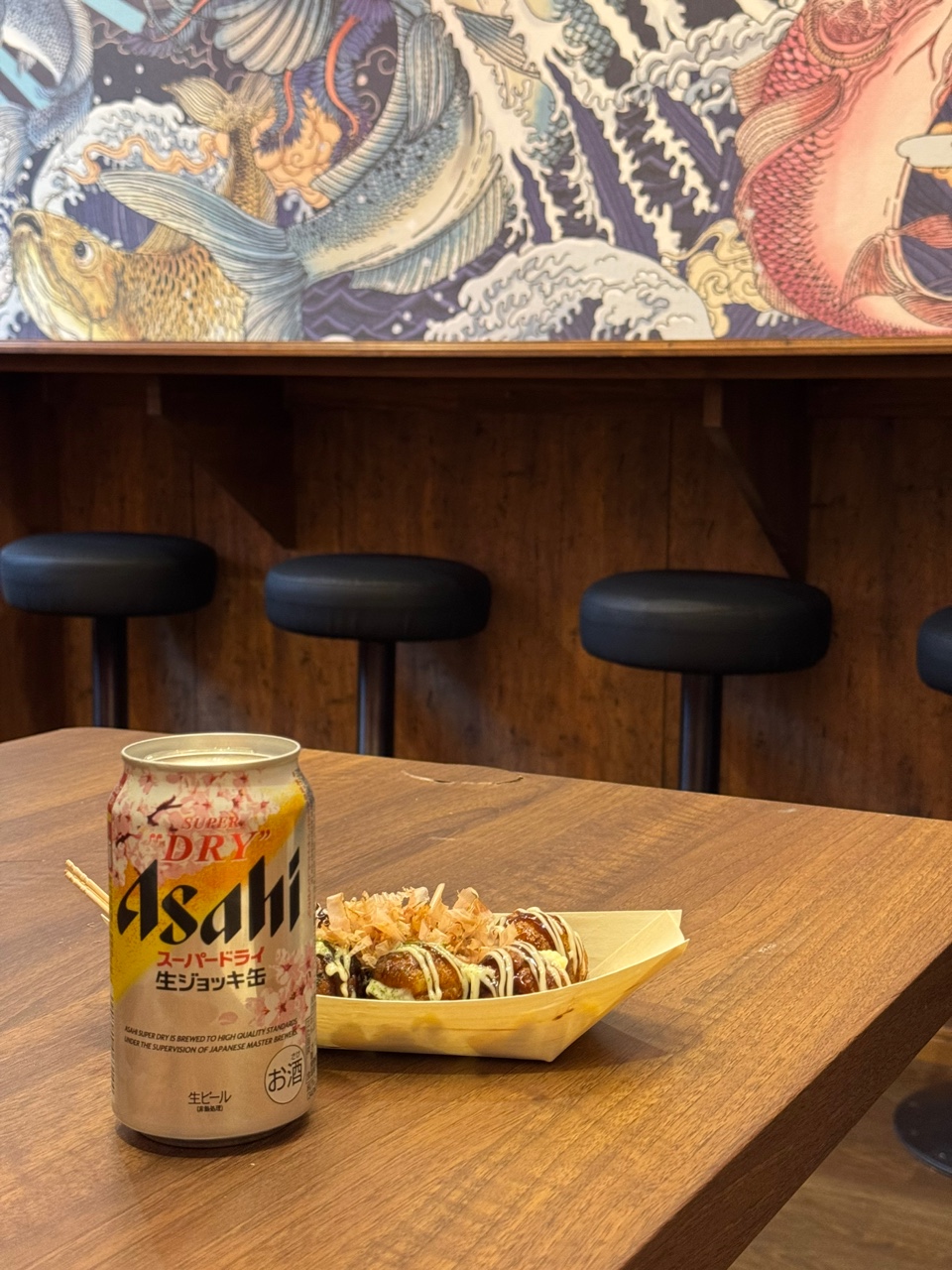
Osaka (大阪市), Japan’s third-largest city, is a lively hub of culture, cuisine, and commerce in the Kansai region (関西地方) on Honshu (本州). Home to about 2.7 million people—and over 19 million in the greater metro area—it’s one of the world’s largest urban centers. Known as the “nation’s kitchen” (天下の台所) during the Edo period for its role in food distribution, Osaka remains a culinary capital today, famous for takoyaki (たこ焼き) and okonomiyaki (お好み焼き). Locals are known for their humor, friendly nature, and Osaka-ben (大阪弁) dialect.
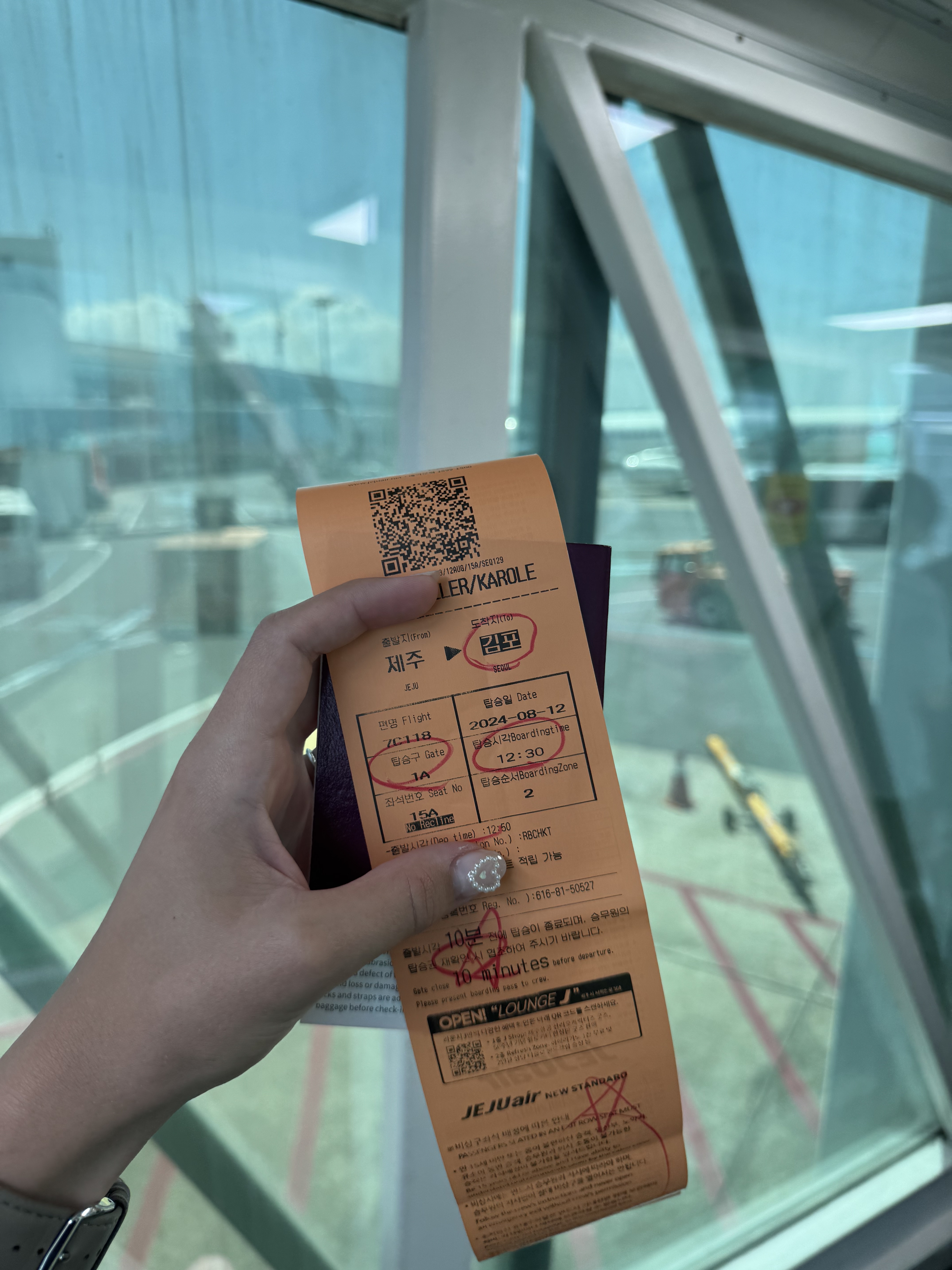
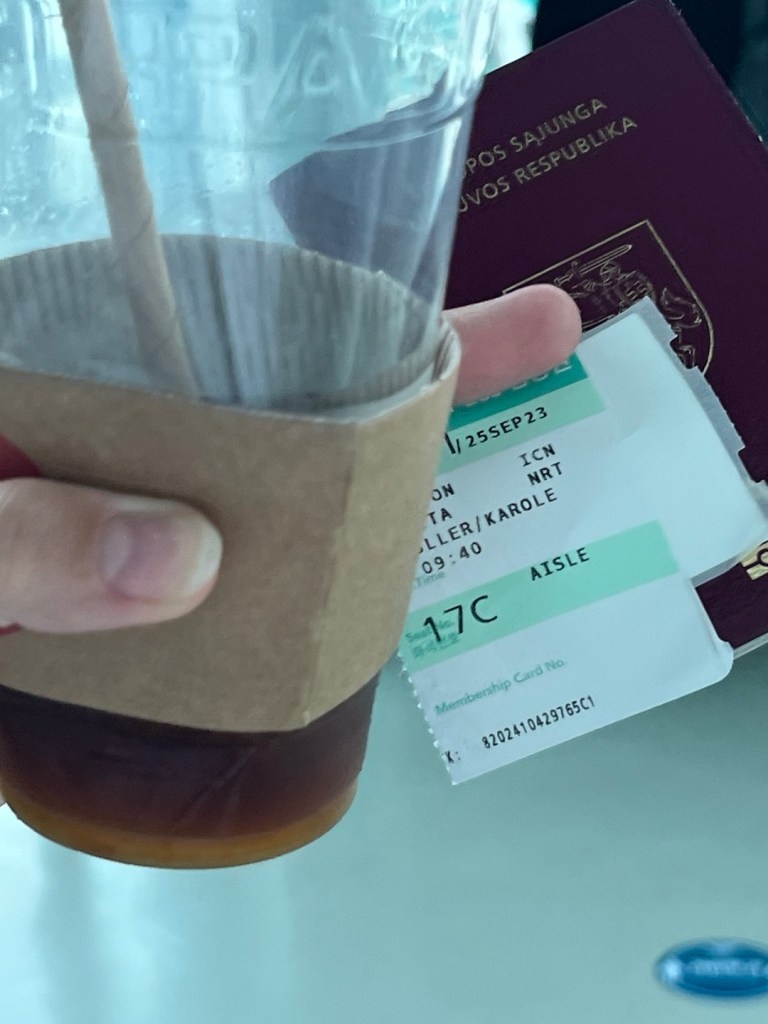
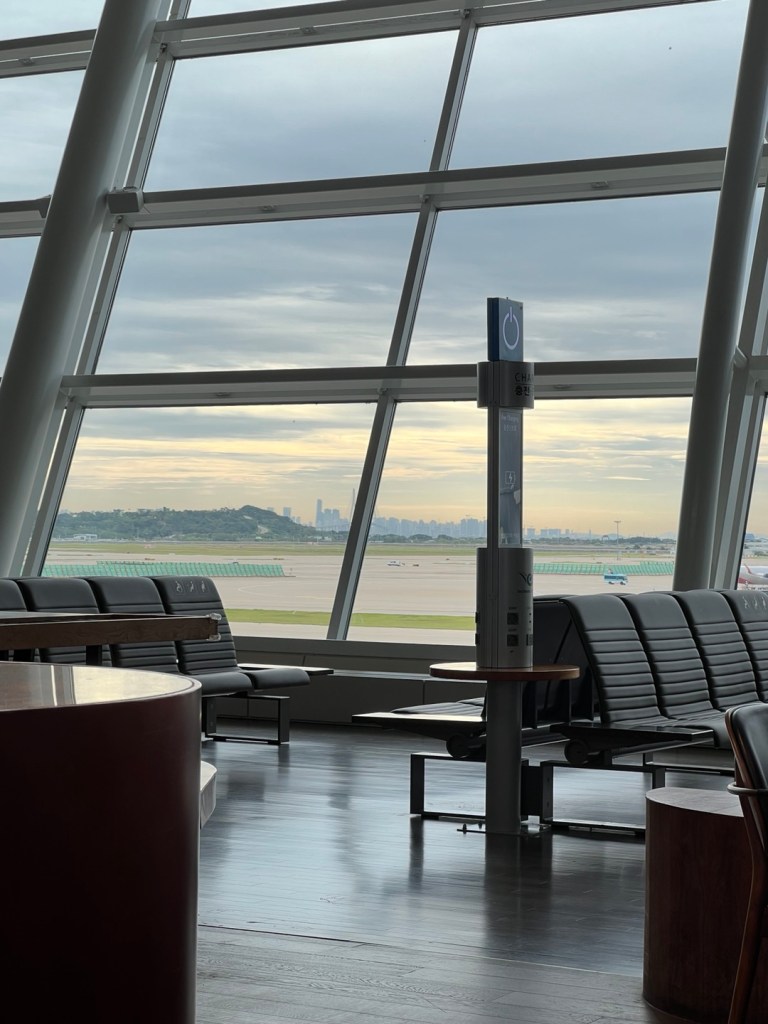
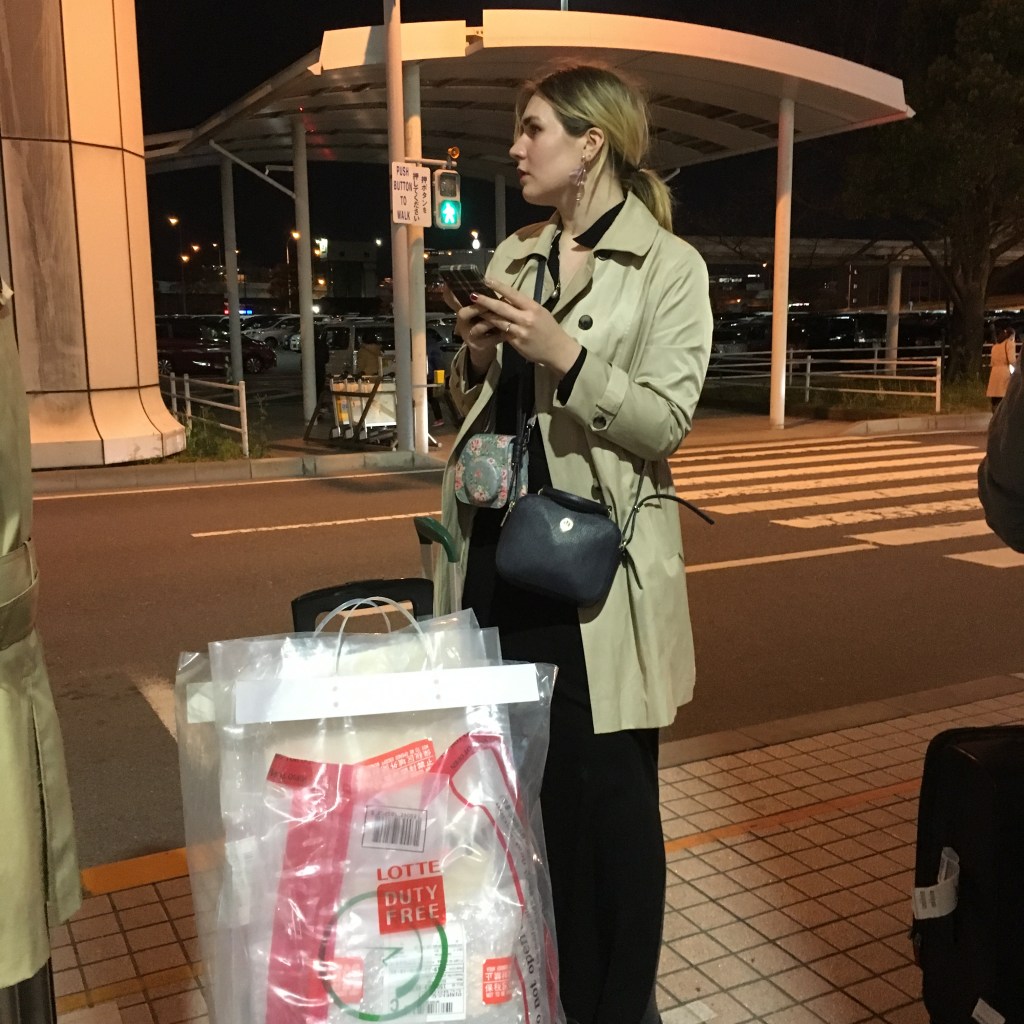
Of course, no trip of mine is complete without a little chaos. The first surprise happened right at the airport, where my dizzy head managed to leave my phone in the toilet… and then exit the terminal, where giant signs everywhere screamed “NO RE-ENTRY.” Classic me, right? Somehow, the travel gods were smiling on me because a super kind airport worker actually helped me get back in—and I was reunited with my phone, aka my whole life. But here comes the real culture shock: when I was thanking him for his help, he gave me a light slap on the butt. Uhhh… is that a thing here? 😂 I’m still not sure if I should be confused, flattered, or mildly concerned—but hey, the journey officially began! 🚅
Next stop: our hotel adventure. We stayed at Hotel Alps in Osaka, and while the location was perfect, the staff were lovely, and the price was super reasonable—there was just one tiny detail the English booking site forgot to mention: it was a love hotel. Yep, you read that right. Now before you panic—it was actually a great stay! The room was super clean, the jacuzzi was a vibe, and honestly, I’d recommend it for anyone who’s open to, let’s say, unique cultural experiences. But let’s just say, my mum had her first little cultural shock when we walked in and saw a girl in a full-on maid costume next to a drunk guy at the self check-in counter… clearly not a romantic couple. My mum just looked at me and whispered, “They’re… probably not together, right?” 😂
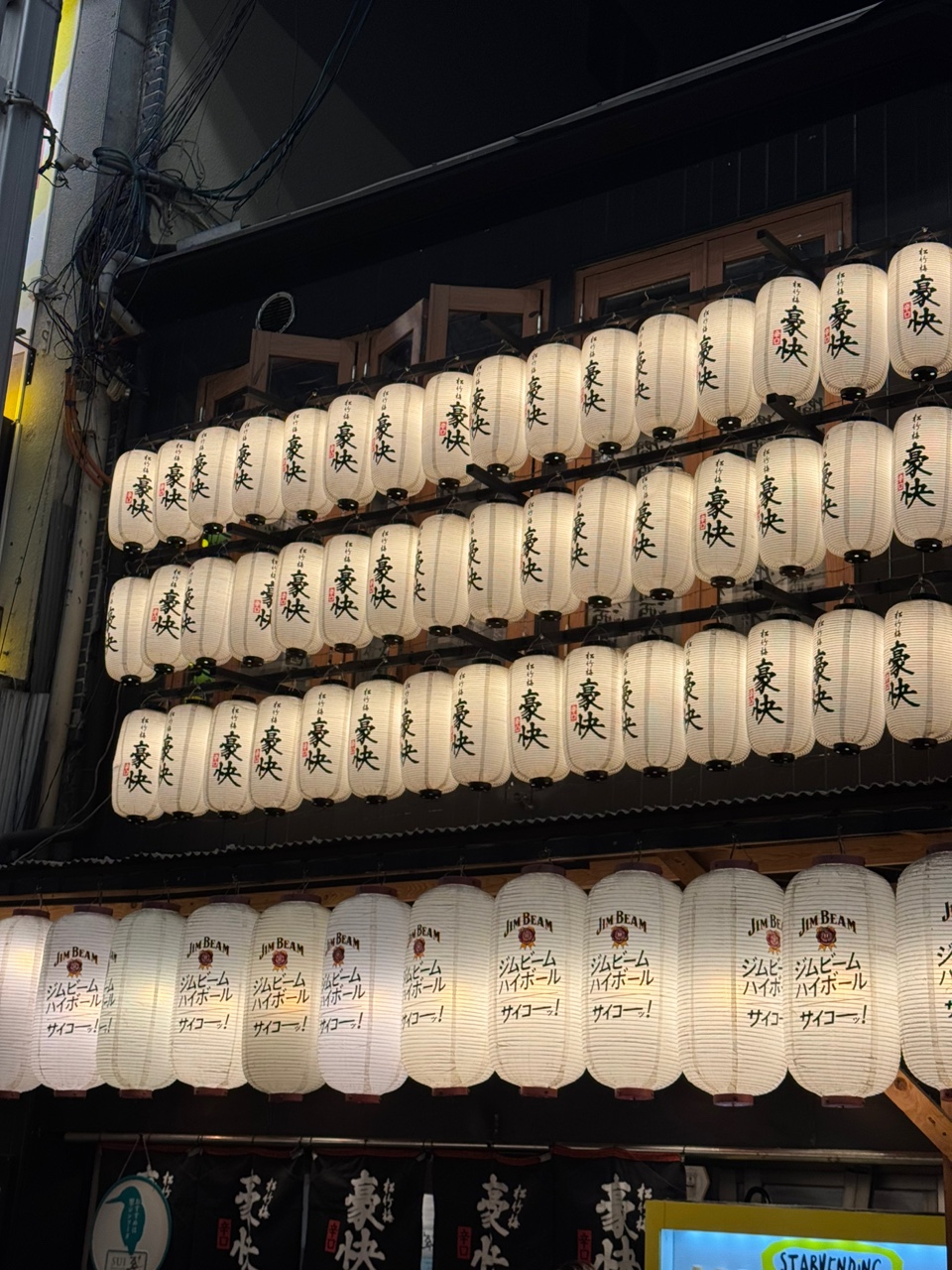
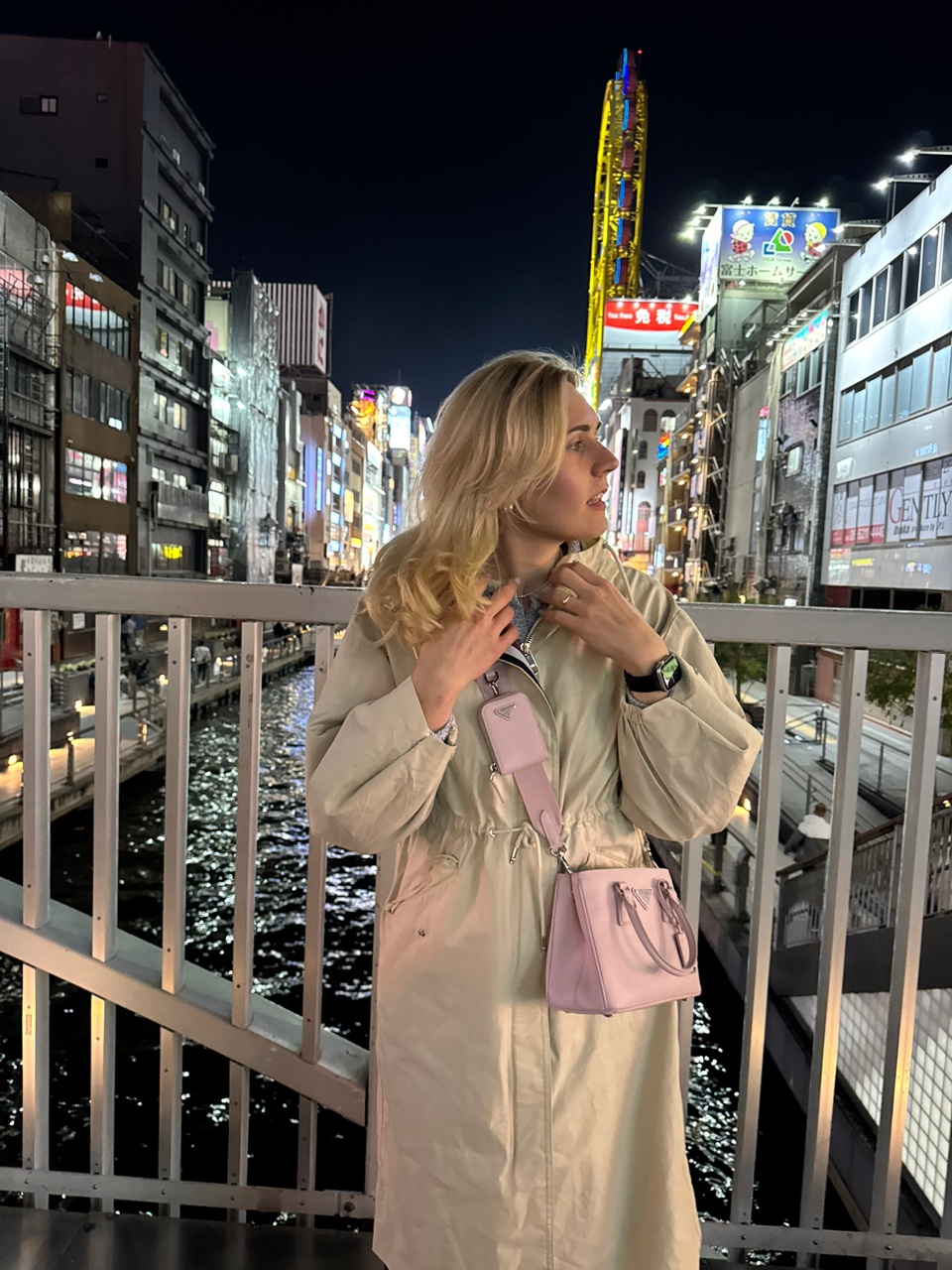
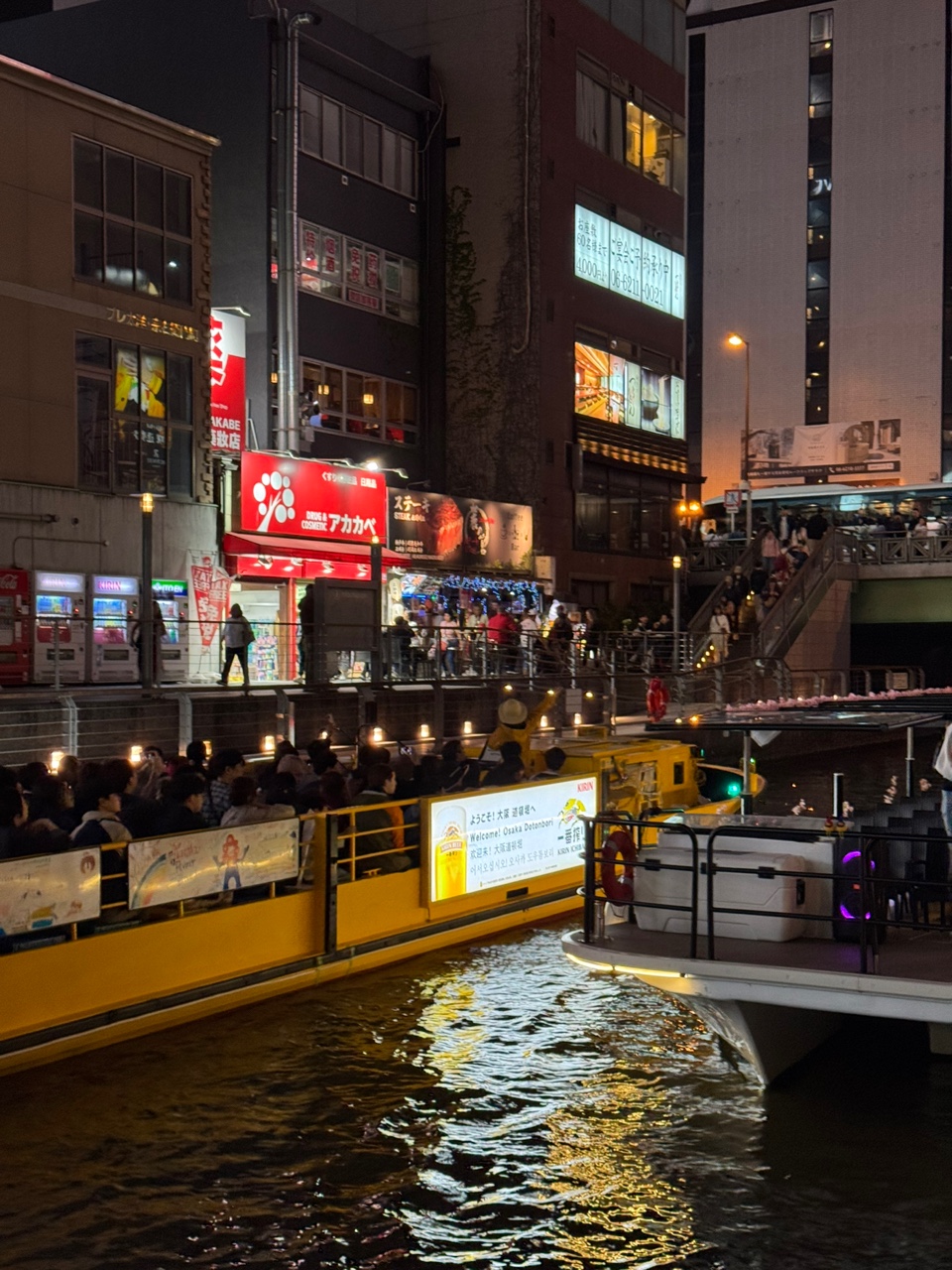
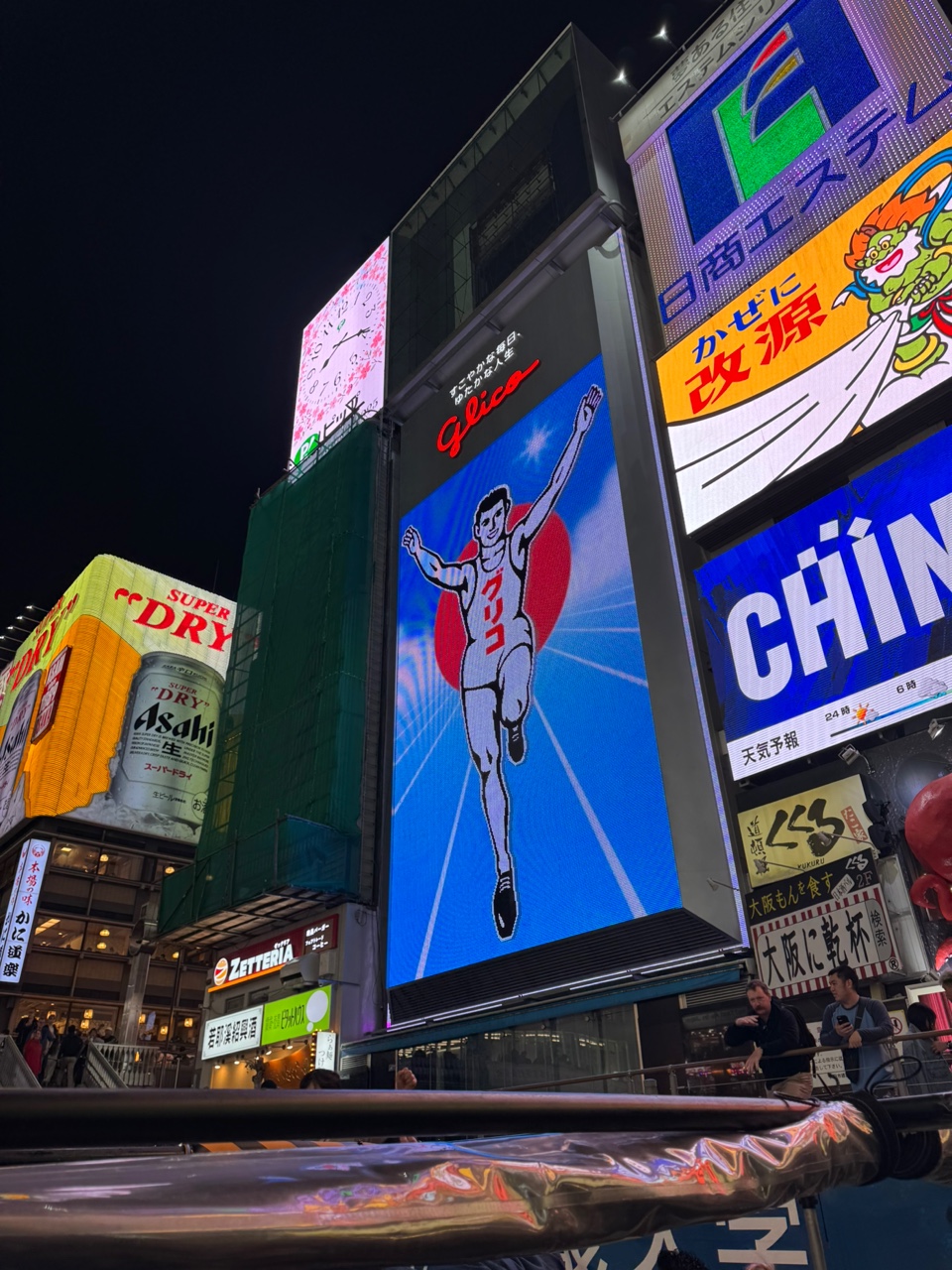
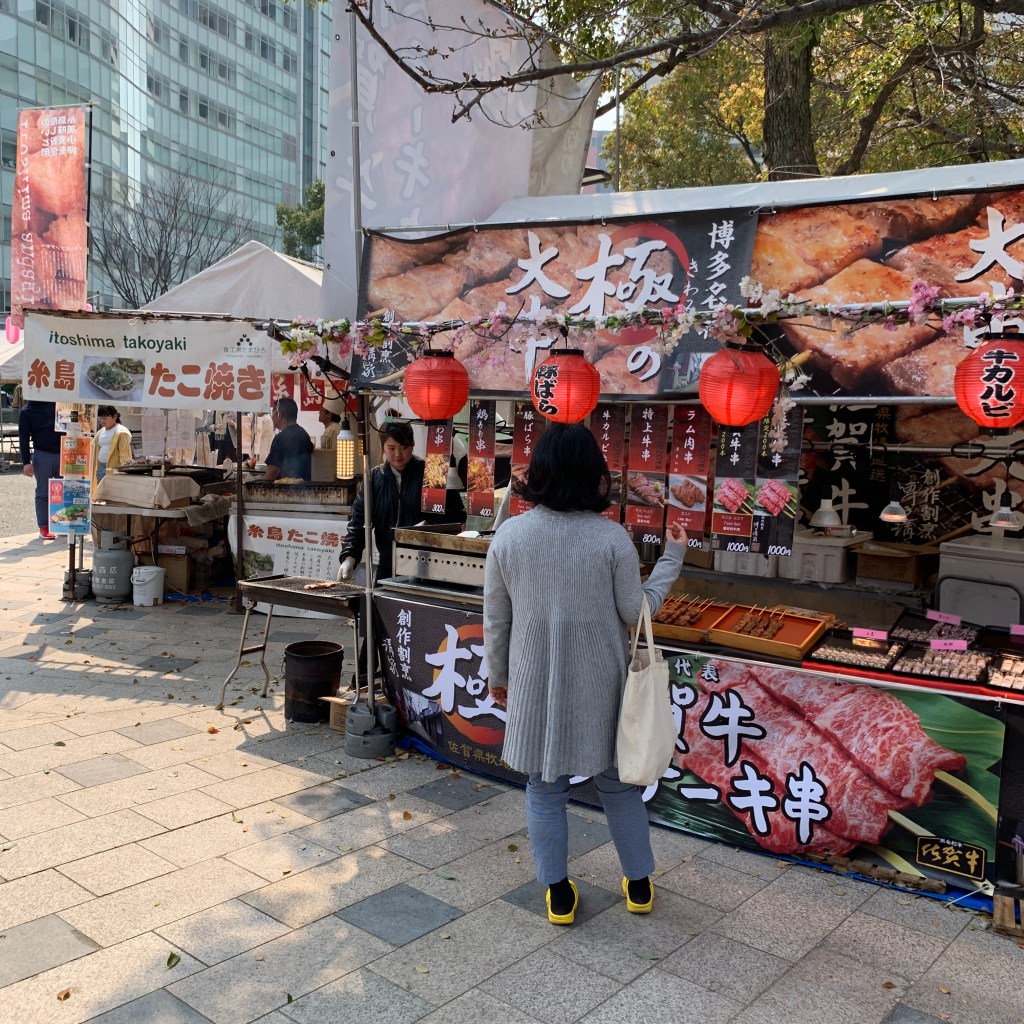
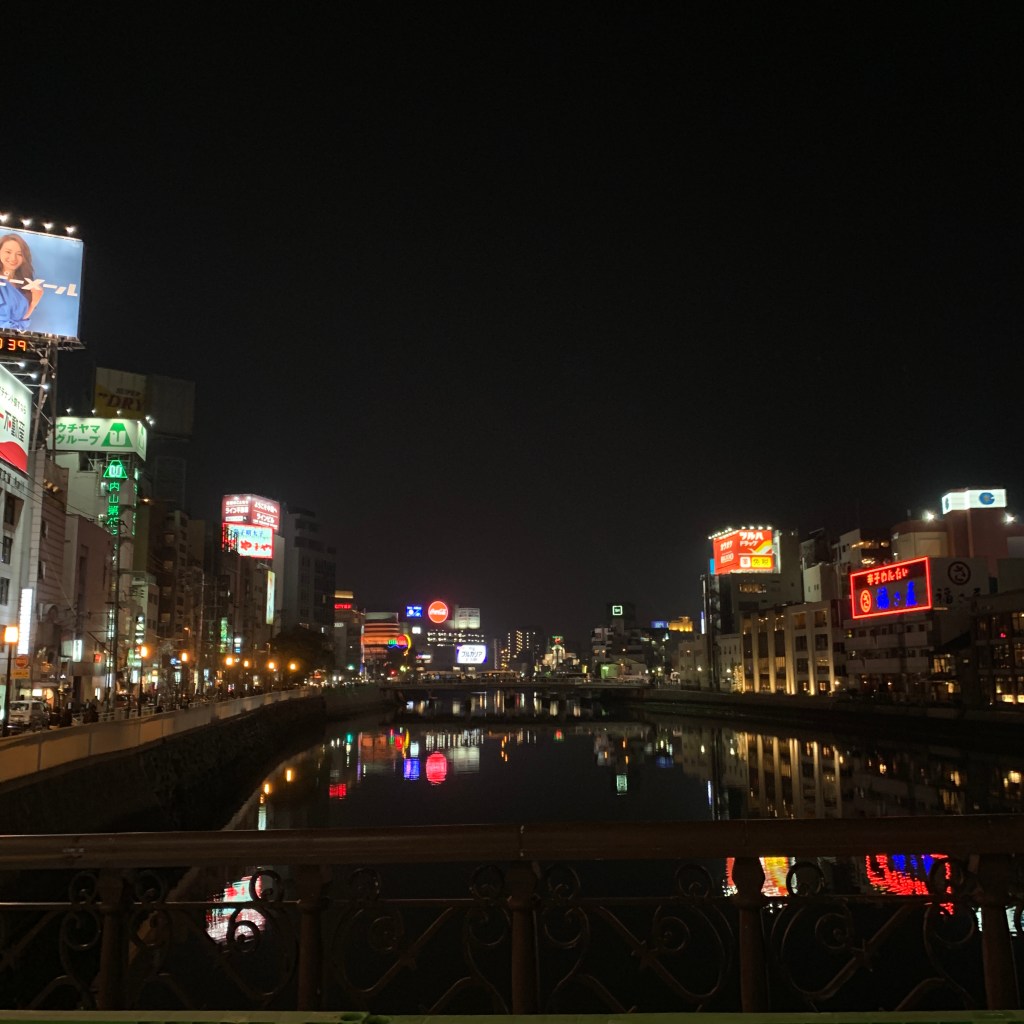
Our first night in Osaka was all about soaking in the energy of the city—and where better to start than the iconic Dotonbori (道頓堀)? The area buzzes with neon lights, sizzling street food, and a chaotic charm that pulls you right in. Of course, we couldn’t skip the legendary Glico Man (a.k.a. glitchy guy in all the best tourist selfies).
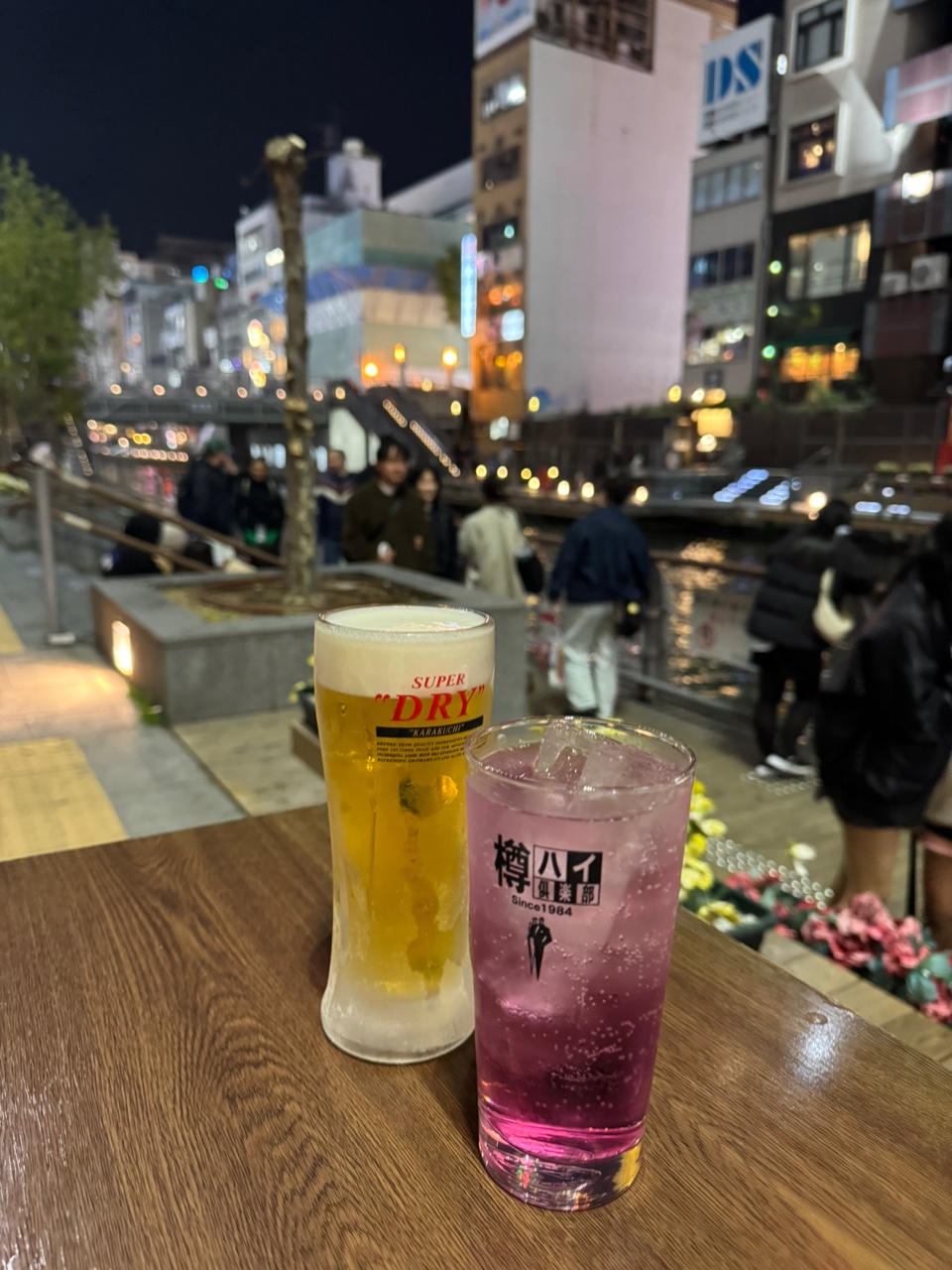
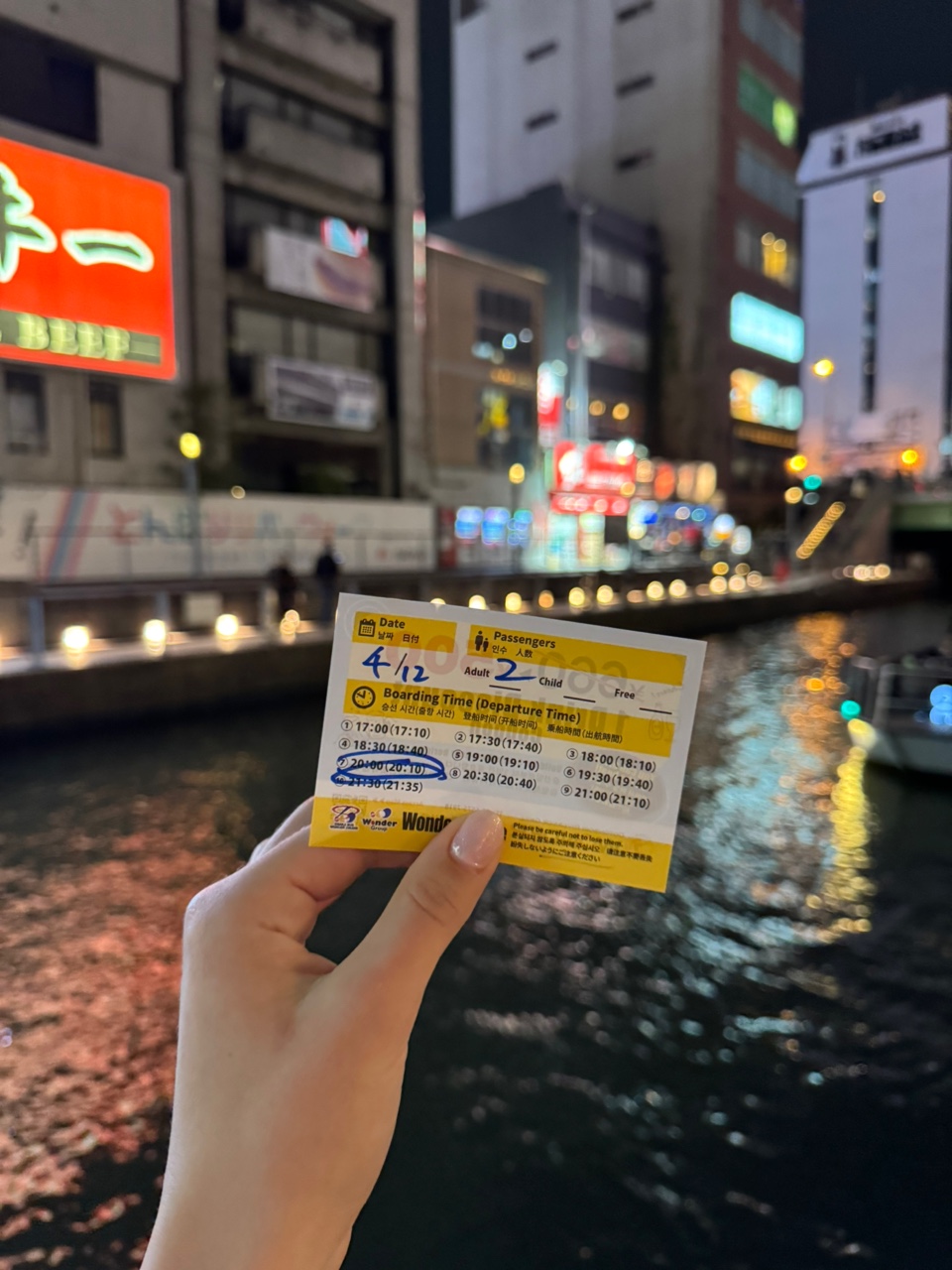
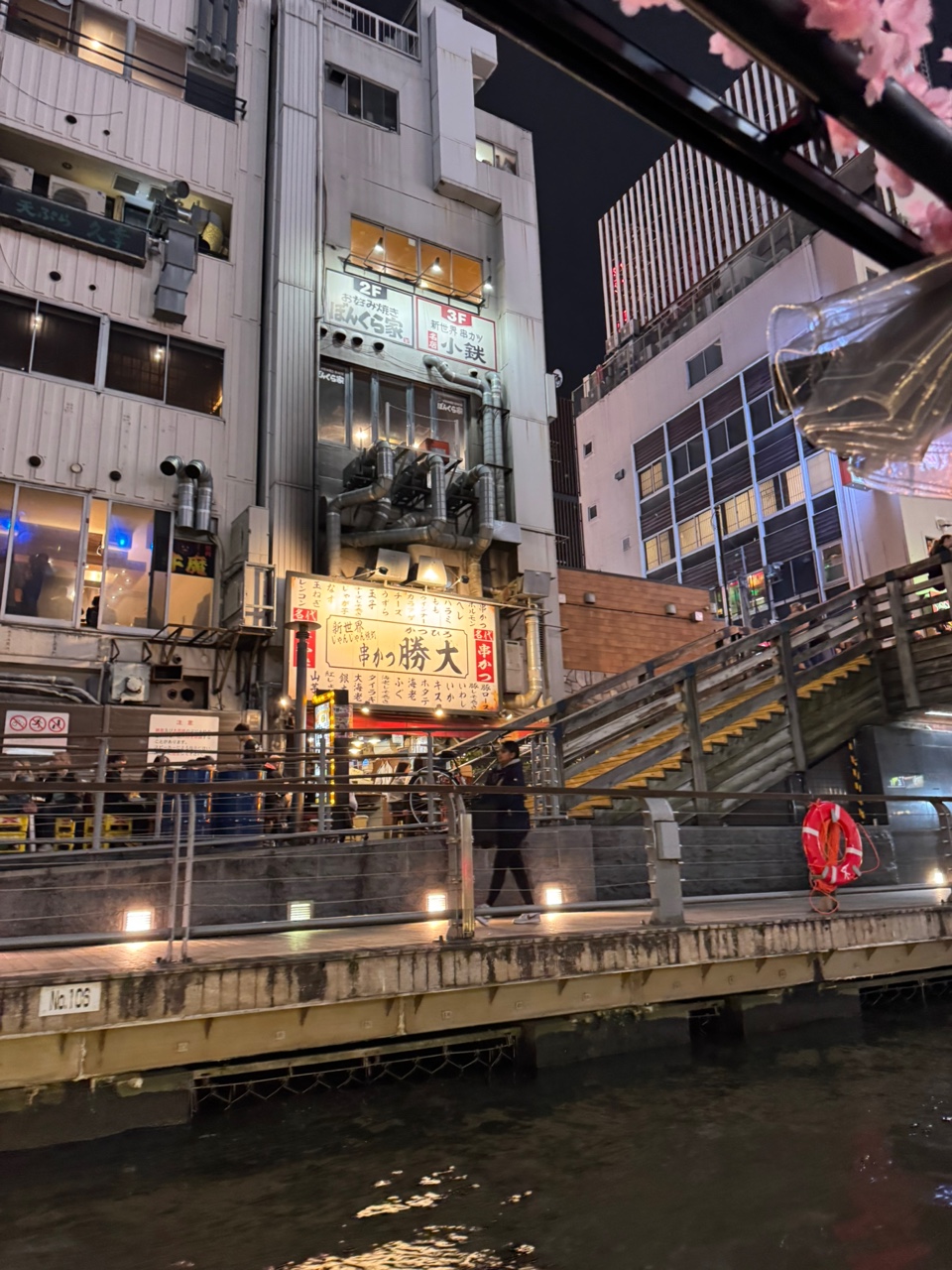
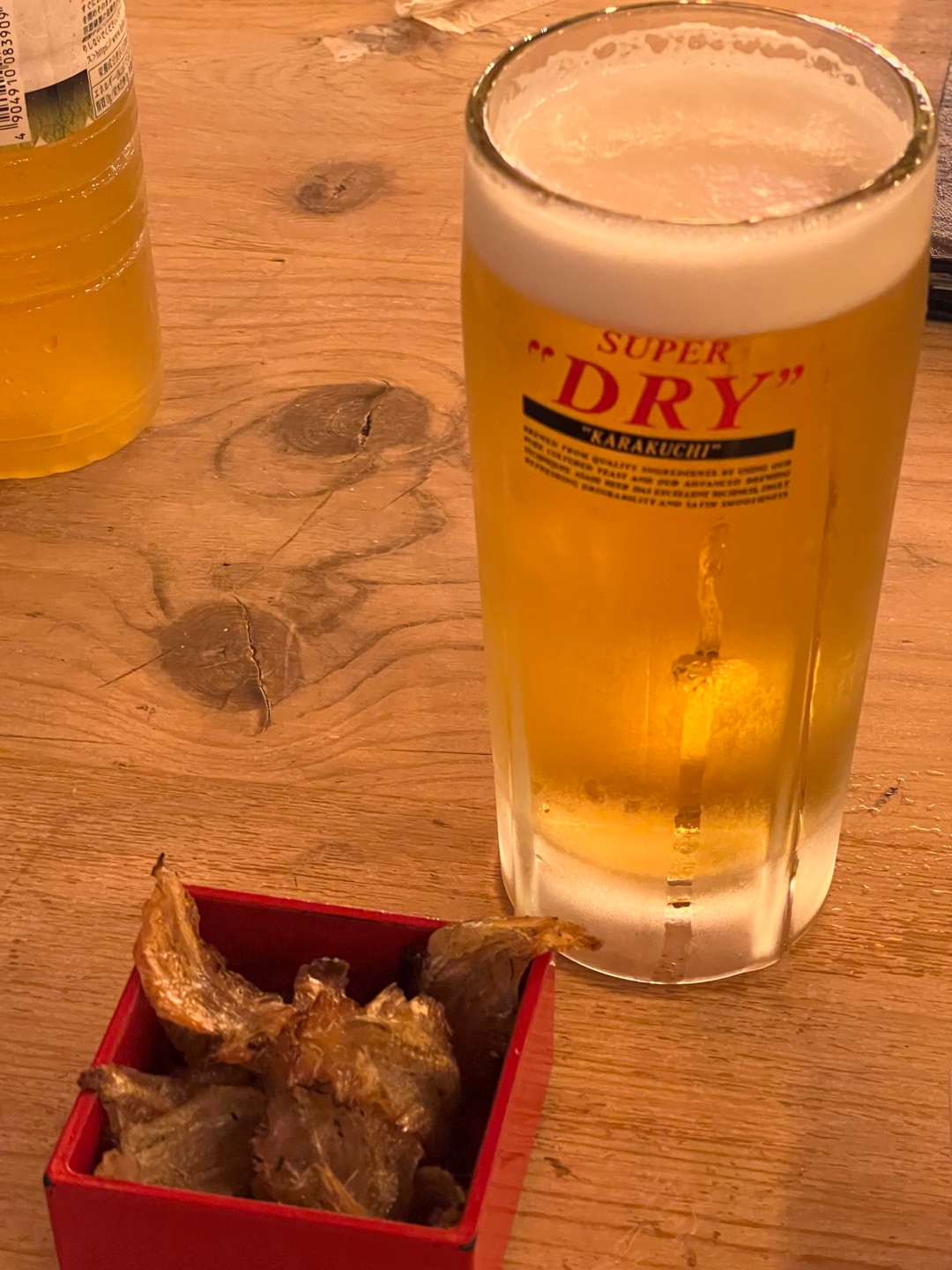
We hopped on a small boat cruise through the Dotonbori canal, letting the reflections of the city lights ripple around us while sipping on a well-earned beer. Floating past the glowing signs and laughter echoing from riverside restaurants was the perfect way to wind down our first day. Simple, magical.
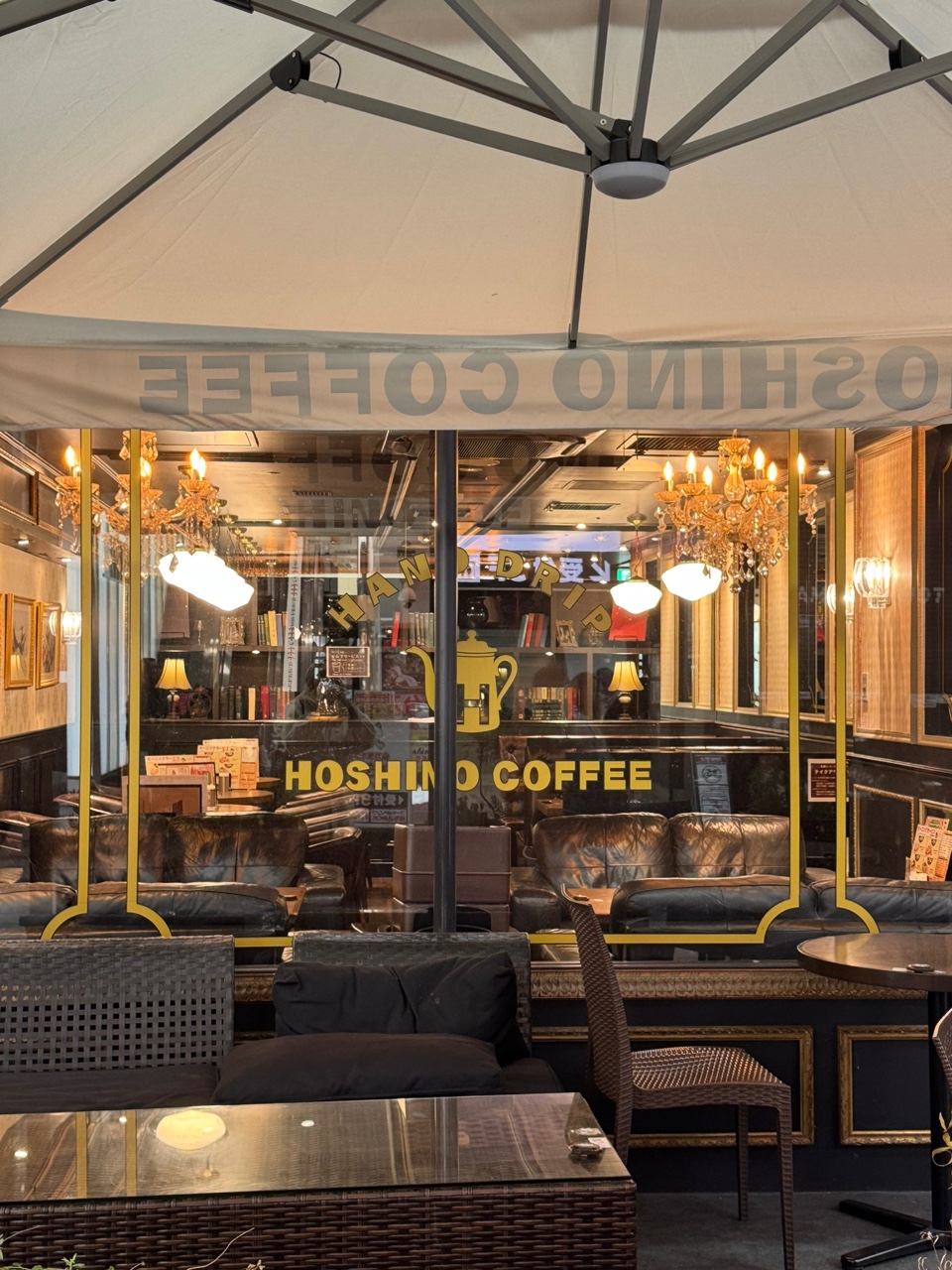
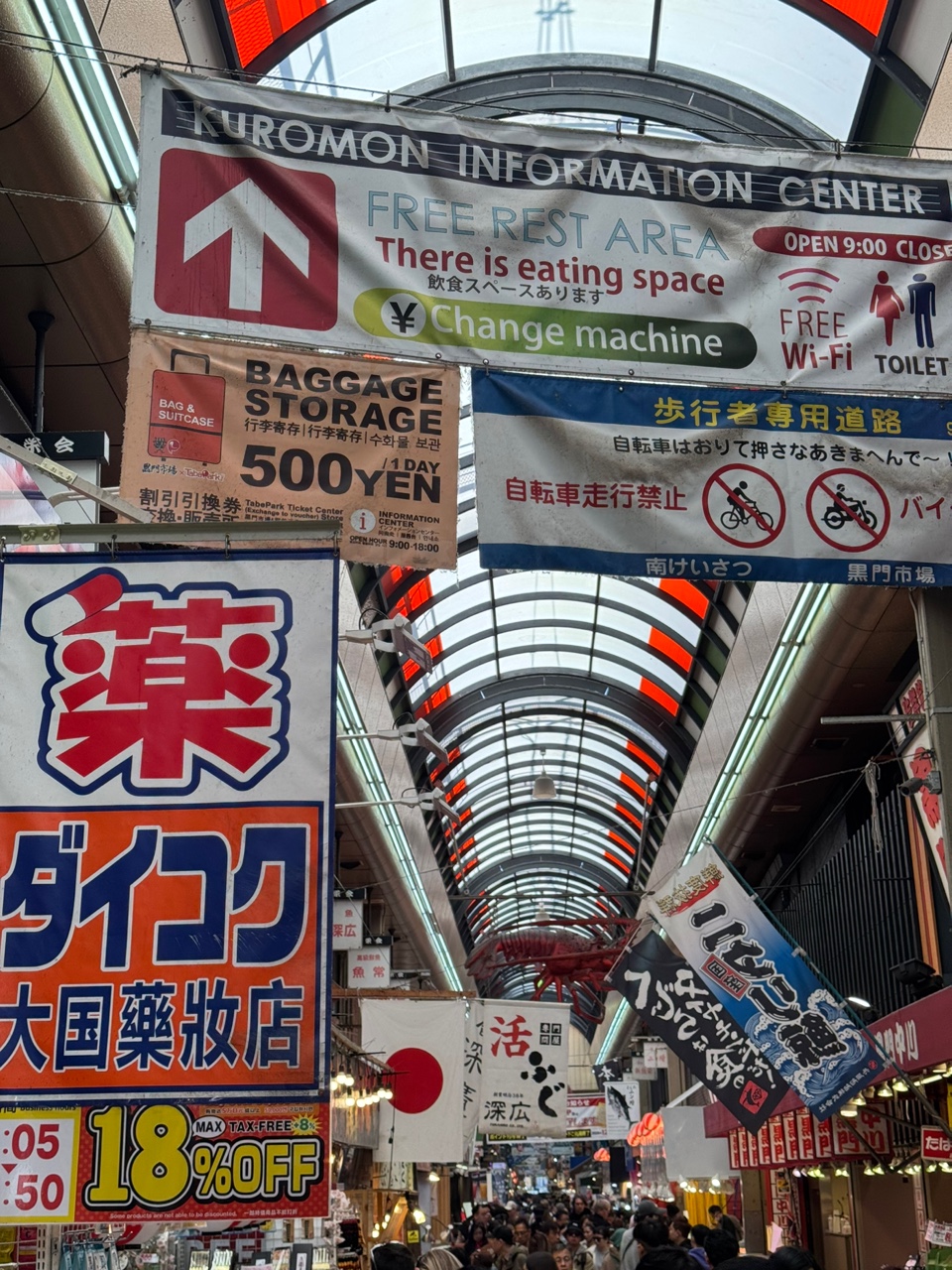
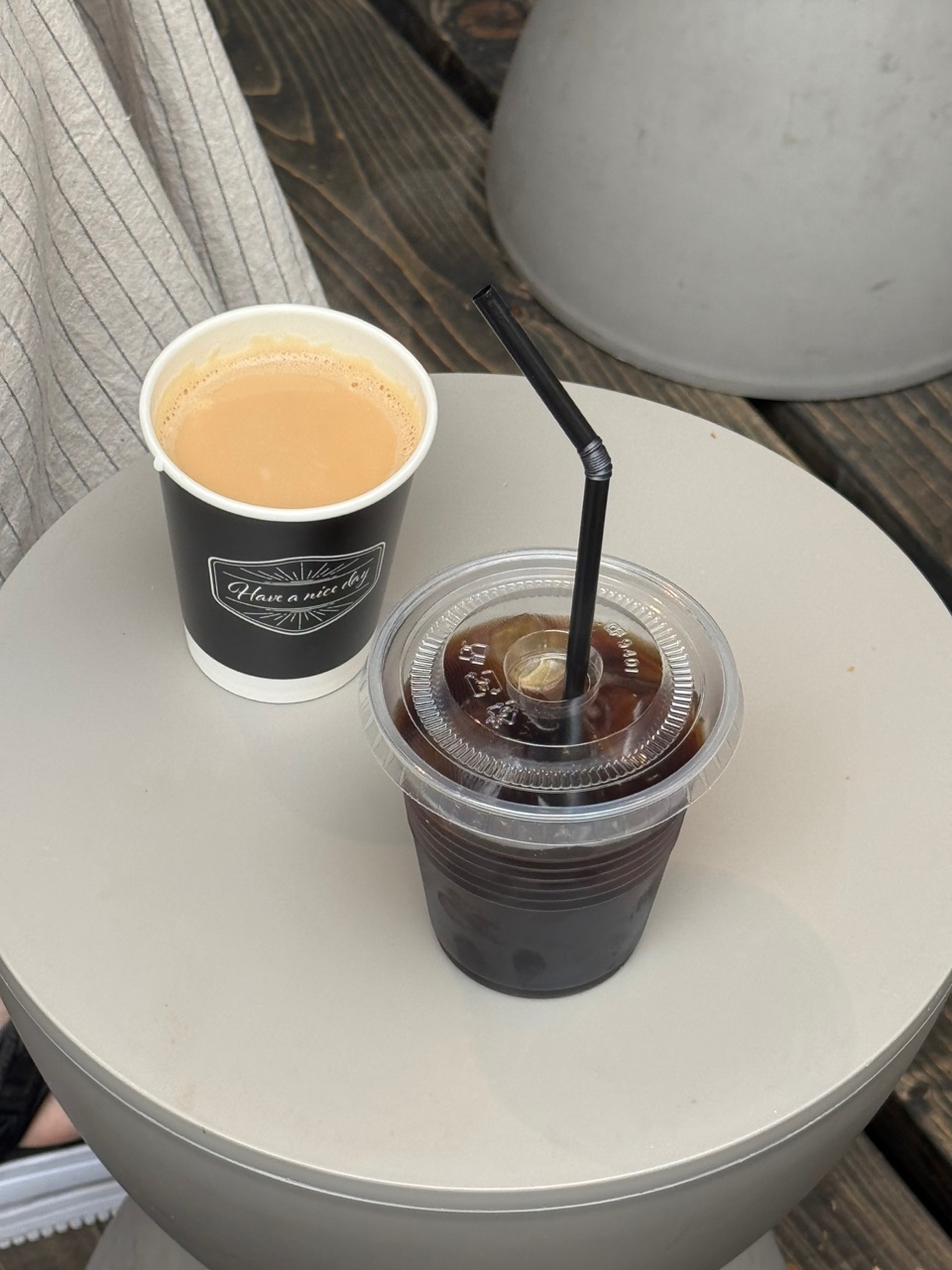
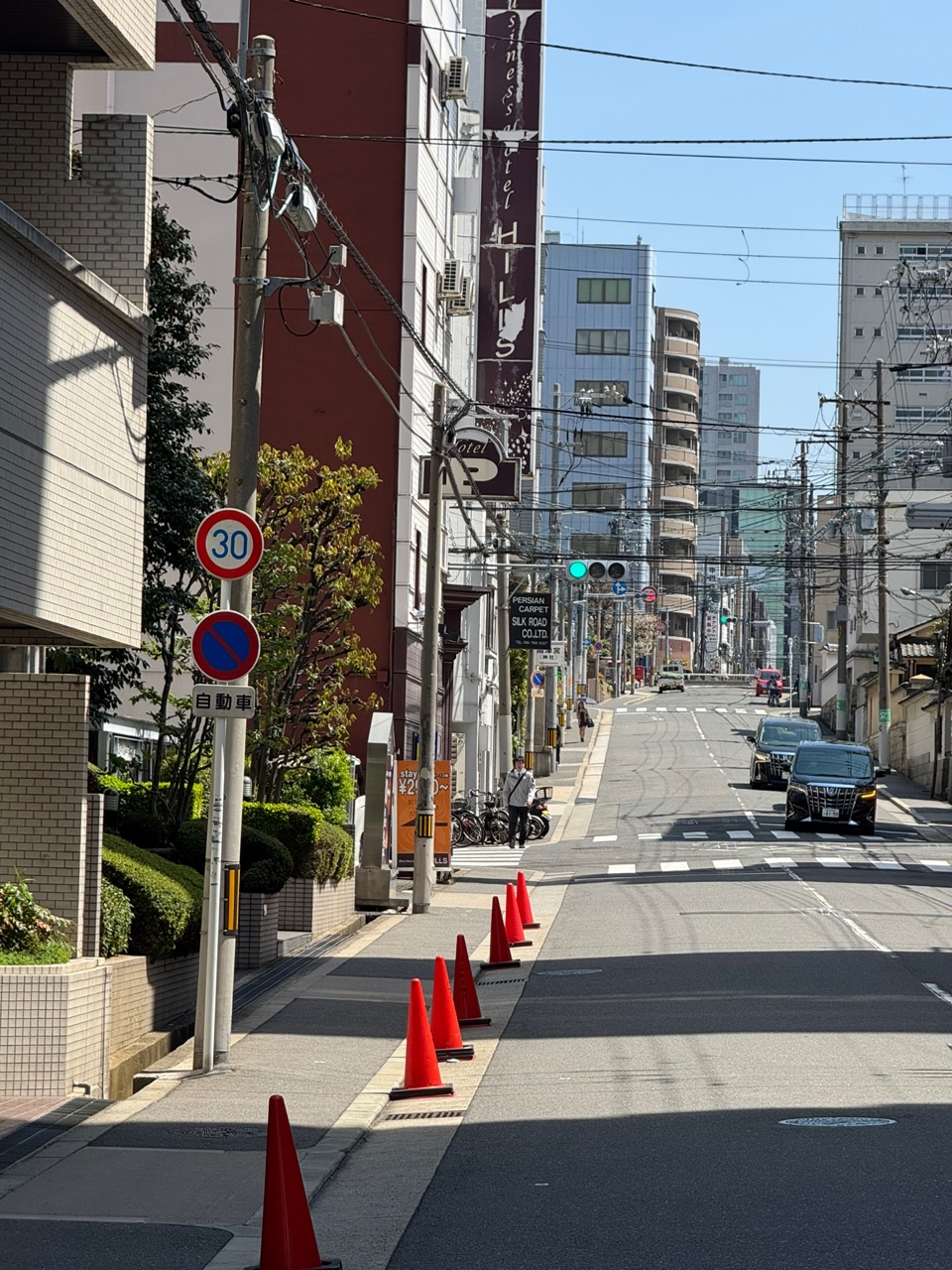
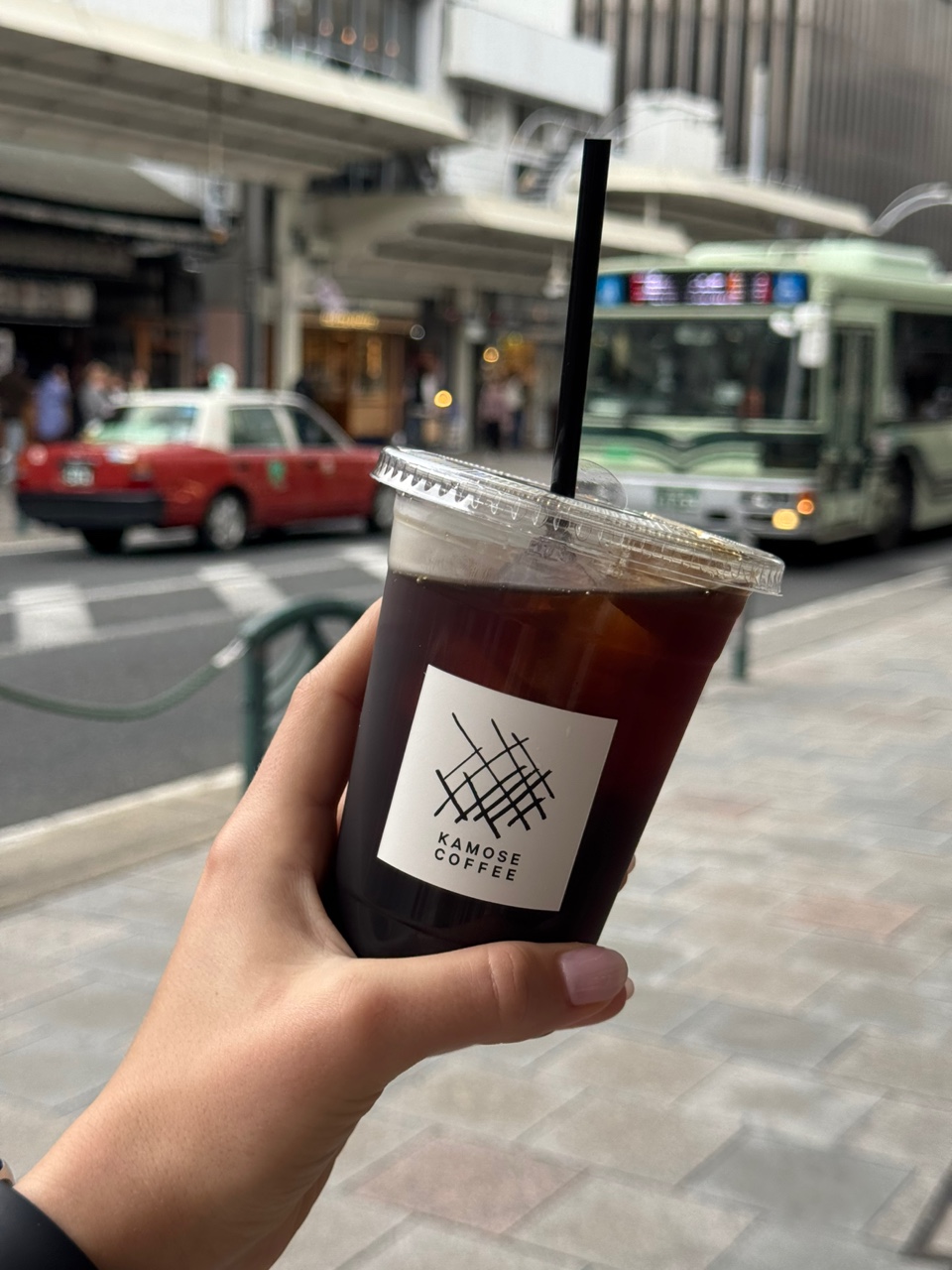
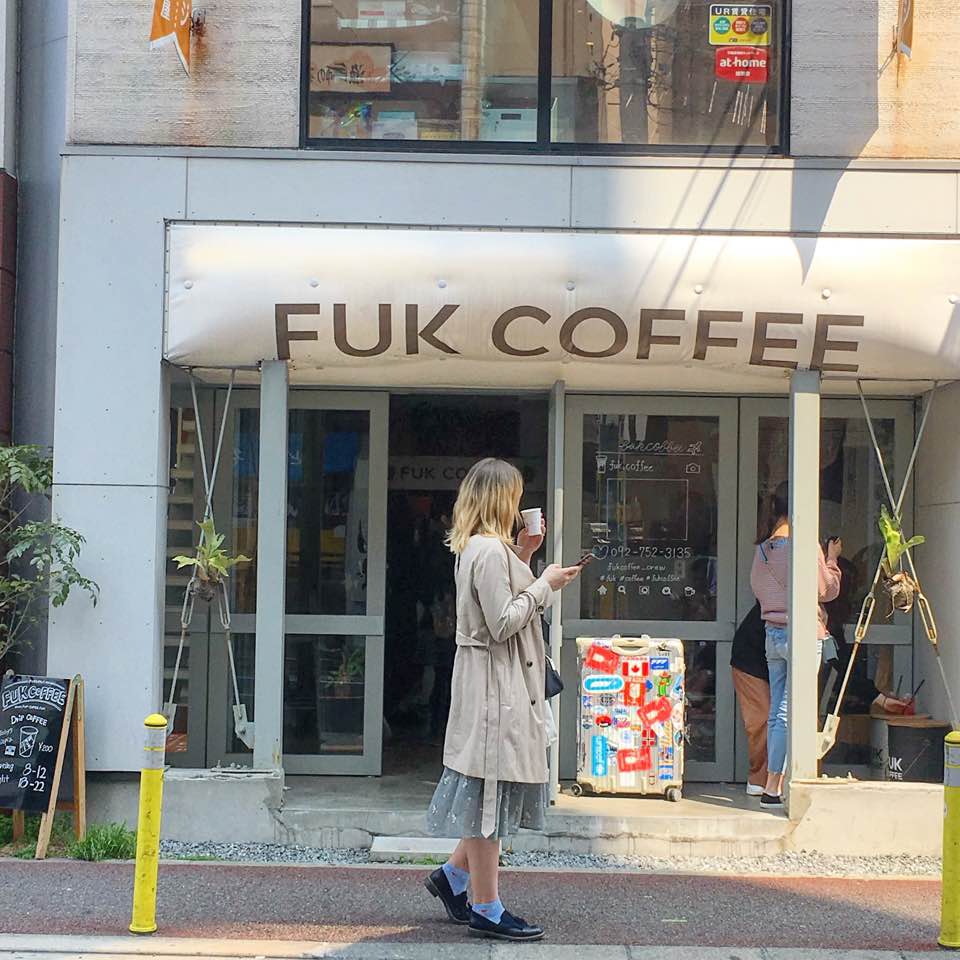
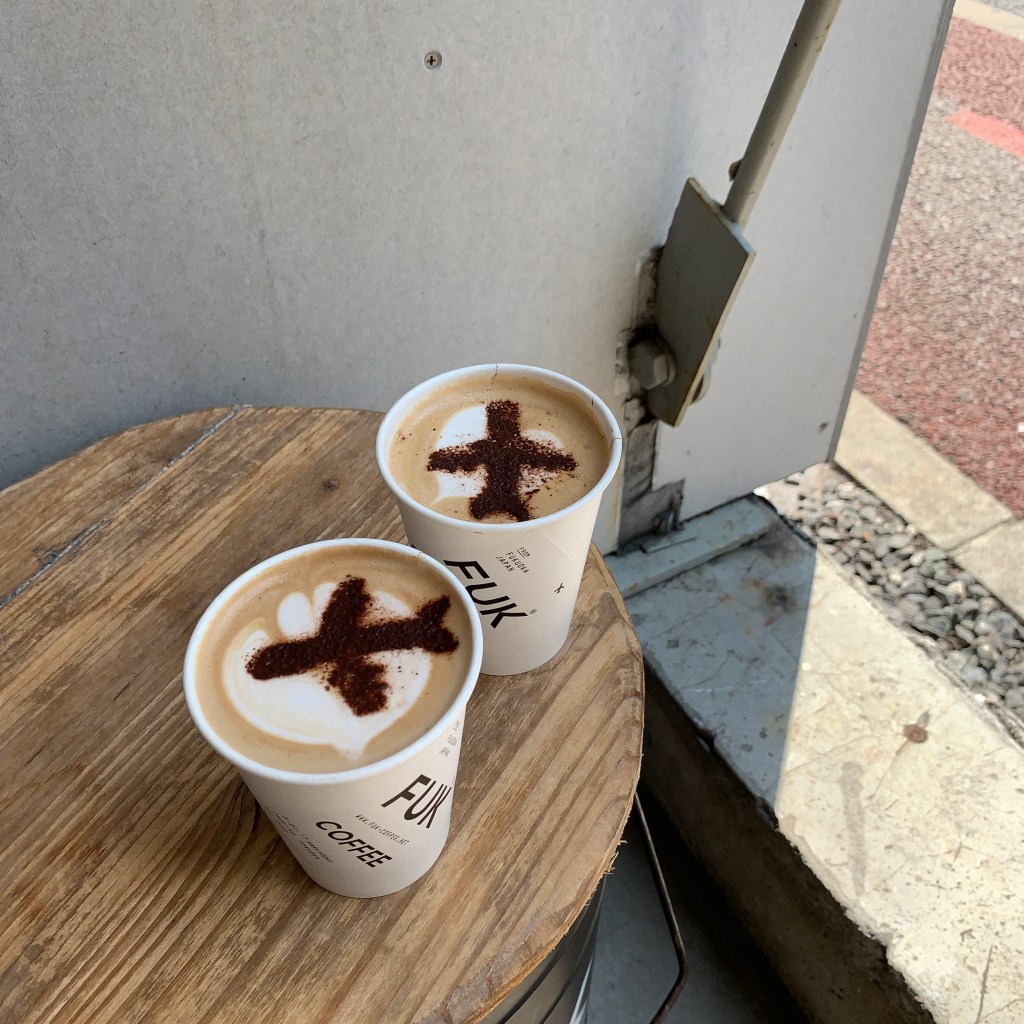
The next morning, we had a light breakfast at our (love lol) hotel and we set our sights on Osaka Castle (大阪城)—but instead of hopping on a train, we decided to walk. A full hour of wandering through the waking city, coffee in hand, side streets waiting to be discovered. Our first stop? Kuromon Ichiba Market (黒門市場)—Osaka’s beloved local market known for fresh seafood, fruit, and all kinds of try-worthy bites. We grabbed our first coffee here (because priorities), before strolling onward.
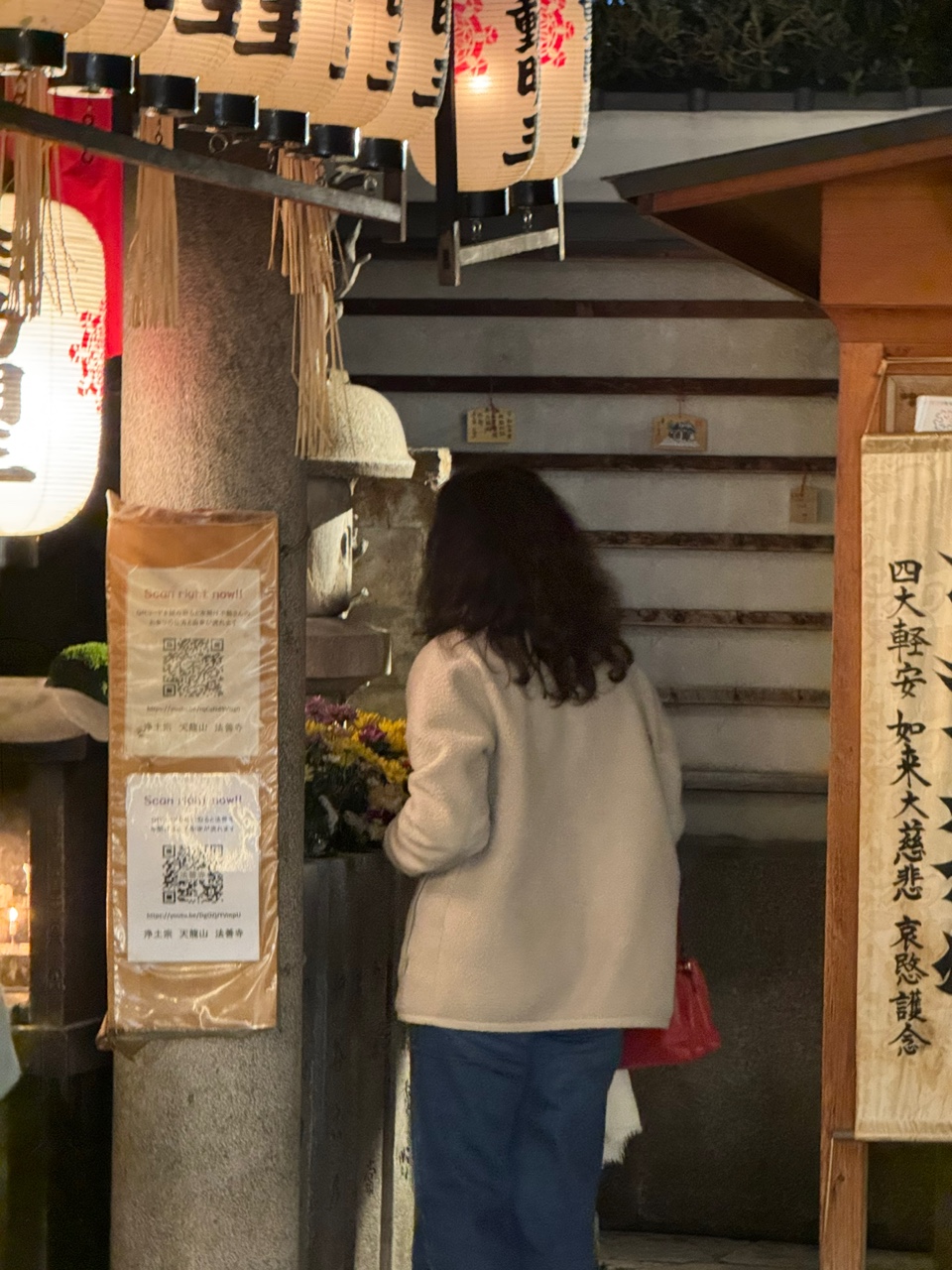
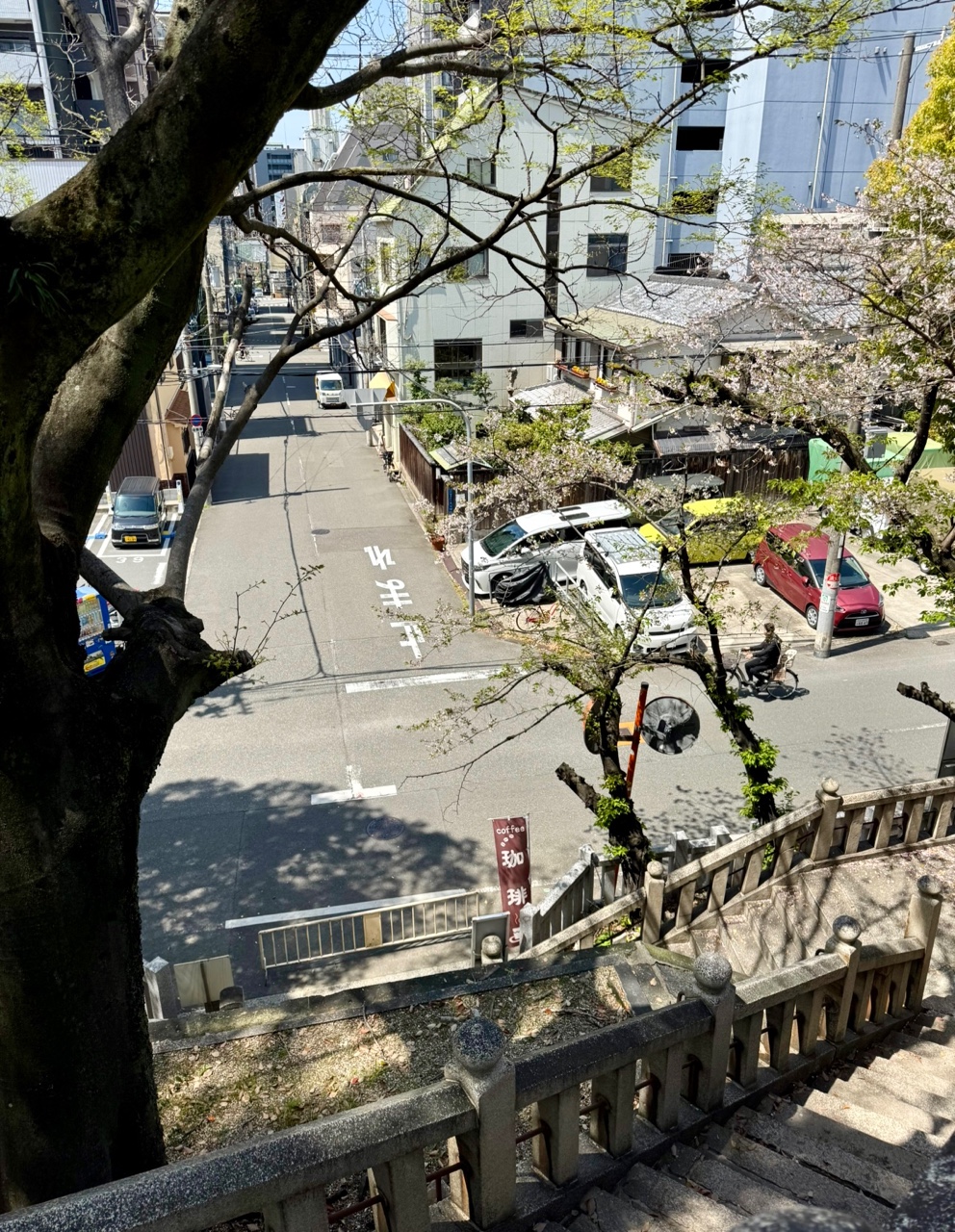
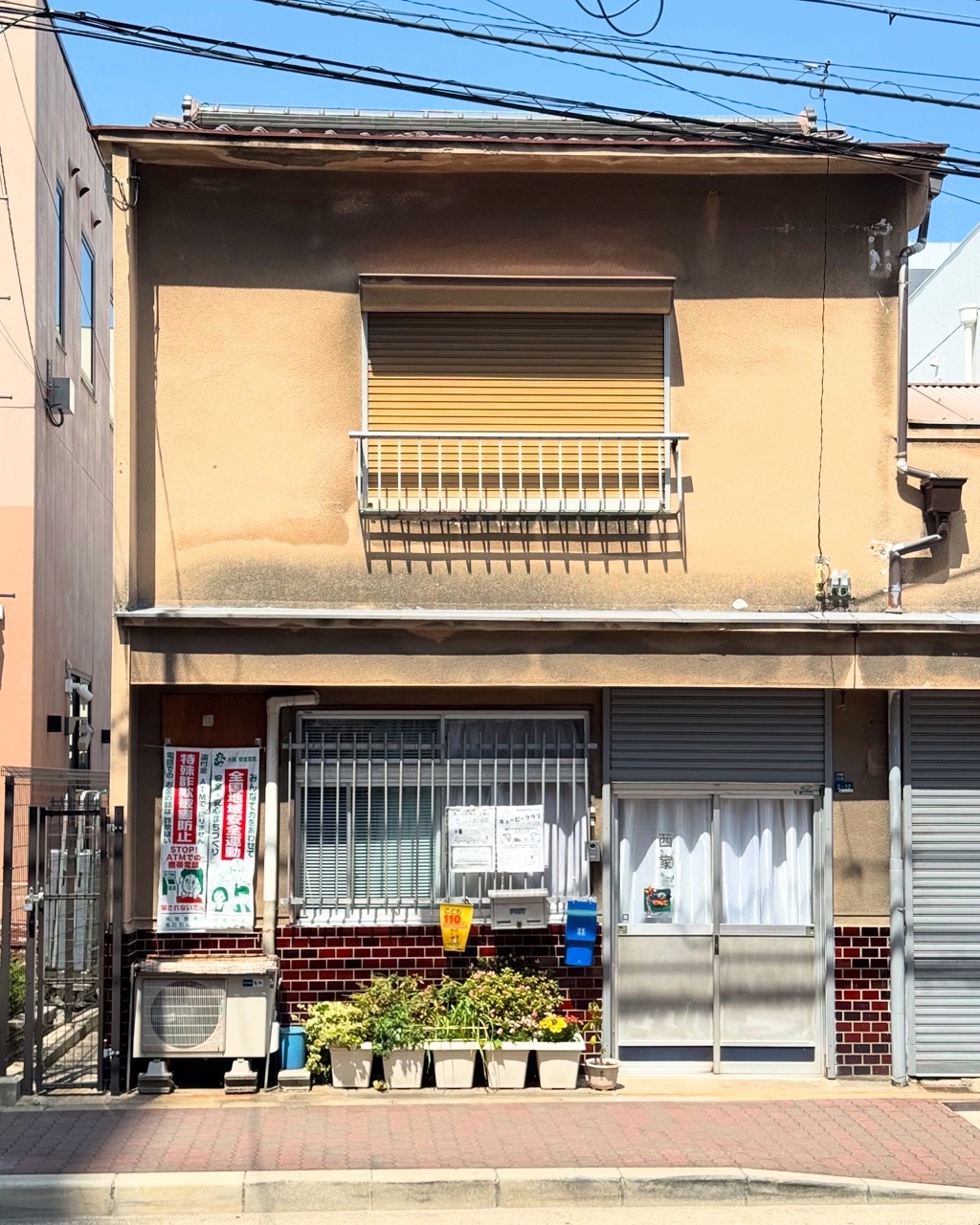
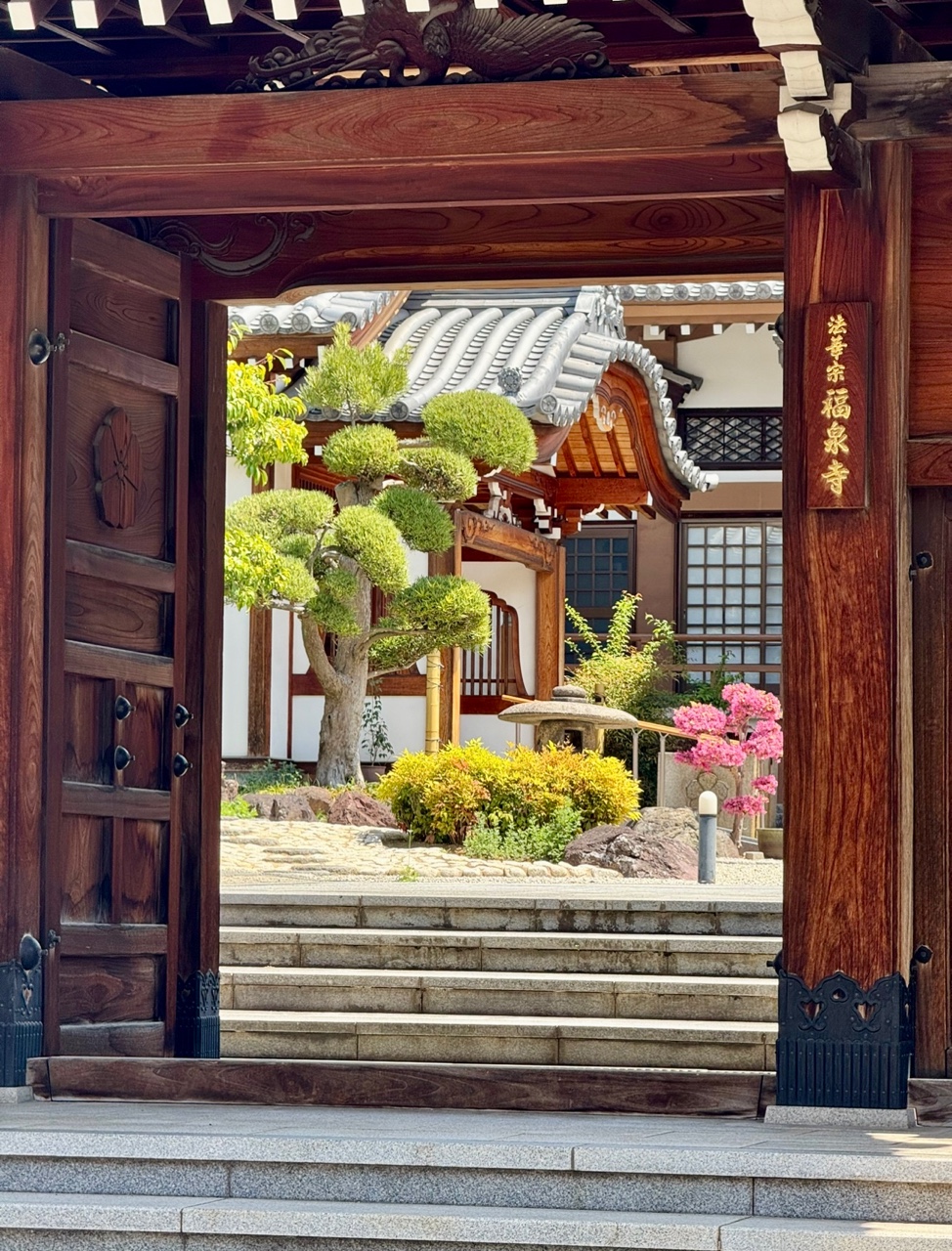
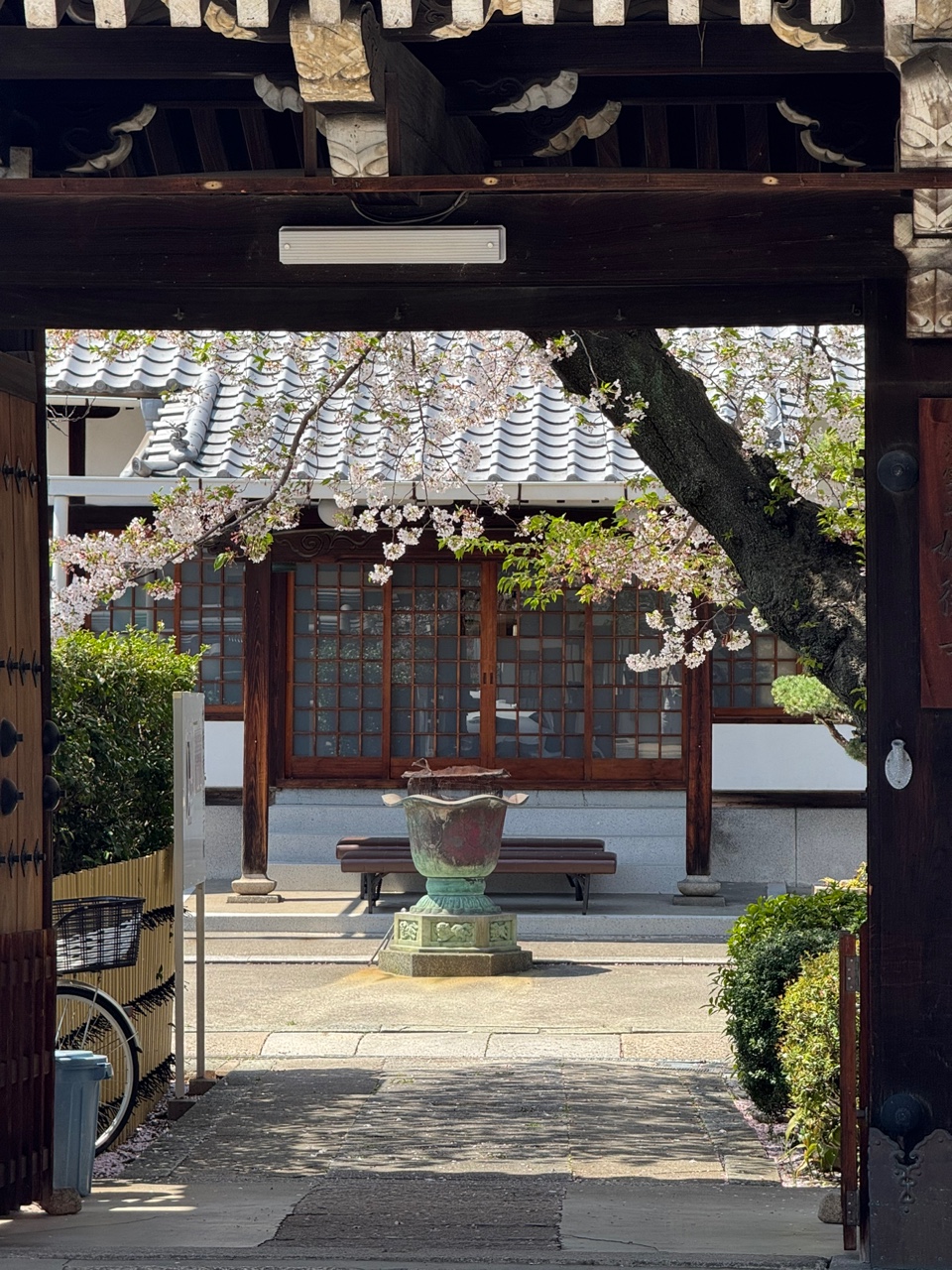
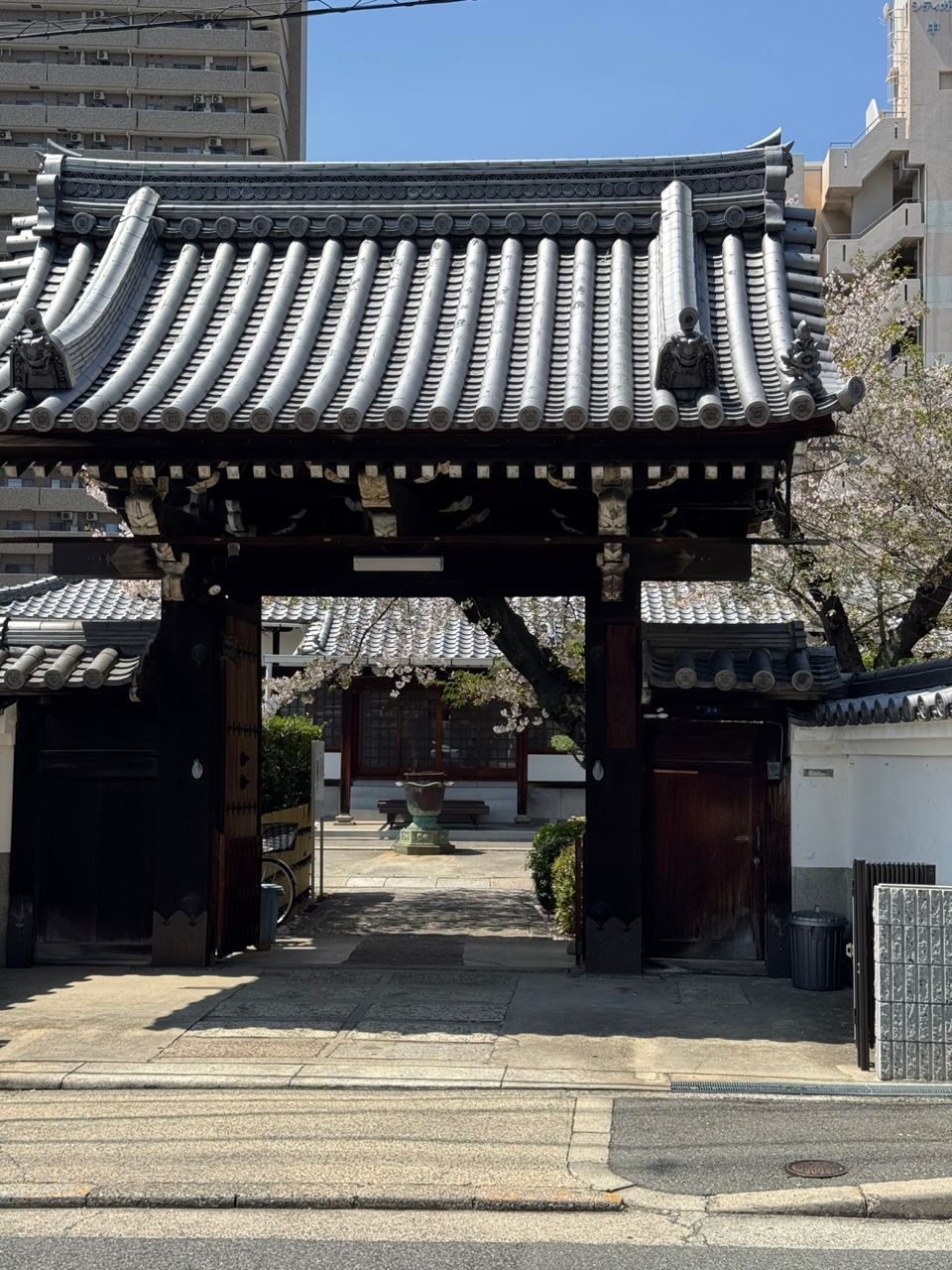
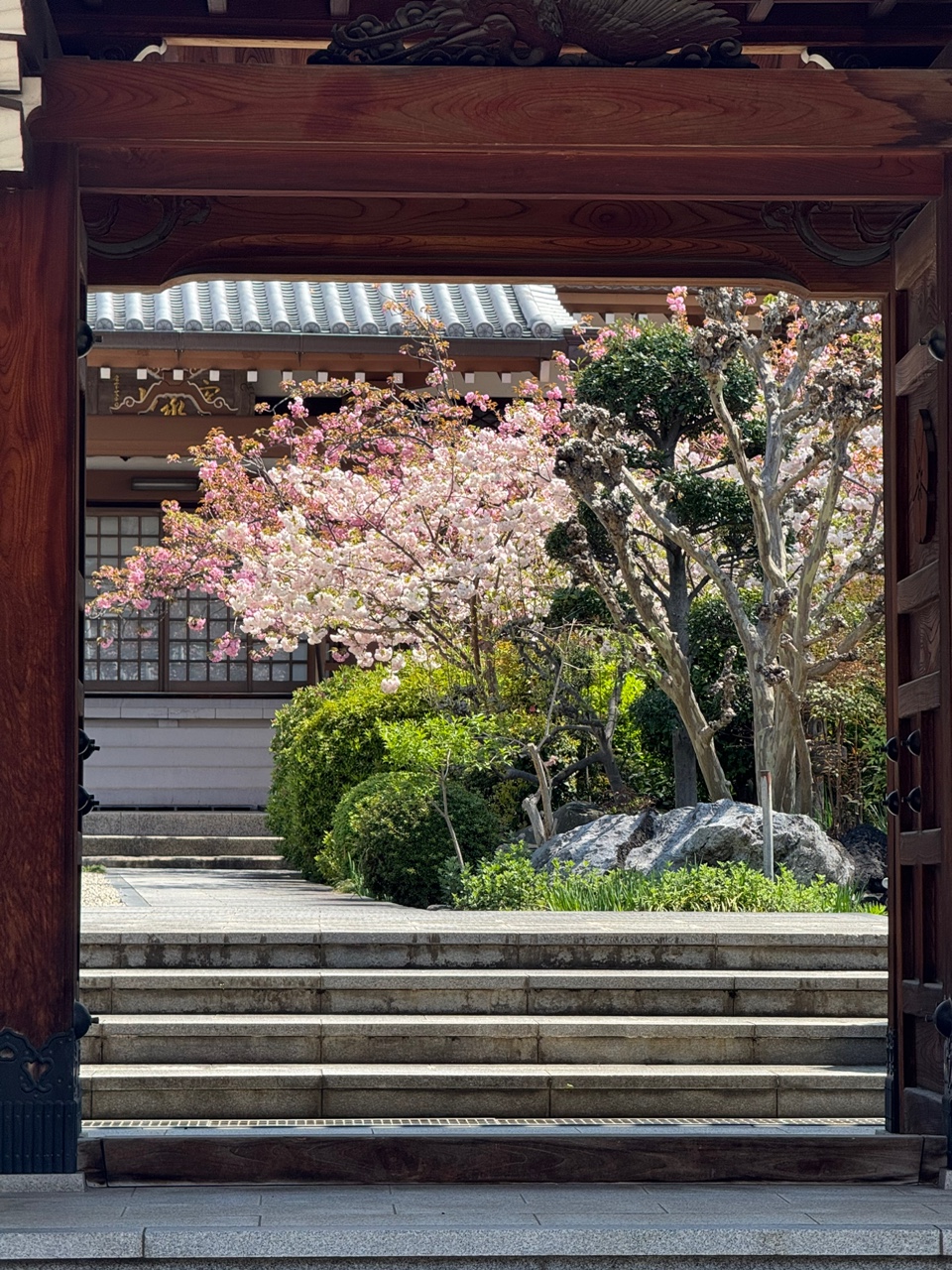
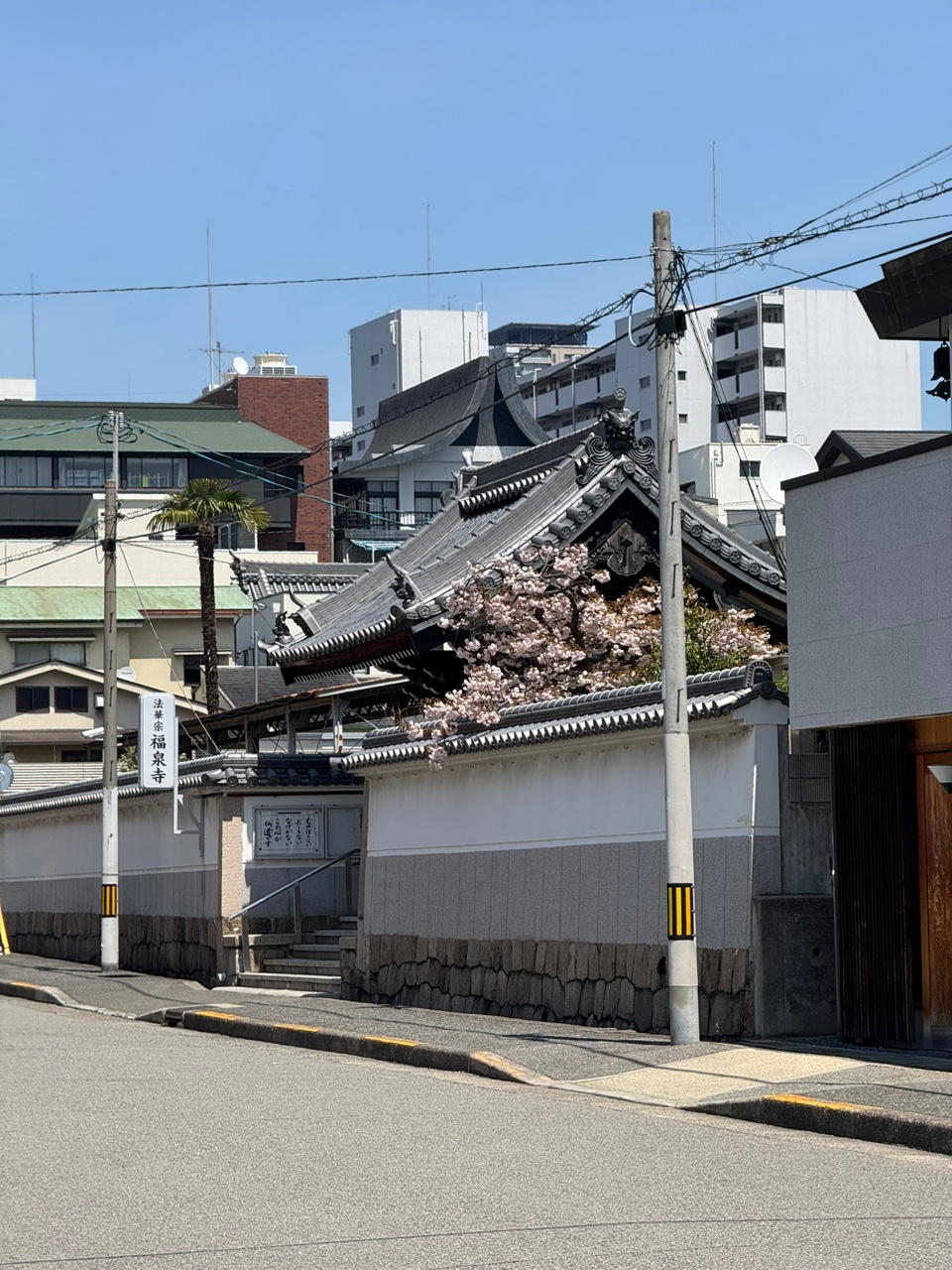
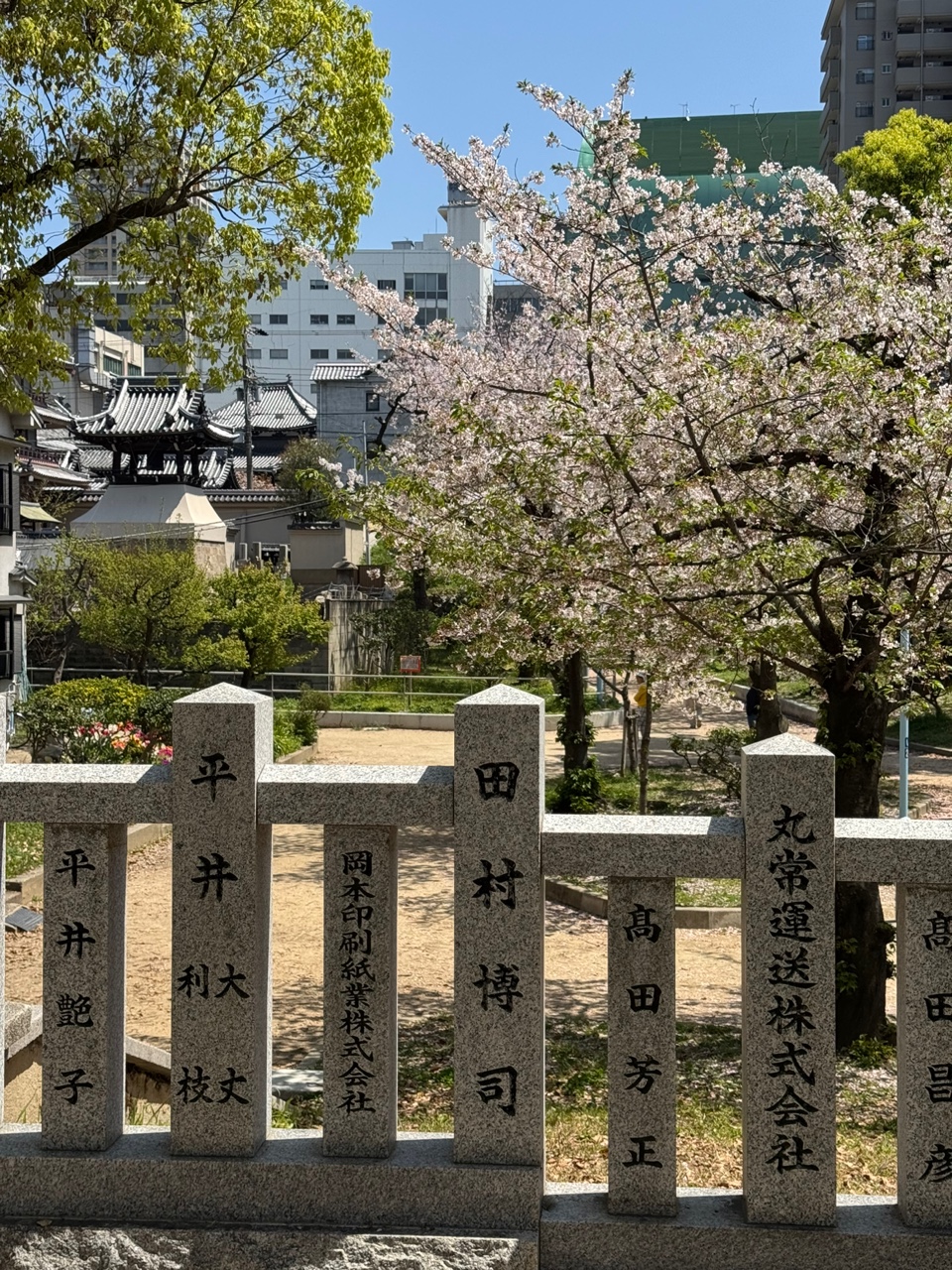
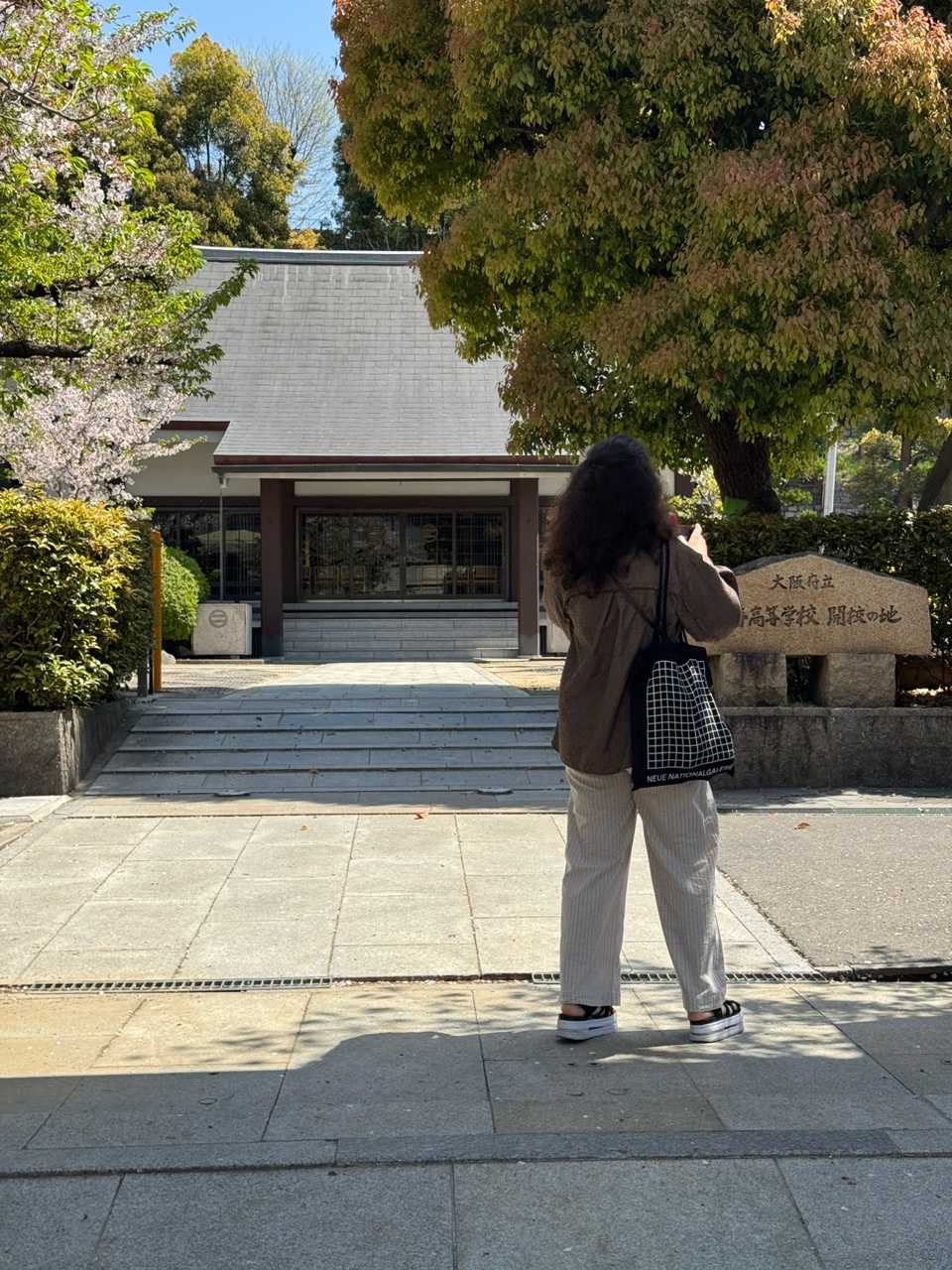
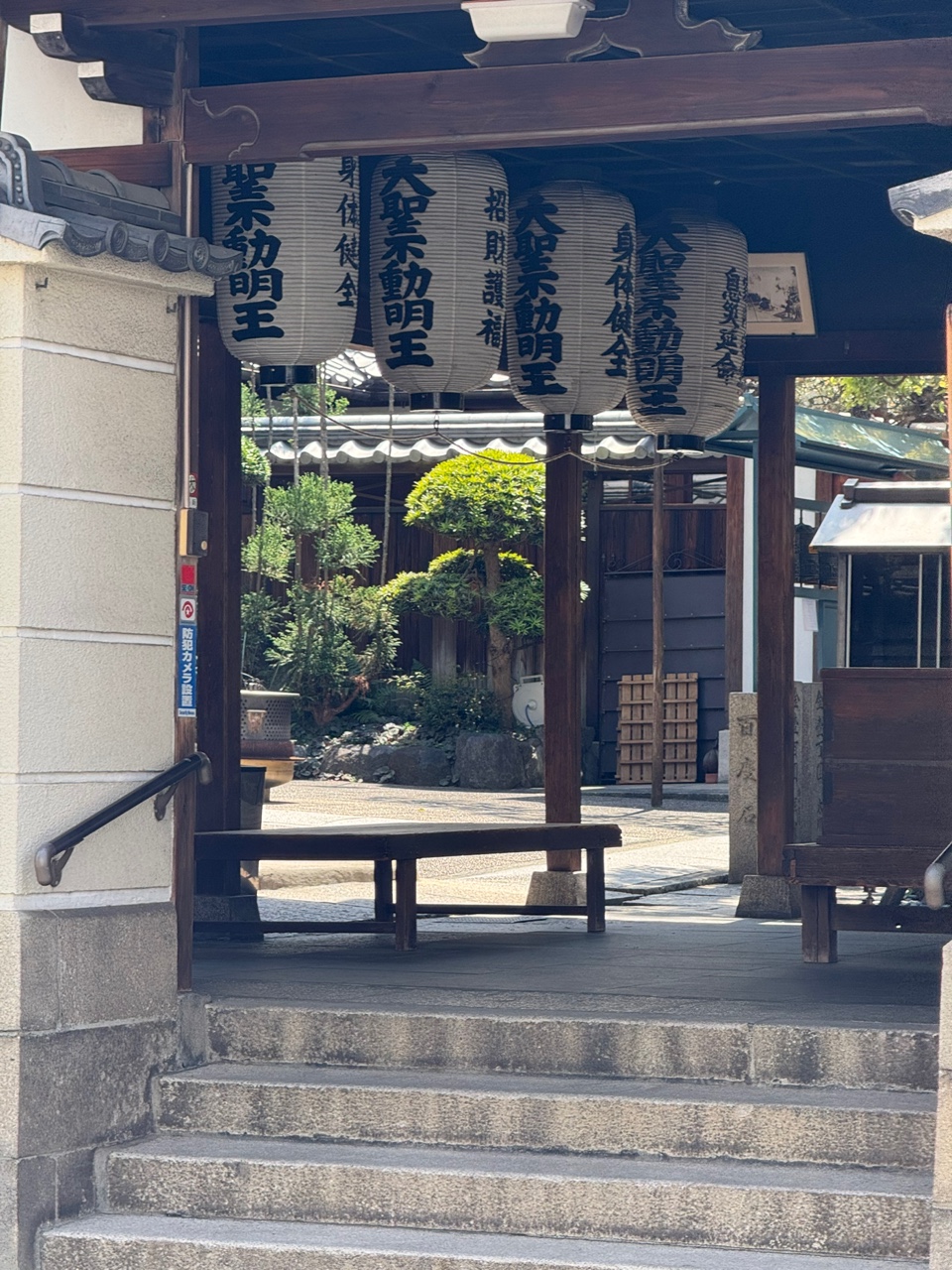
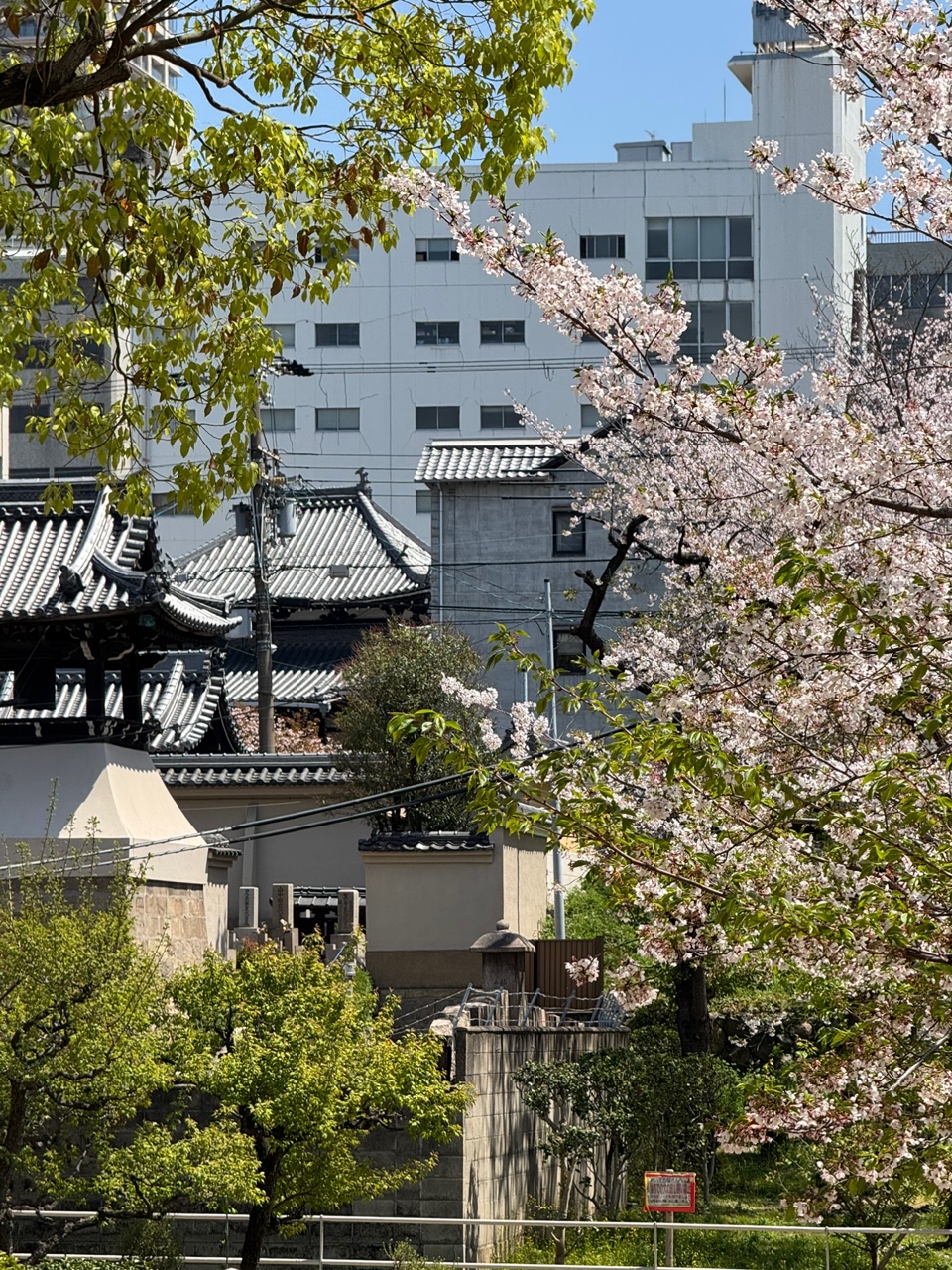
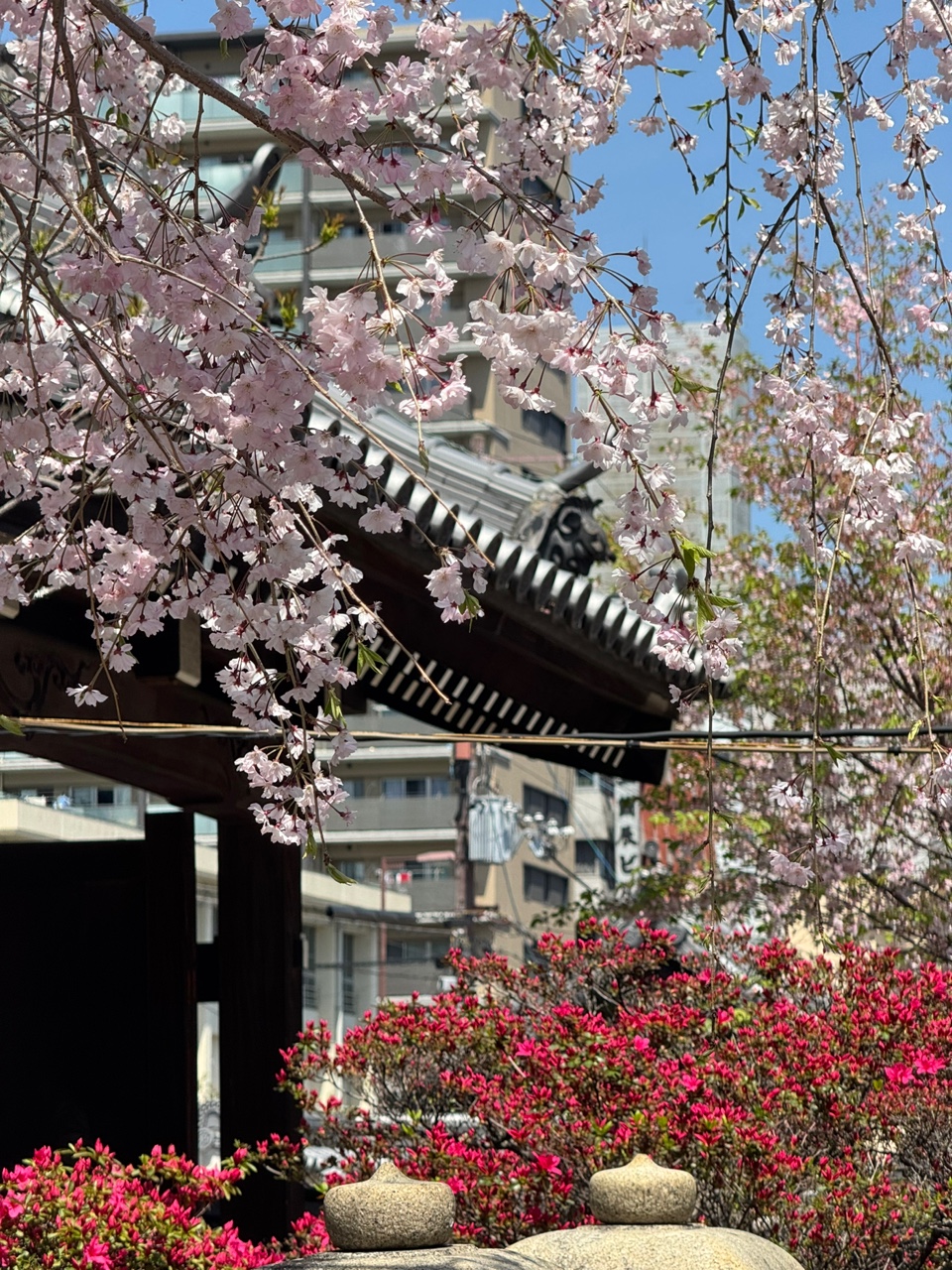
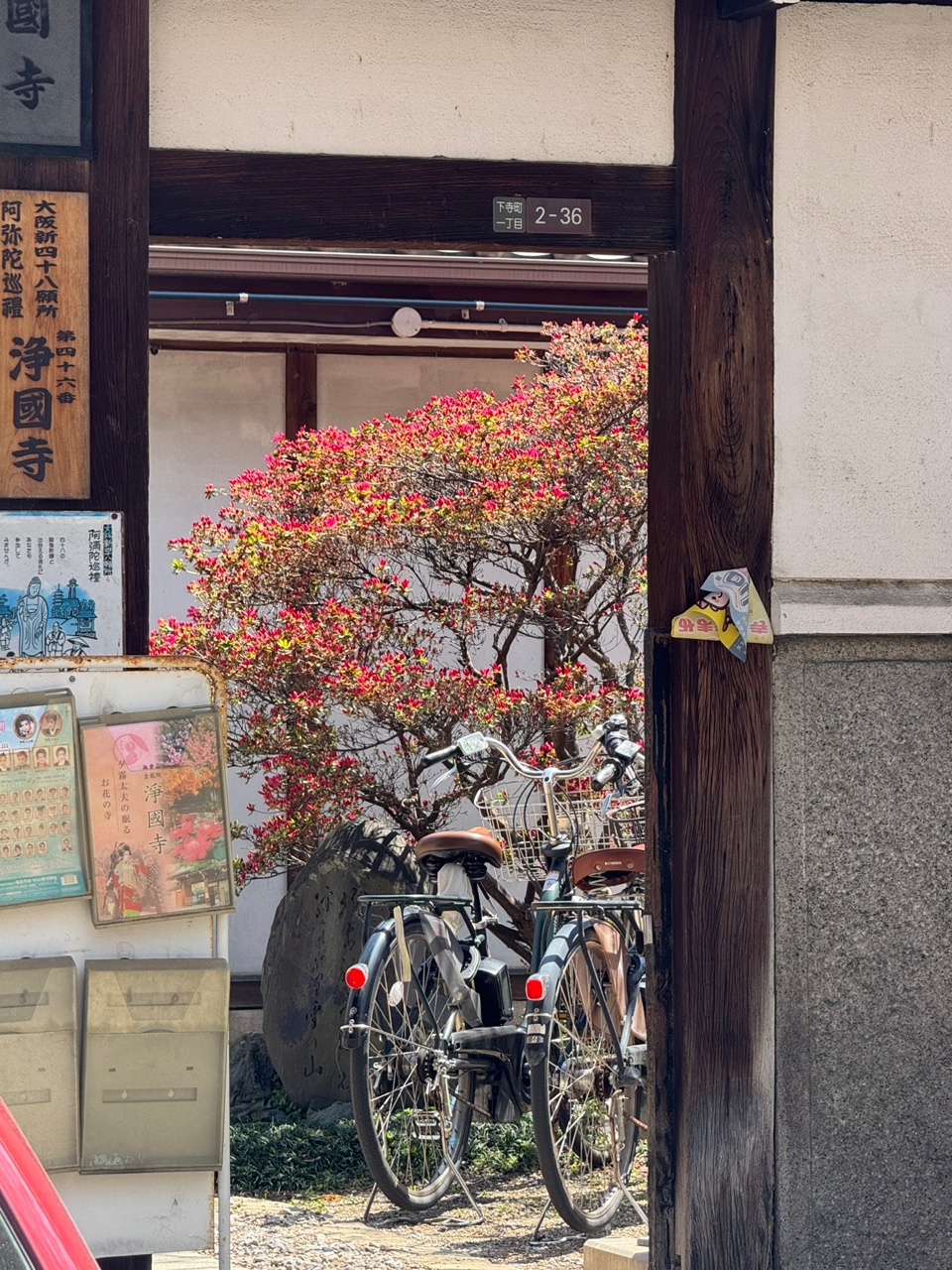
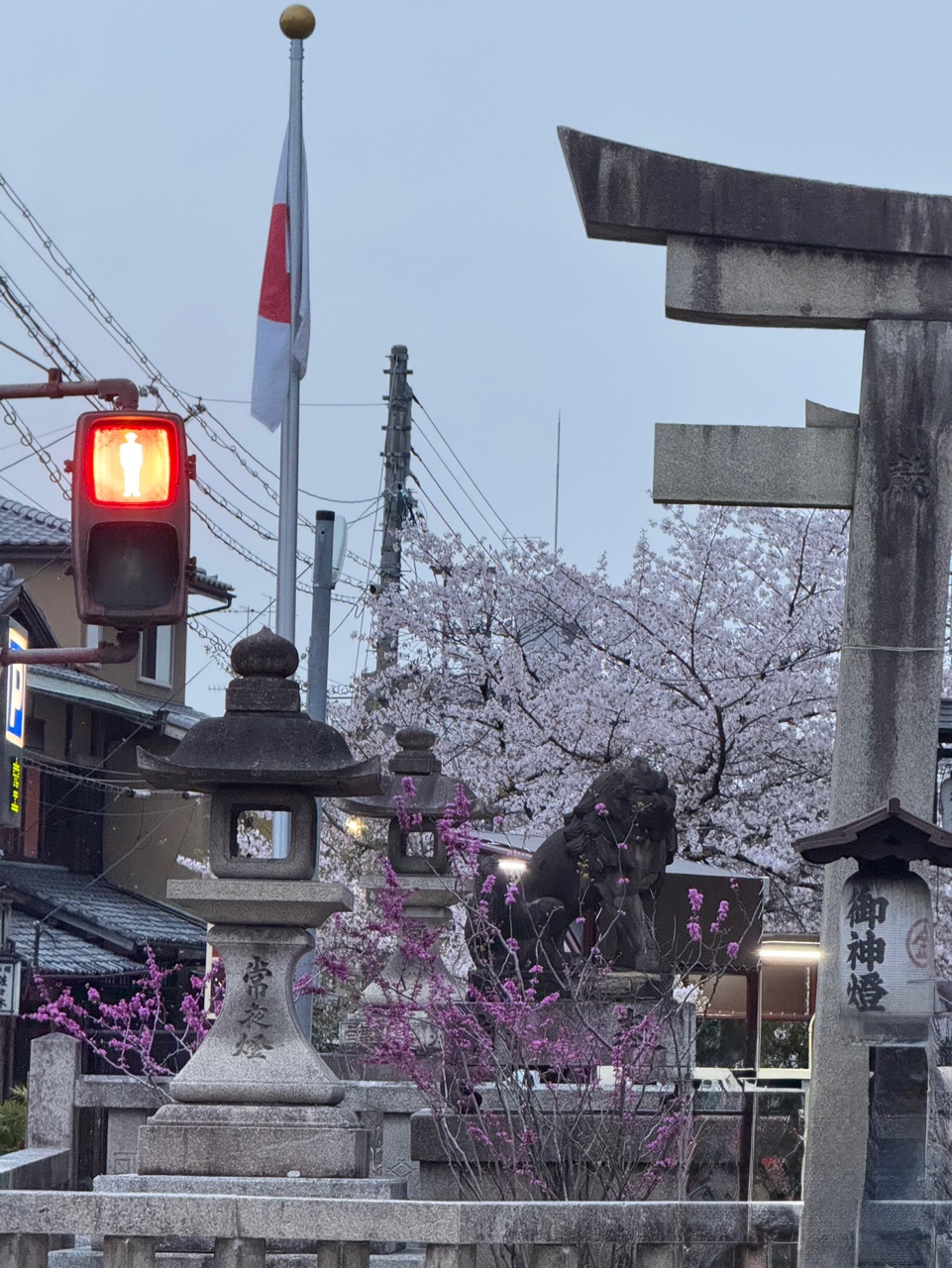
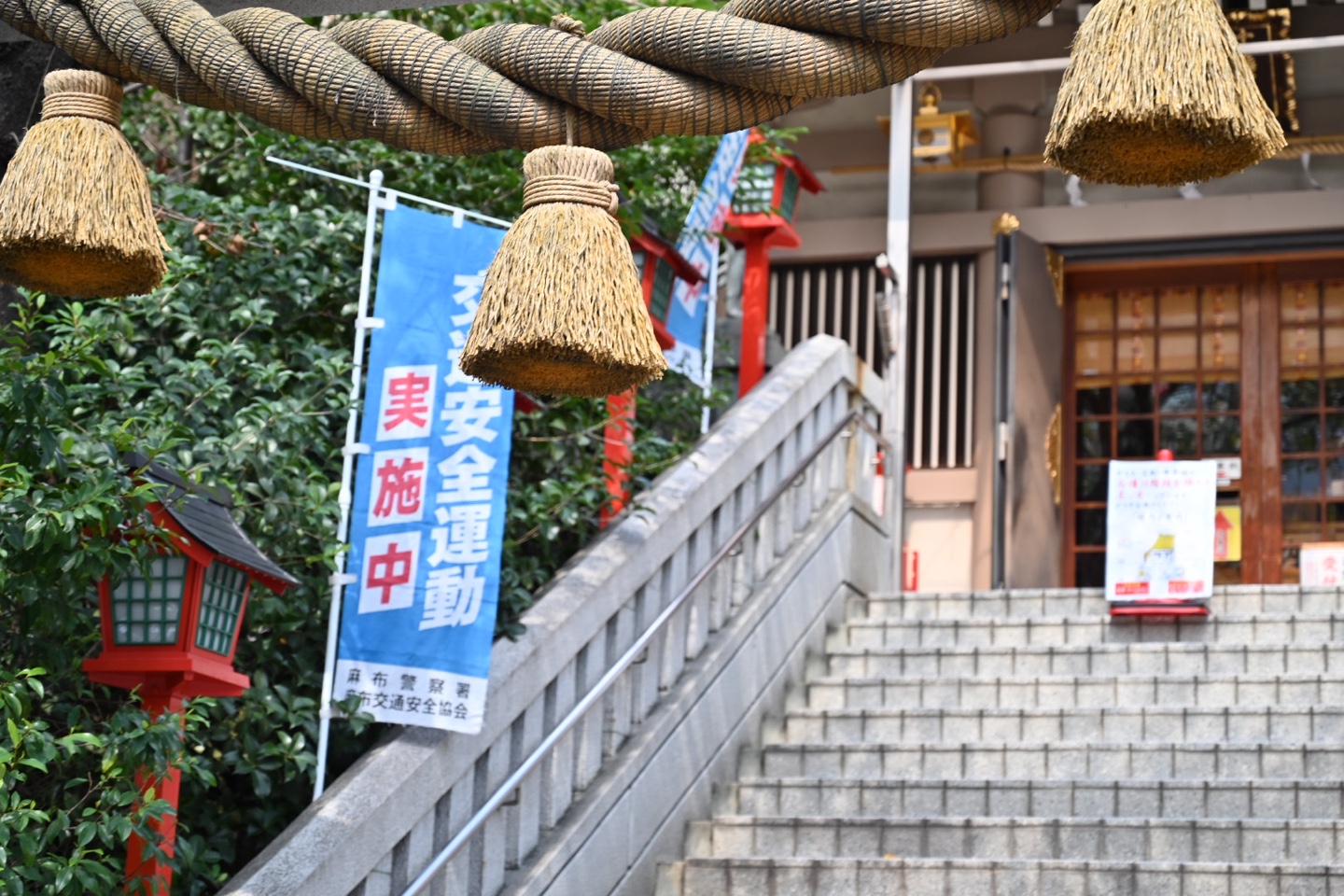
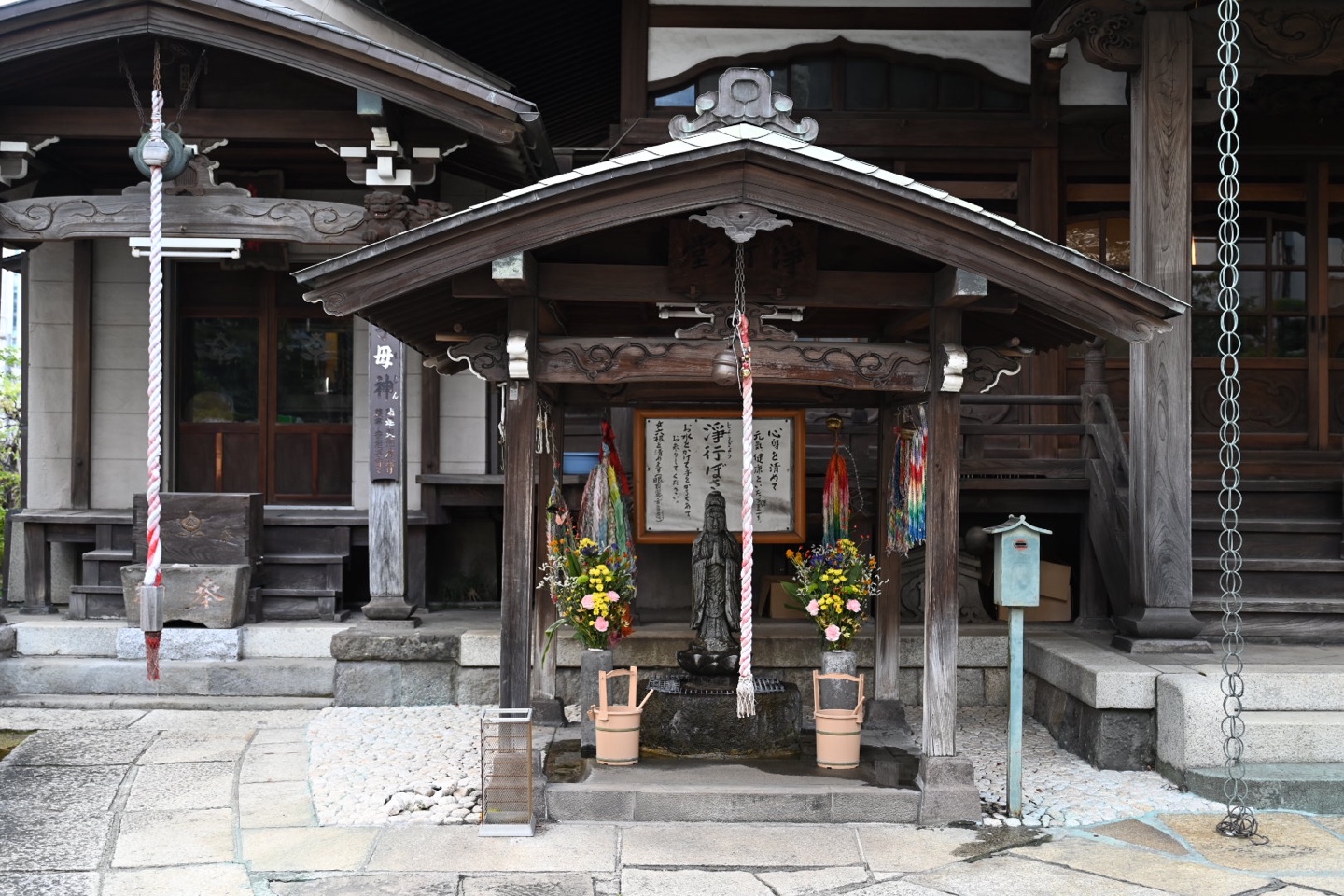
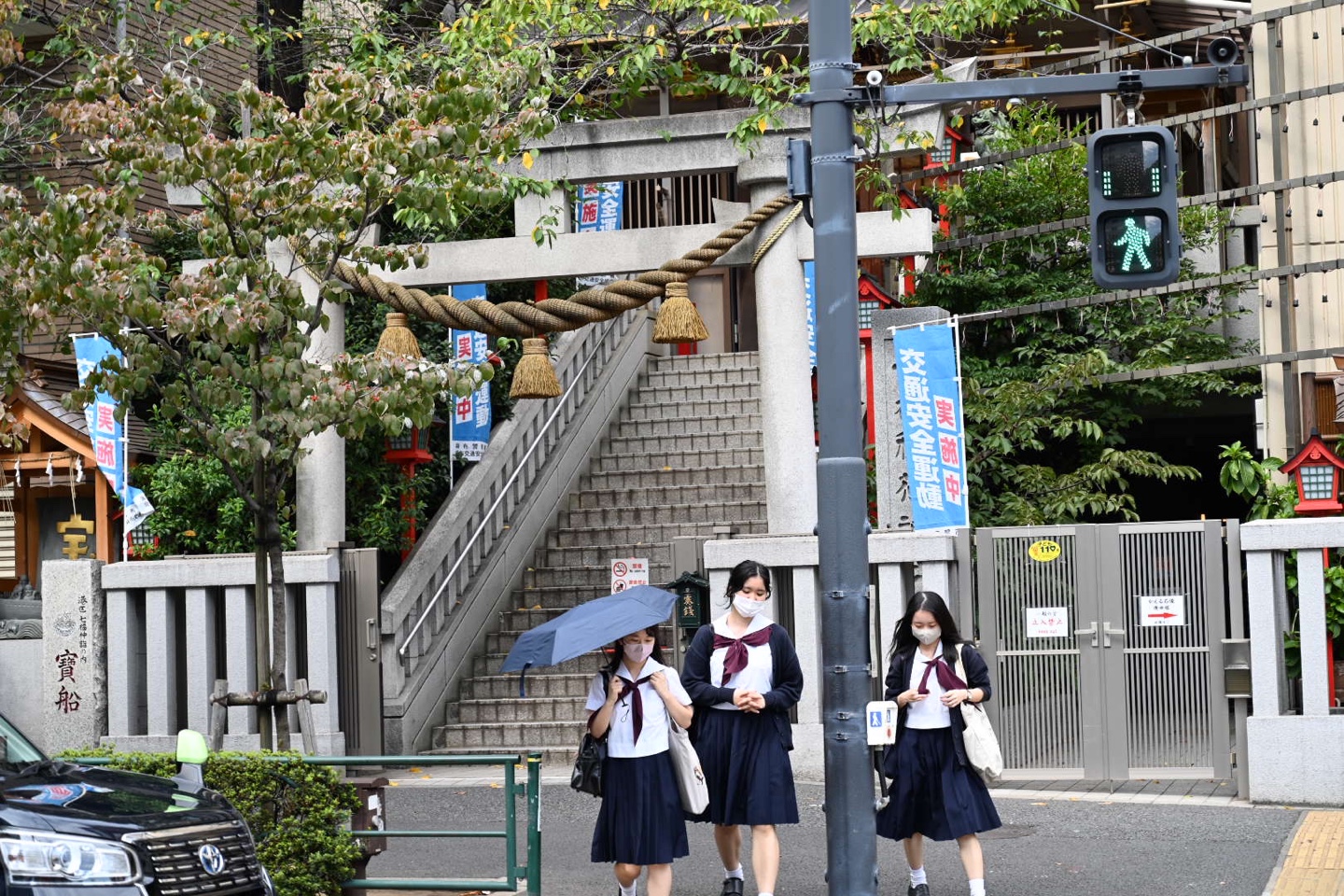
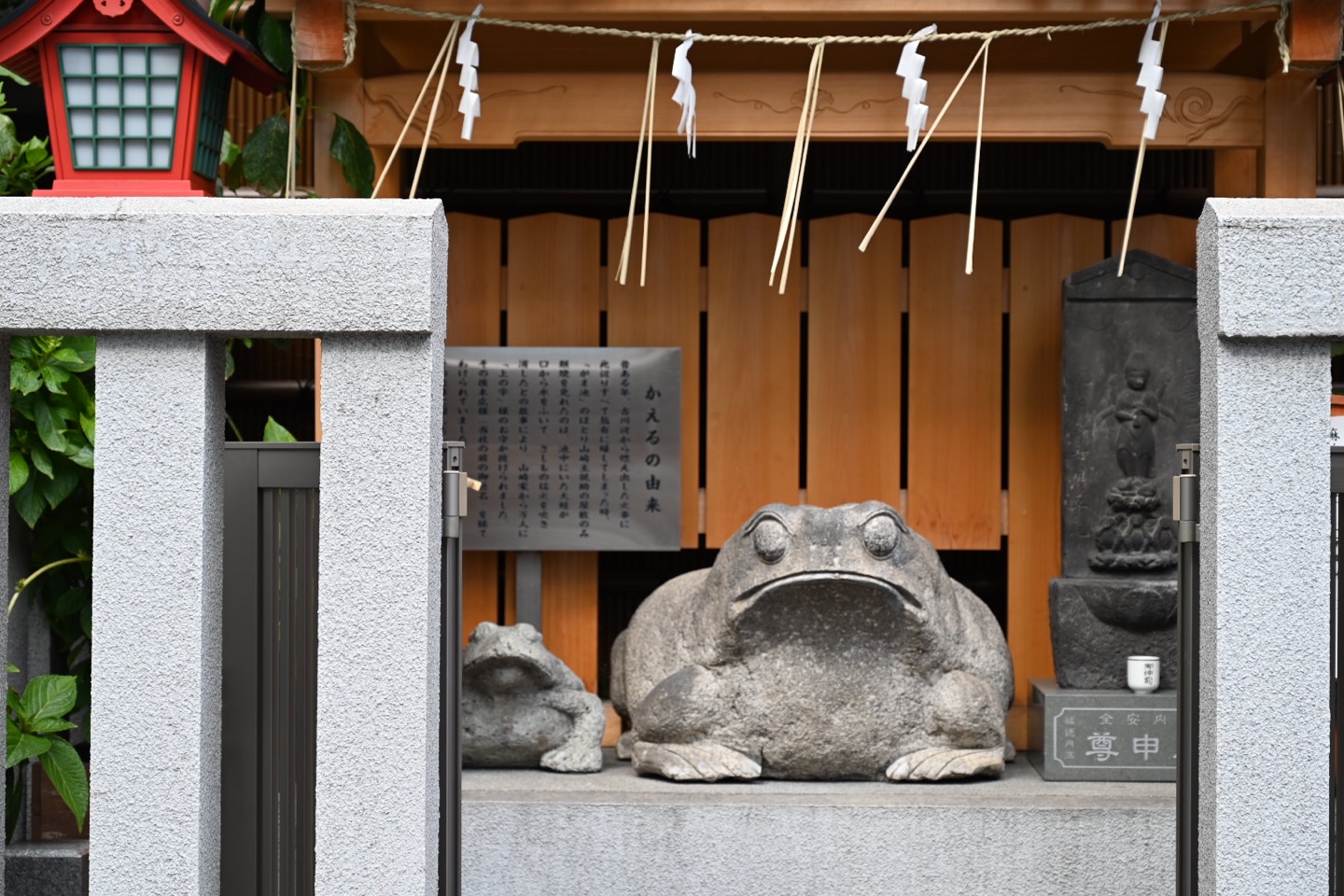
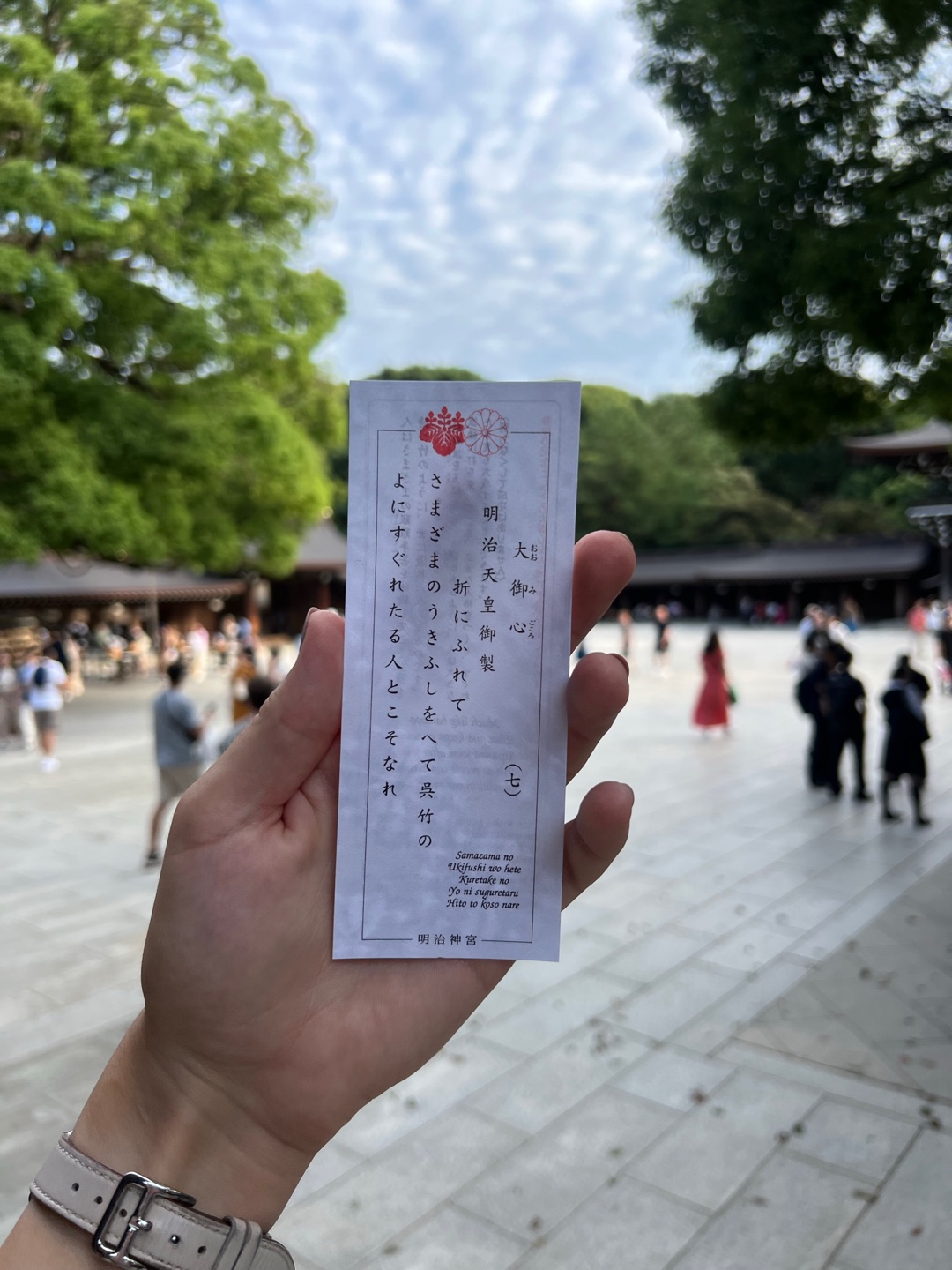
As we made our way toward the castle, we also had time to explore some of Osaka’s quieter corners—lovely little streets lined with plants and peaceful Shinto (神道) and Buddhist (仏教) shrines. Shinto, meaning “the way of the gods,” is Japan’s indigenous spirituality focused on harmony with nature and respect for kami (神)—spiritual beings or deities that are believed to inhabit natural objects and landscapes. These shrines, often tucked between modern buildings or nestled in quiet corners, offer a moment of calm away from the city’s fast pace. Incense in the air, the gentle ringing of bells, and the soft shuffle of footsteps on stone paths—small moments that felt surprisingly grounding.
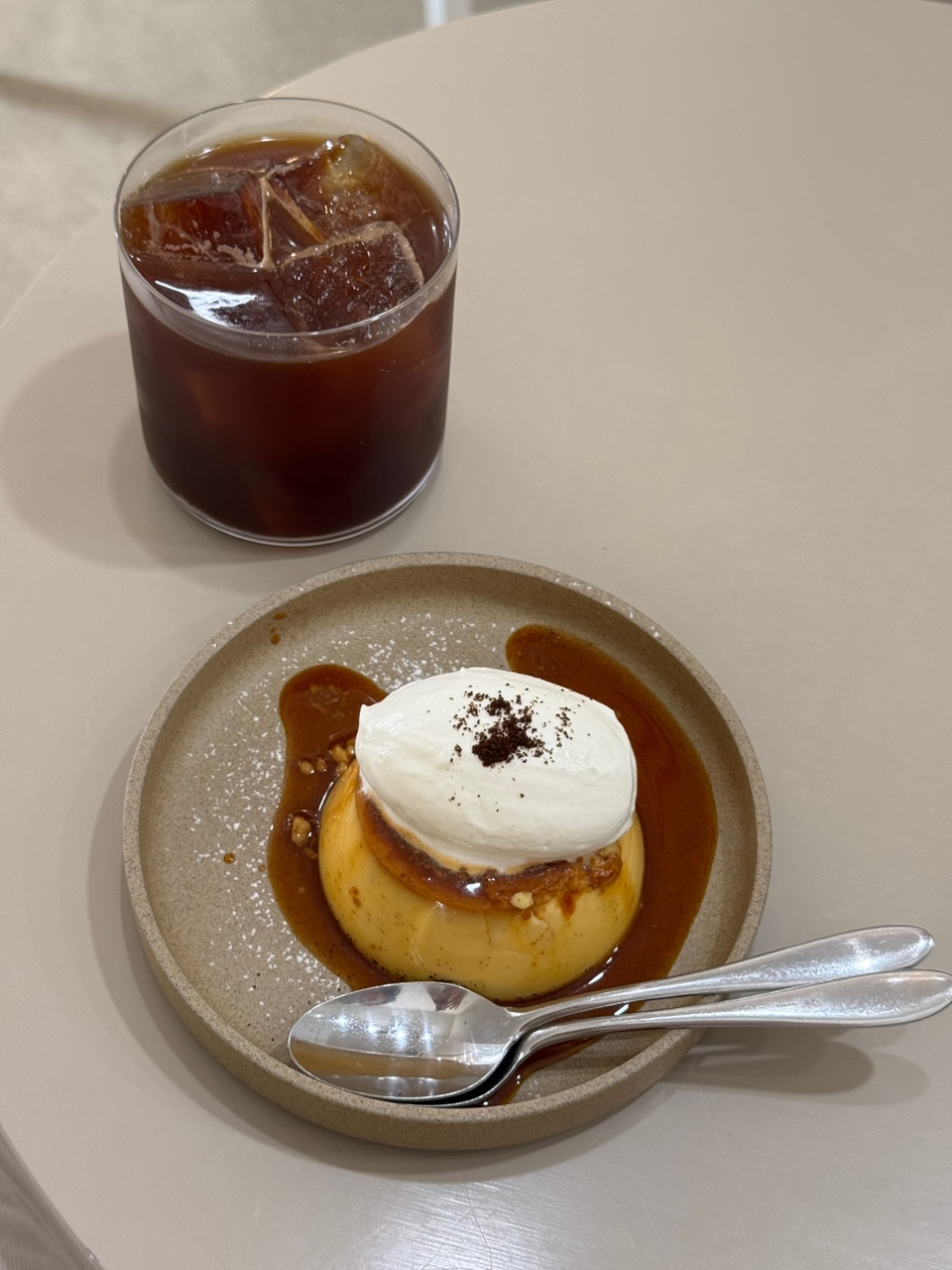
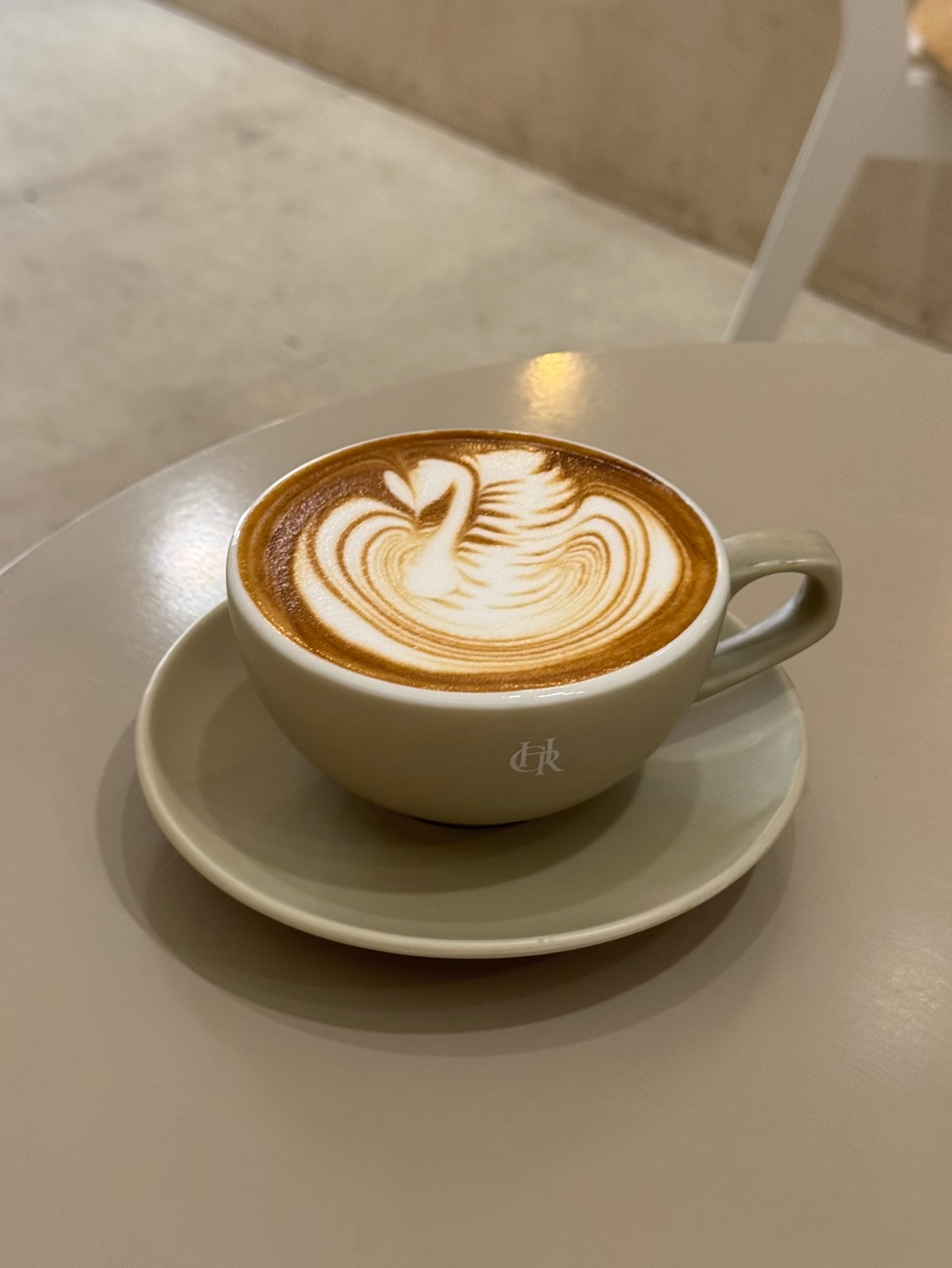
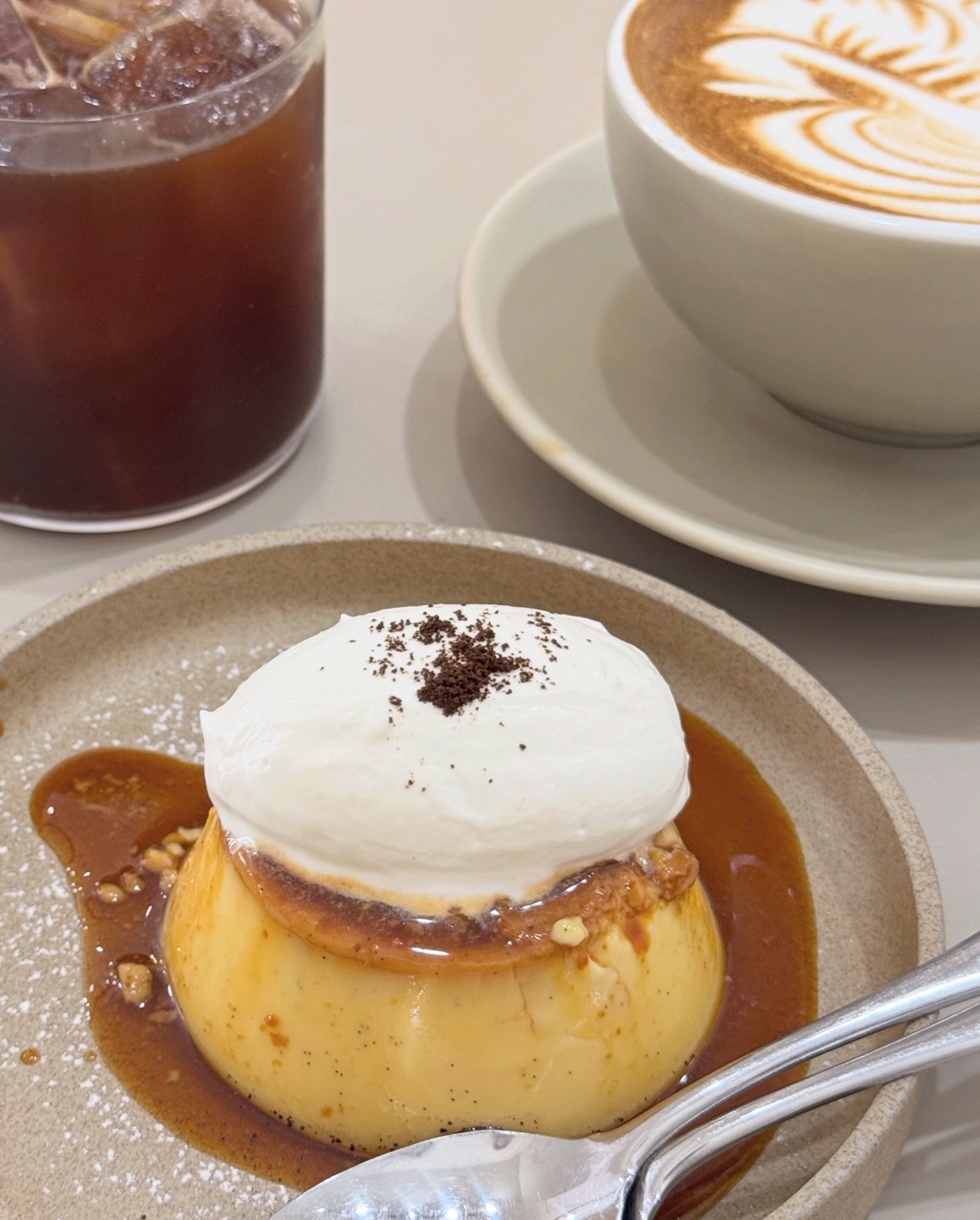
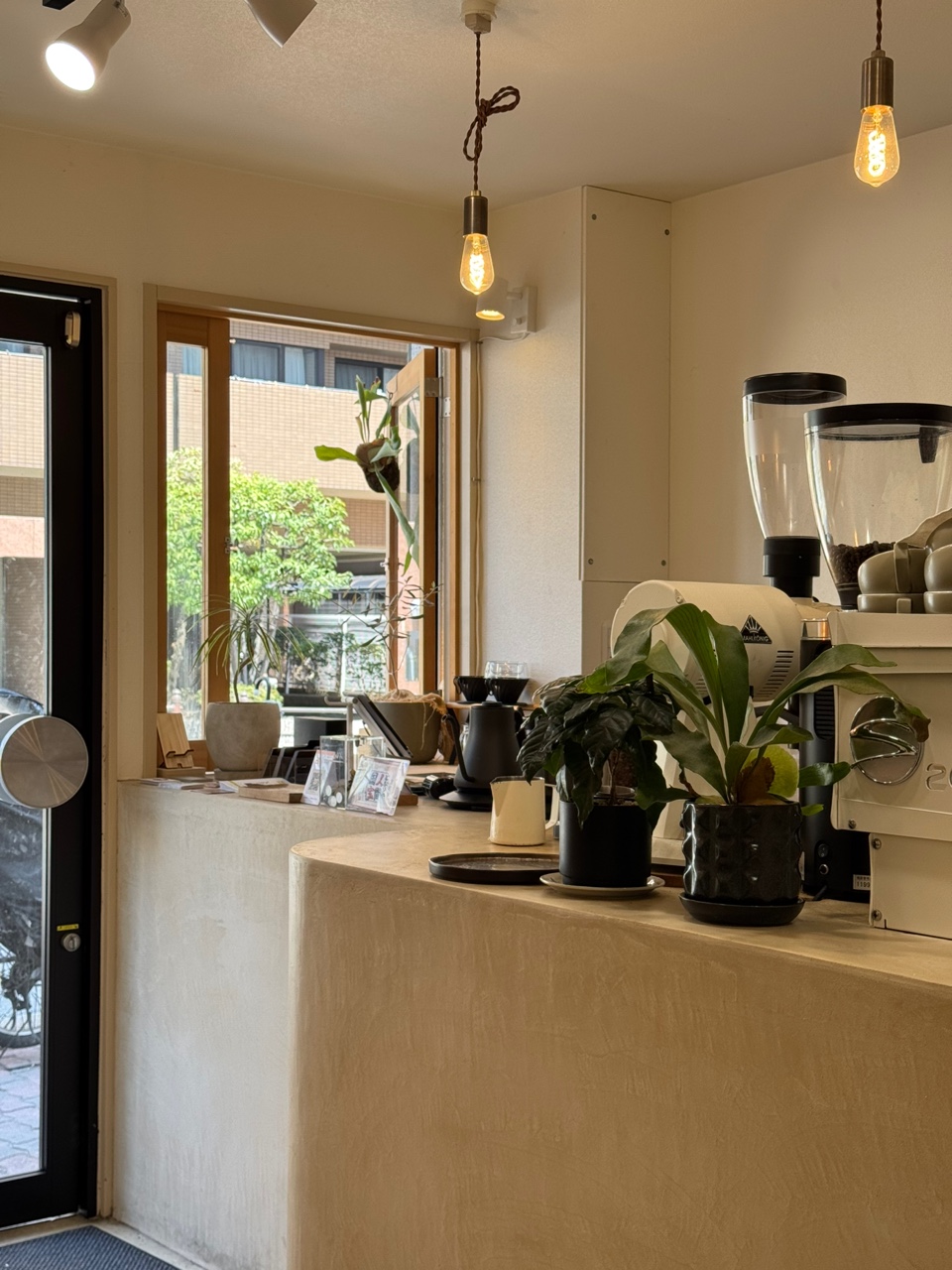
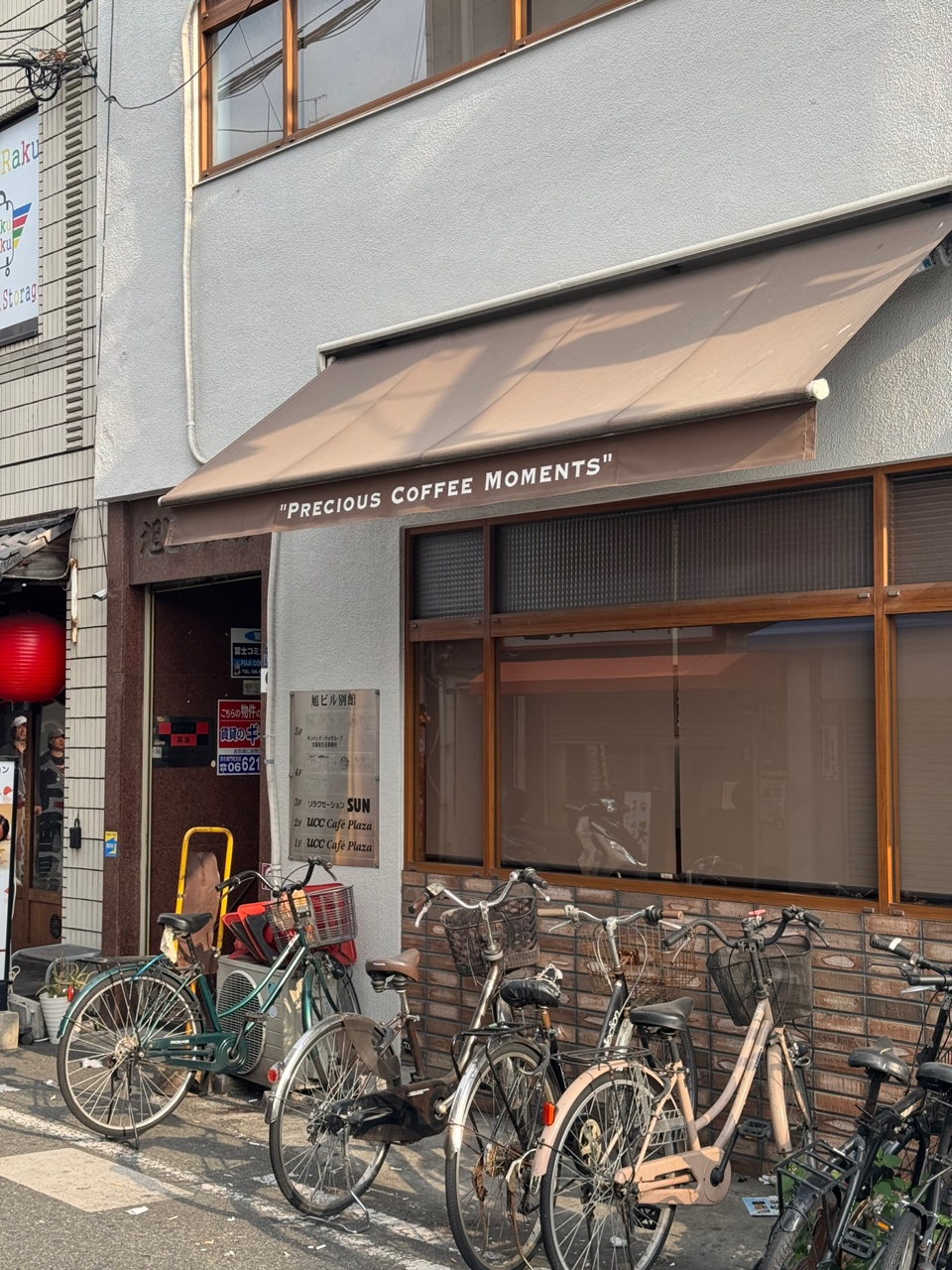
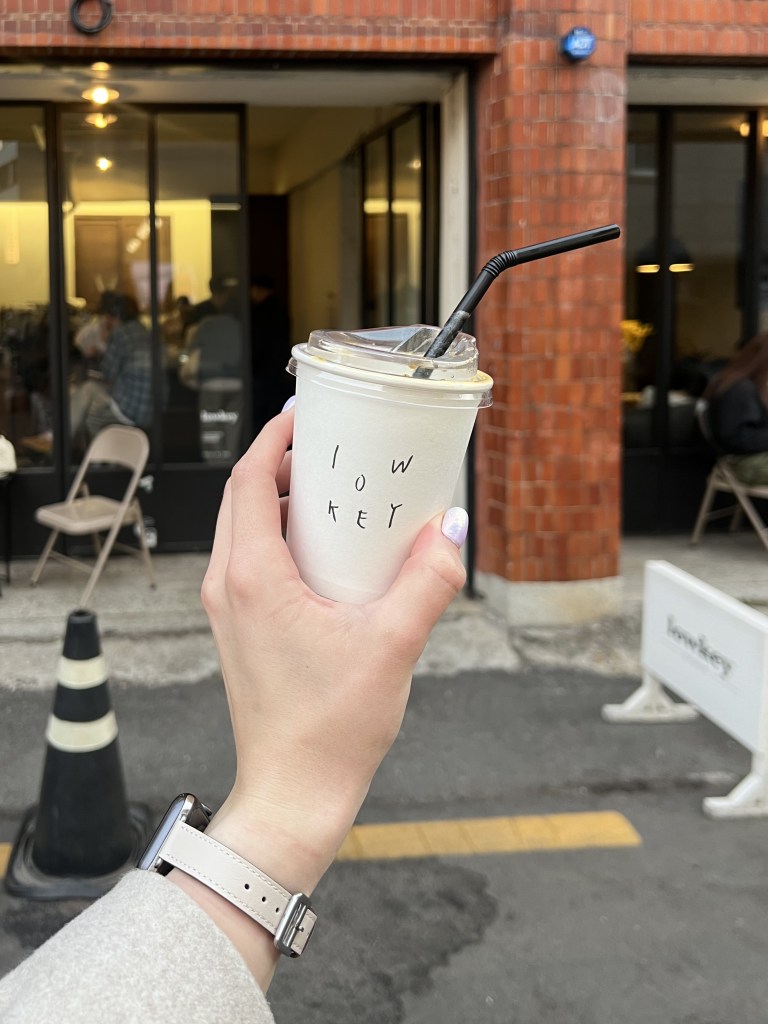
Not long after, we stumbled upon a small, clean, and beautifully minimal café called Hikaru Coffee Roasters. Highly recommend it—great beans, calm vibes, and just the right kind of spot to sit and breathe in the city.
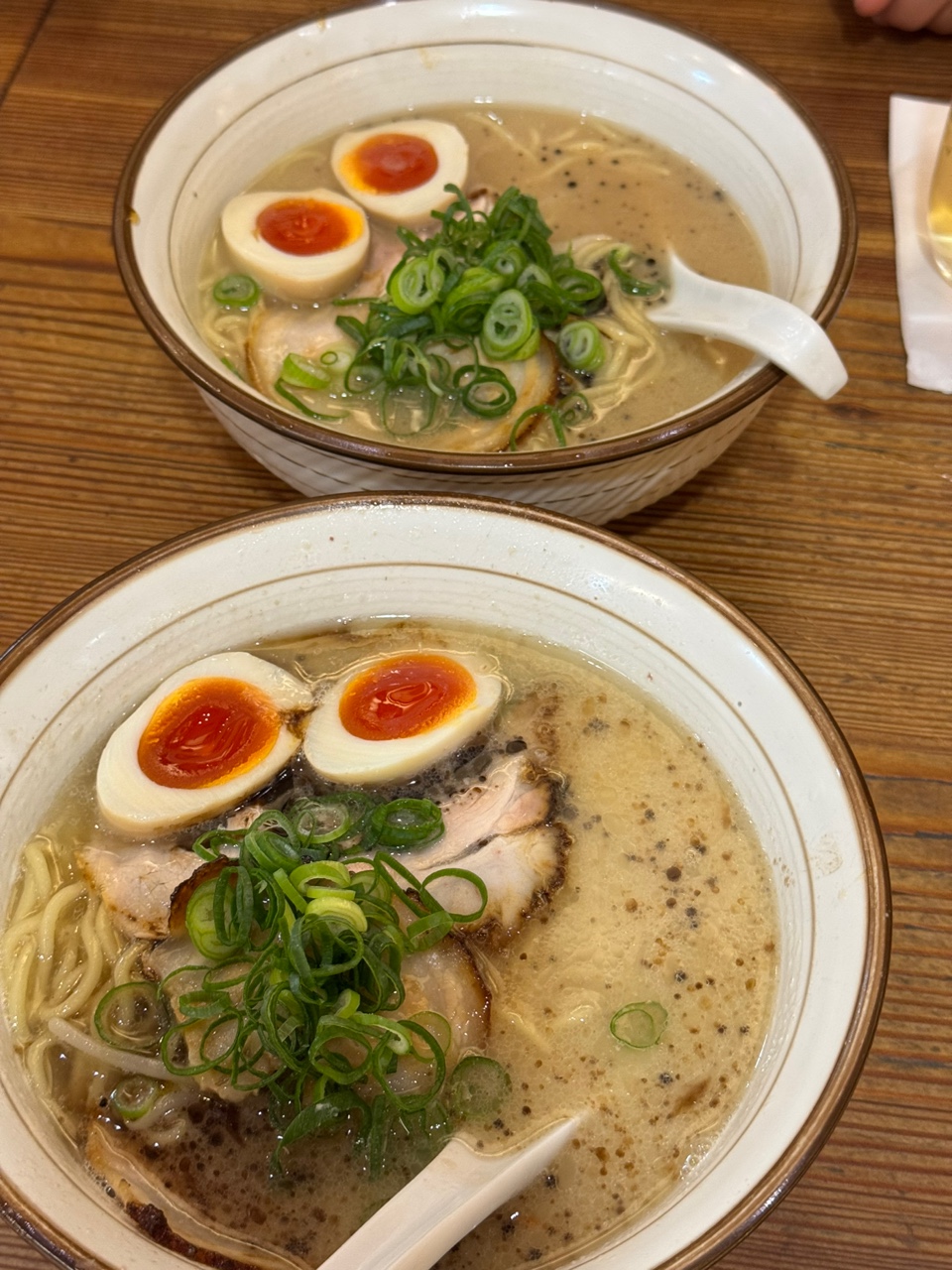
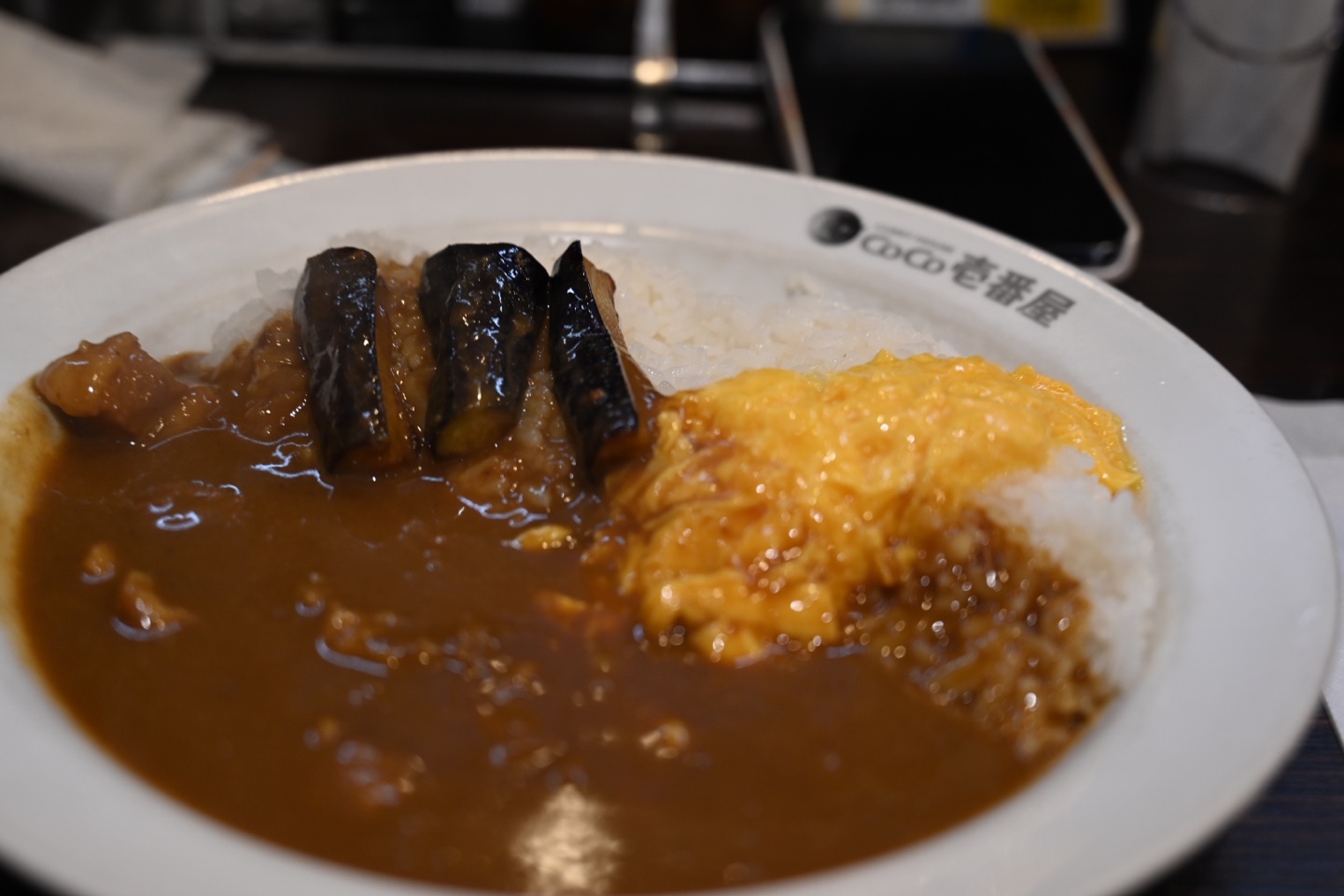
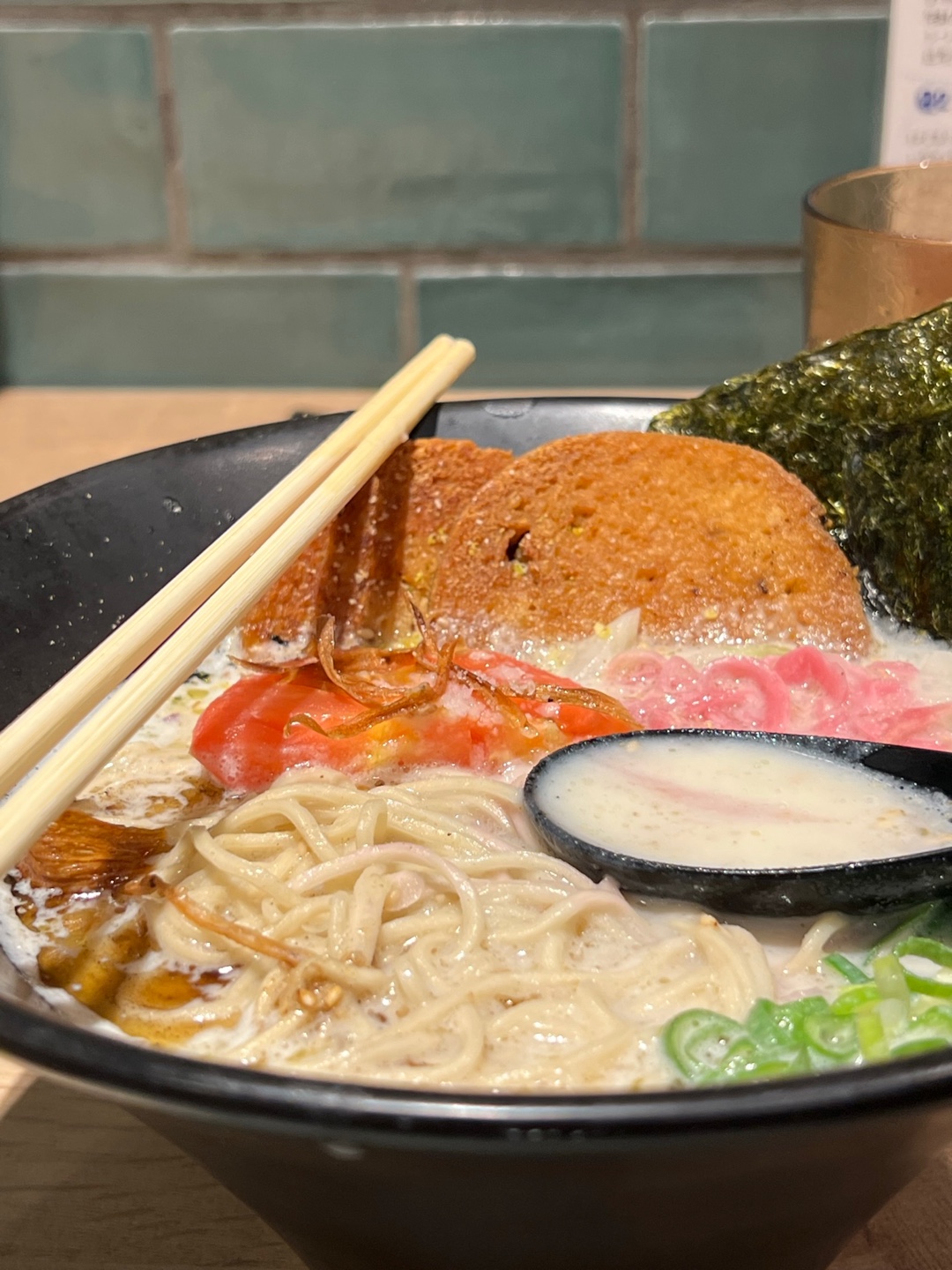
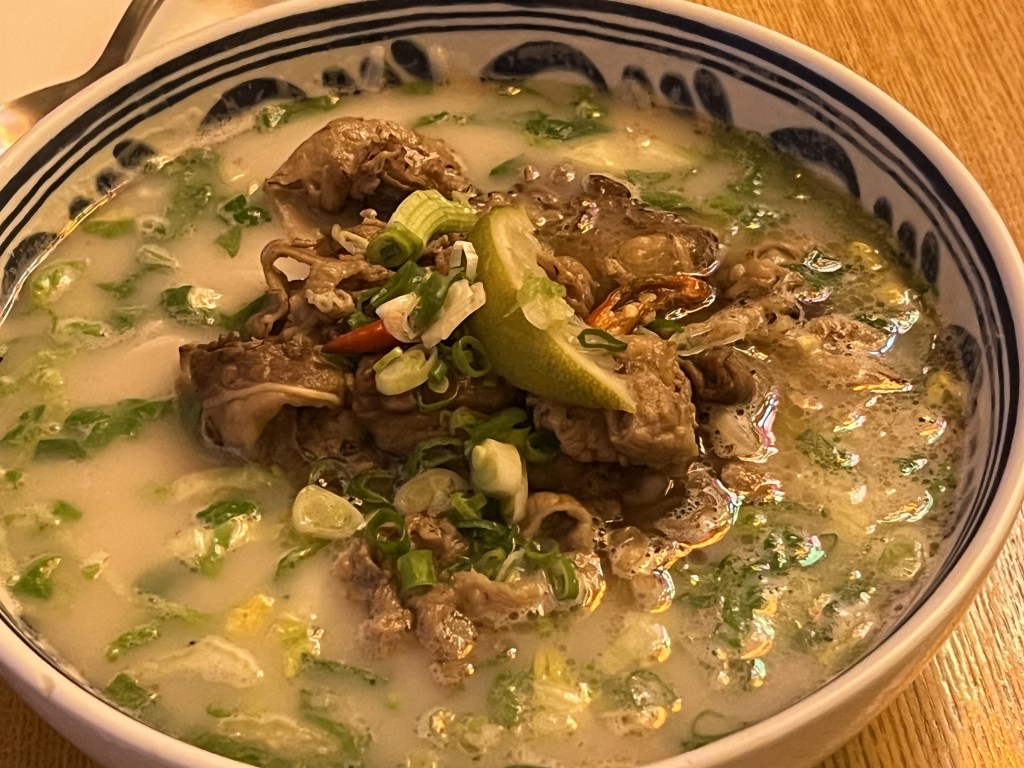
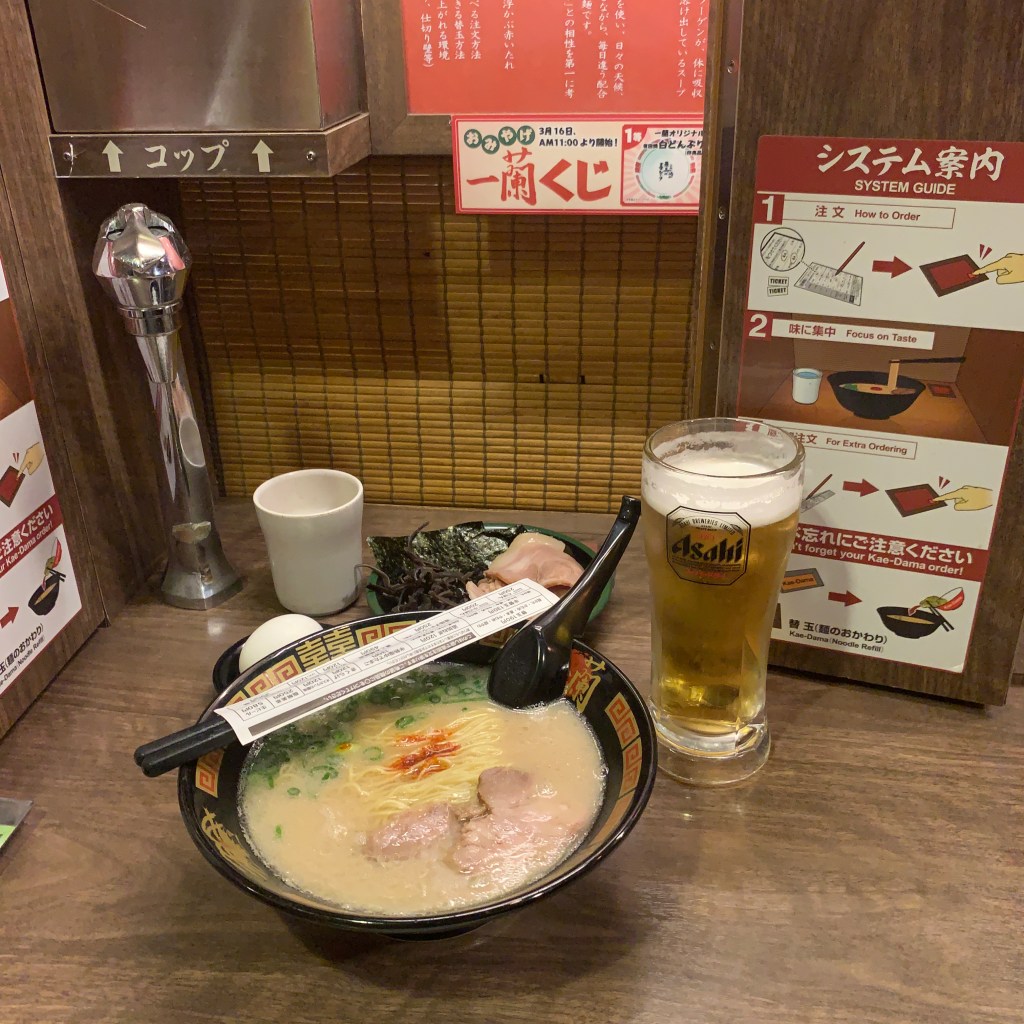
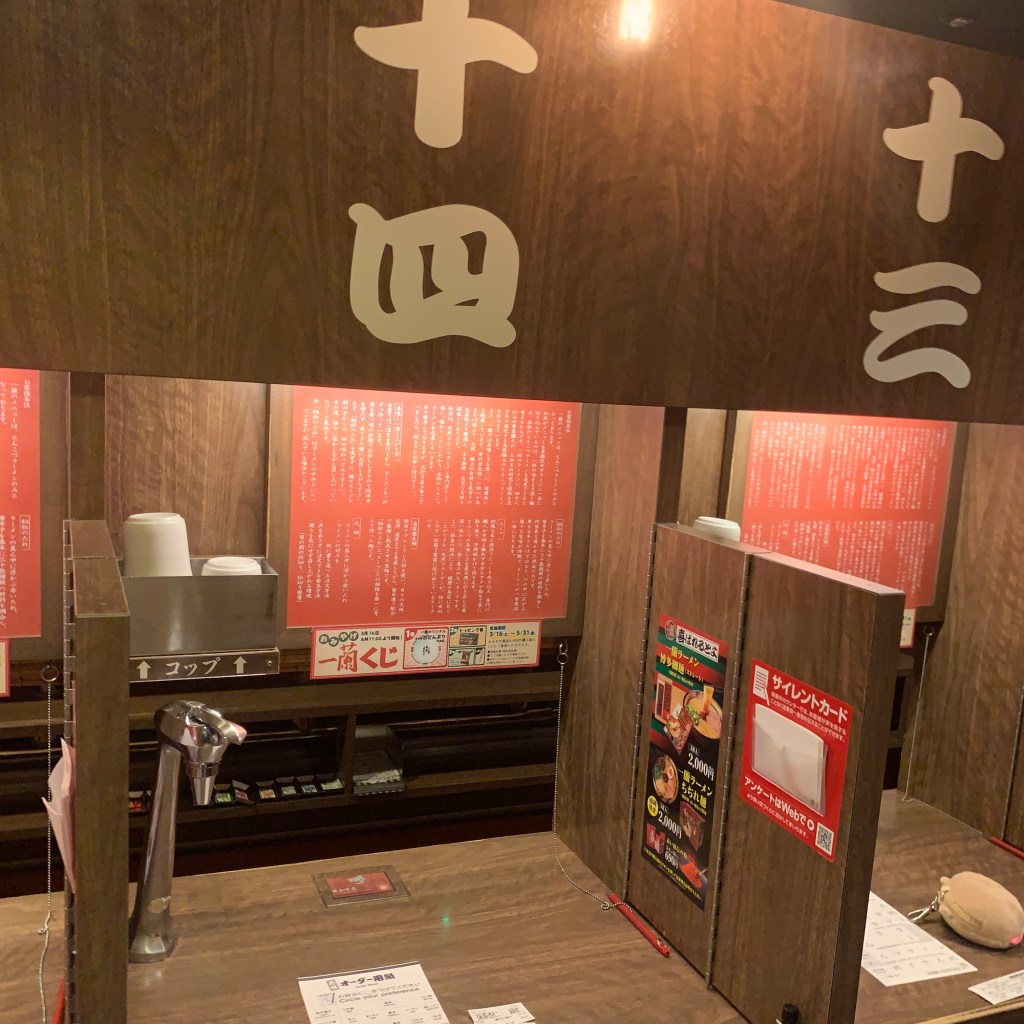
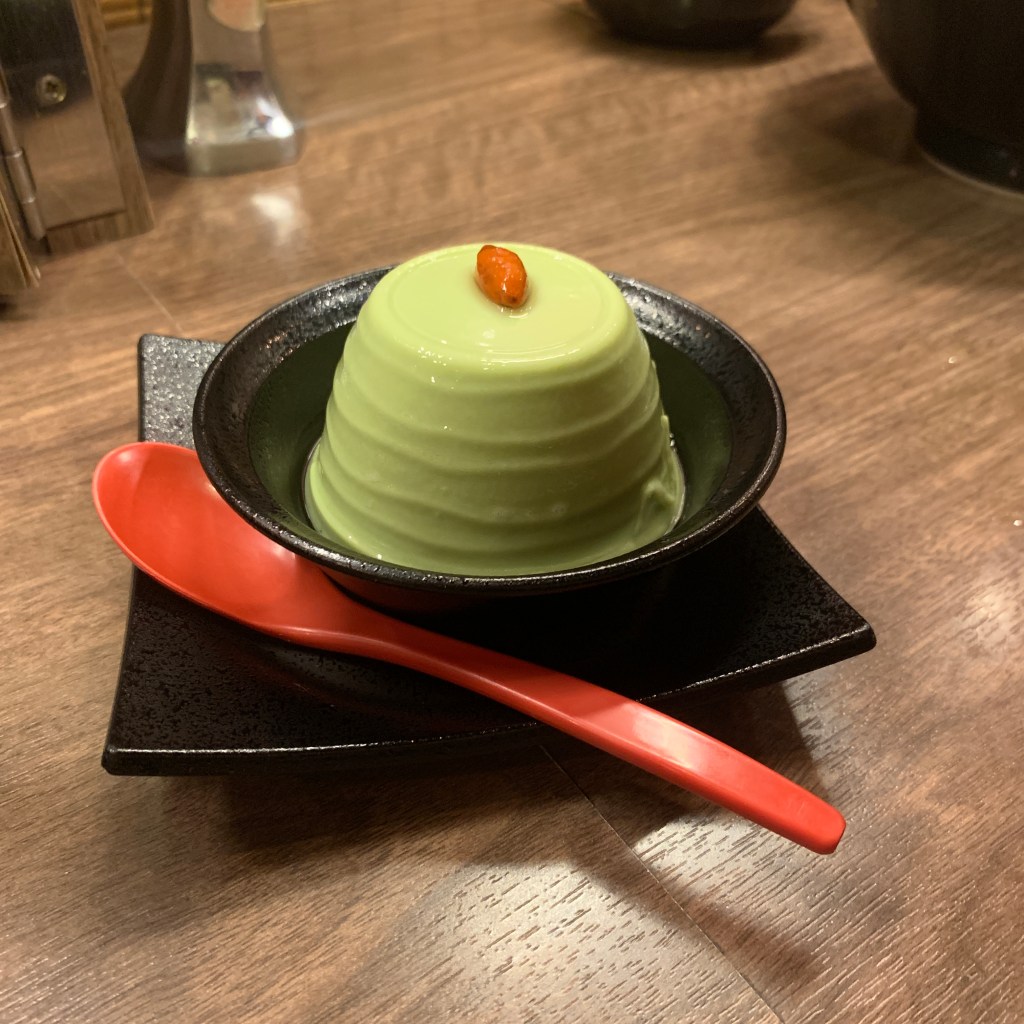
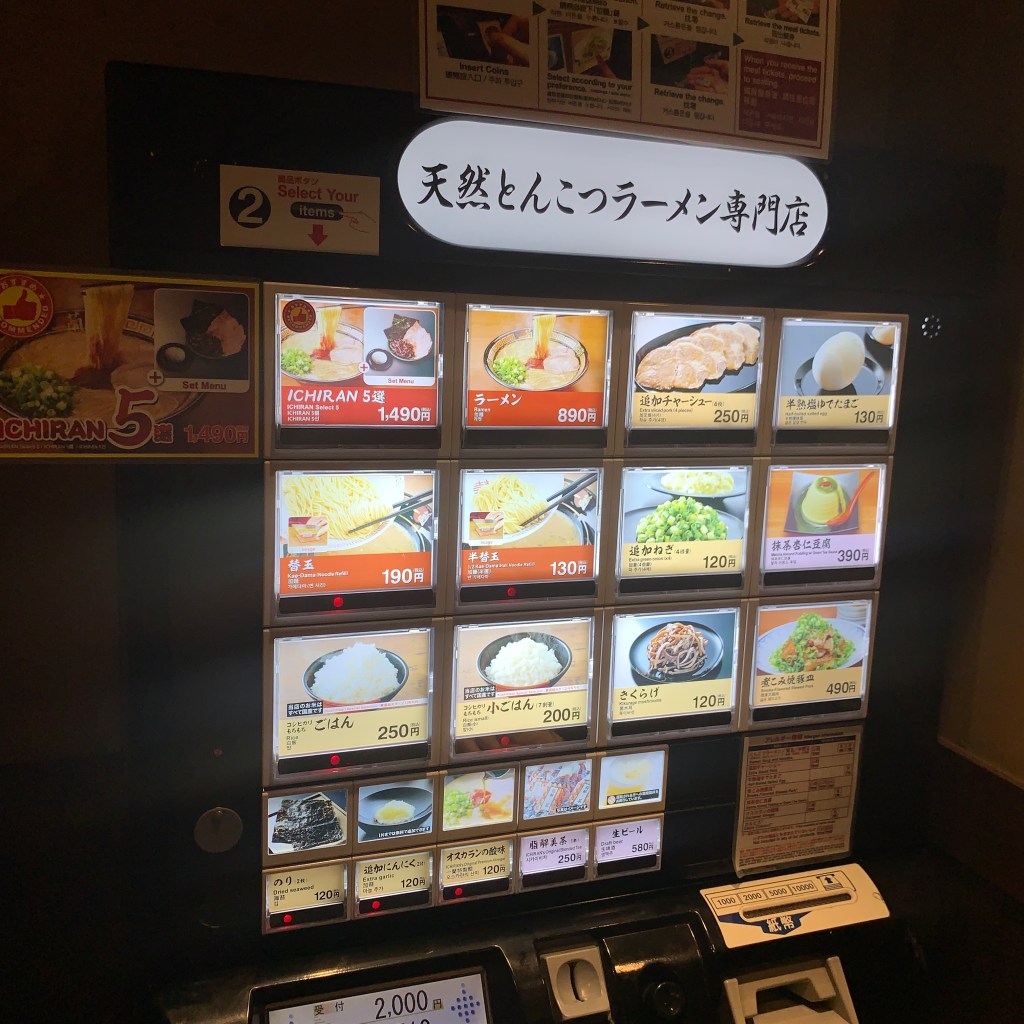
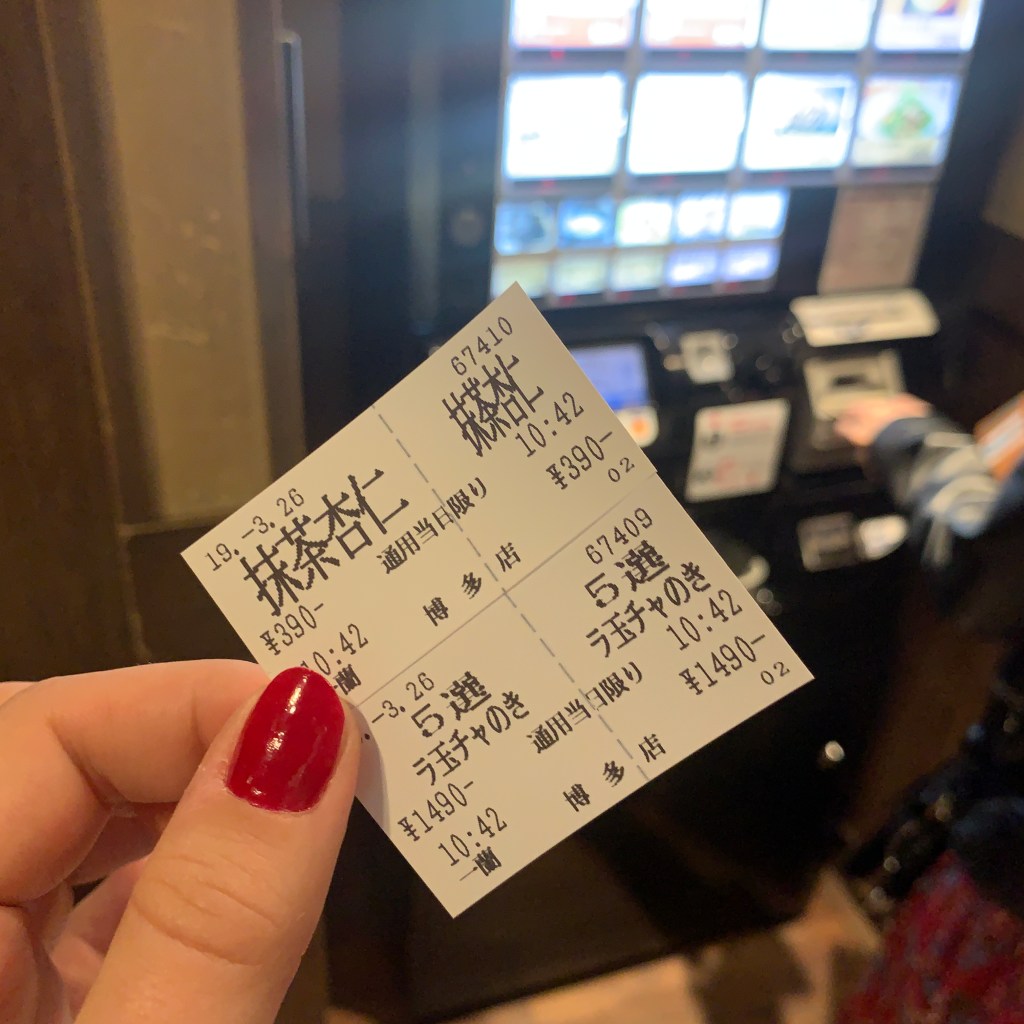
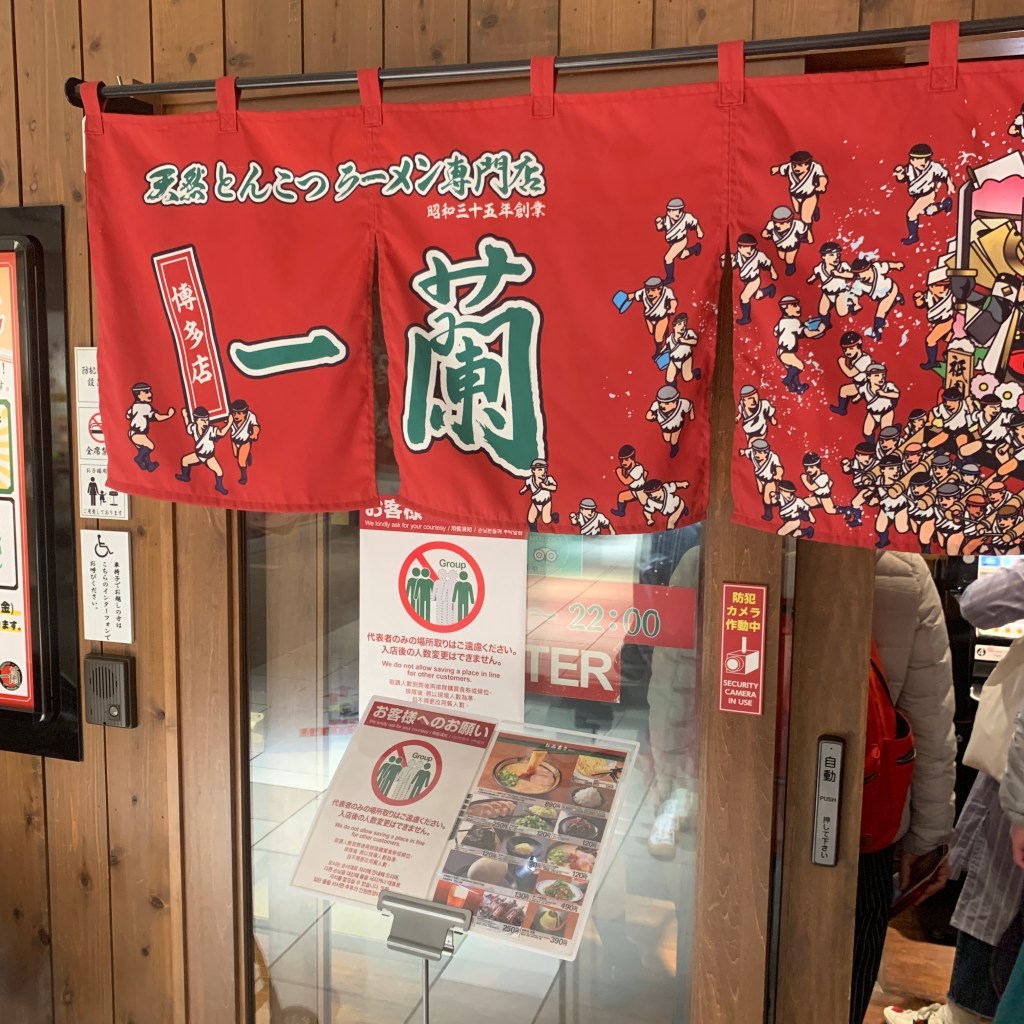
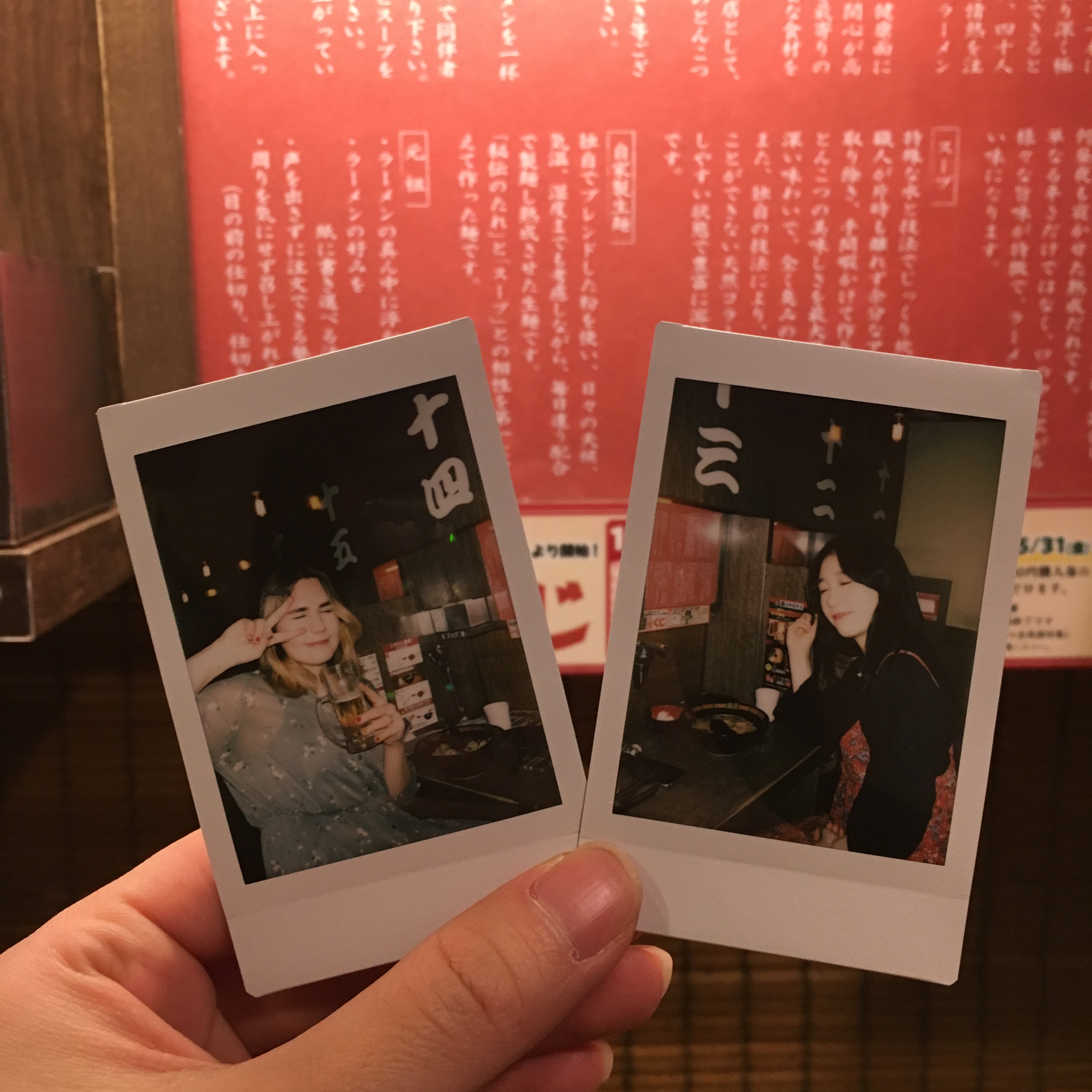
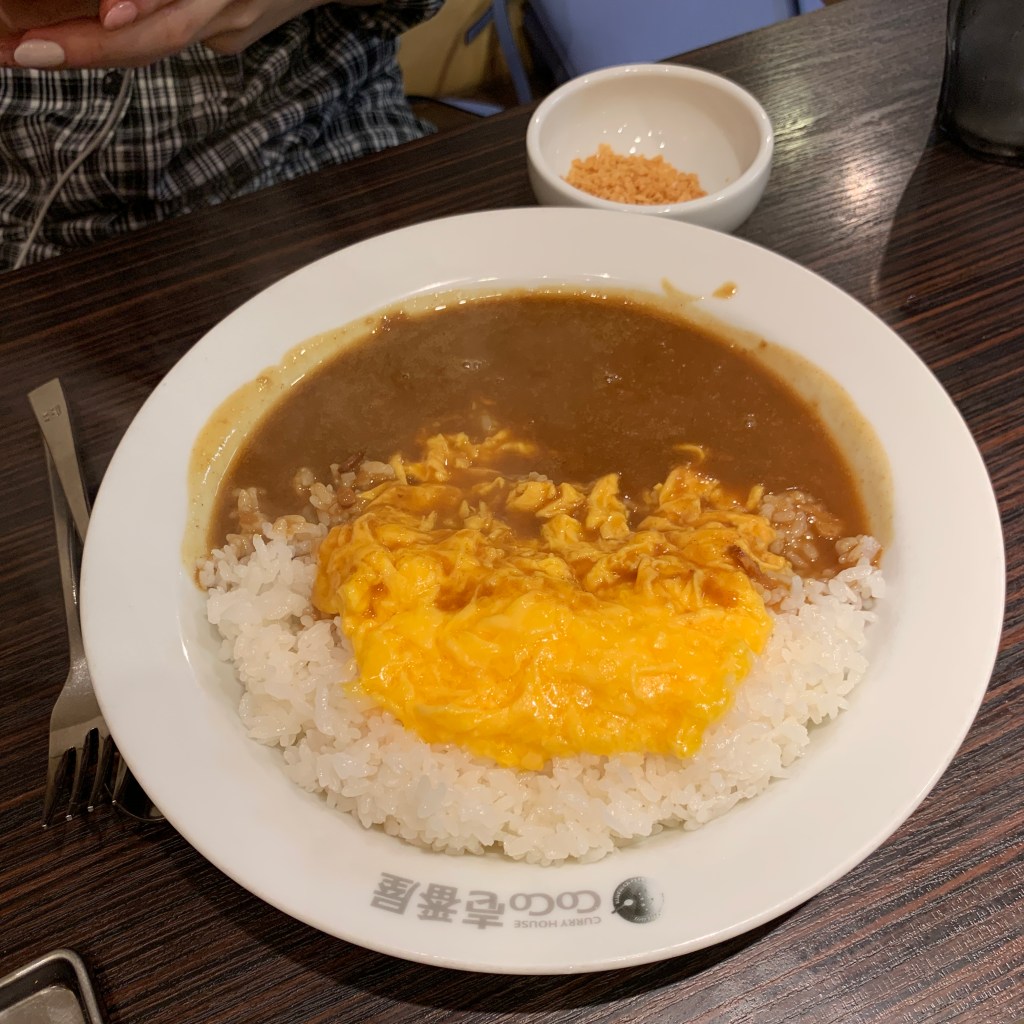
It was definitely time for lunch, so we headed to a cozy underground ramen shop. We were the only foreigners there, which felt a bit awkward at first, but the owners were incredibly friendly and welcoming! The atmosphere was authentic, and the ramen was absolutely delicious—just the comfort food we needed.
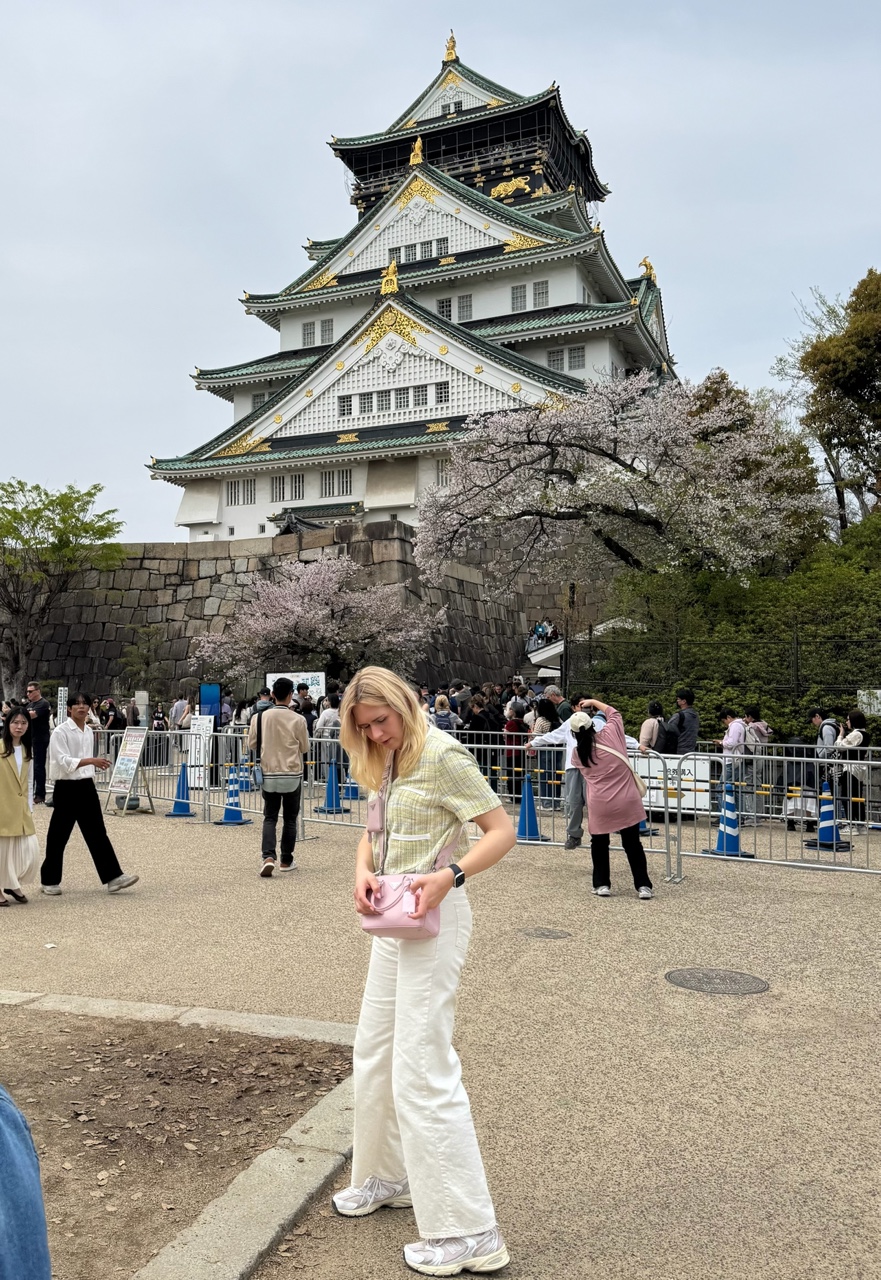
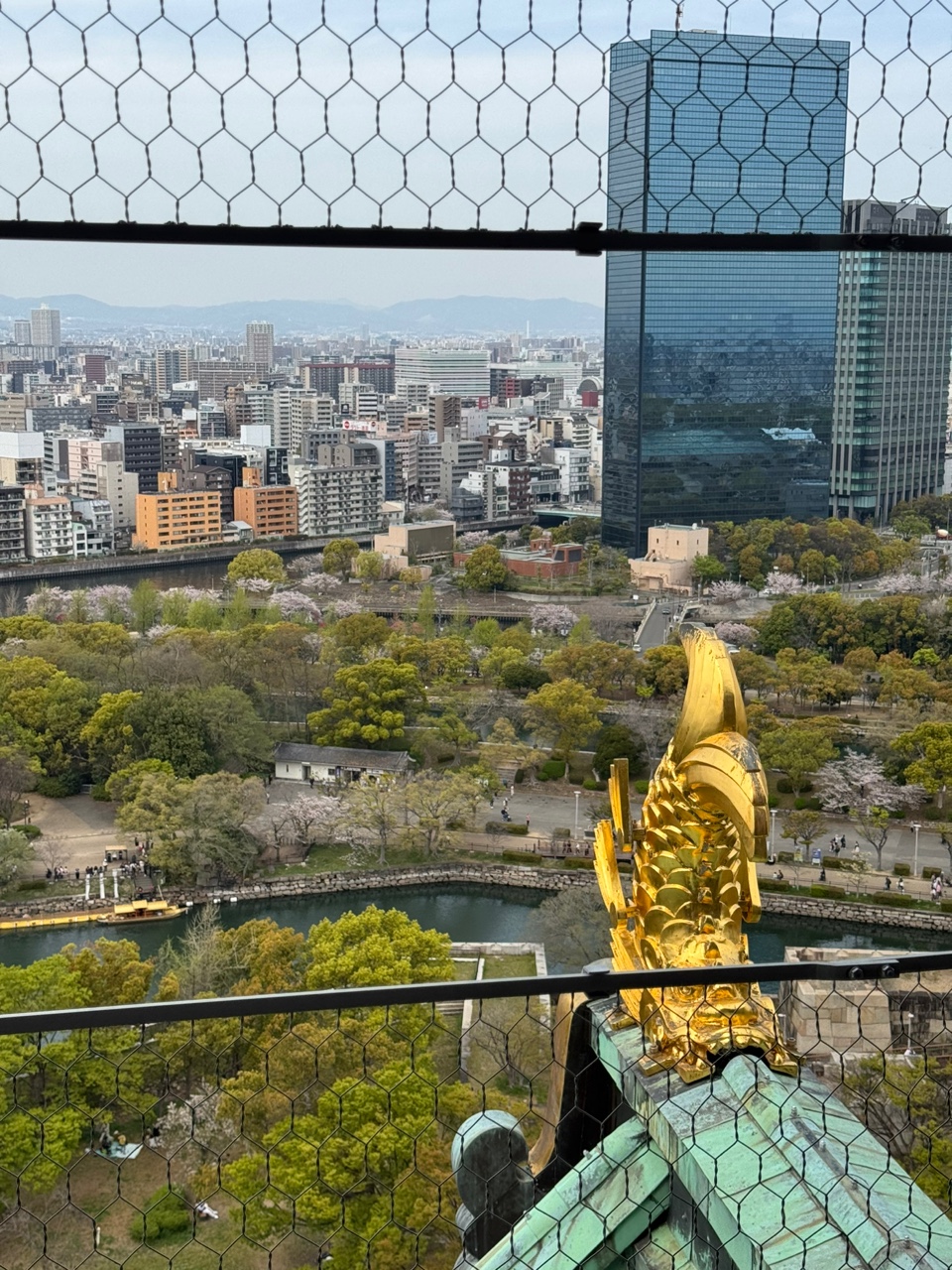
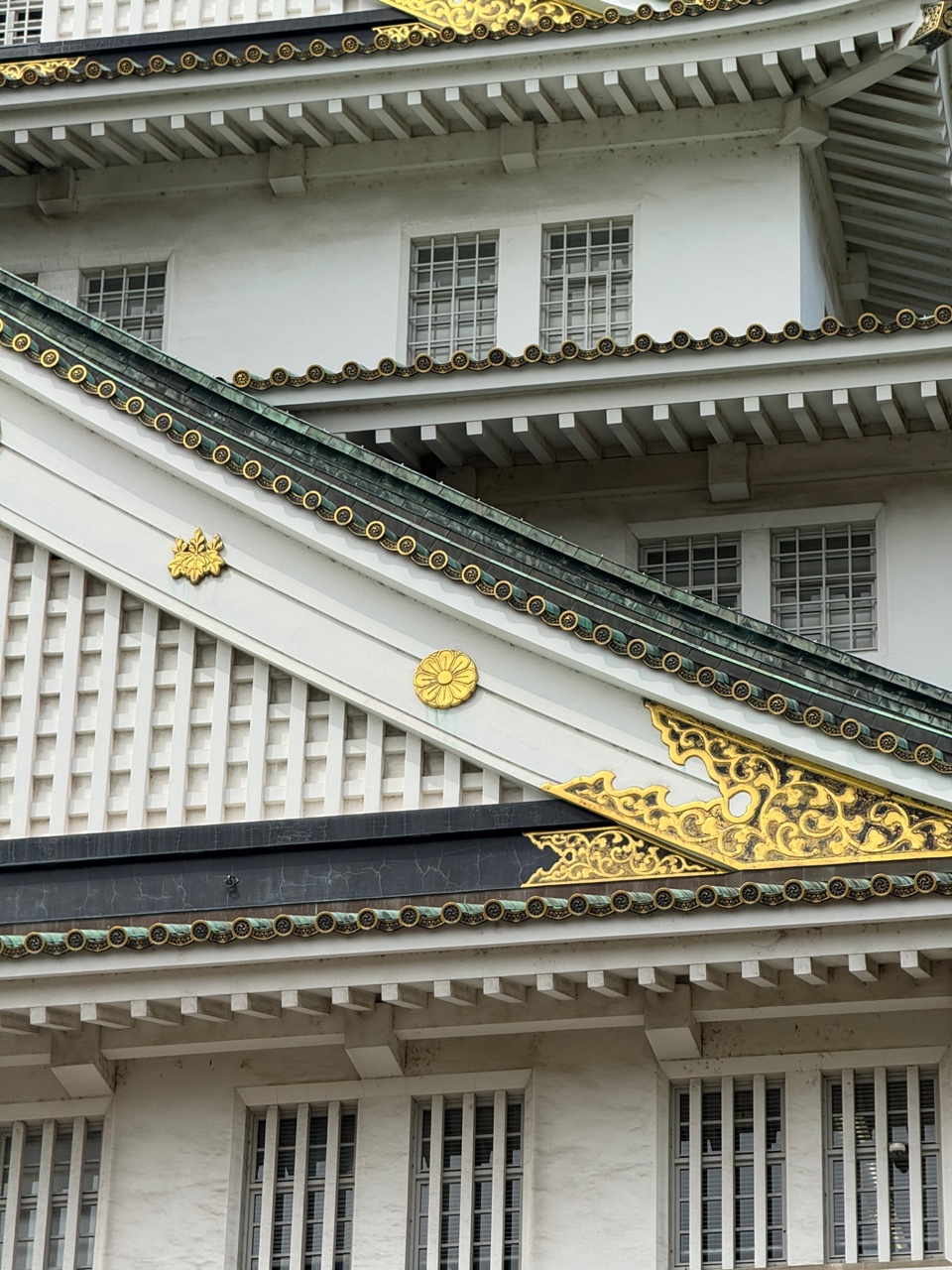
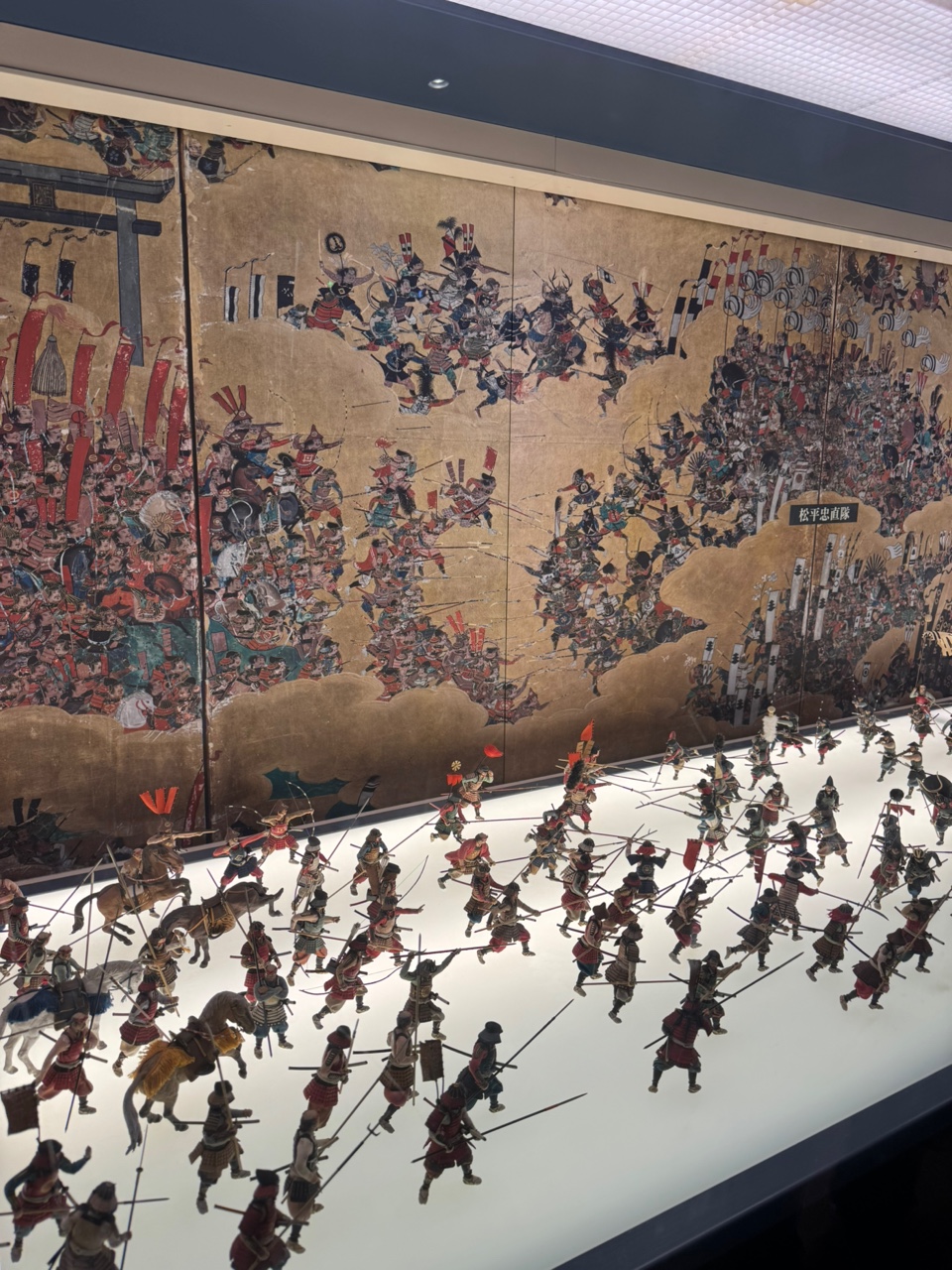
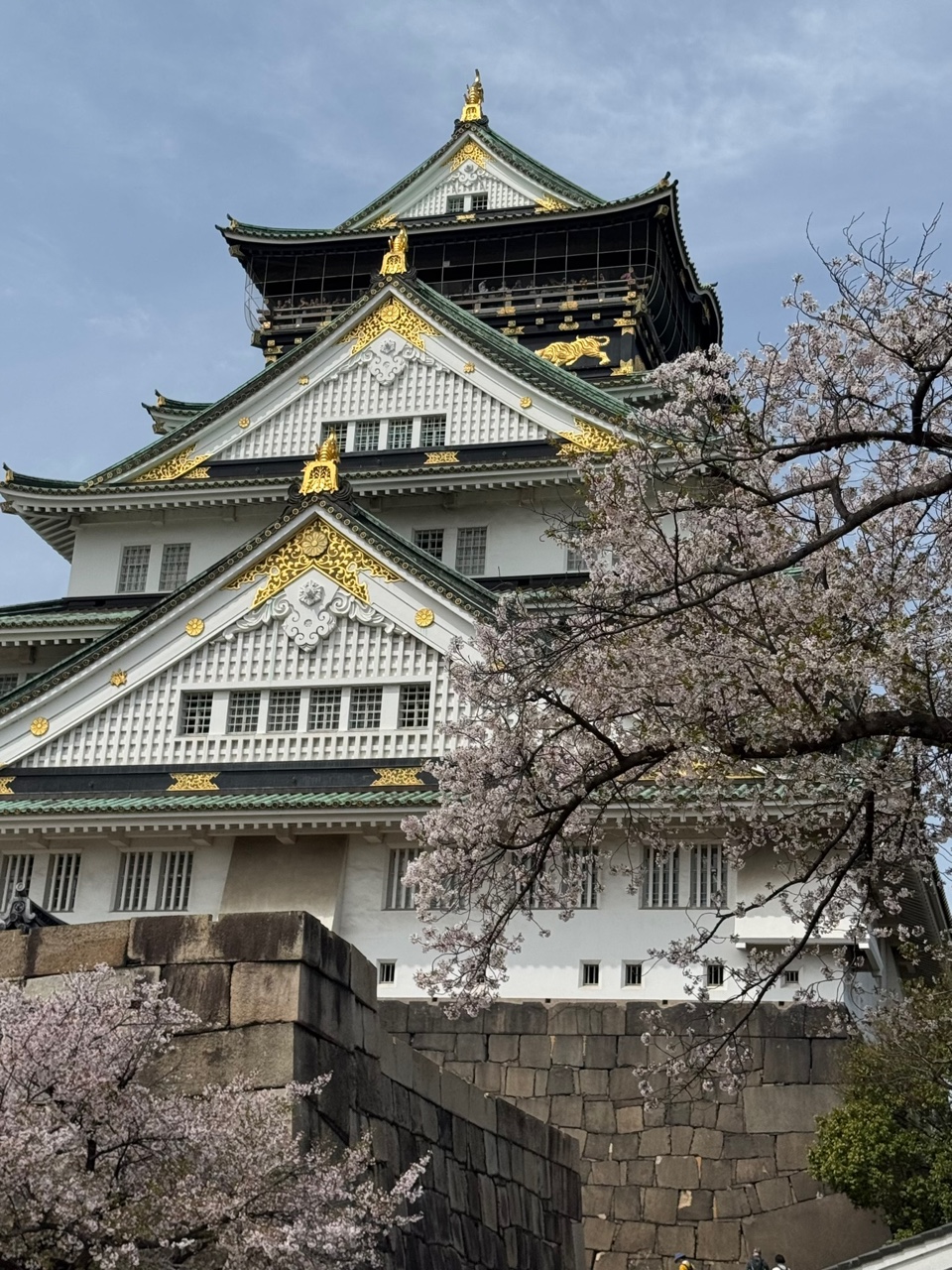
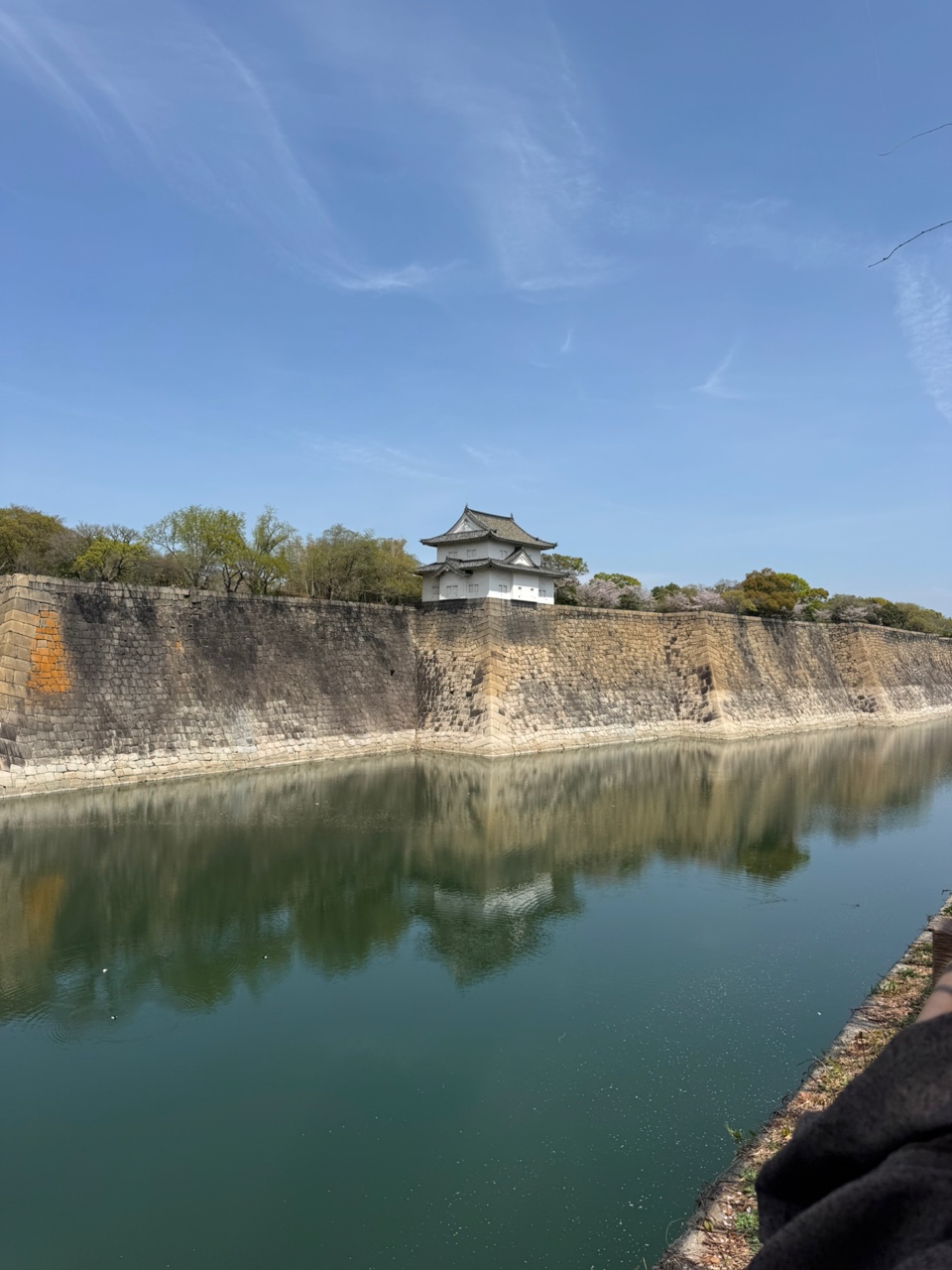
Finally, we arrived at Osaka Castle (大阪城), originally built in 1583 by Toyotomi Hideyoshi (豊臣秀吉), is a symbol of Osaka’s rich history. The striking five-story tower, with its white and gold exterior, offers beautiful views of the surrounding Osaka Castle Park (大阪城公園), especially during sakura (桜) season when cherry blossoms are in full bloom. Inside, the castle has been modernized into a museum, showcasing exhibits about its history and Hideyoshi’s life. Whether you’re a history lover or just seeking a peaceful escape in the heart of Osaka, Osaka Castle is a must-visit for its blend of beauty and significance.
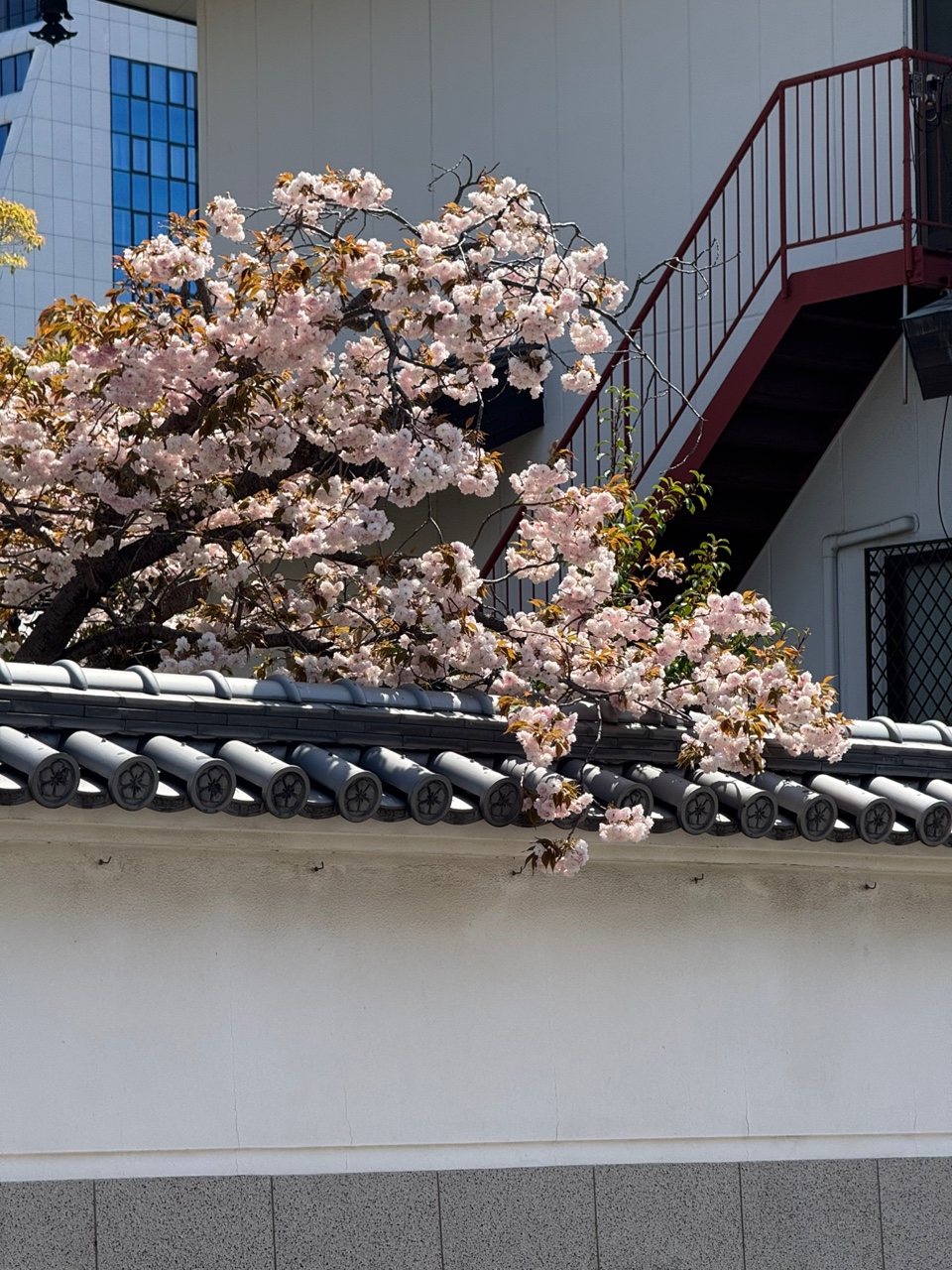
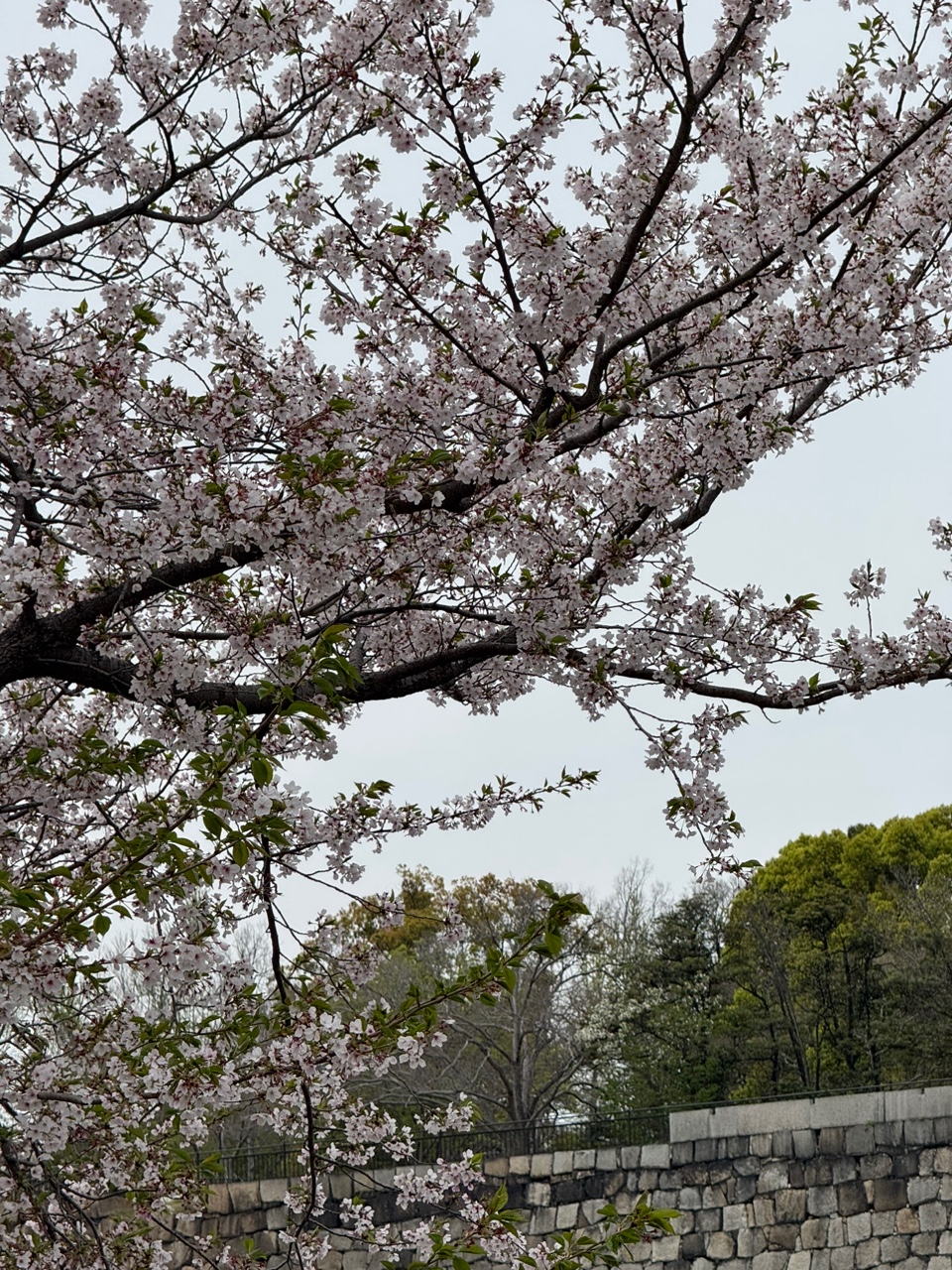
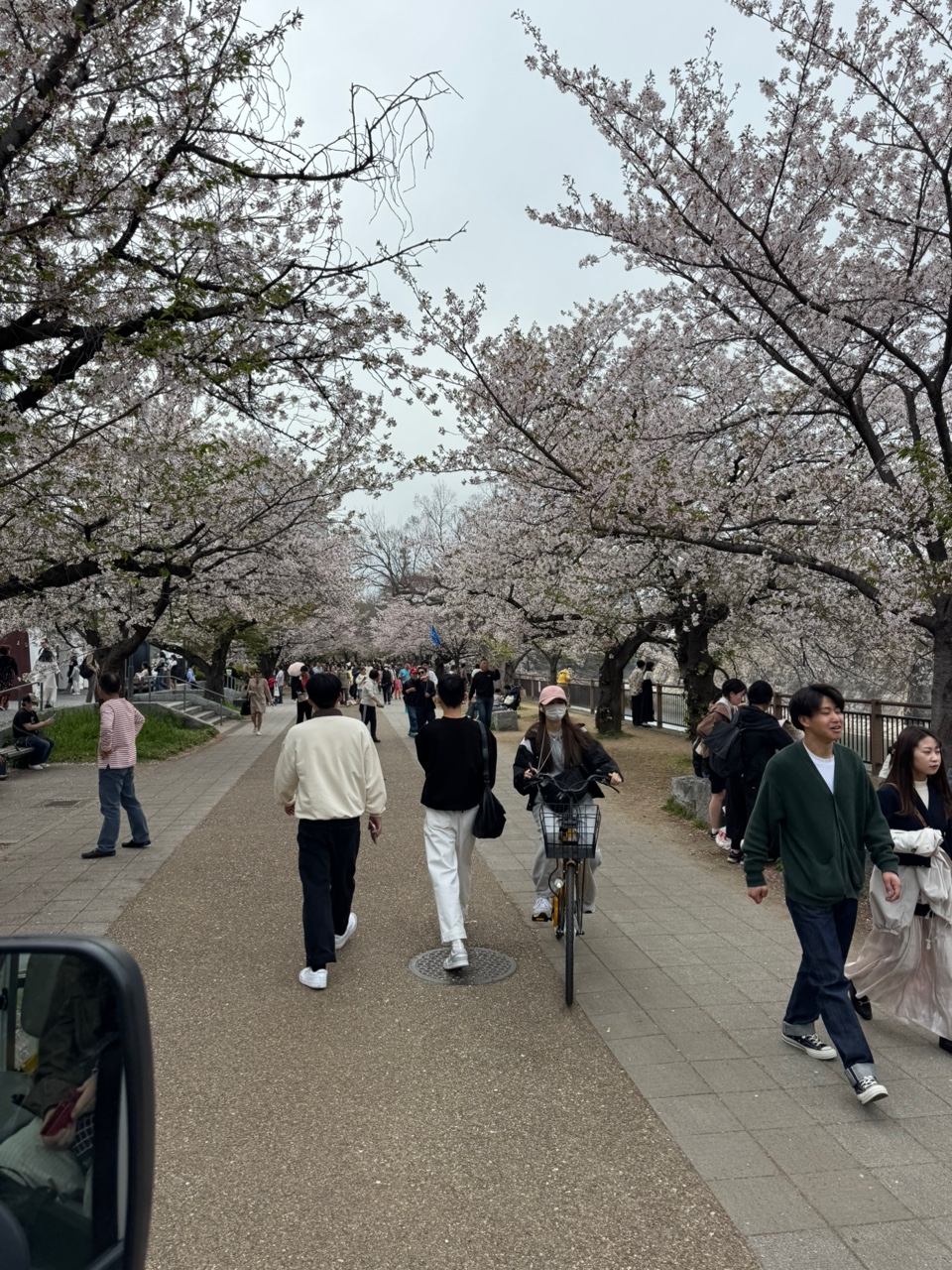
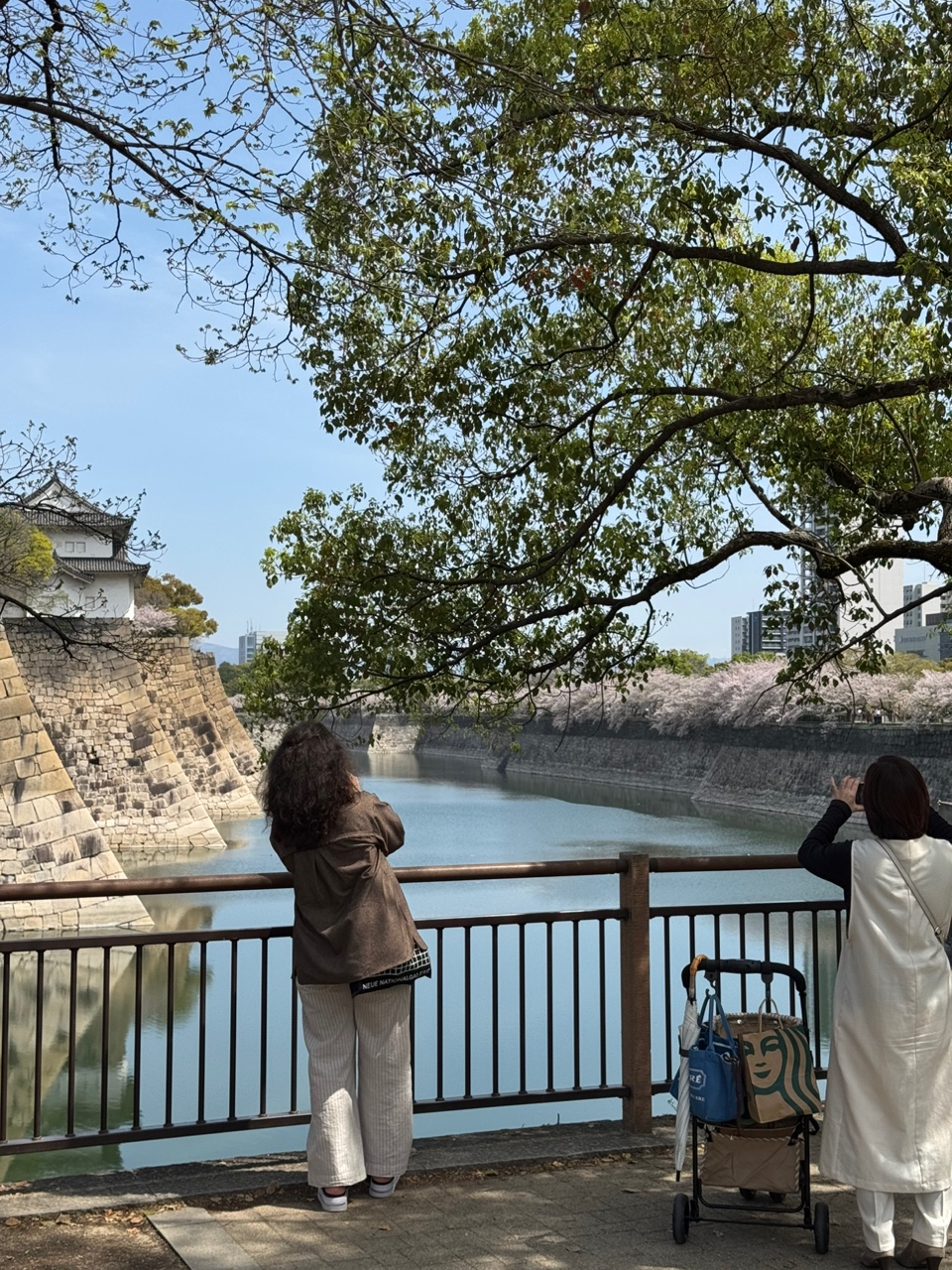
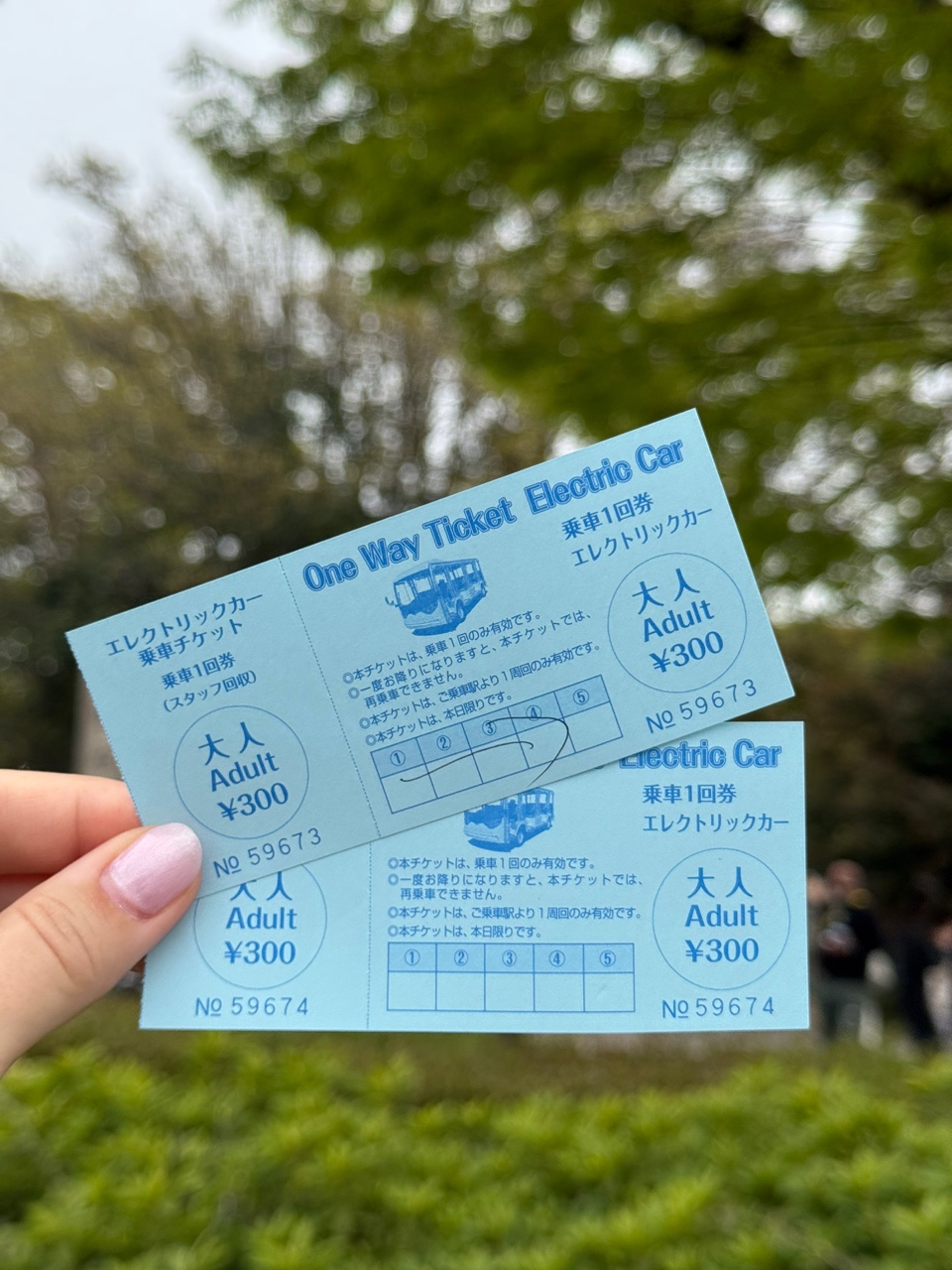
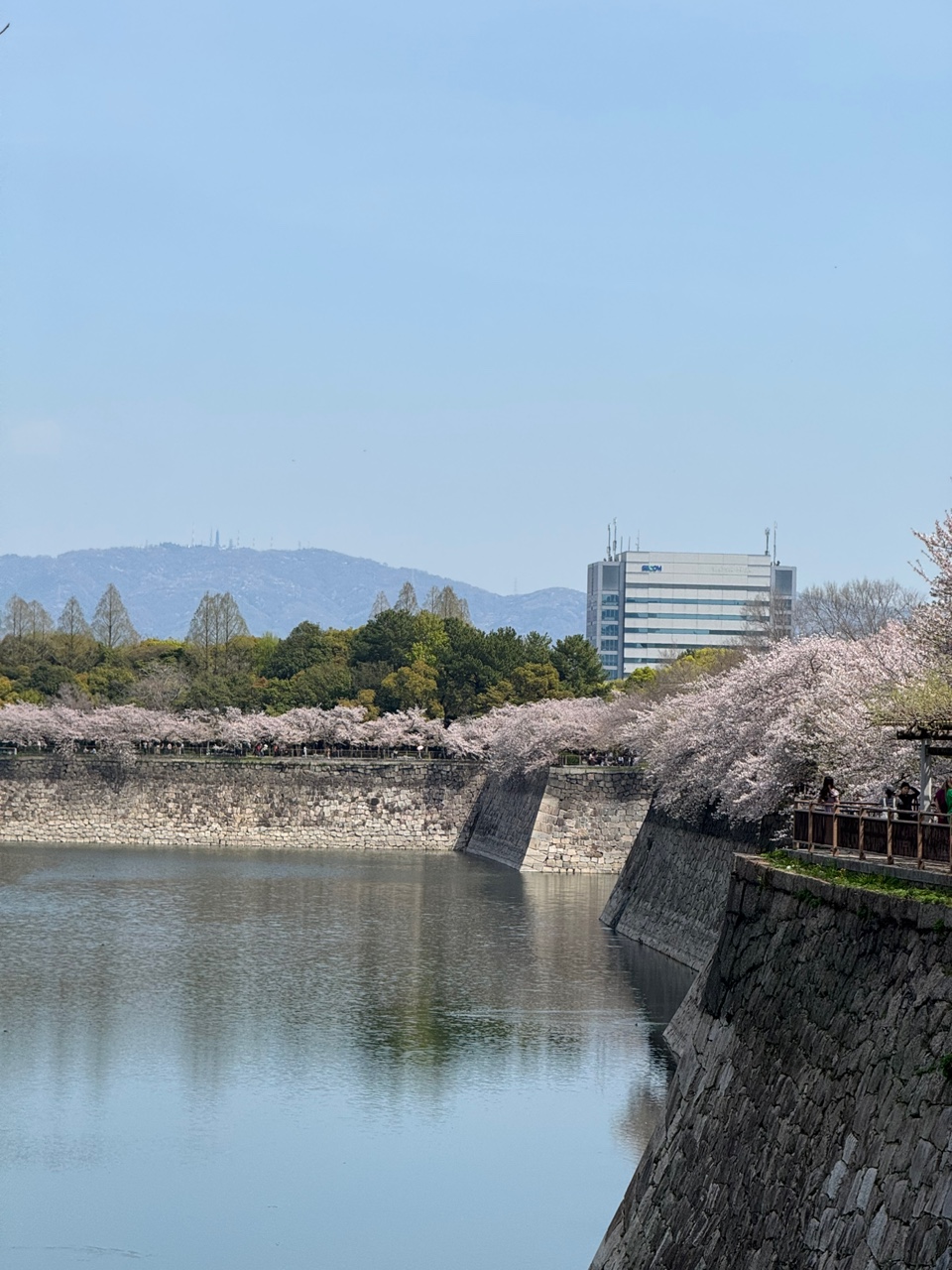
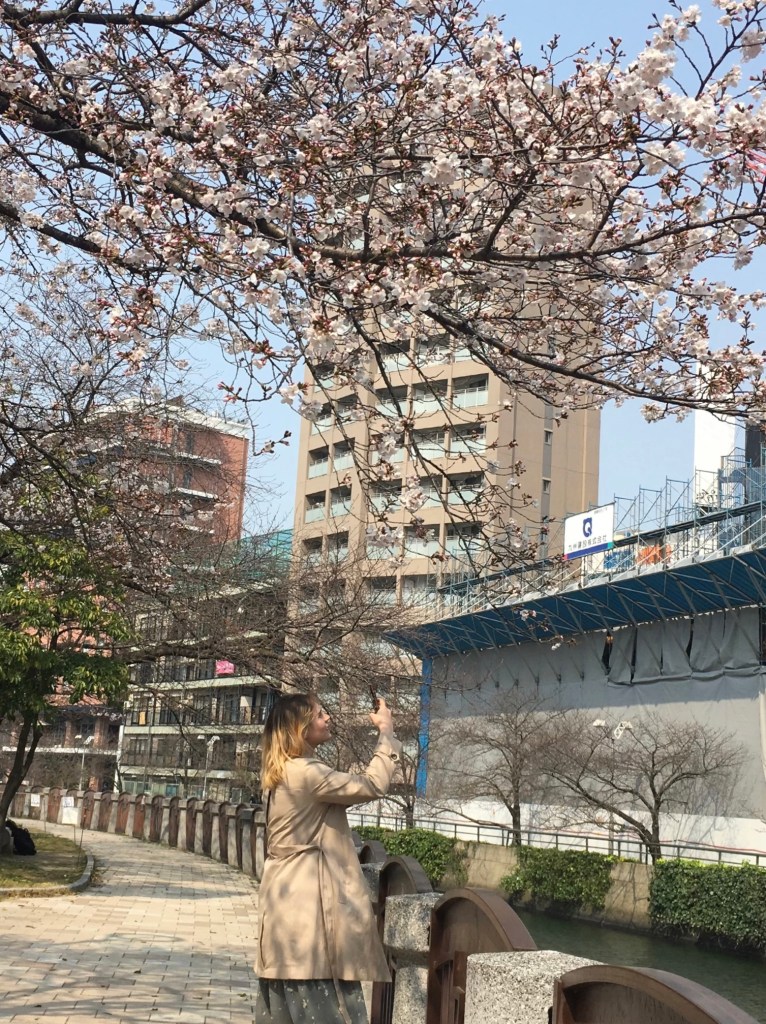
After an adventurous walk through the park. To rest our feet and enjoy the view, we hopped on one of the little tour carts that circle the castle grounds—a fun and breezy way to take it all in. All around us, families were out enjoying hanami (花見), the beloved Japanese tradition of cherry blossom viewing. The sakura (桜) trees were in full bloom, painting the park in soft shades of pink and white. It was such a joyful atmosphere—picnic blankets, laughter, bento boxes, and petals fluttering in the wind. A perfect spring day in the heart of Osaka.
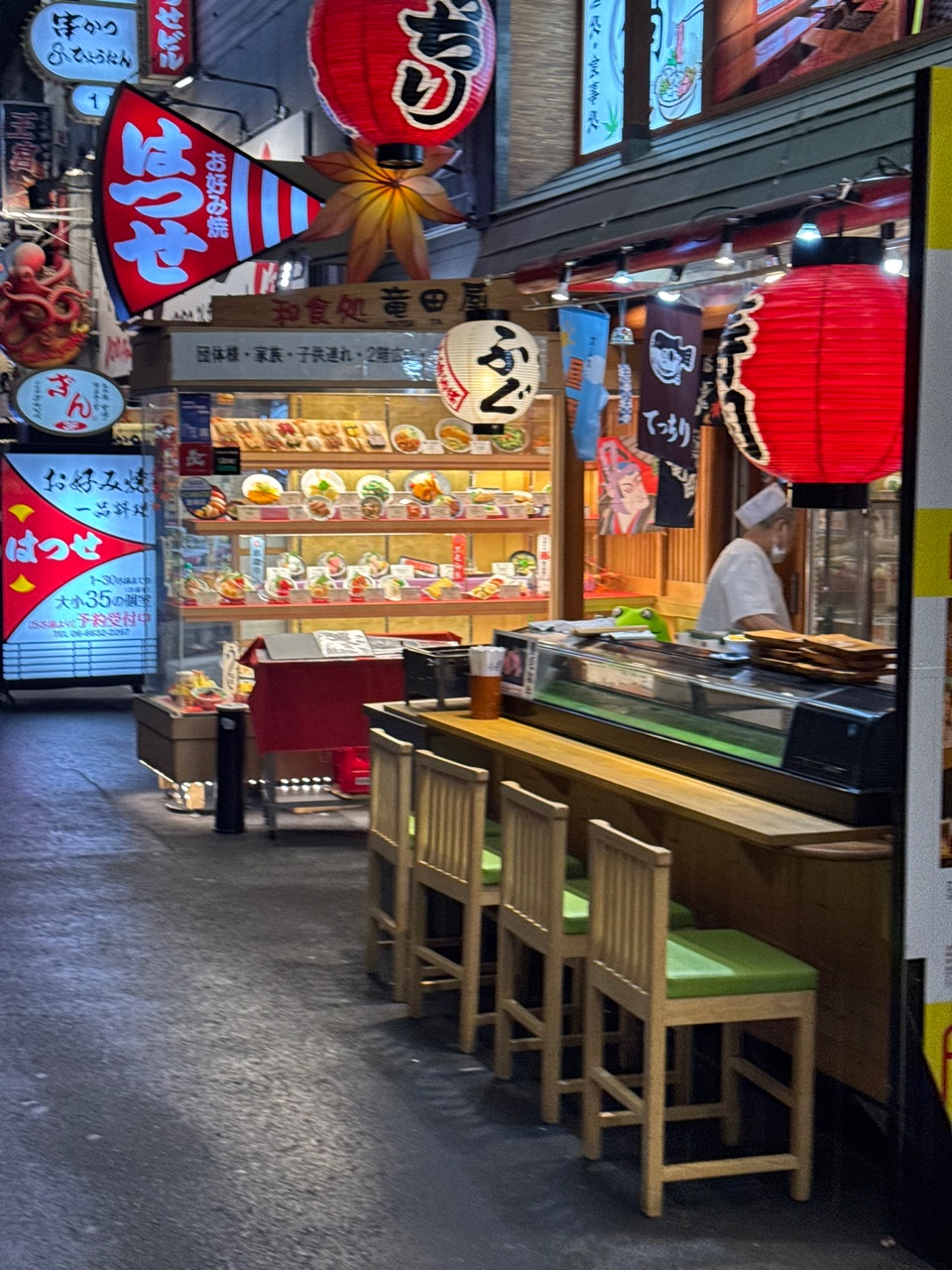
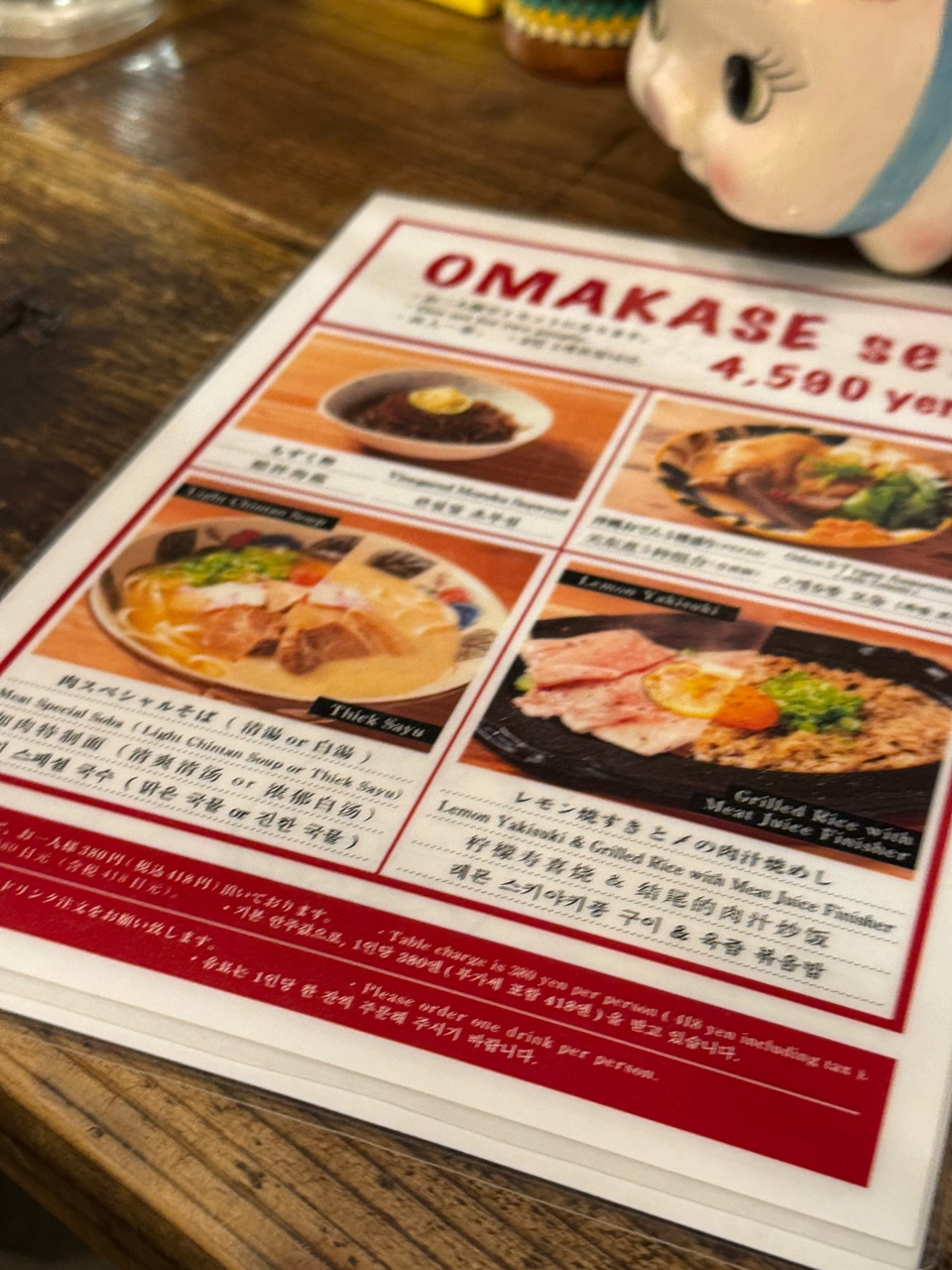
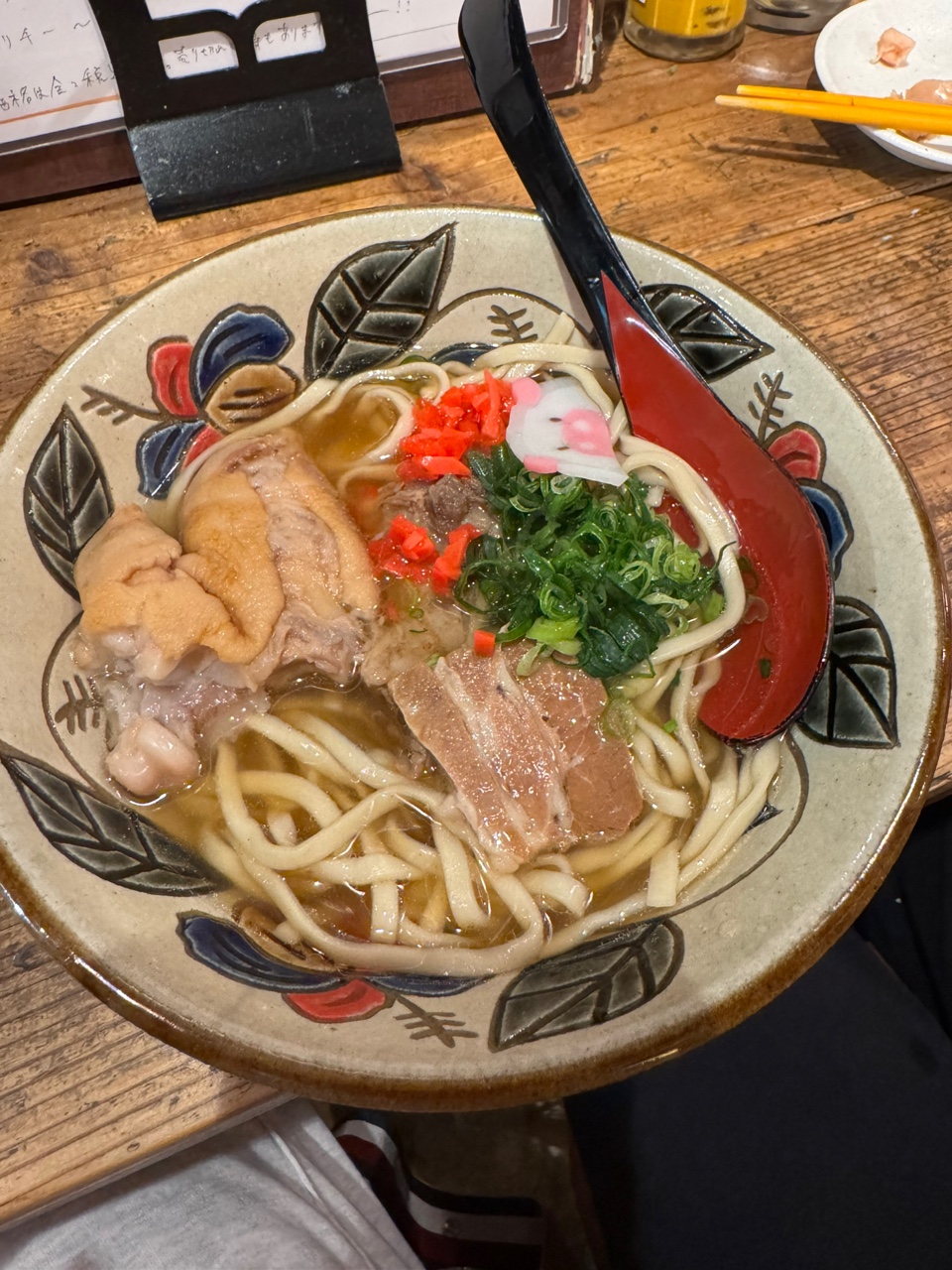
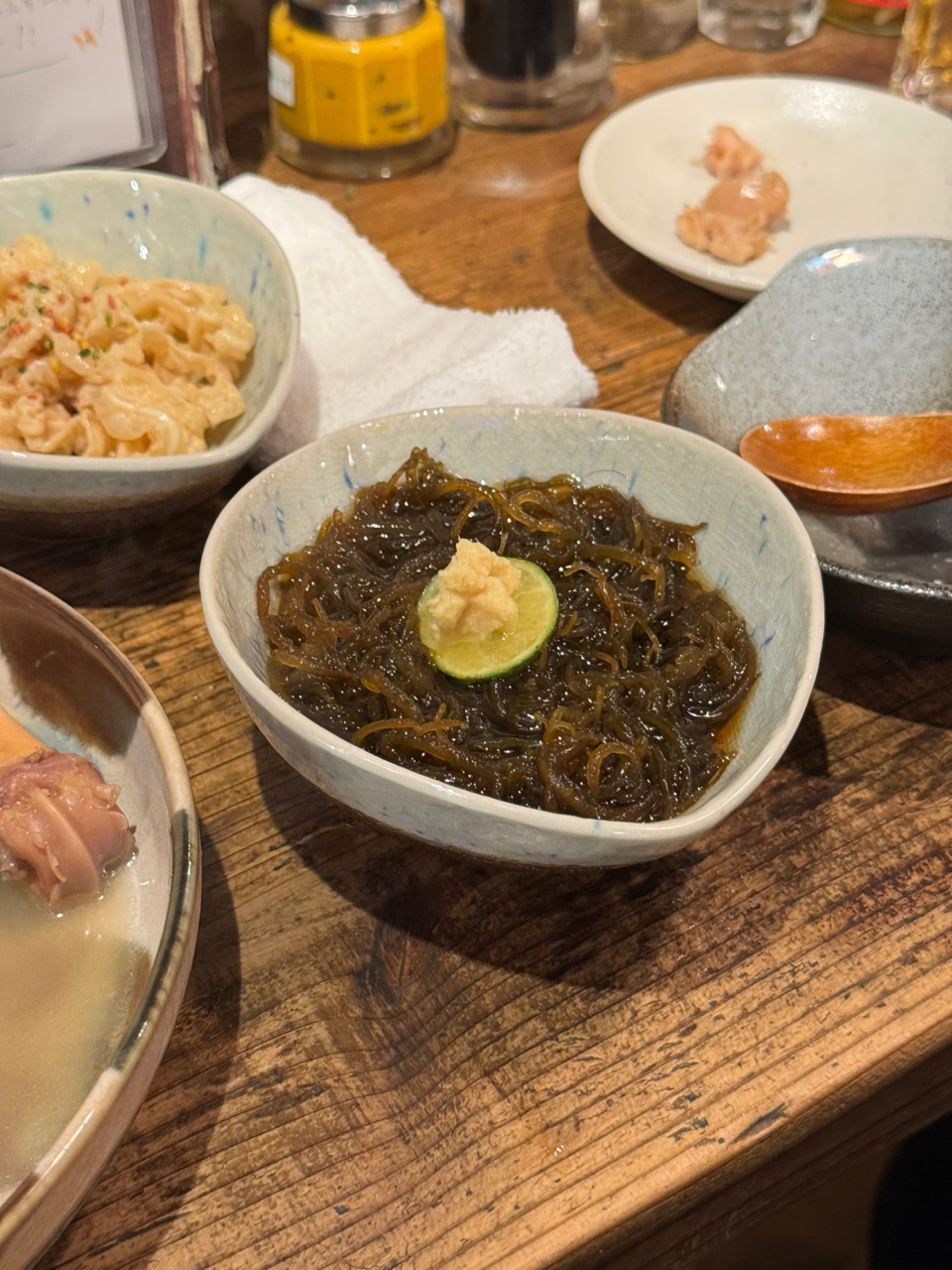
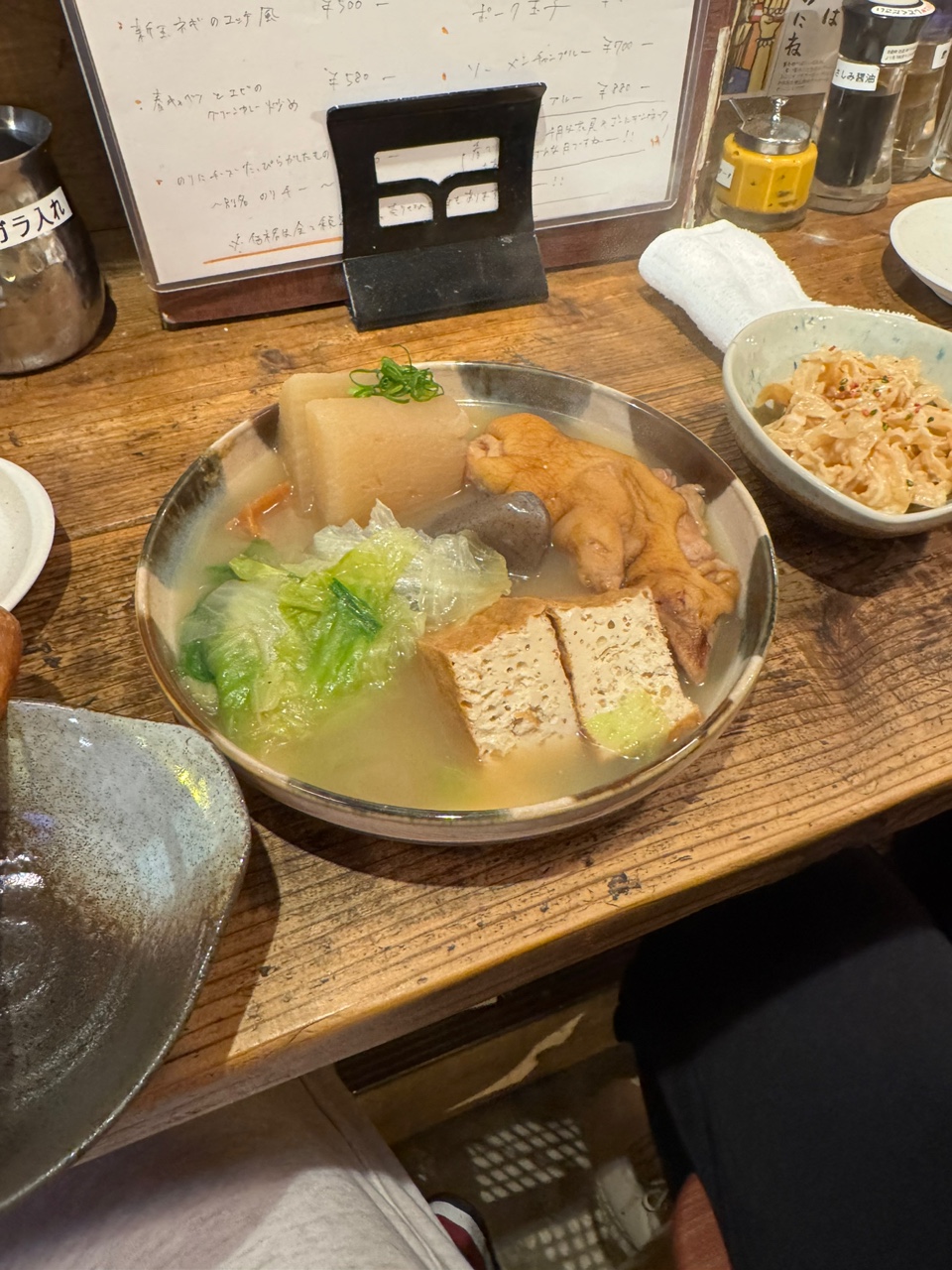
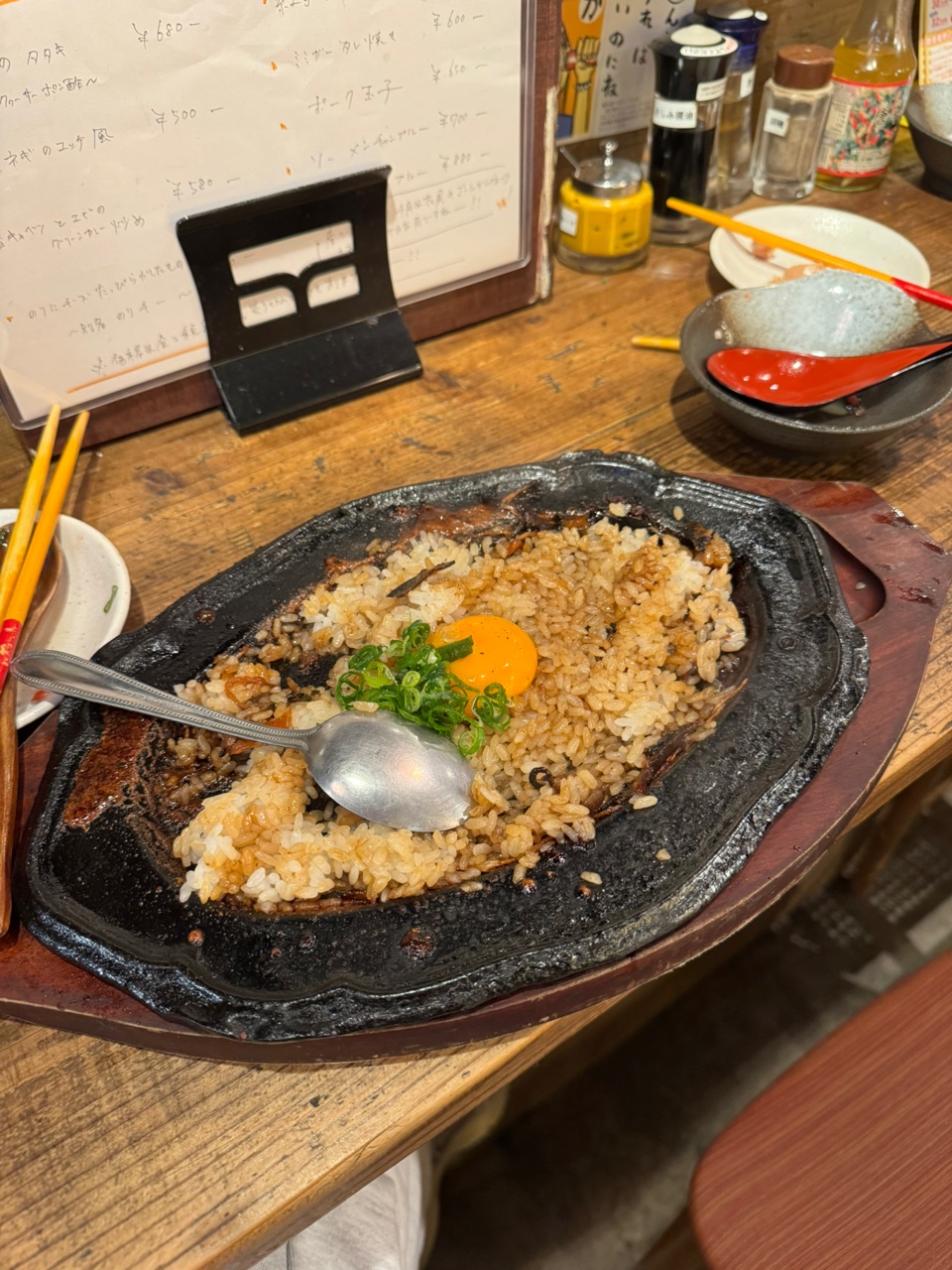
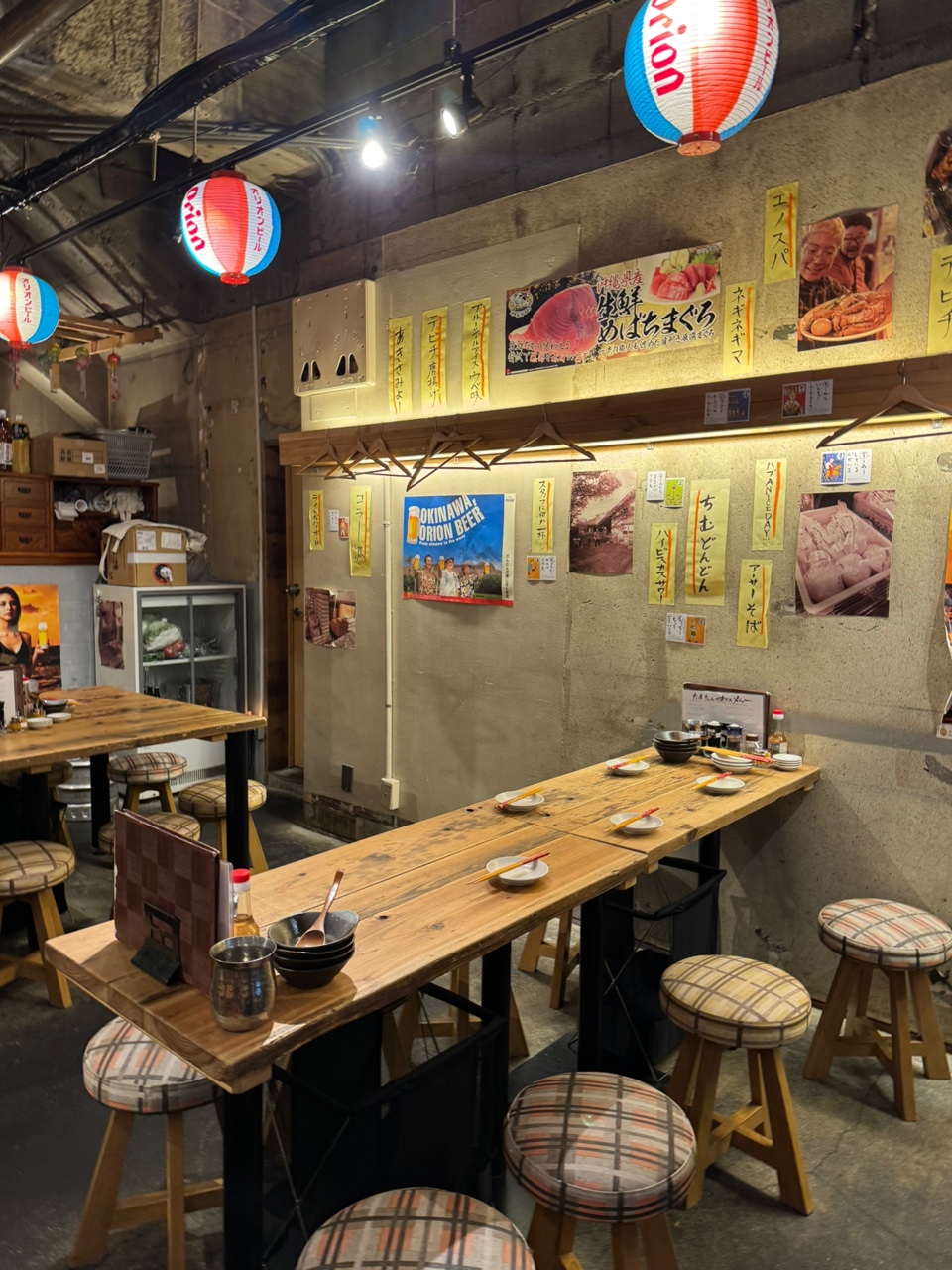
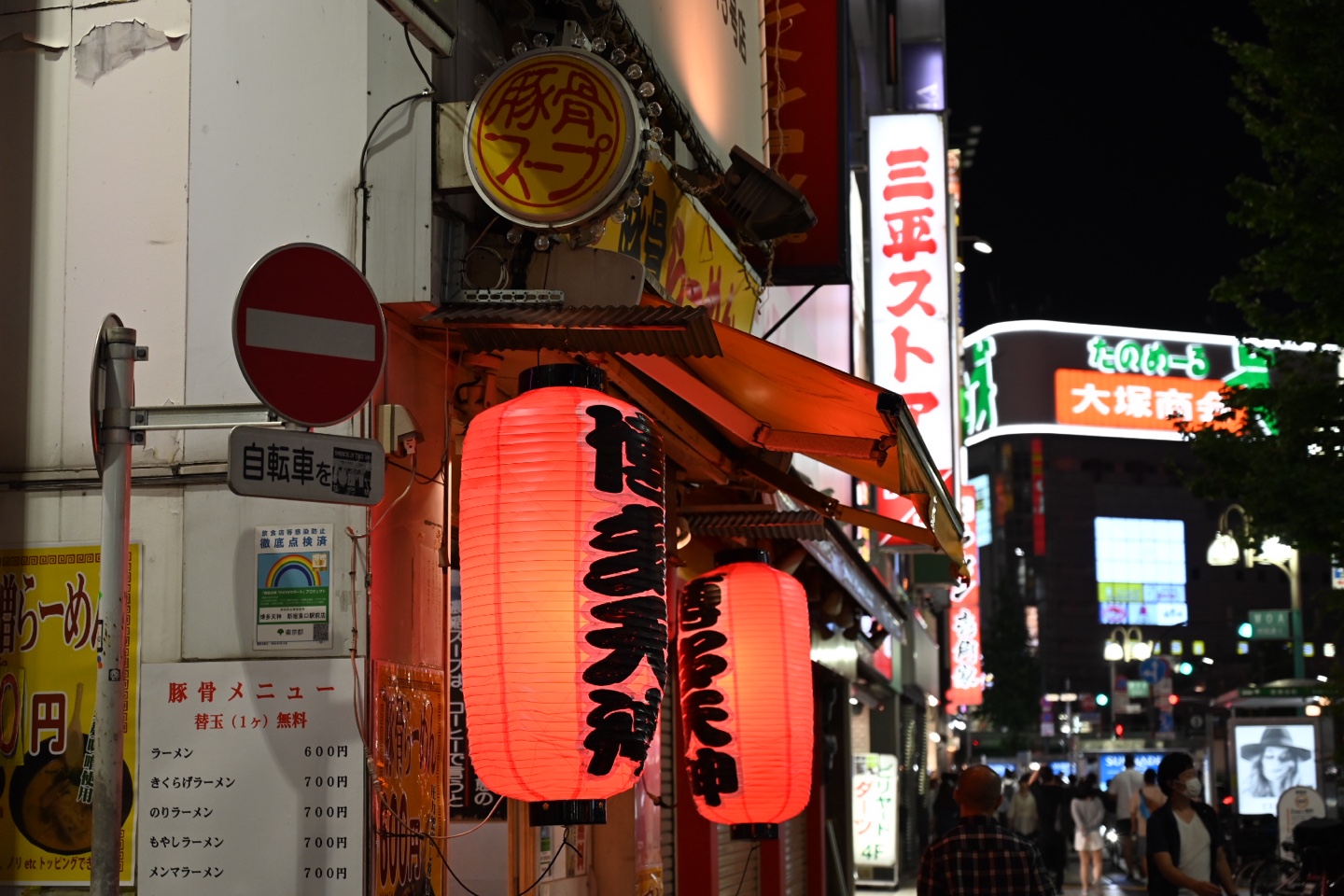
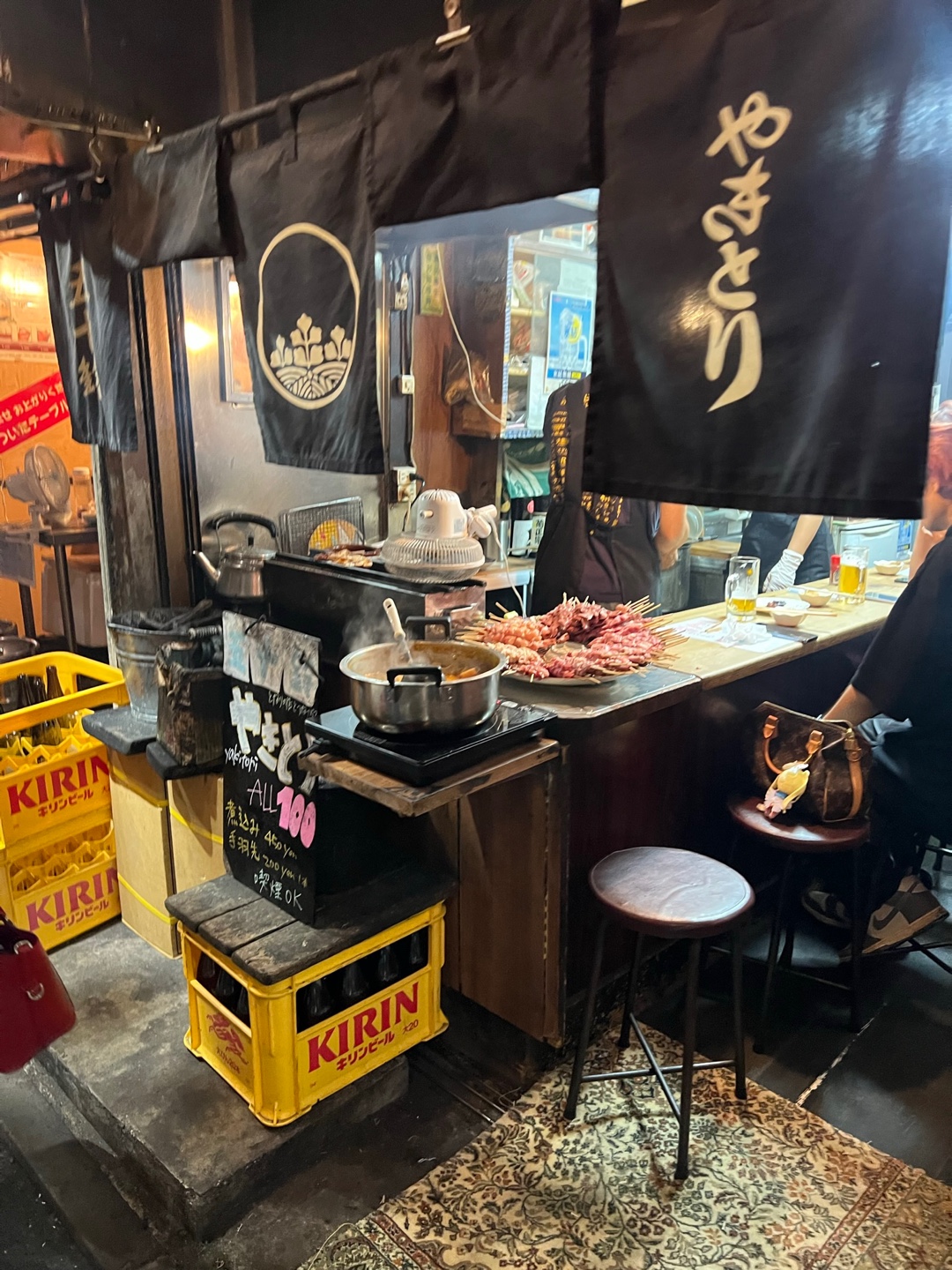
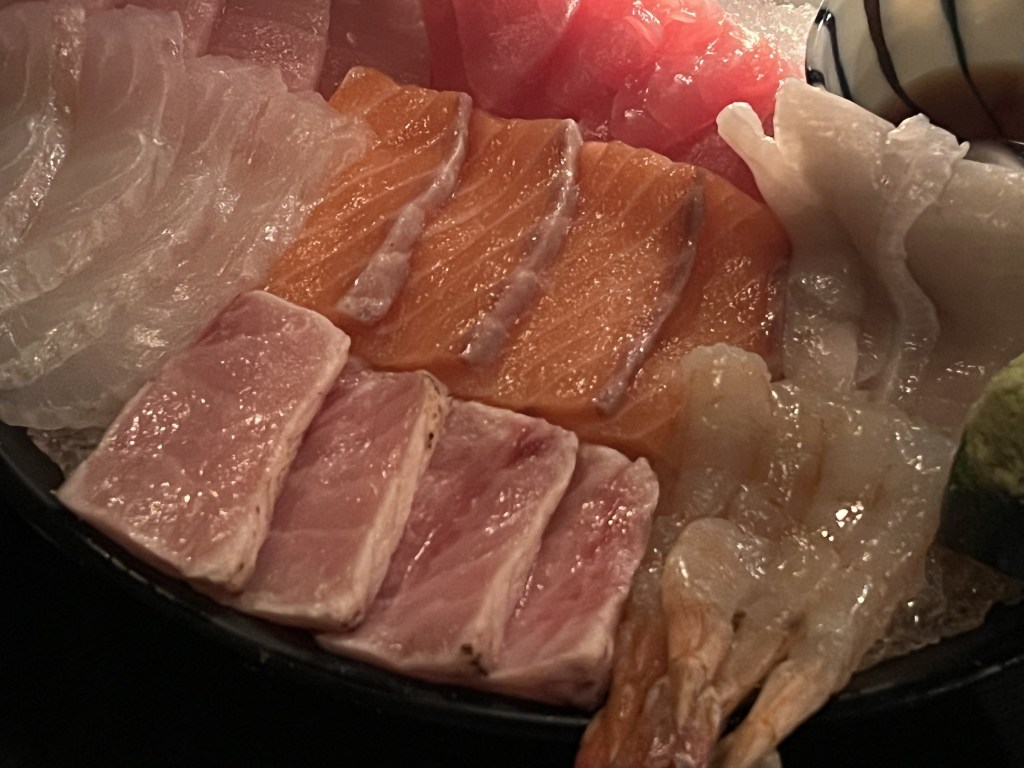
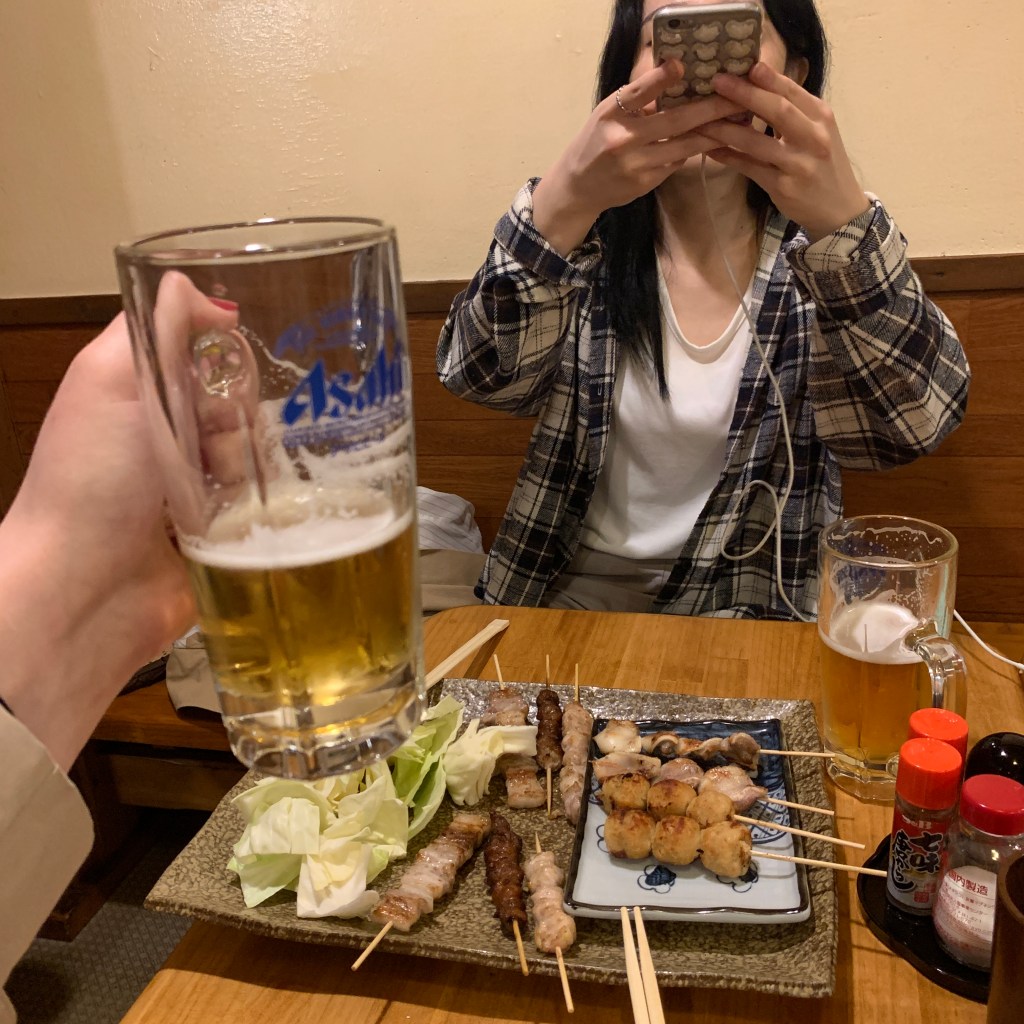
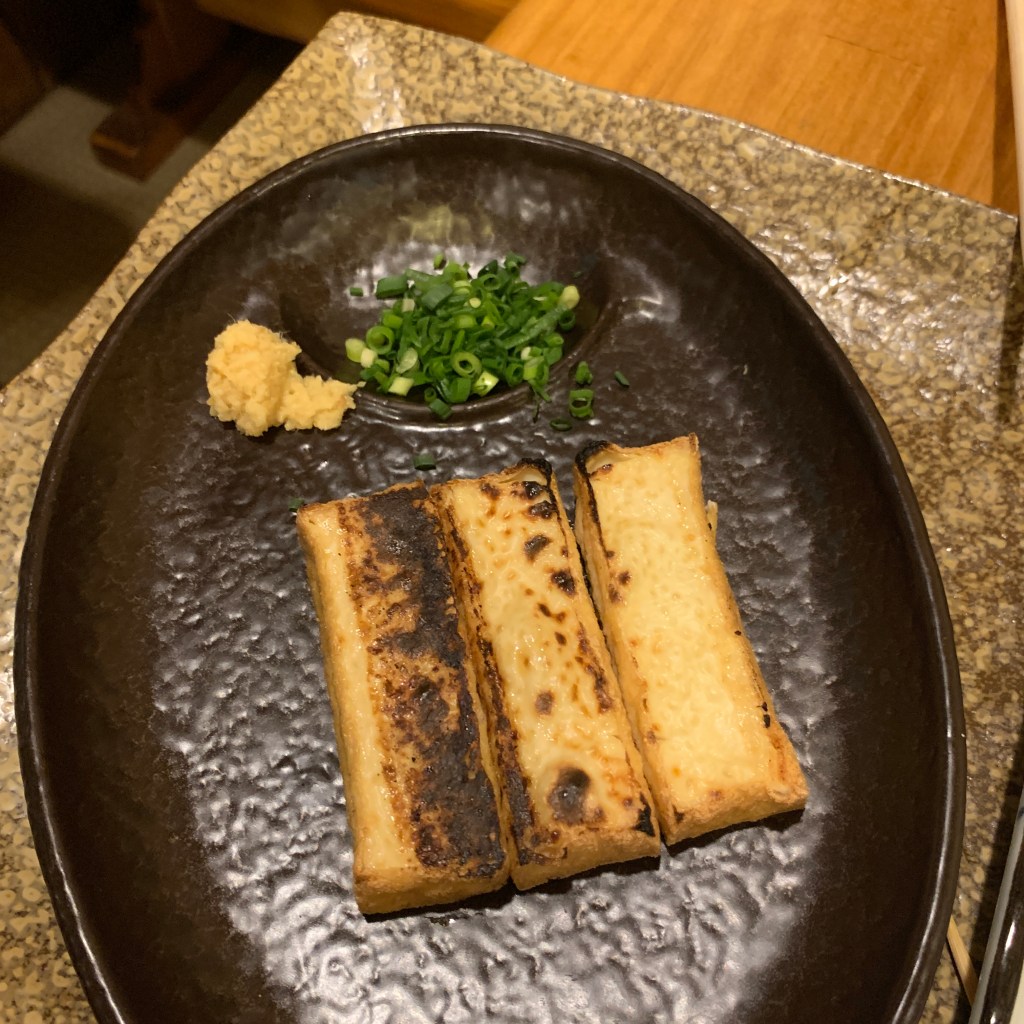
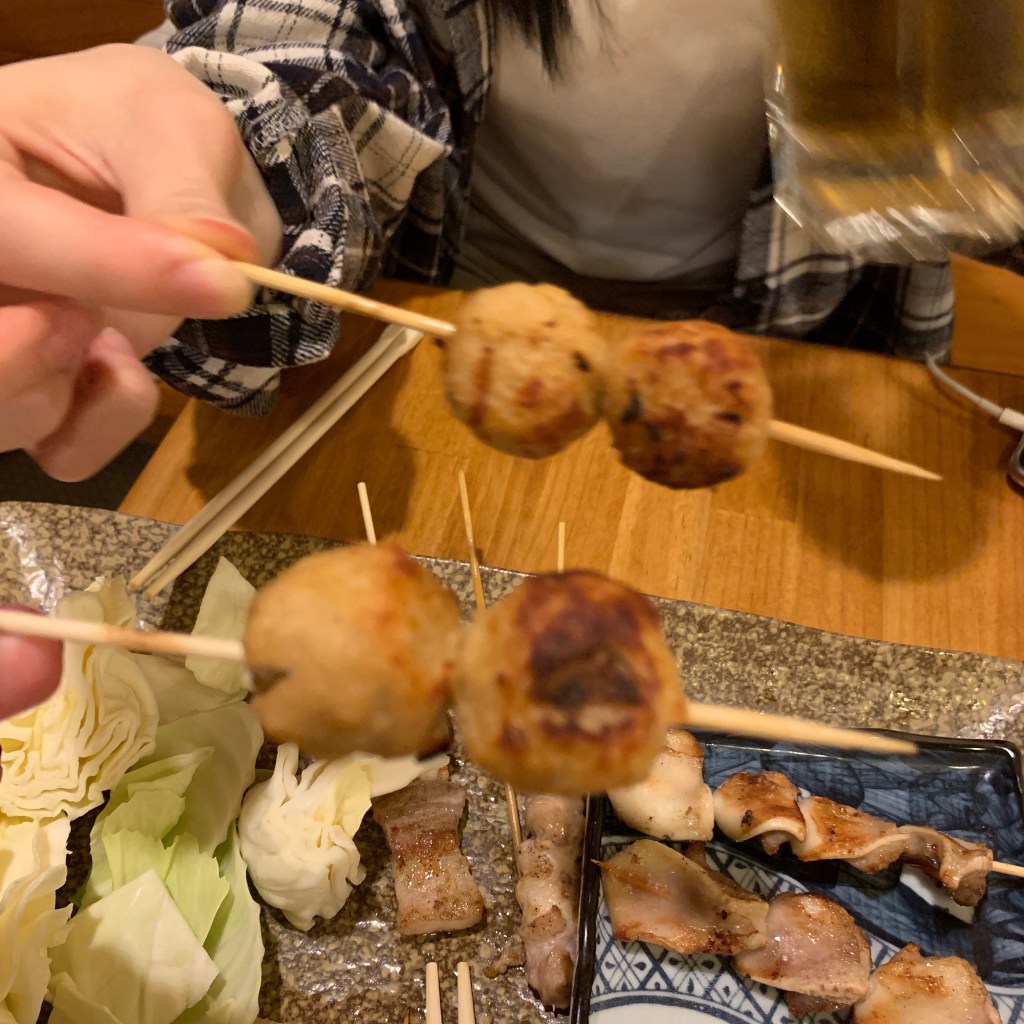
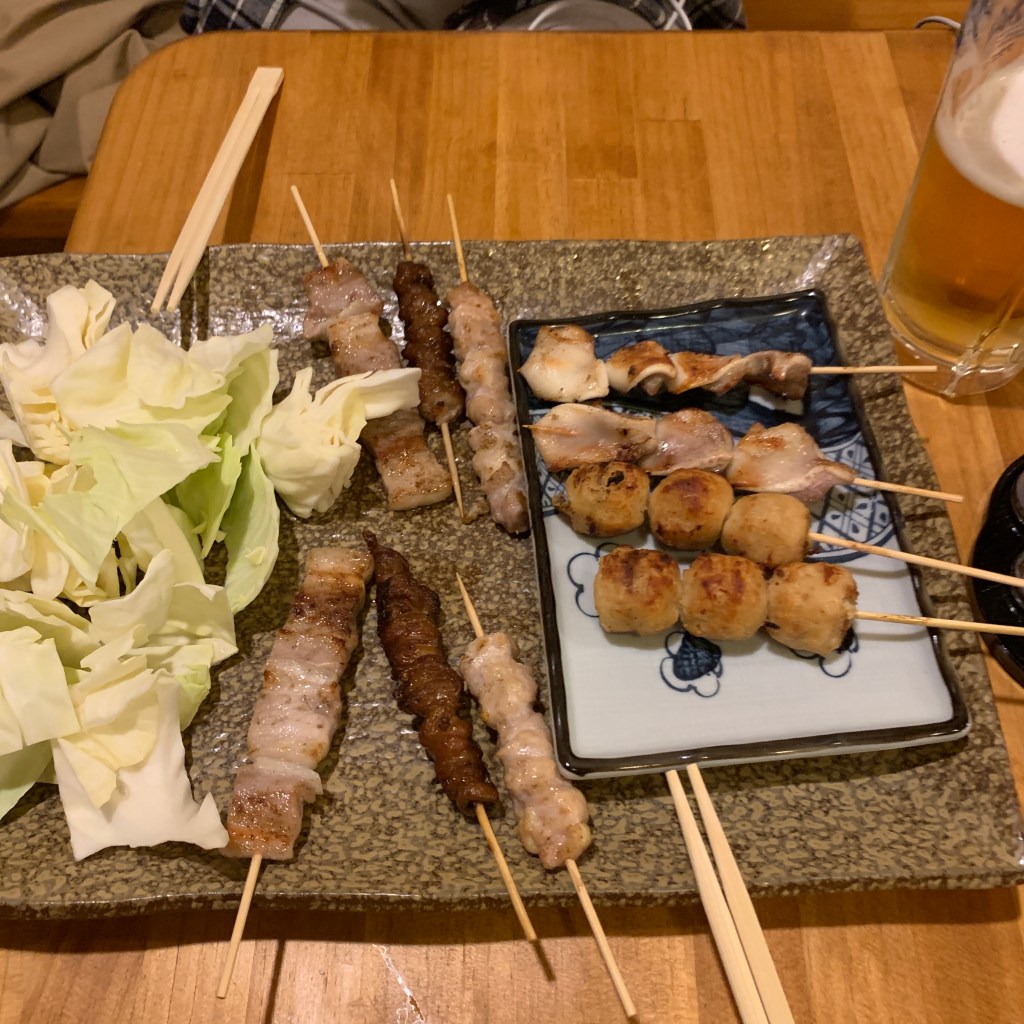
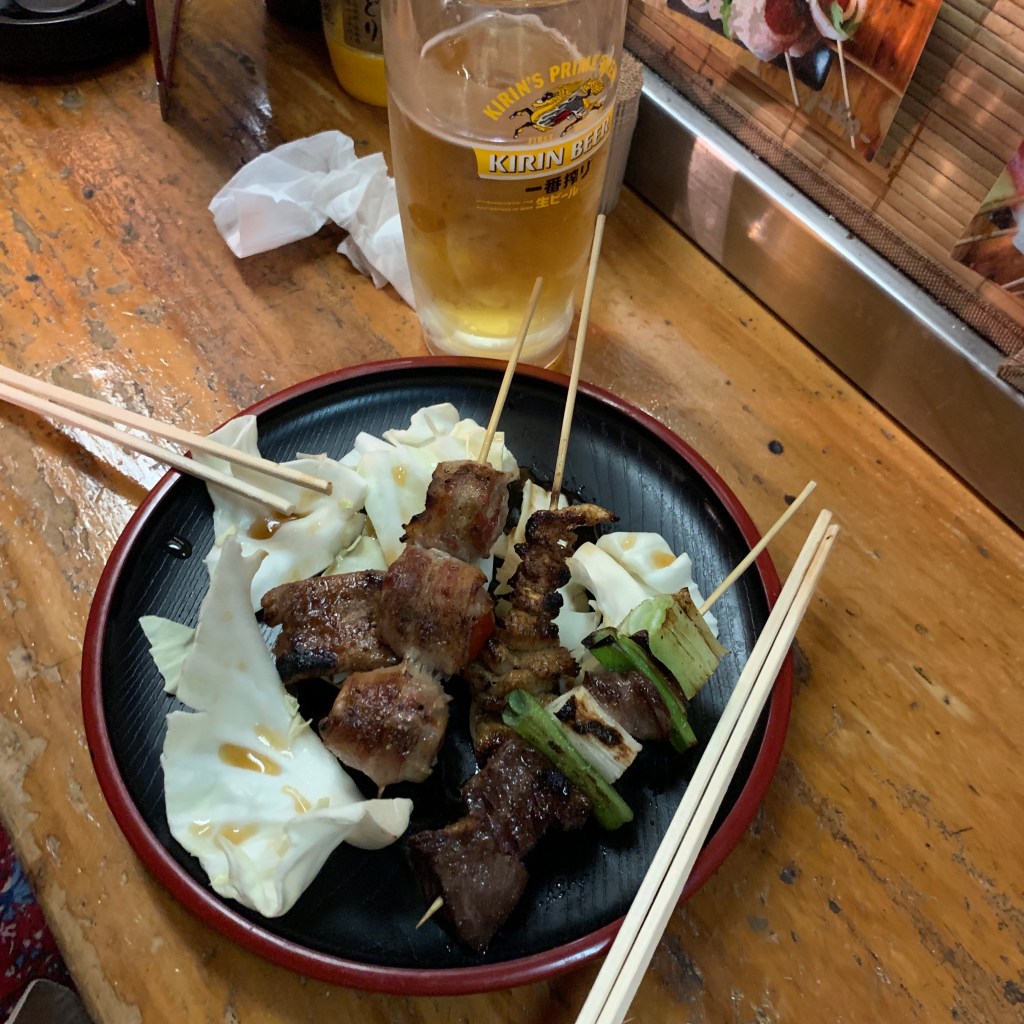
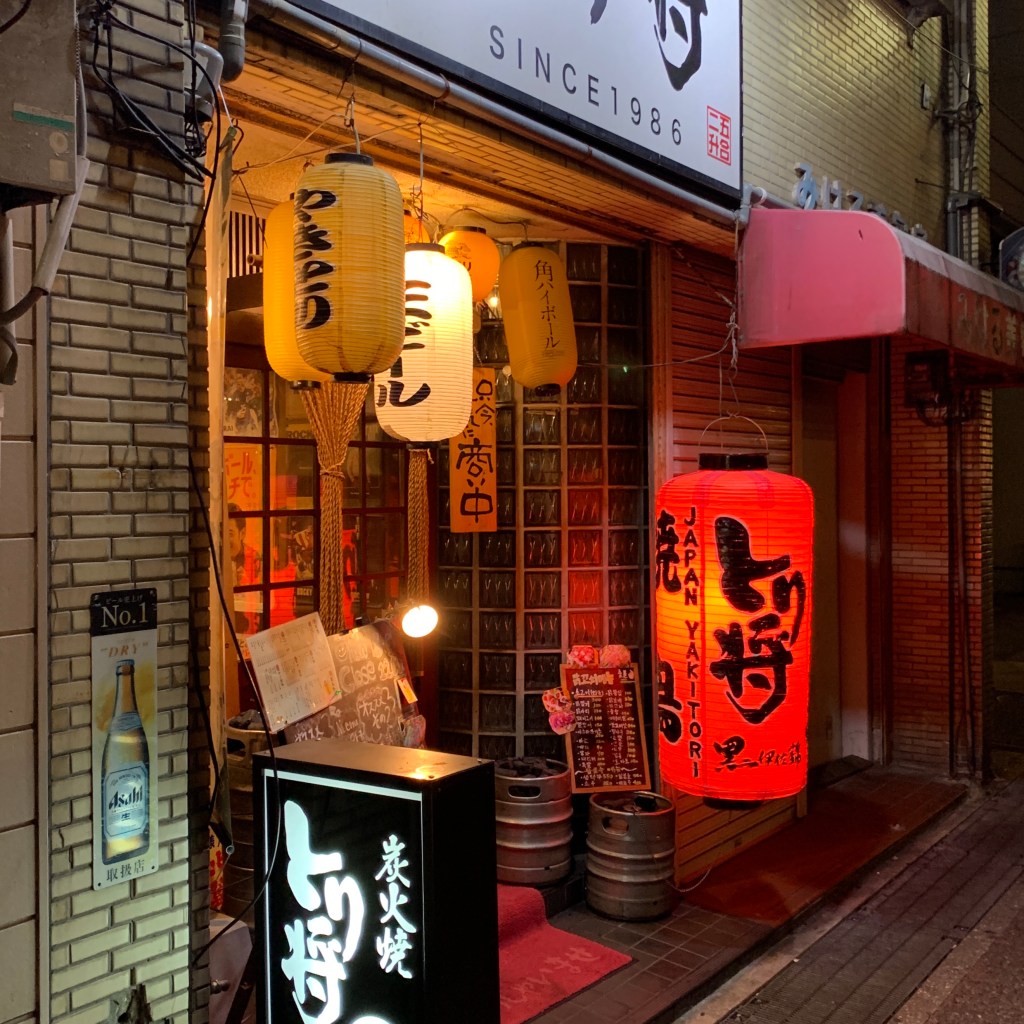
We wrapped up the day with yet another delicious meal—because in Osaka, food adventures are never in short supply. This time, we stumbled into a more unexpected omakase (お任せ) experience—not in a fancy restaurant, but in a cozy local bar. It was casual, spontaneous, and totally authentic—the kind of place where the chef chats with you while preparing each dish right behind the counter. Definitely a fun twist on the usual omakase! Afterwards, we took one last evening stroll through Dotonbori (道頓堀), soaking in the electric atmosphere. The crowds, the glowing neon signs, the sound of laughter and sizzling street food—all of it created that unmistakable Osaka vibe. It was the perfect farewell to a city that never stops buzzing.
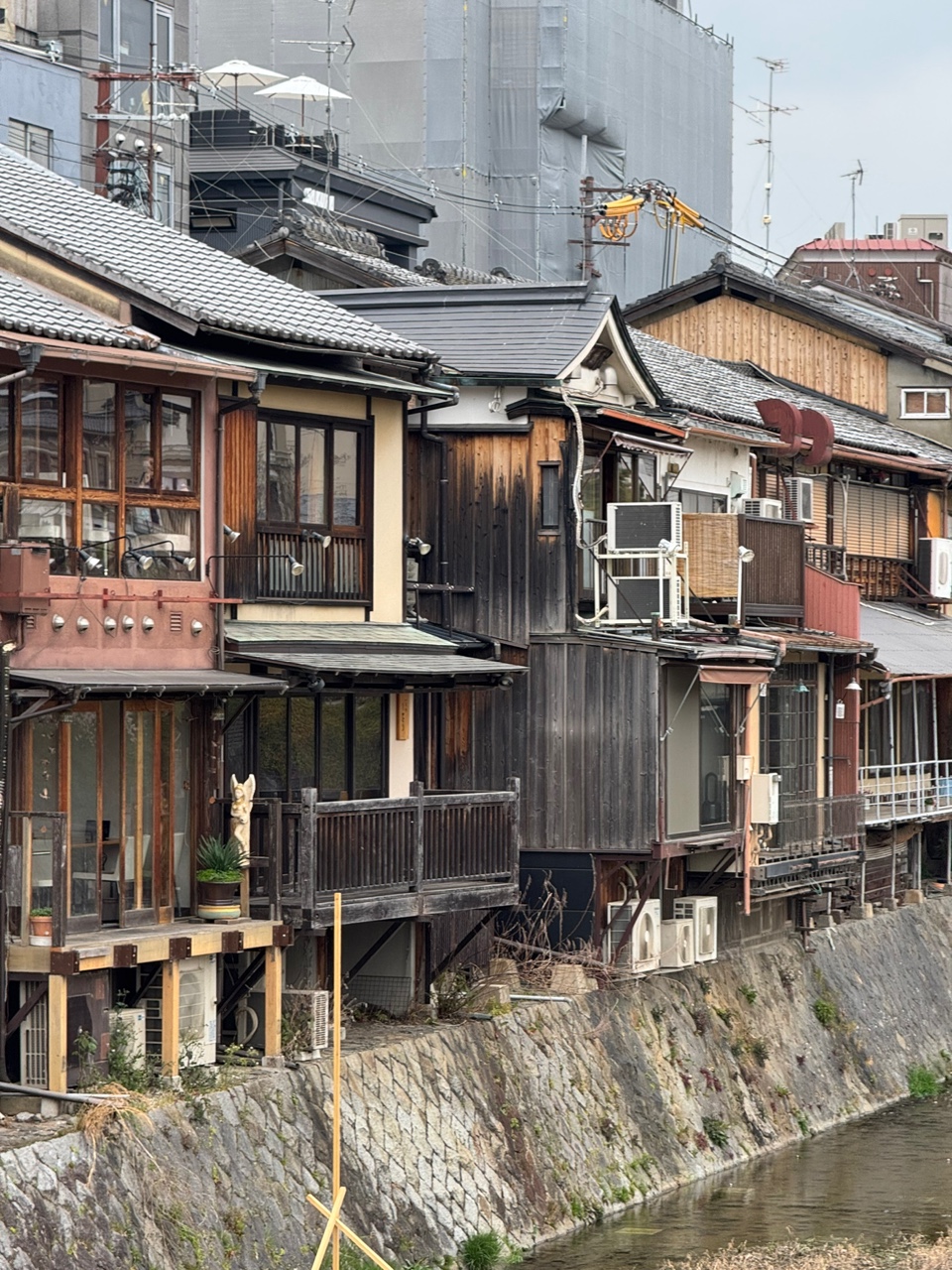
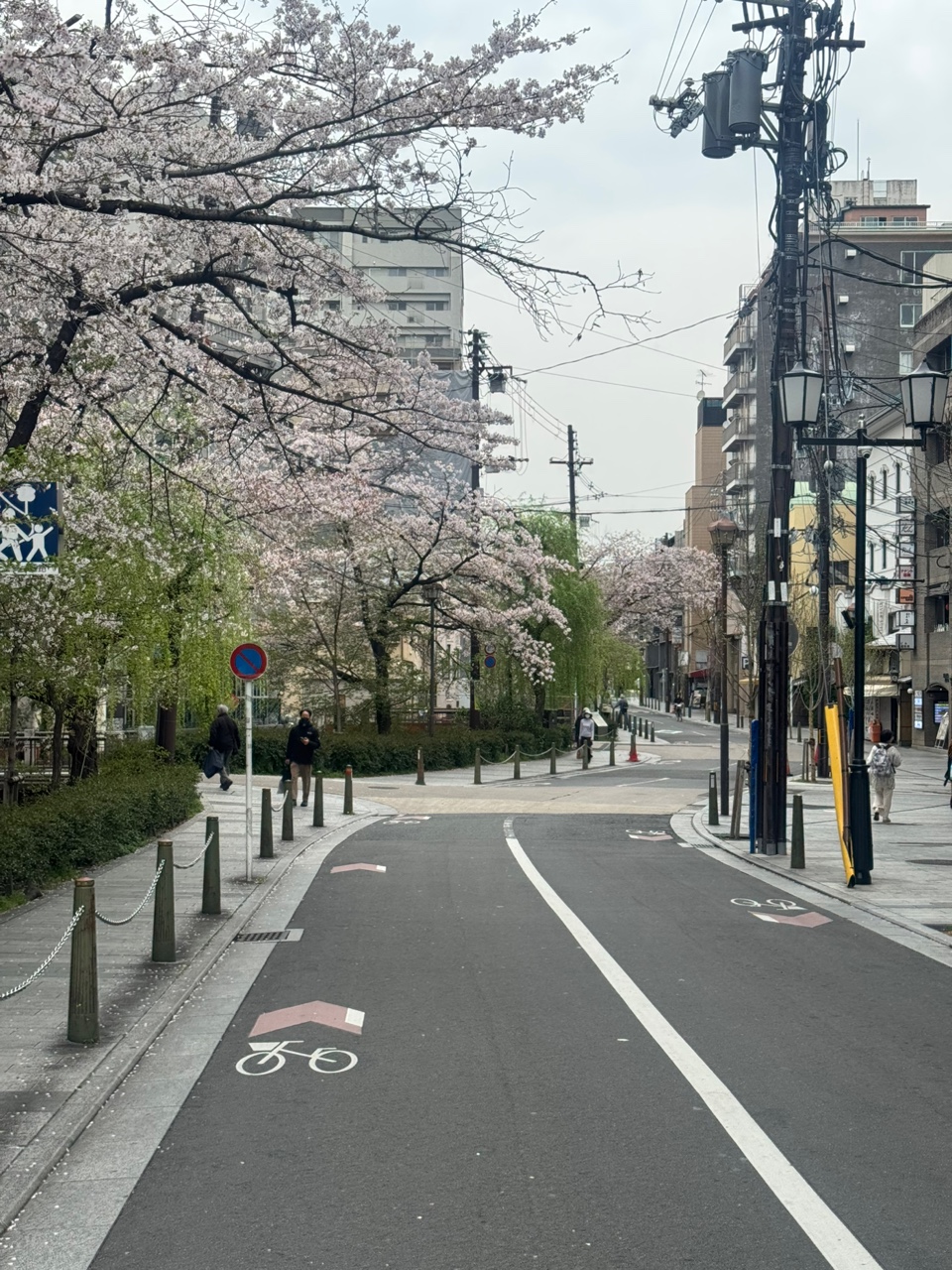
The next morning, we set off for Kyoto (京都), Japan’s ancient capital and cultural heart. Kyoto, home to around 1.45 million people, is renowned for its rich history, preserved architecture, and spiritual heritage. Once the imperial capital of Japan for over a thousand years, it remains a place where the past lives in harmony with the present. The city is famous for its thousands of Shinto shrines and Buddhist temples, centuries-old gardens, and traditional wooden townhouses (machiya 町家). One of the most iconic aspects of Kyoto is its geisha (芸者) culture. In the historic district of Gion (祇園), you might catch a glimpse of a maiko (舞妓)—an apprentice geisha—gracefully moving through the streets in ornate kimono, a symbol of refined beauty and tradition. Kyoto’s timeless charm lies in these moments: quiet, fleeting, and full of grace.
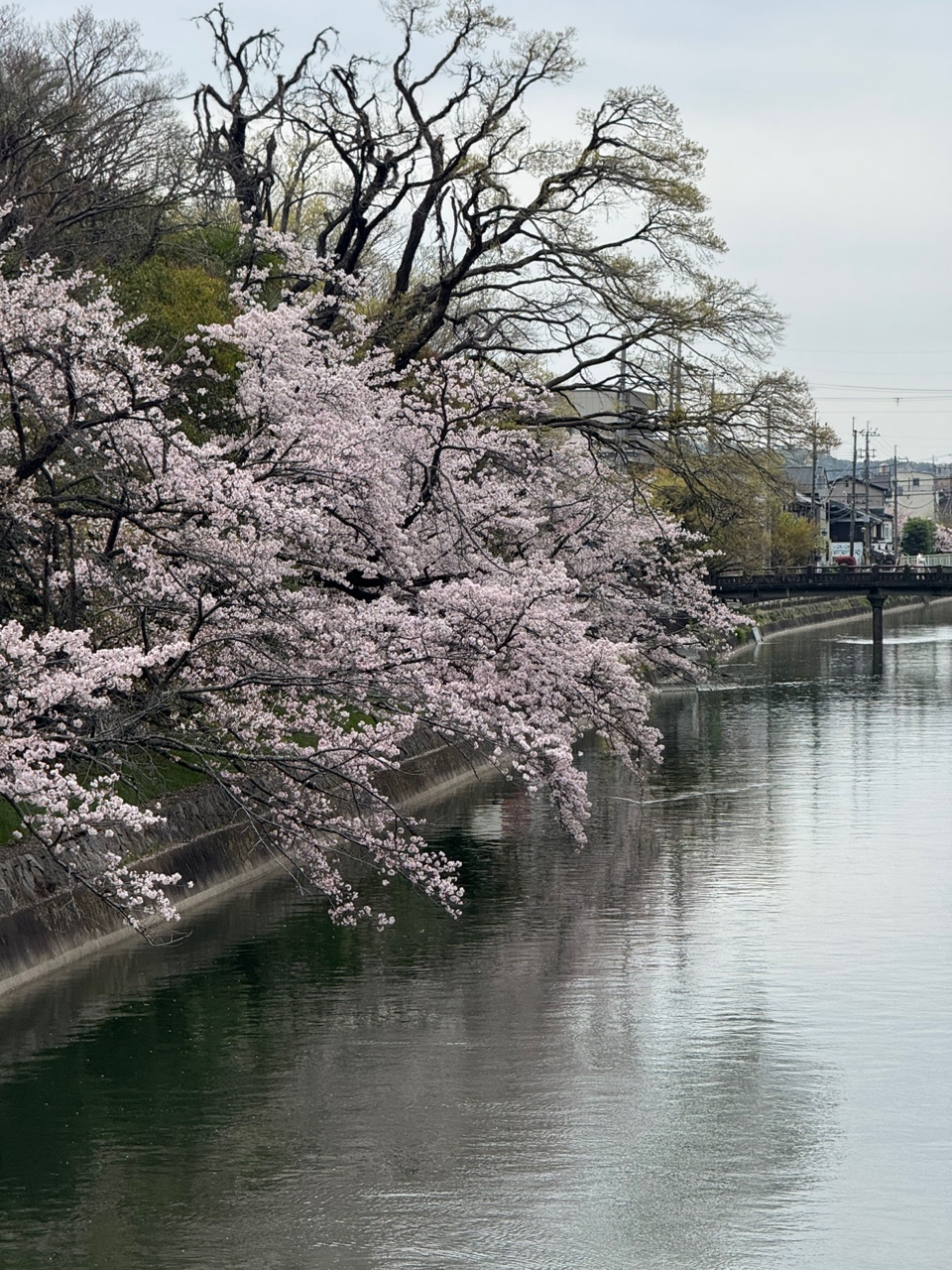
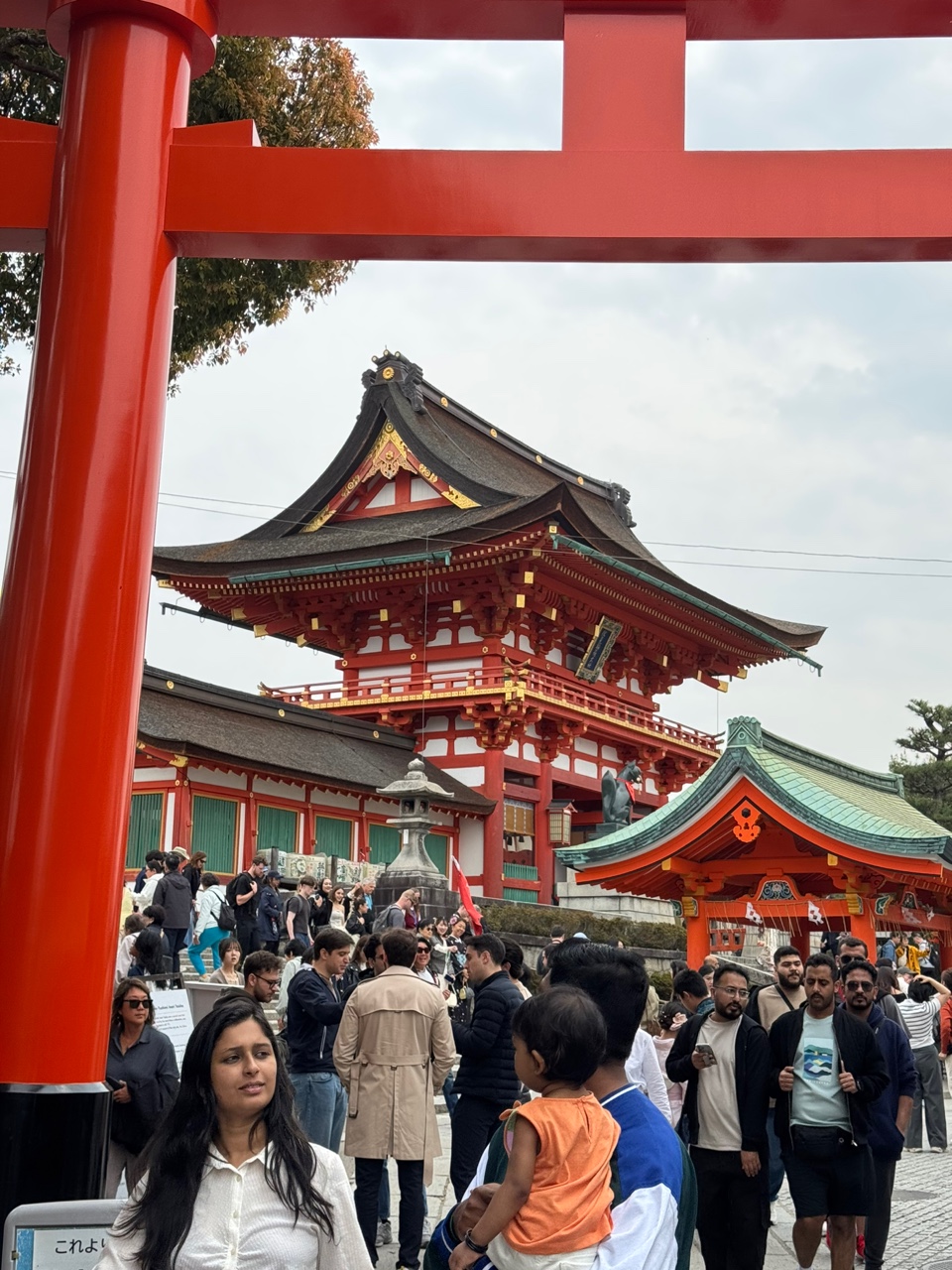
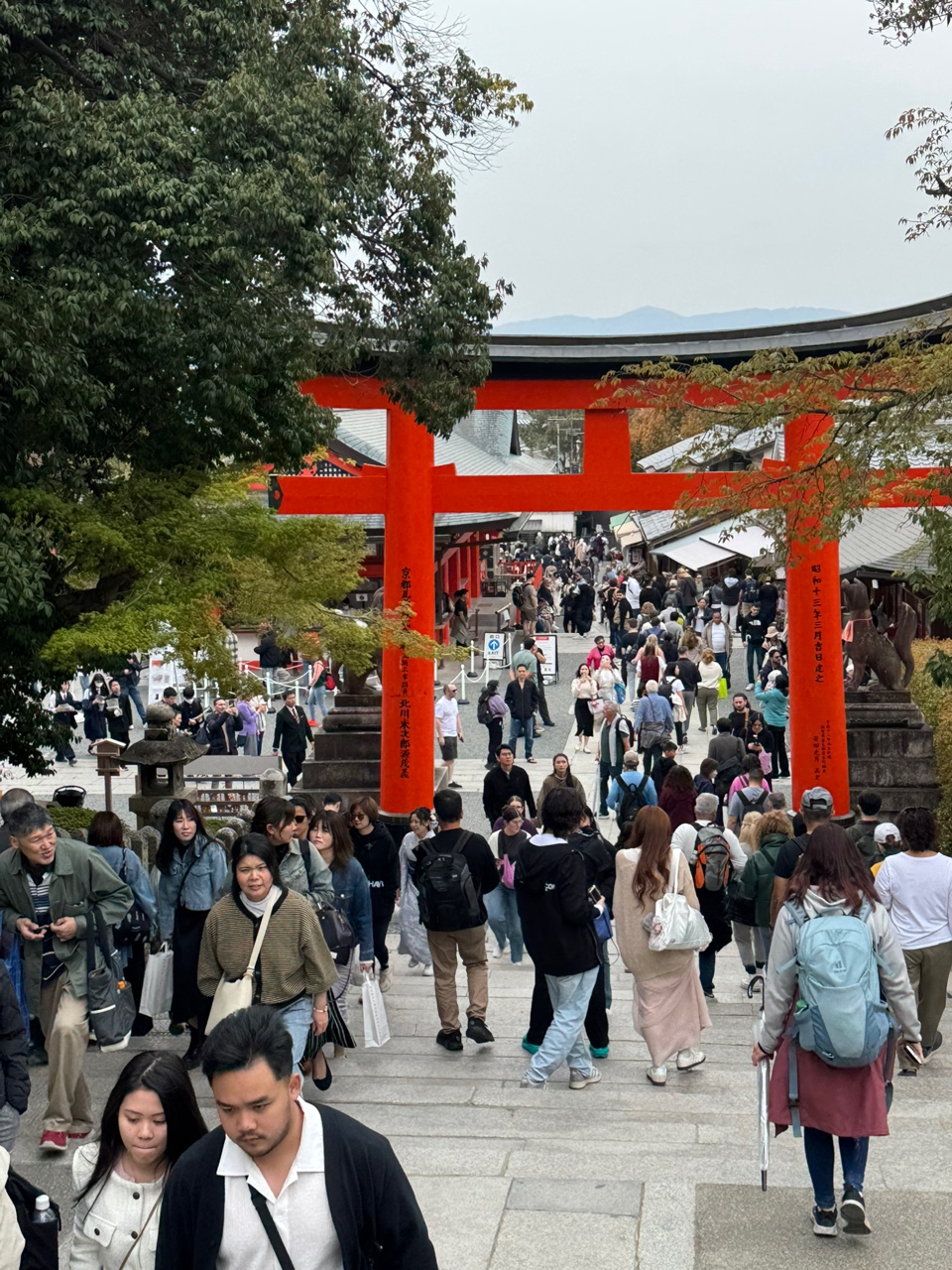
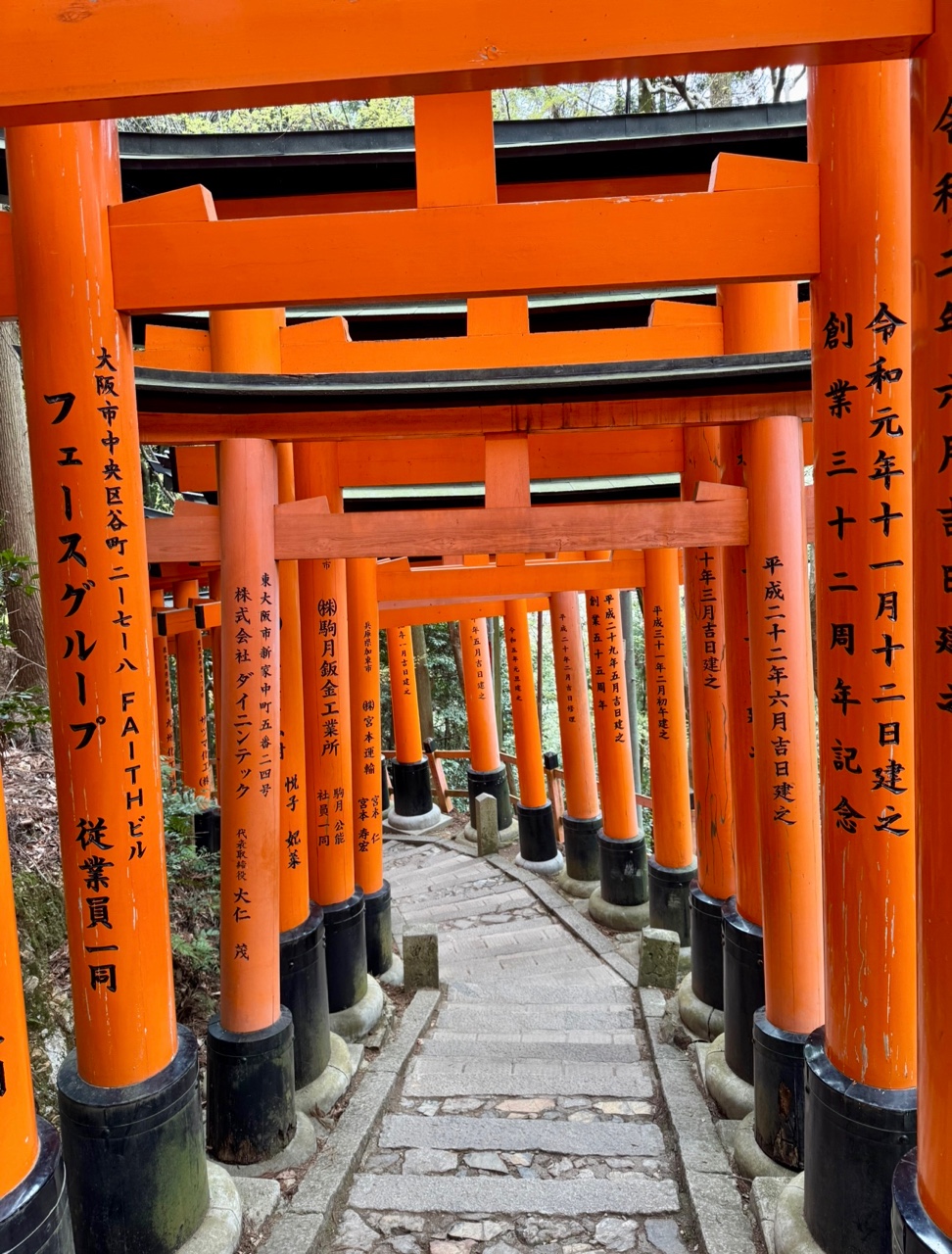
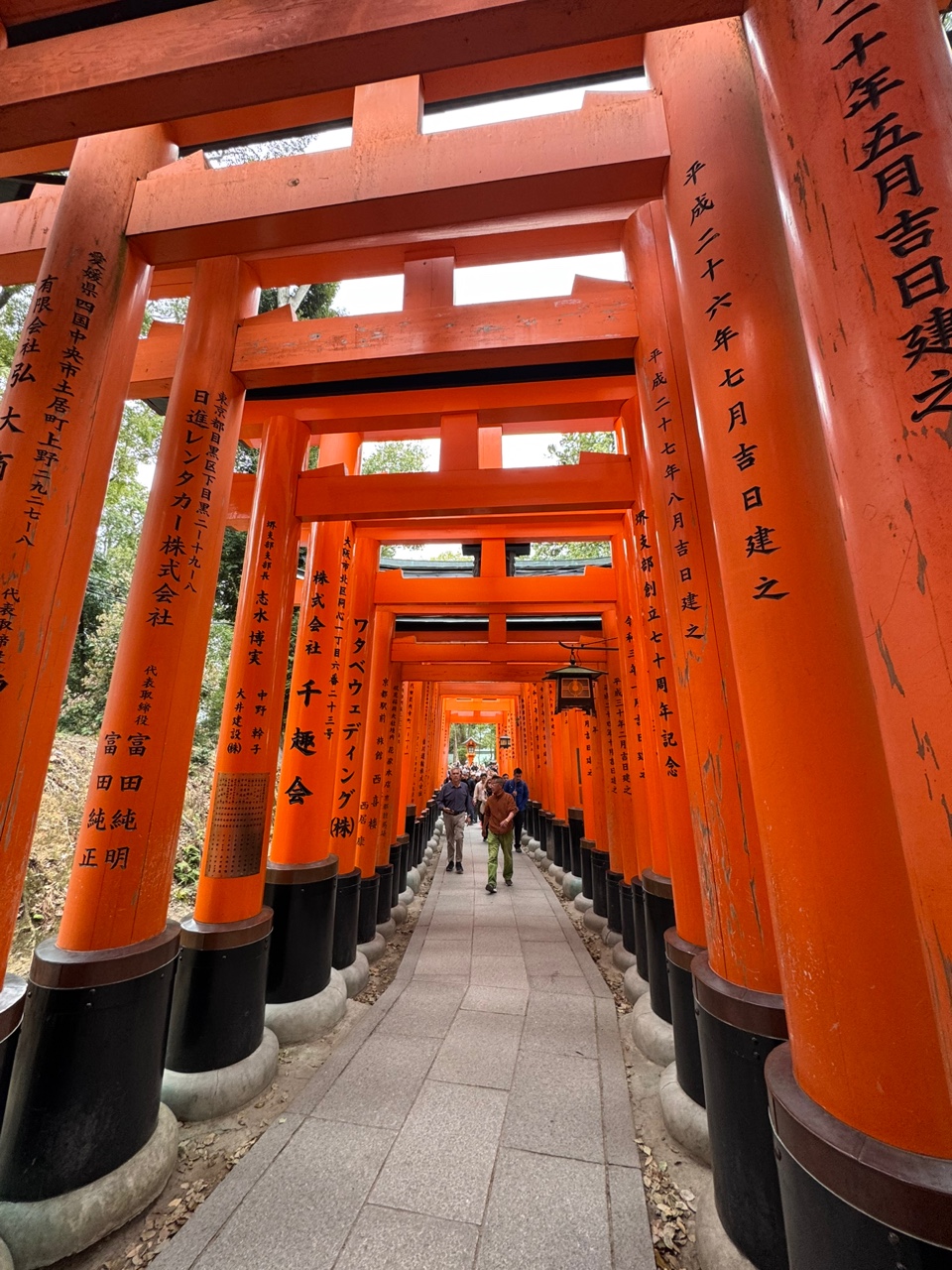
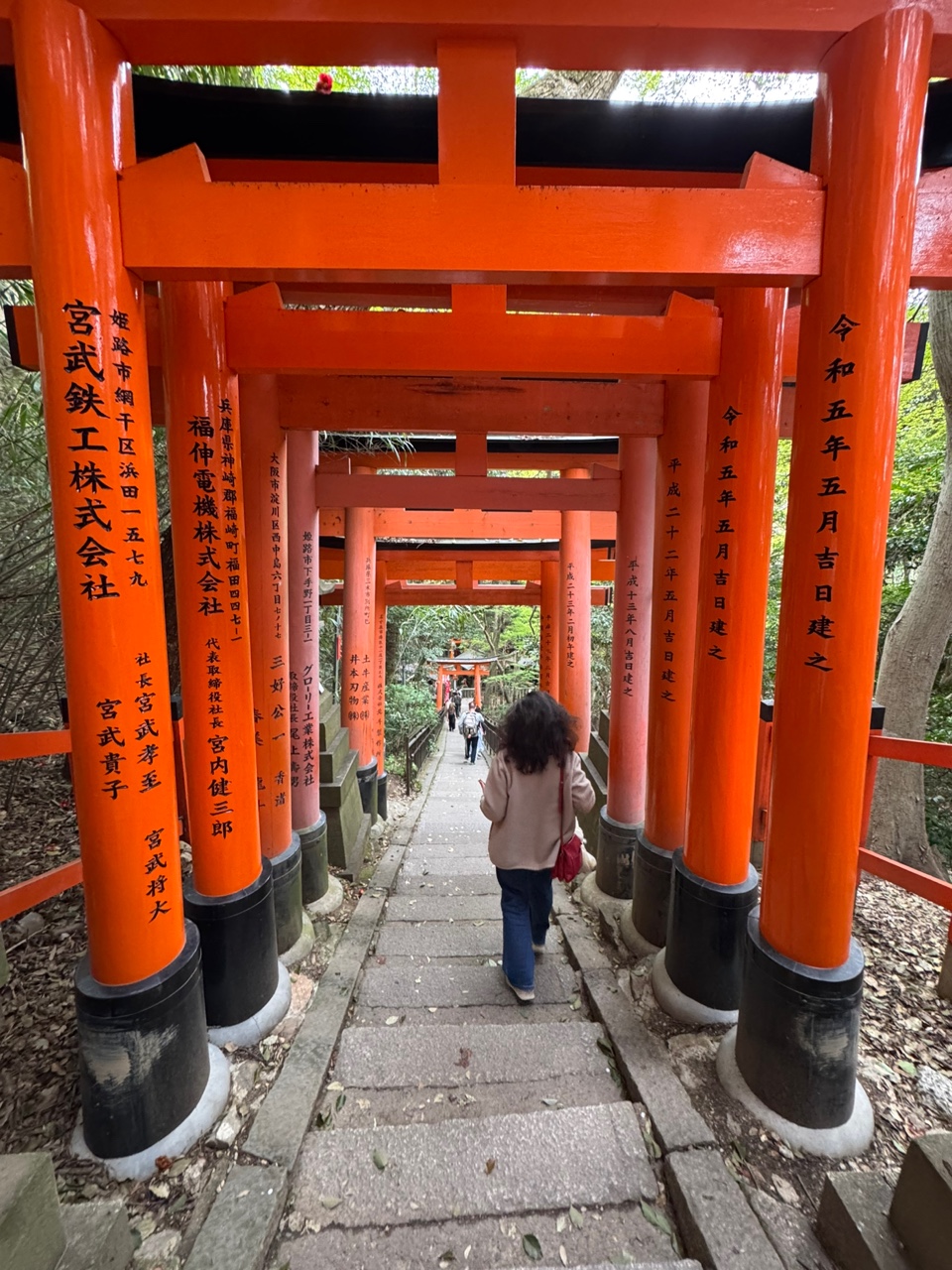
The train we had boared sped through the countryside, and out the windows unfolded a breathtaking view—delicate cherry blossoms in full bloom, soft pink petals drifting against winding rivers, and small traditional villages. It already felt like we had stepped into a dream. We wasted no time and headed straight to one of its most iconic sites: Fushimi Inari Taisha (伏見稲荷大社), also known as the “Shrine of a Thousand Gates” (千本鳥居). Fushimi Inari is famous for its seemingly endless path of bright red torii gates (鳥居), winding their way up Mount Inari (稲荷山). Each gate along the trail has been donated by individuals or businesses, their inscriptions (奉納, meaning “dedication”) wishing for prosperity and good fortune. Walking through the tunnels of vermilion gates feels almost otherworldly — the sunlight filters through the gaps, casting shifting patterns of red and gold along the stone paths.
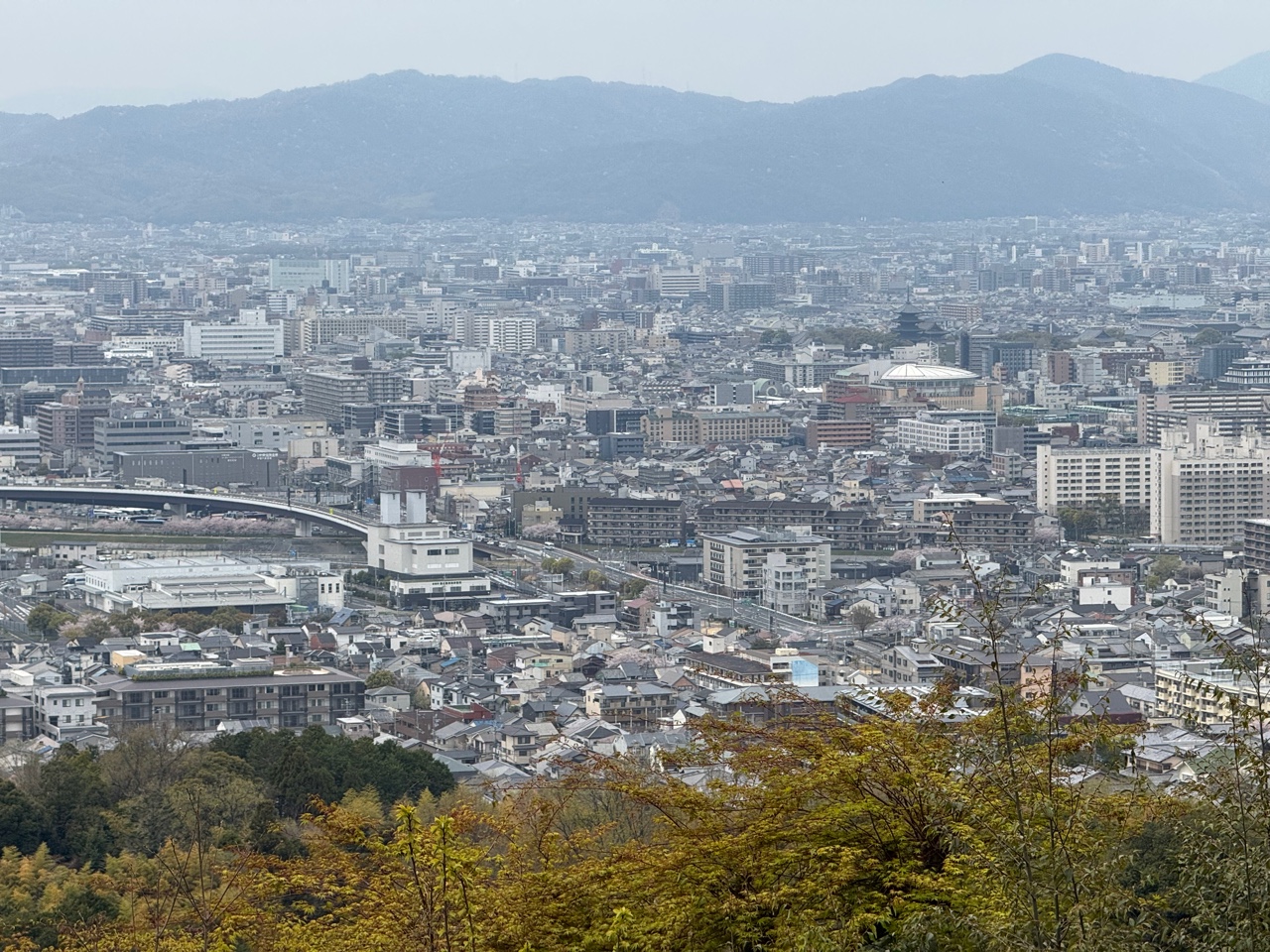
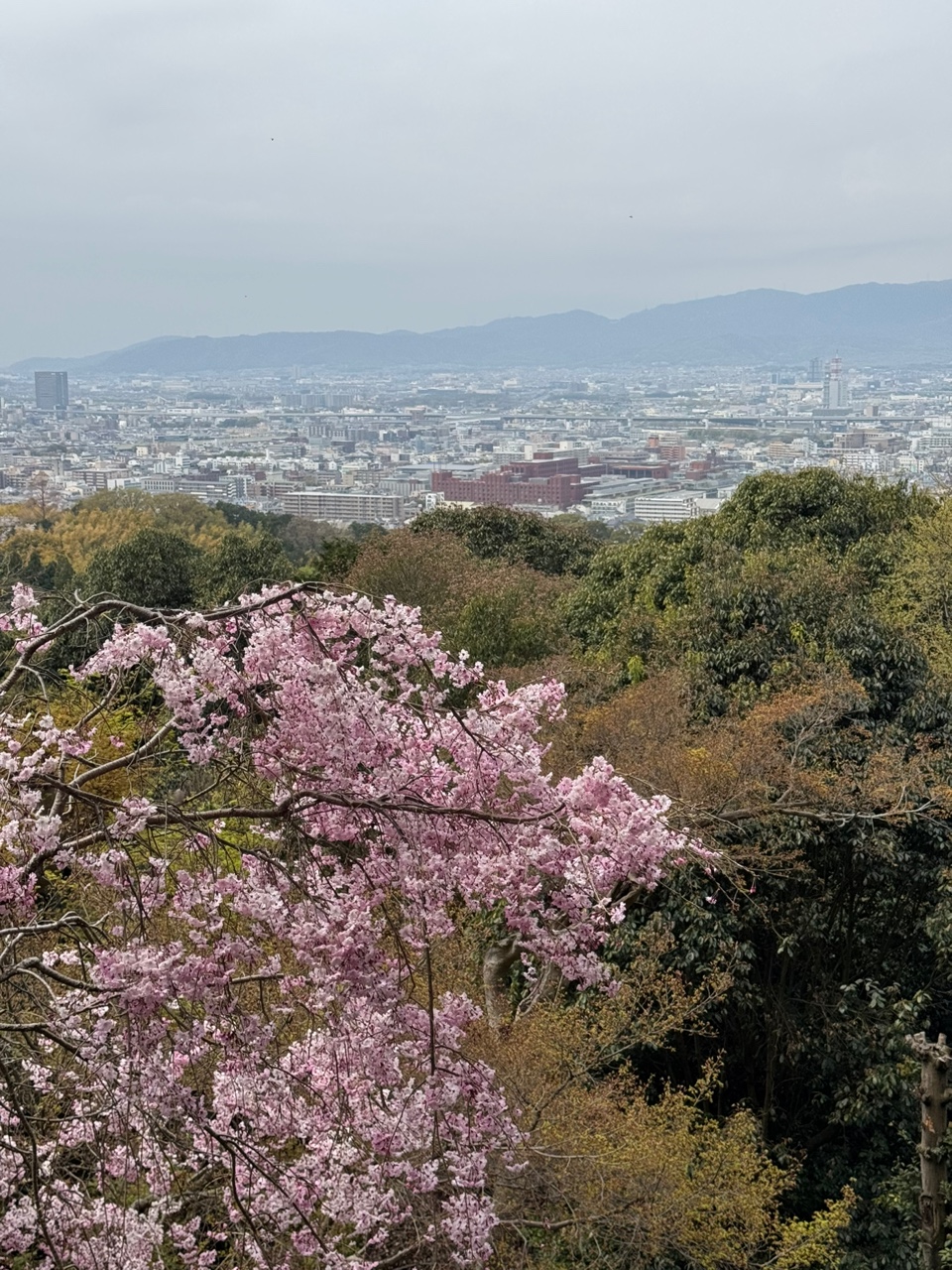
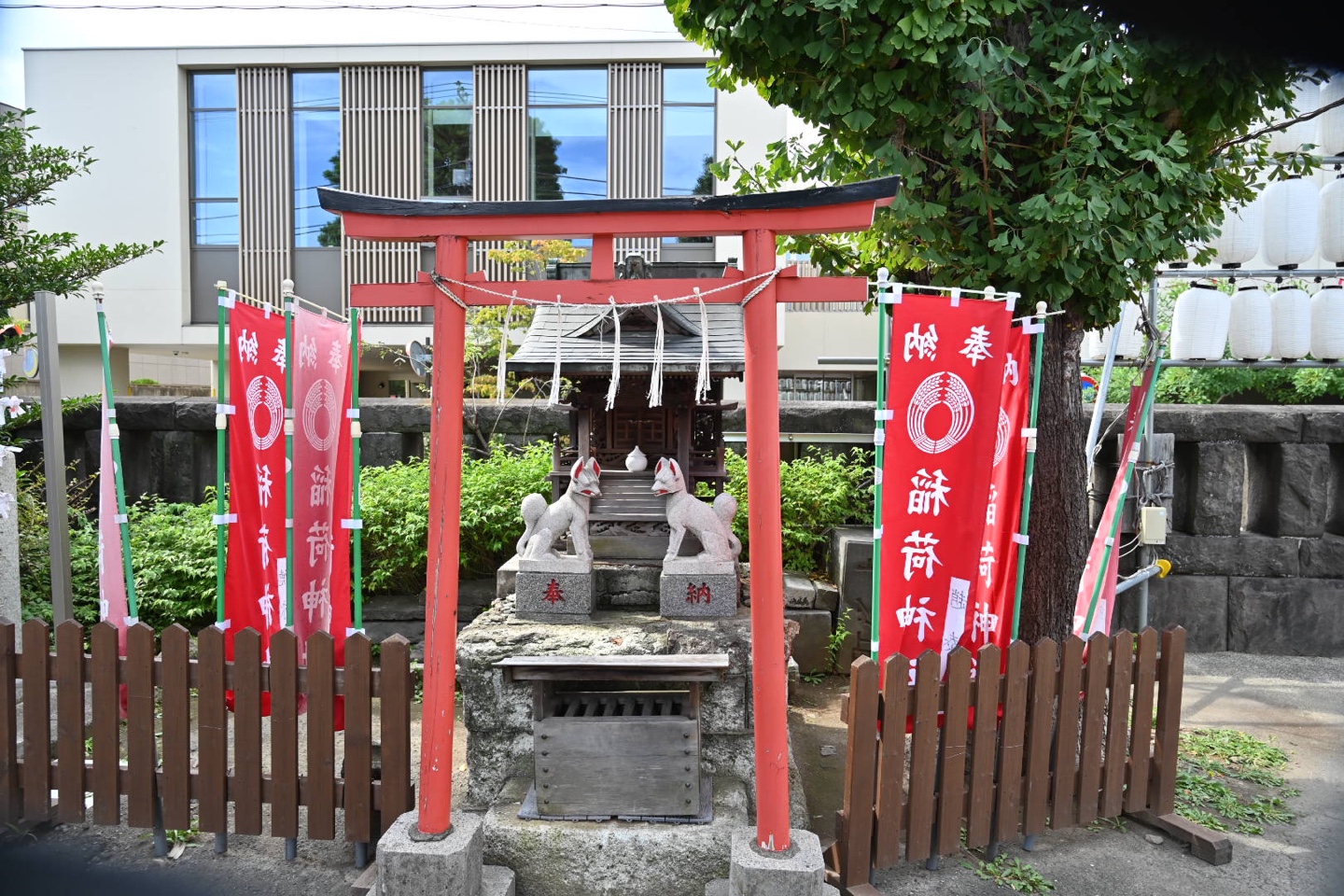
The hike itself is surprisingly peaceful. Though the first stretch near the entrance is bustling with visitors, as you climb higher up the mountain, the crowds thin out. The air grows cooler and the atmosphere quieter. Along the way, we passed smaller shrines, fox statues (狐像, kitsune-zō) — foxes are considered sacred messengers of the god Inari), and breathtaking overlooks where you can catch glimpses of Kyoto sprawling out below.
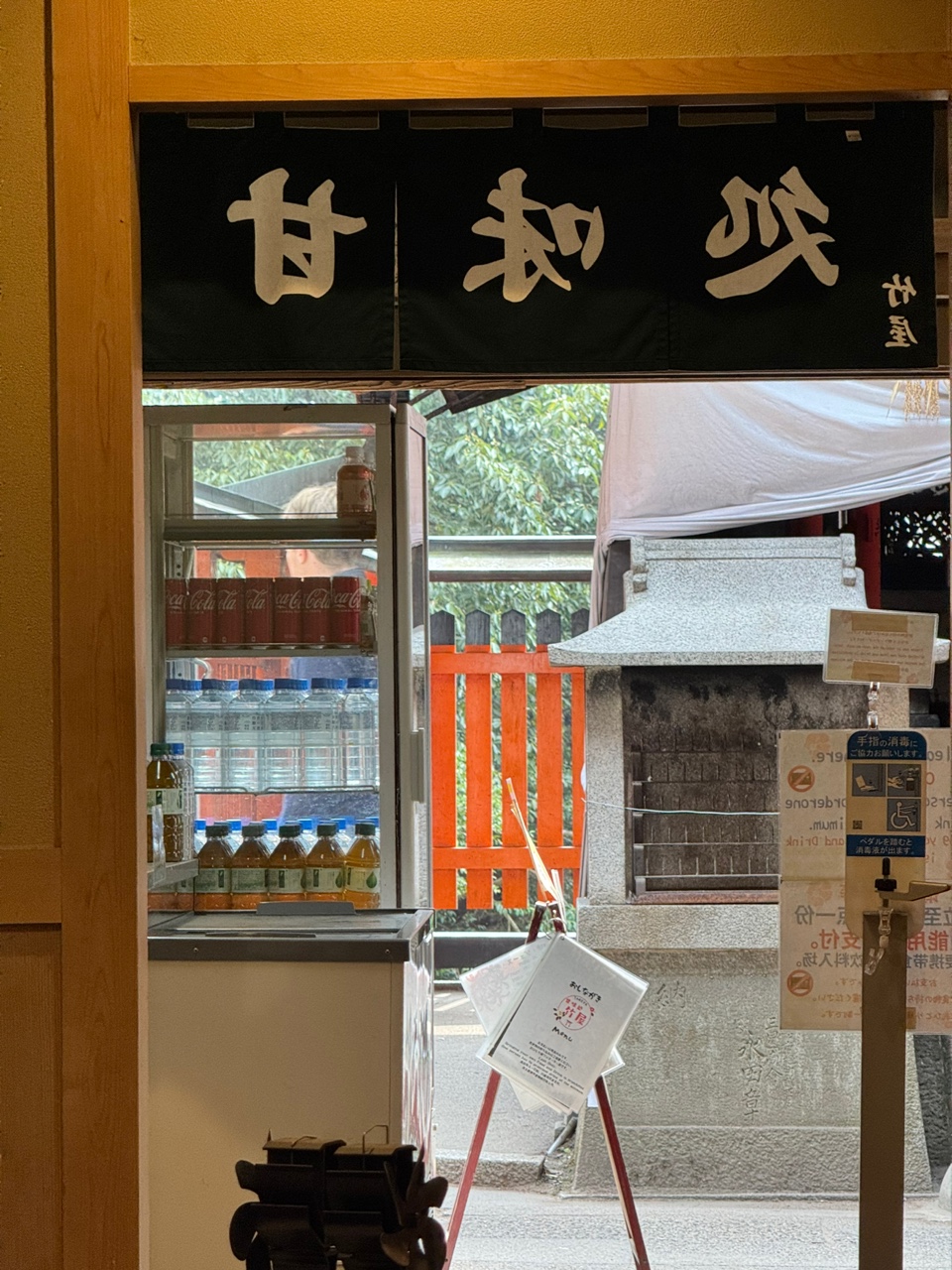
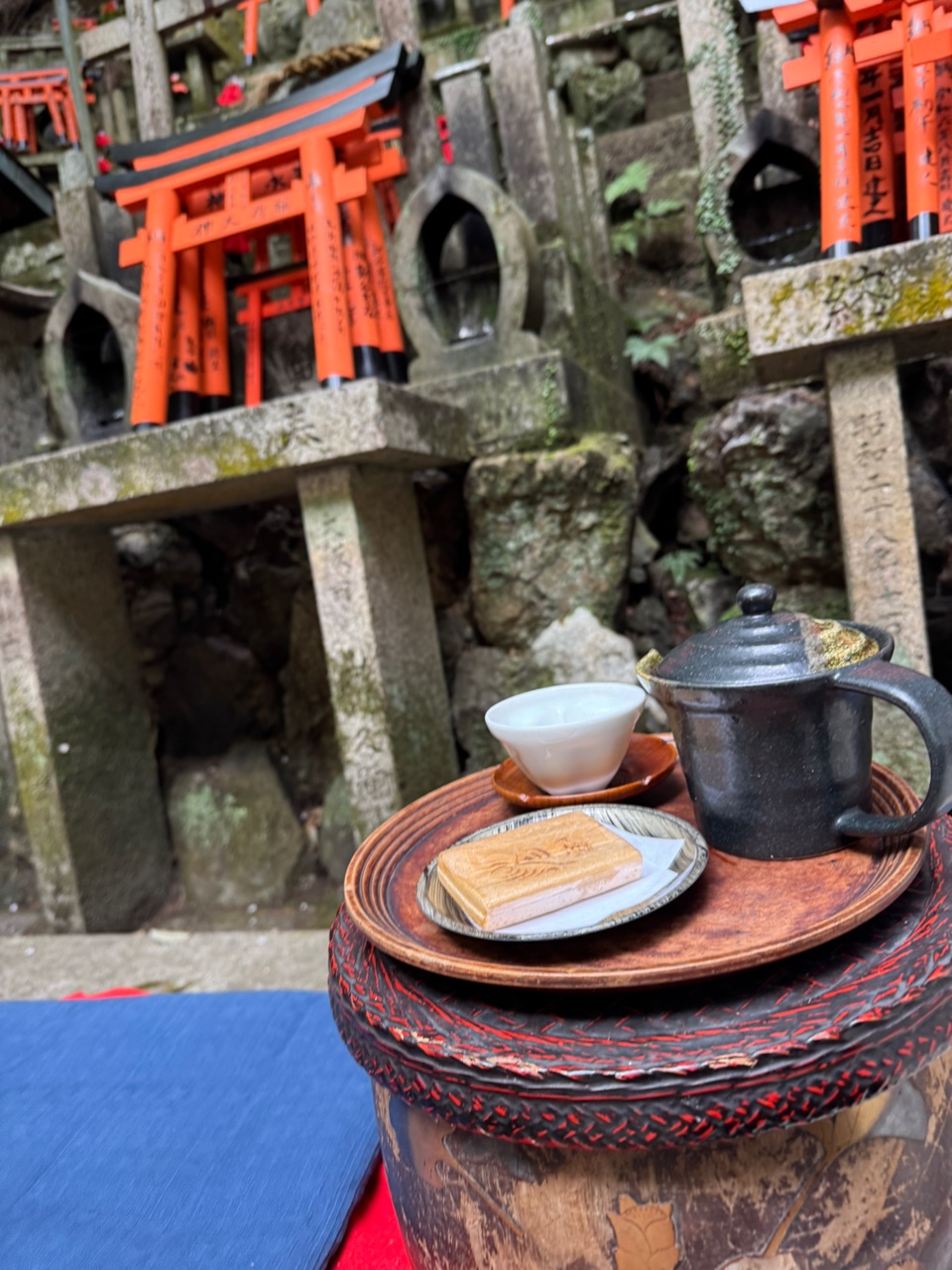
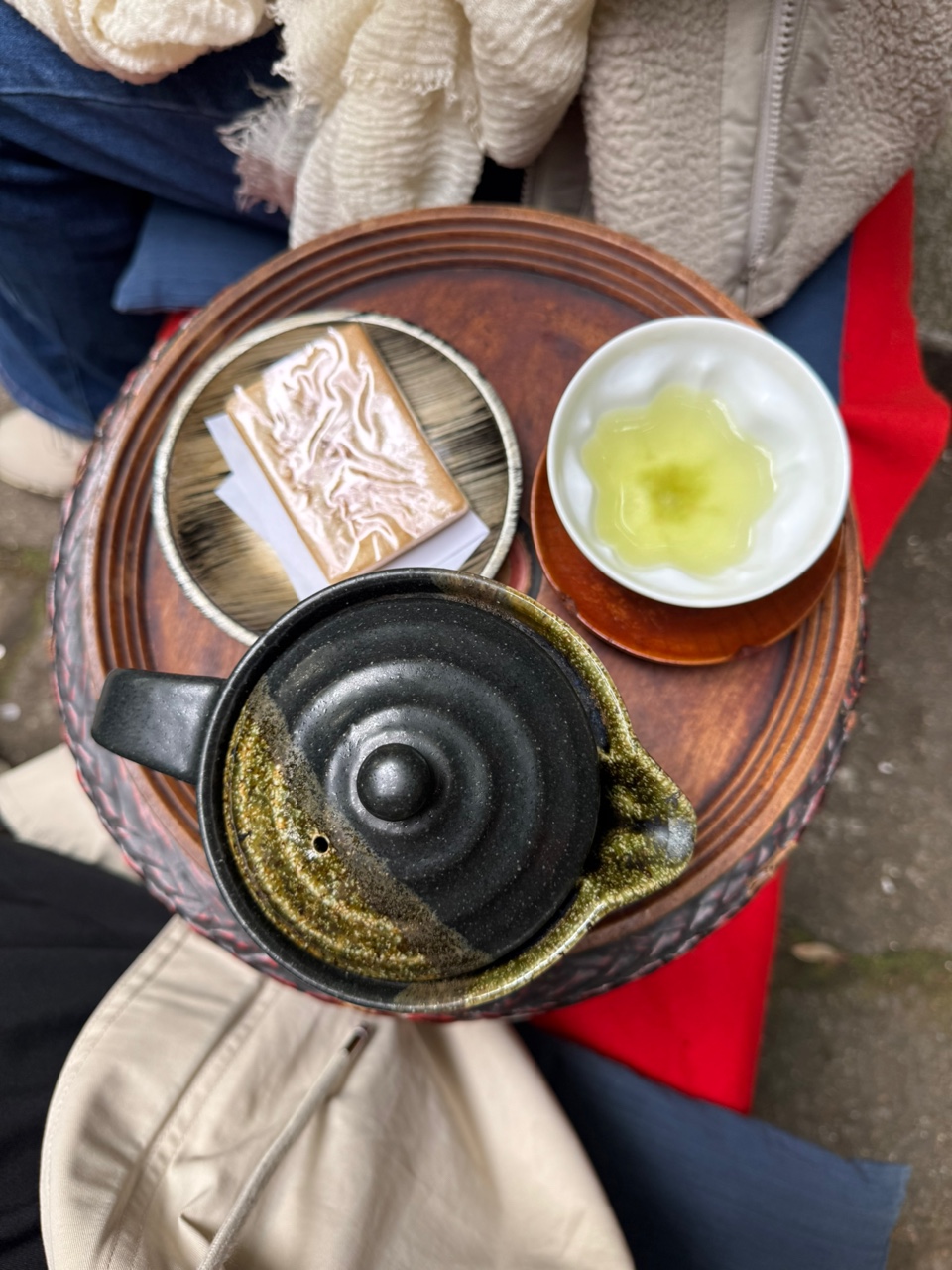
The full hike to the summit and back can take about two hours if you walk at a relaxed pace, but even a shorter walk up the mountain offers a truly magical experience. We still made it to the end and eventually enjoyed a traditional tea stop while on our way back down. Fushimi Inari wasn’t just a place to sightsee — it felt like a journey through history (歴史), nature (自然), and spirit (精神), all woven together in the shifting light of thousands of red gates.
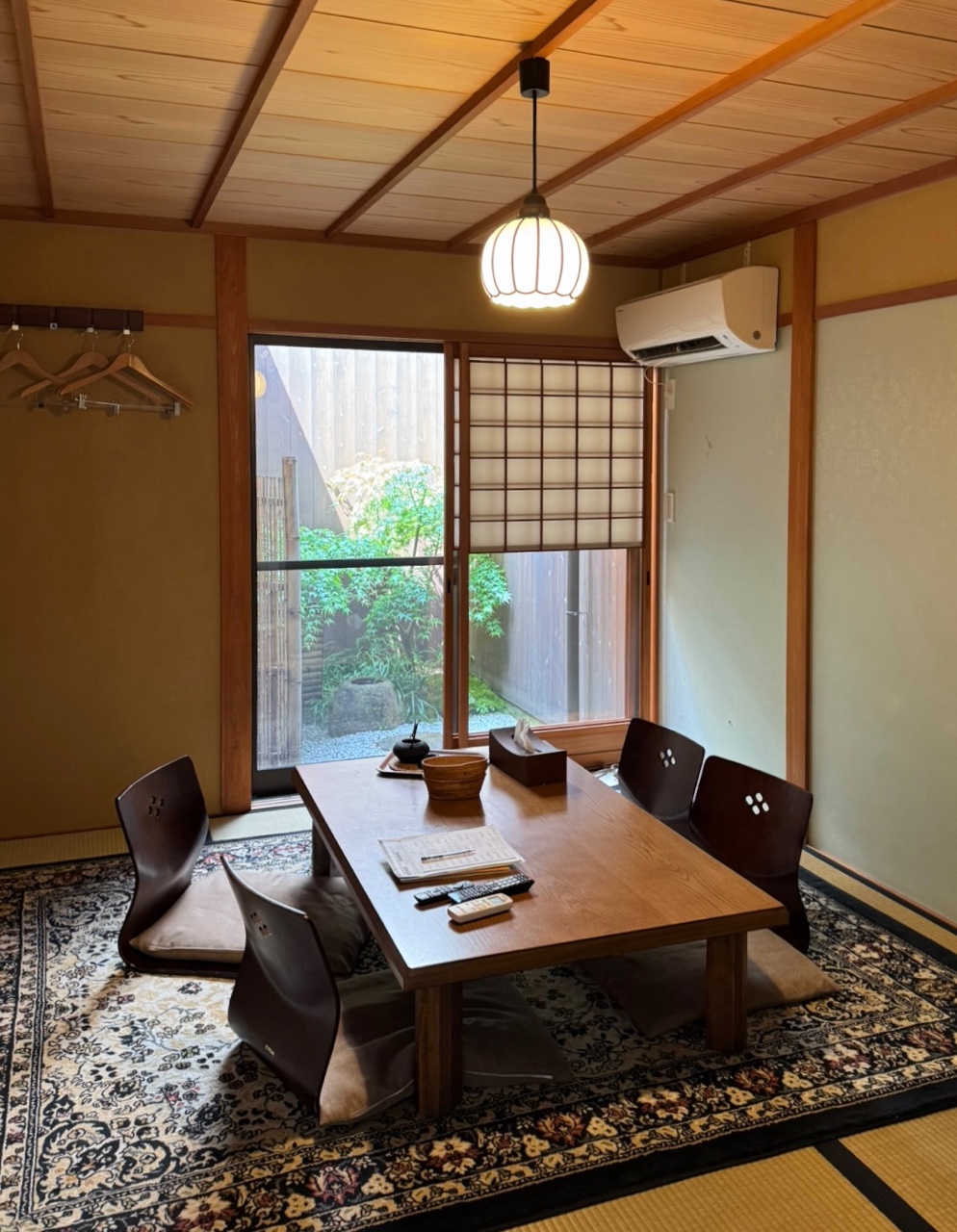
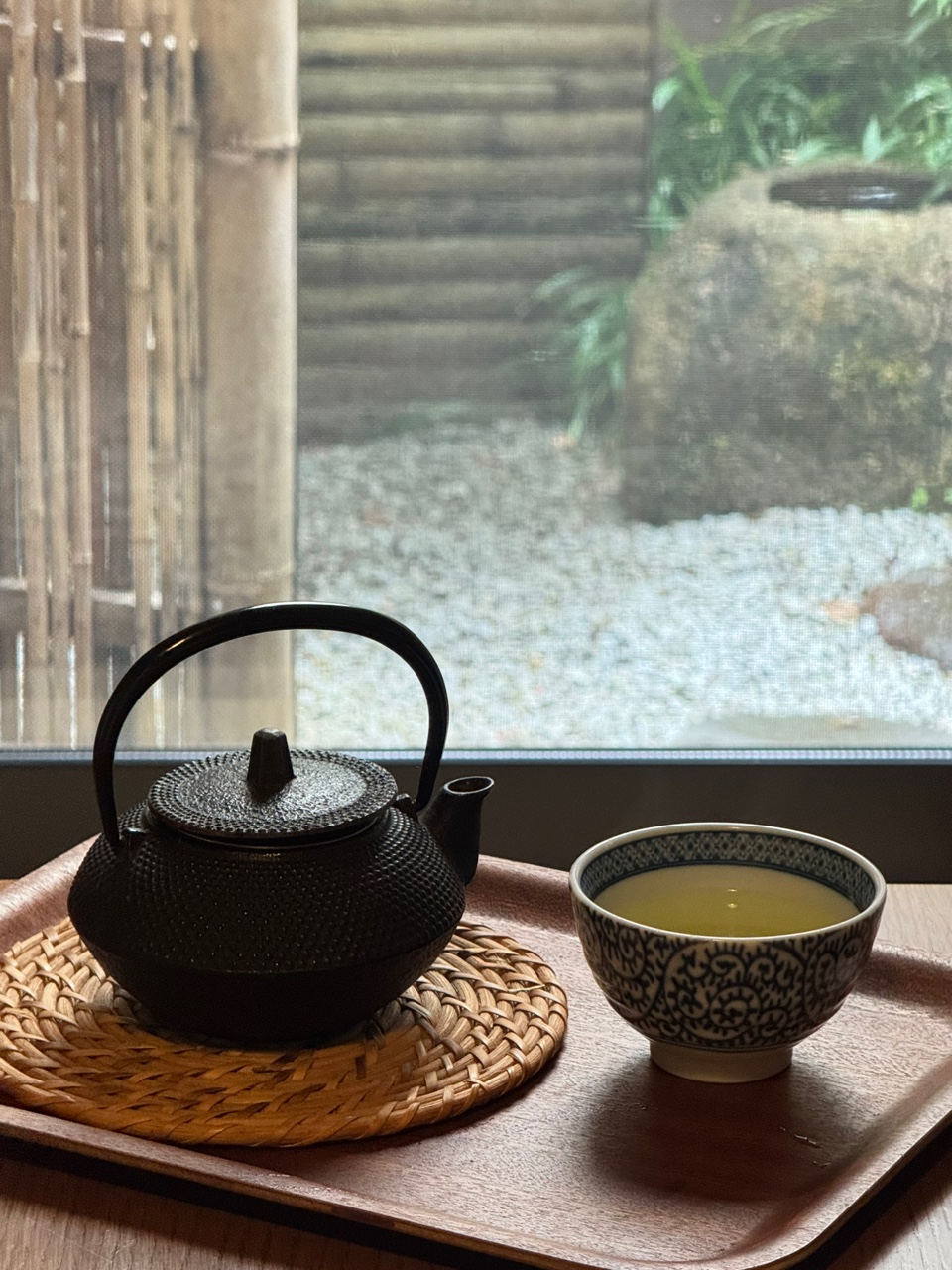
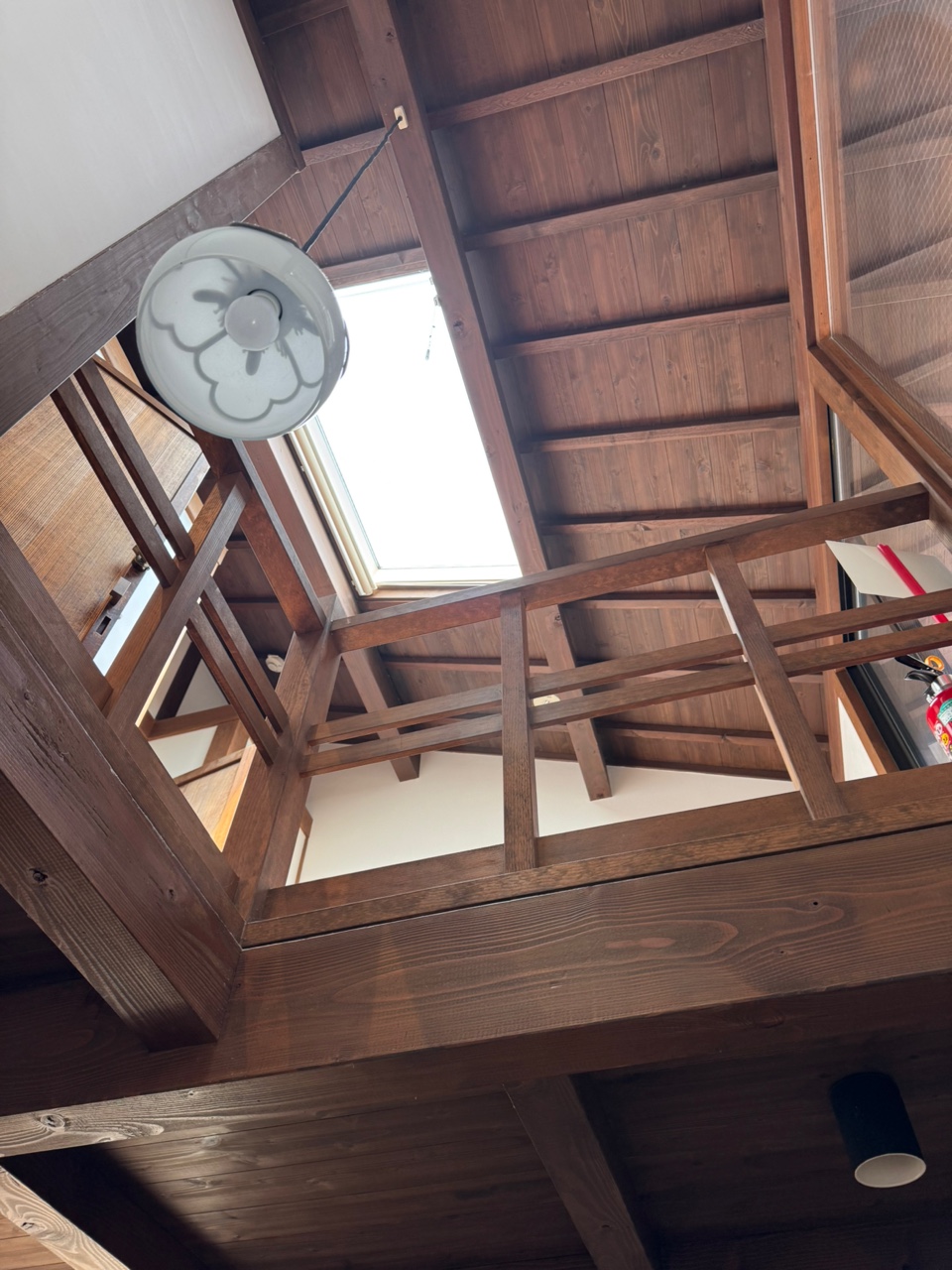
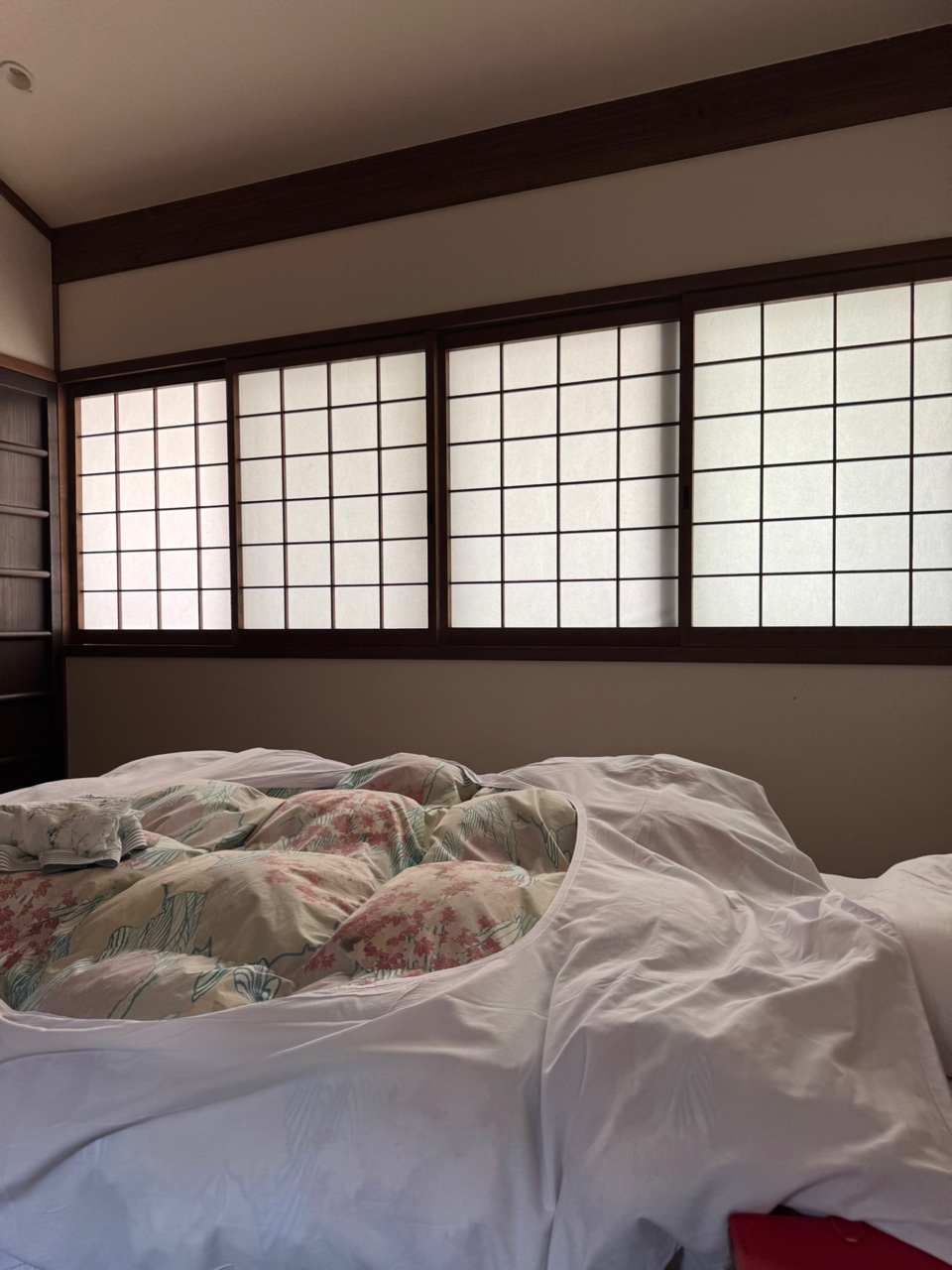
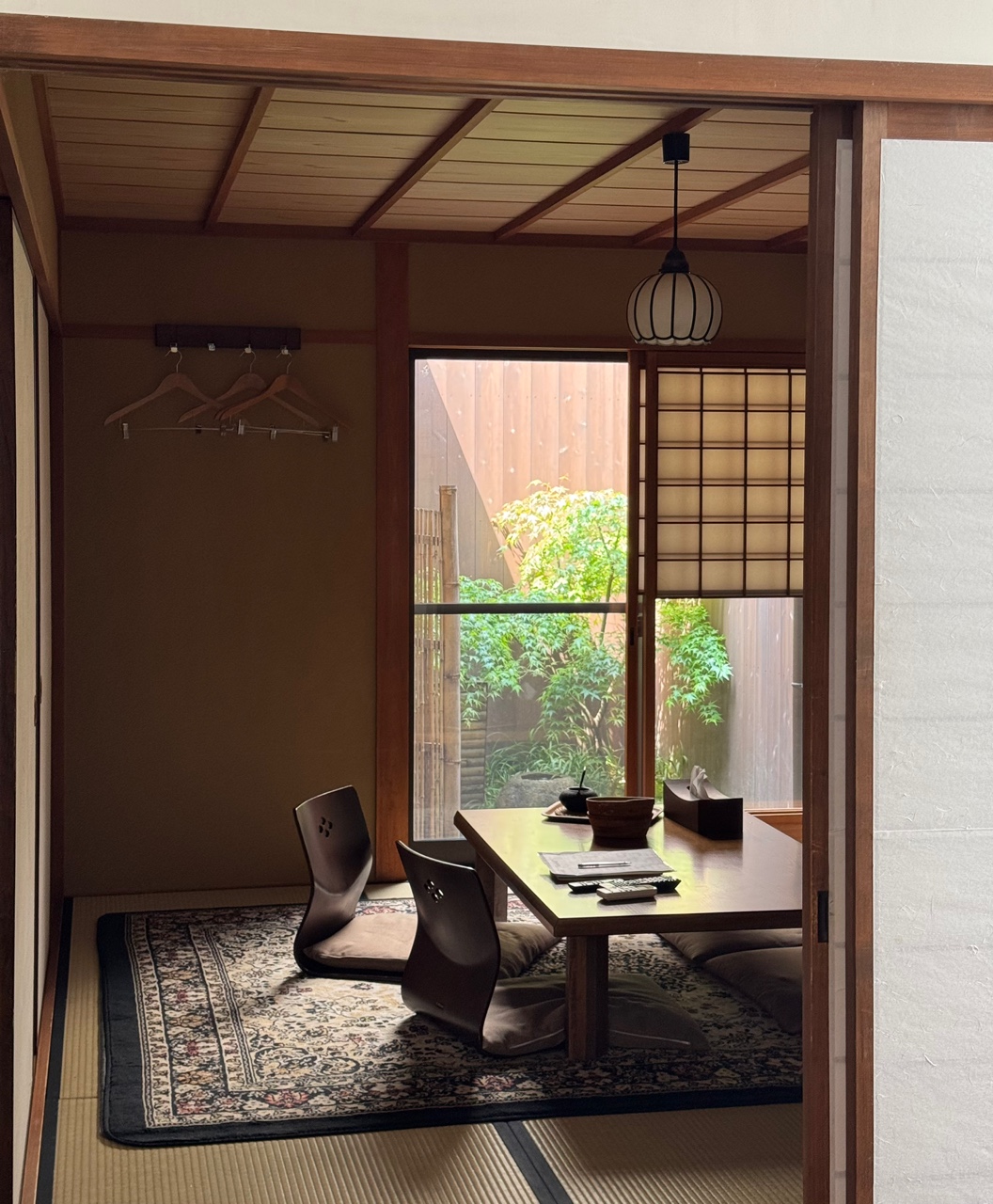
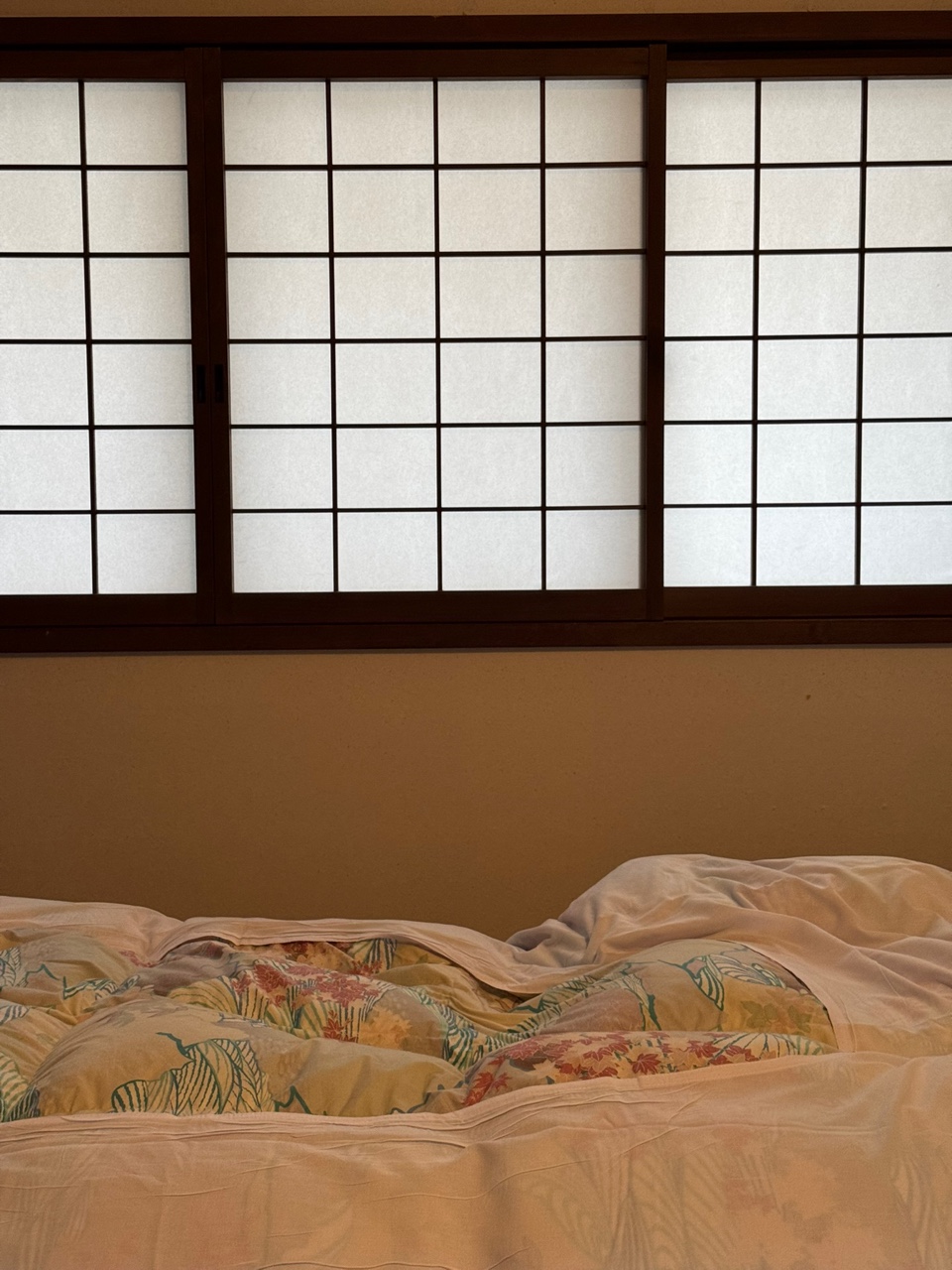
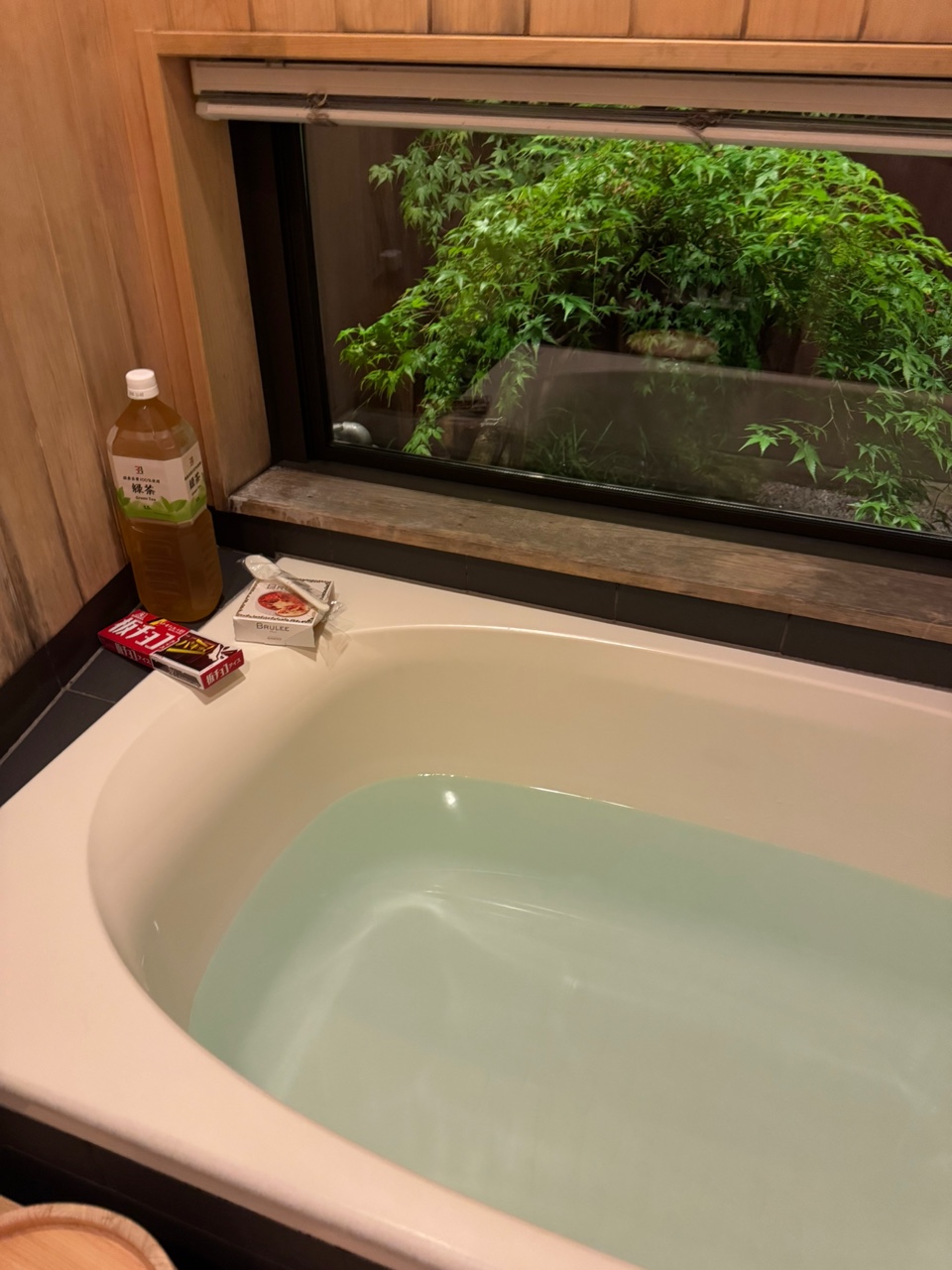
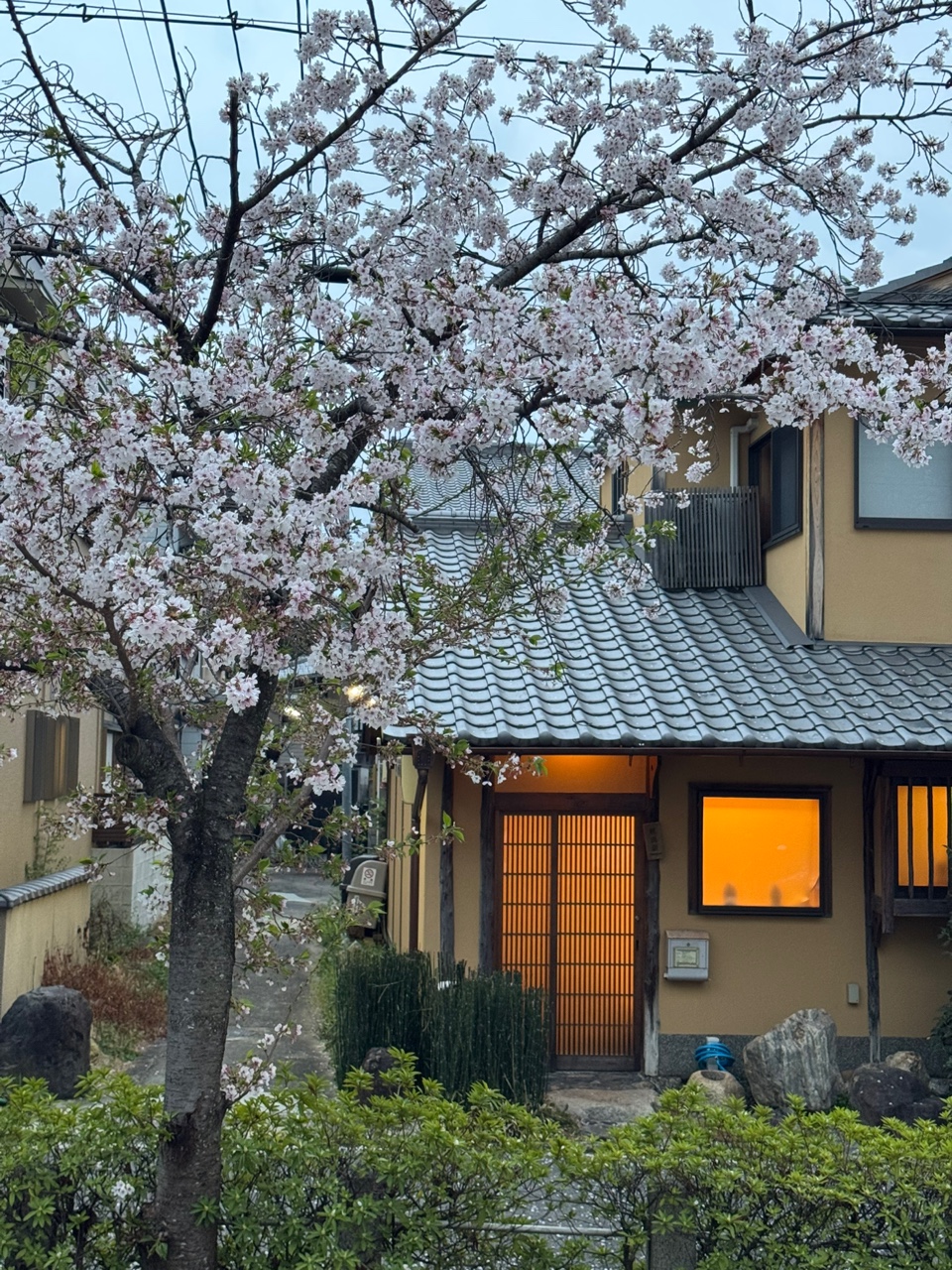
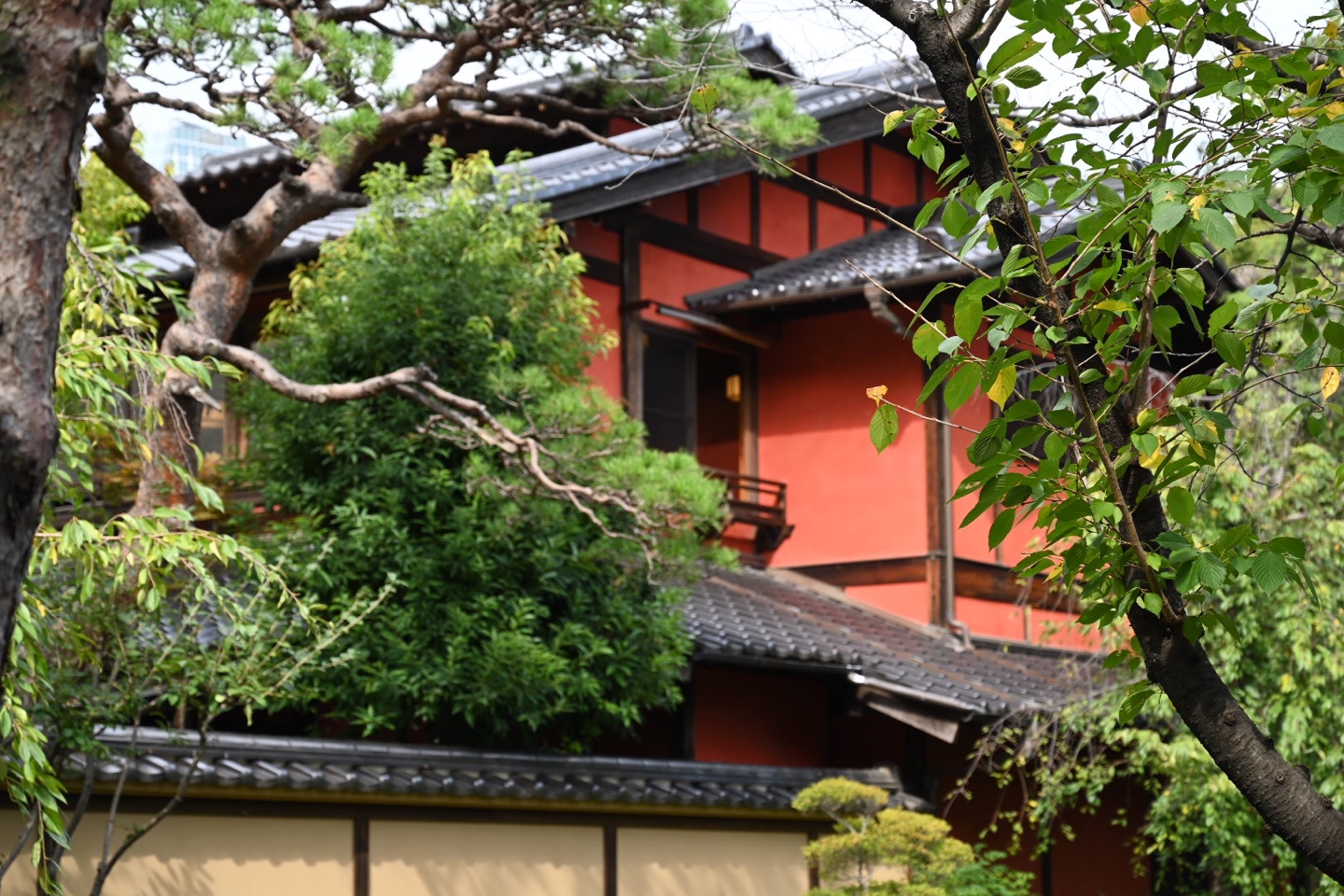
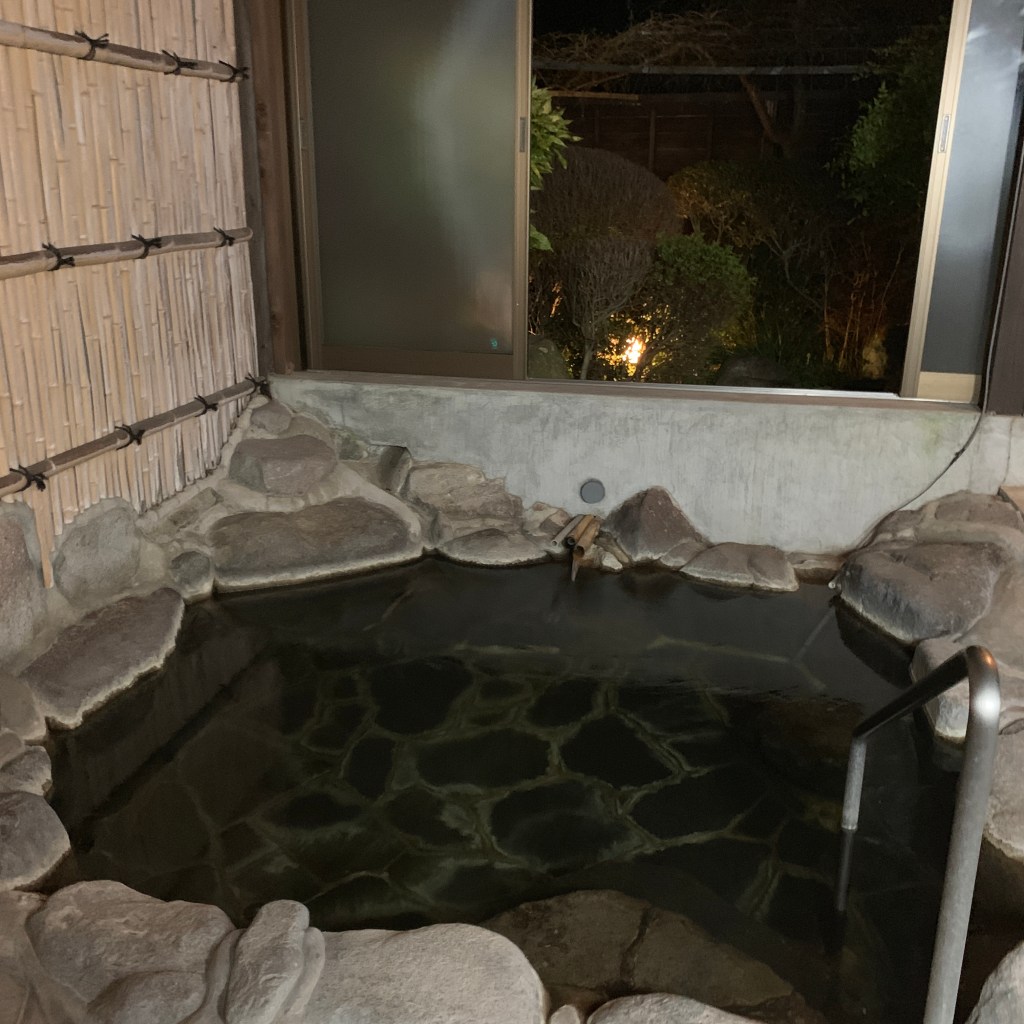
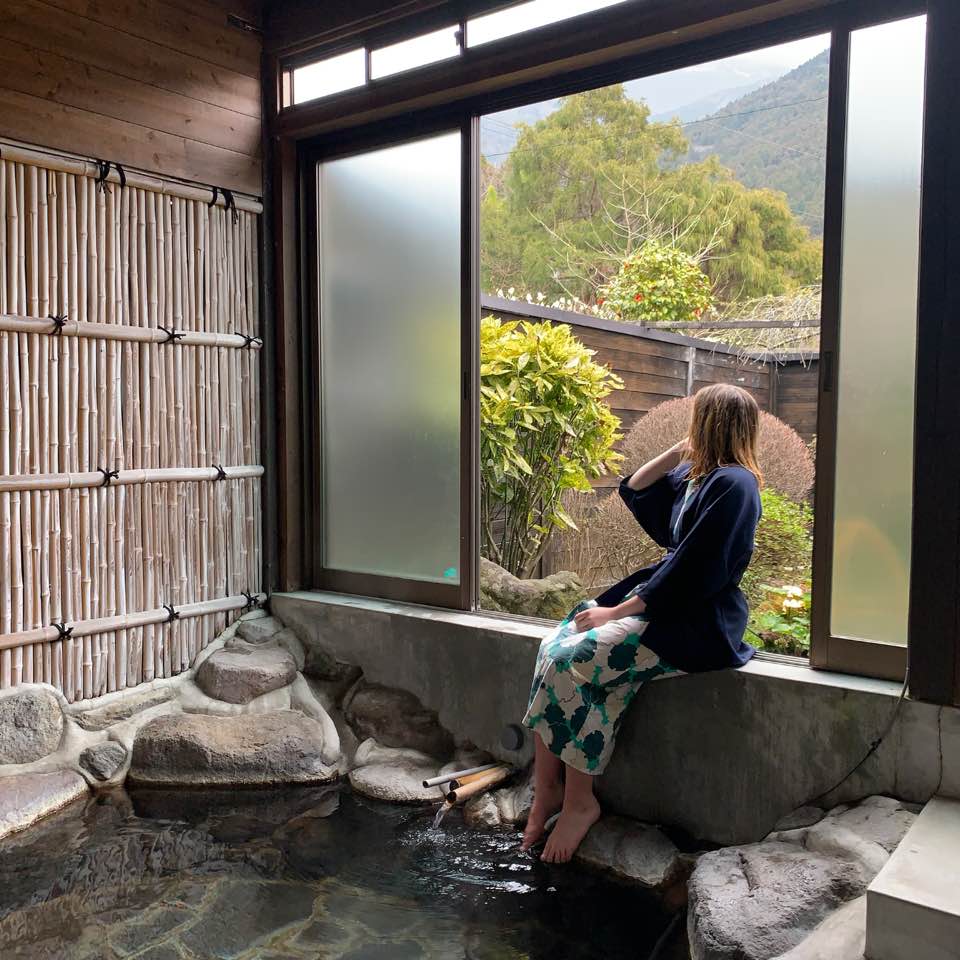
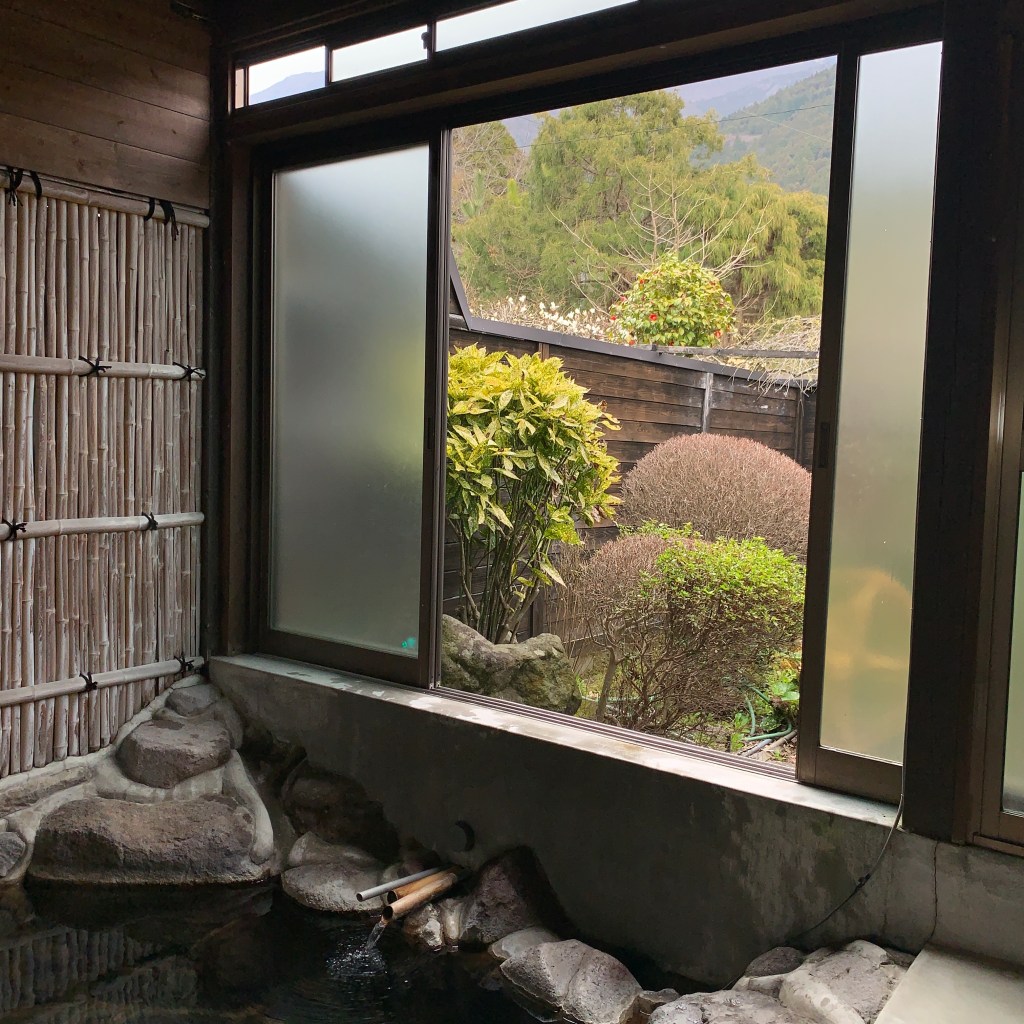
Afterwards, it was time to check in. We were eager to stay in a private, authentic Japanese place rather than a hotel, so I booked a traditional-style Airbnb—and it definitely did not disappoint. Through the bathroom window, we could see a serene private garden. It truly felt like a dream. And I must stay the beds was just amazingly conformable.
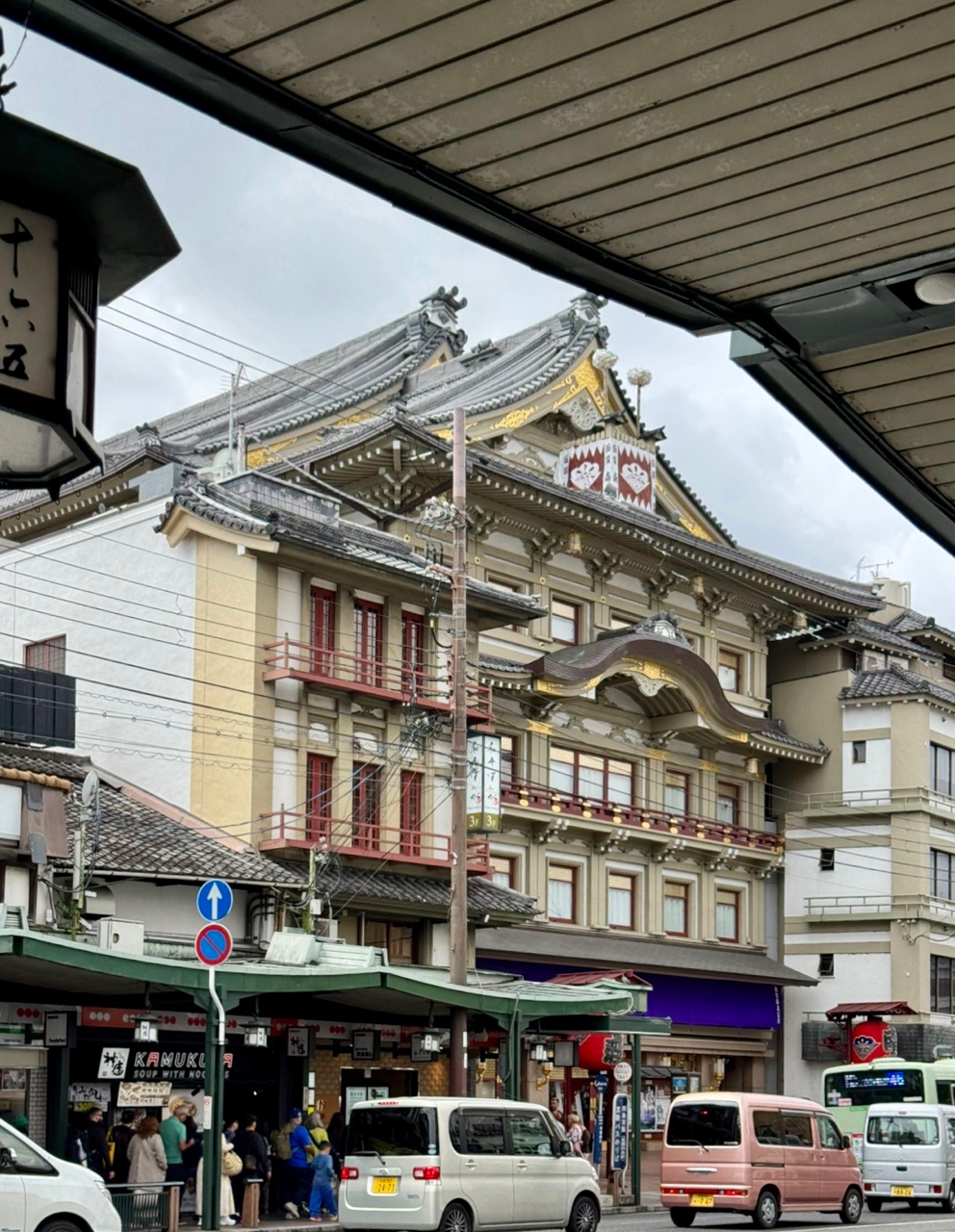
Then we set off to explore Gion (祇園), and I must admit—it truly felt like a dream.
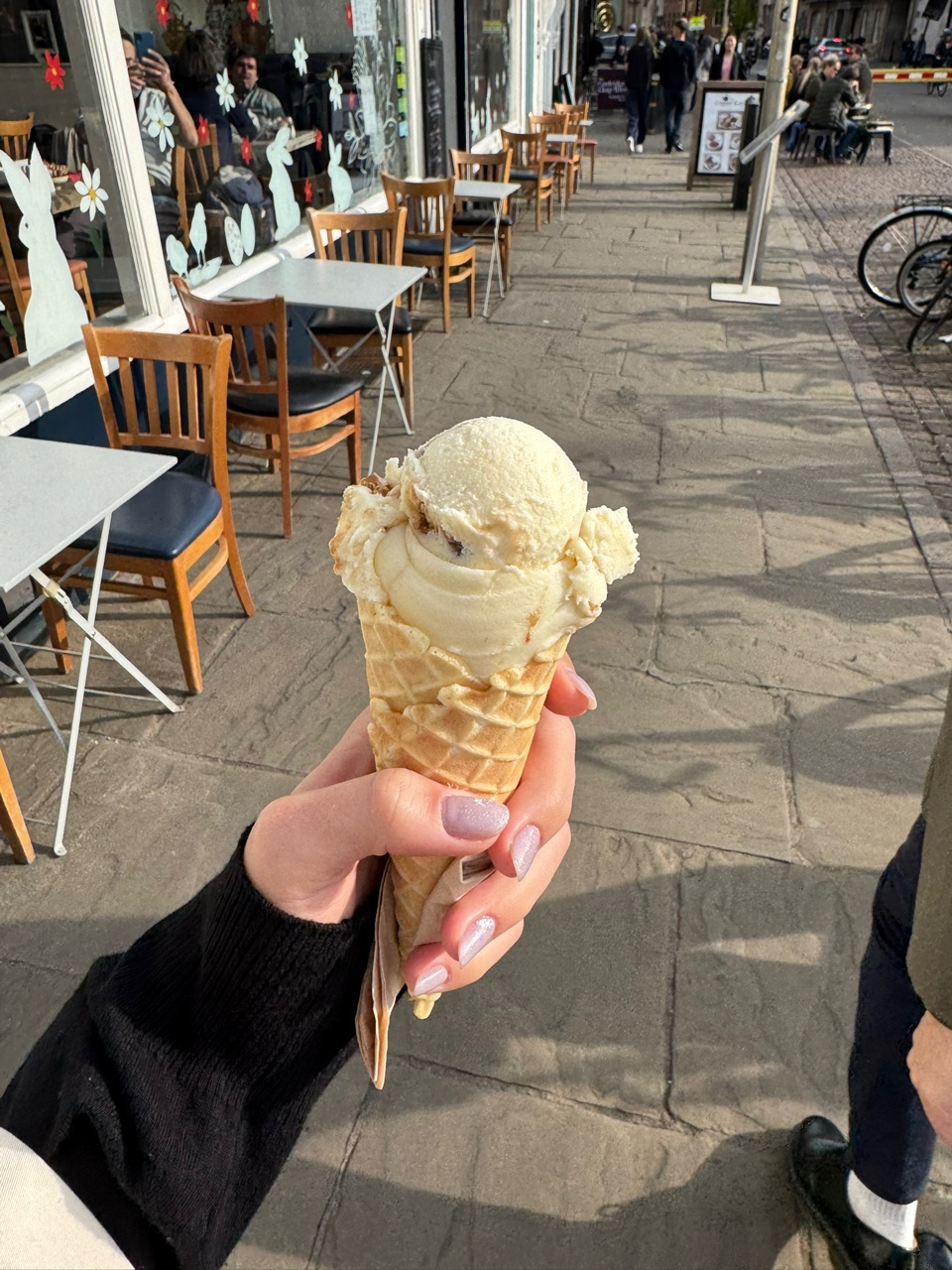
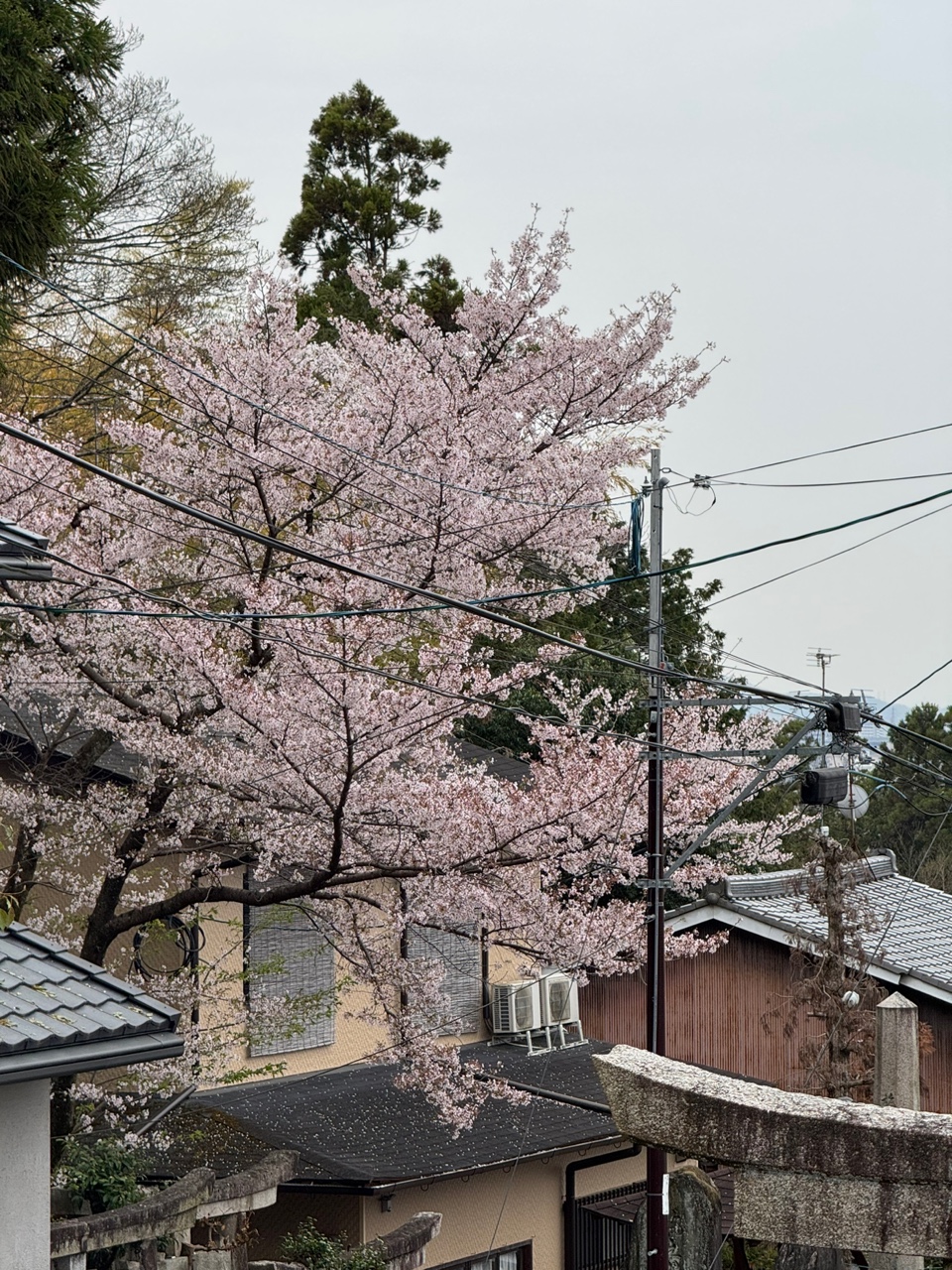
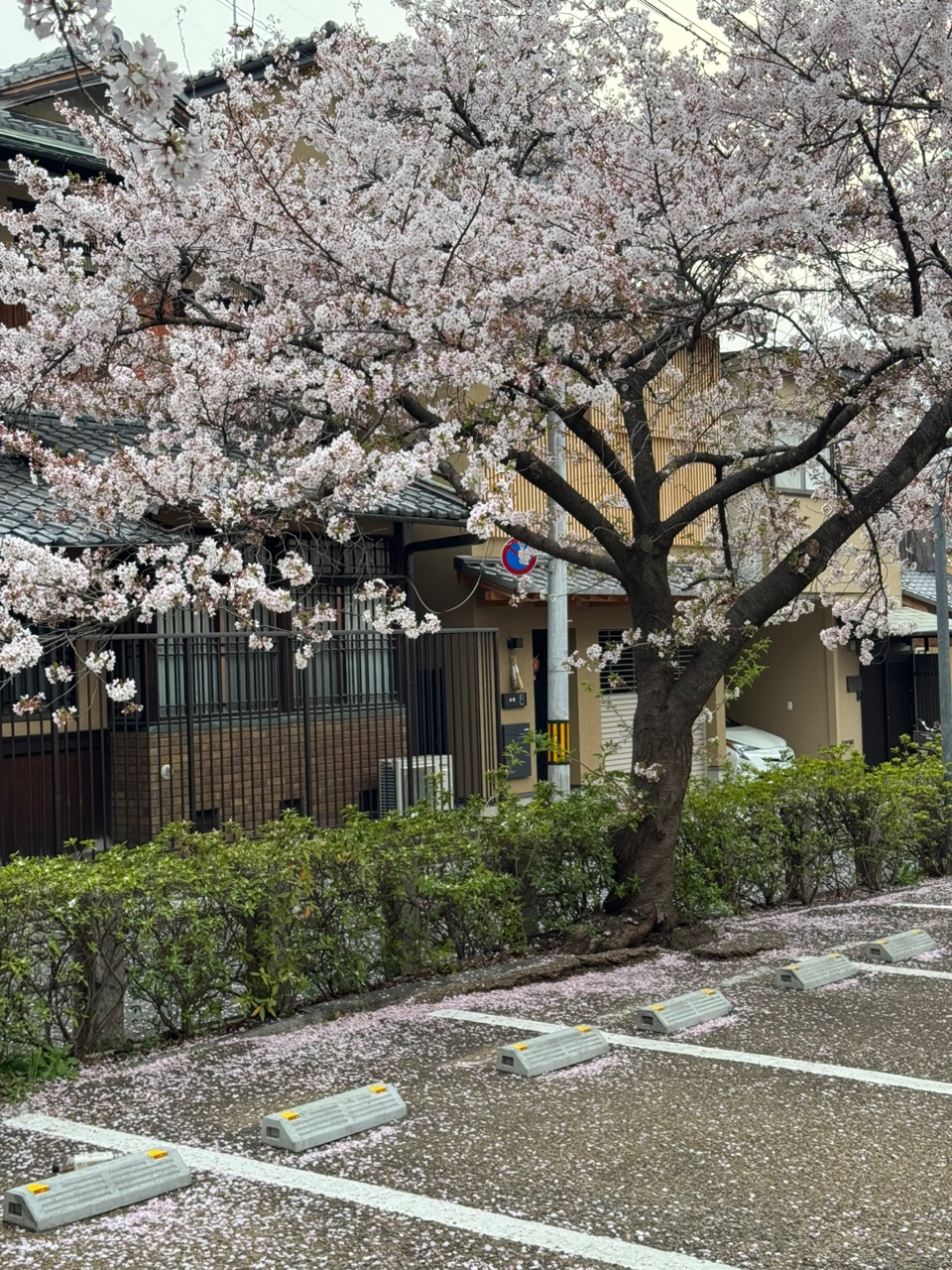
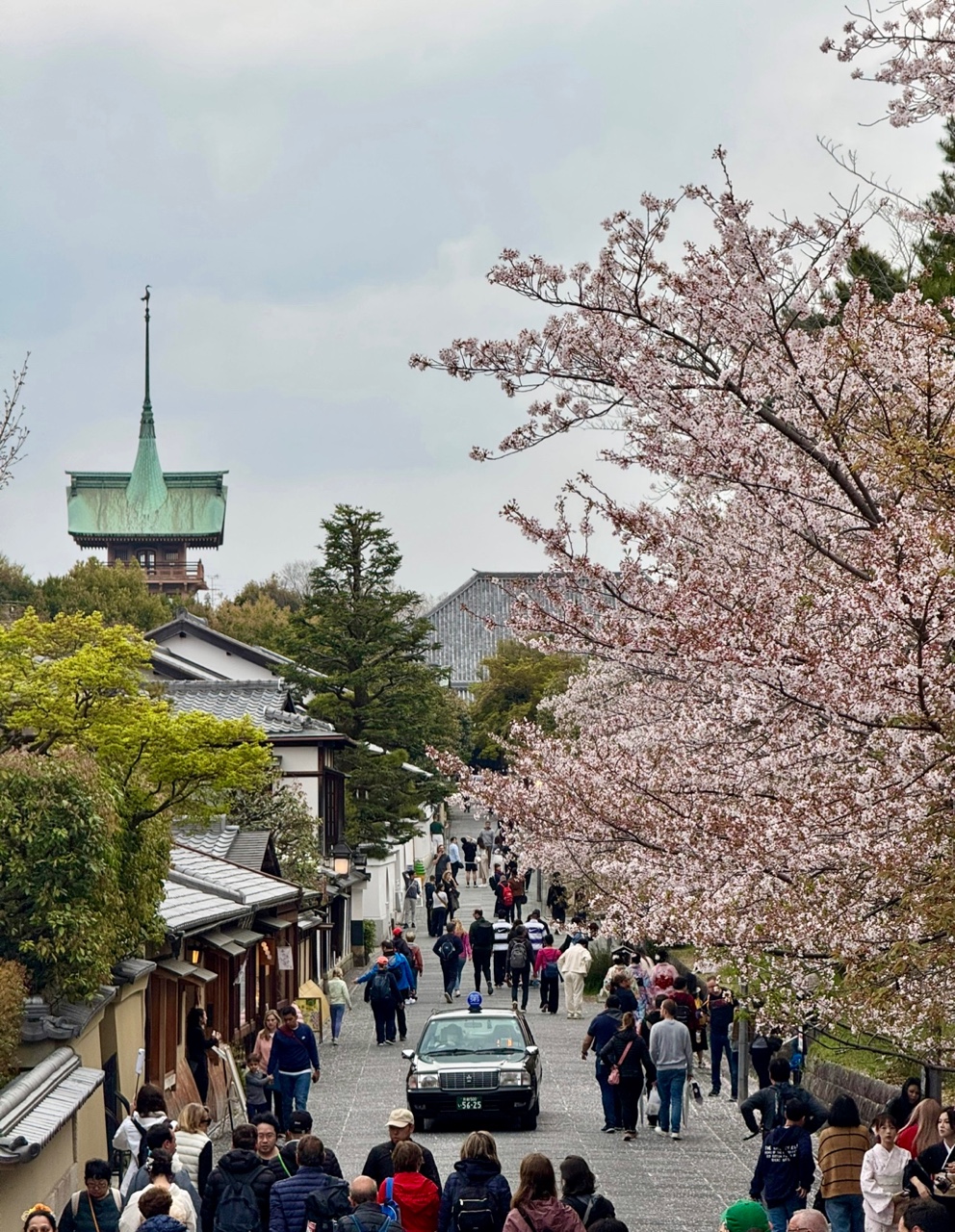
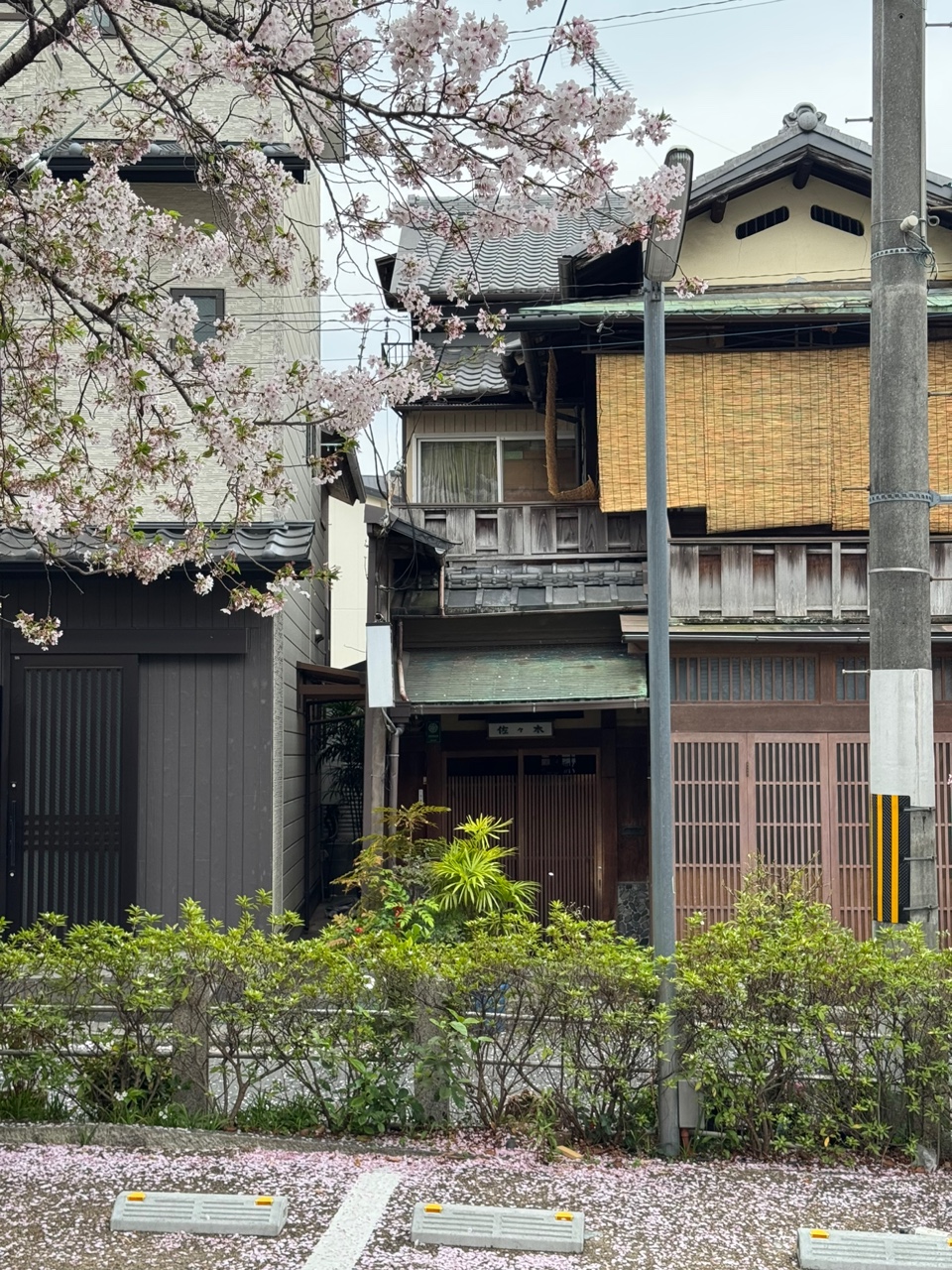
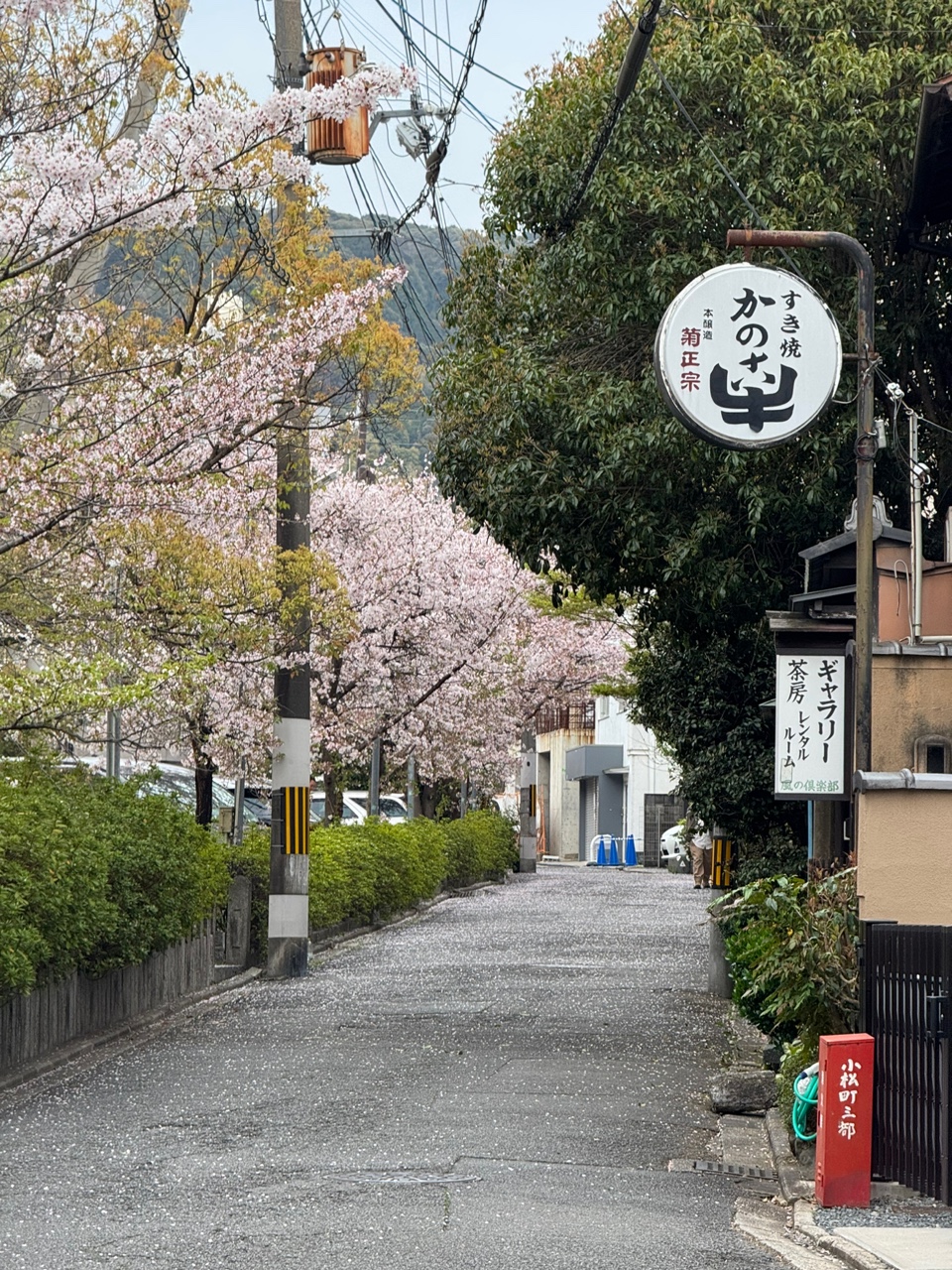
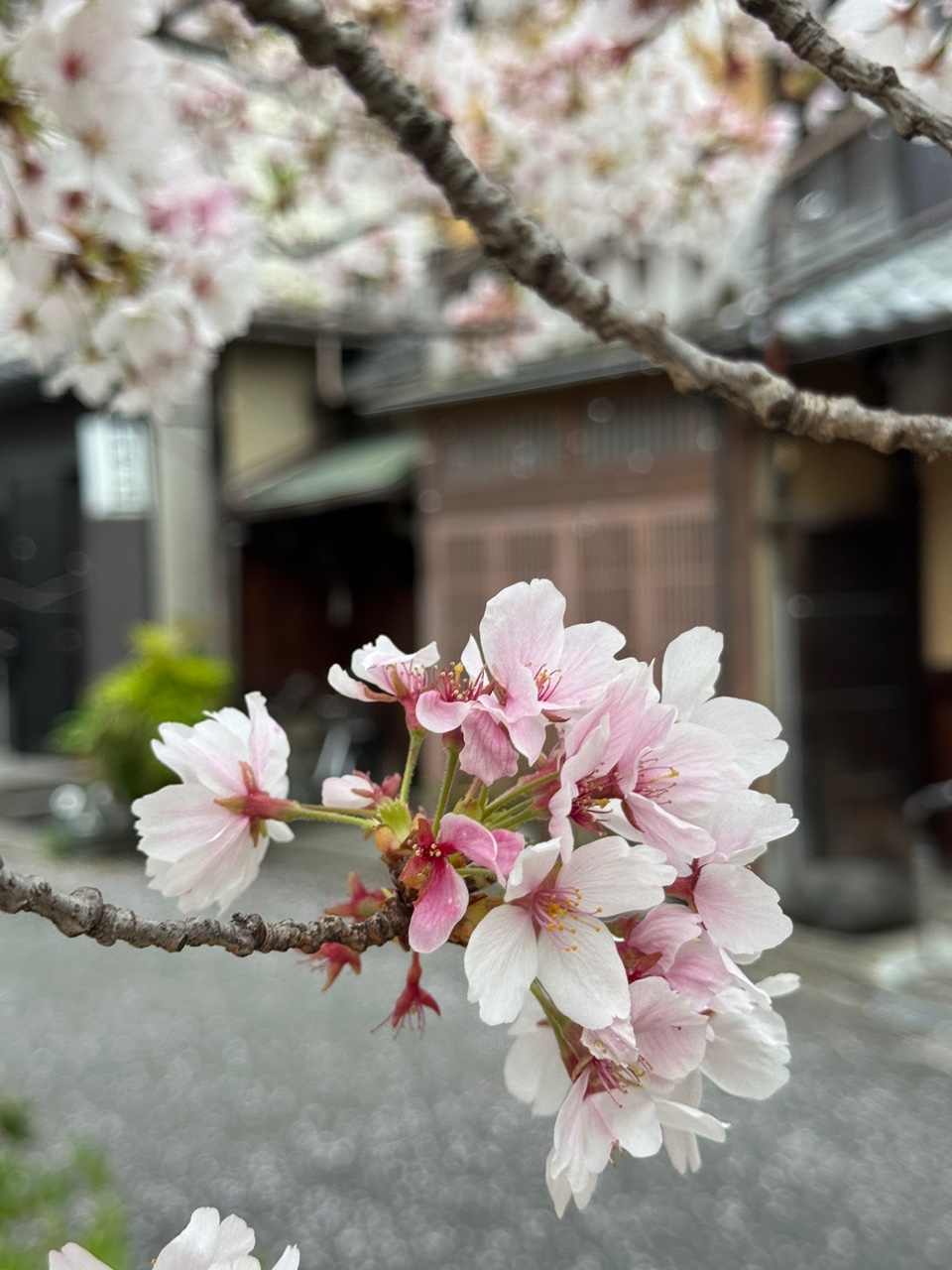
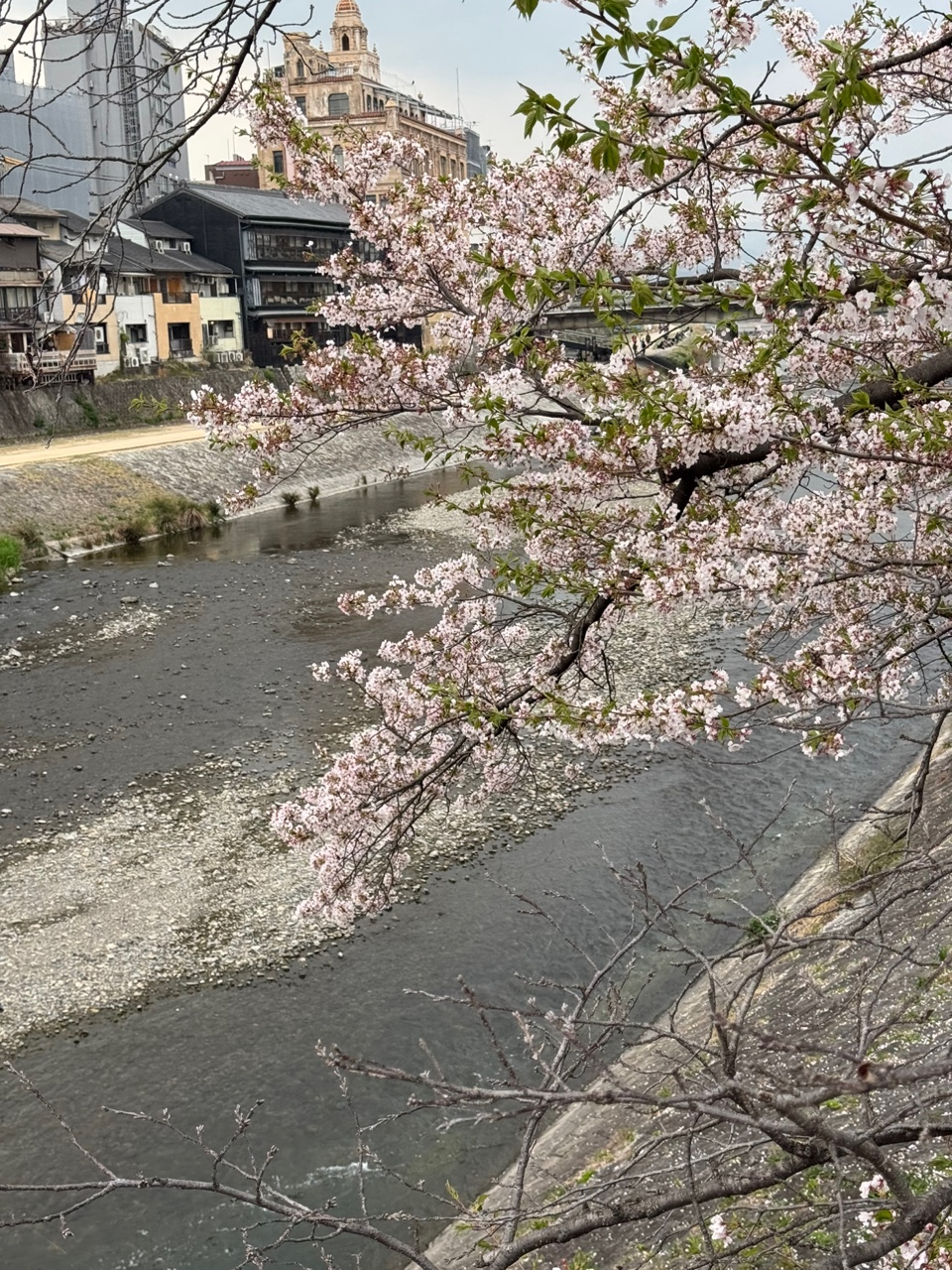
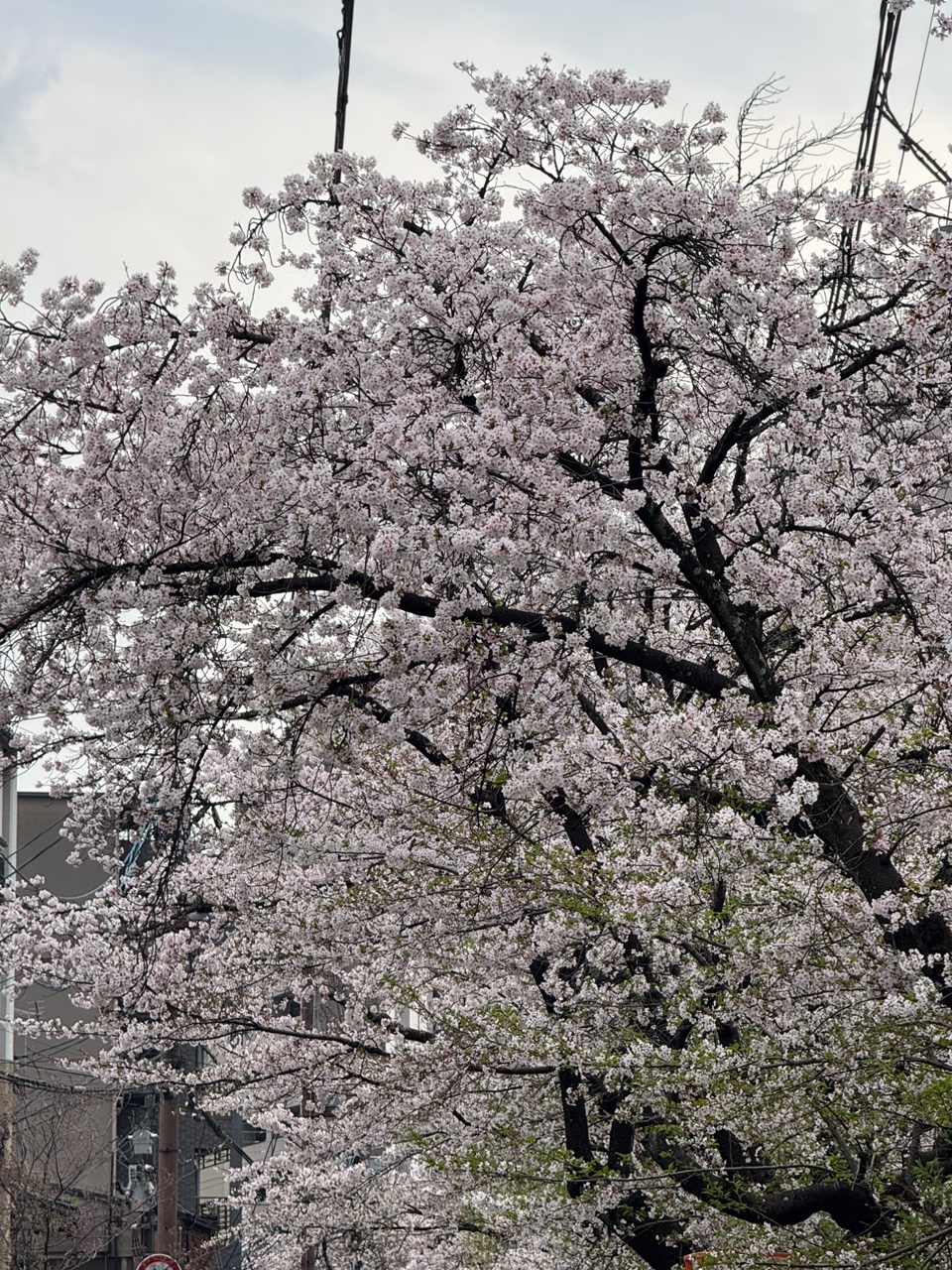
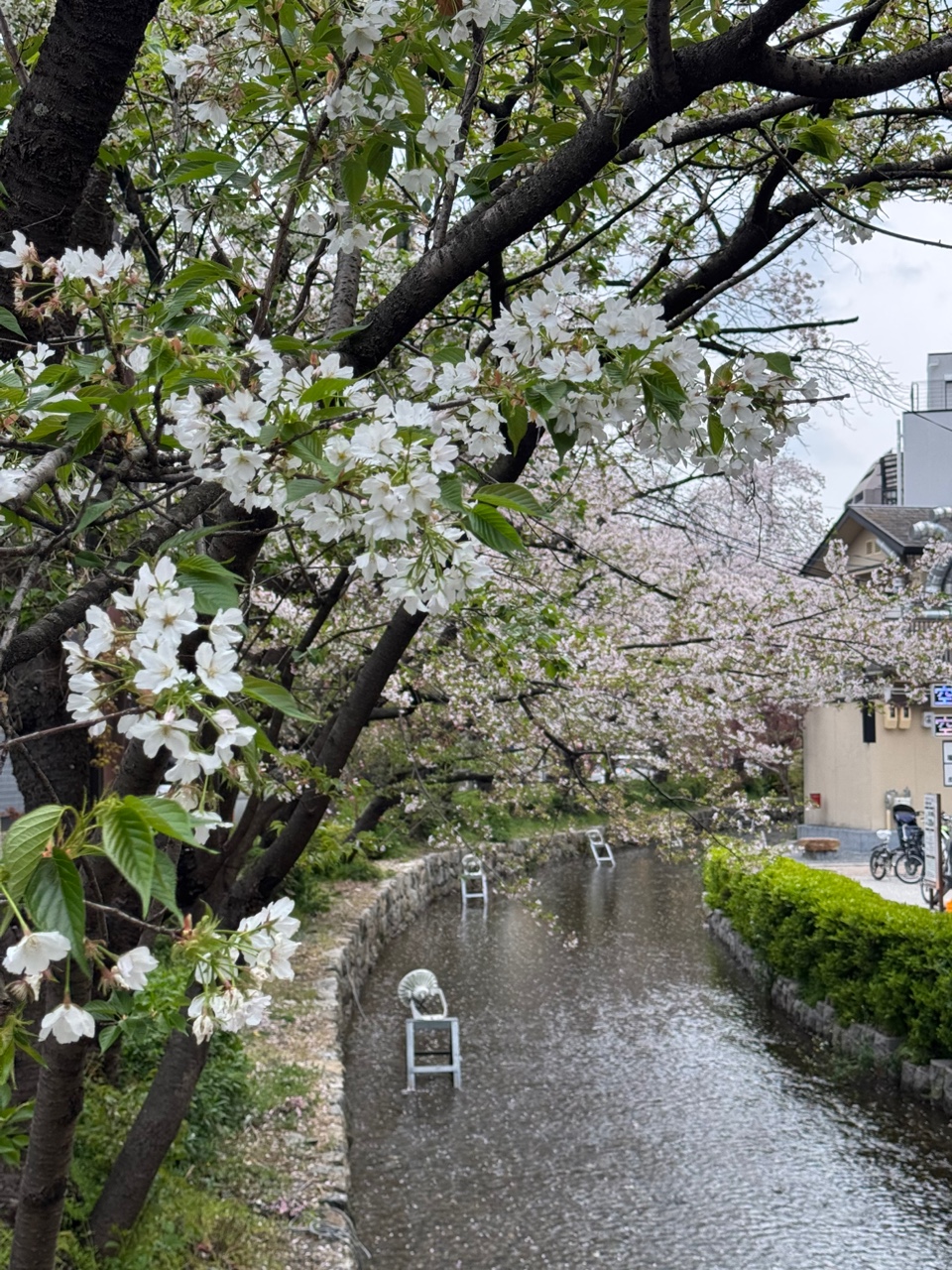
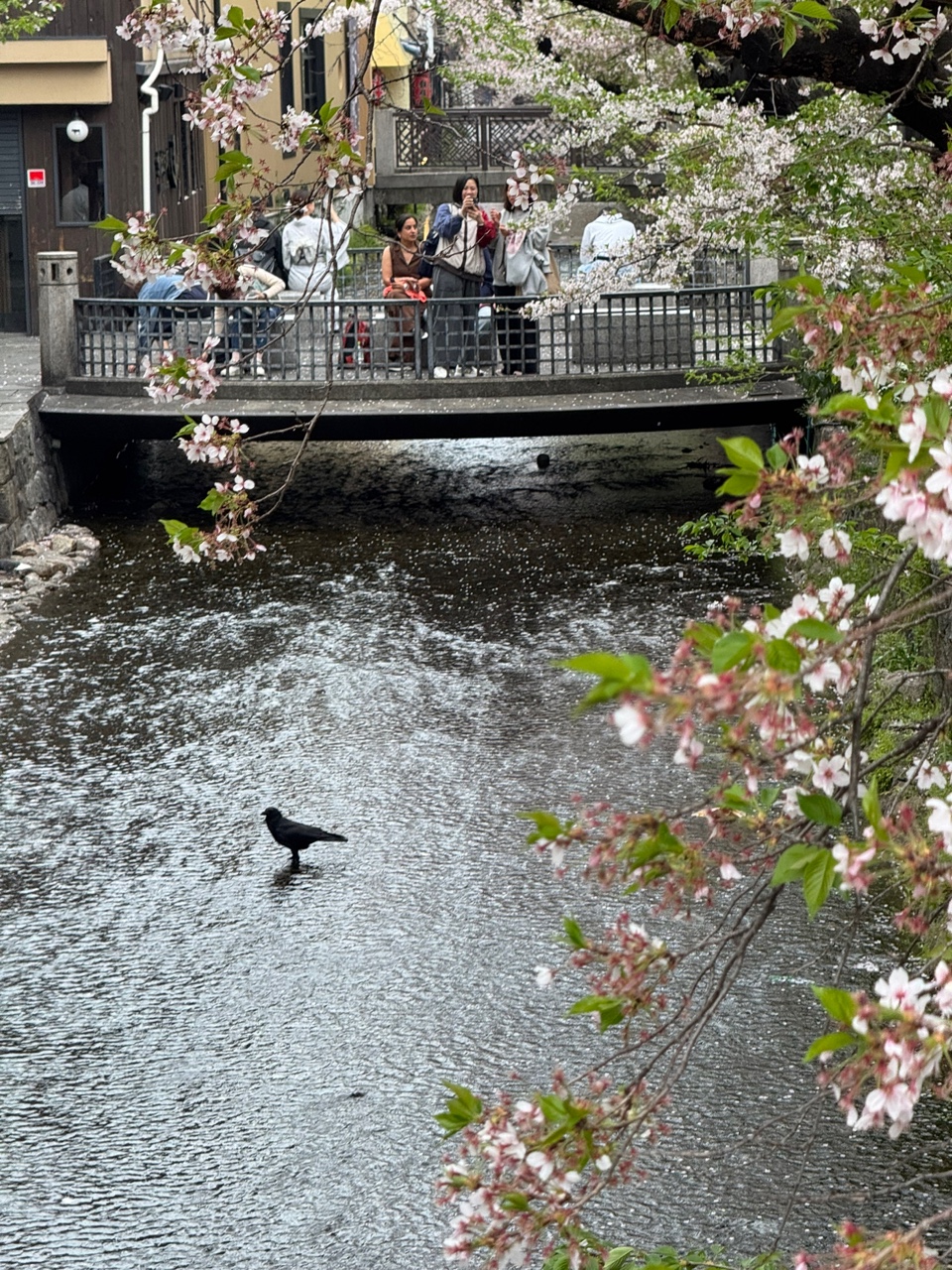
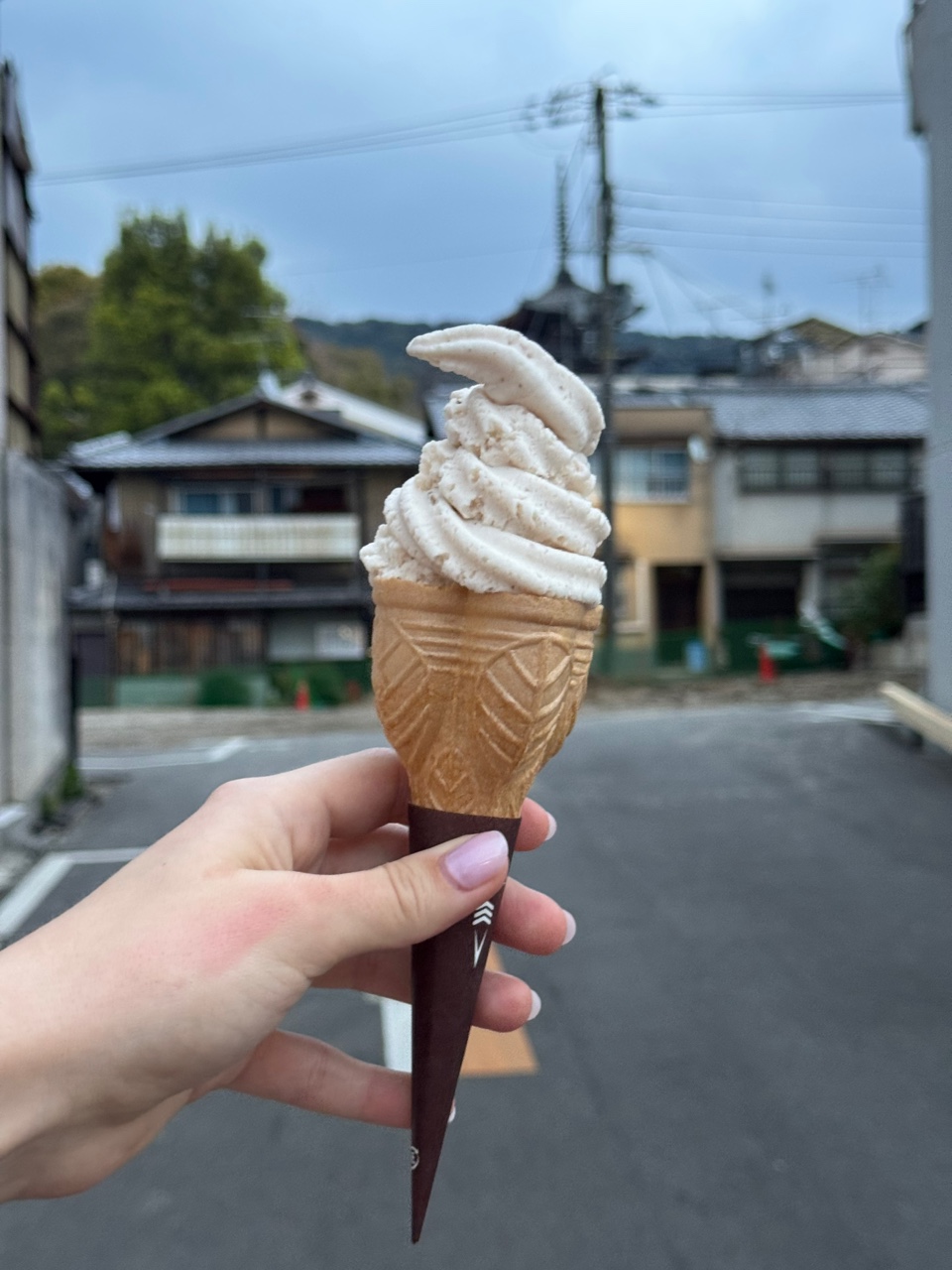
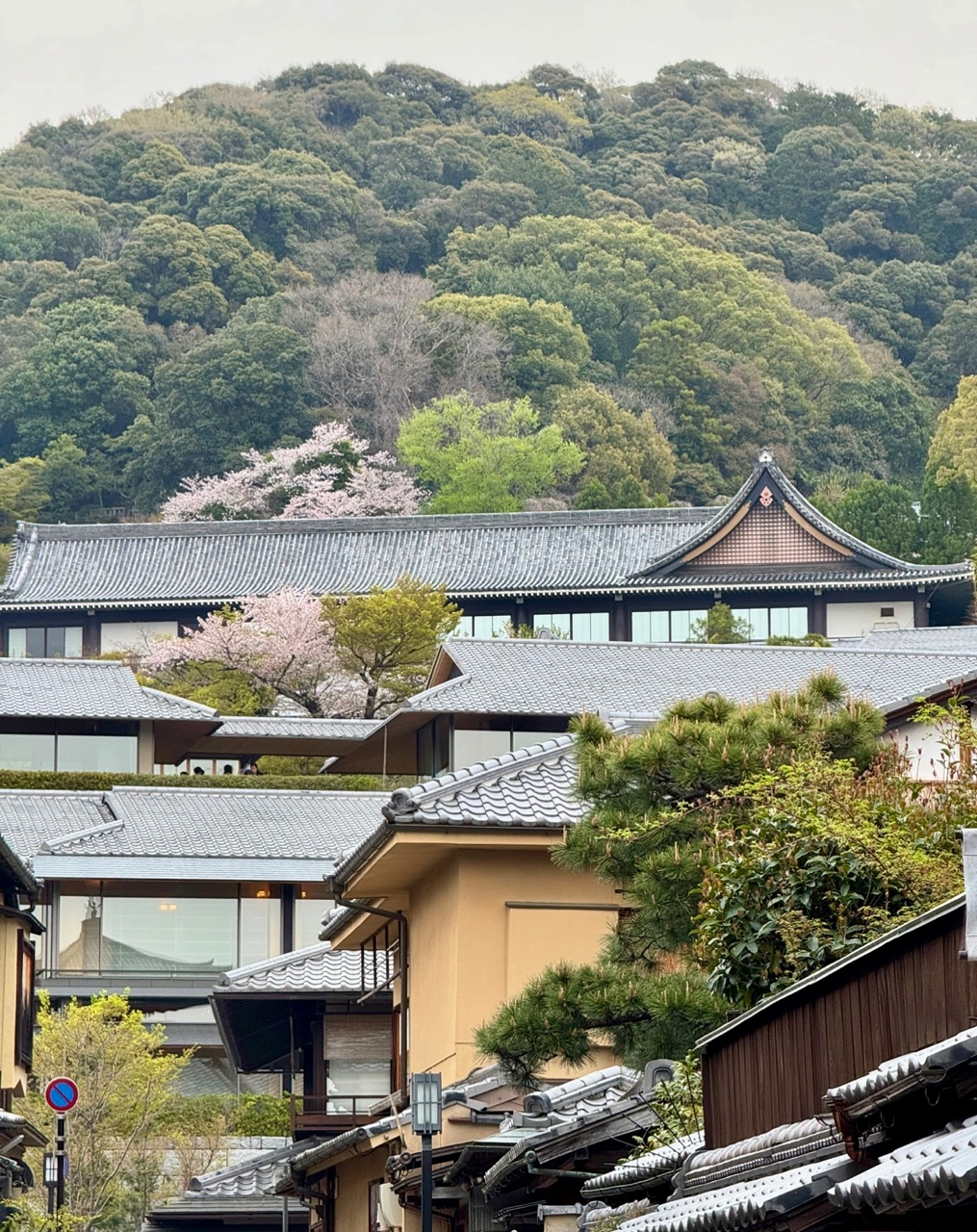
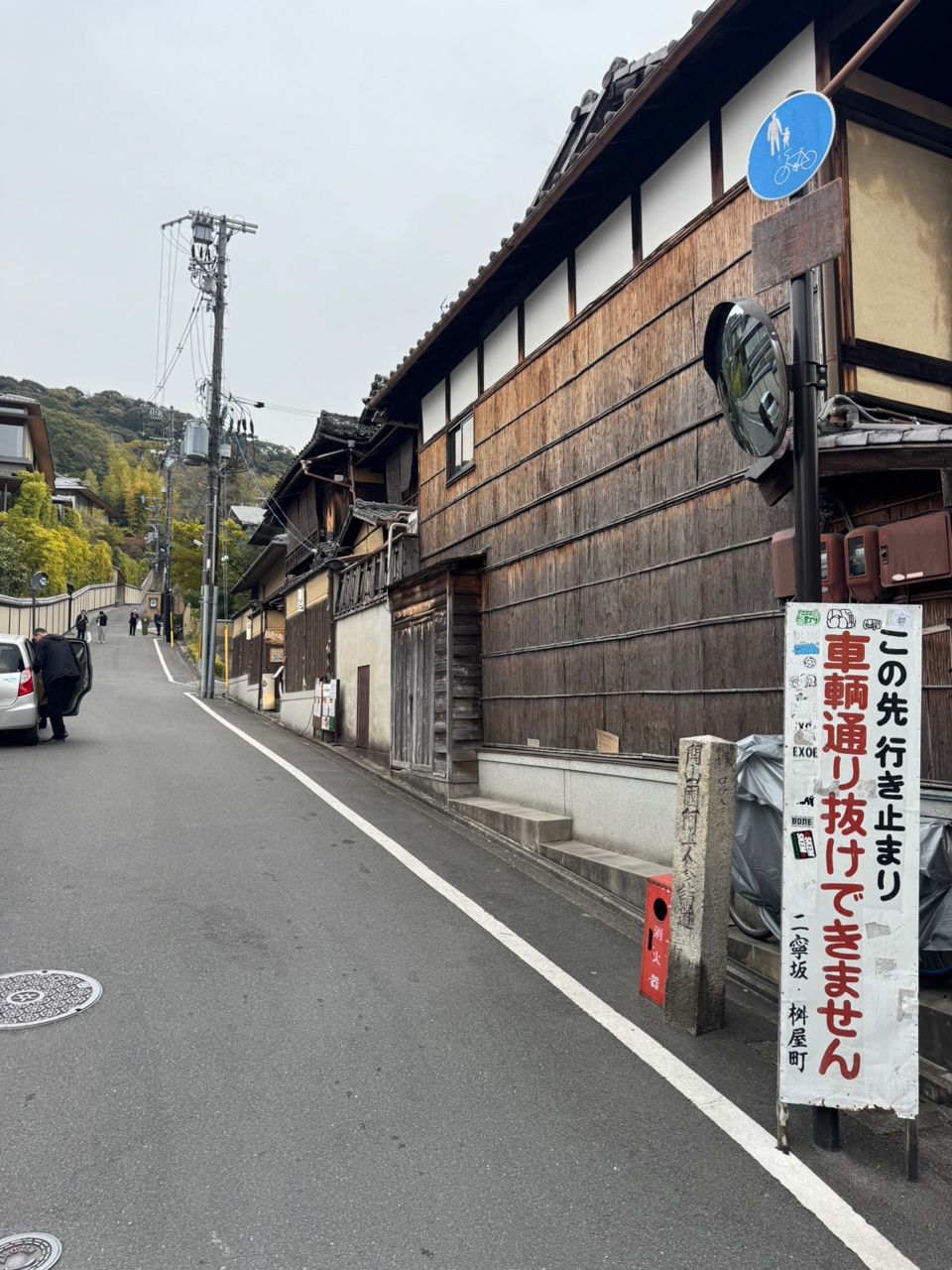
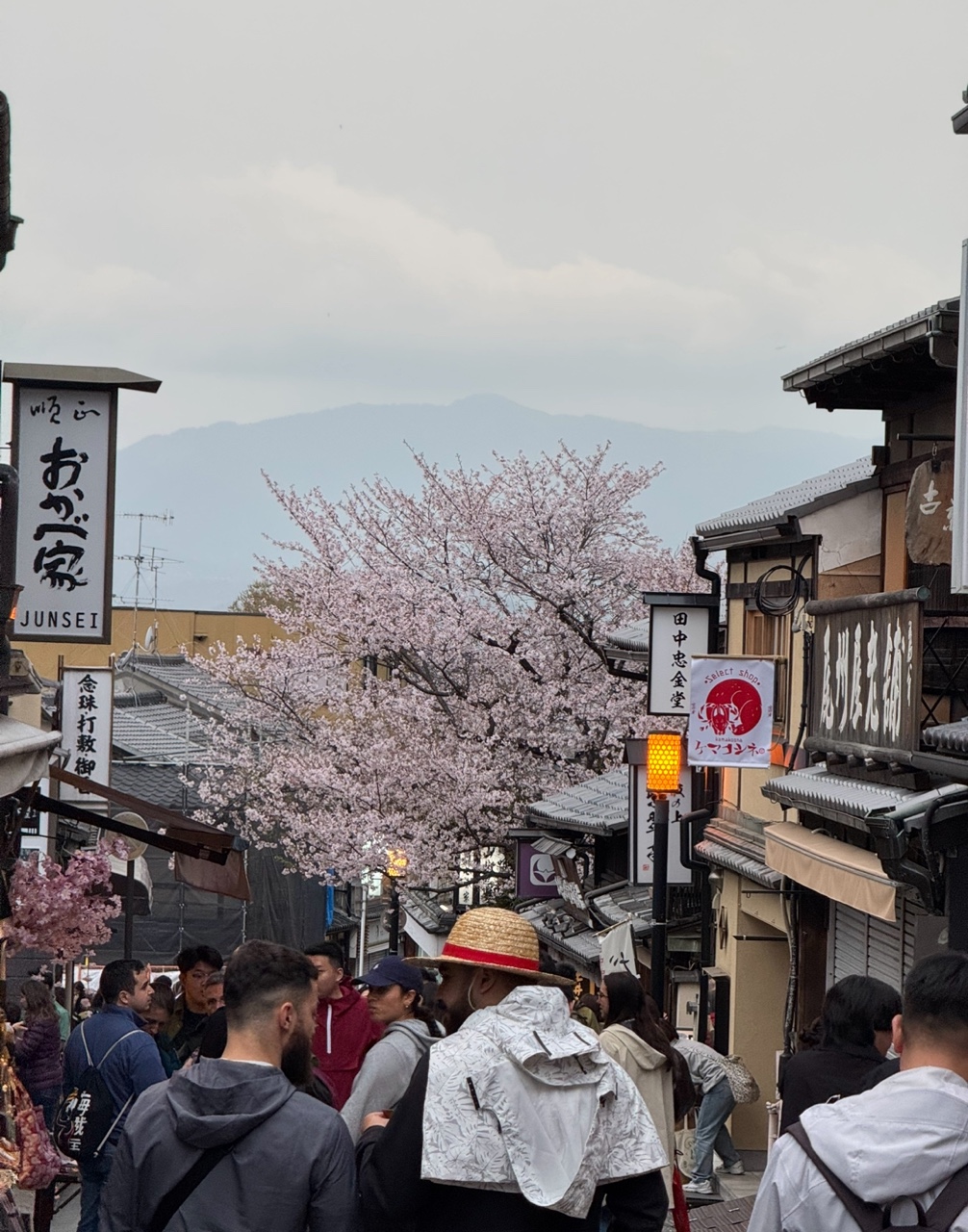
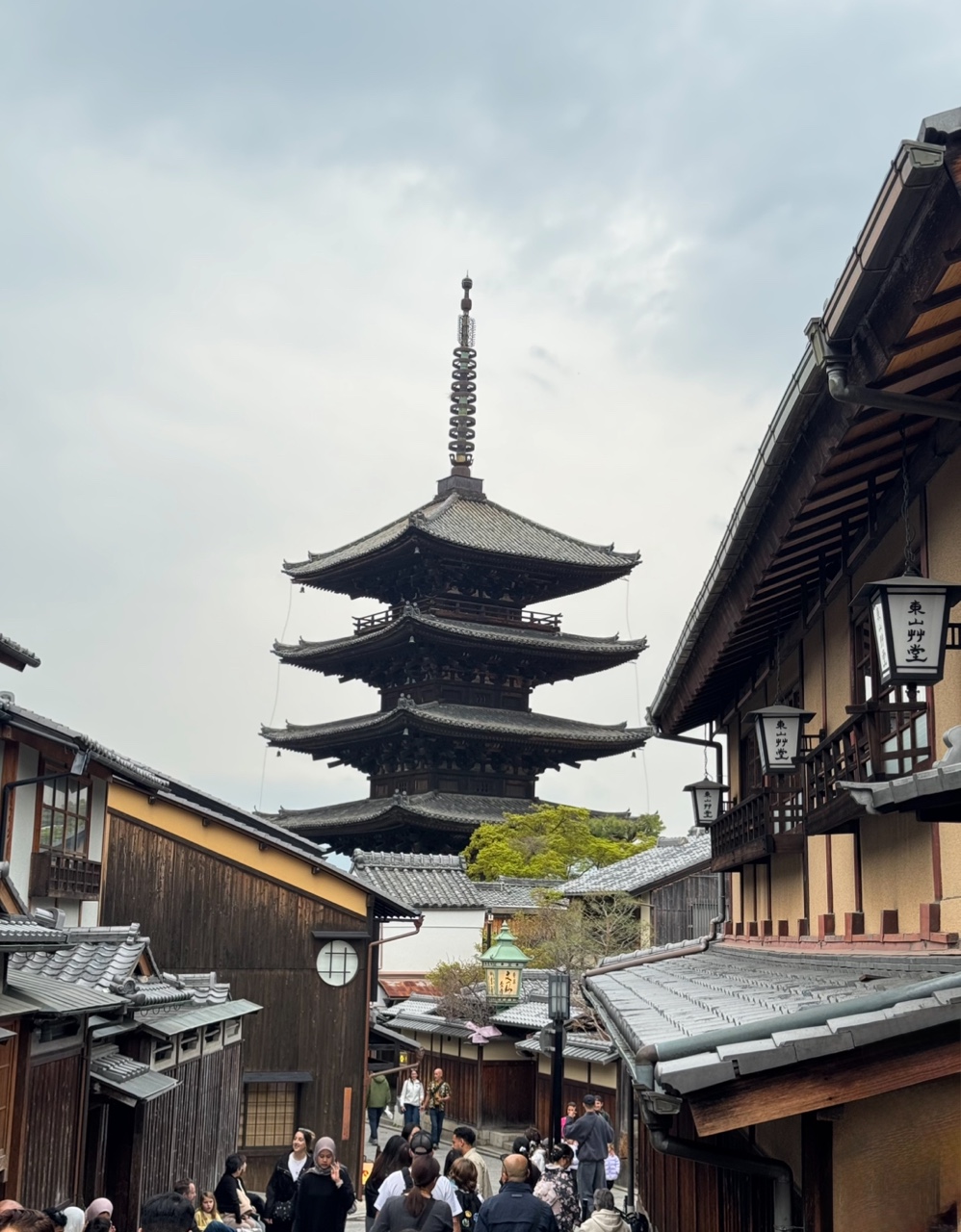
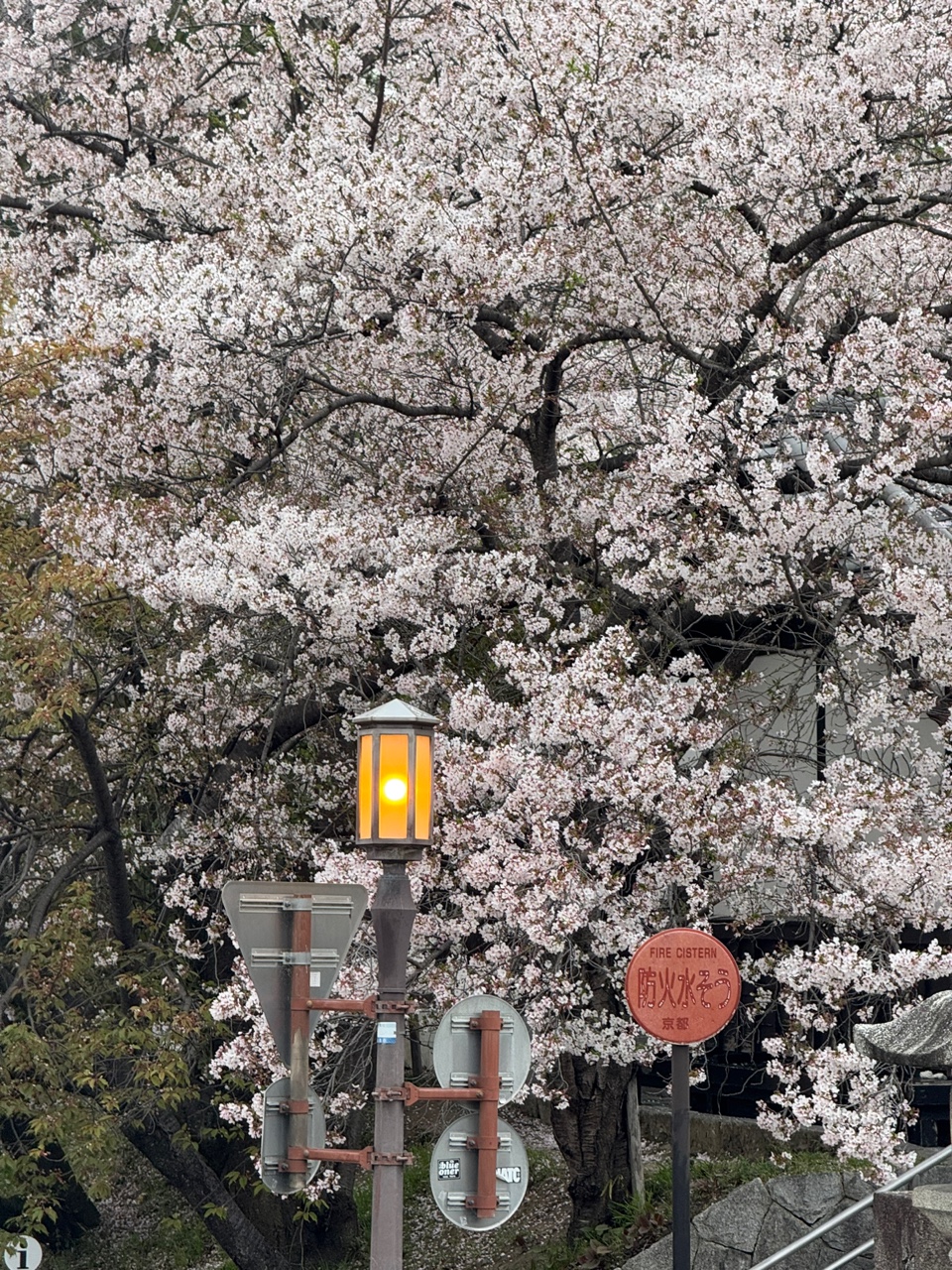
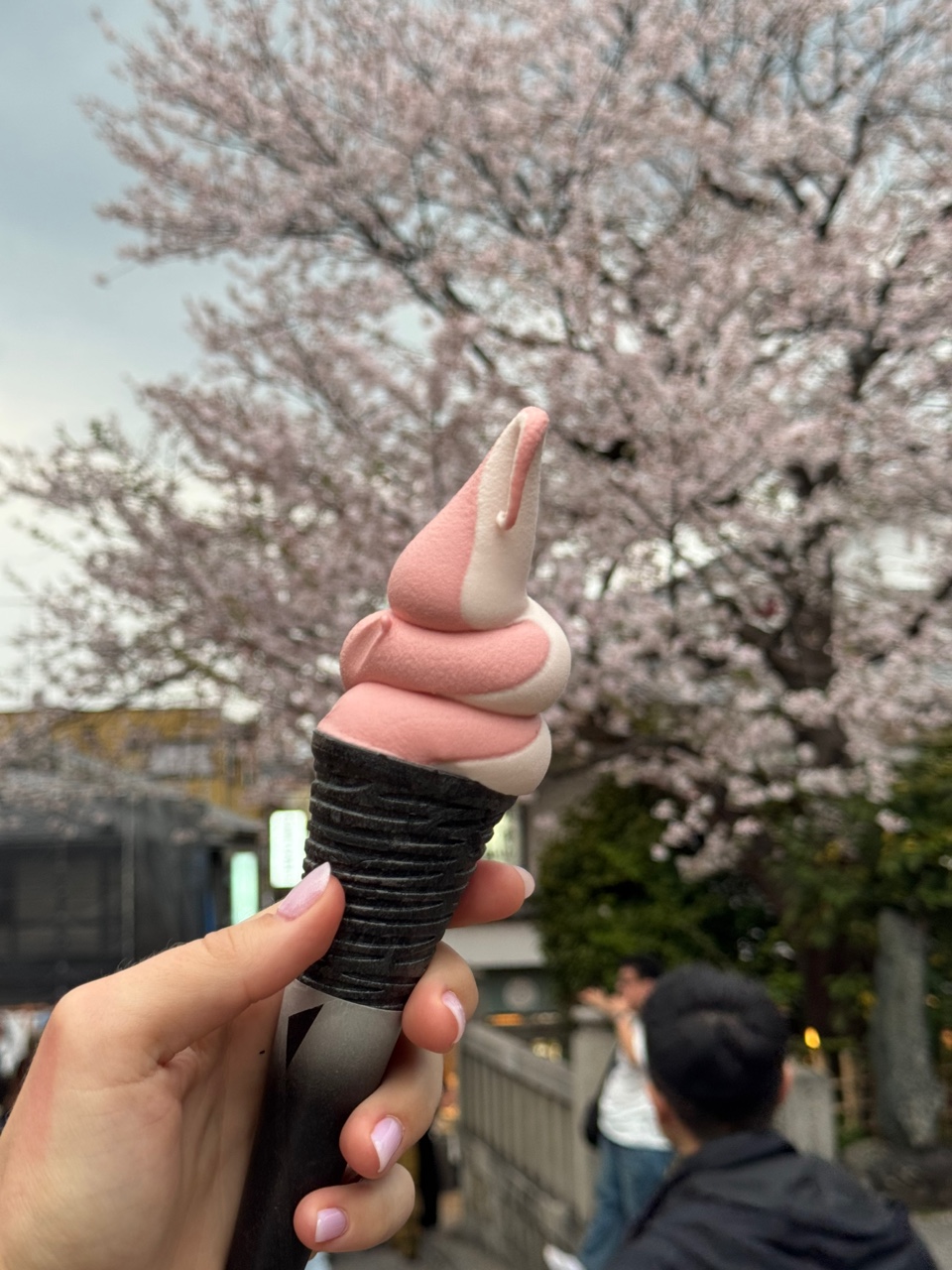
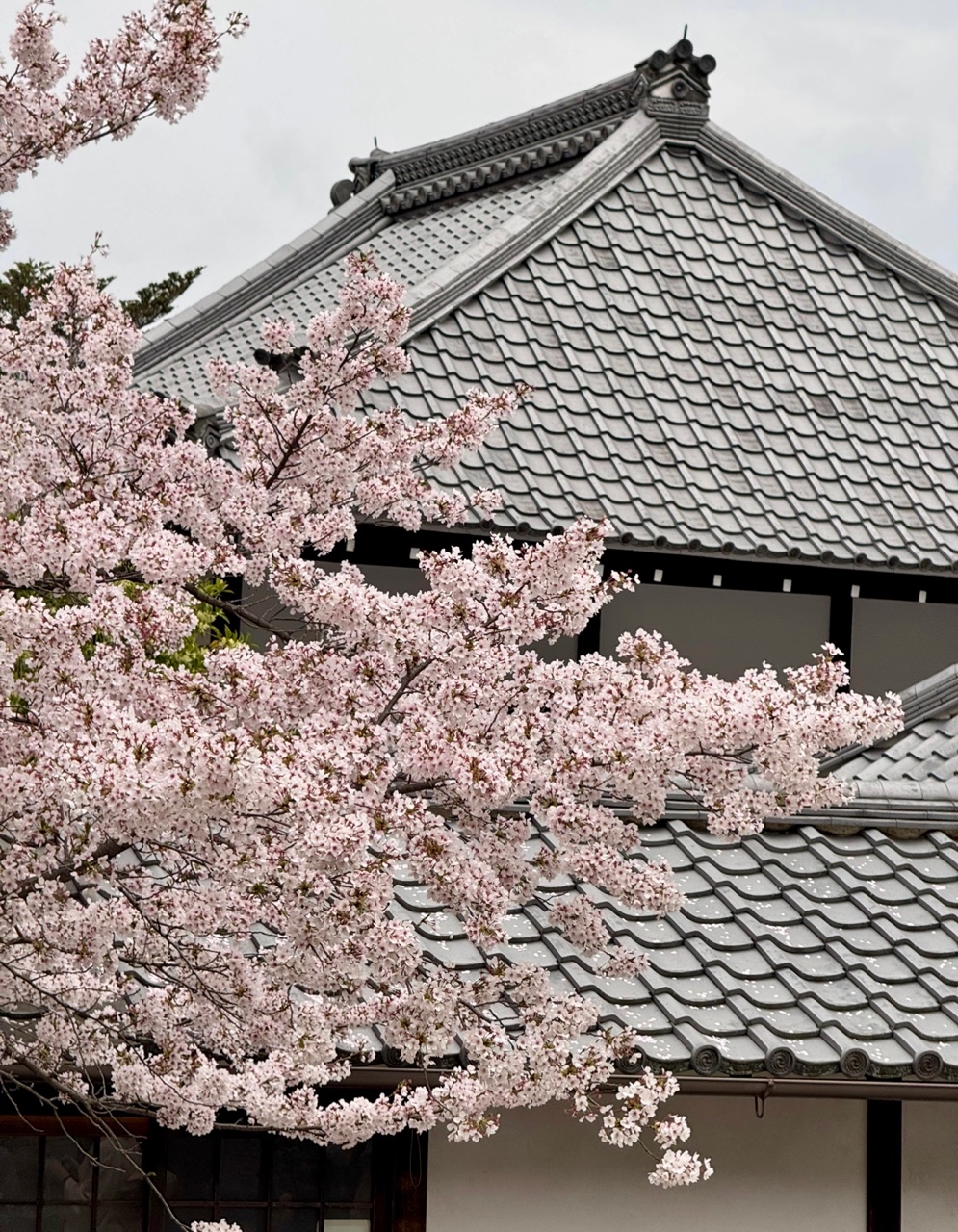
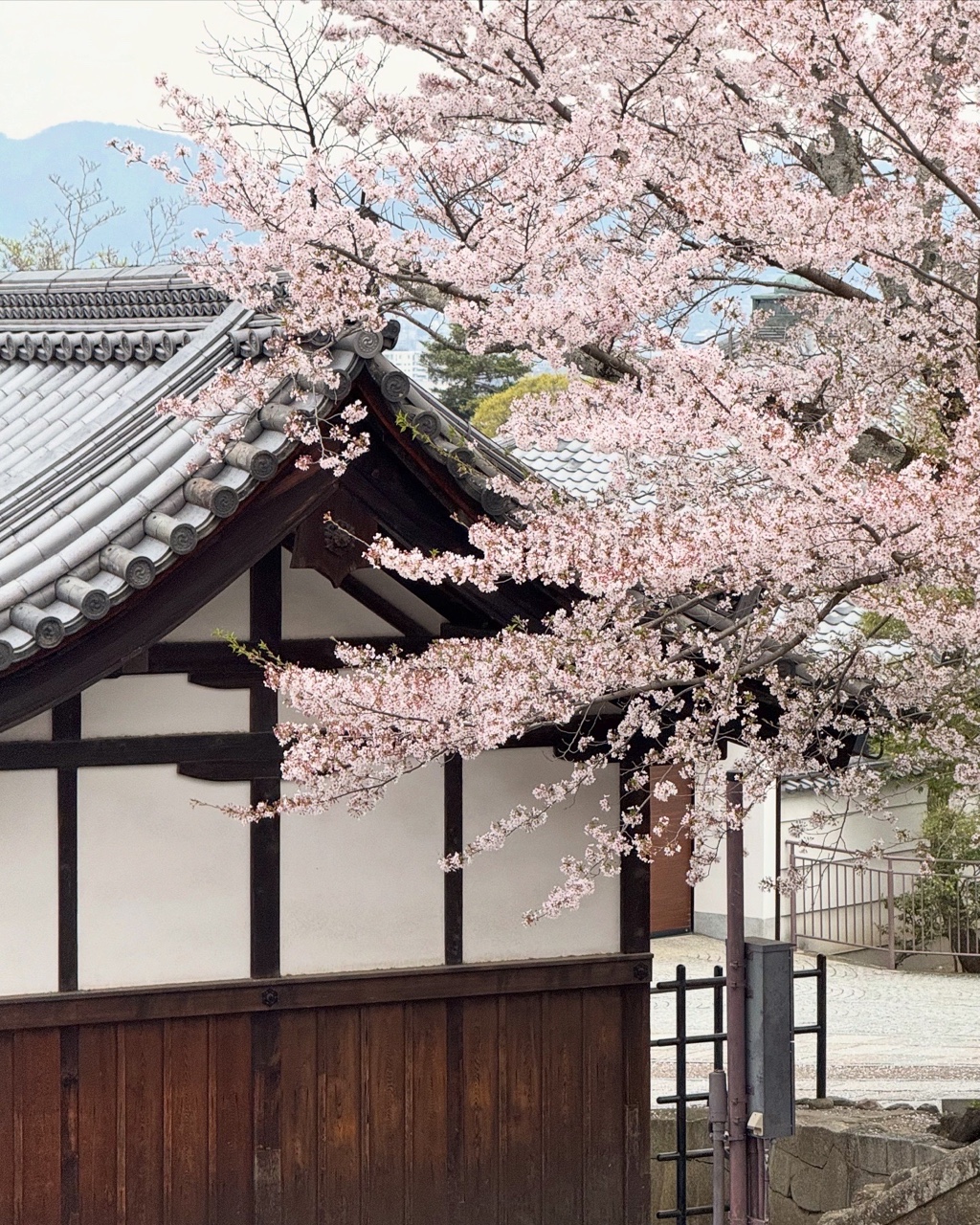
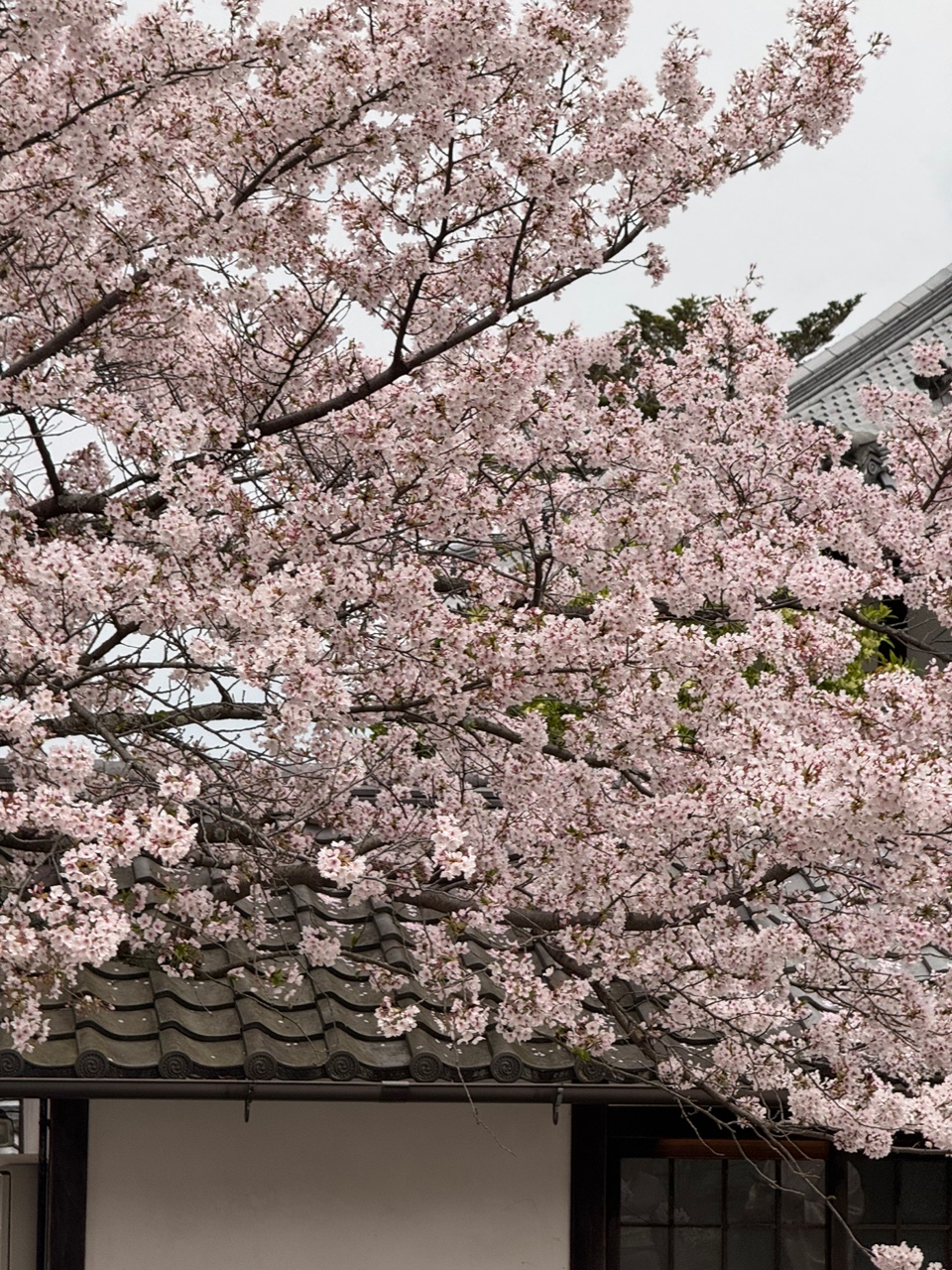
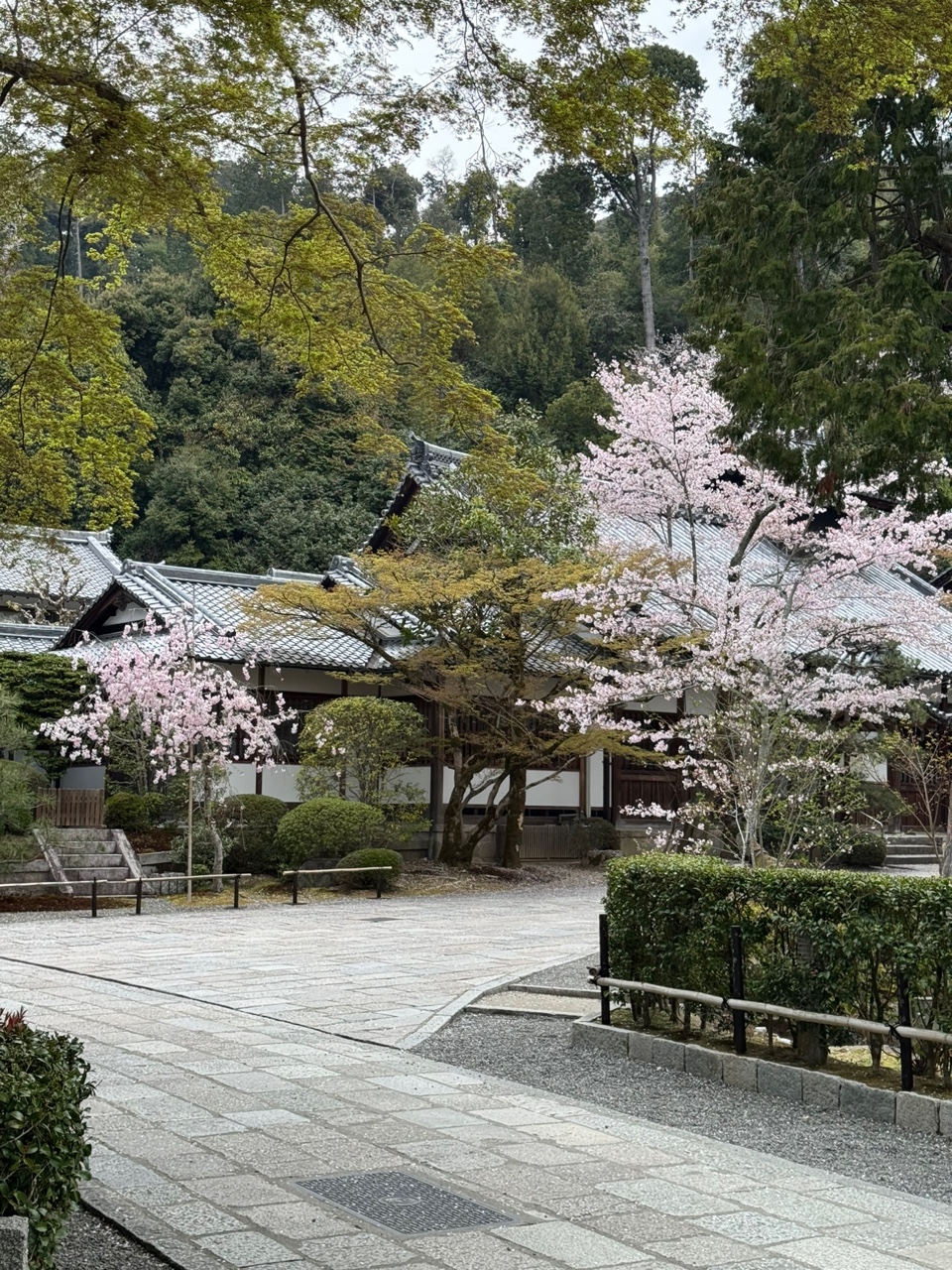
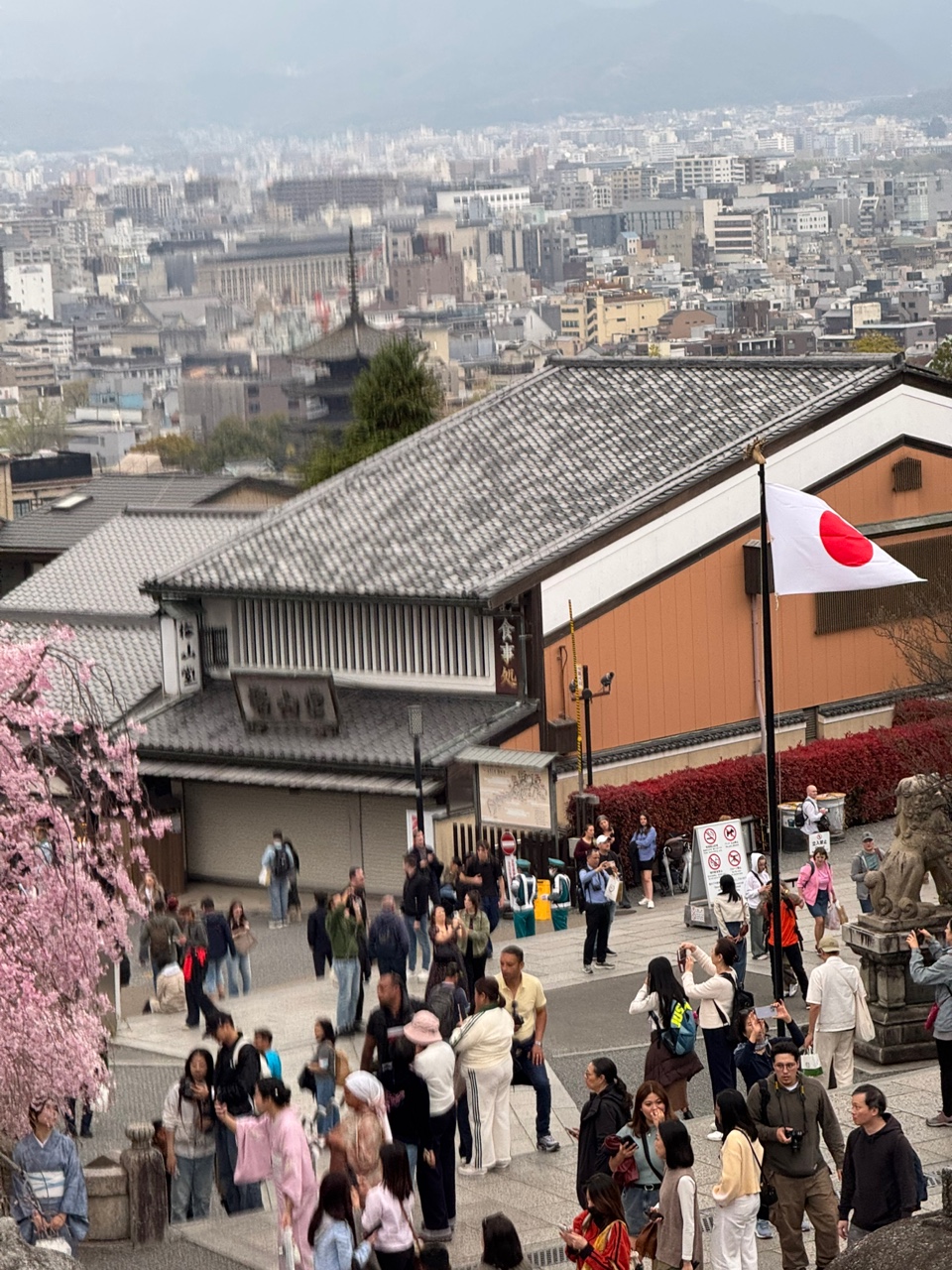
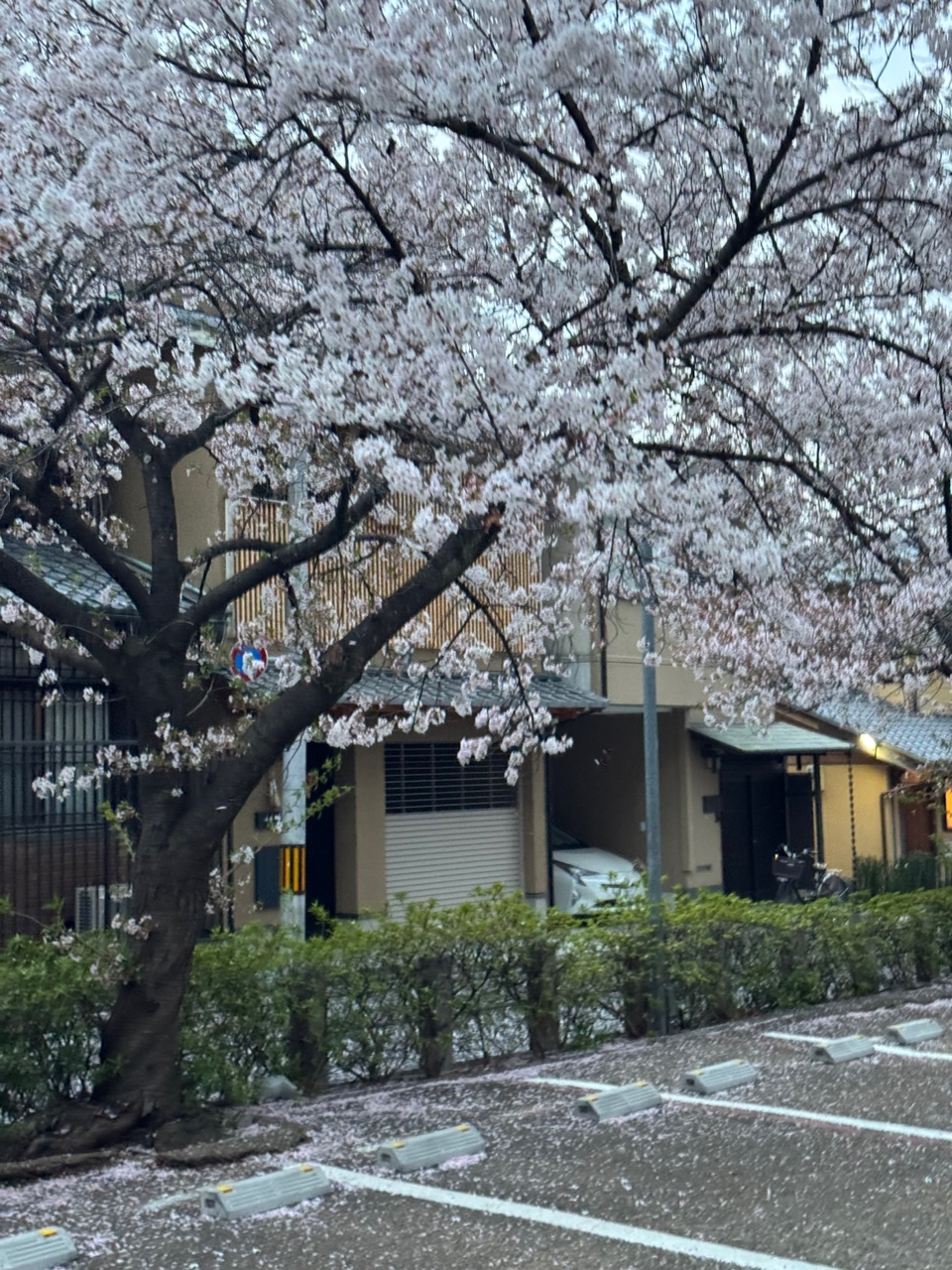
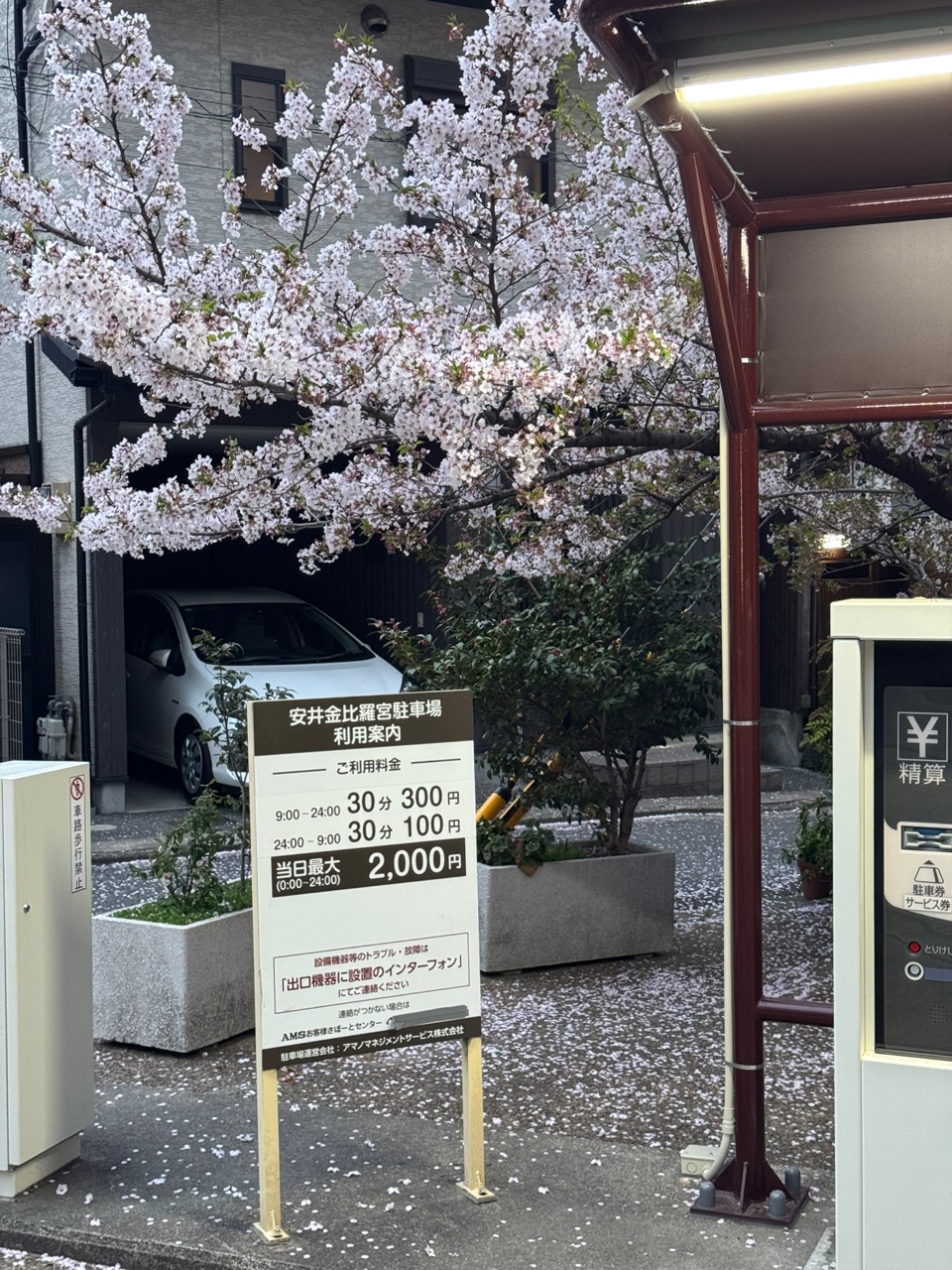
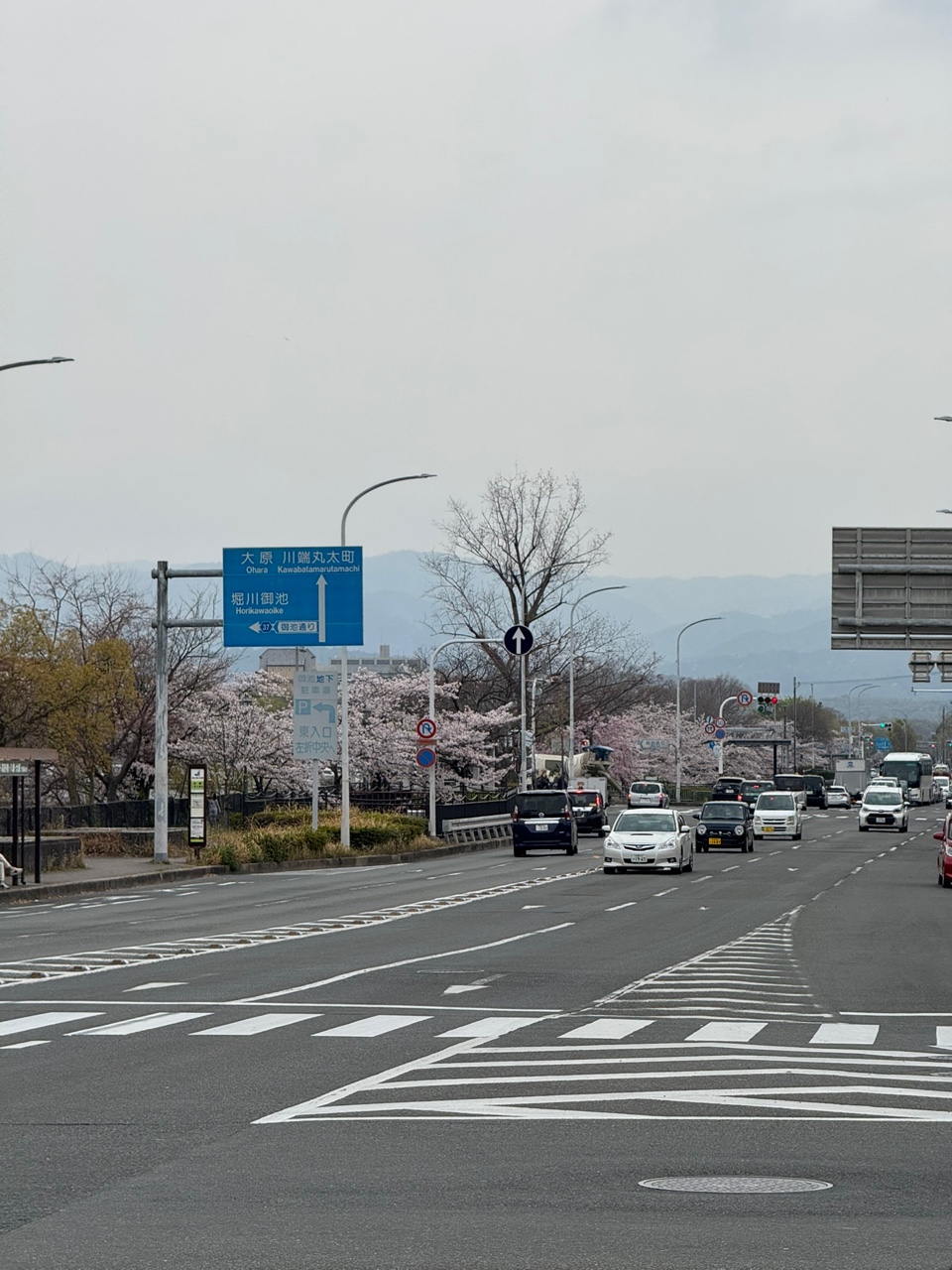
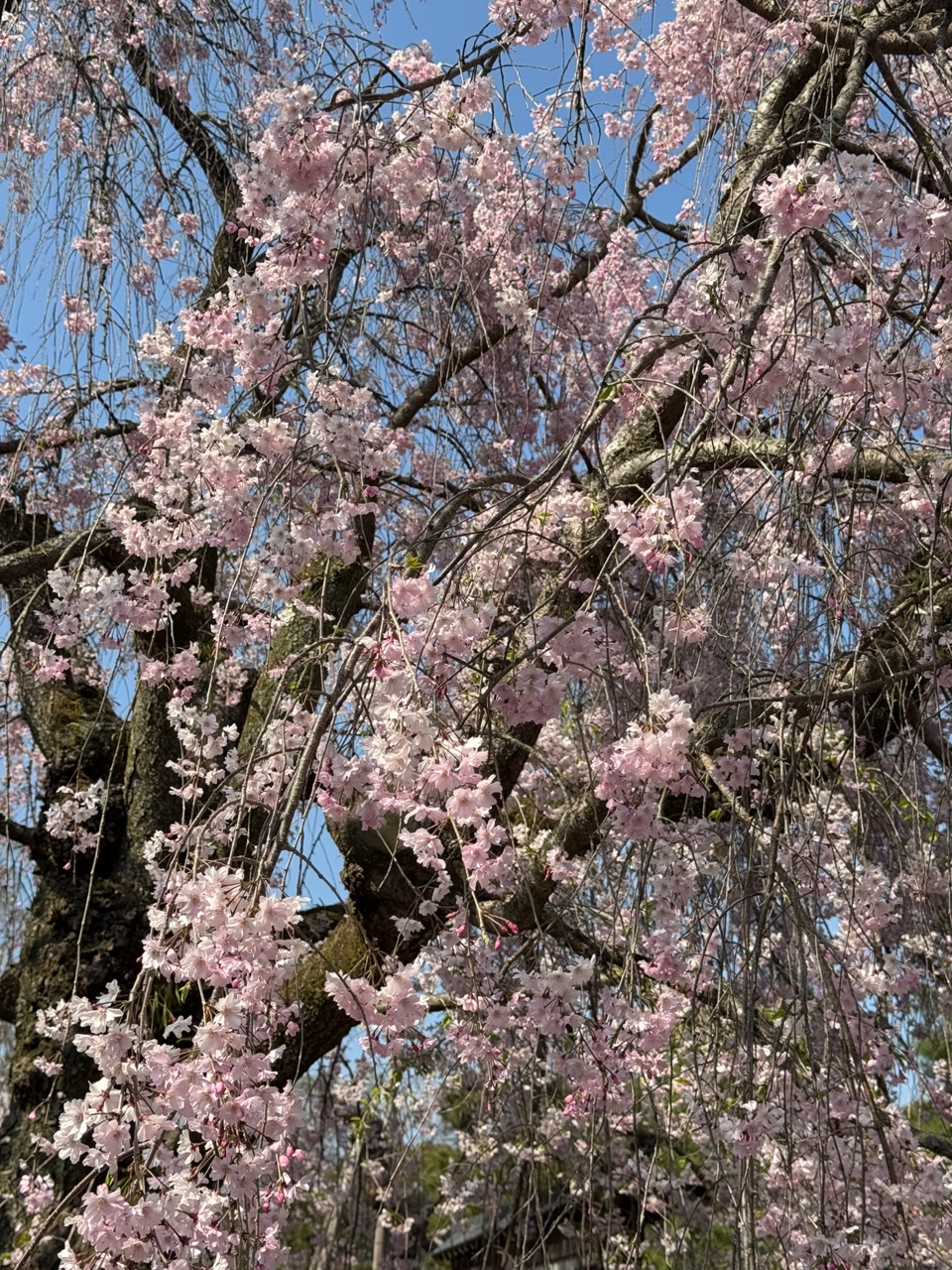
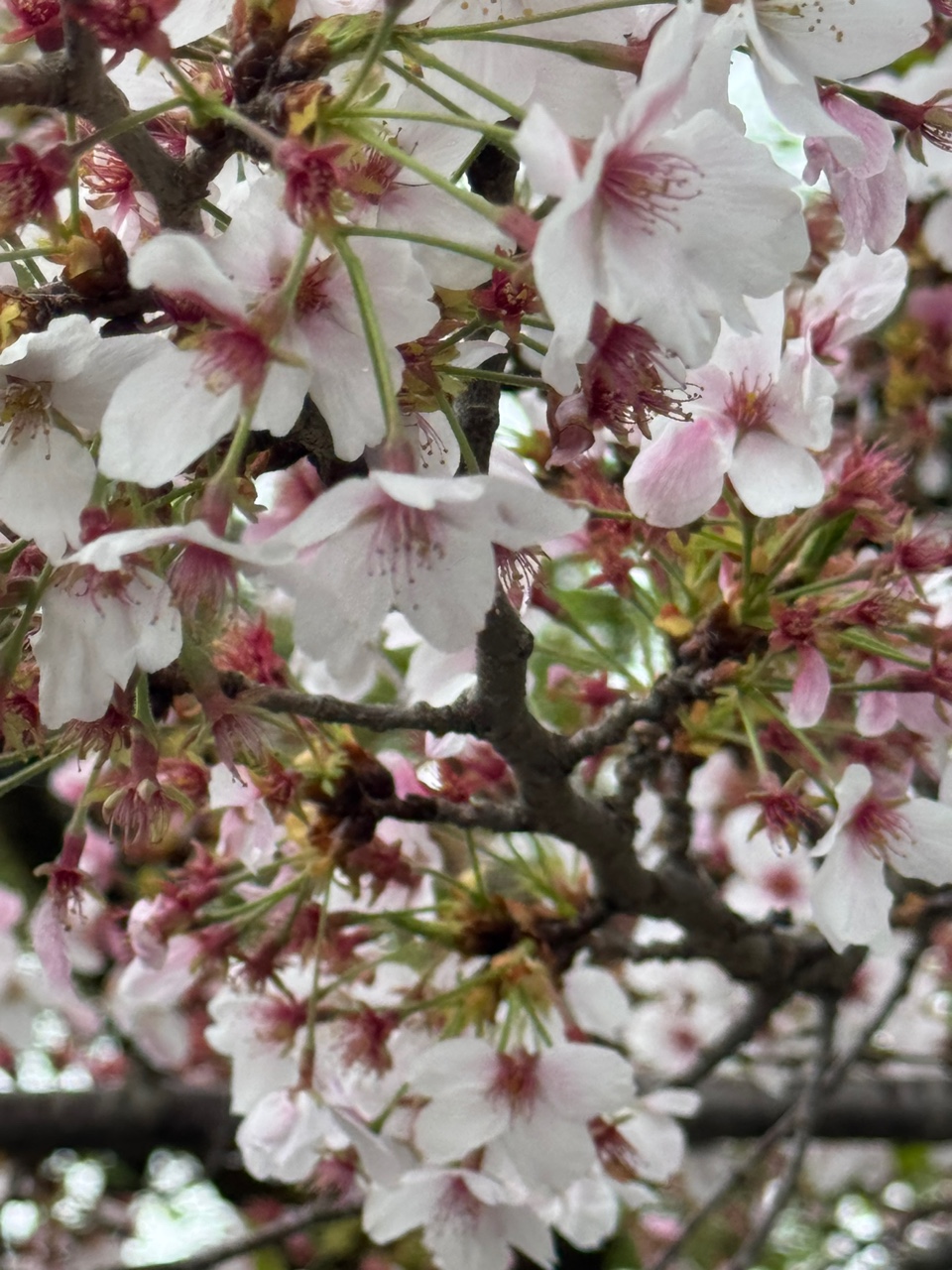
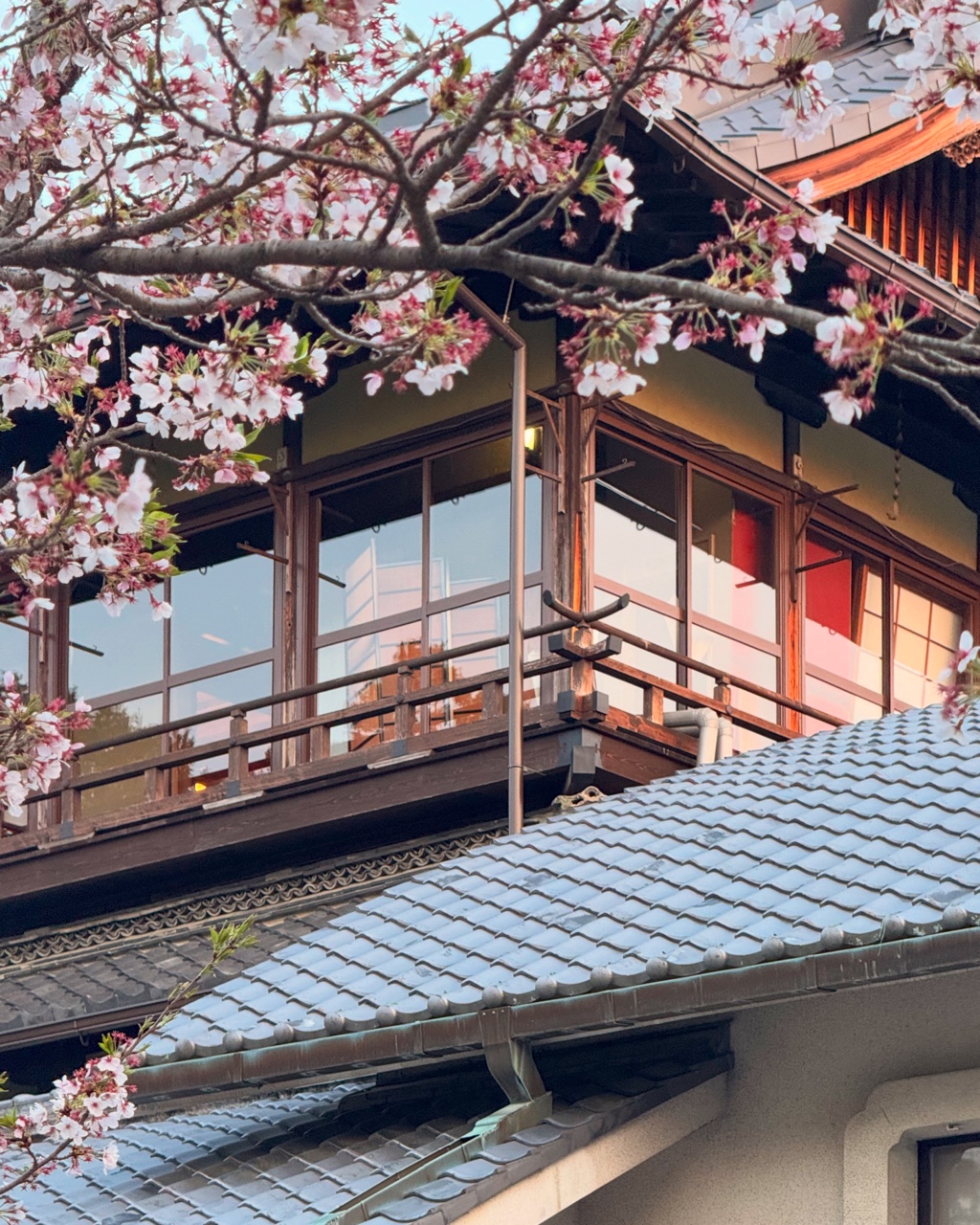
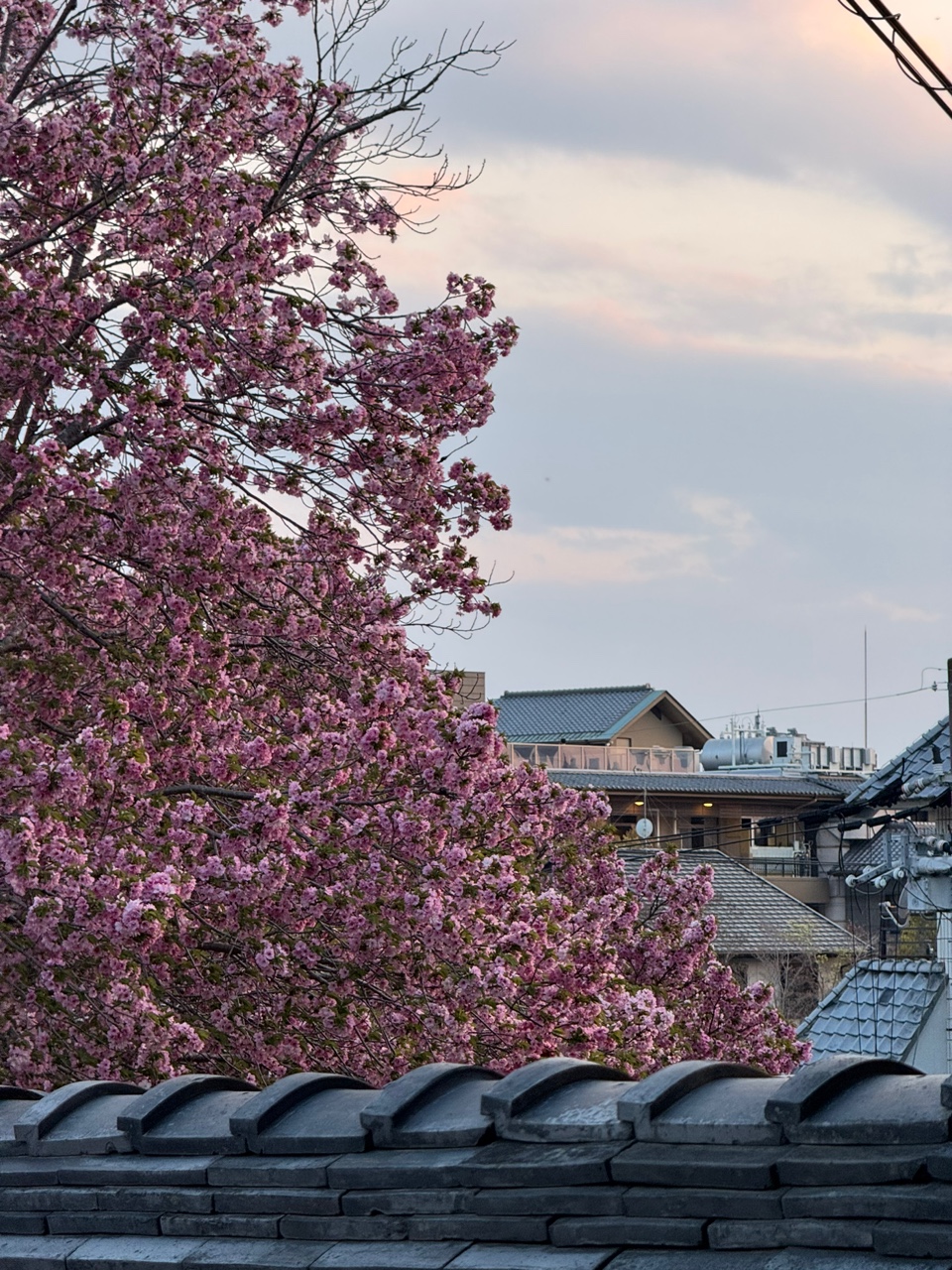
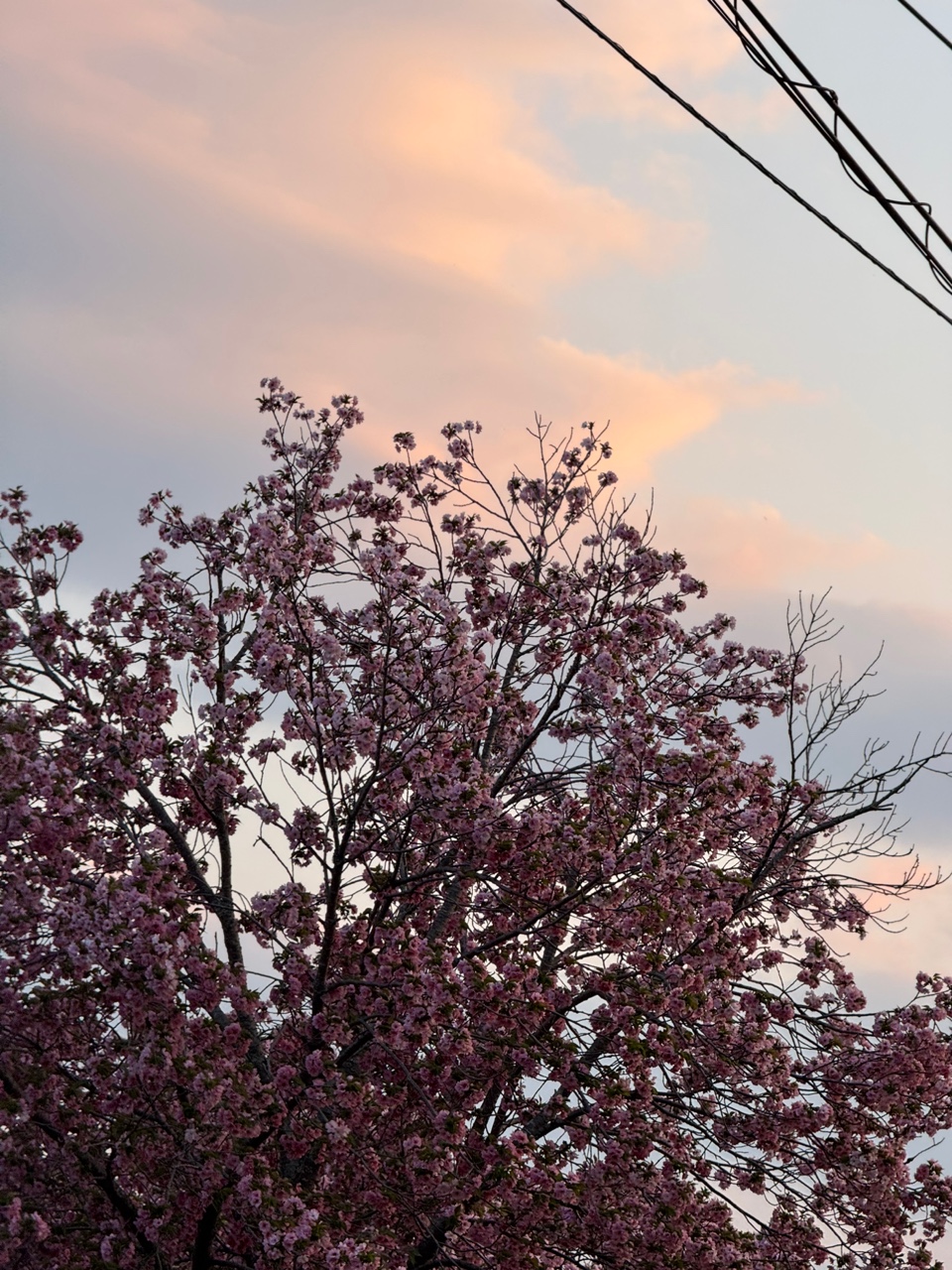
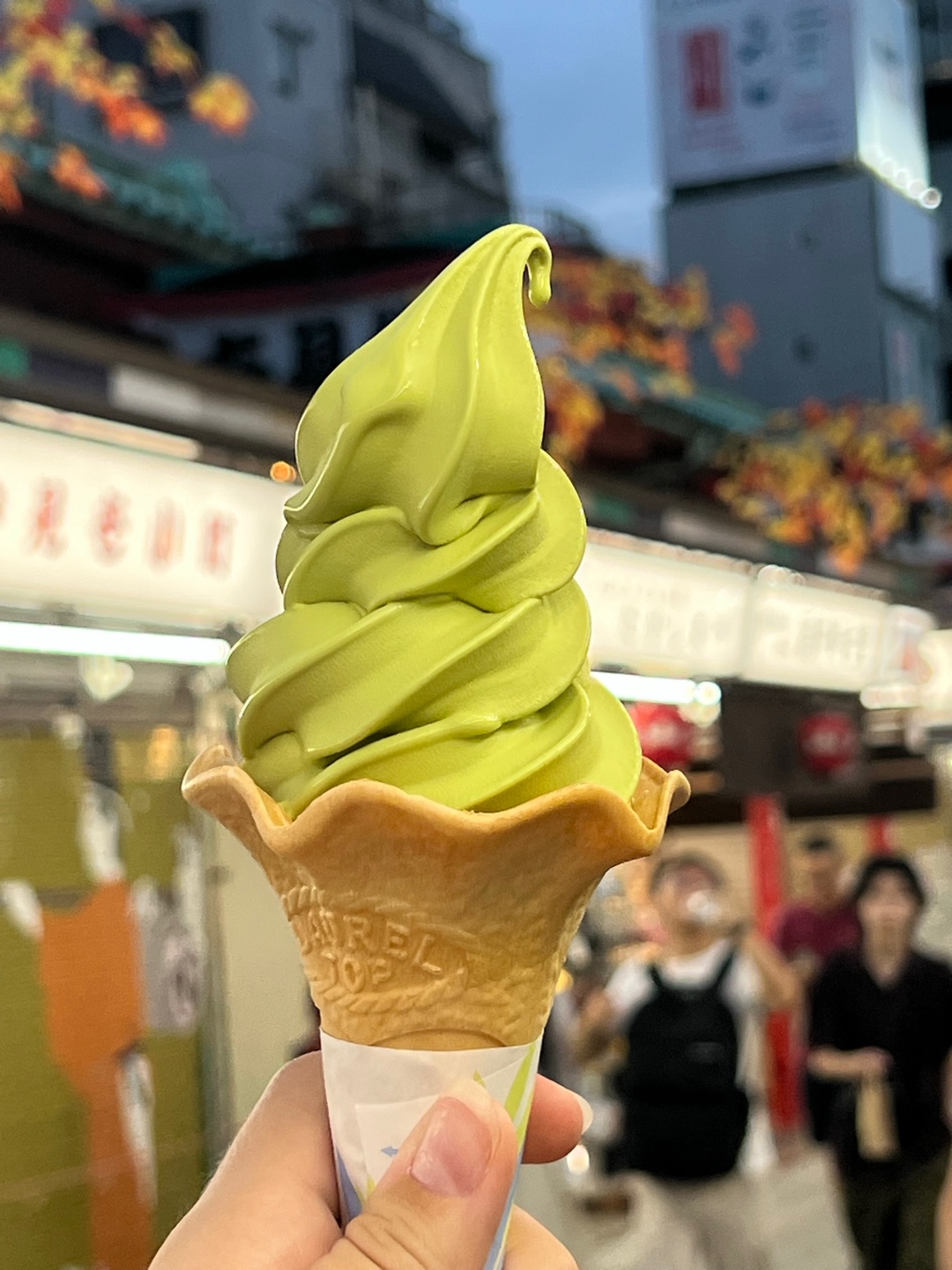
You can probably tell by now just how much I adore sakura (桜) season—despite suffering from the world’s worst allergies, haha! We continued our stroll along the lively Yasaka Street (八坂通), where the iconic Yasaka Pagoda (八坂の塔, Yasaka no Tō) suddenly appeared between the narrow, winding alleys—a postcard-perfect moment. And yes… I may or may not have had about 74 ice creams that day. But hey, who’s counting when you’re in Kyoto during spring?
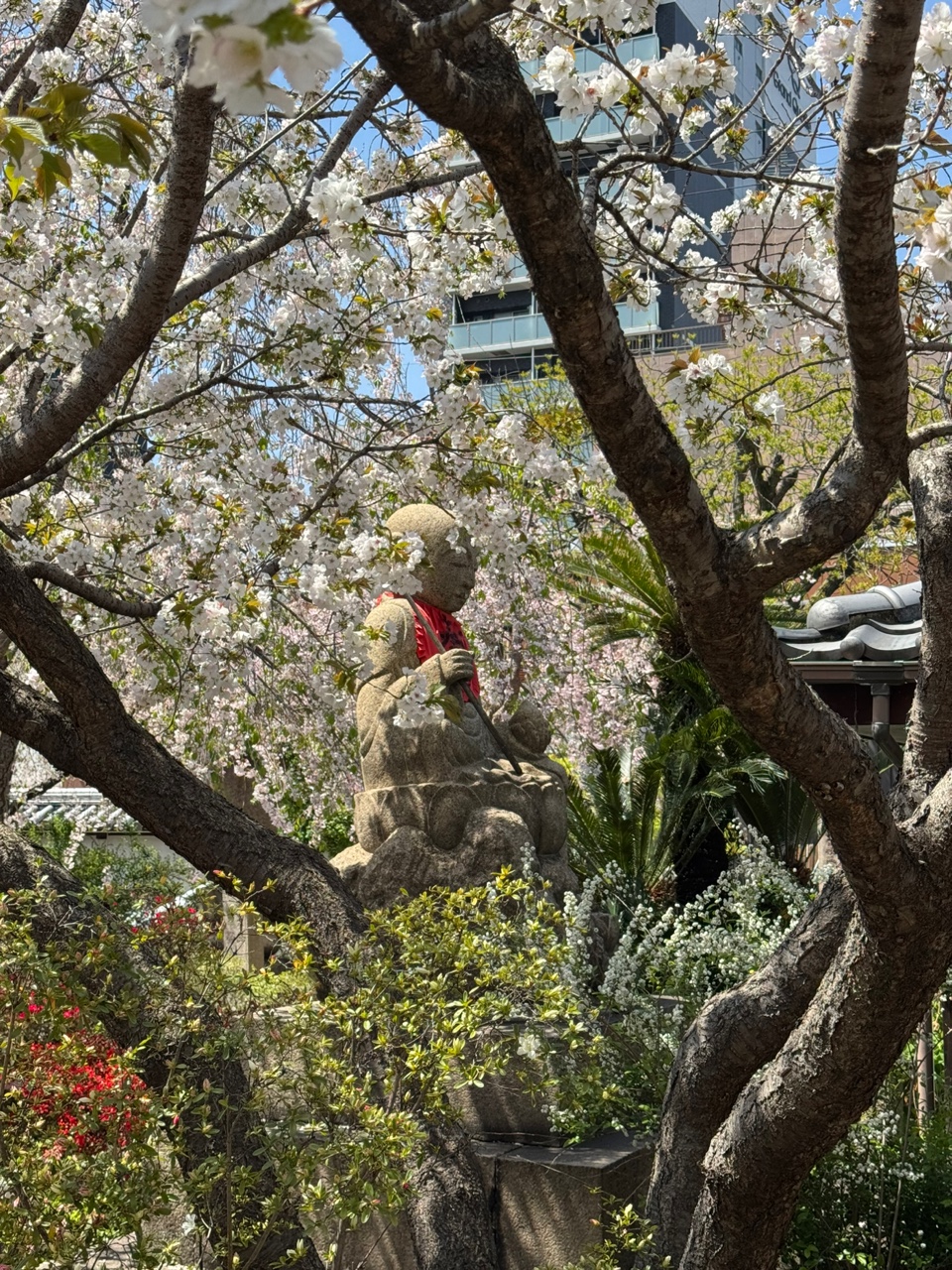
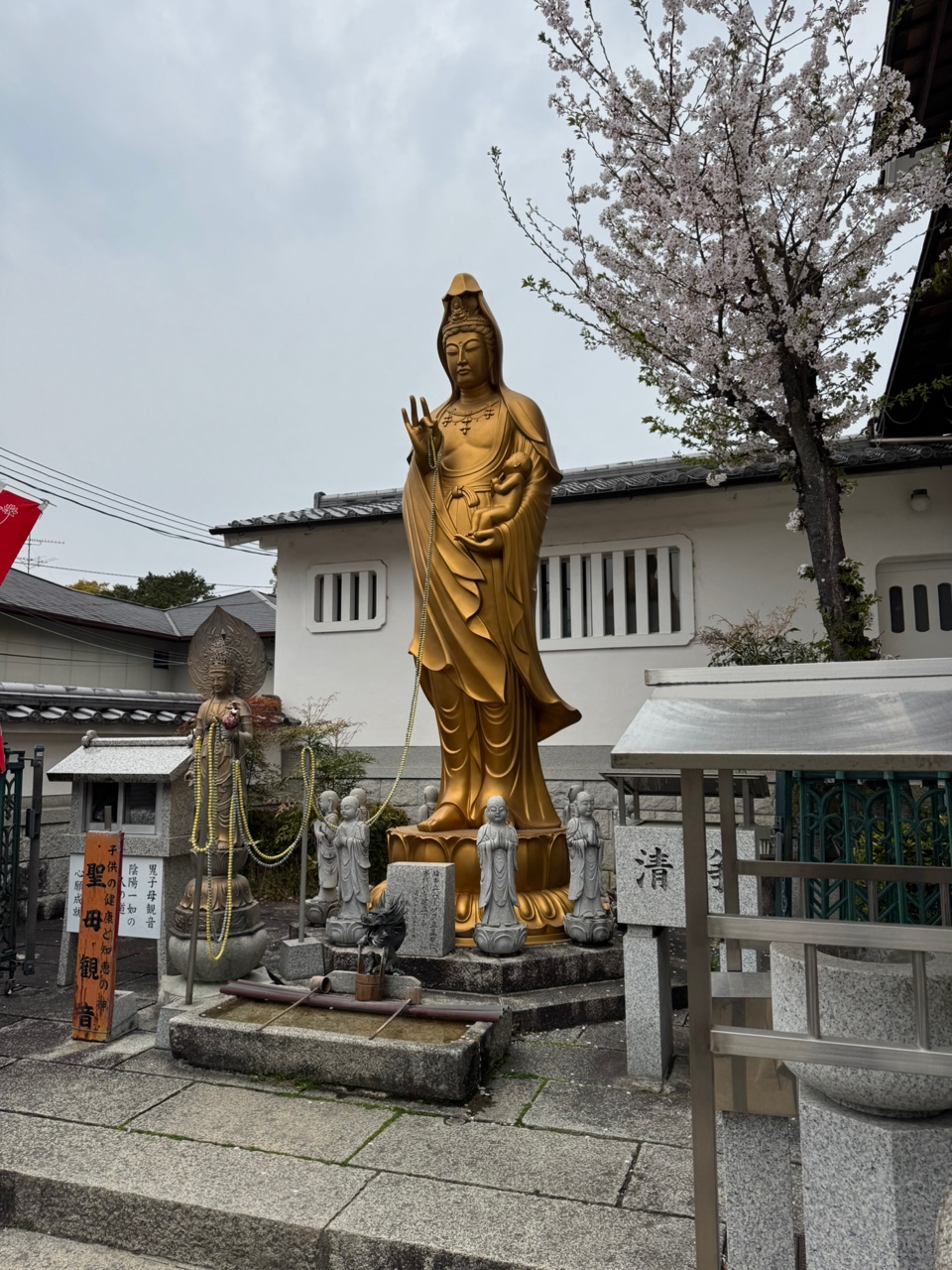
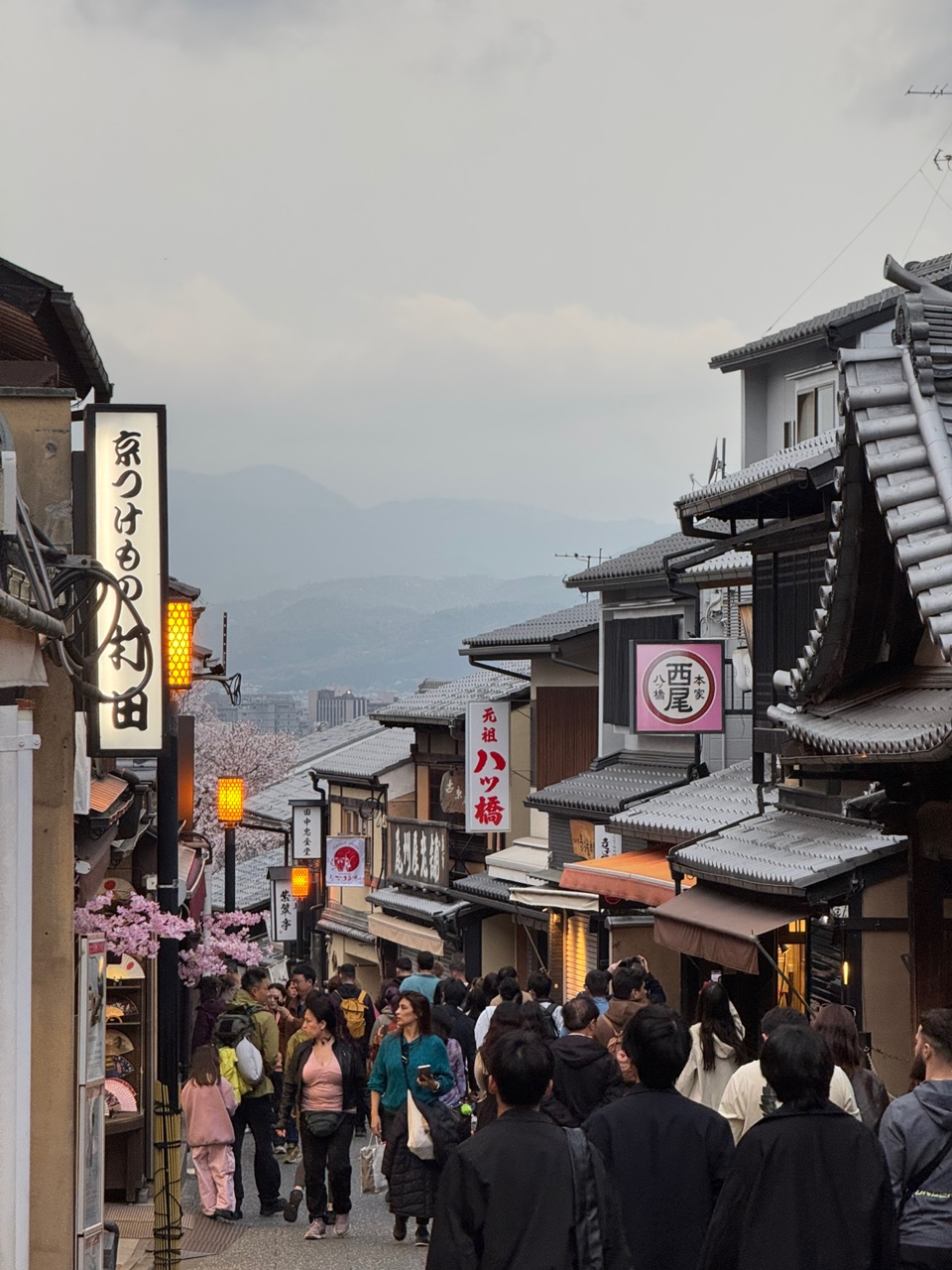
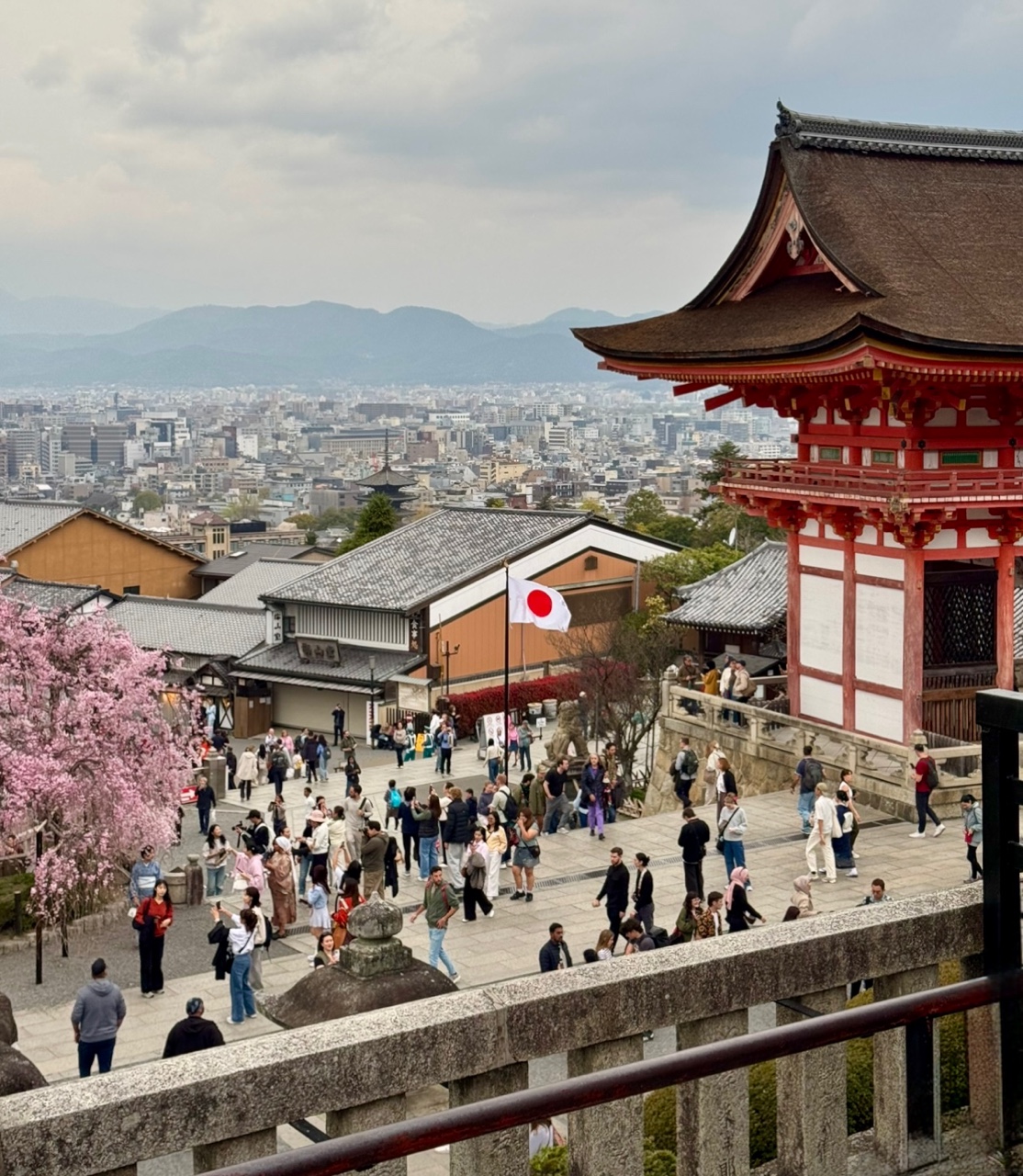
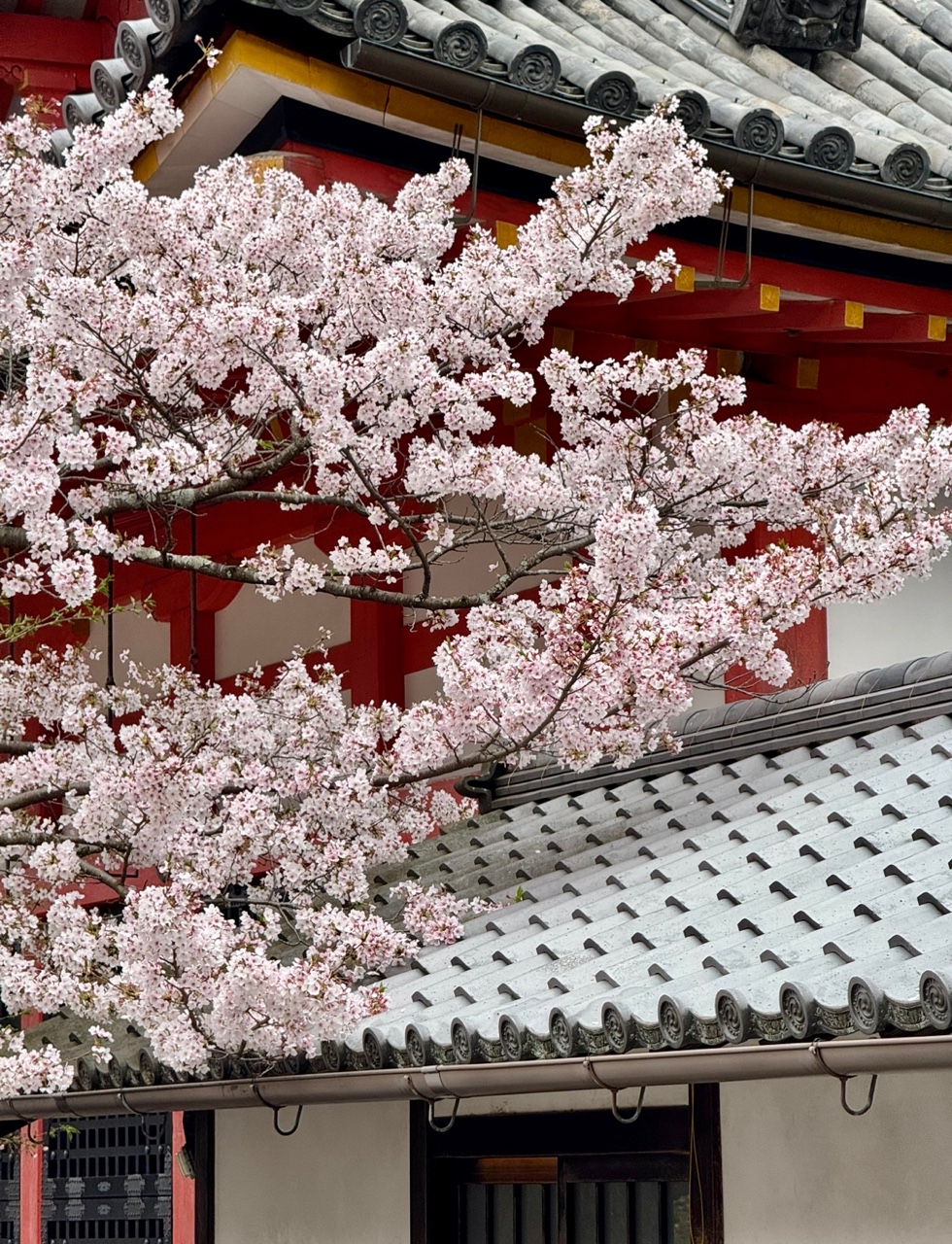
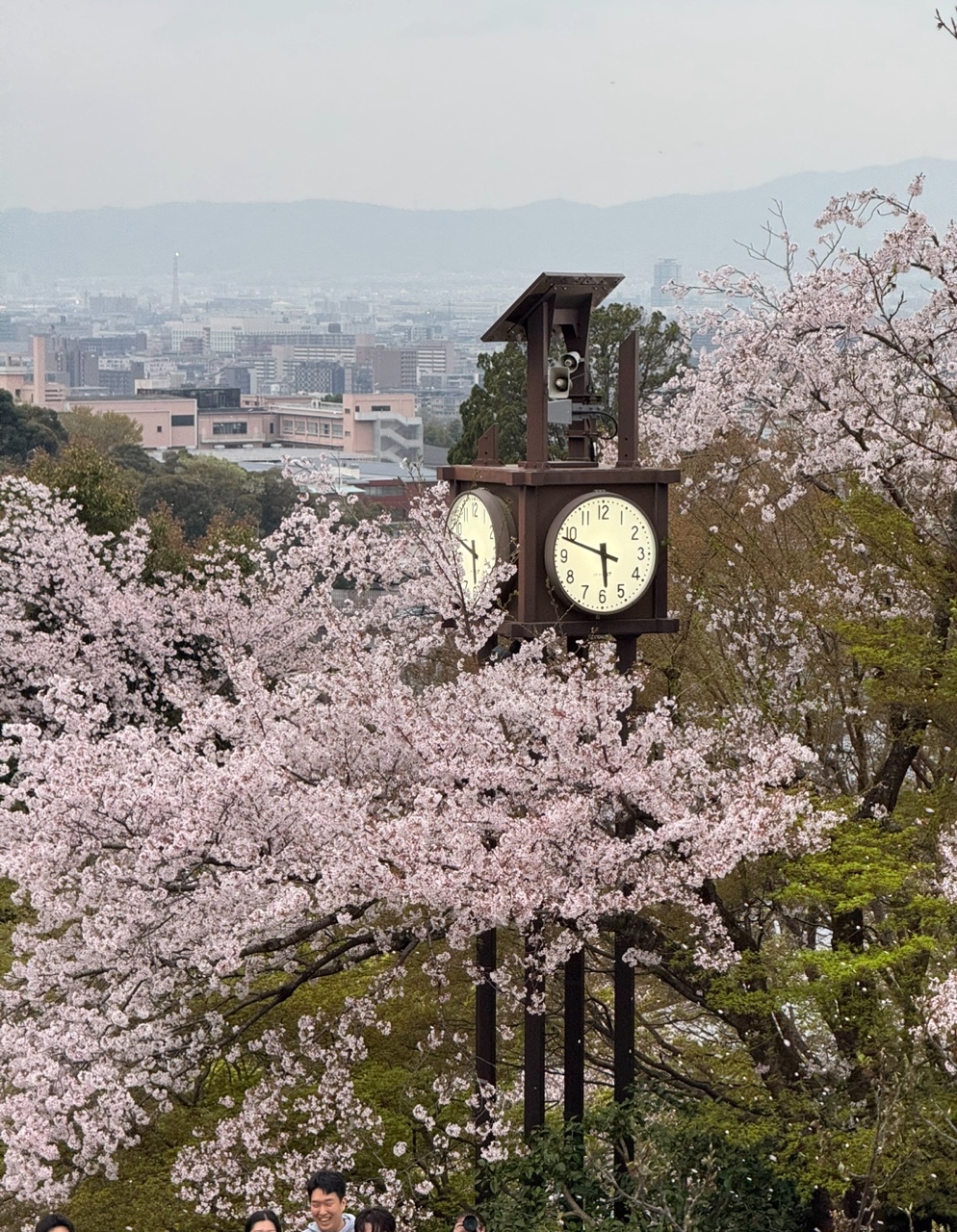
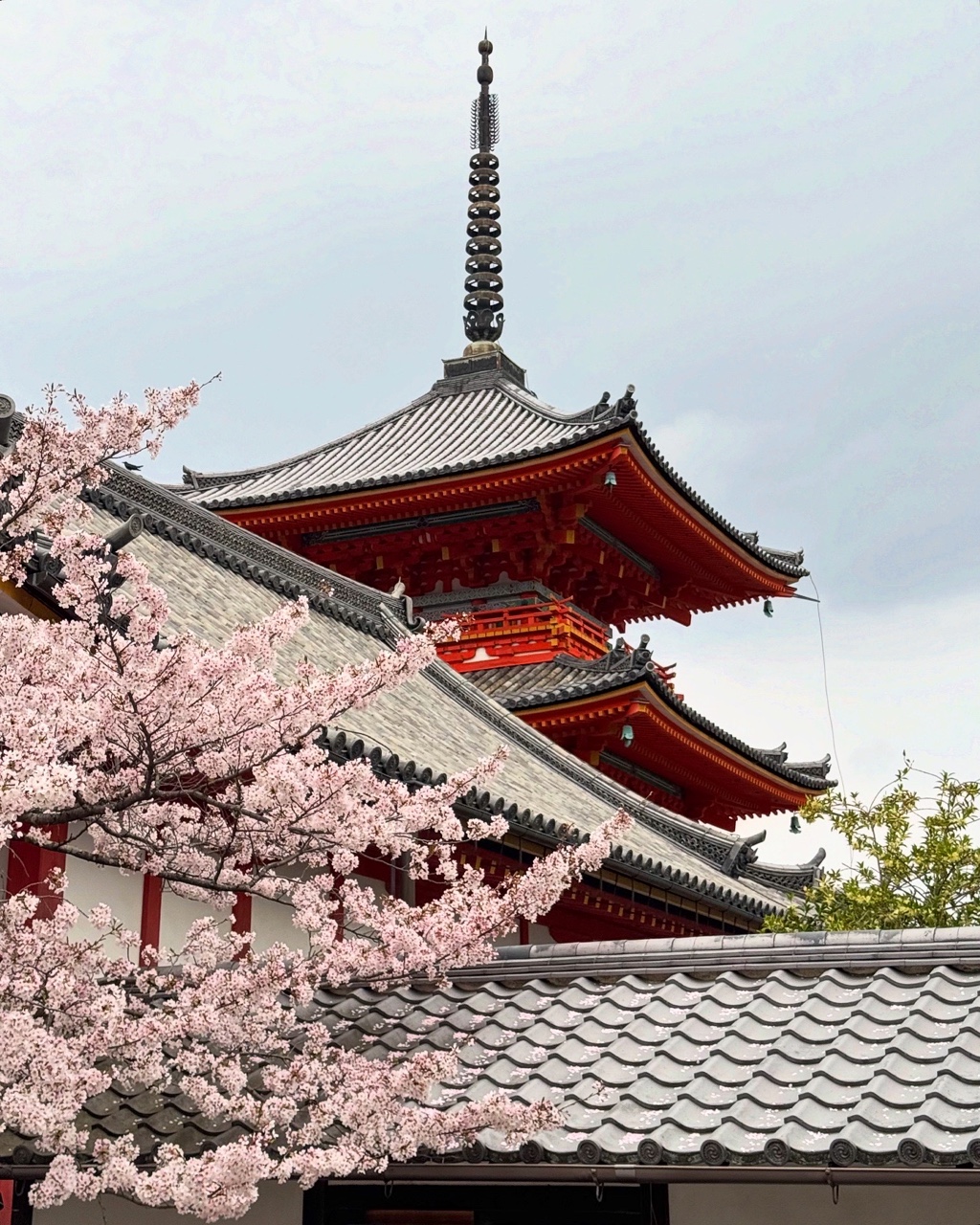
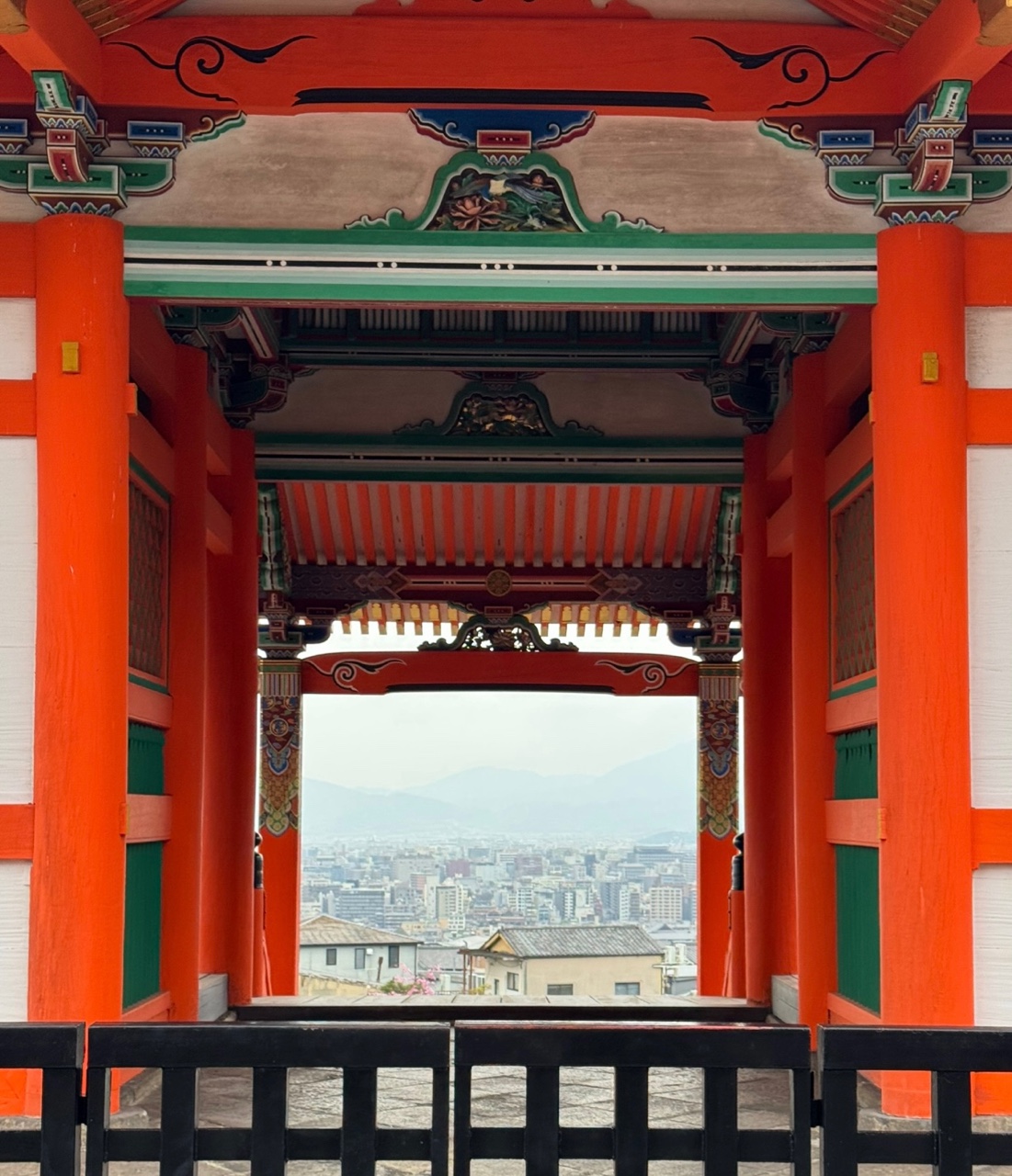
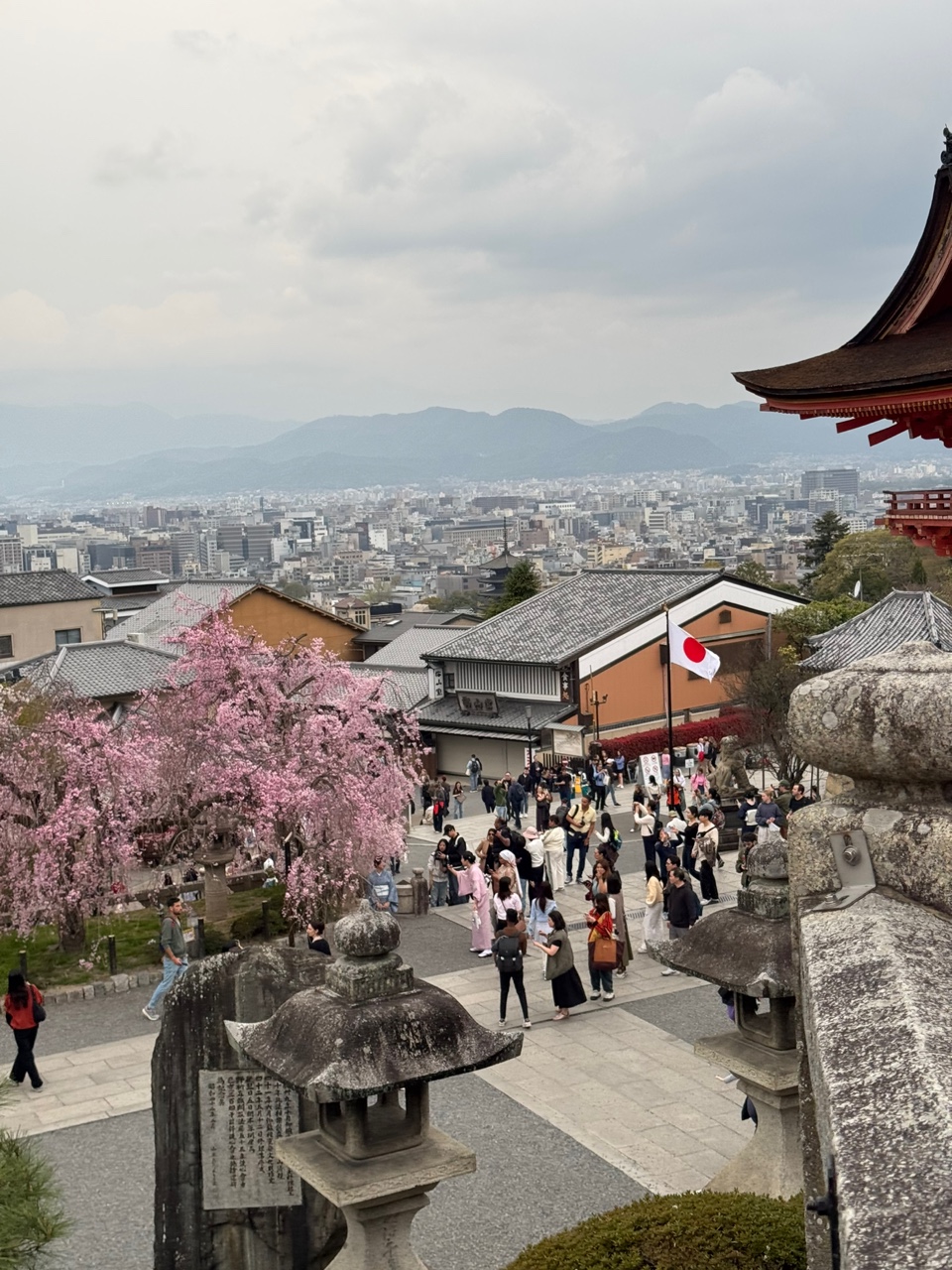
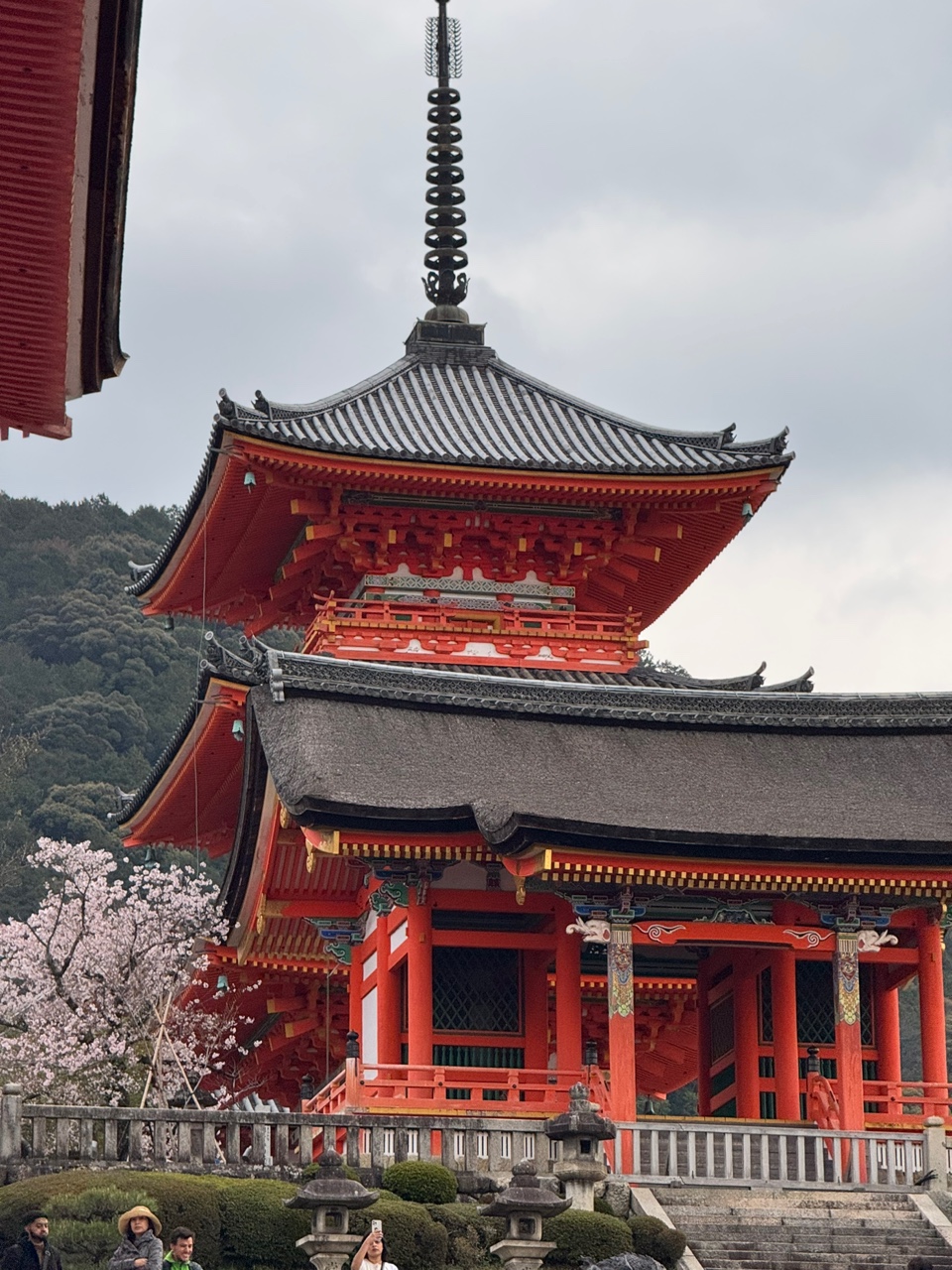
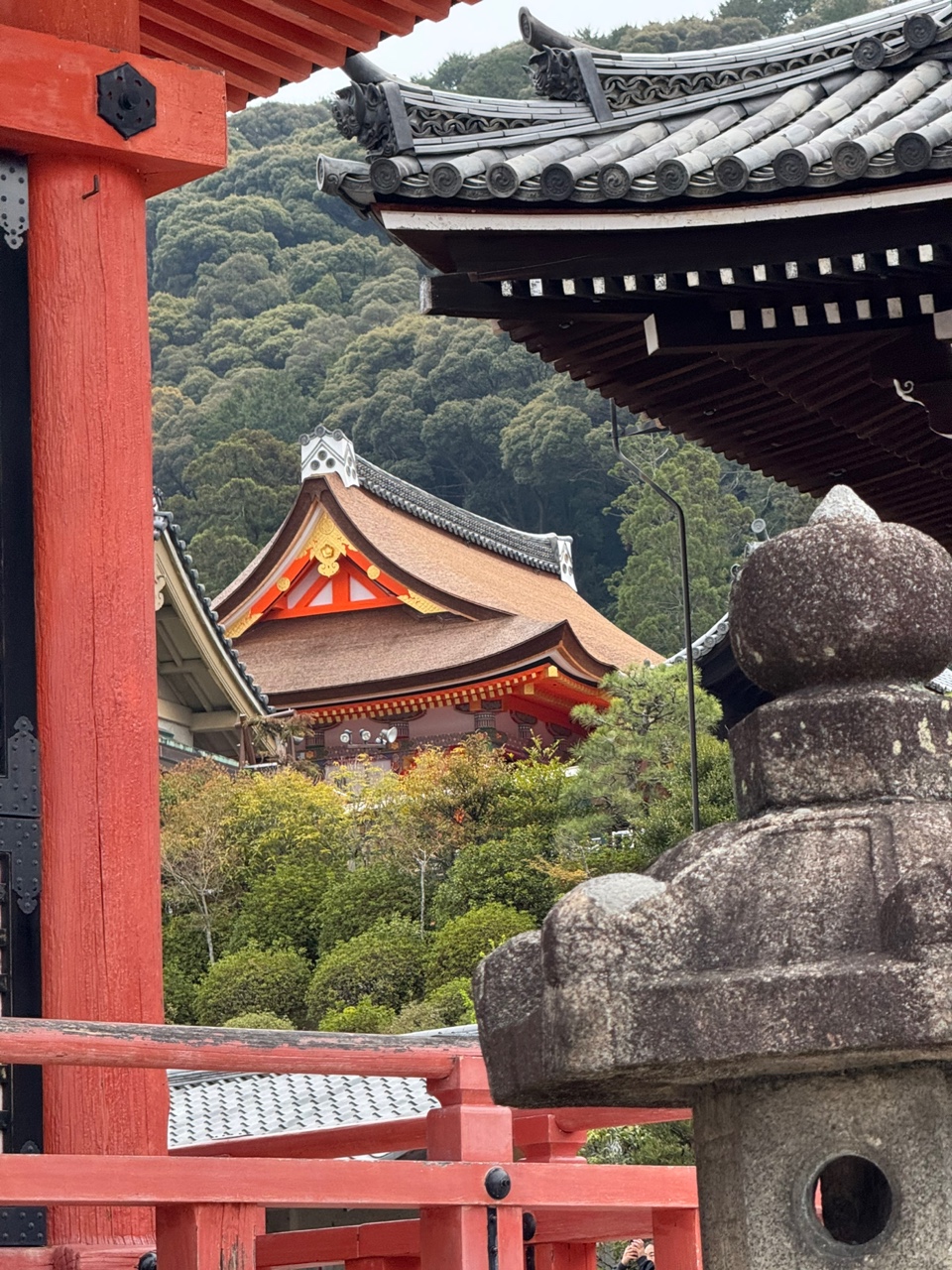
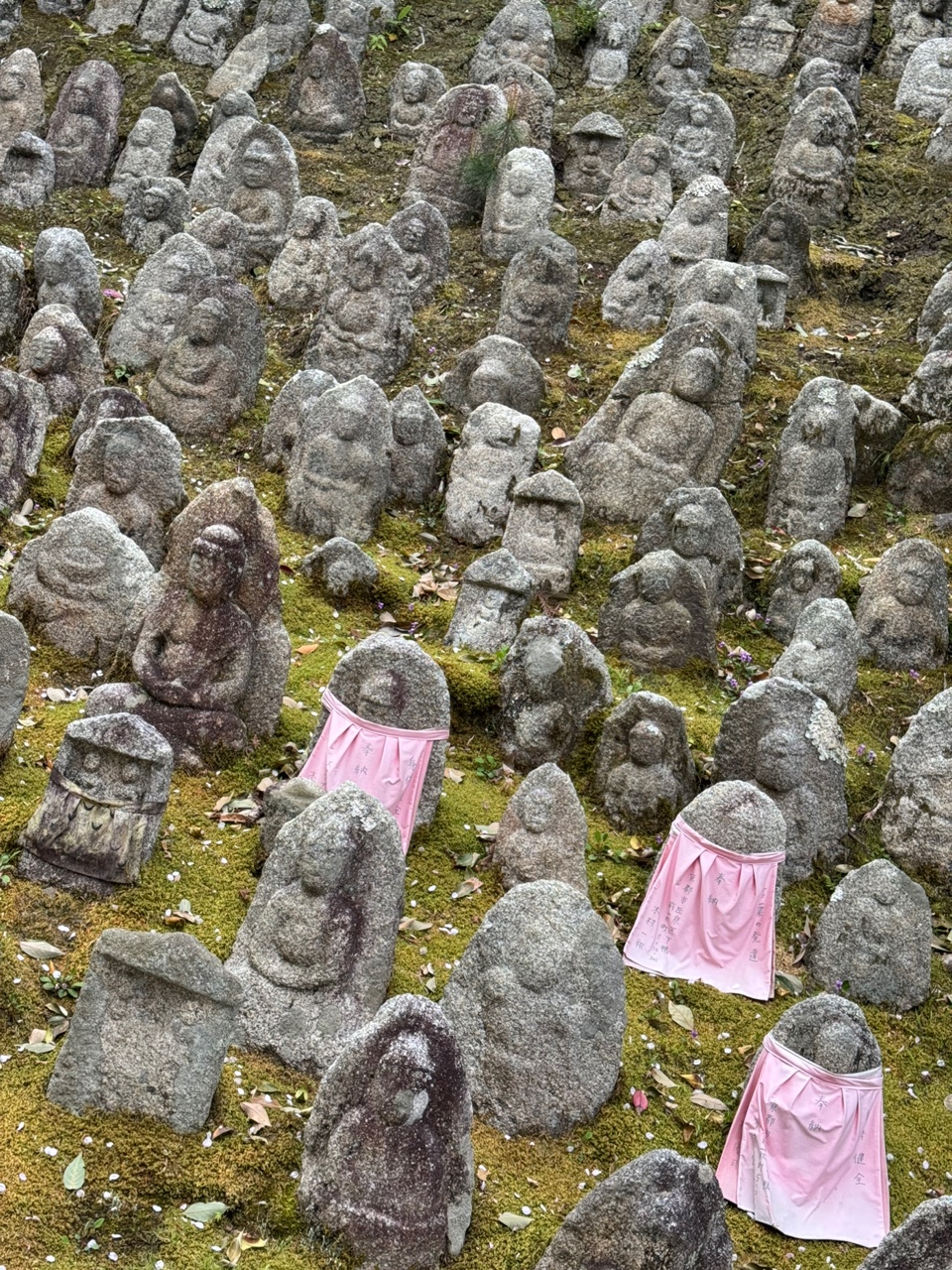
On our way, we caught a glimpse of the large Buddha statue at Rokuharamitsu-ji (六波羅蜜寺), but only from a distance, as we were hurrying toward Kiyomizu-dera (清水寺), the temple on the hill. Its gates close at 6 PM, and we were determined to make it in time. Along the way, we learned something touching: the small stone statues dressed in red scarves are called Jizō (地蔵), protectors of children, especially those who have passed away. It was both moving and meaningful to discover this tradition amidst such a beautiful setting.
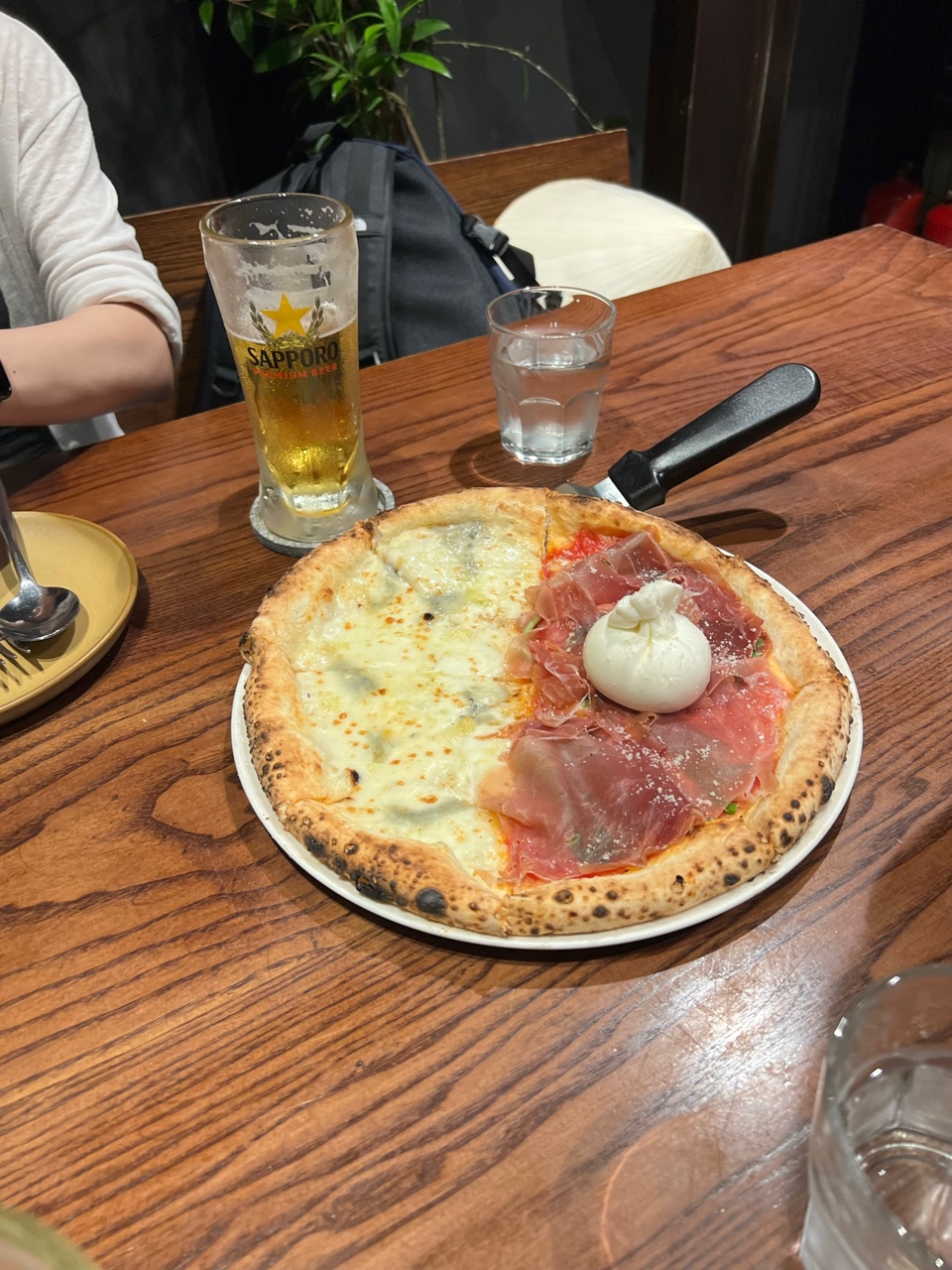
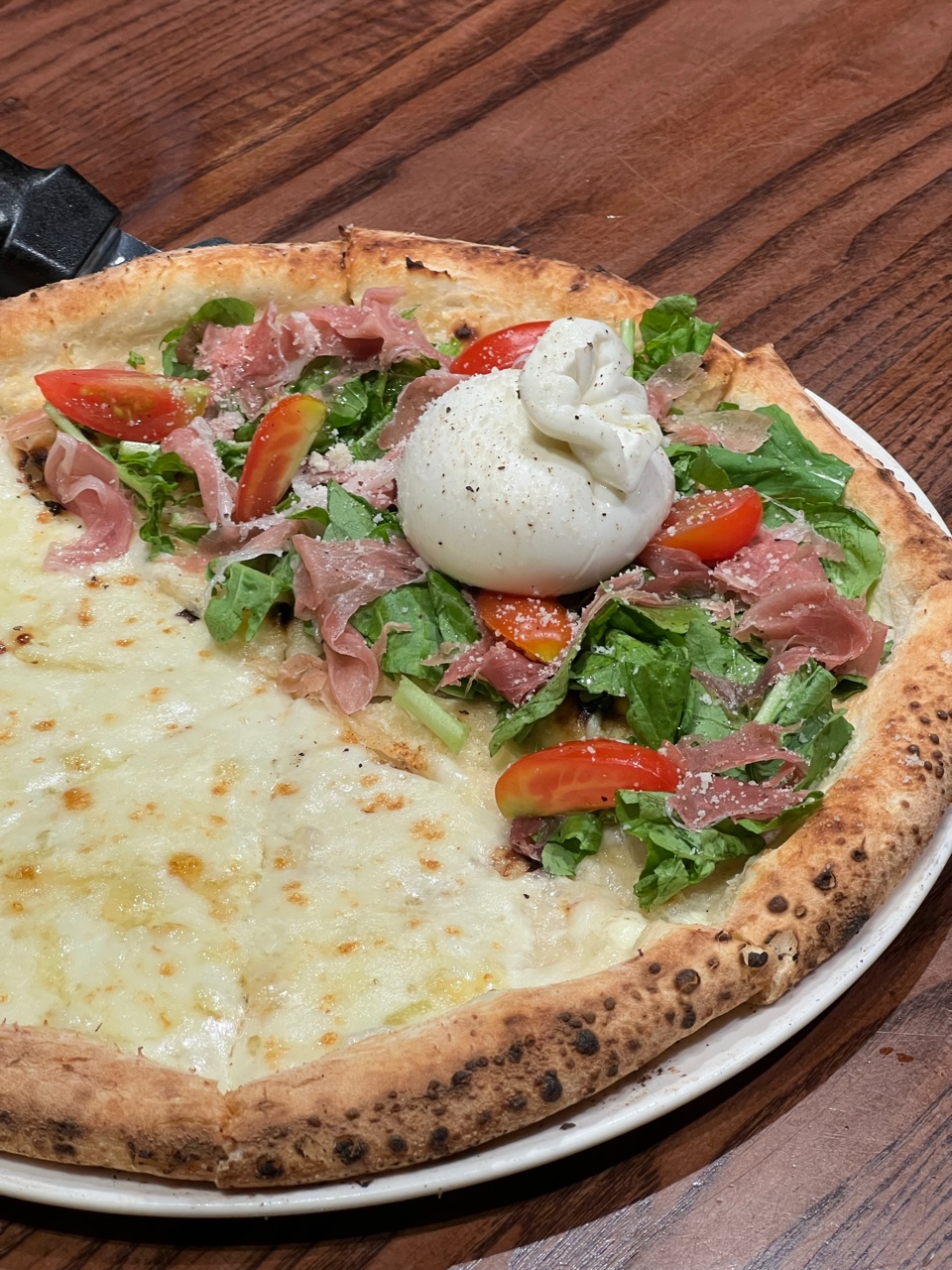
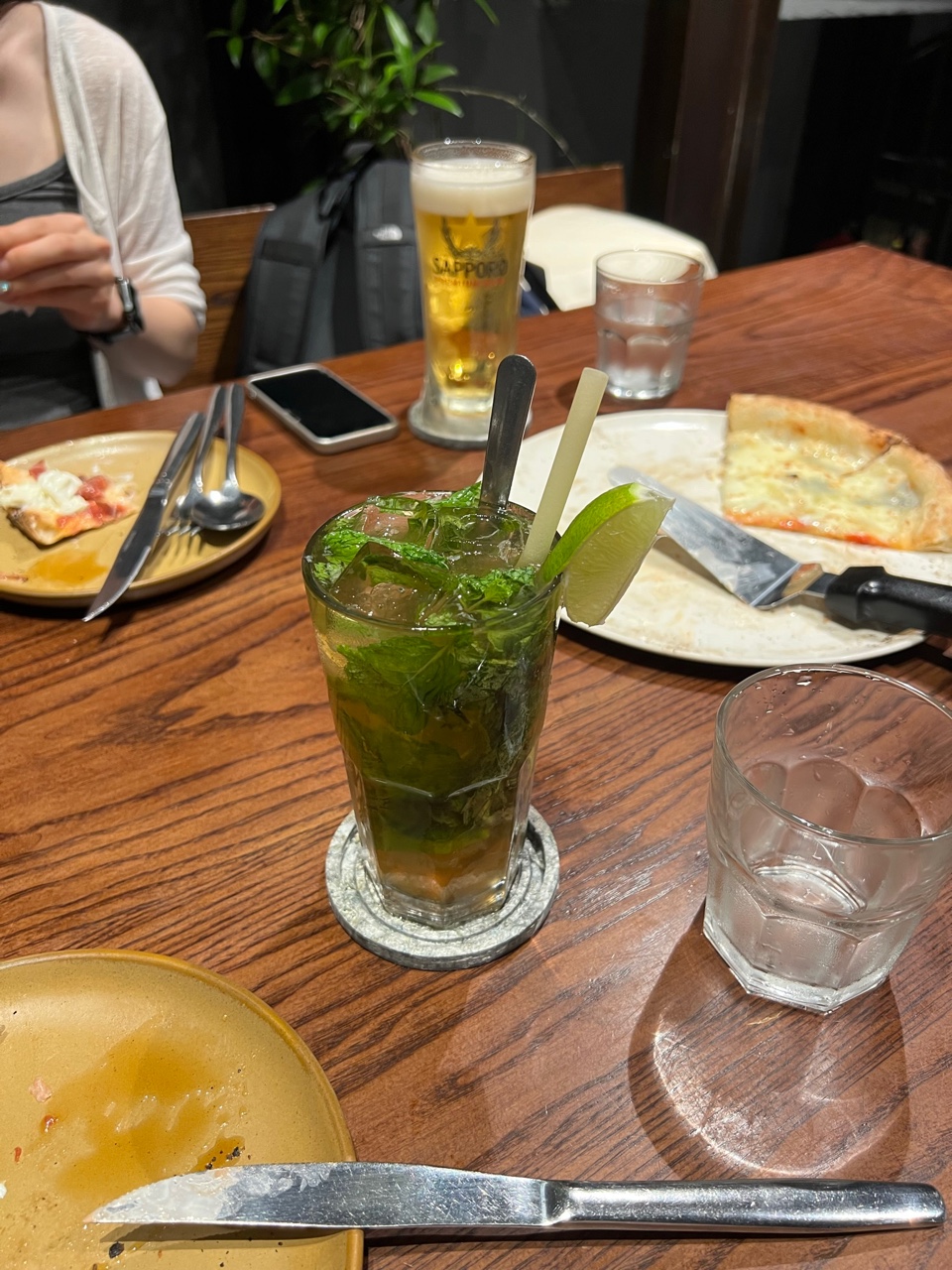
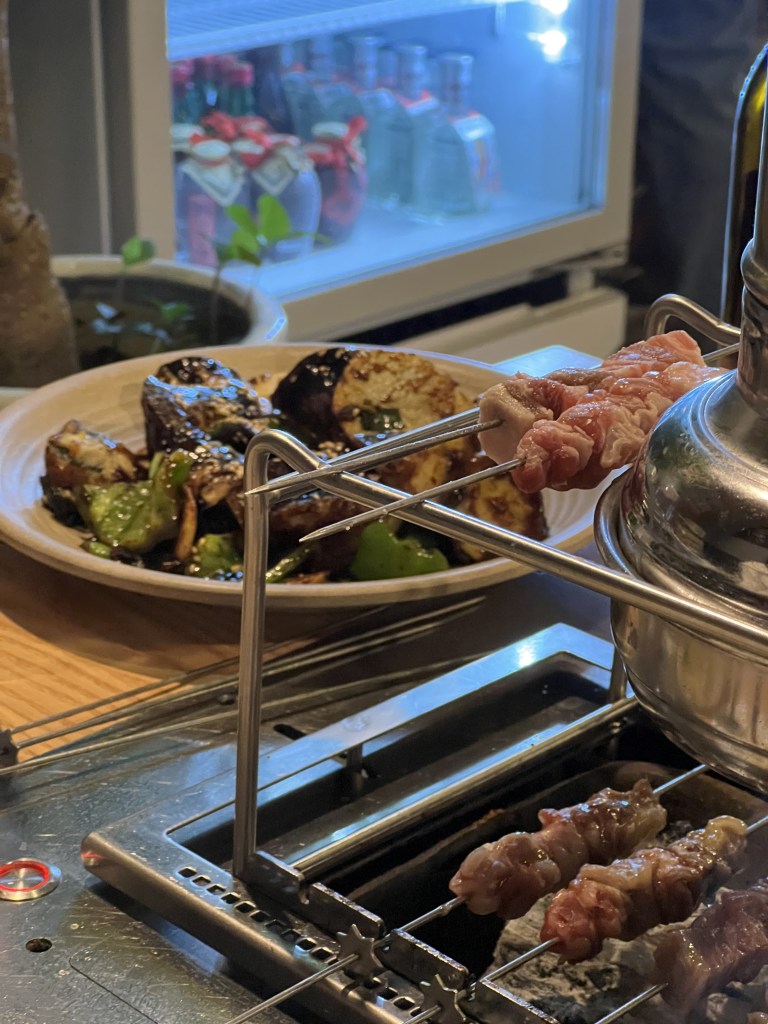
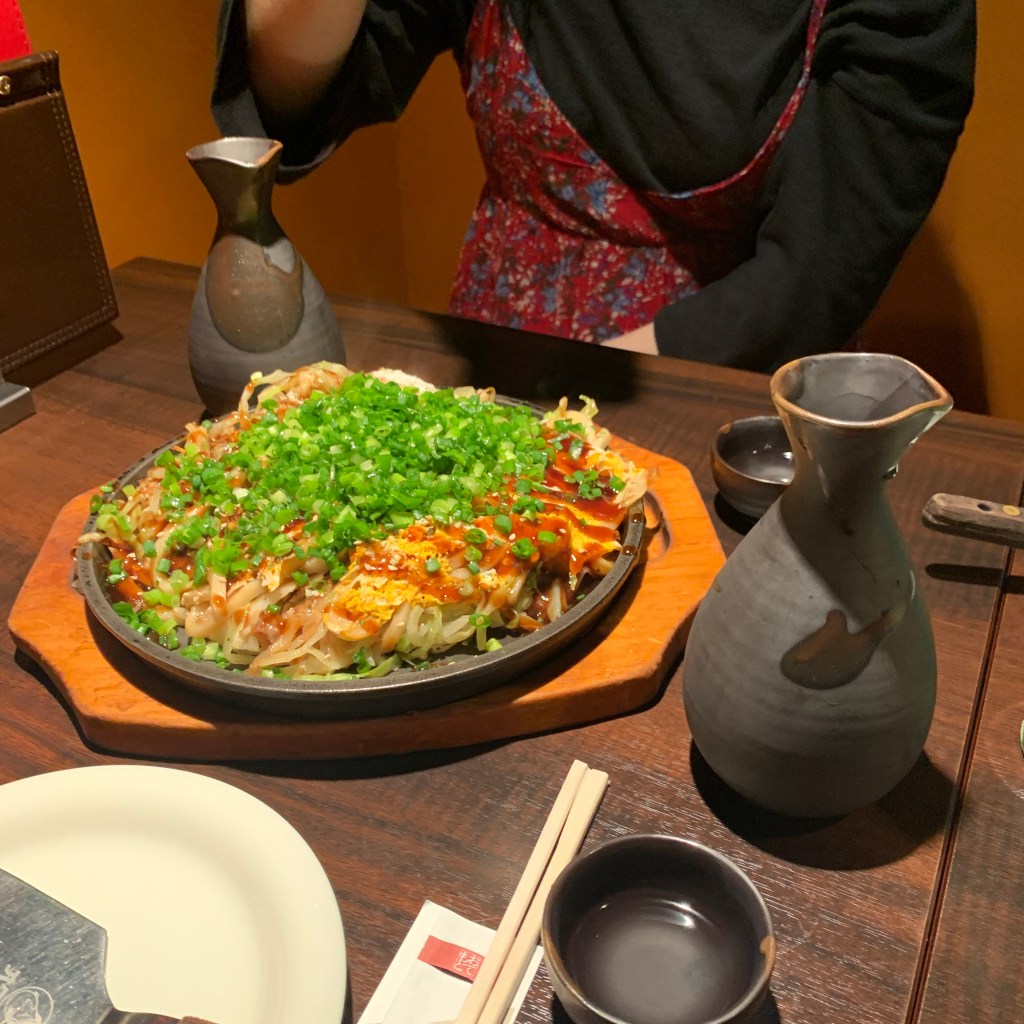
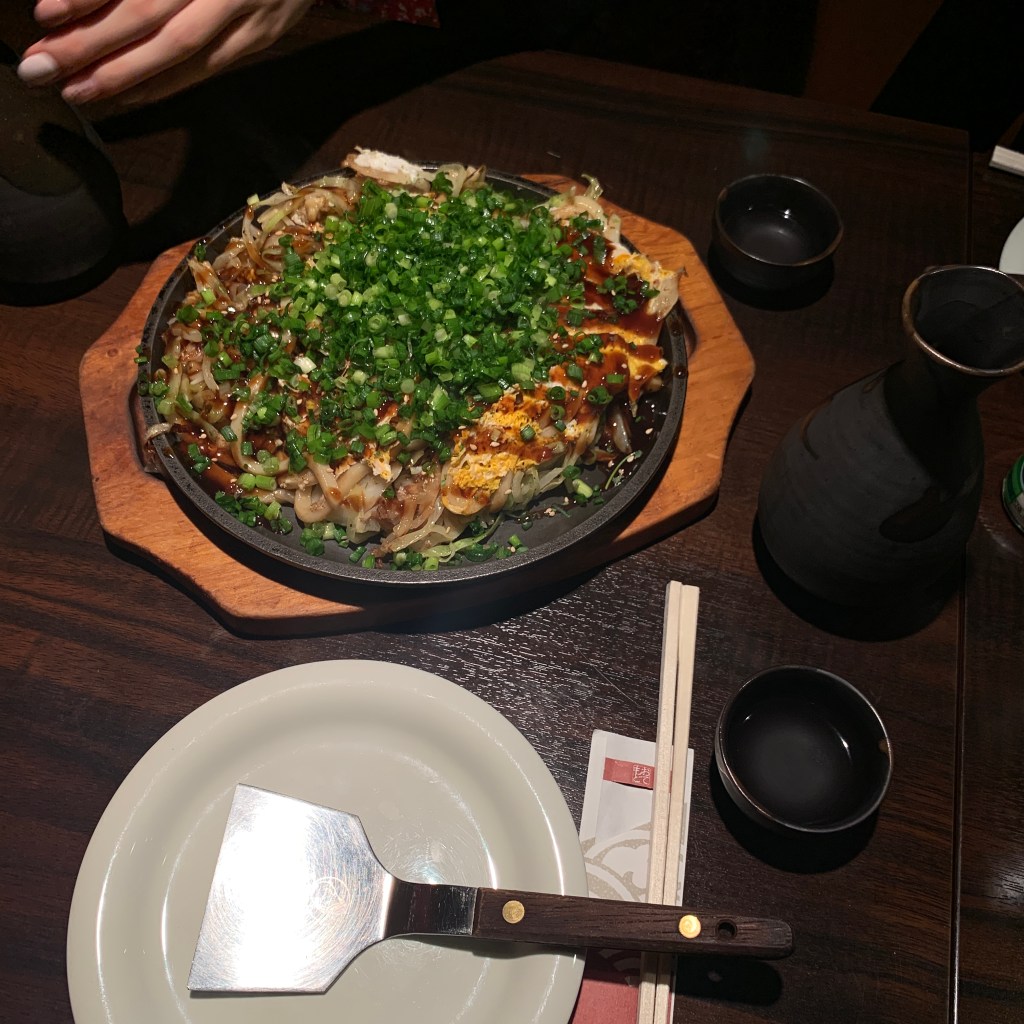
After our dreamy stroll through Gion (祇園), we headed off in search of dinner. We finally sat down for a meal—and it was absolutely incredible. The rain was pouring down, and it took us quite a while to find a spot. I have to admit, in moments like these, I often feel a bit shy about searching for a restaurant, especially when everything is packed. But, as fate would have it, we ended up in a hidden gem that served an unforgettable dinner.
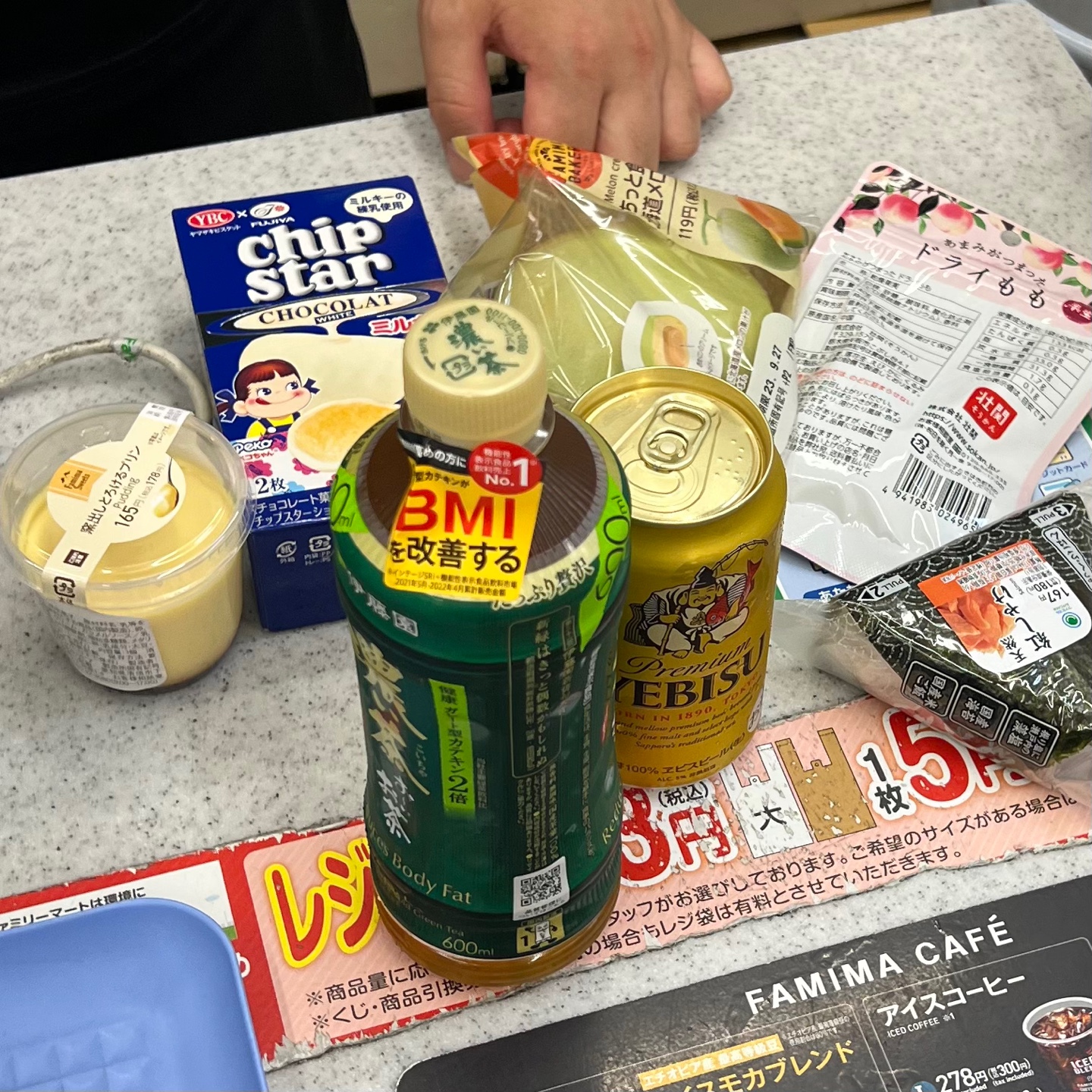
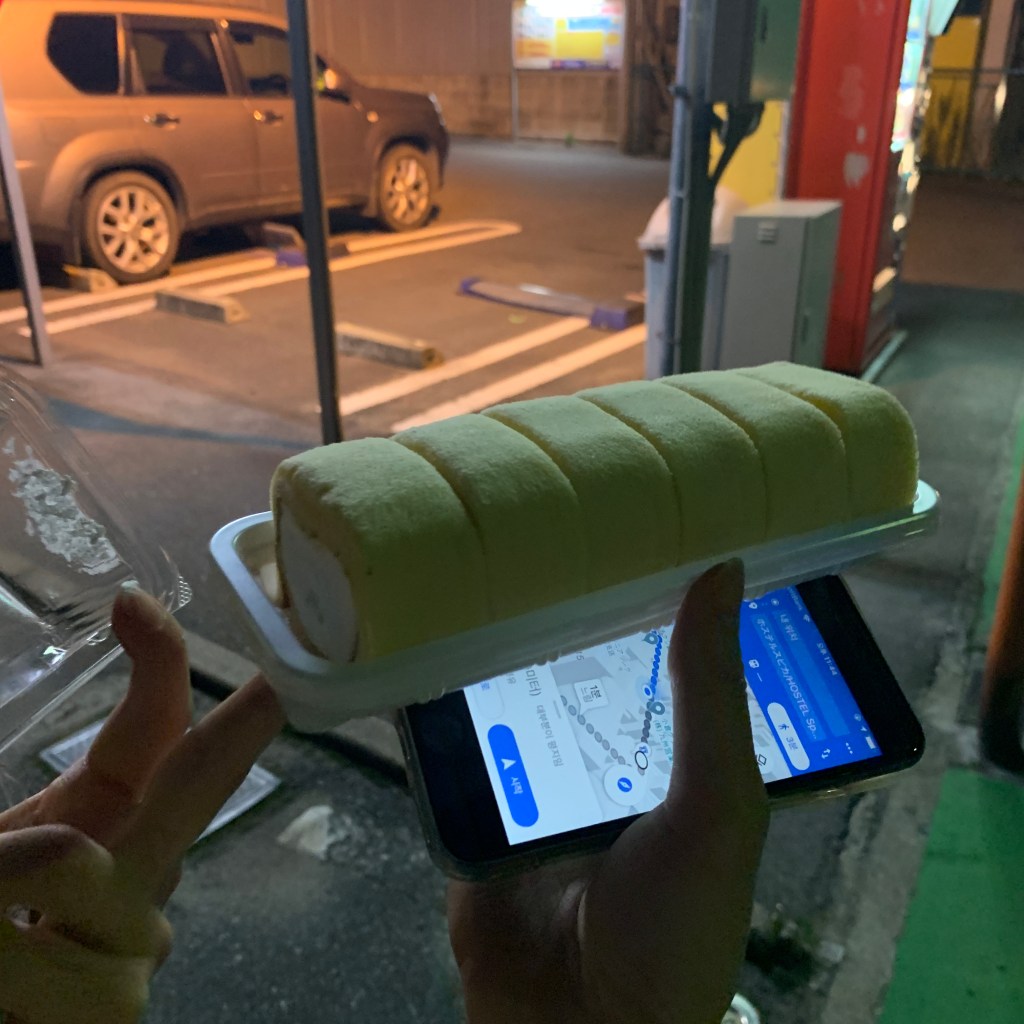
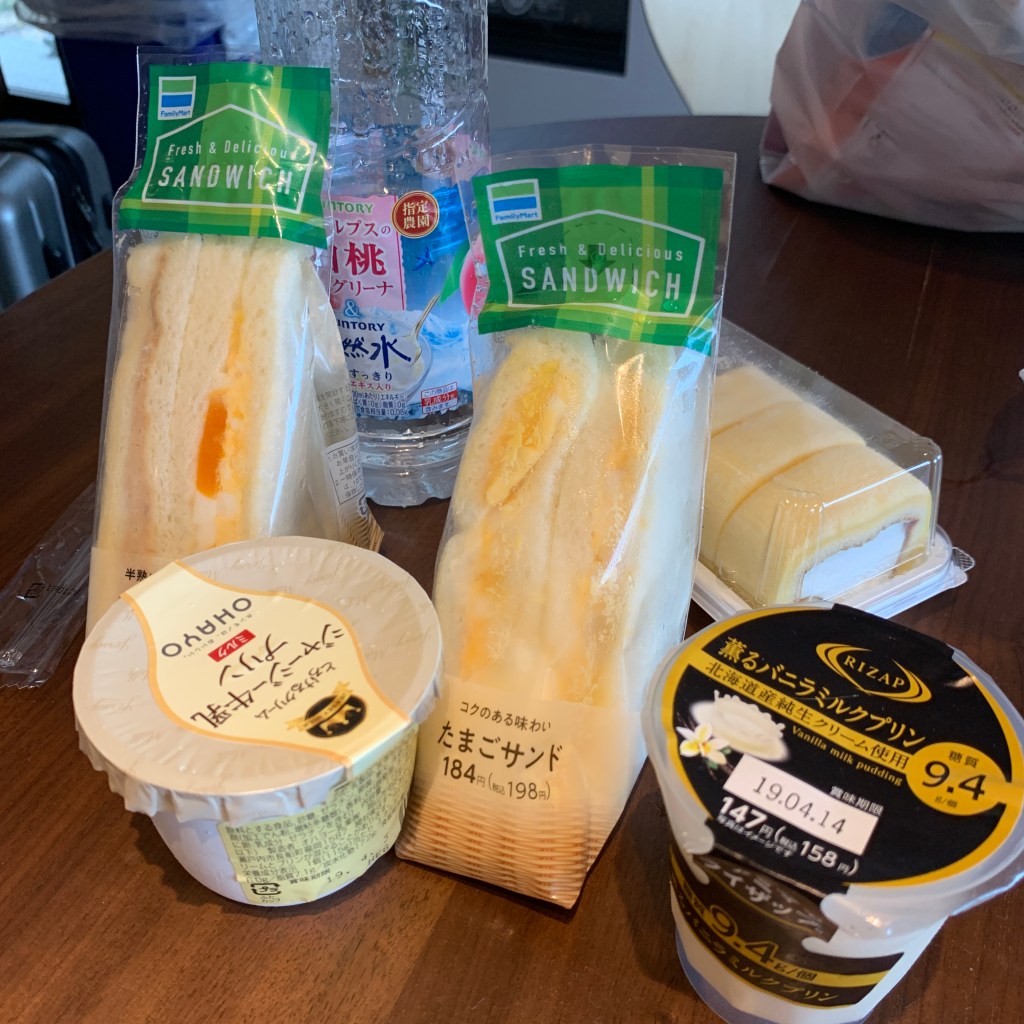
Back at our traditional-style Airbnb, we enjoyed the cozy low table and floor cushions (zabuton 座布団) with some convenience store (konbini コンビニ) ice cream—a perfect, quiet way to end the evening.
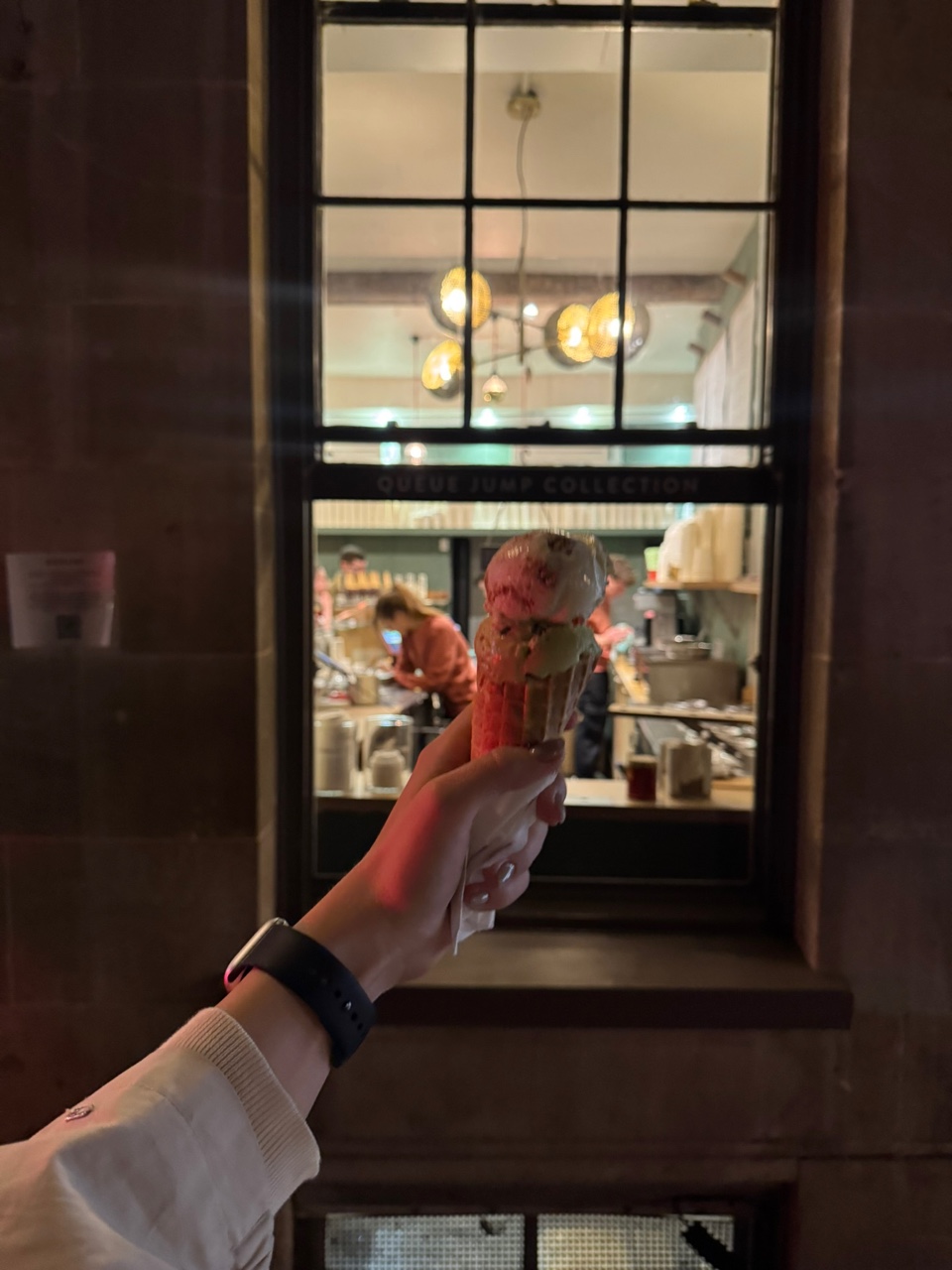
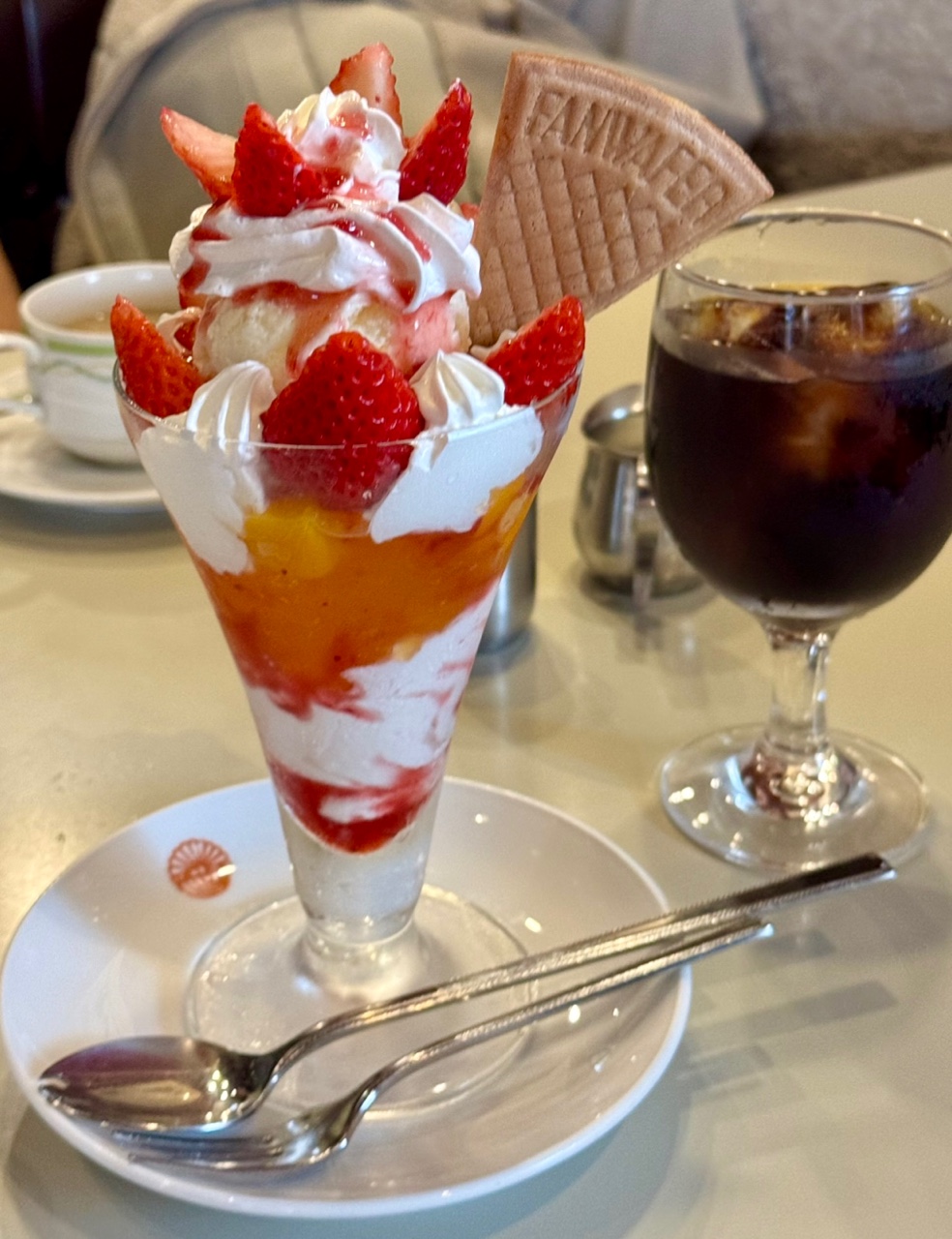
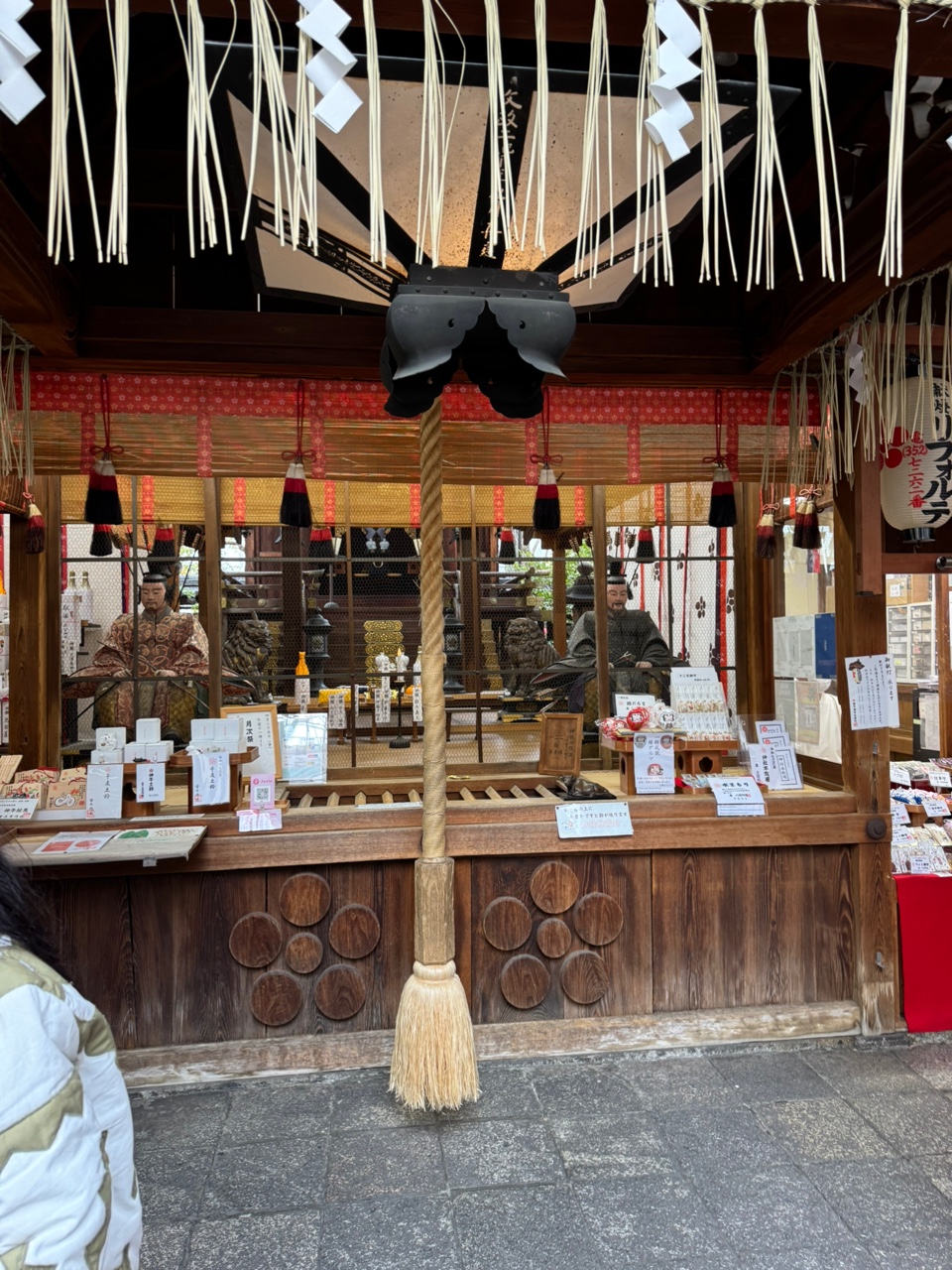
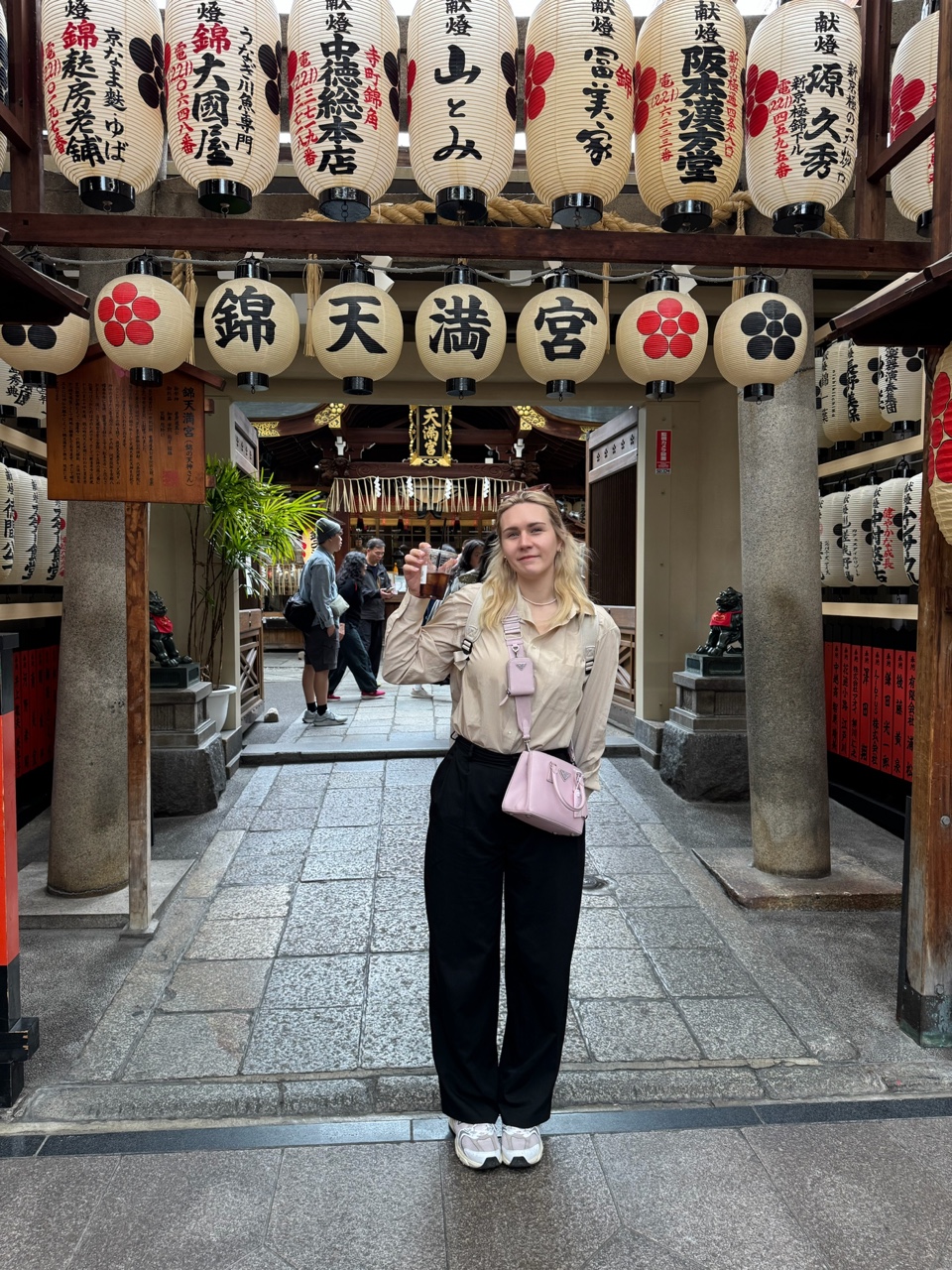
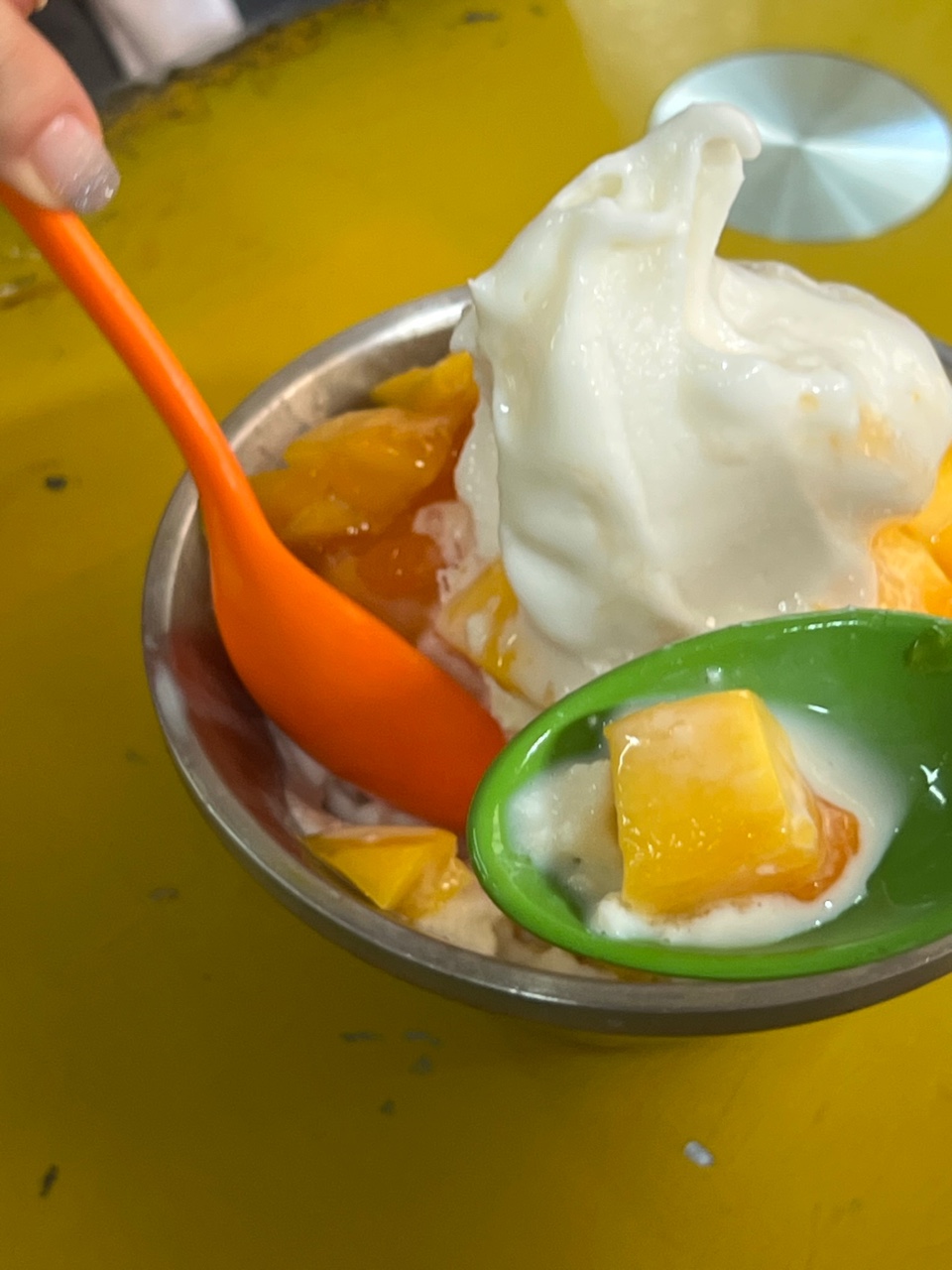
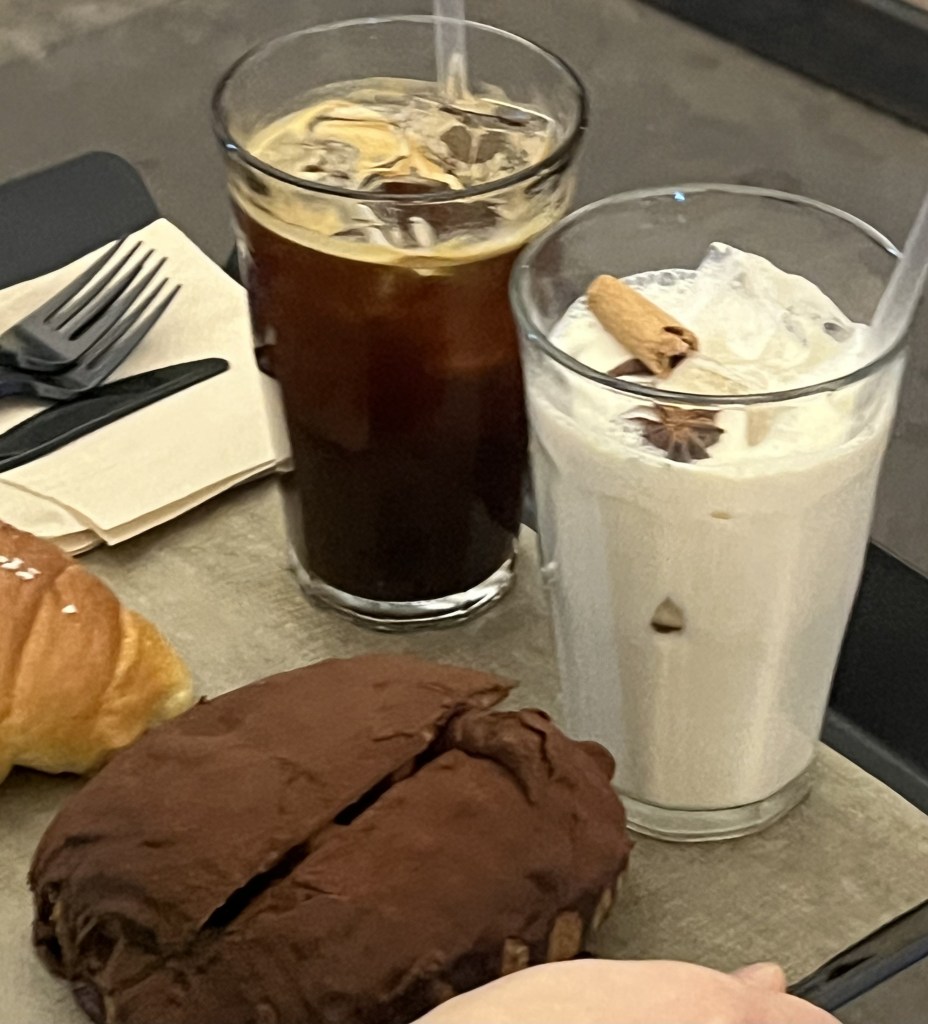
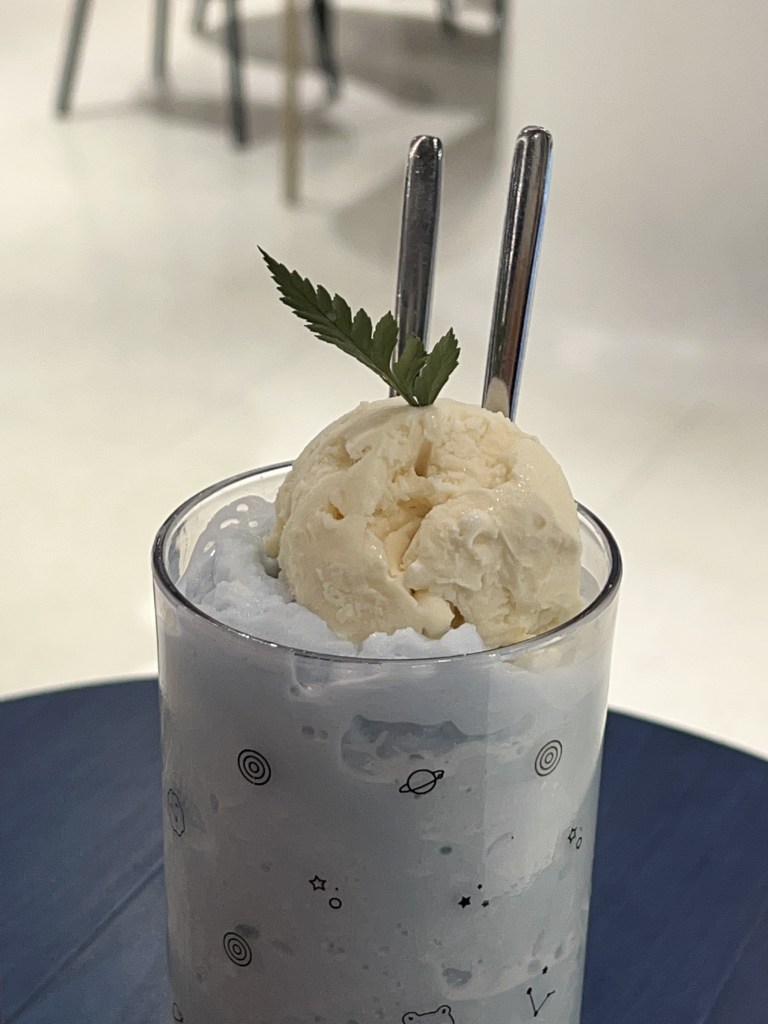
The next morning, our to-do list was still full of Kyoto magic. We kicked off the day in a unique café that served ice cream for breakfast (yes, really!). The place had white tablecloths, polished service, and all the waiters wore white gloves—it felt like stepping into a retro film set. Super cool! Afterward some more coffee! Then we strolled through Nishiki Market (錦市場), a bustling covered arcade filled with local delicacies, snacks, and souvenirs. We even saw a shrine built direct in the middle of it. From there, we made our way toward Nijō Castle (二条城, Nijō-jō), one of Kyoto’s most important historical landmarks.
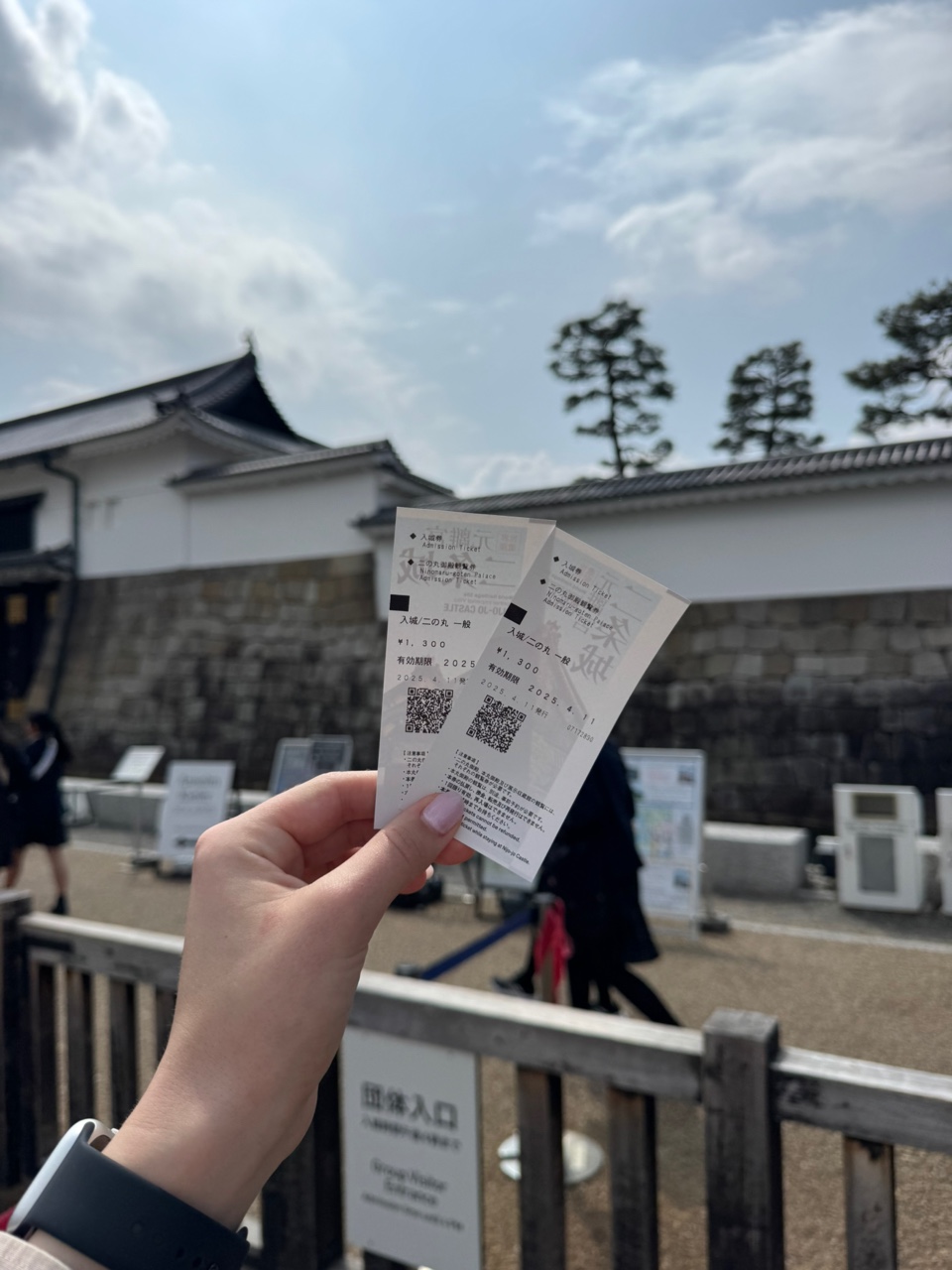
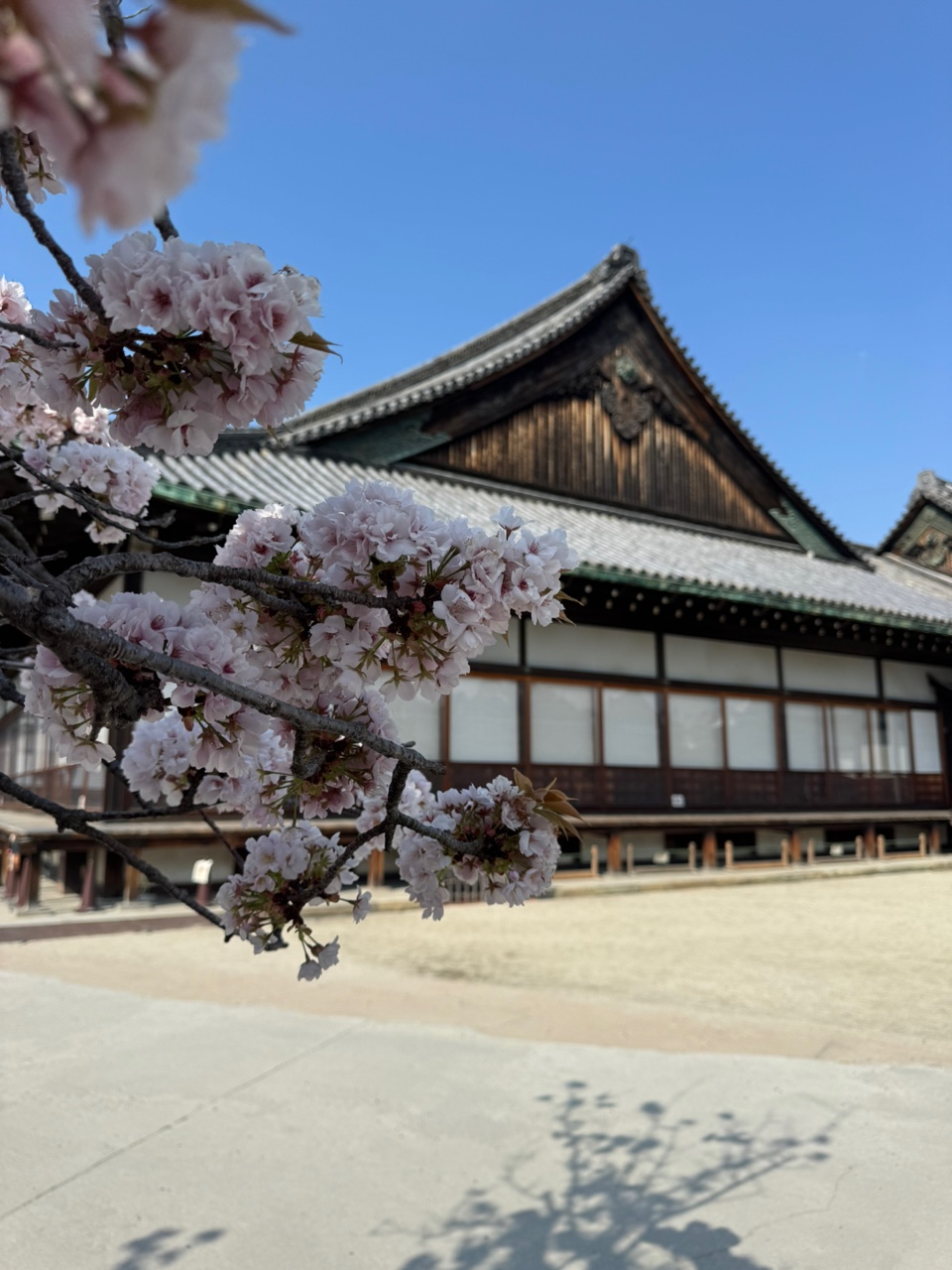
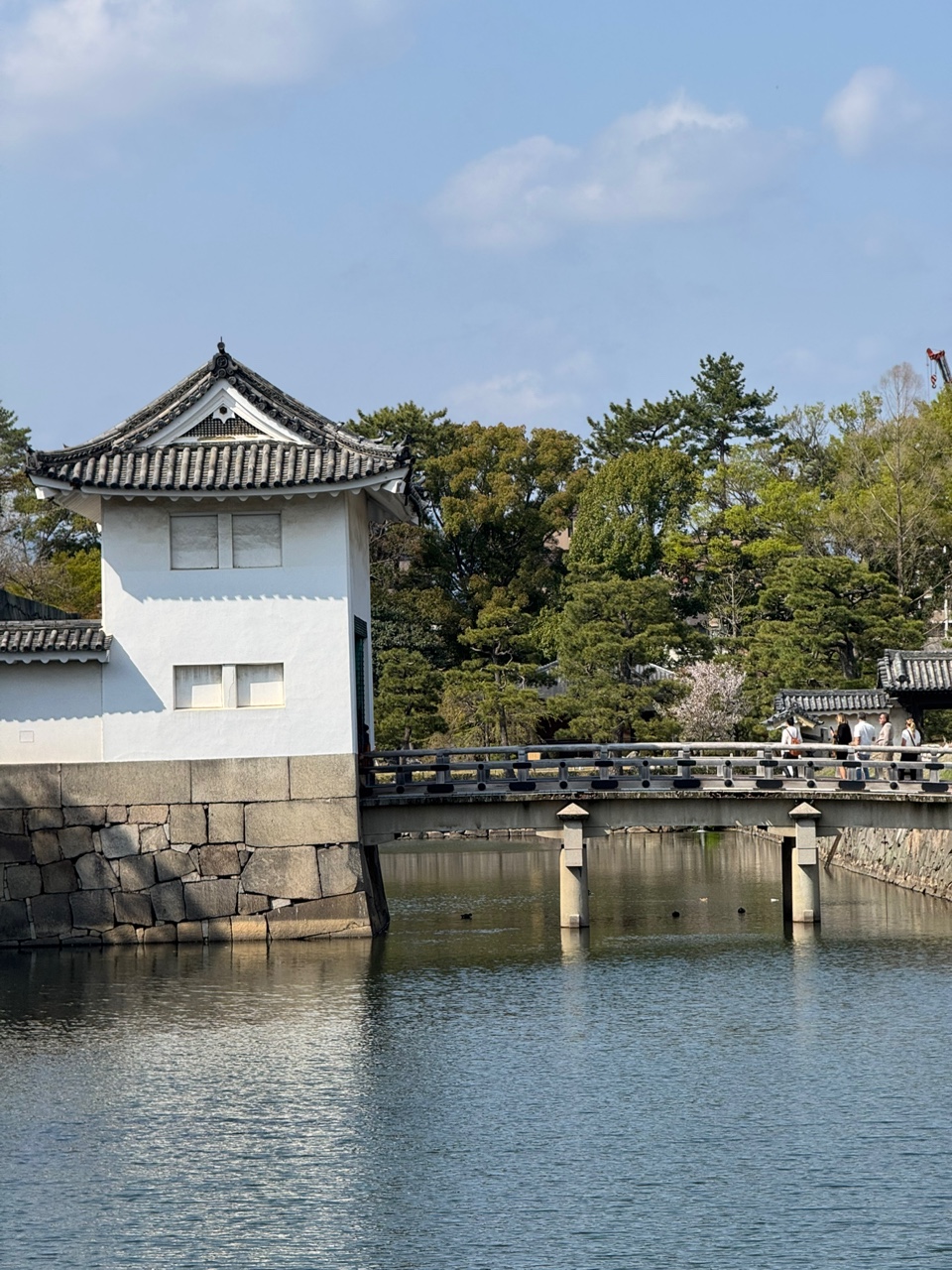
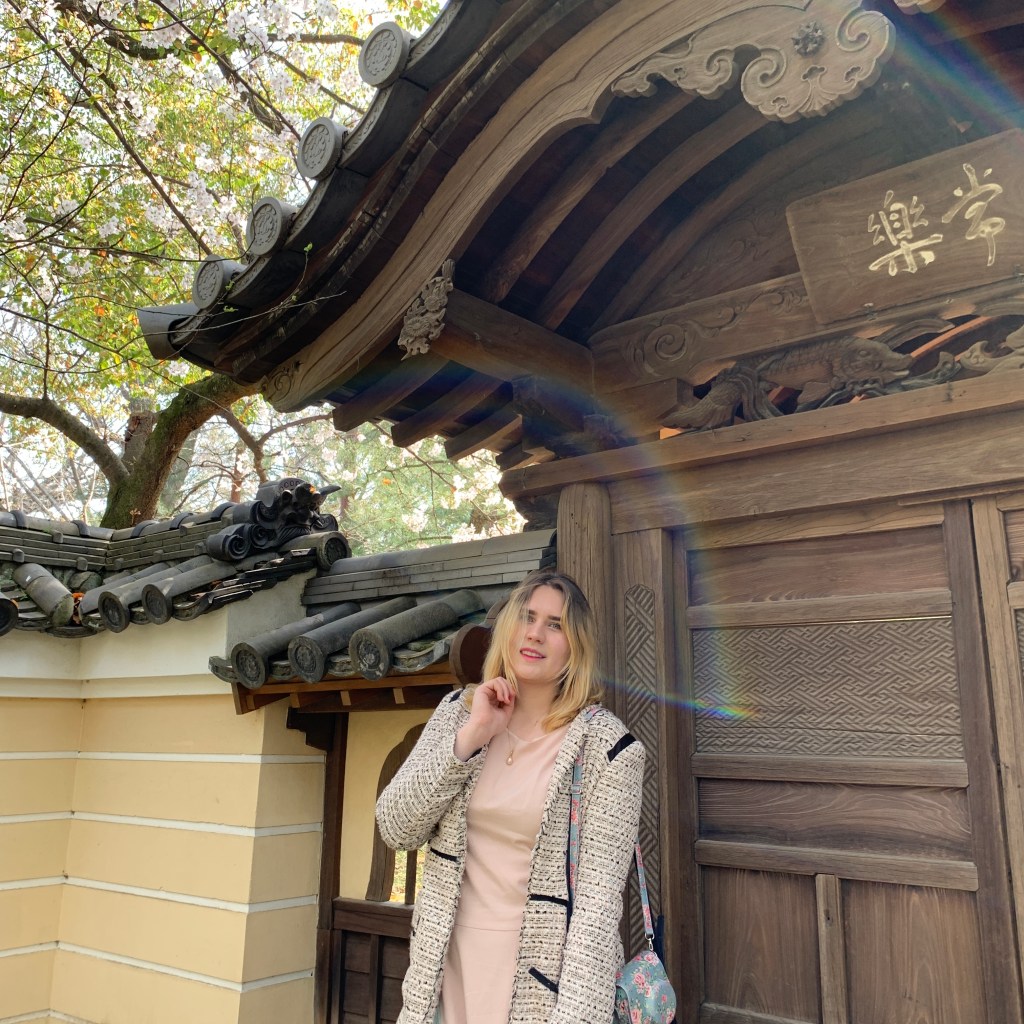
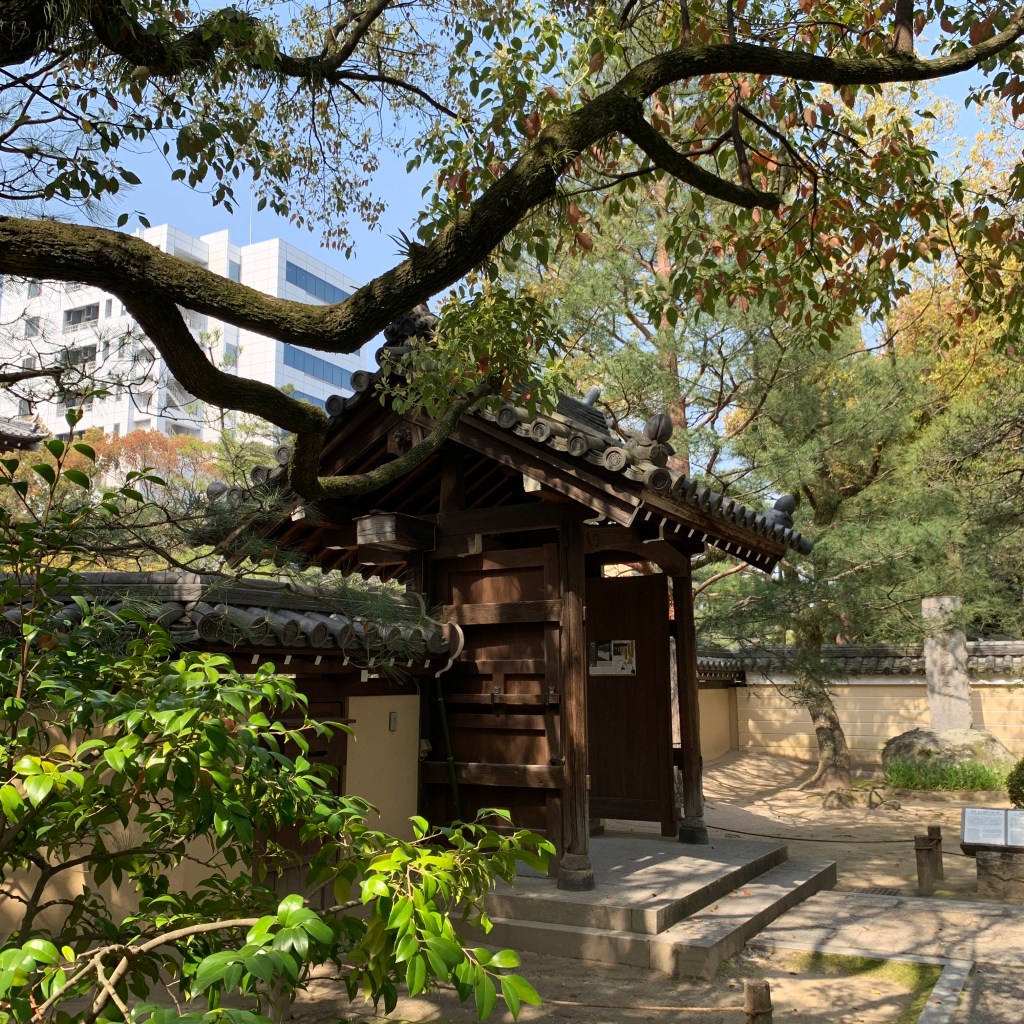
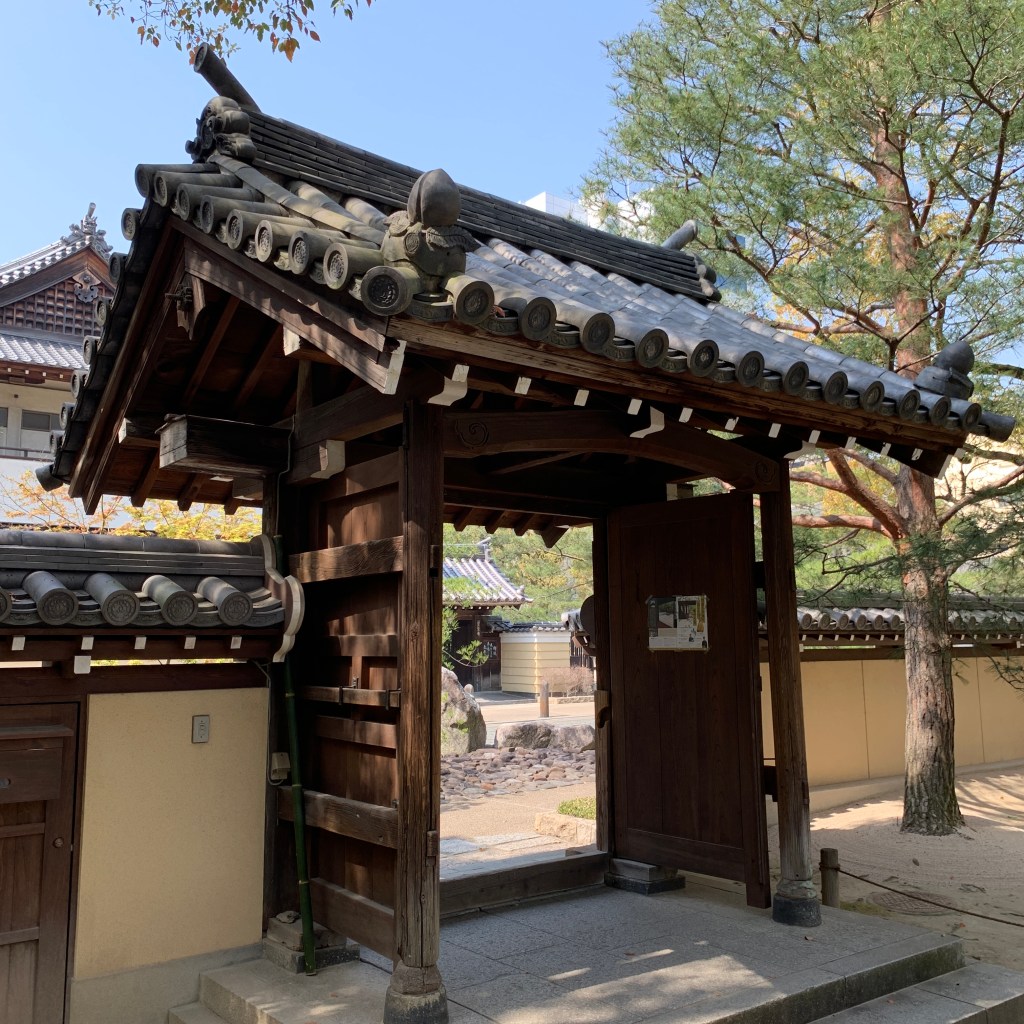
Arriving at Nijō Castle, we took a walk around the impressive stone walls and traditional gates before getting our tickets. The castle, built in 1603 as the Kyoto residence of Tokugawa Ieyasu—the first shogun of the Edo period—was unlike anything I had imagined. Inside, it was strikingly empty: no elaborate furniture or decorations like you might expect in a European castle. Instead, the minimalist design, sliding doors (fusuma 襖), and singing tatami floors (畳) reflected the refined aesthetics of Japanese architecture. P.s. inside the castle it was not allowed to take pictures.
And of course… I had to add a bit of drama to the trip. I lost my phone. I only realized it much later—right when we wanted to take a photo of the cherry blossoms. Panic set in: my phone held everything—tickets, maps, cards, Google Translate, and basically my brain. I really need to be more careful. I admit it.. But luckily, this story has a happy ending. After a frantic search and some deep breathing, I found it at the lost and found office at the castle. Shoutout to my mum for staying calm through it all—you’re the real MVP.
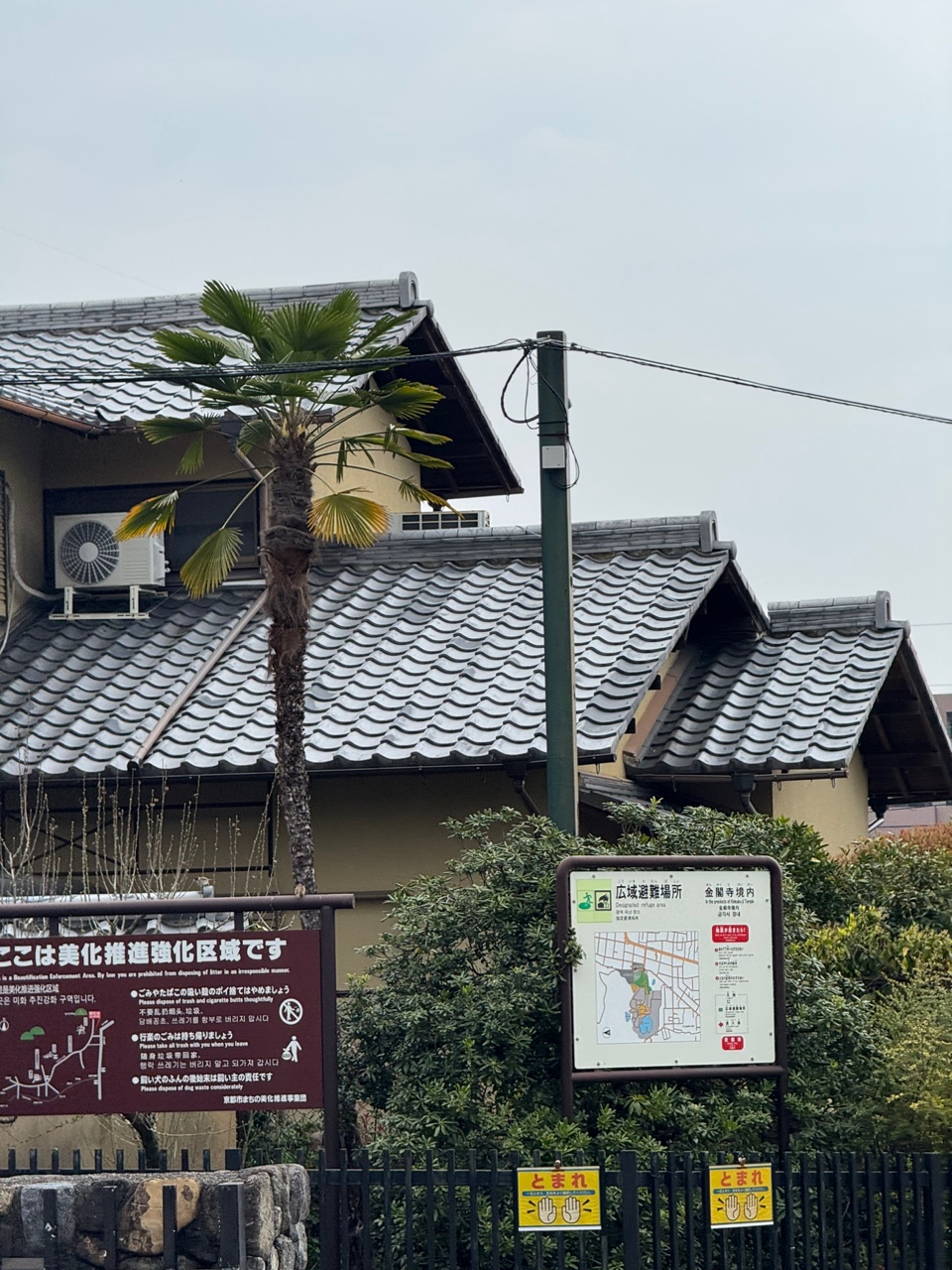
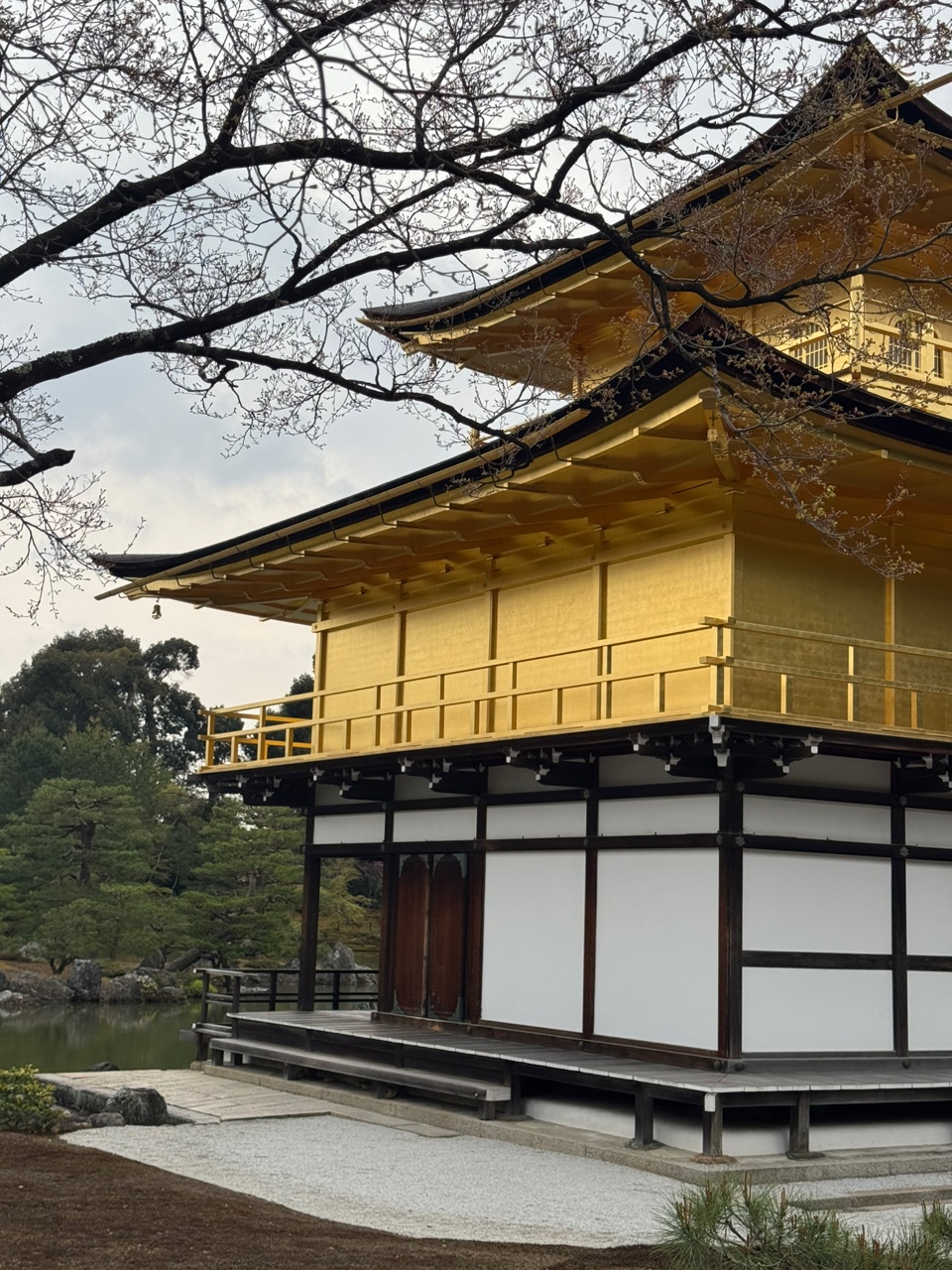
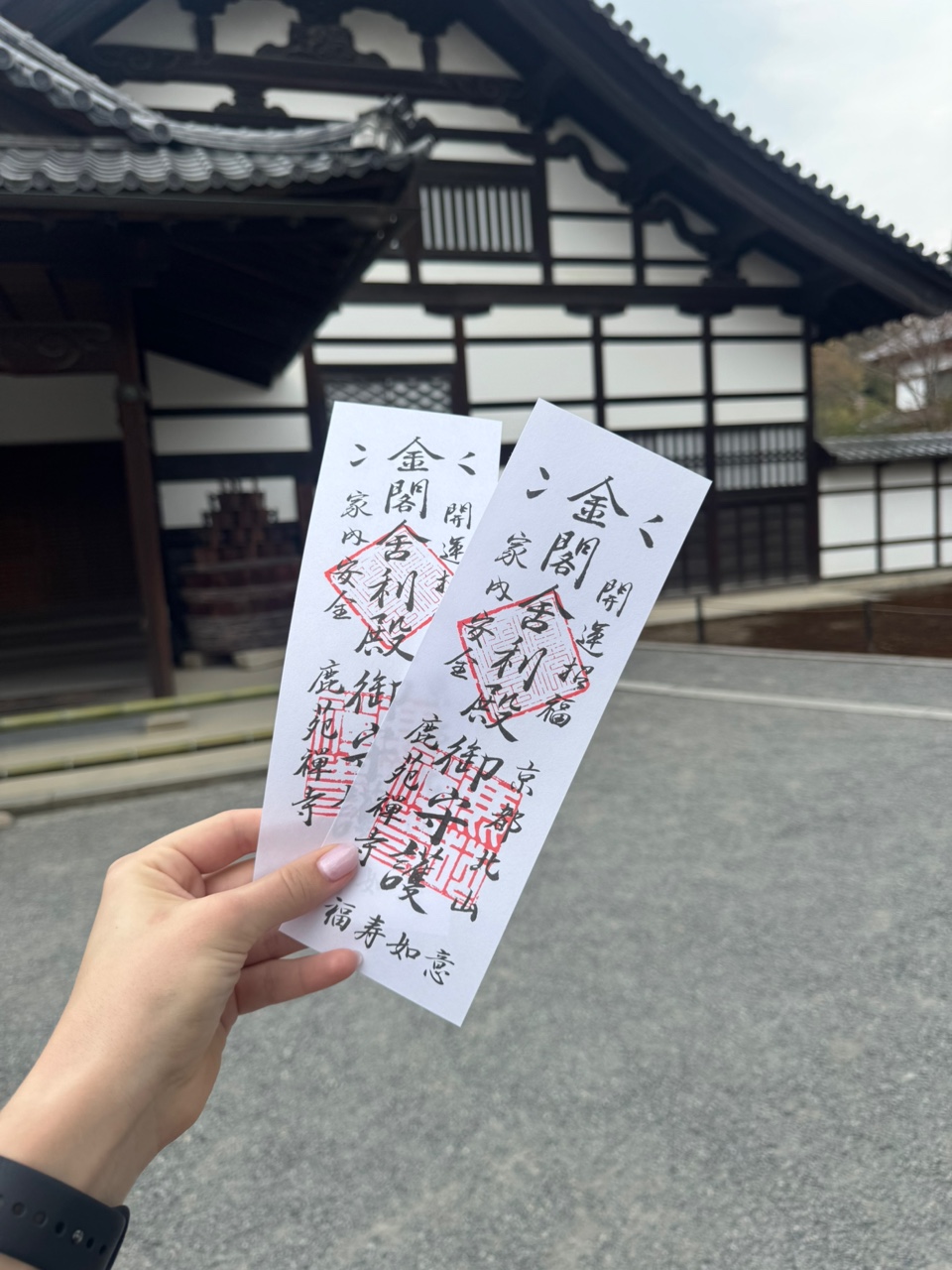
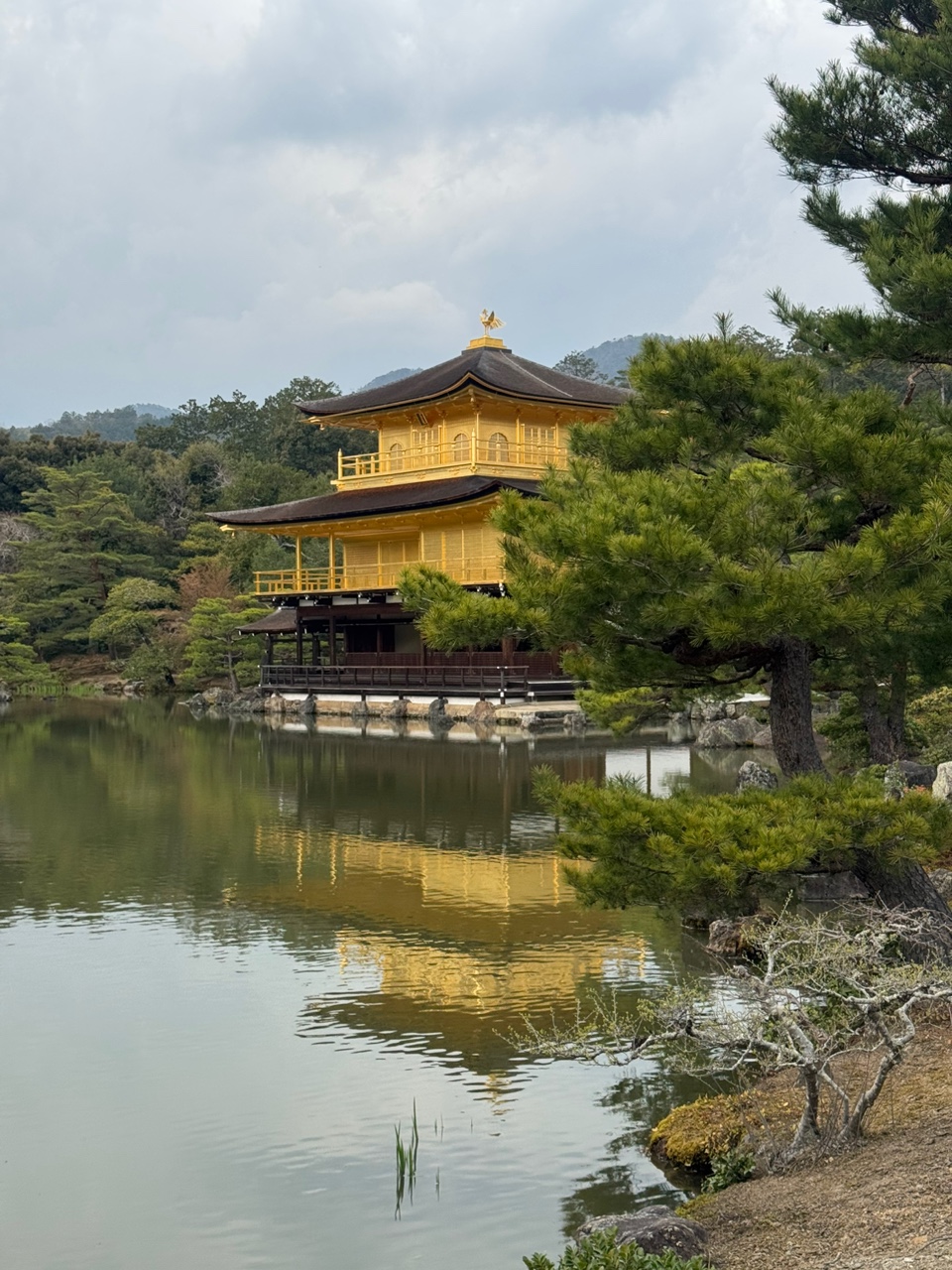
After our visit to Nijō Castle (二条城), we made our way to one of Kyoto’s most iconic sights: Kinkaku-ji (金閣寺), the famous Golden Pavilion. This shimmering temple, officially named Rokuon-ji (鹿苑寺), is covered in gold leaf and reflected beautifully in the surrounding pond—a sight that feels straight out of a dream.
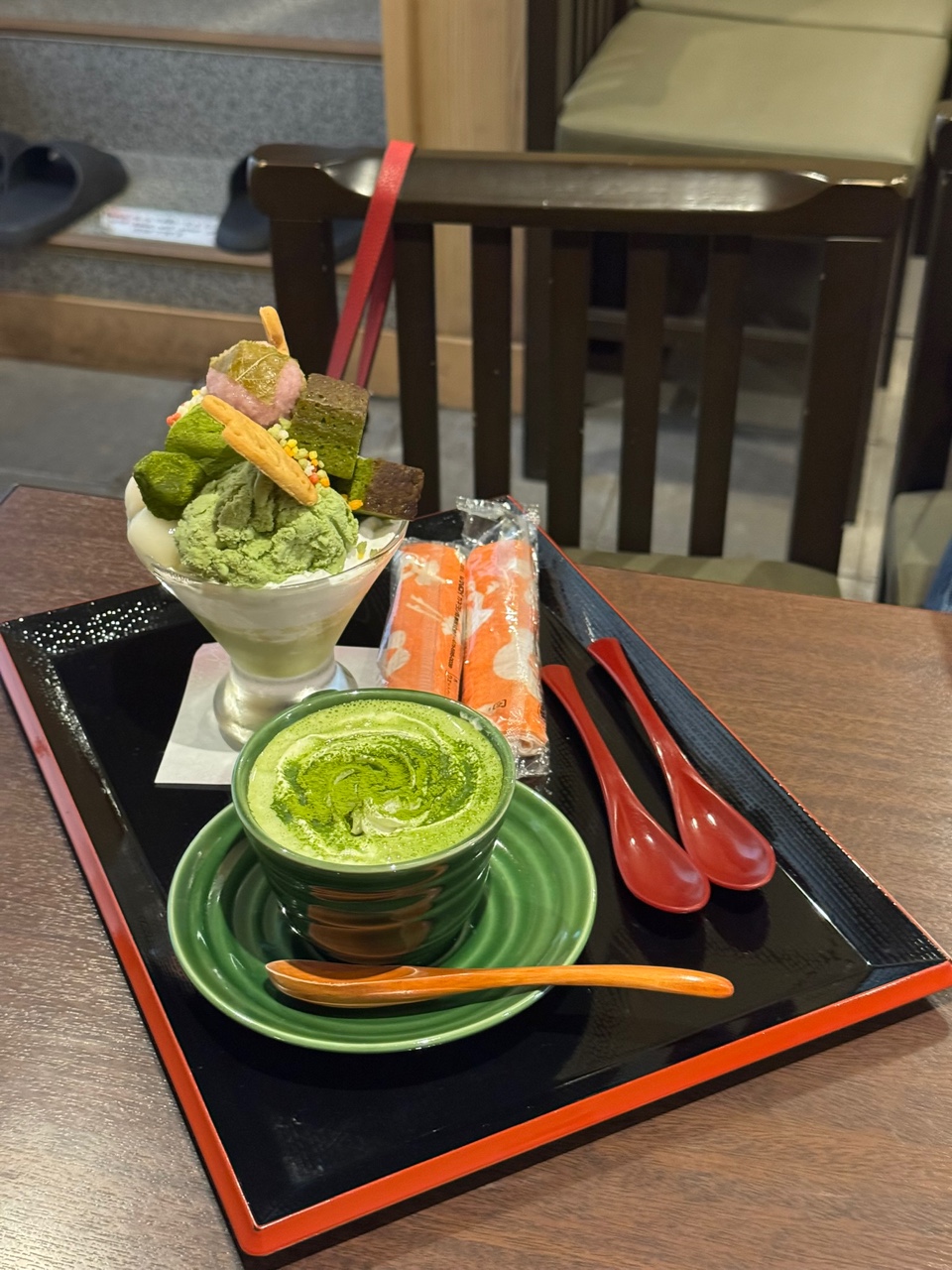
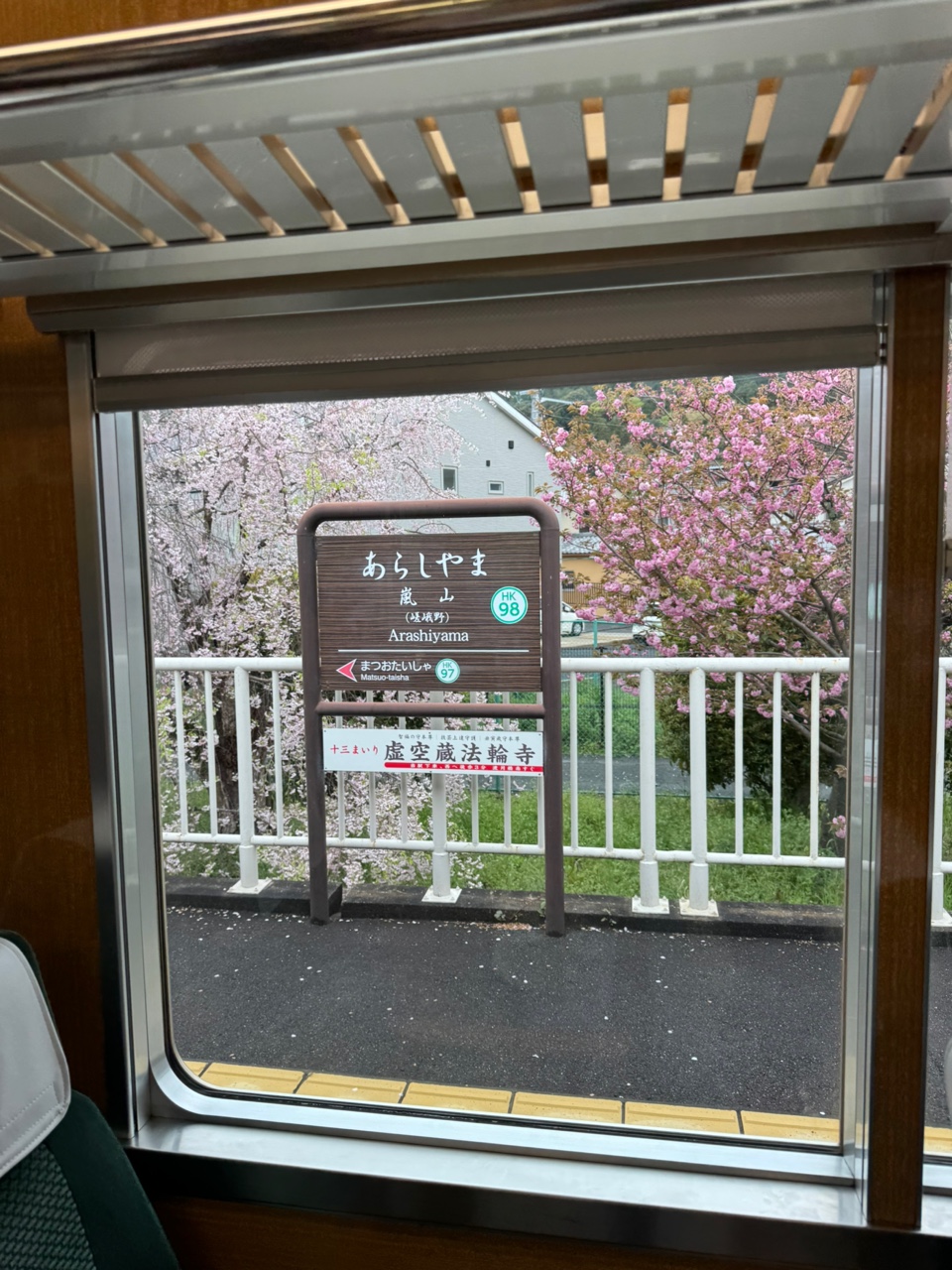
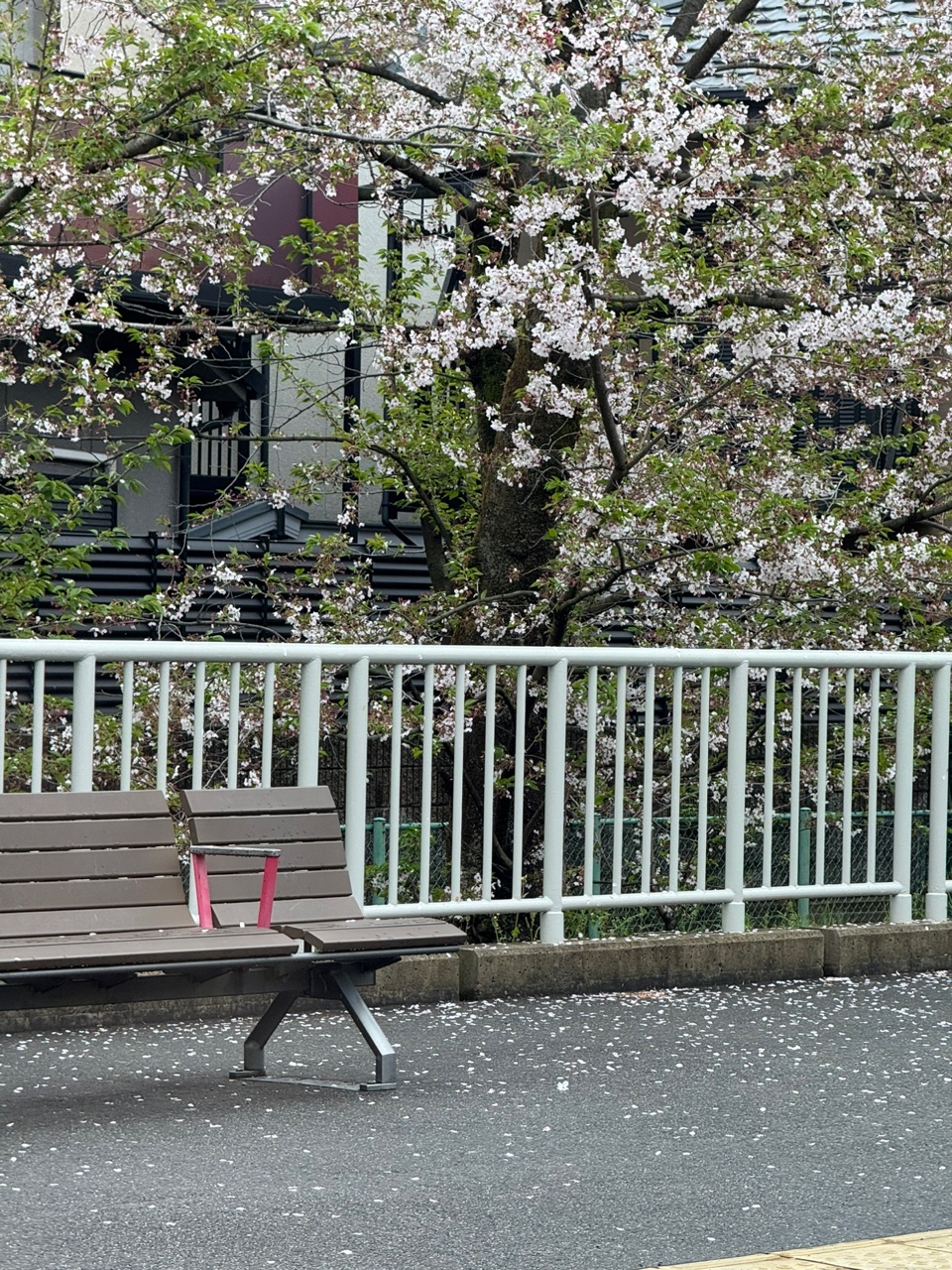
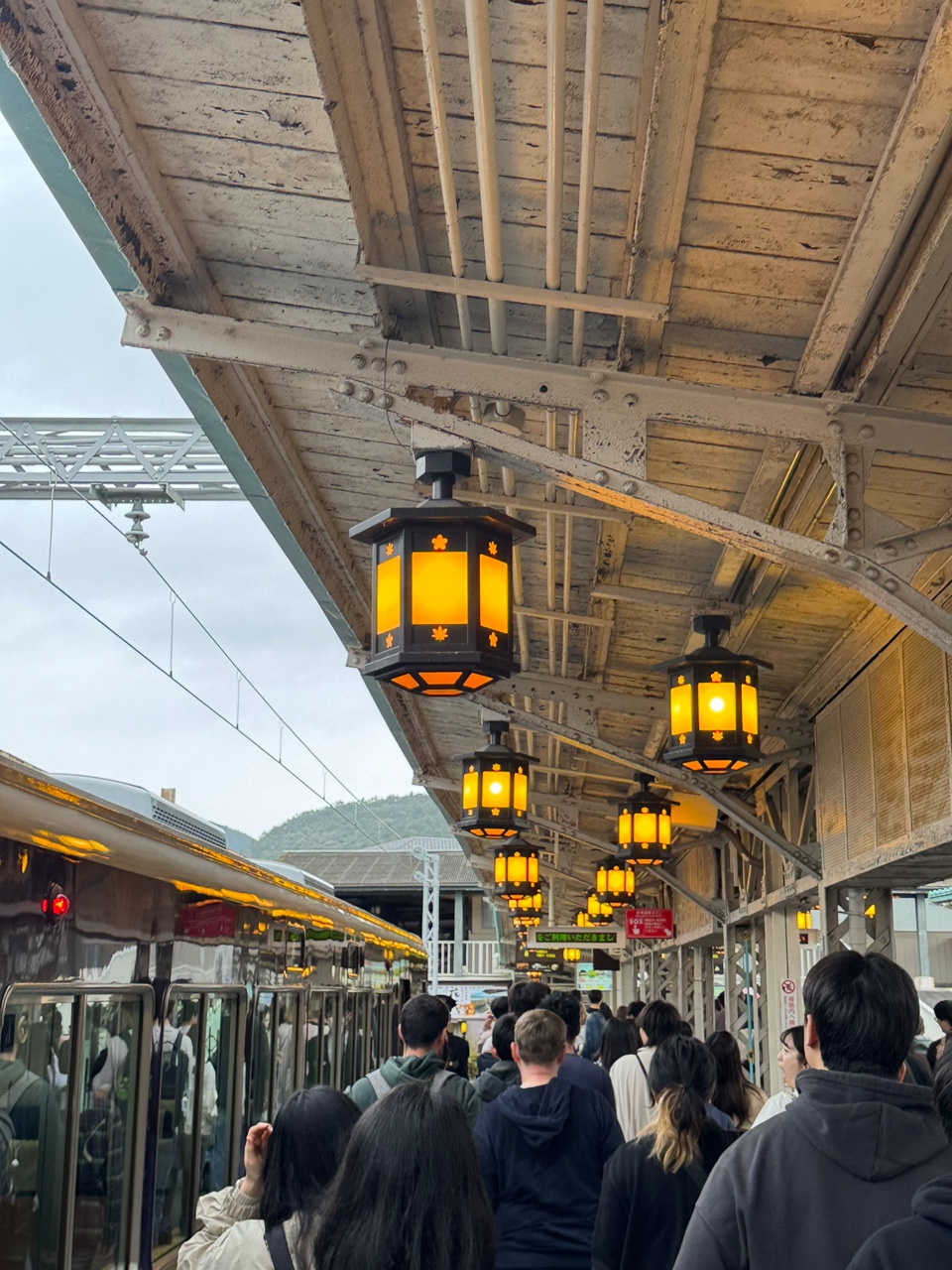
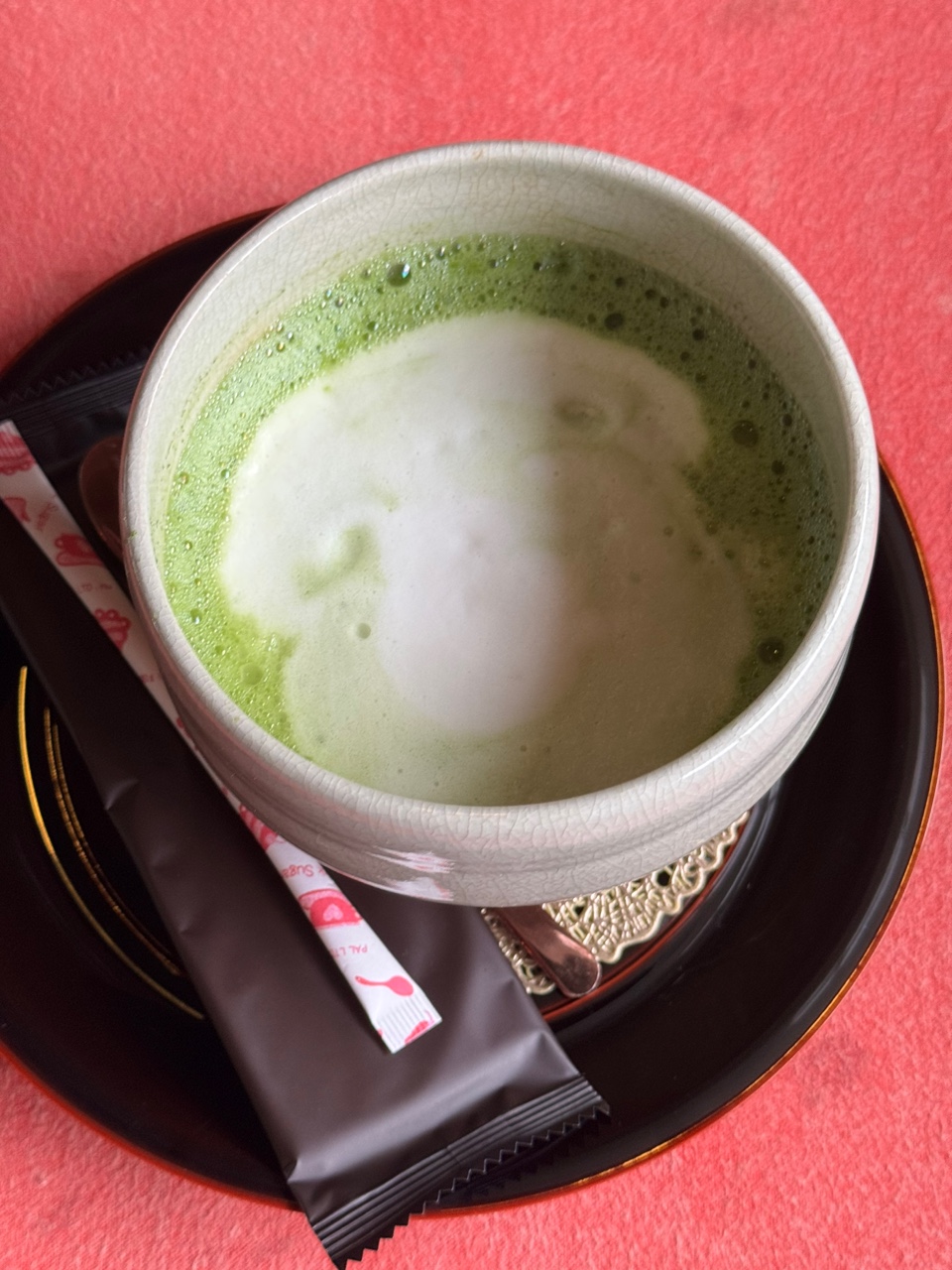
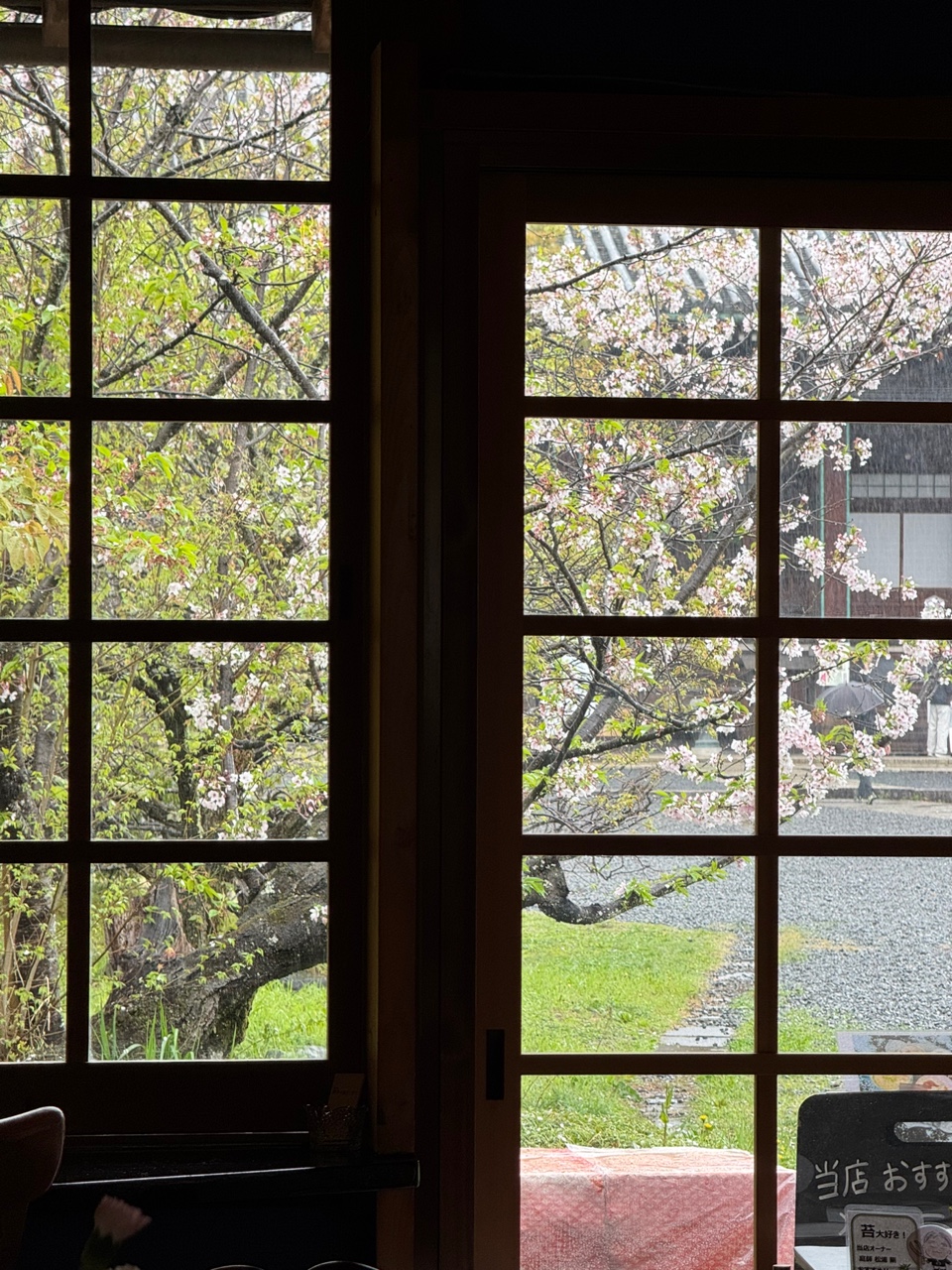
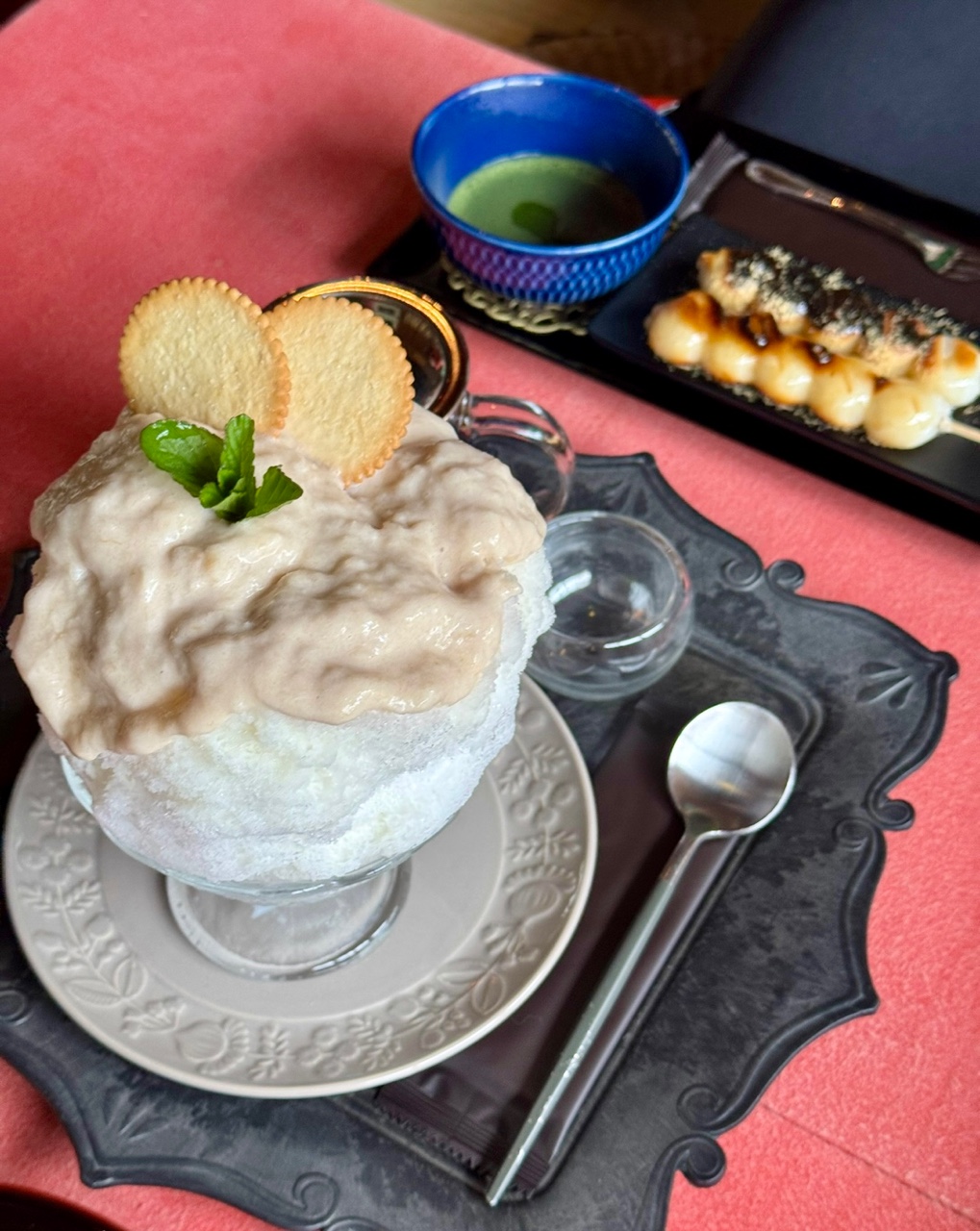
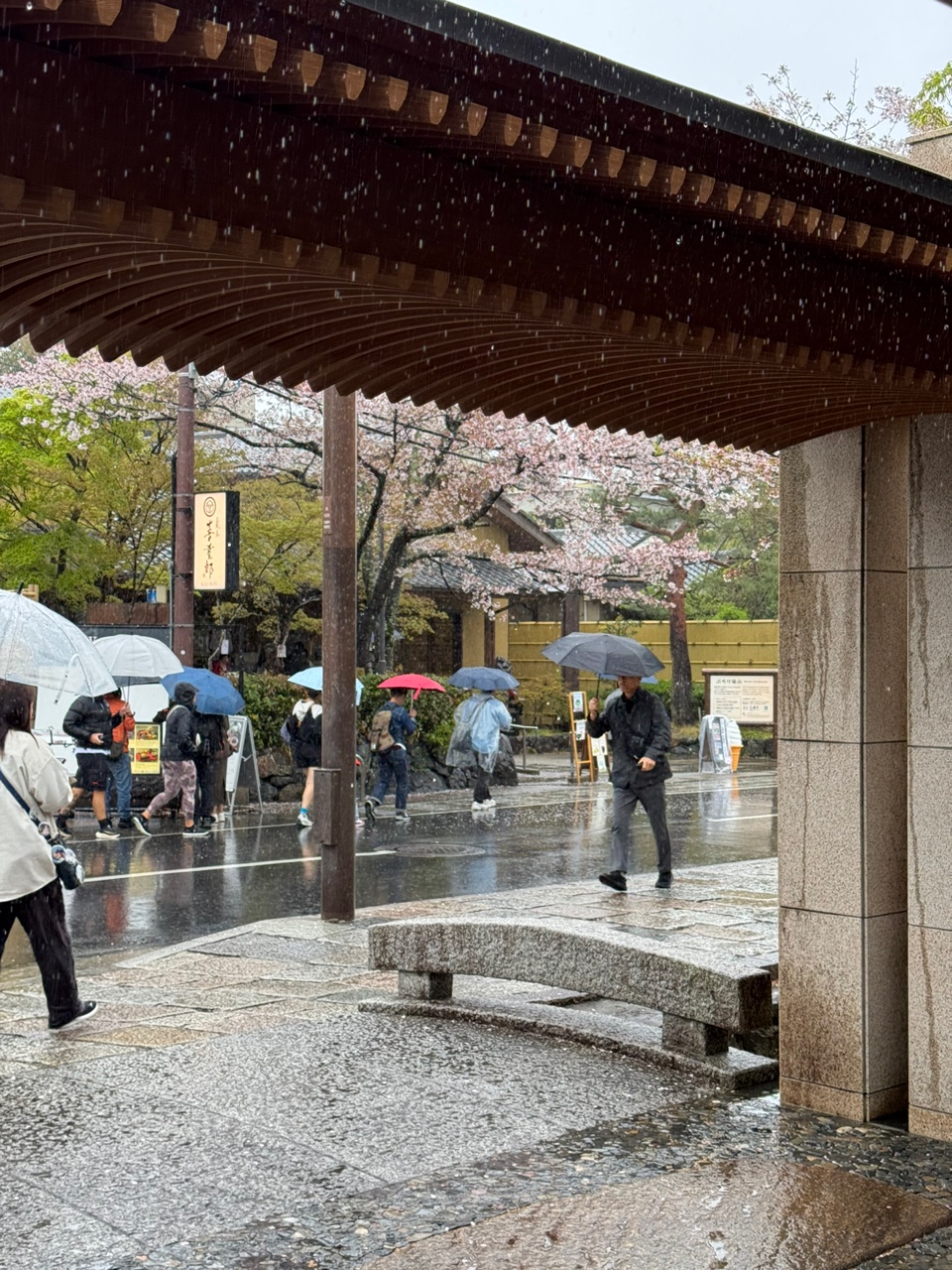
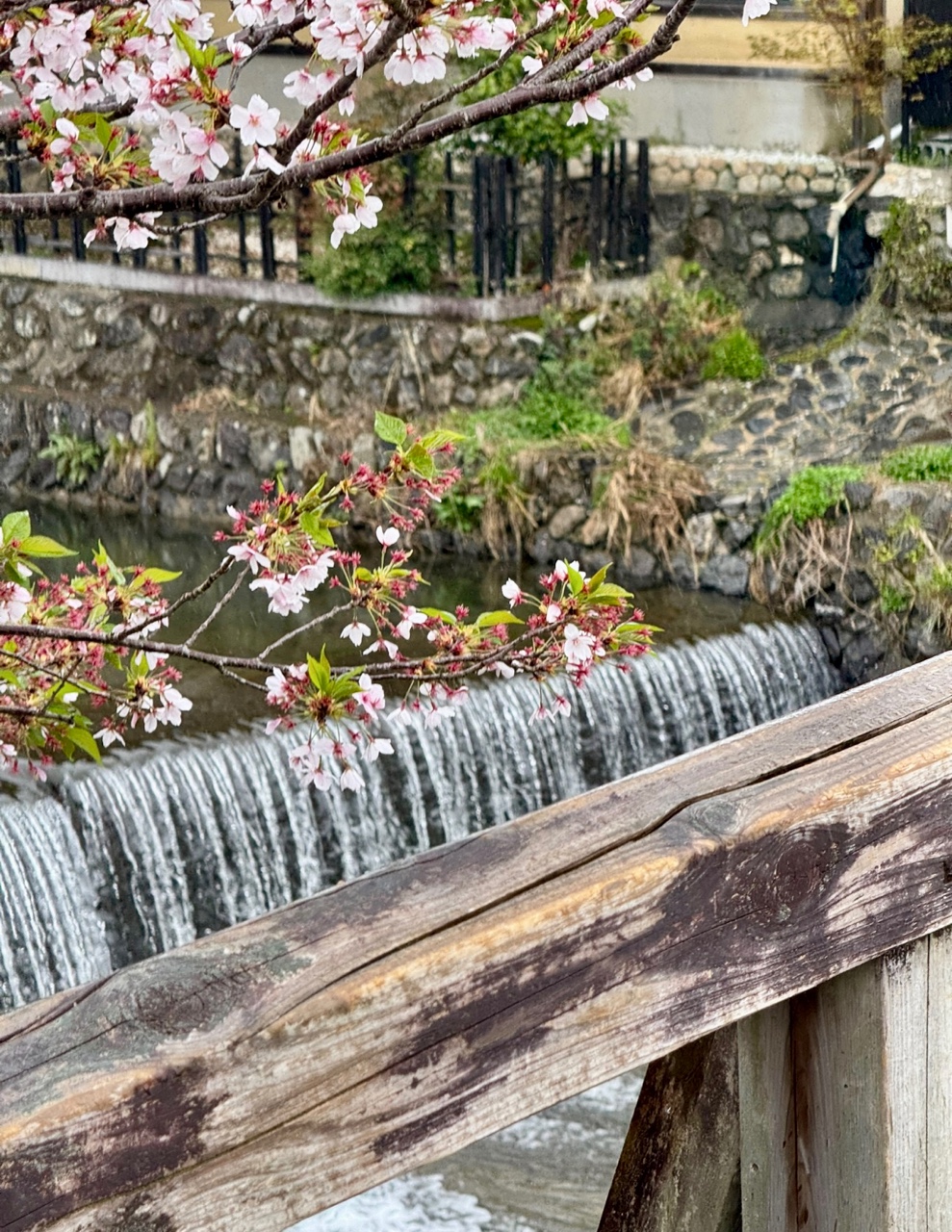
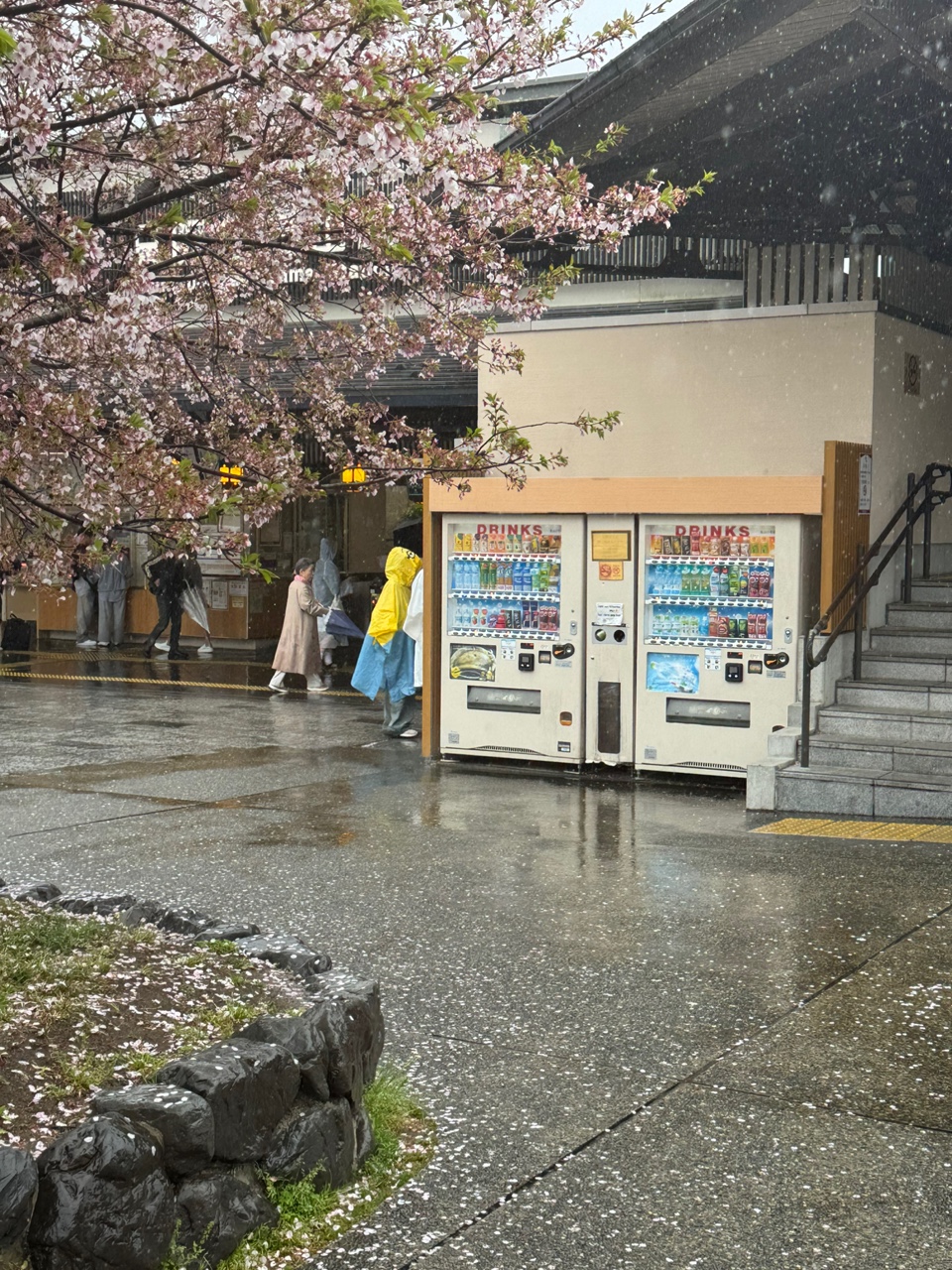
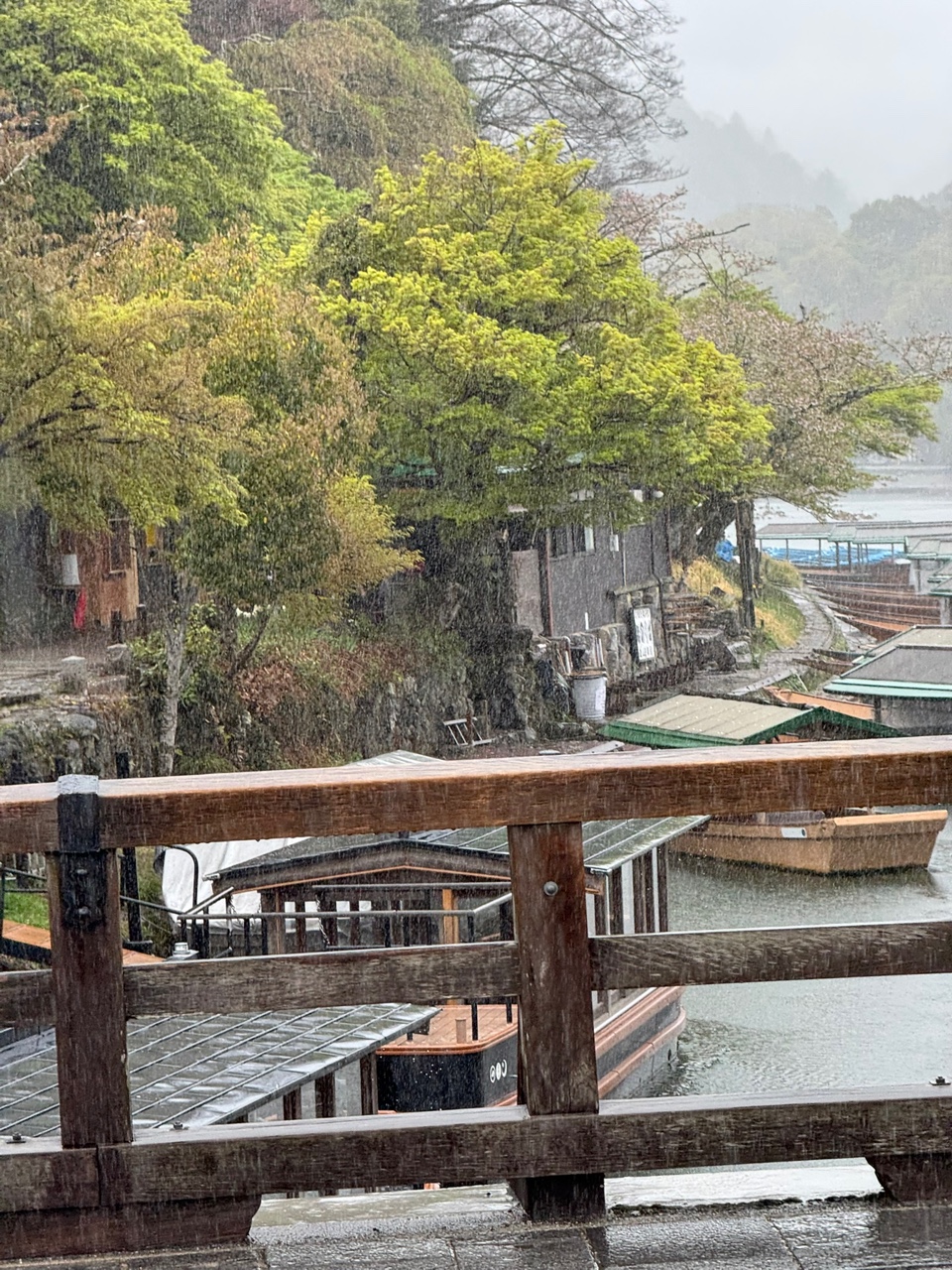
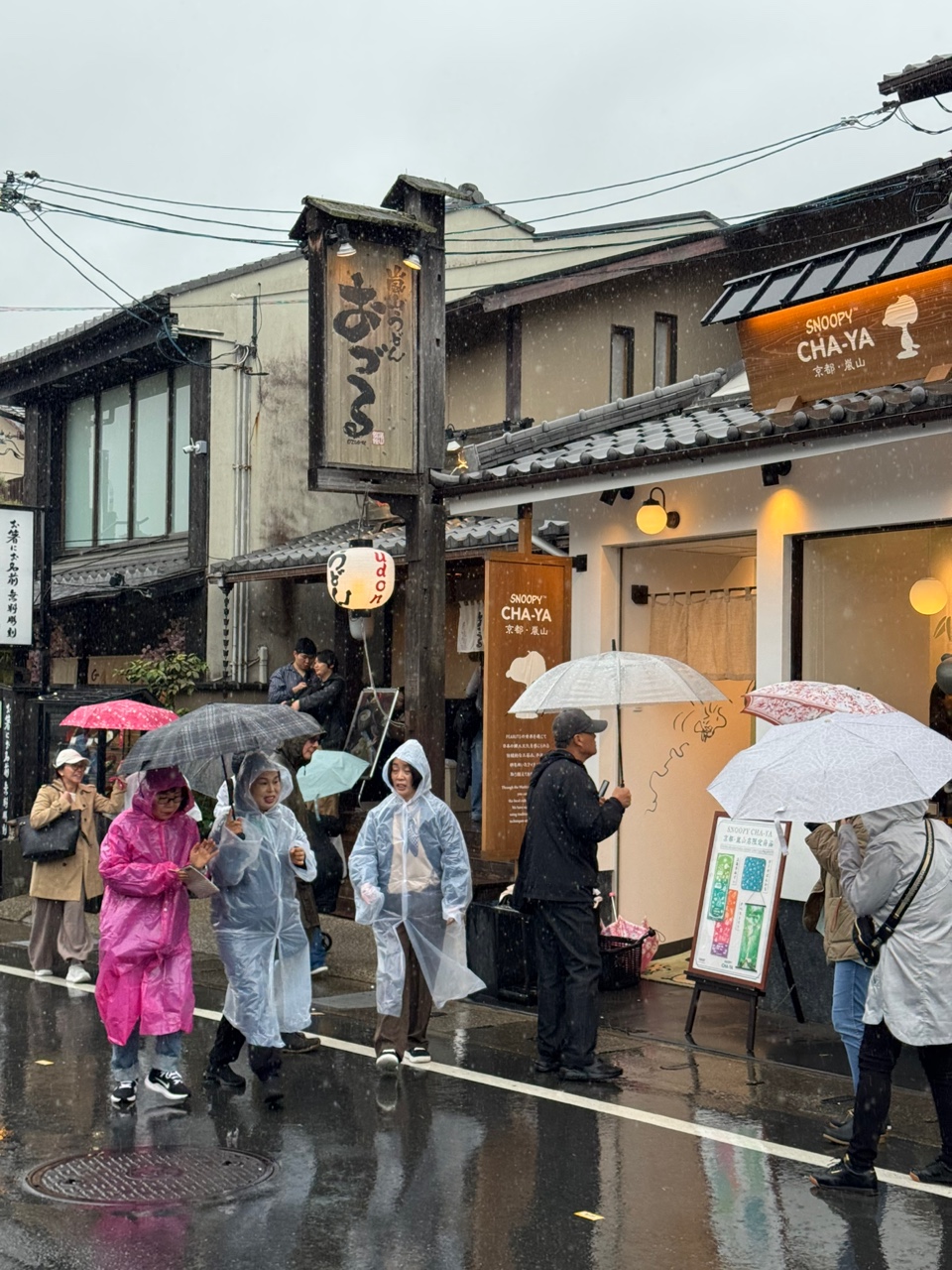
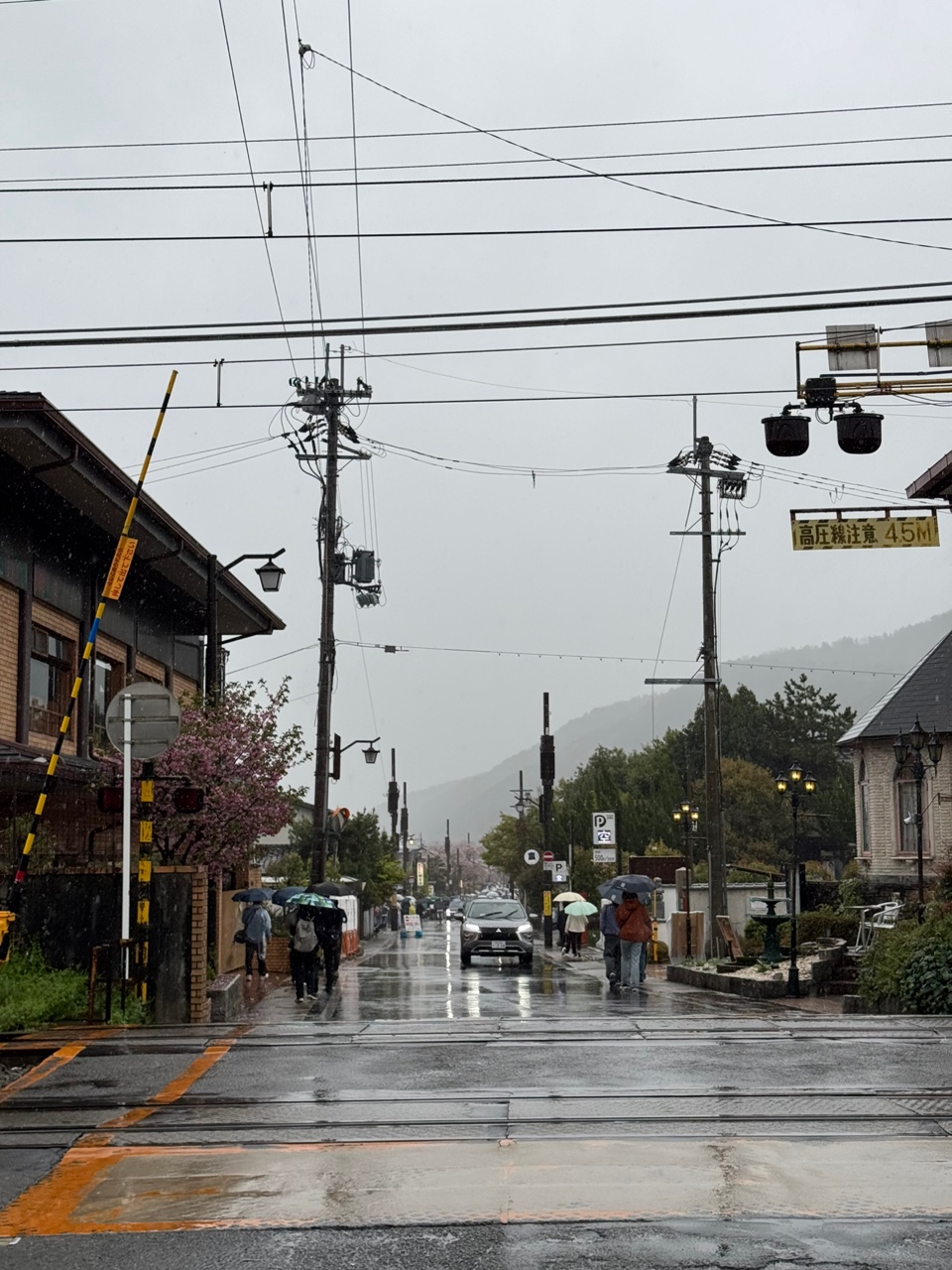
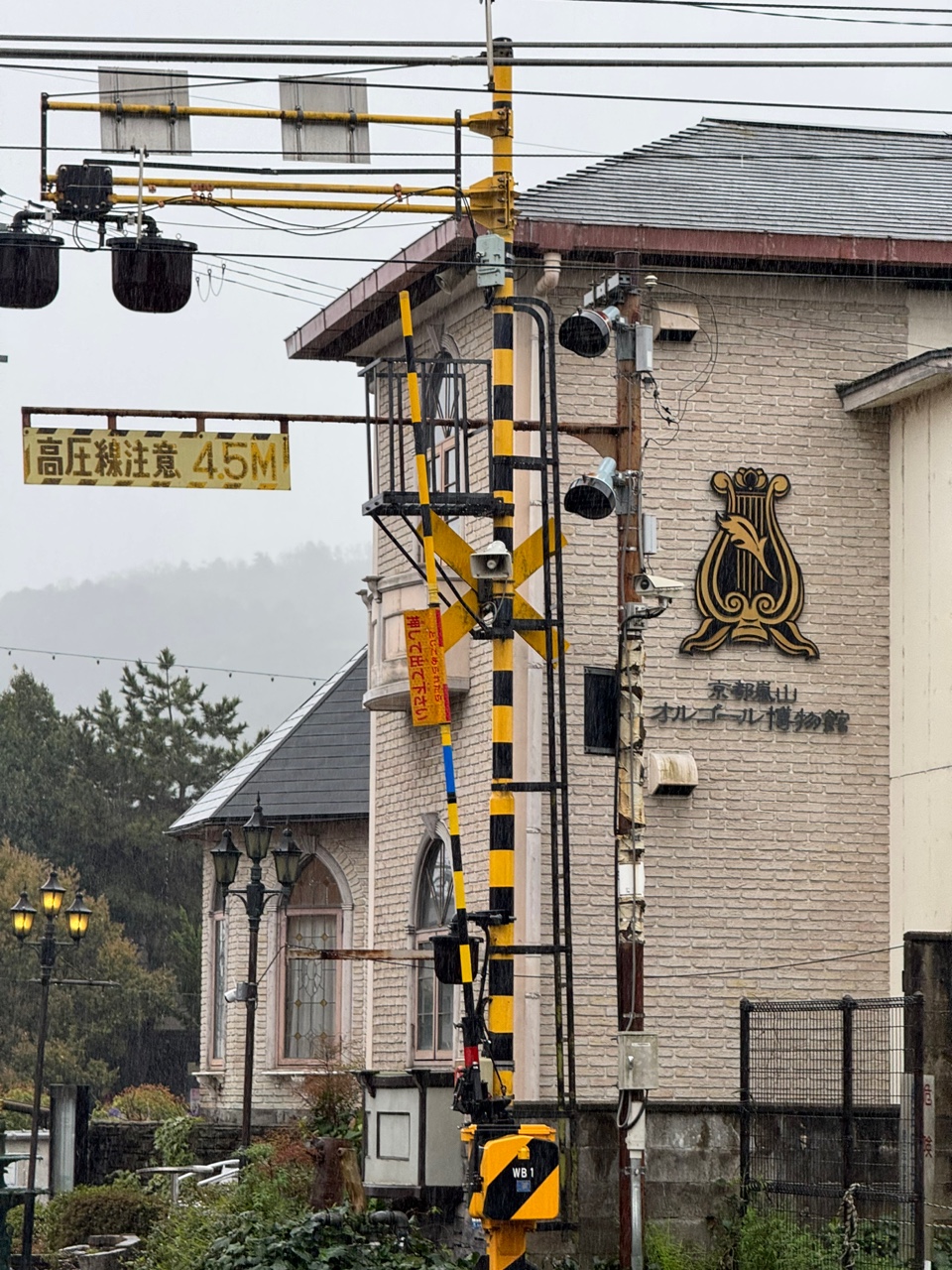
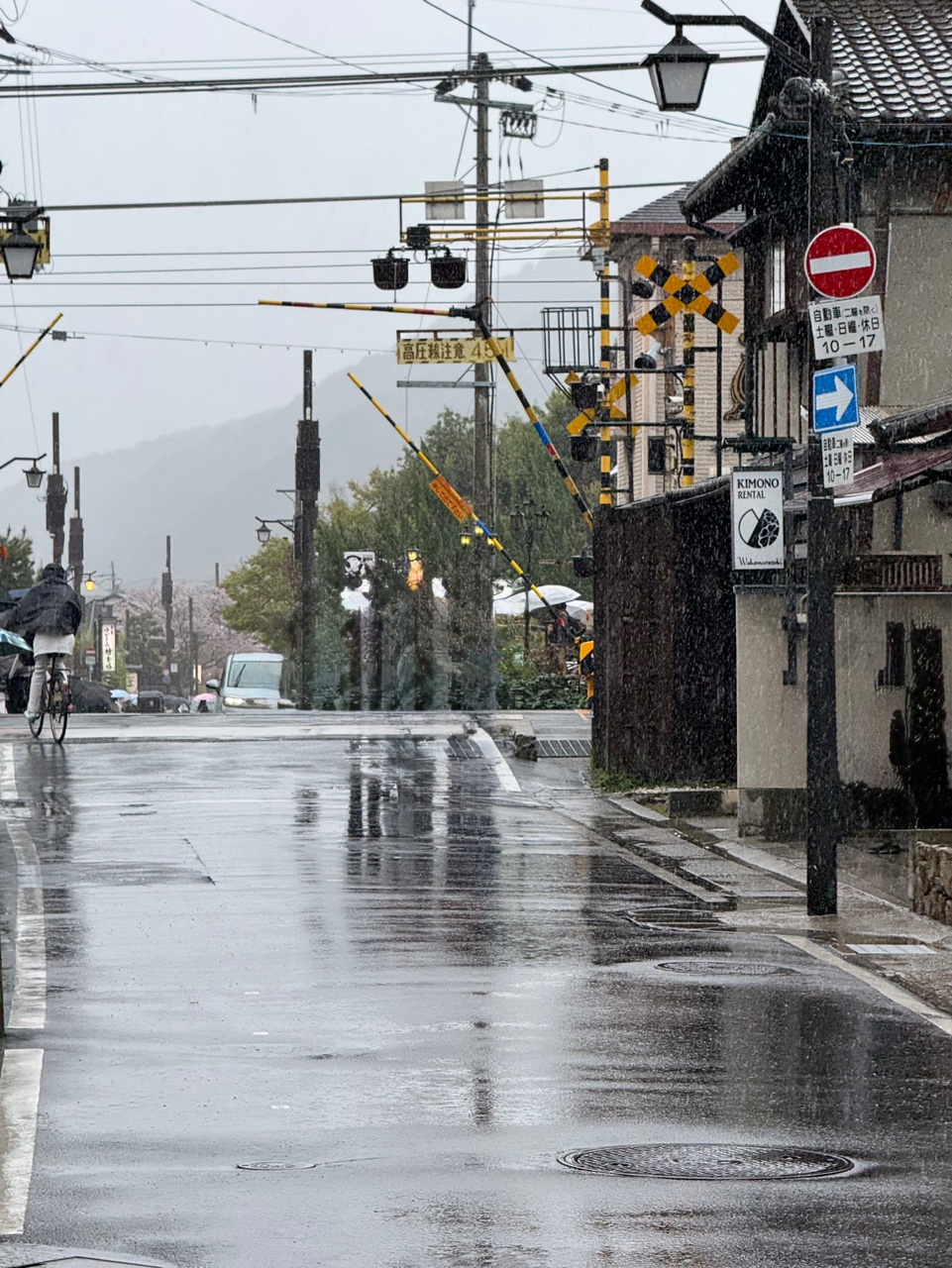
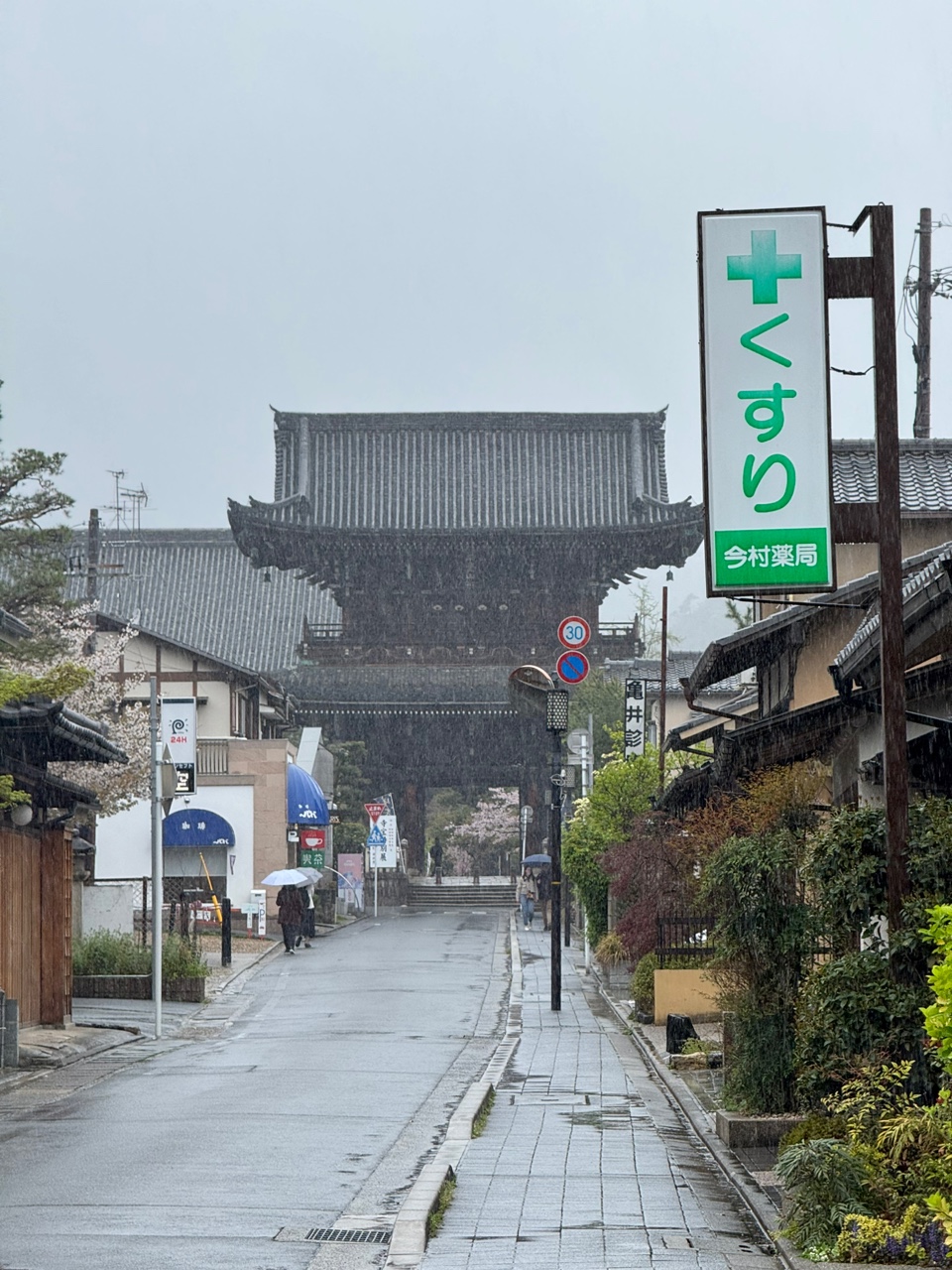
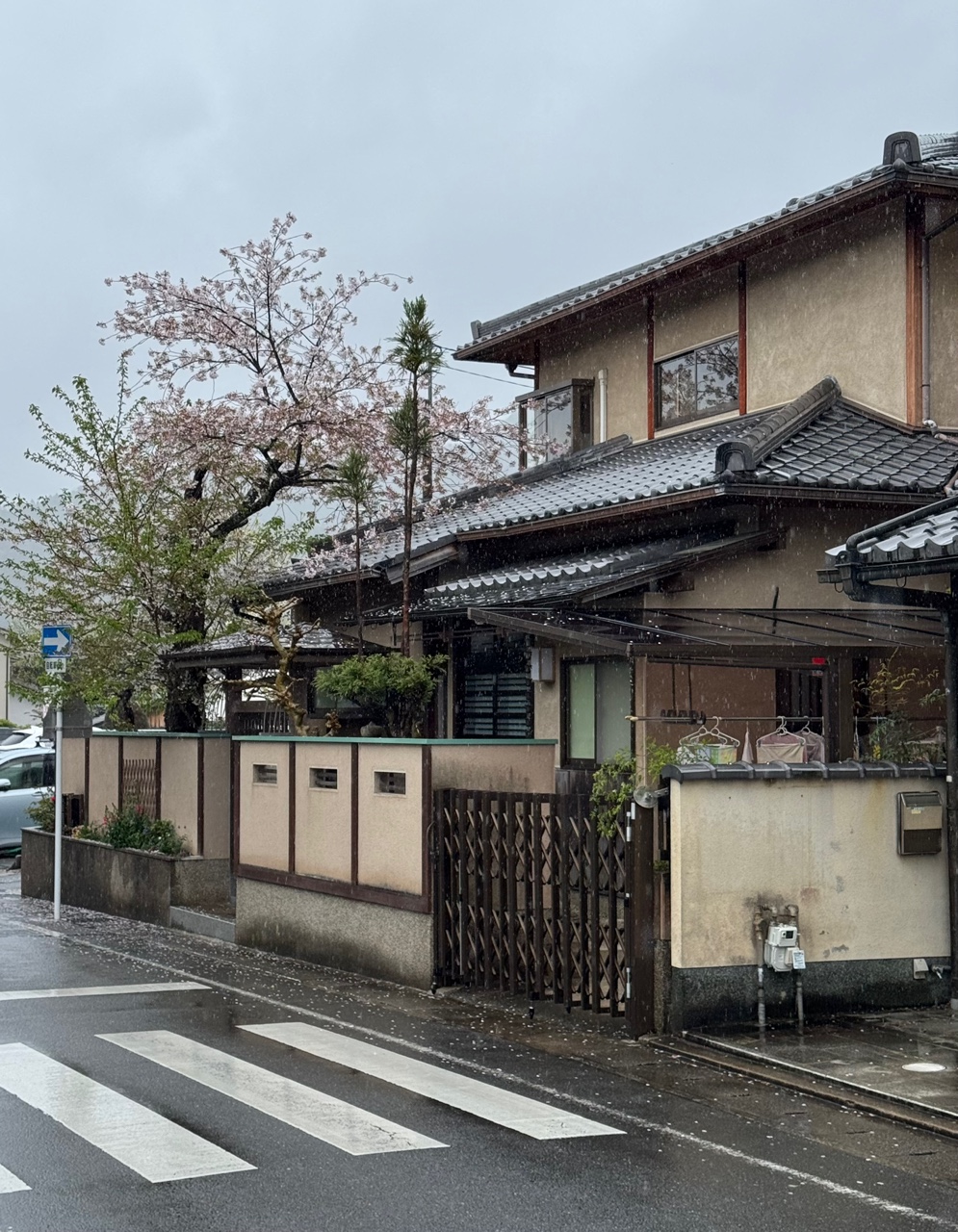
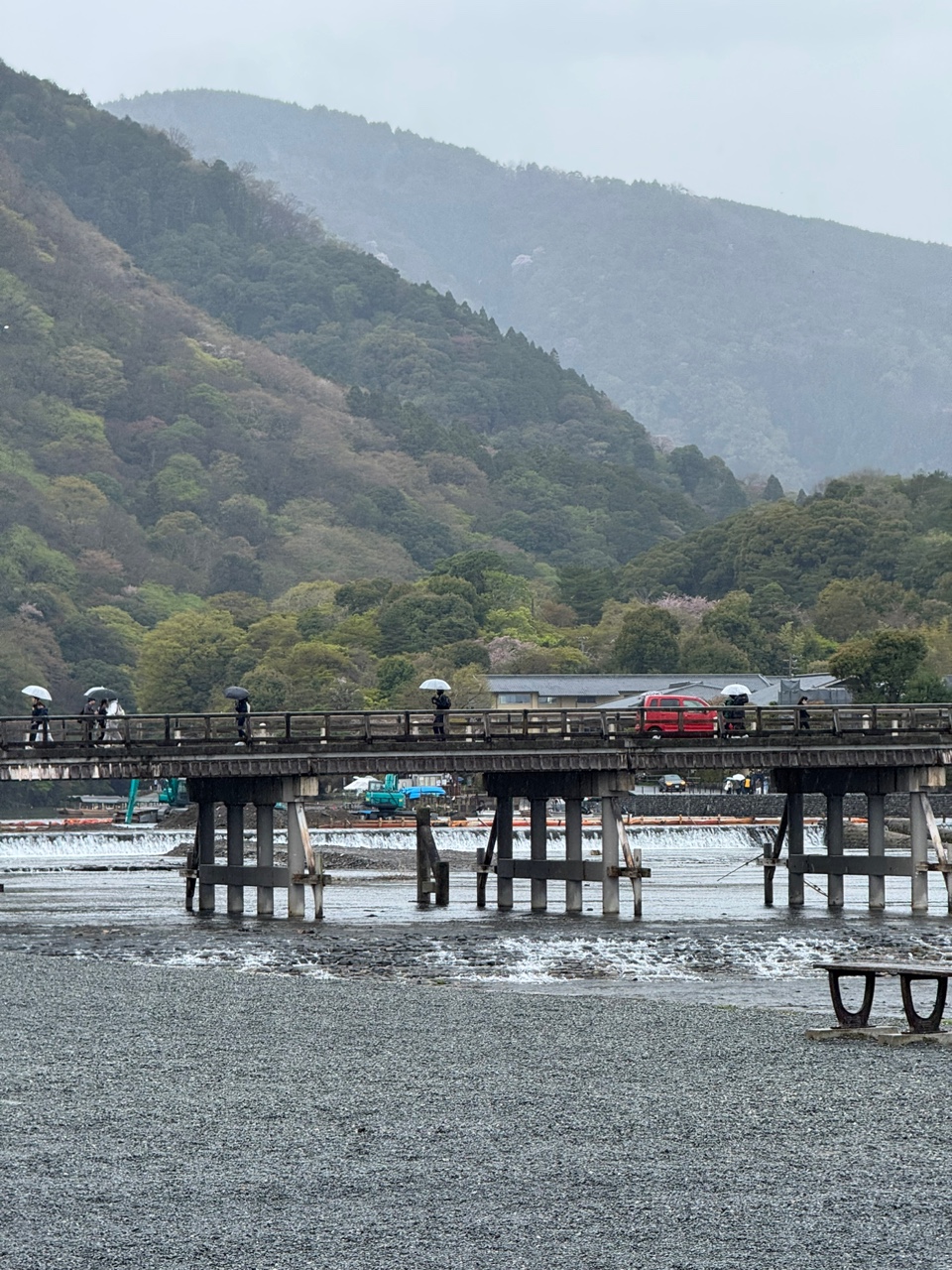
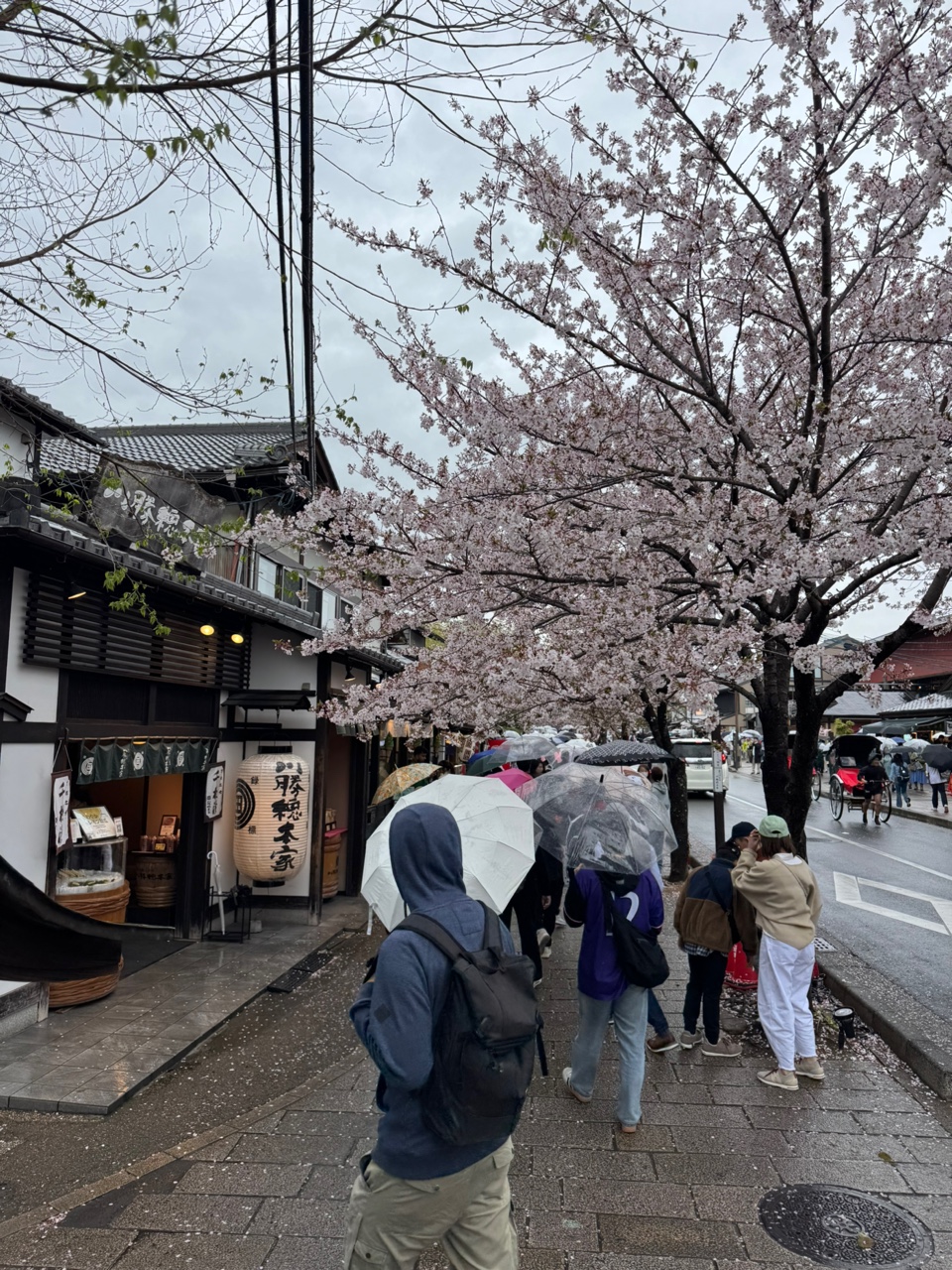
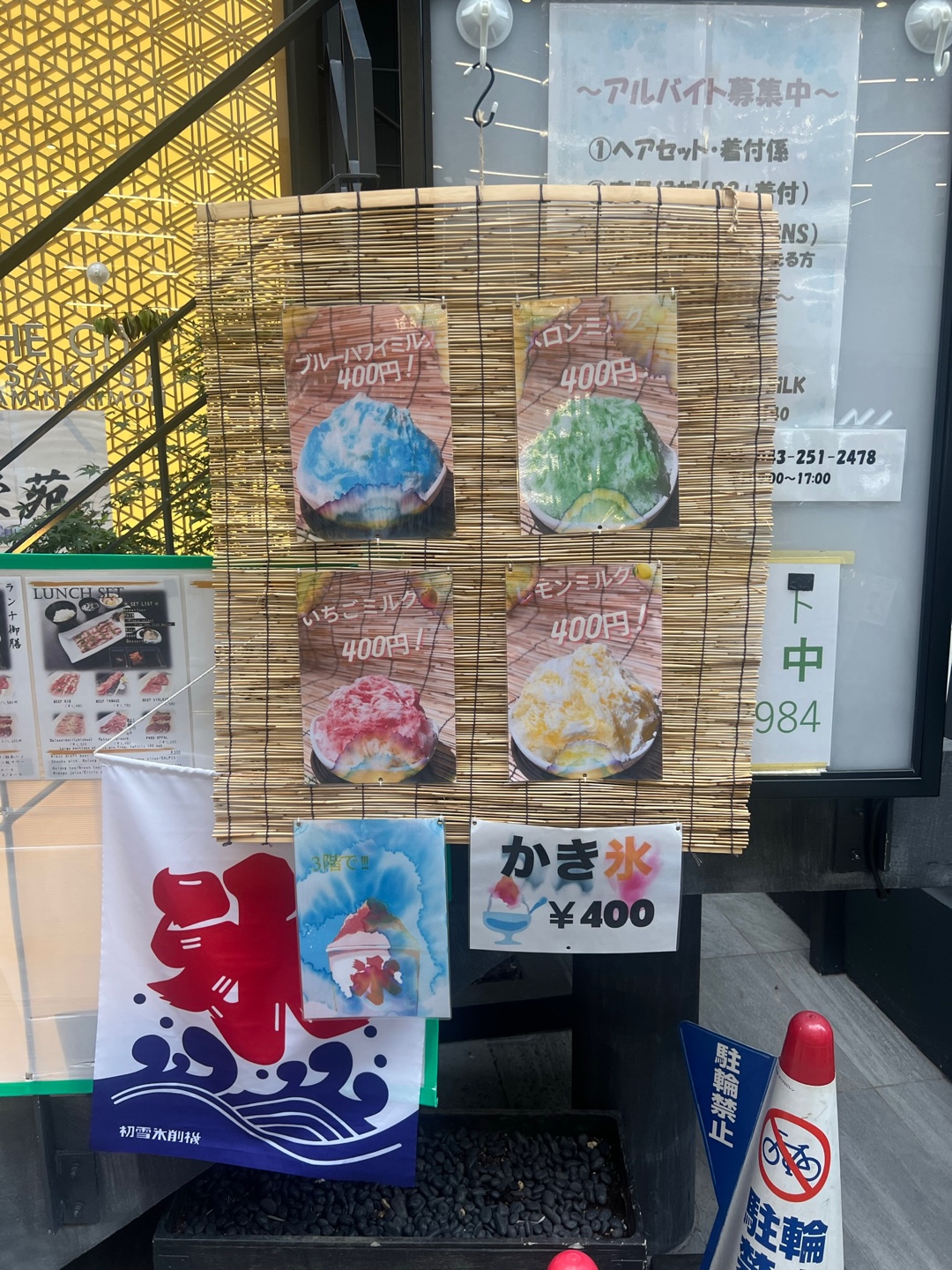
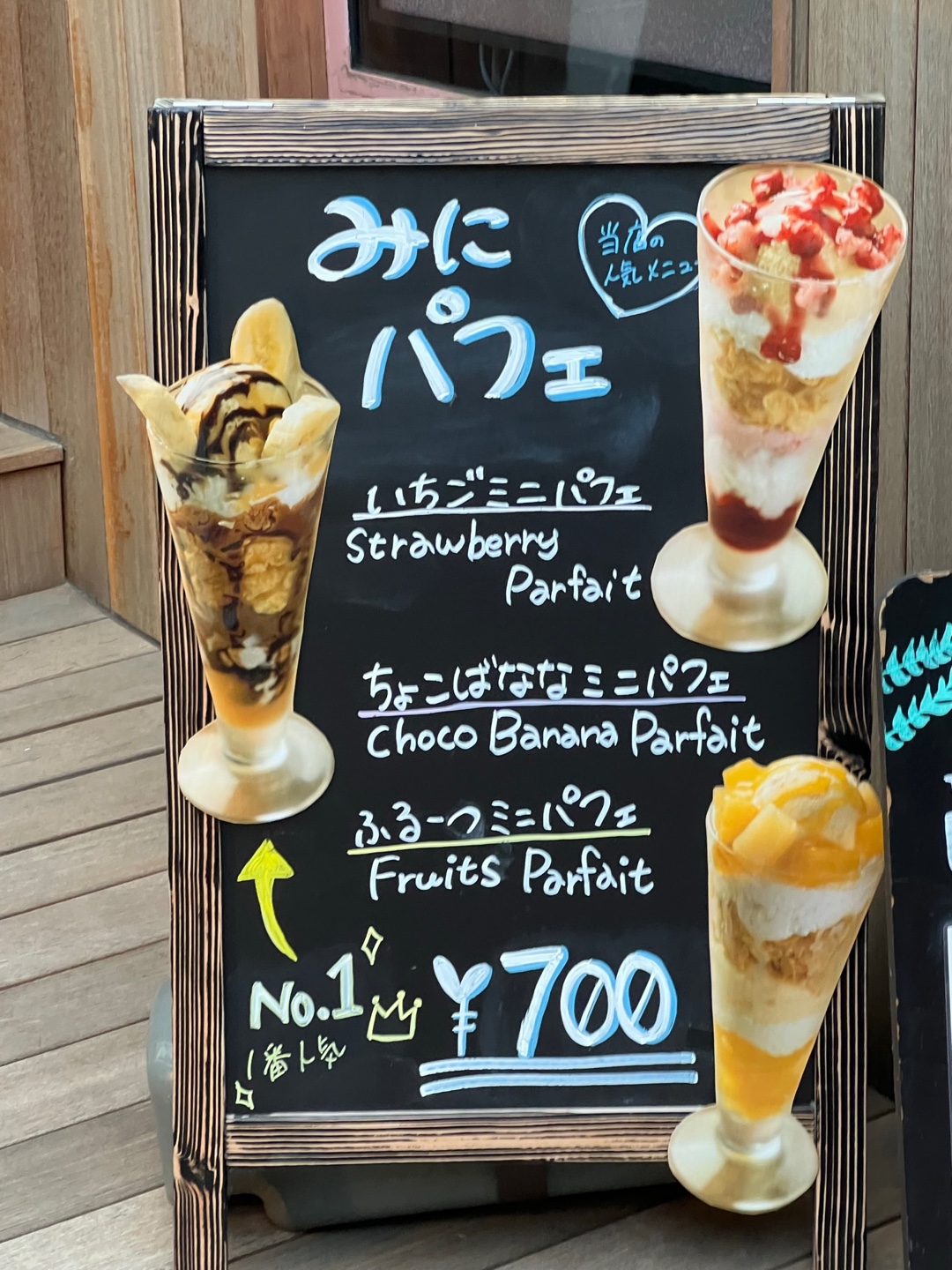
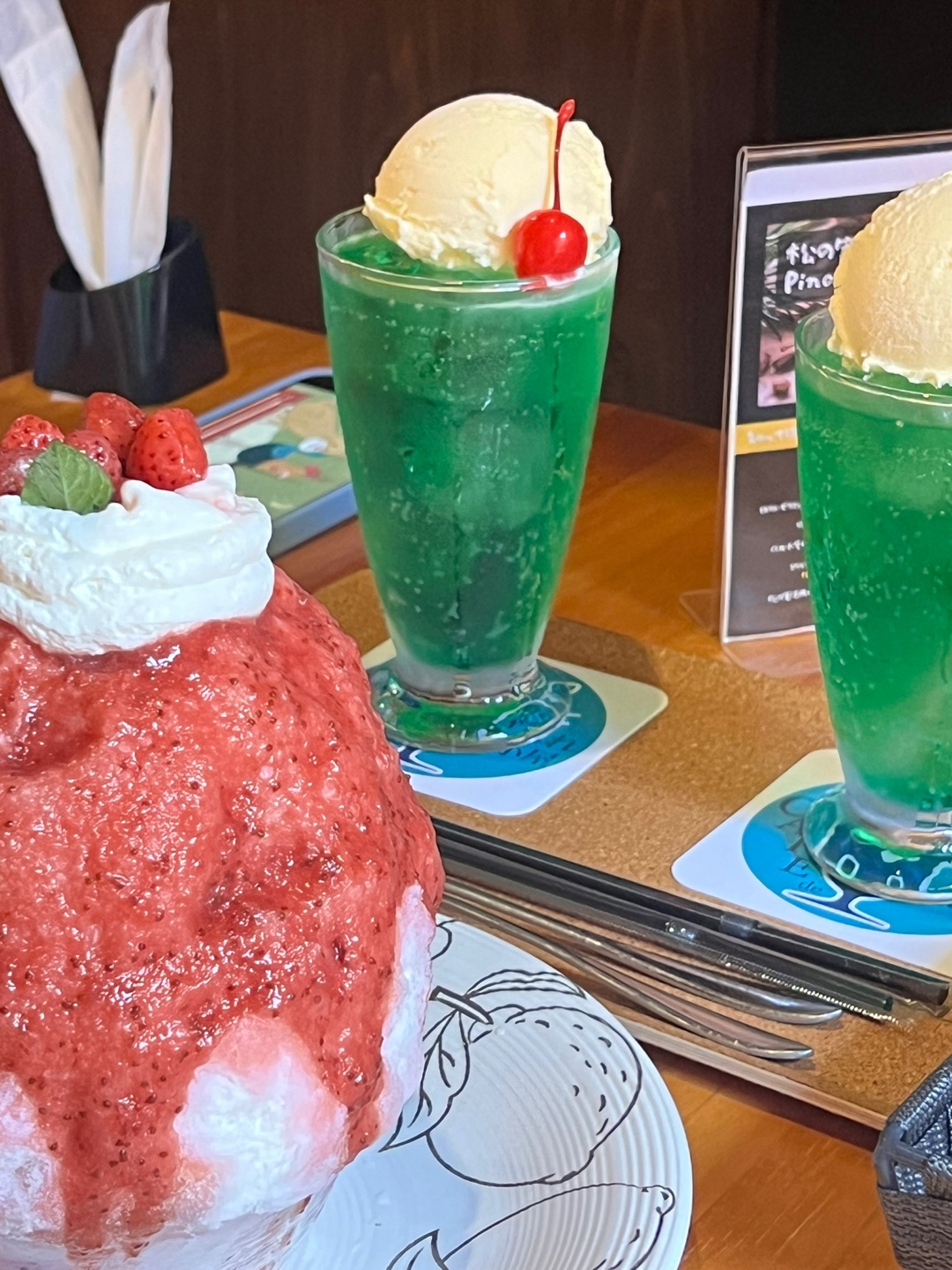
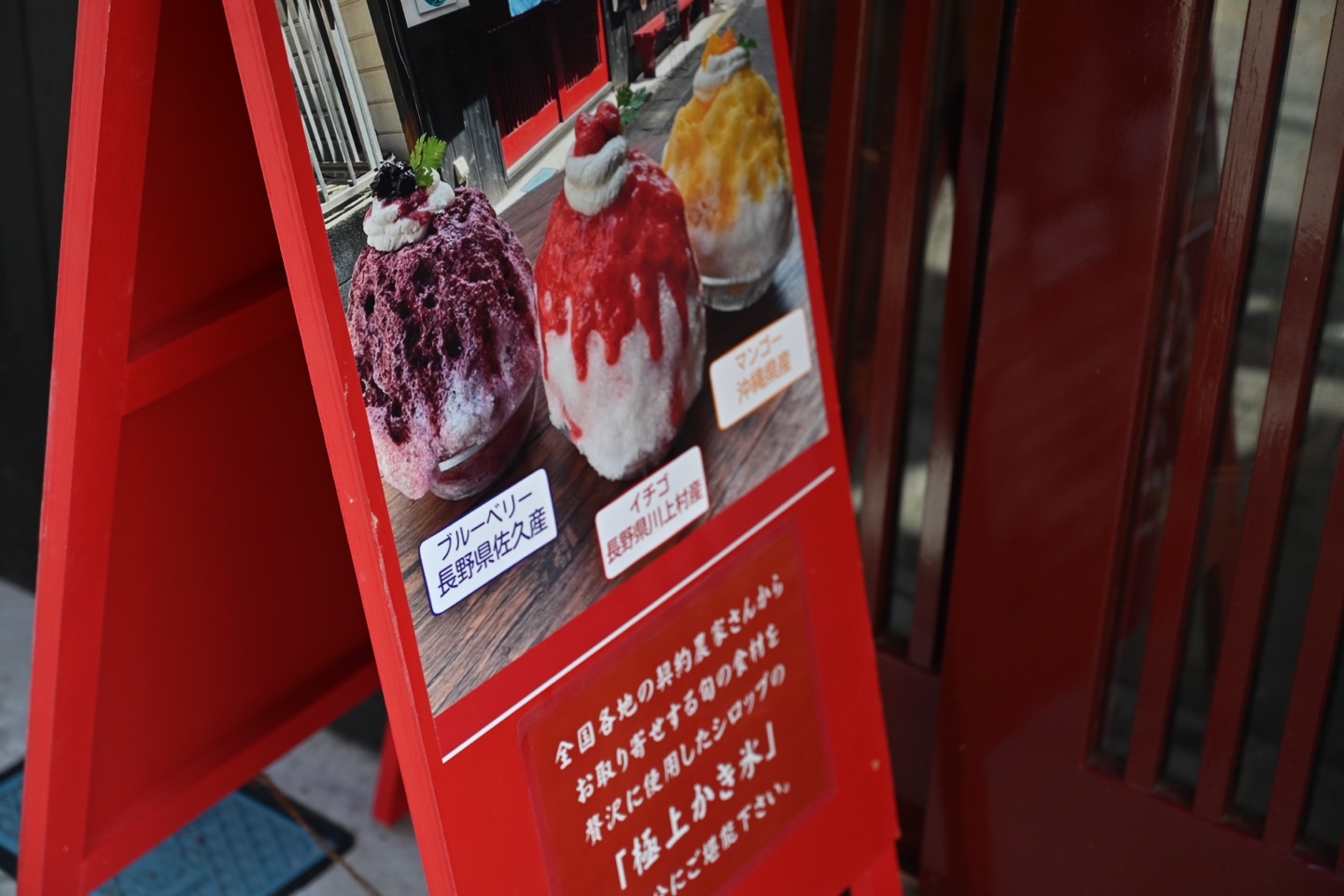
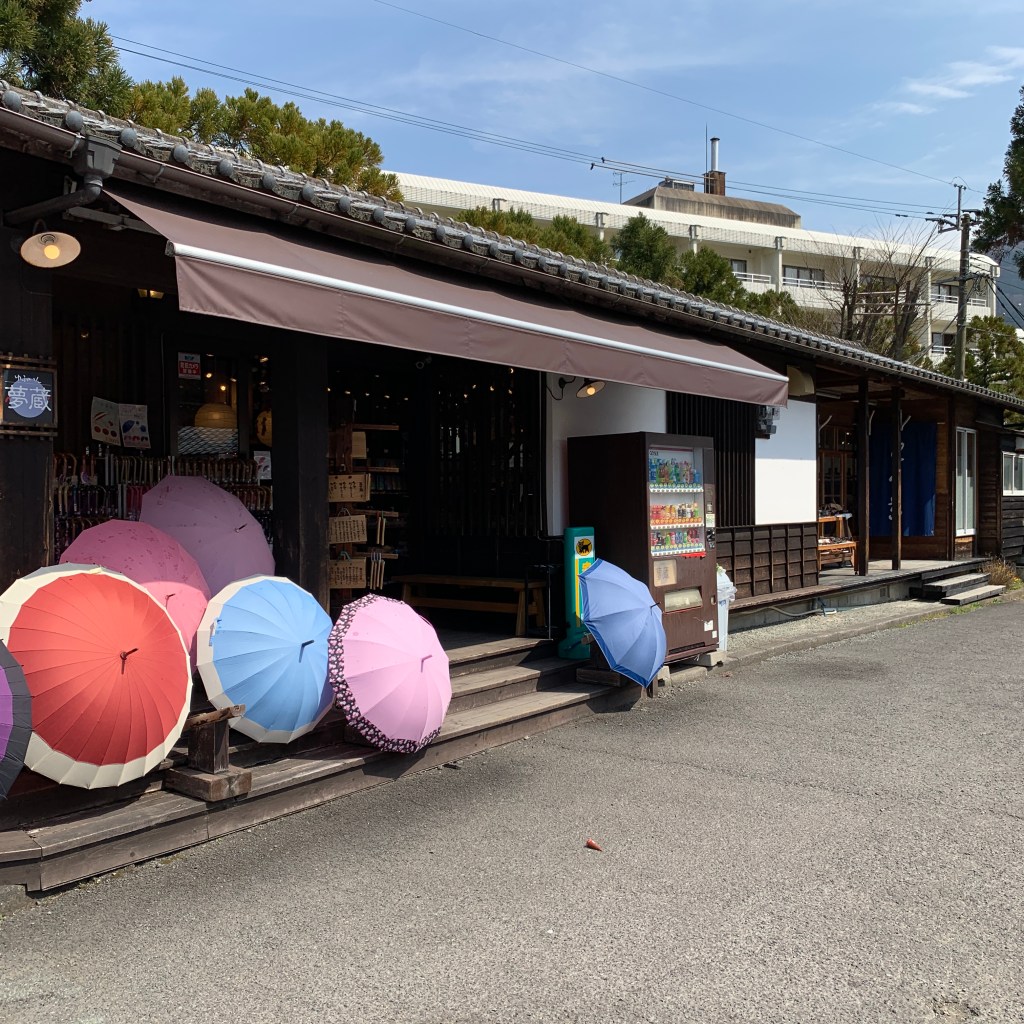
Our final stop in Kyoto was Arashiyama (嵐山), a scenic district on the western edge of the city. We boarded the train, excited for the adventure ahead. As it was sakura (桜) season, the journey itself felt like part of the experience. Sadly, the rain started again—but nothing too bad. Luckily, my mom, always super prepared, had an umbrella. I ended up buying an adorable one from a charming traditional café where we stopped for a sweet treat. There, we enjoyed kakigōri (かき氷)—shaved ice with a delicate pear flavor—and a warm matcha (抹茶) drink served with small round grilled rice cakes, yaki-dango (焼き団子). It was the perfect little pause.
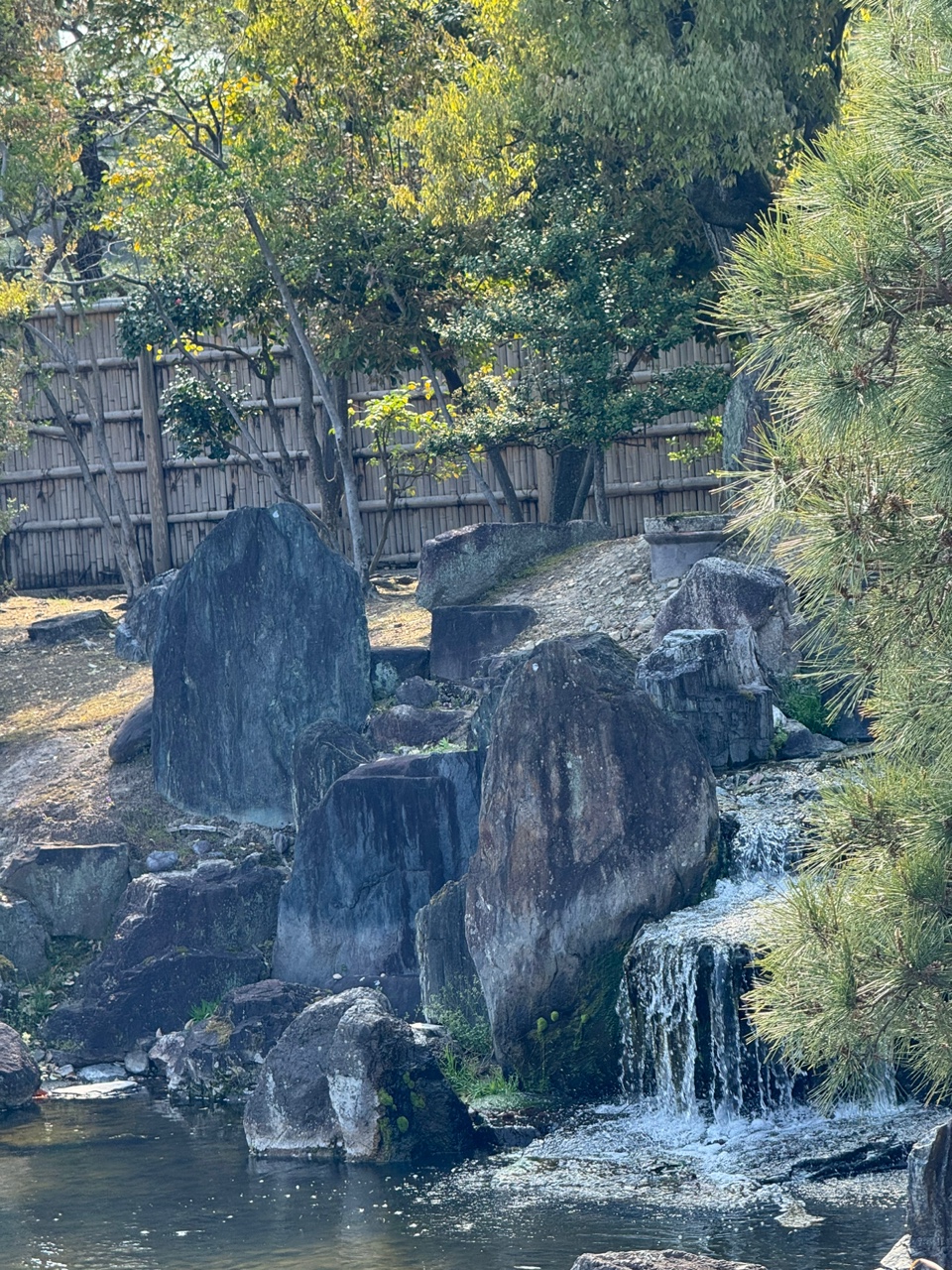
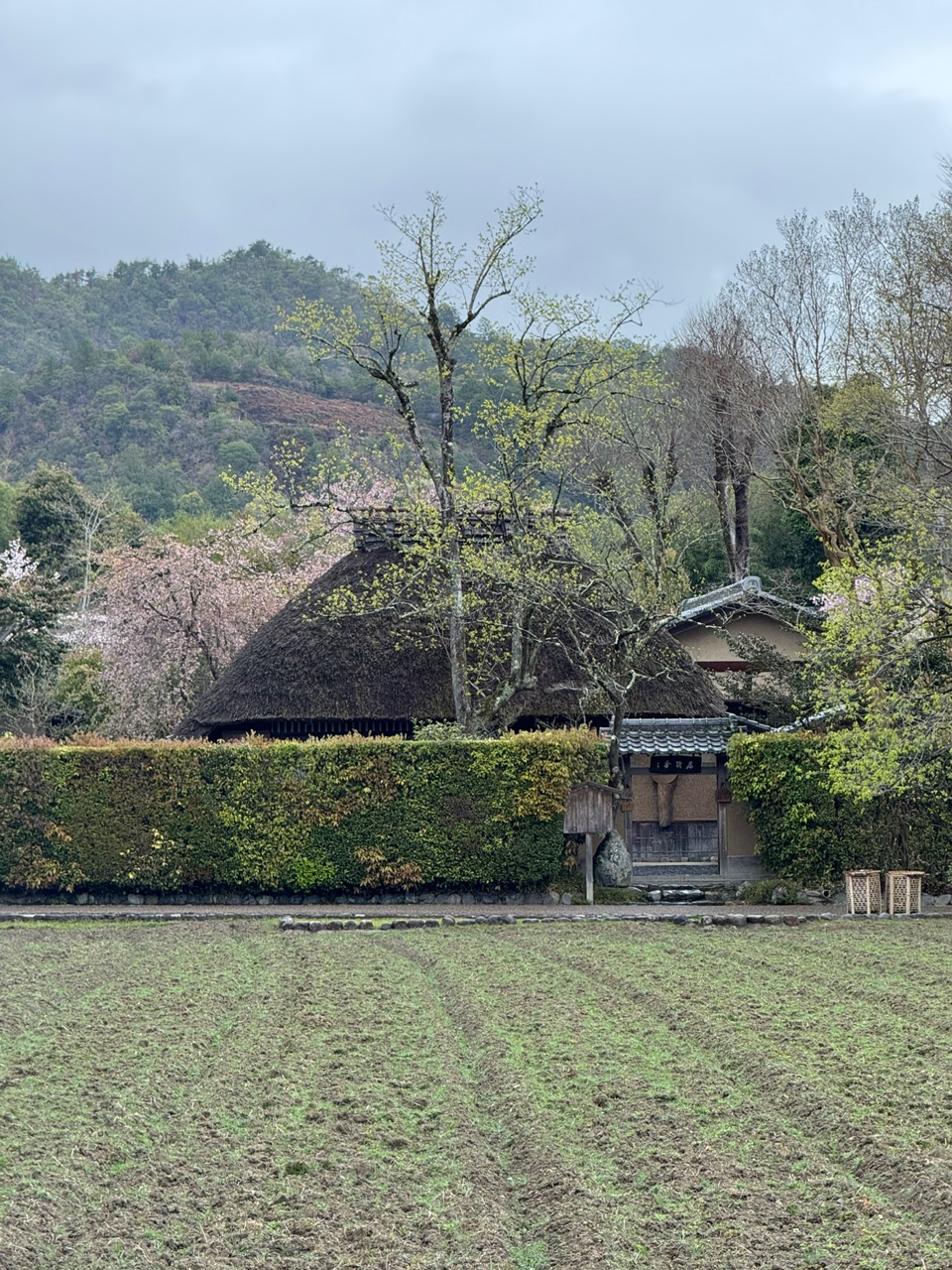
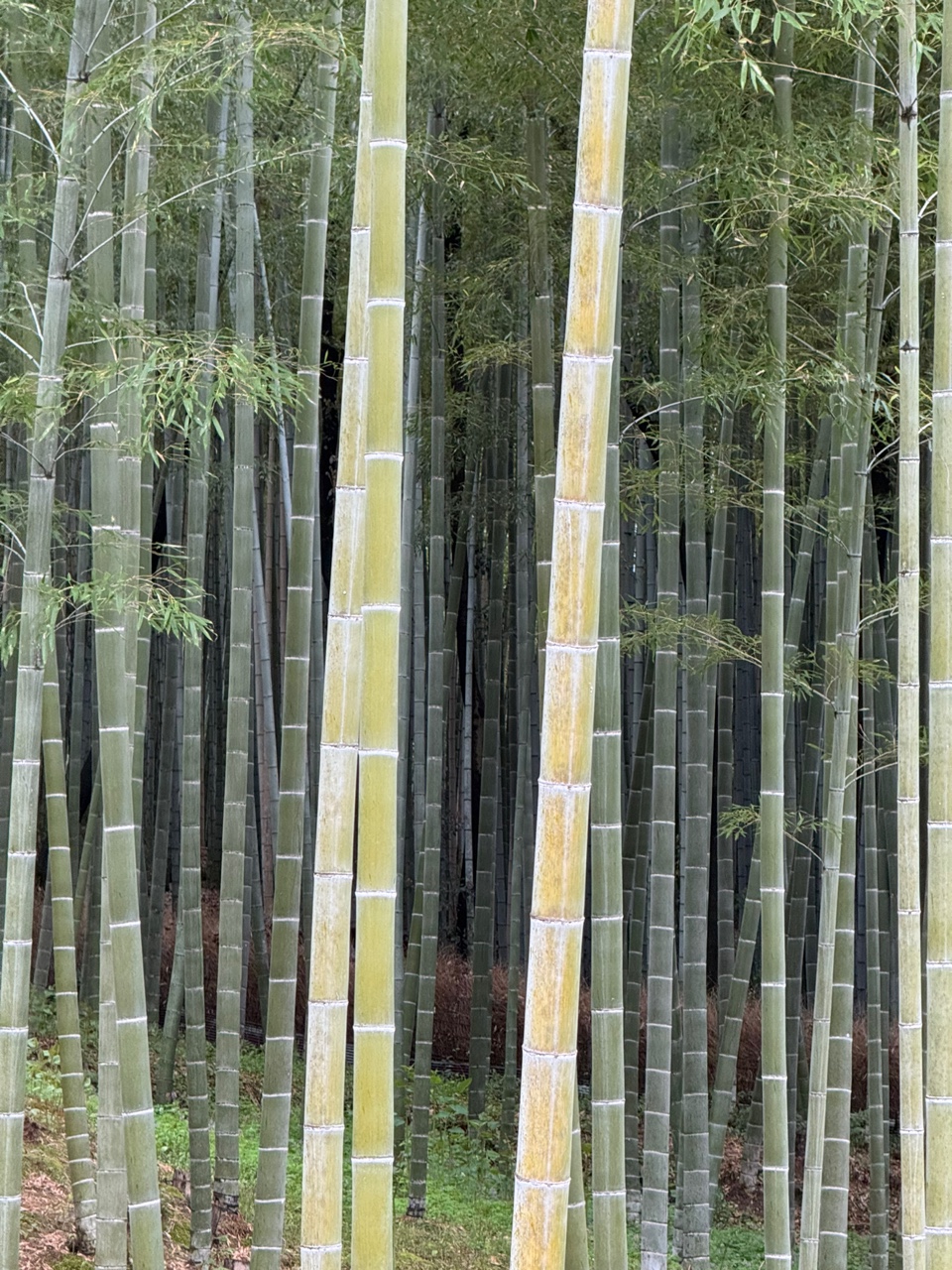
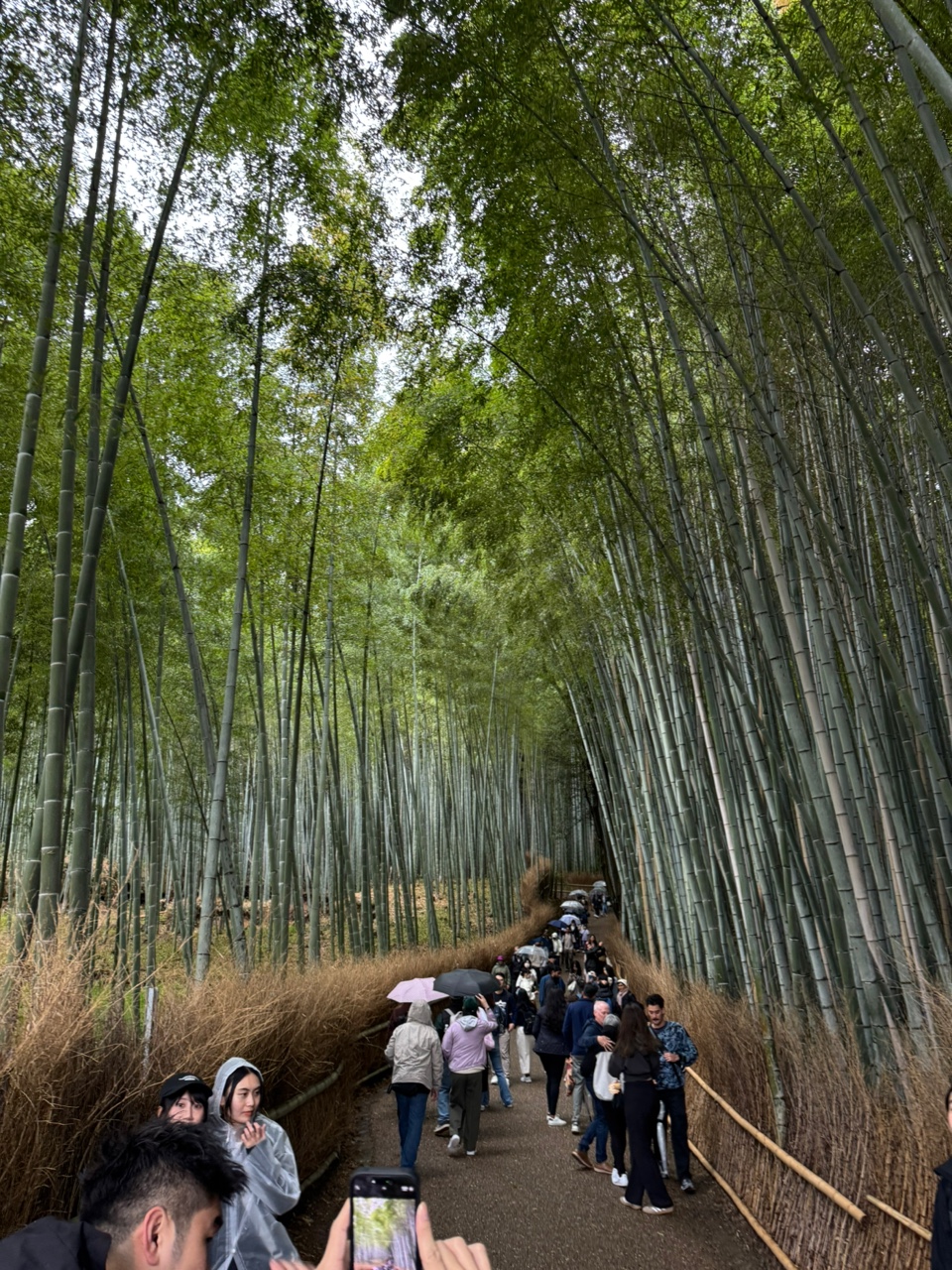
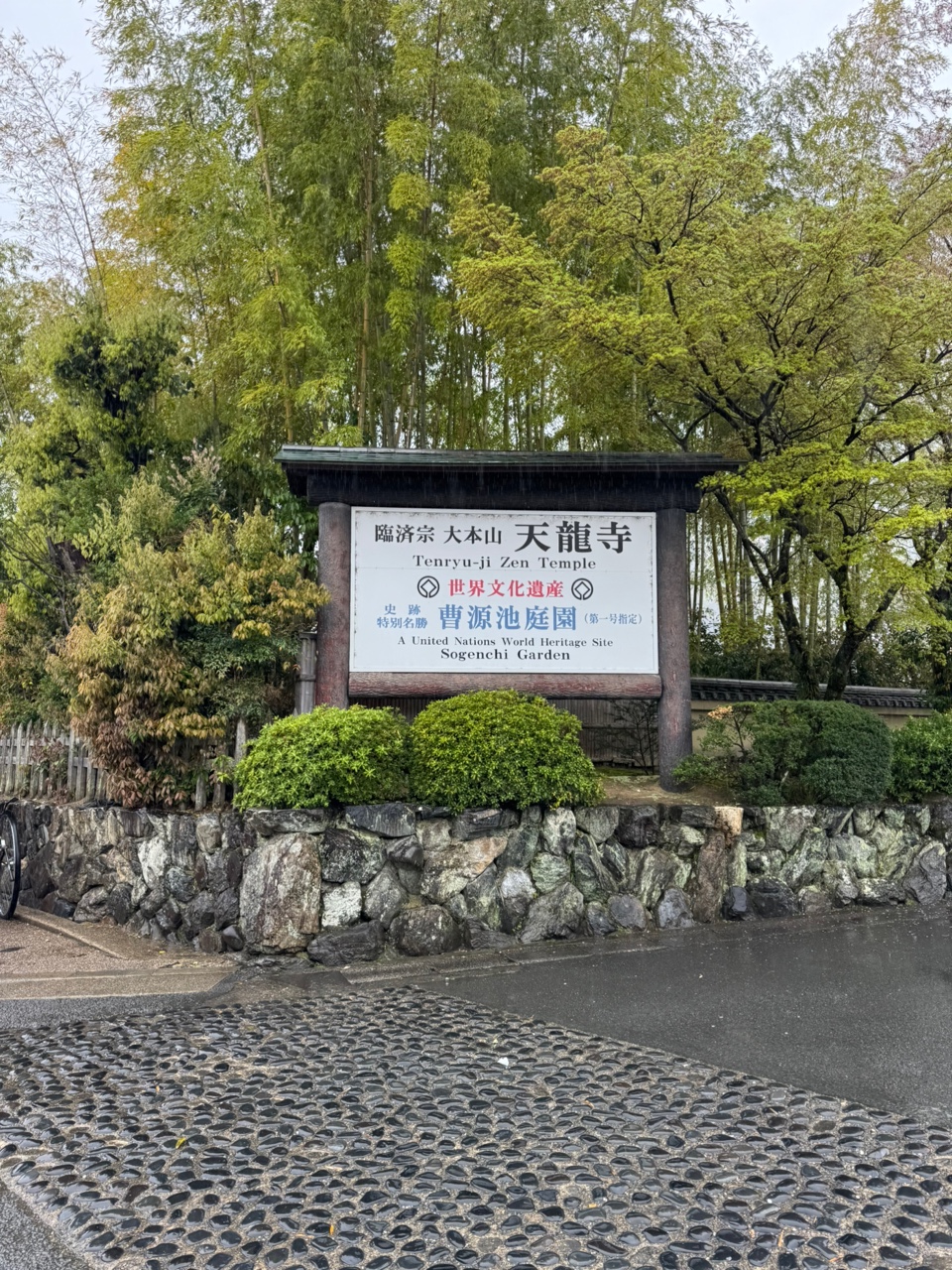
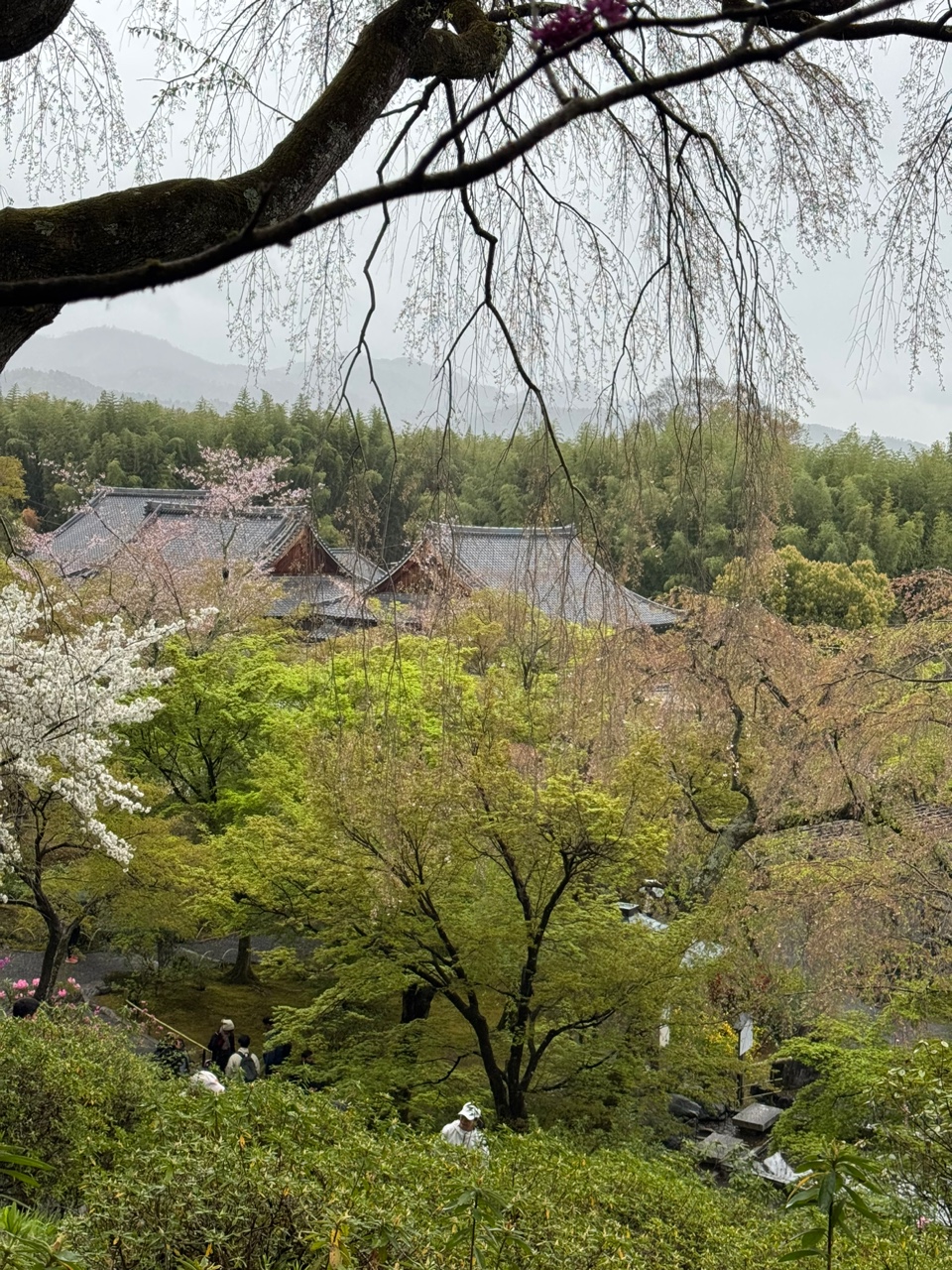
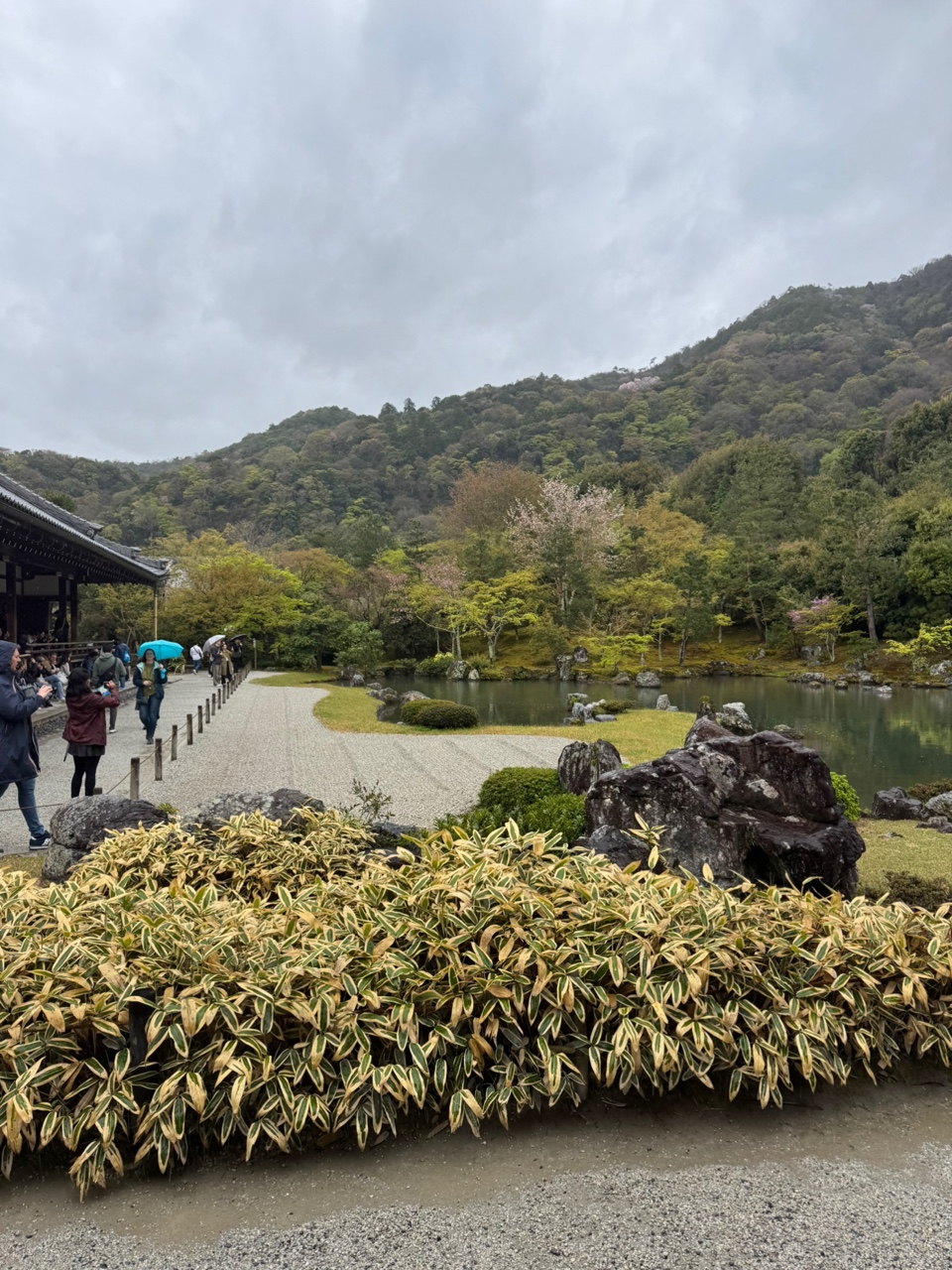
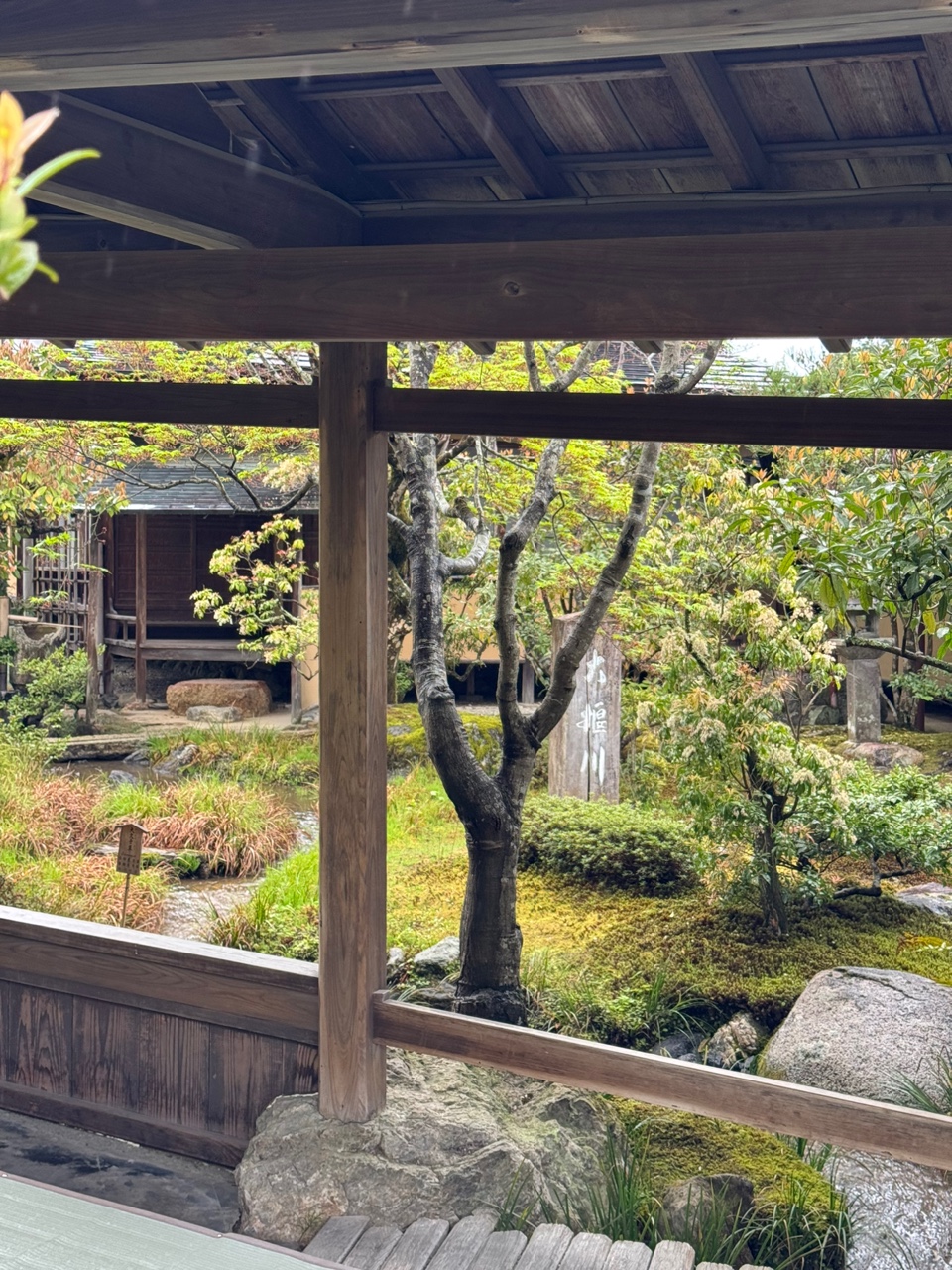
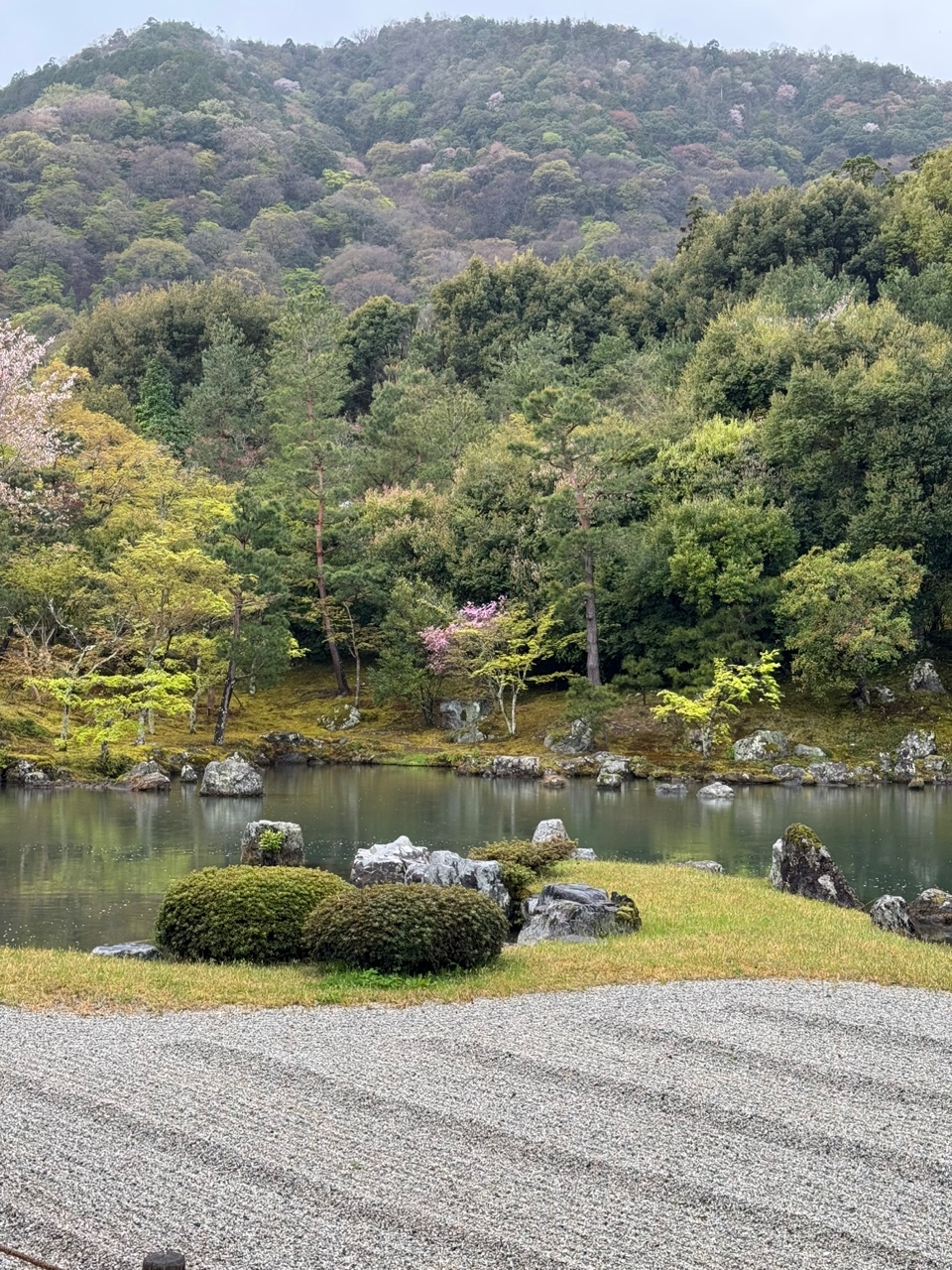
We then walked through the lush, rain-soaked Japanese gardens, which are actually part of a UNESCO World Heritage site. Despite the drizzle, the atmosphere was magical—misty trees, moss-covered stones, and that serene quiet you can only find in Japan. We also squeezed in a quick stroll through the Arashiyama Bamboo Grove (竹林の小径). Even though we were short on time and had to rush a bit, the experience was still incredible. The towering bamboo and the ethereal light filtering through gave everything a surreal, almost otherworldly feel—like walking through an ancient ethnographic painting.
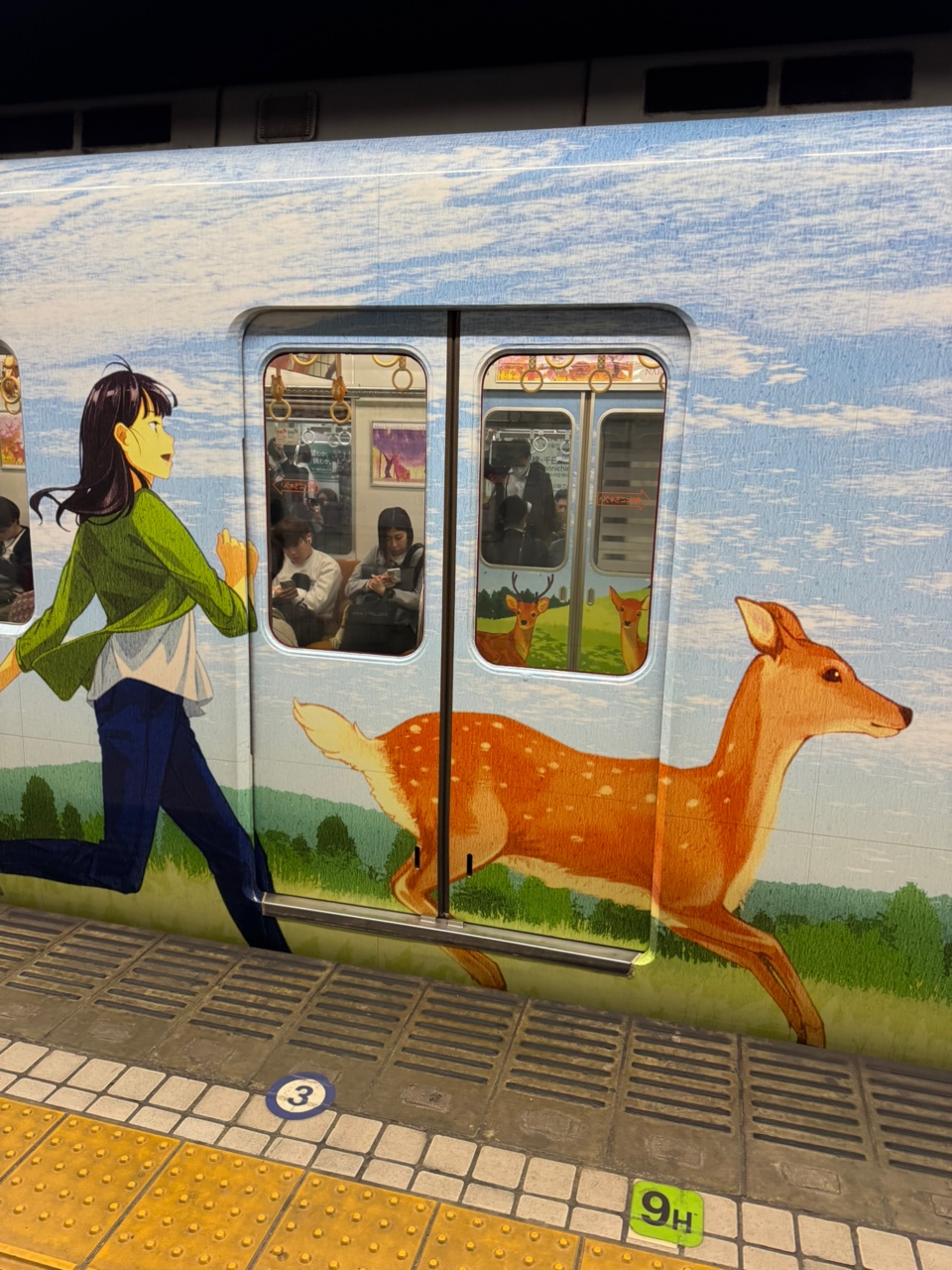
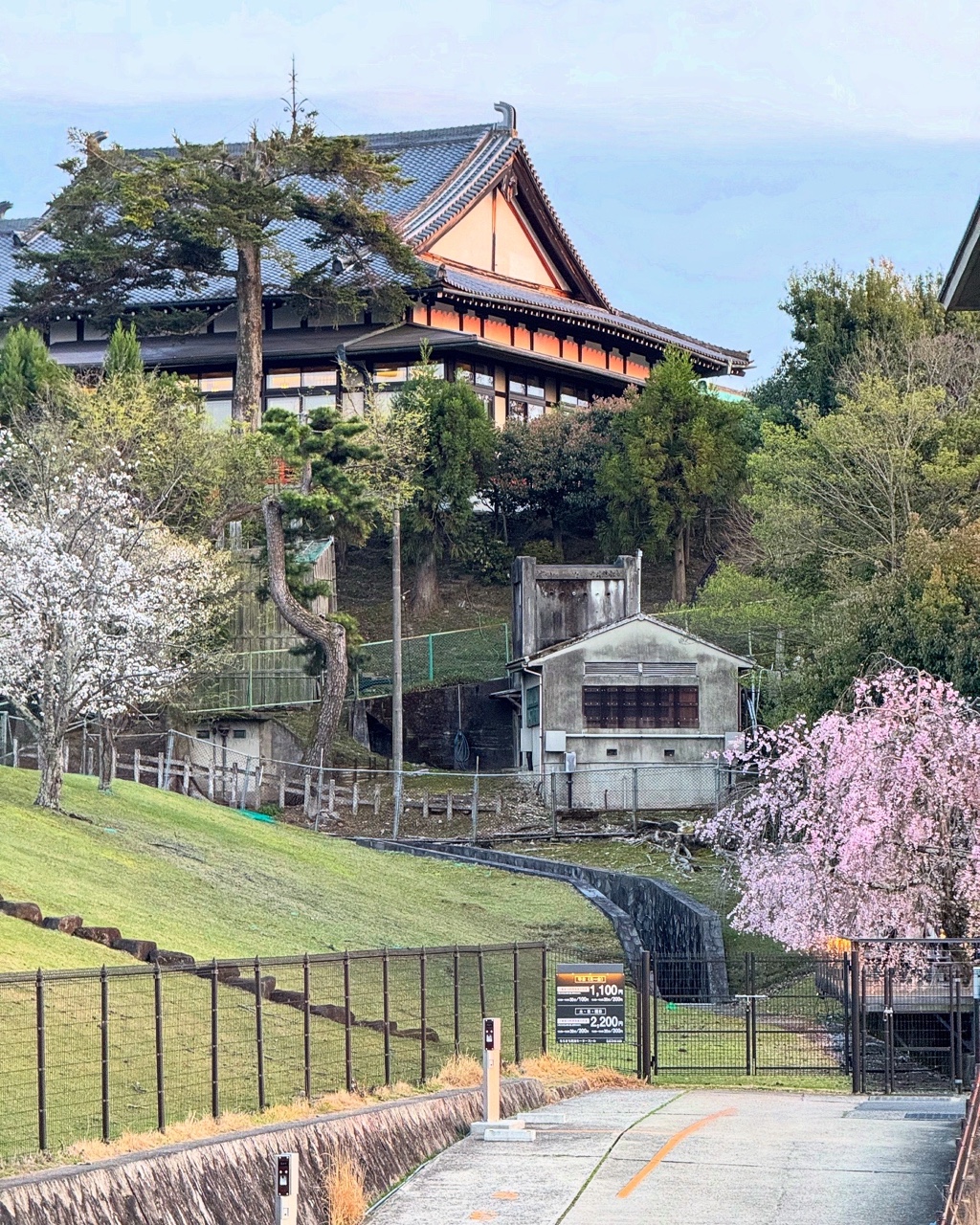
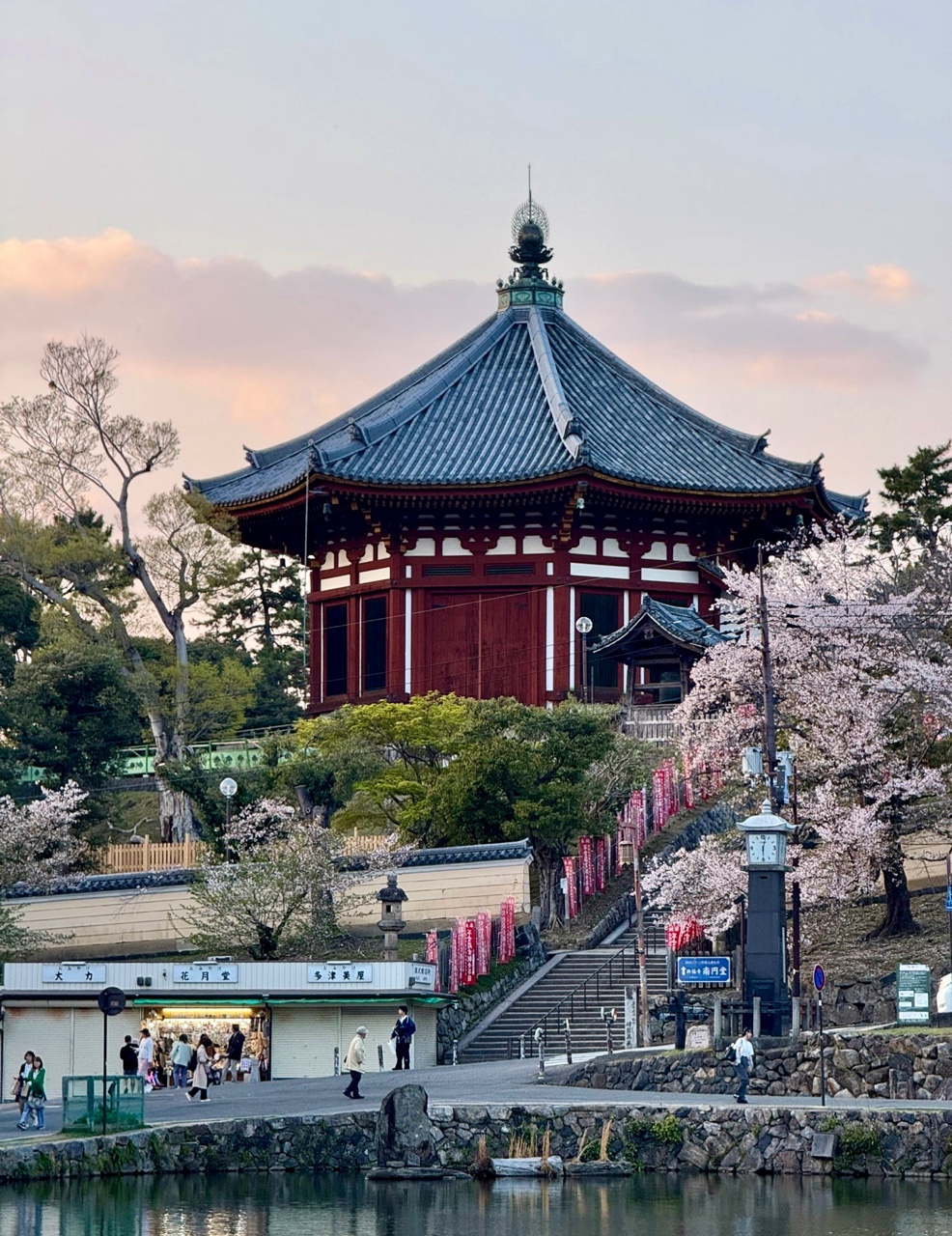
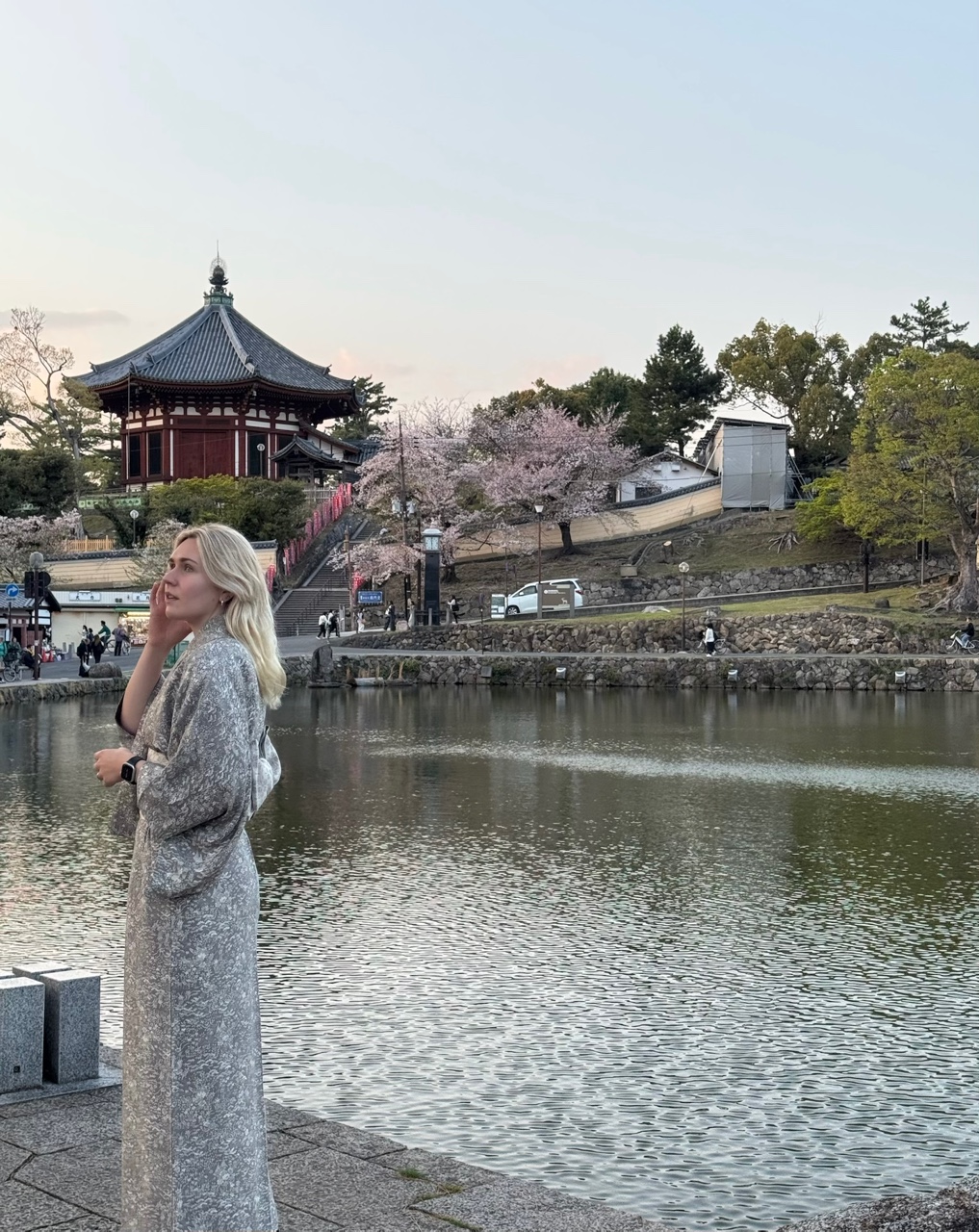
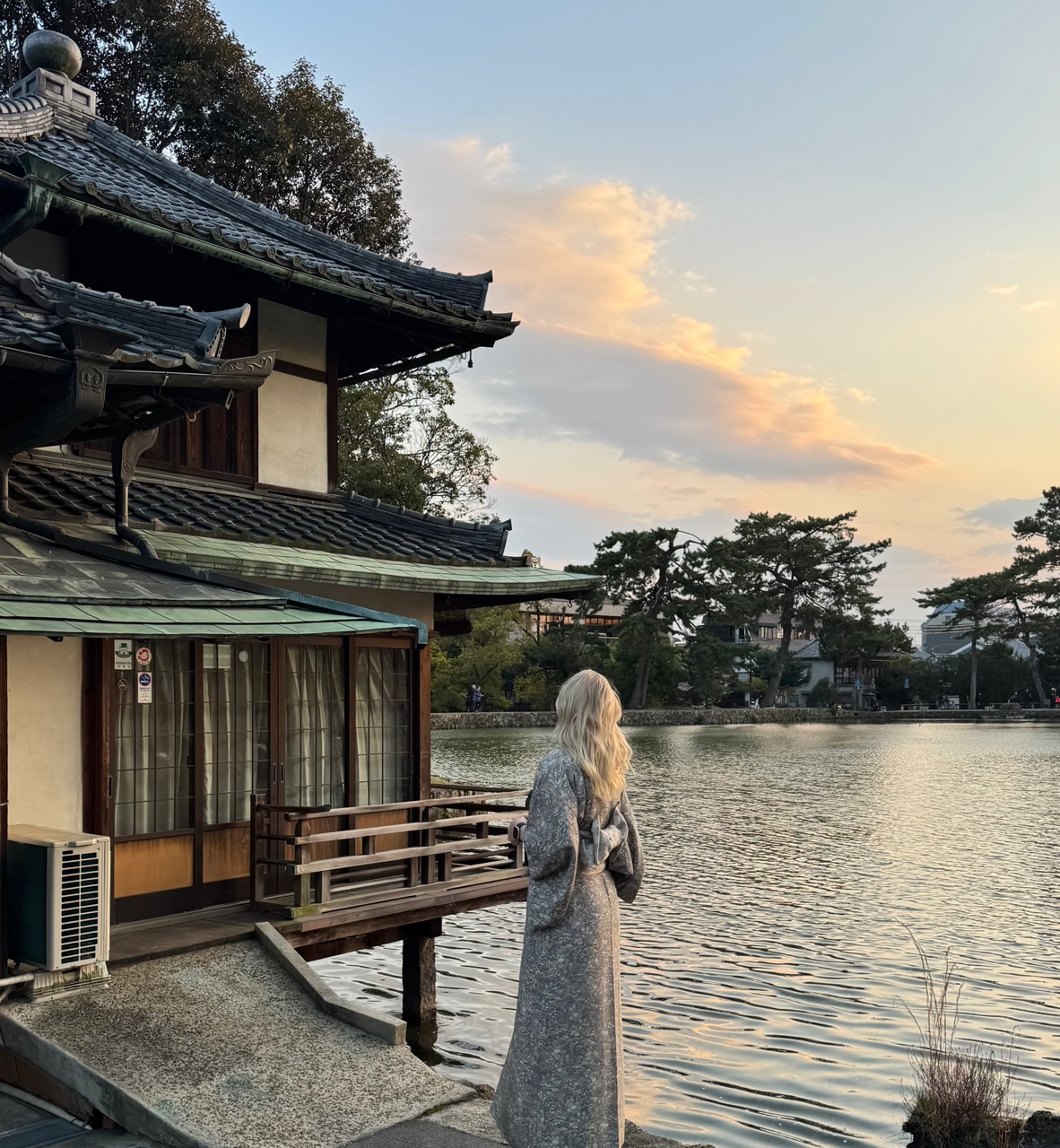
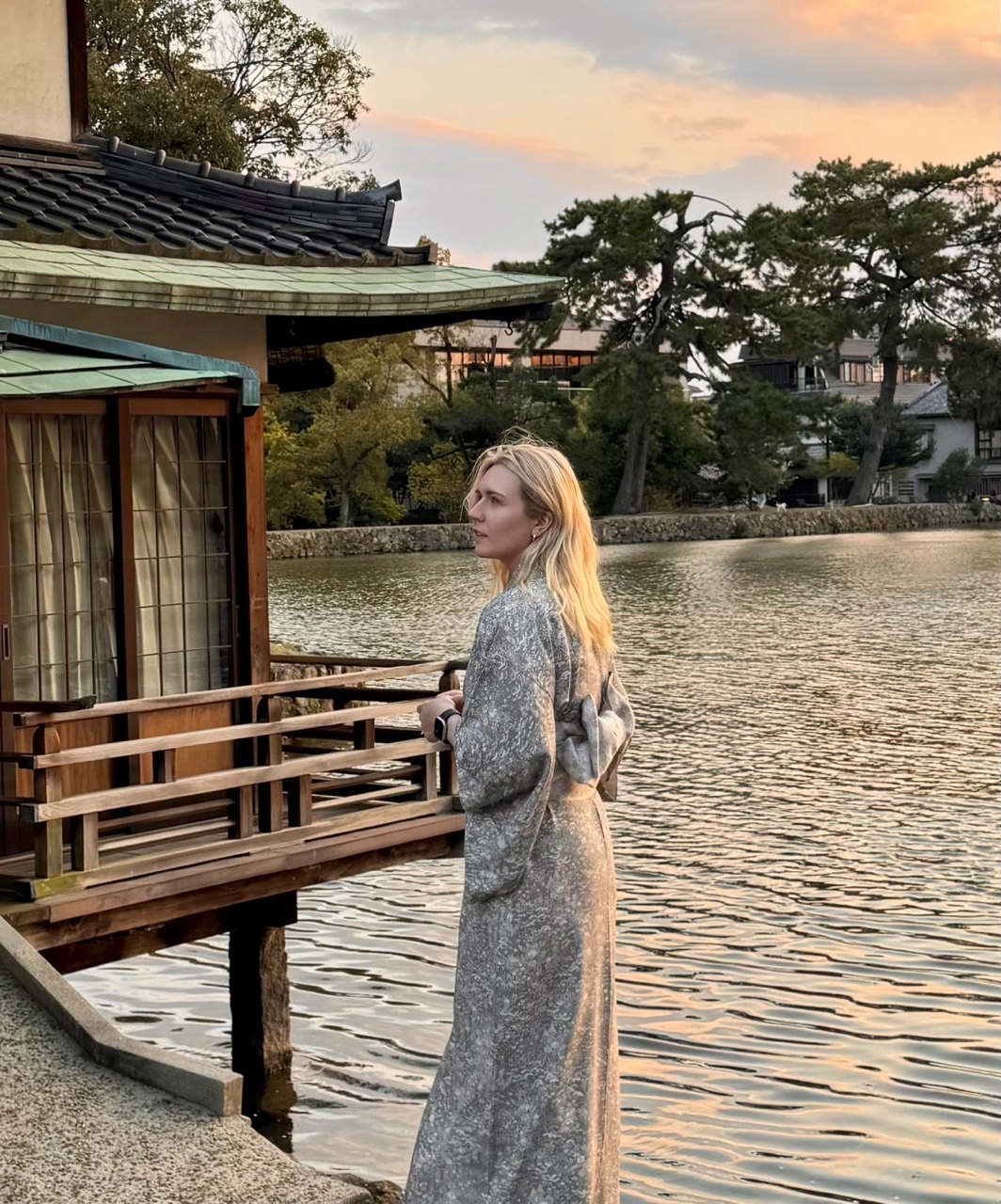
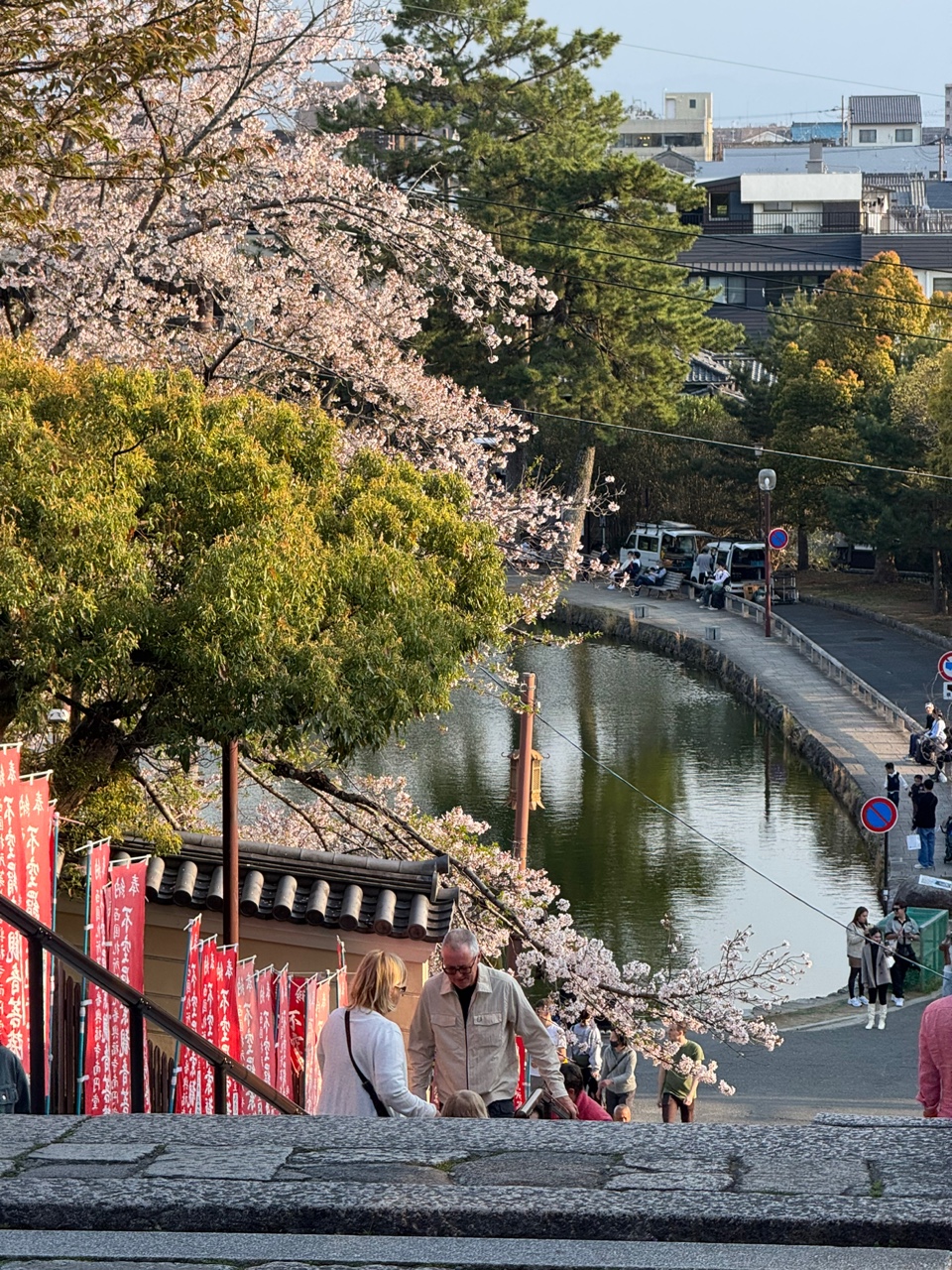
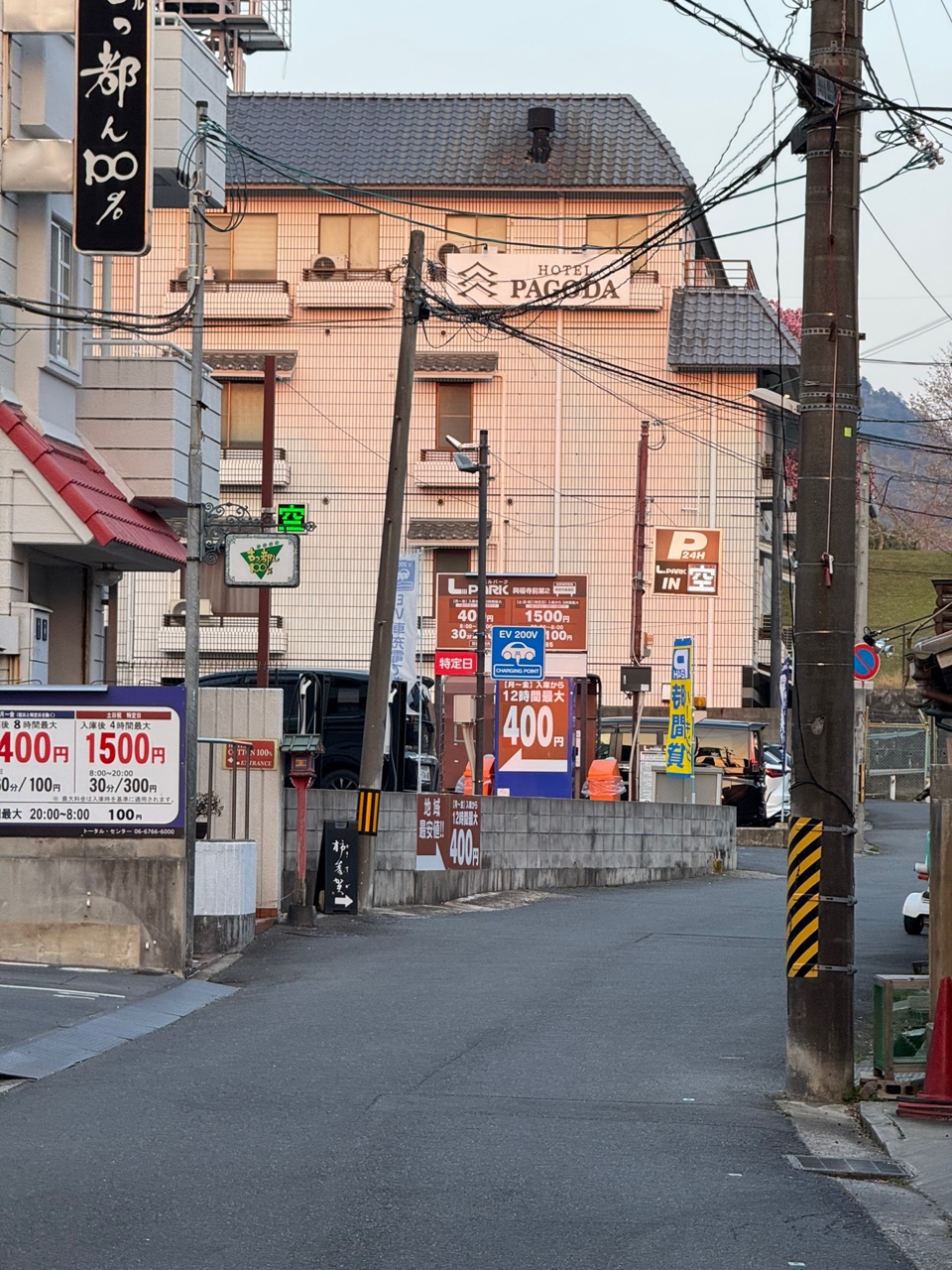
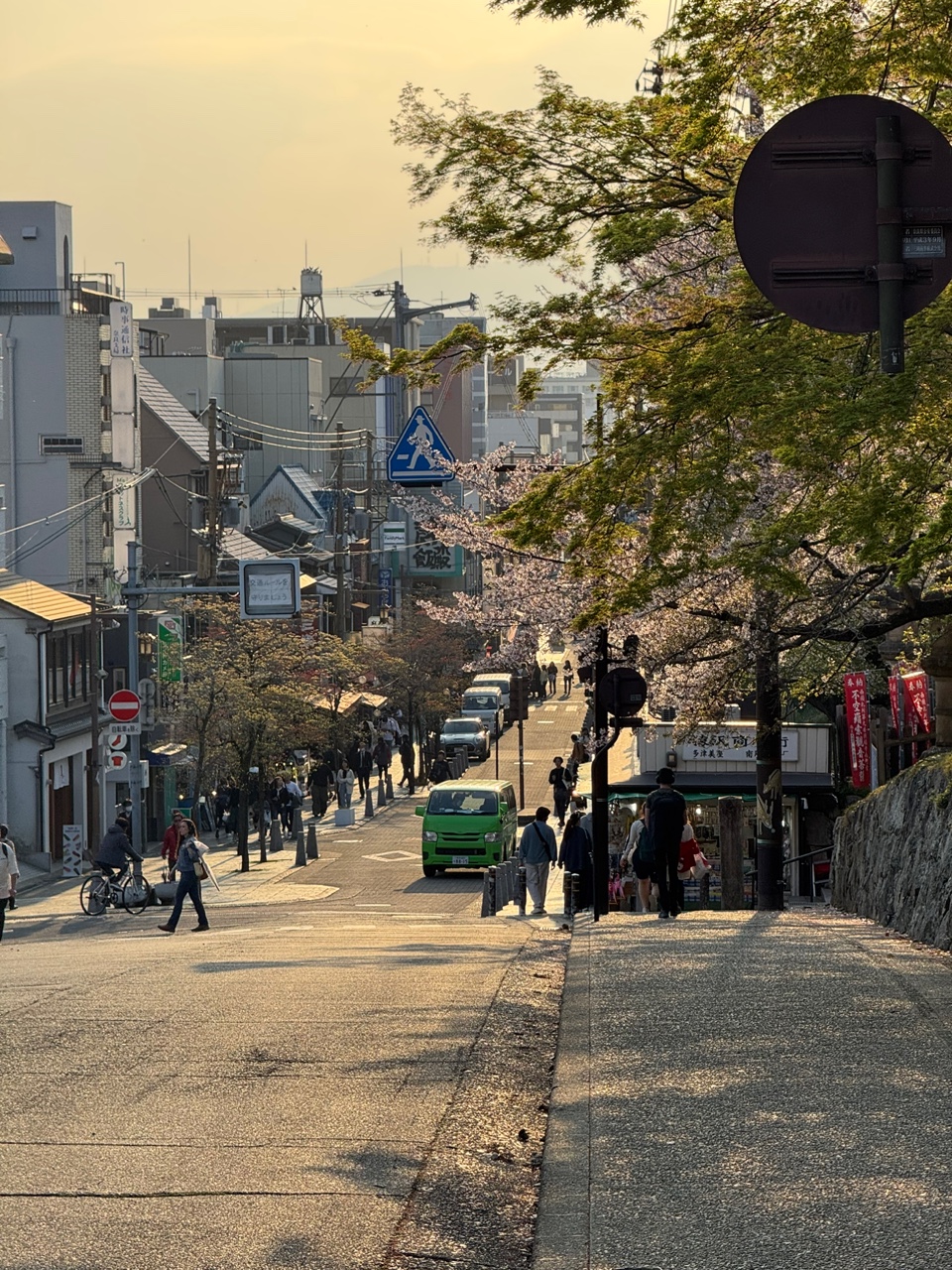
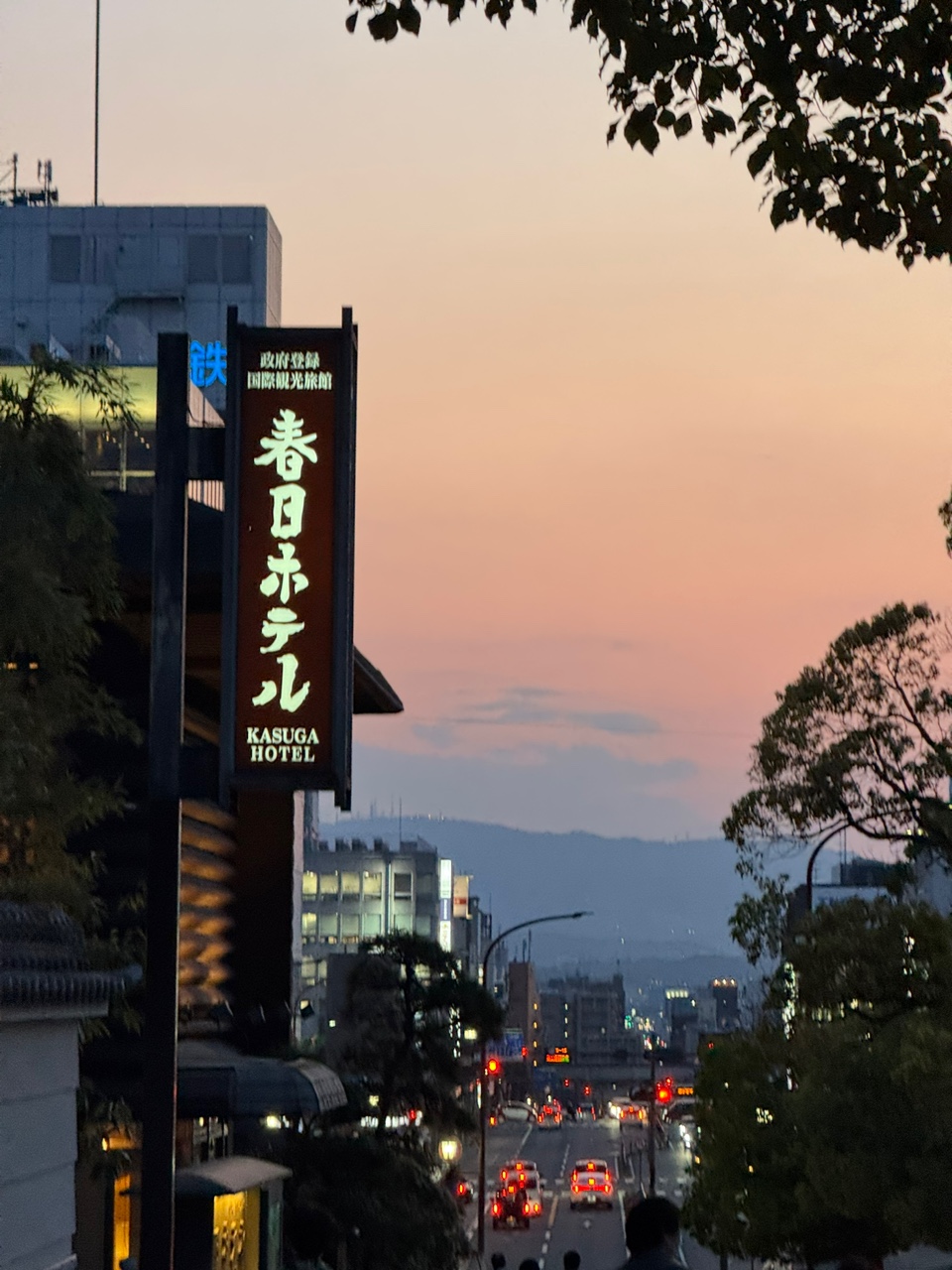
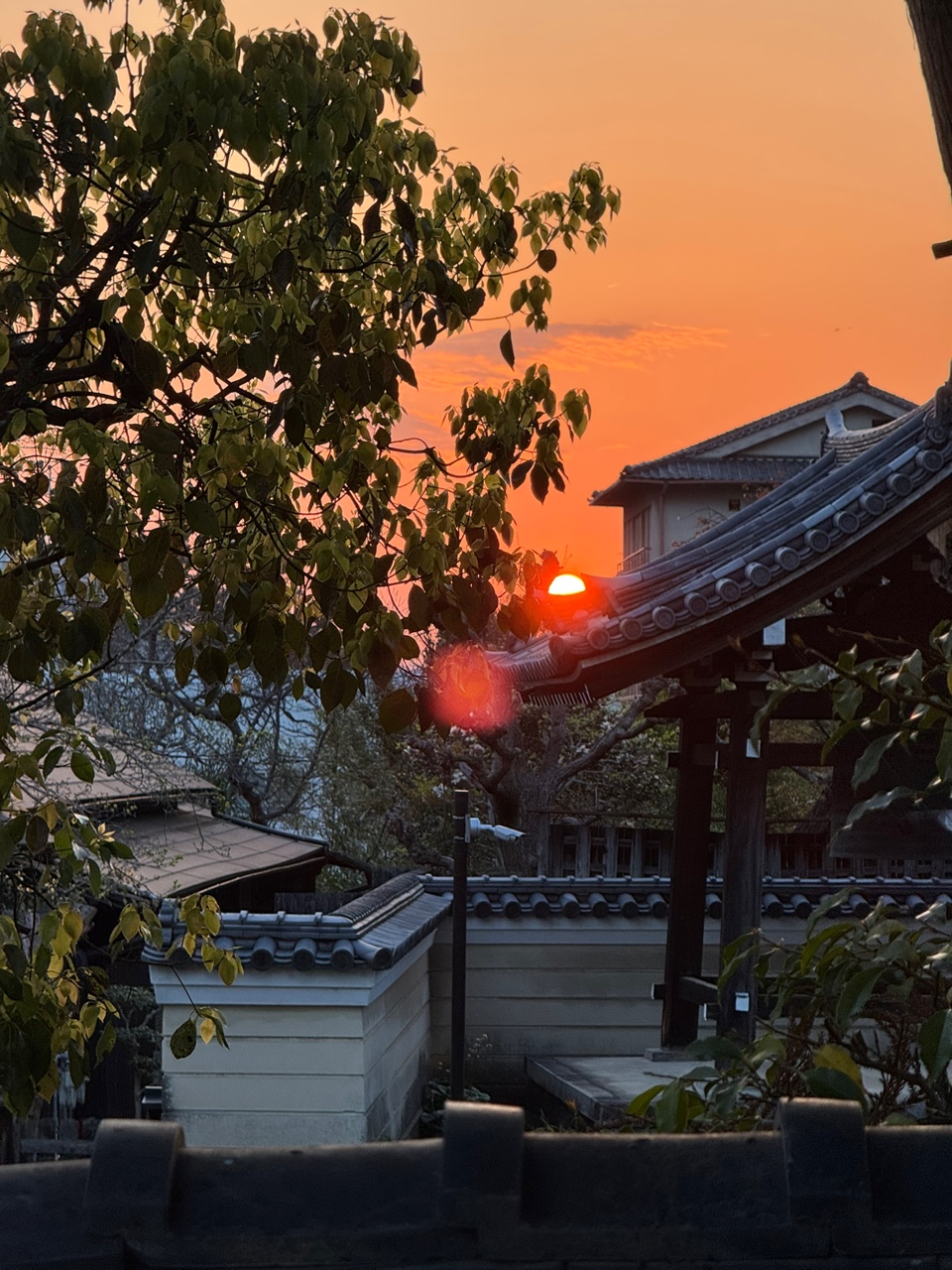
From there, we made our way to Nara (奈良), a city famous for its sacred deer and ancient temples. Sadly, by the time we arrived, most of the major sights had already closed for the day—including Tōdai-ji (東大寺), home to Japan’s largest bronze Buddha, the impressive Daibutsu (大仏). Although we couldn’t see it up close, we still enjoyed a peaceful evening stroll around Sarusawa Pond (猿沢池), watching the gentle ripples and the pagoda reflections as the sun set.
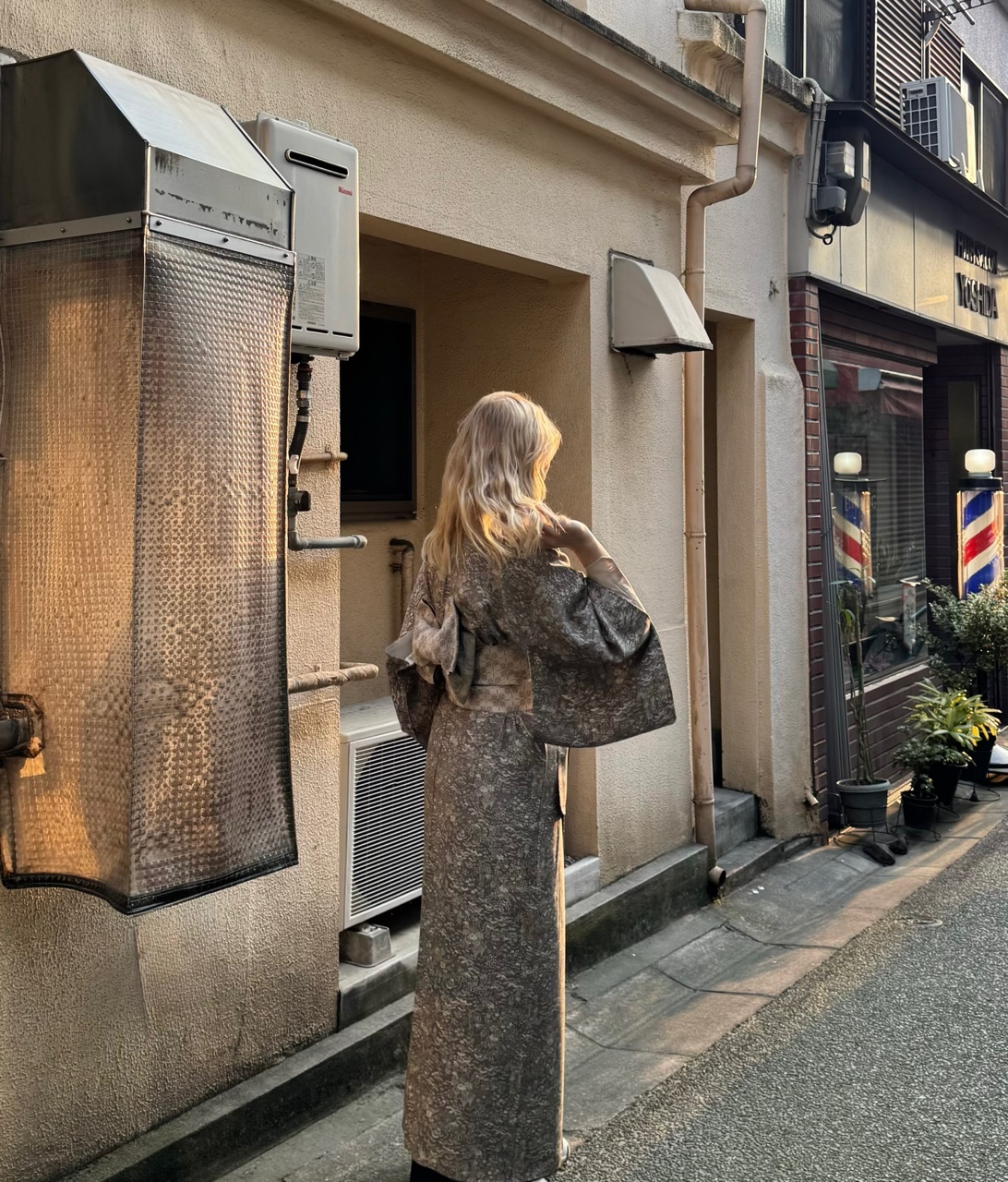
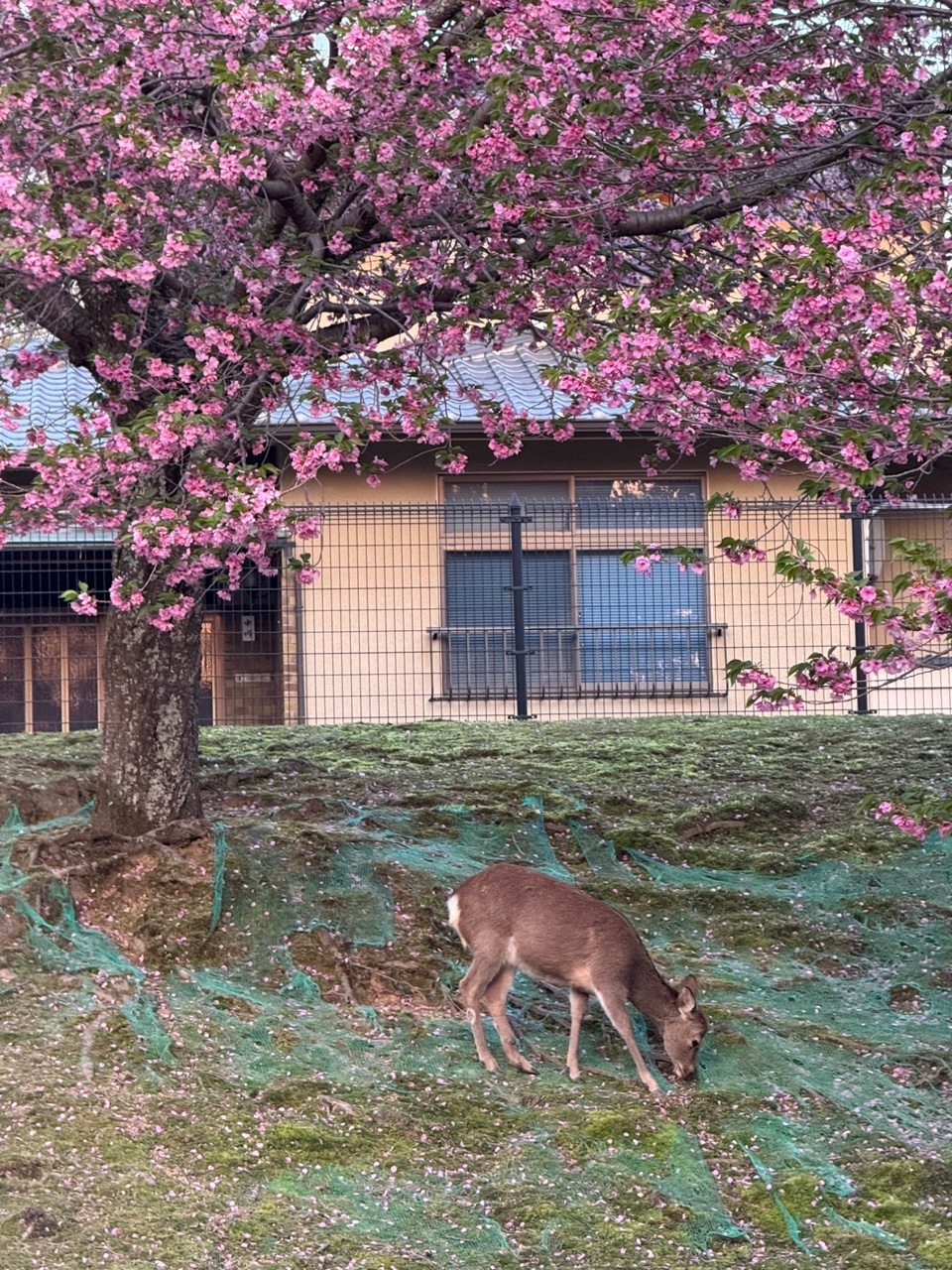
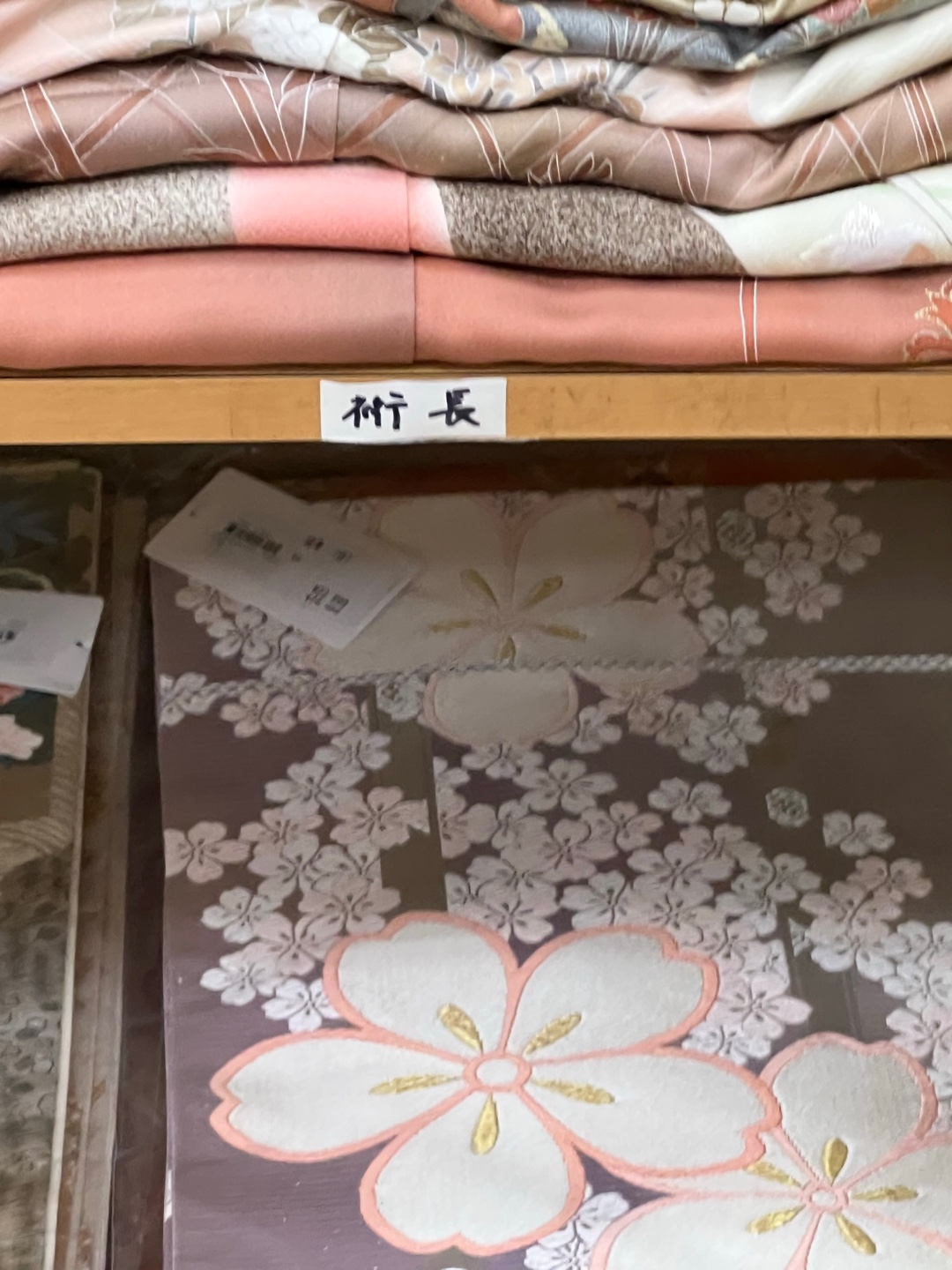
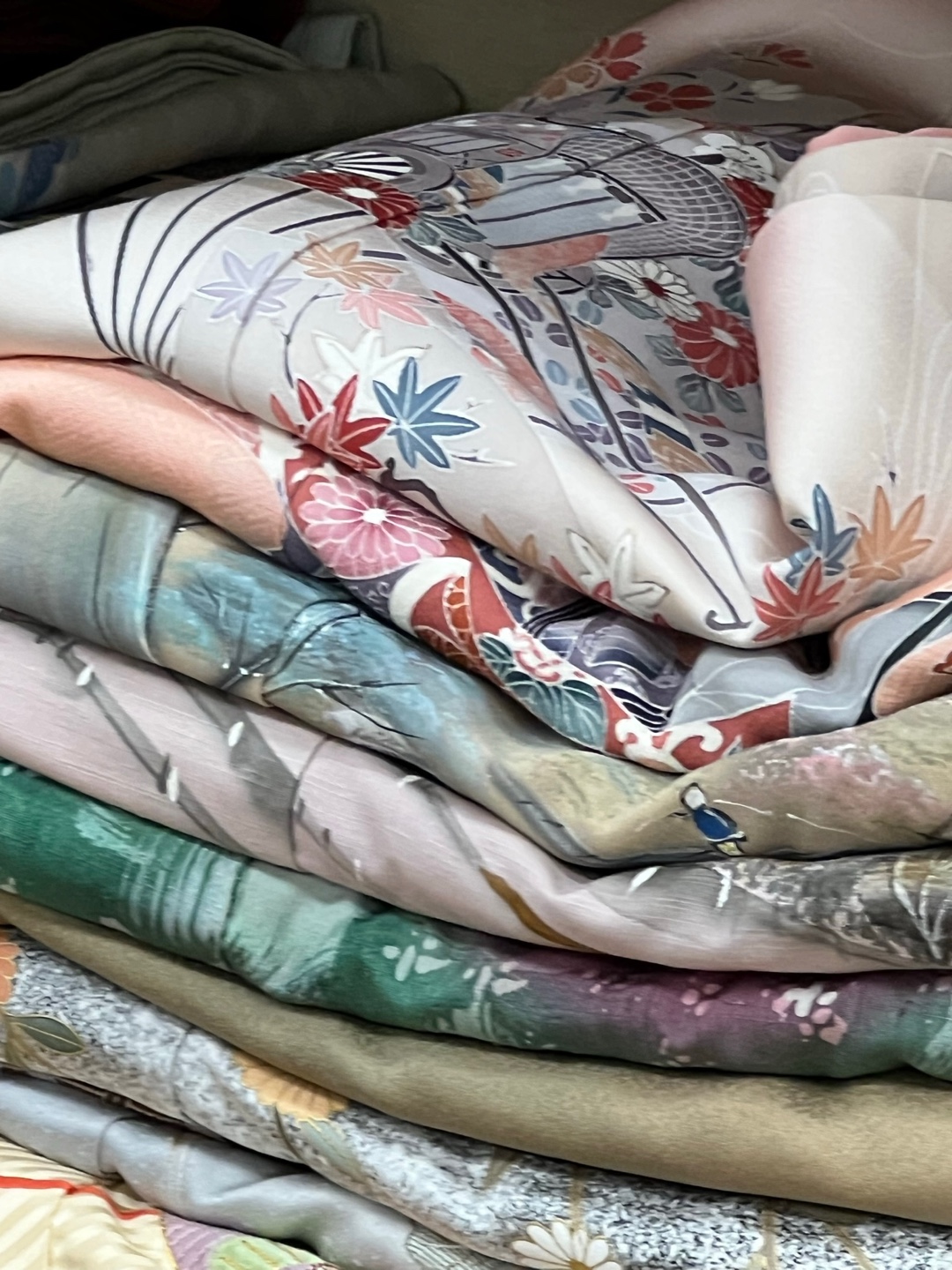
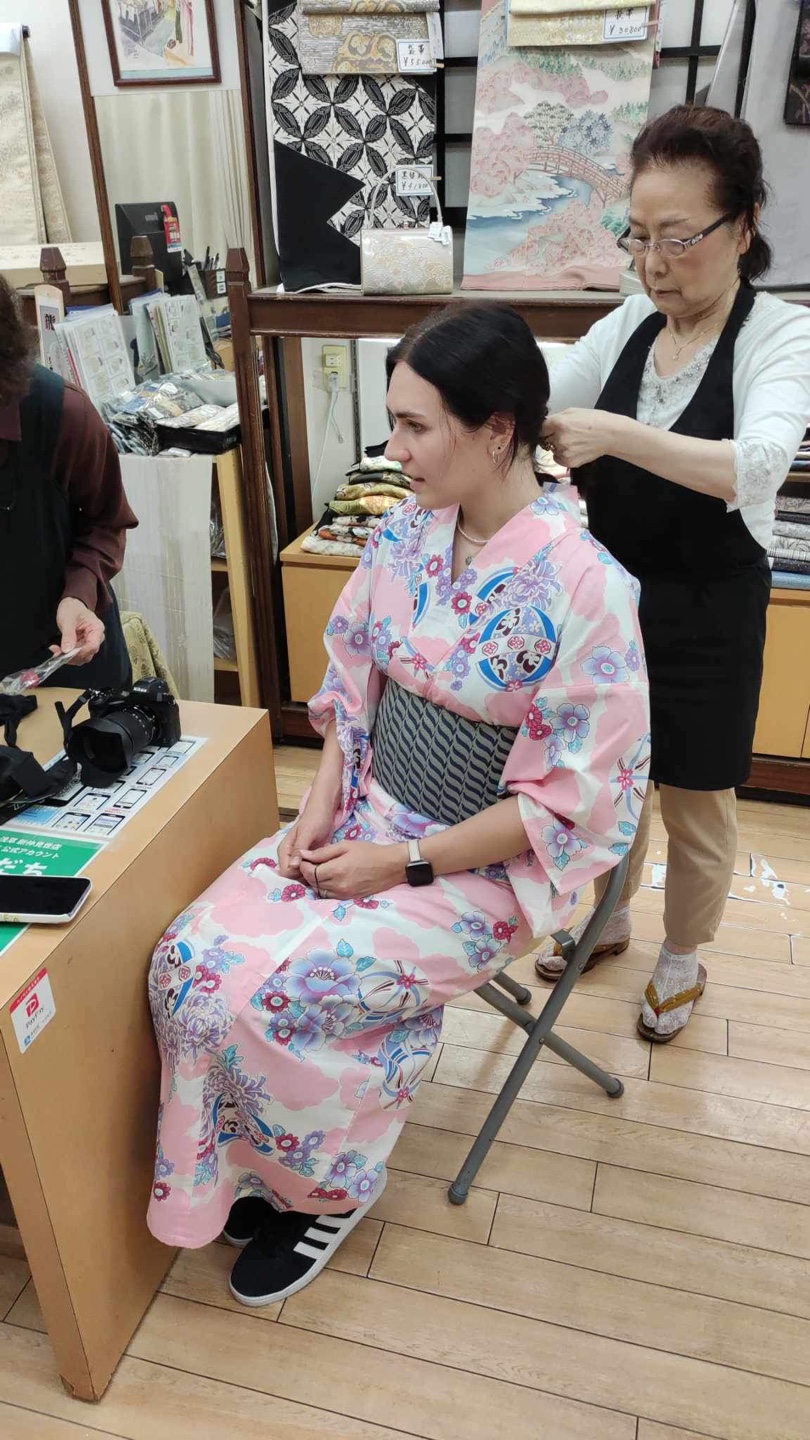
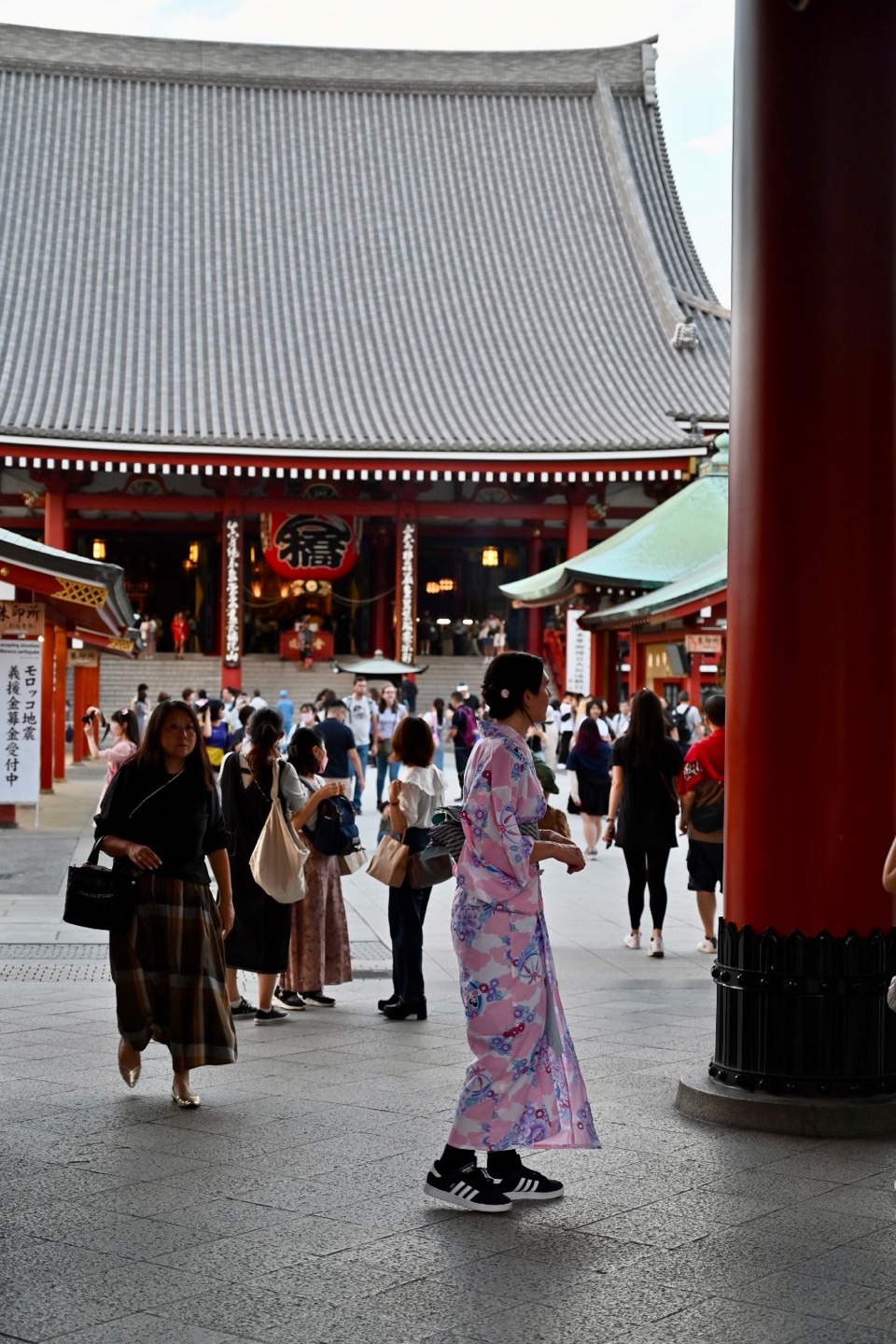
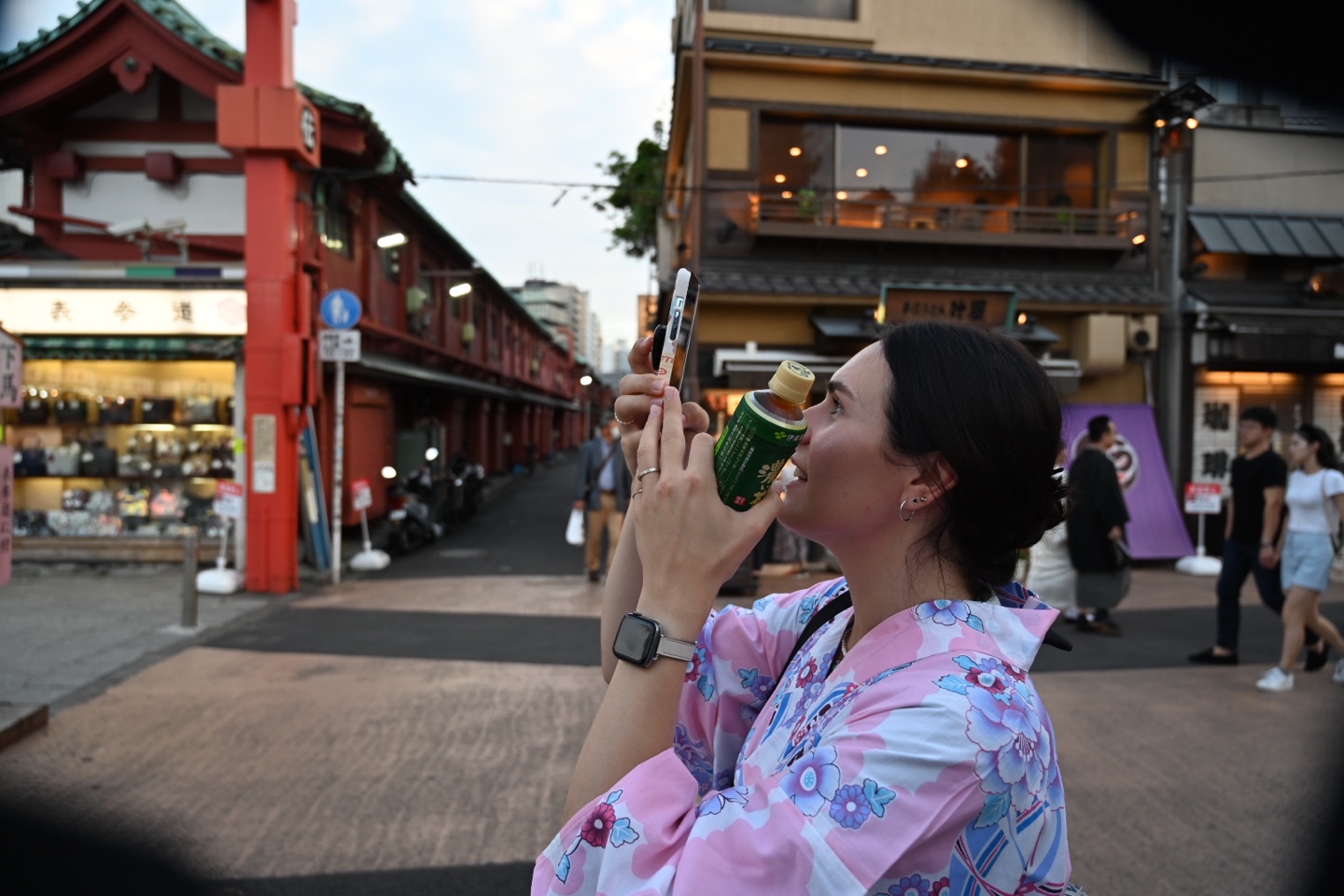
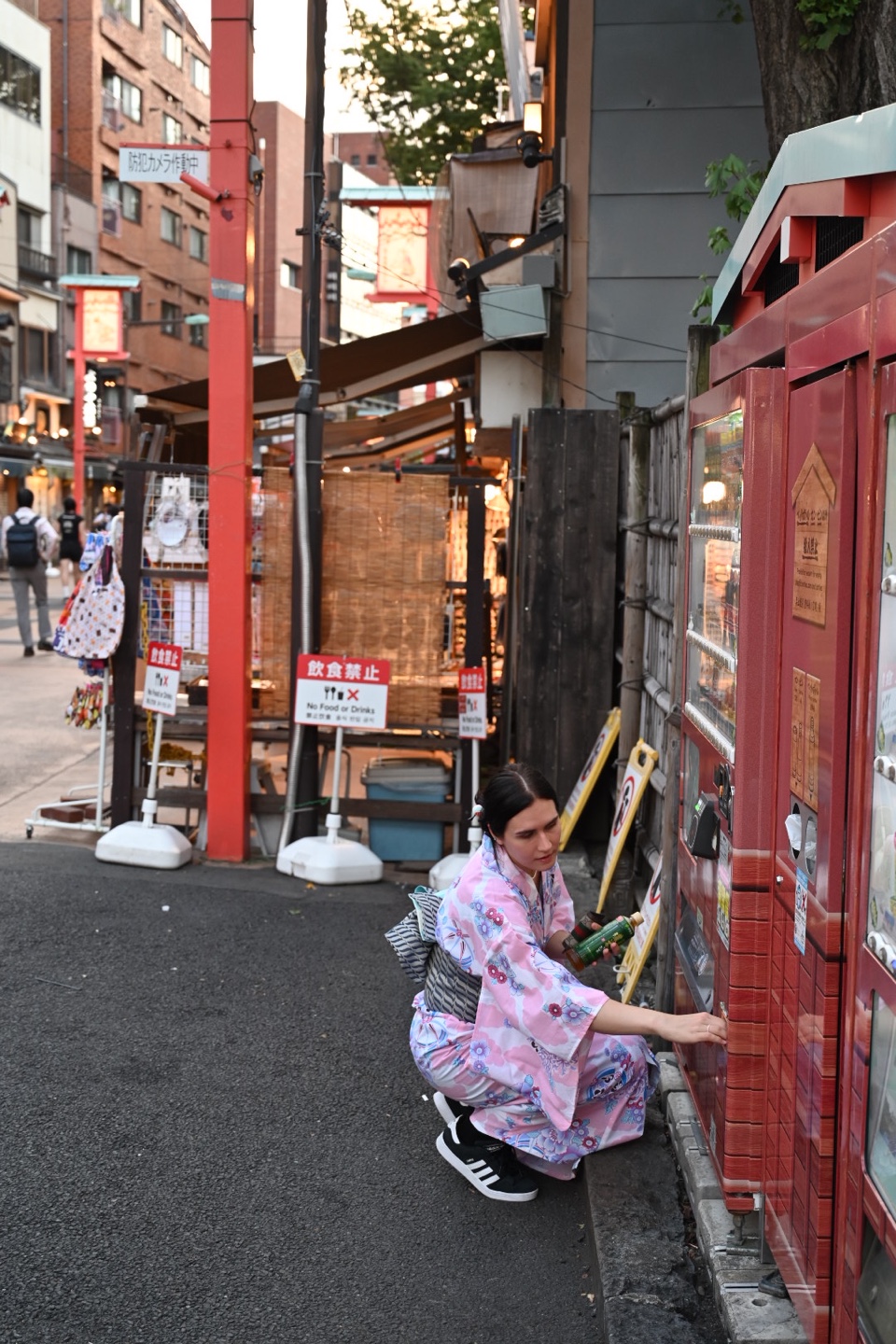
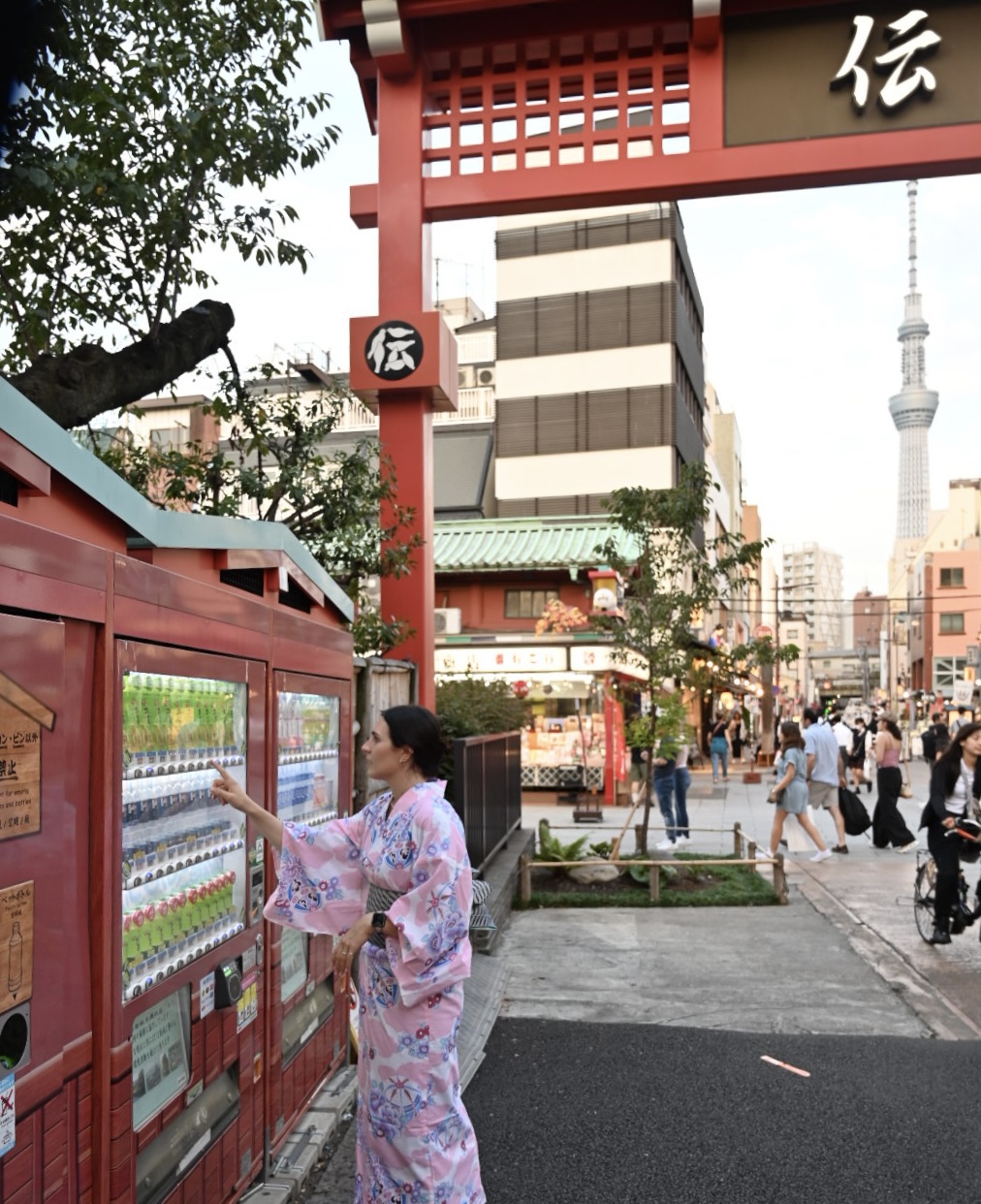
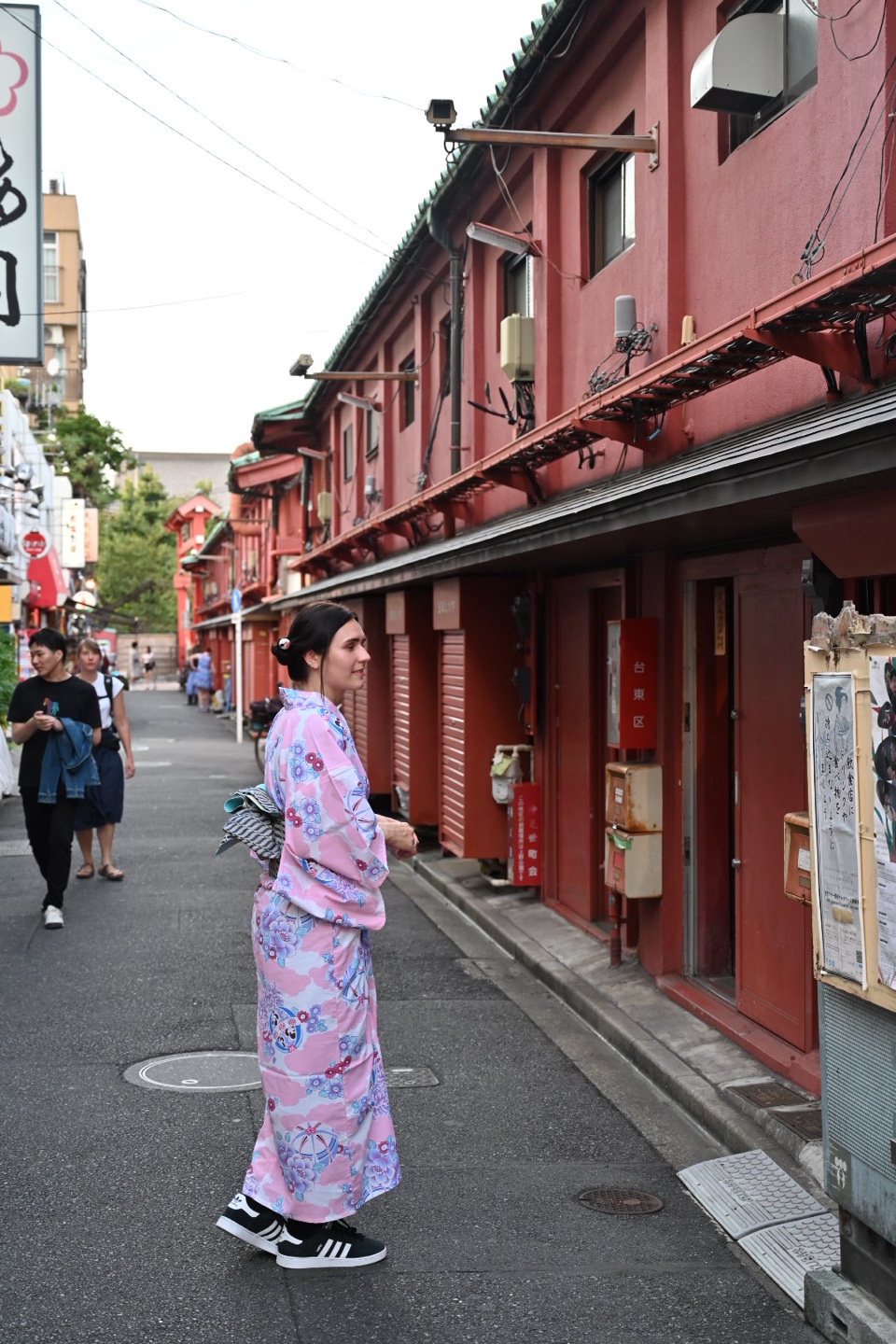
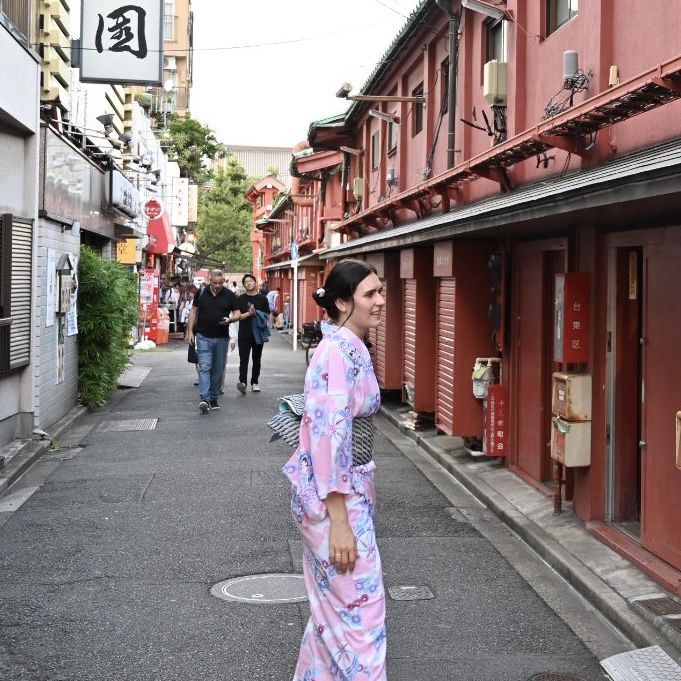
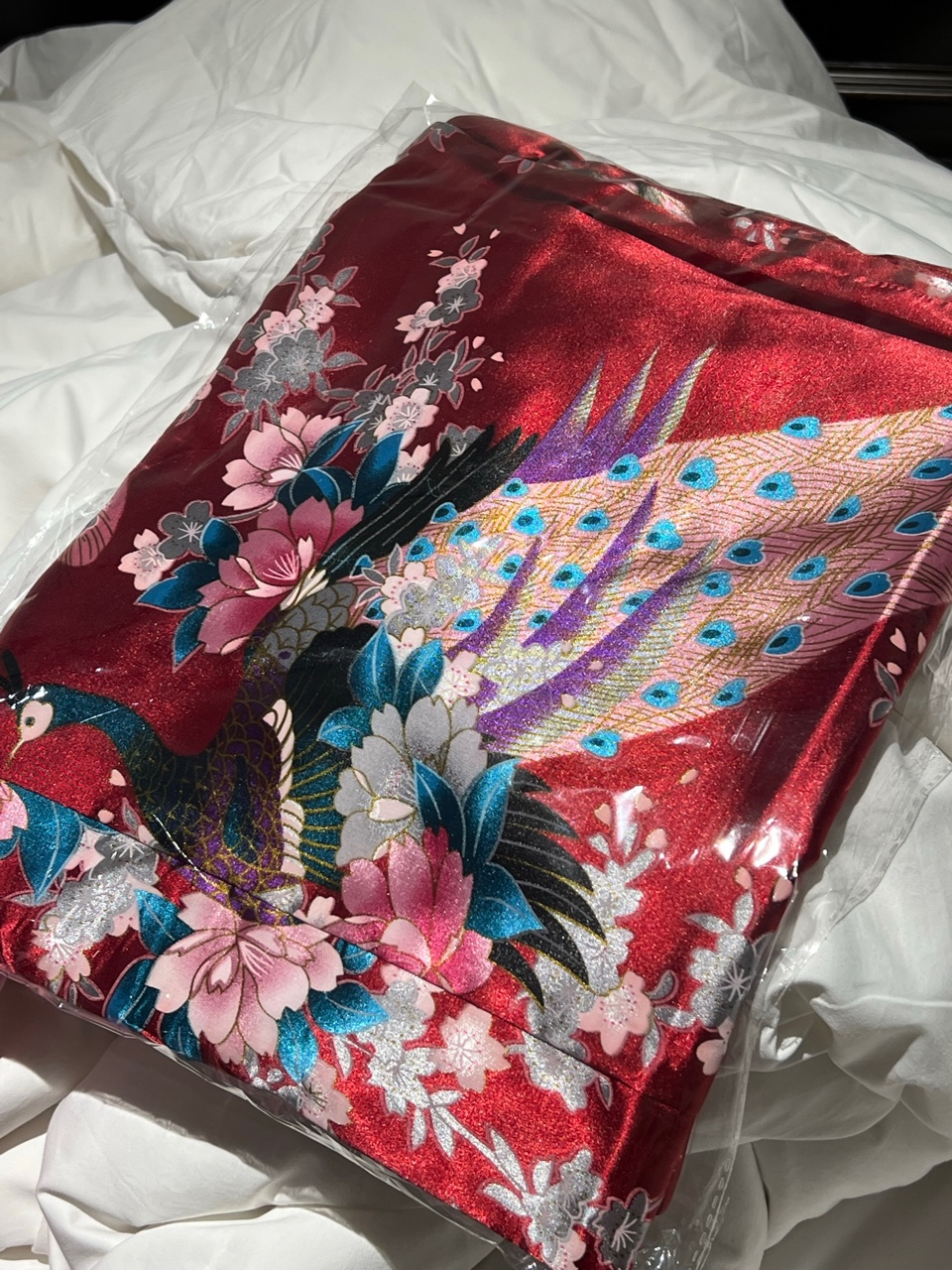
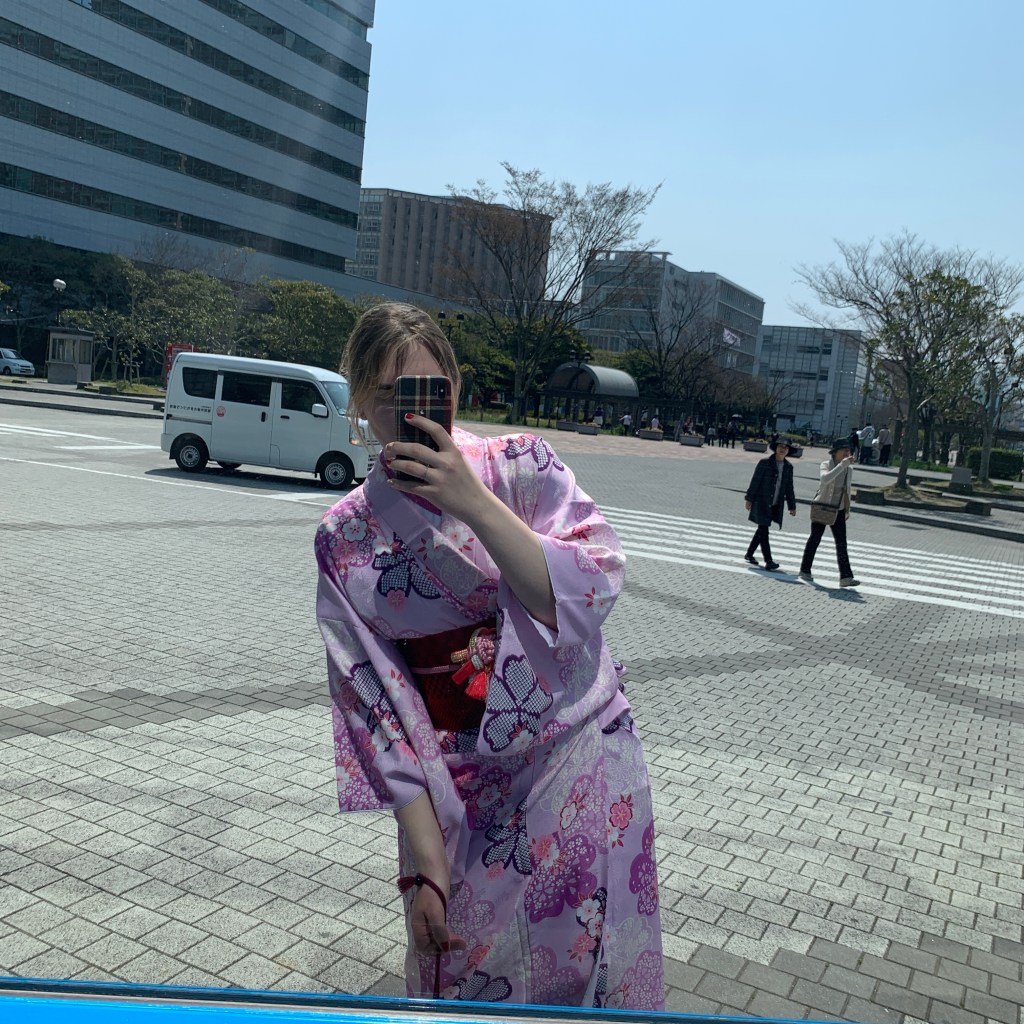
Of course, we didn’t miss out on saying hello to some of Nara’s beloved deer (shika, 鹿), who bowed politely in hopes of a snack. And yes—I absolutely caved and bought the cutest yukata (浴衣) as a souvenir. Naturally, I turned the quiet park into my personal photoshoot spot and had my ever-patient mom snap about a hundred photos. Thanks, Mom! 😄
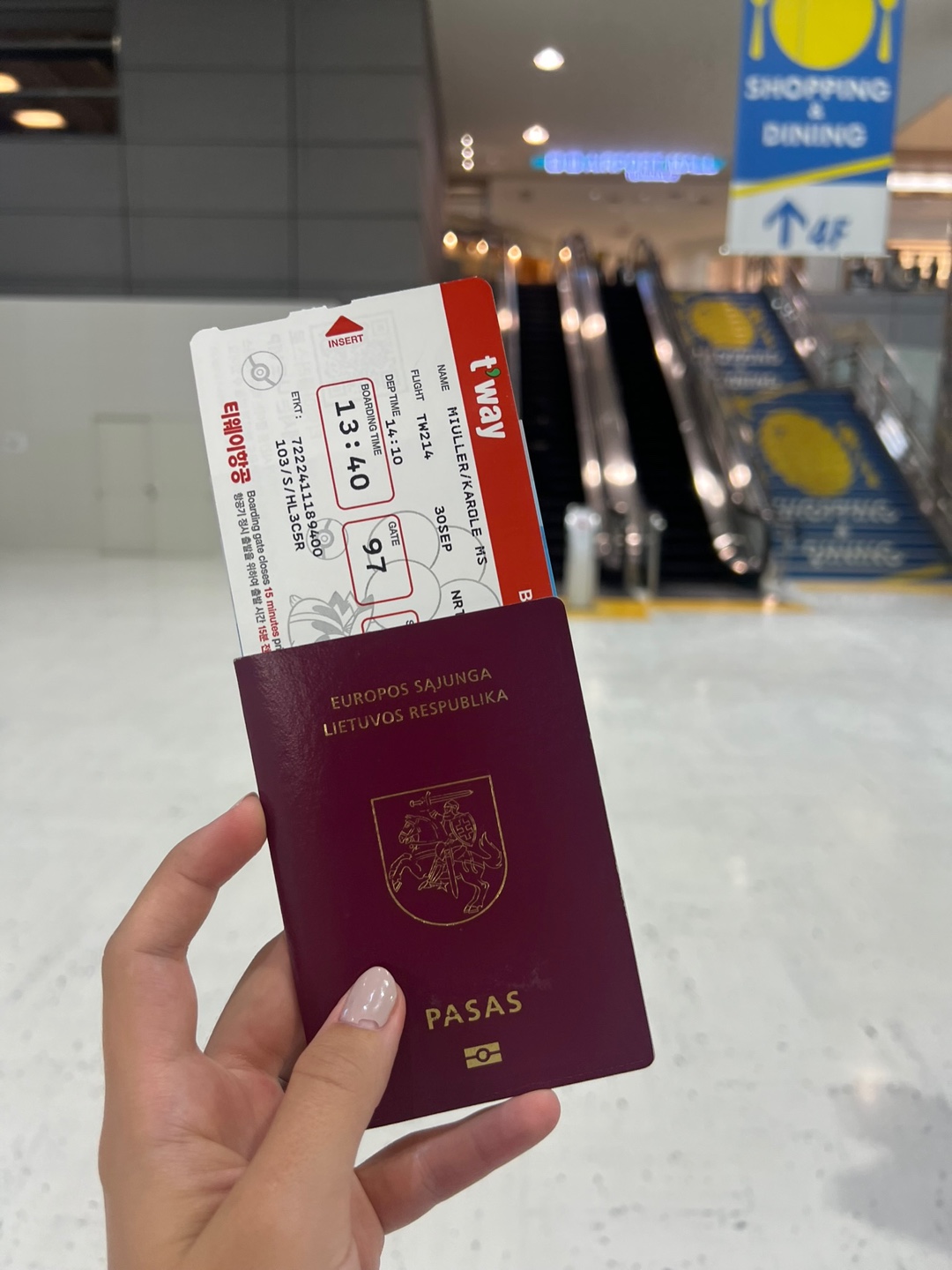
It was truly bittersweet when it came time to head home. Our trip felt far too short, and there’s still so much more left to explore. But above all, the most special part was the precious time spent with my mom—sharing laughs, adventures, and unforgettable memories. I’ll definitely be back one day to relive these beautiful moments… and to create even more.
And for now…
…stay tuned
Au revoir
– M



























































































 Miseongii